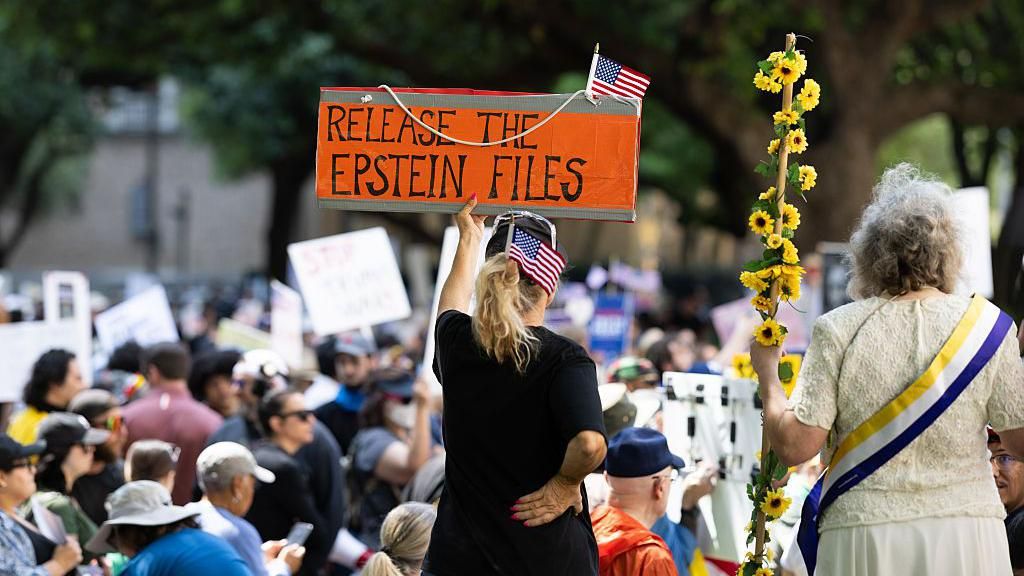
The internal watchdog of the United States Department of Justice (DOJ) has officially launched a formal investigation into whether the agency has met its legal obligations under a congressional mandate to declassify and release documents tied to the controversial Jeffrey Epstein case. The move from the DOJ’s Office of the Inspector General comes as bipartisan lawmakers have repeatedly slammed the agency for its slow, inconsistent rollout of records, with millions of documents still locked away from public view more than five months after the law took effect.
In an official statement released Thursday, the inspector general’s office outlined that the probe will center on three core areas of scrutiny: how DOJ staff identify, collect, and turn over records that fall under the scope of the transparency law; whether the department’s internal rules and processes for redacting sensitive information and withholding documents align with the legal requirements set by Congress; and the agency’s overall adherence to the law’s timeline. The statement also noted that if unaddressed issues emerge during the audit, investigators will expand their review to cover those emerging concerns.
The legal mandate at the center of this controversy, the Epstein Files Transparency Act, was signed into law by President Donald Trump in November 2025. Notably, Trump initially lobbied Congress to reject the bill before ultimately signing it after it passed with bipartisan support. The law requires the DOJ to release every existing document related to Jeffrey Epstein, the disgraced financier convicted of sex offenses, and his convicted co-conspirator Ghislaine Maxwell, within 30 days of the law’s enactment.
Since the law took effect, the DOJ has released records in staggered, intermittent batches to its public online database. Officials confirm they have published more than three million files to date, but a recent analysis by CBS News, the BBC’s U.S. partner, found that roughly 300,000 of those files were later pulled offline following privacy complaints from Epstein’s survivors, leaving roughly 2.7 million records publicly available. Back in January, a senior DOJ official disclosed that the federal government holds an estimated six million total documents tied to the case, explaining that many records will remain sealed permanently to protect survivors’ personal identifying information or to preserve the integrity of ongoing active investigations.
That explanation has done little to ease mounting public and congressional frustration. Critics have openly accused the DOJ of deliberately dragging its feet to conceal connections between Epstein and powerful political and celebrity figures, a claim the department has repeatedly denied. Just last month, the DOJ was forced to correct a major oversight when it released previously withheld interview summaries from a woman who had made unsubstantiated sexual assault claims against President Trump. The agency claimed the documents had been kept from public view by accident. Trump, whose name appears thousands of times throughout the released files, including in personal emails and correspondence written by Epstein, has repeatedly denied any wrongdoing connected to the case.
The push for an independent inspector general review has long been led by two high-profile bipartisan lawmakers who spearheaded the push for the original transparency law: Democratic Congressman Ro Khanna and Republican Congressman Thomas Massie. In an interview with BBC Newsnight last month, Massie made clear he remained deeply unsatisfied with the DOJ’s handling of the file release, and called for greater accountability. “Men need to be perp-walked in handcuffs to the jail, and until we see that here in this country… we don’t have a system of justice that’s working,” Massie told the program.