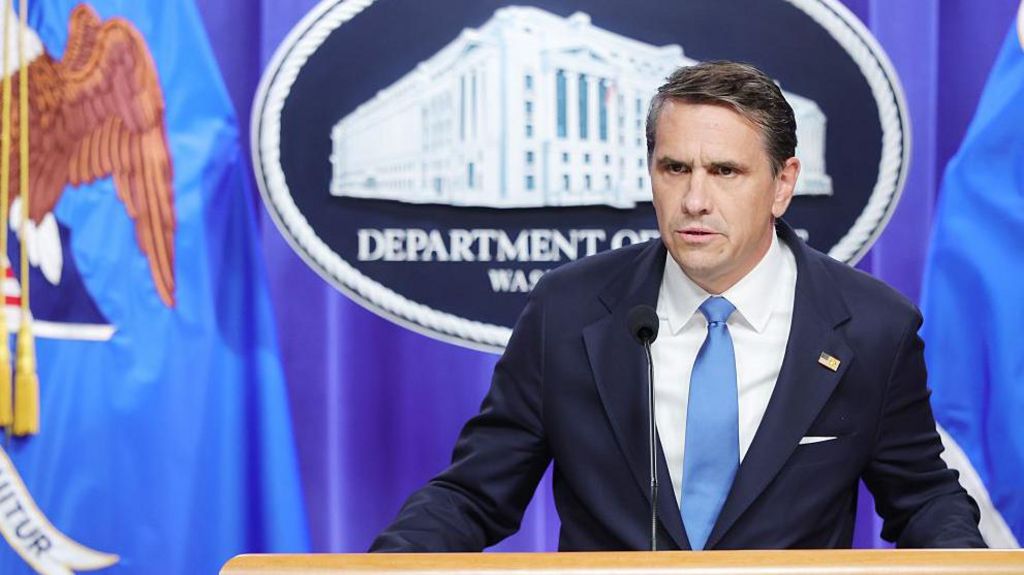
On Tuesday, Acting United States Attorney General Todd Blanche made a landmark announcement of federal criminal charges against the Southern Poverty Law Center (SPLC), a decades-old civil rights organization long known for its work tracking extremist movements and leading high-profile campaigns against the Ku Klux Klan. The charges mark a dramatic escalation of long-running tensions between the SPLC and the current Trump-aligned administration, laying out a series of serious fraud and money laundering allegations against the non-profit group.
The 11-count indictment handed down by the Department of Justice (DOJ) includes six charges of wire fraud, four counts of bank fraud, and one count of conspiracy to commit money laundering. At the core of the government’s case is the accusation that the SPLC deceived its donors by funnelling millions of dollars in charitable contributions to paid informants embedded within the very extremist groups the organization claims to oppose—going so far as to enable the extremism it says it fights. According to the indictment, between 2014 and 2023 alone, the SPLC directed more than $3 million to individuals with ties to violent extremist organizations, including the Ku Klux Klan, neo-Nazi group National Alliance, and the National Socialist Movement. One prominent case cited in the charging document details more than $1 million paid over nine years to an informant who stole 25 boxes of internal documents from the National Alliance’s headquarters. In another, the SPLC transferred over $270,000 to an individual who helped plan and attended the deadly 2017 Unite the Right white nationalist rally in Charlottesville, Virginia; the indictment does not clarify what work the payment was for.
Blanche laid out the government’s position during Tuesday’s press conference, arguing that the SPLC had betrayed public trust. “The SPLC is a non-profit entity that purports to fight white supremacy and racial hatred by reporting on extremist groups and conducting research to inform law enforcement groups with the goal of dismantling these groups,” Blanche said. “The SPLC was not dismantling these groups. It was instead manufacturing the extremism it purports to oppose by paying sources to stoke racial hatred.”
Leadership of the Montgomery, Alabama-based organization has pushed back forcefully against the charges, framing the indictment as a politically motivated attack by an administration that has long targeted the SPLC for its work. Interim SPLC leader Bryan Fair released a pre-emptive video statement ahead of the official announcement of charges, noting the group’s 55-year history of combating white supremacy and systemic injustice. “We are therefore unsurprised to be the latest organisation targeted by this administration,” Fair said. He defended the group’s past use of paid informants, arguing the practice was a necessary safety measure given the long history of violence and threats against the organization. Fair pointed to the 1983 firebomb attack on the SPLC’s former office as evidence of the persistent danger the group faces, adding that the organization historically shared all intelligence gathered by informants with law enforcement partners including the FBI. “These individuals risked their lives to infiltrate and inform on the activities of our nation’s most radical and violent extremist groups,” he said. Fair also confirmed the SPLC no longer works with paid informants, and accused prosecutors of weaponizing the federal justice system to target a political opponent. “Today, the federal government has been weaponised to dismantle the rights of our nation’s most vulnerable people, and any organization like ours that stands in the breach,” he said. The group’s president has also reaffirmed the organization’s commitment to mounting a vigorous legal defense of its work, staff, and mission.
Tensions between the SPLC and the Trump administration predate the current charges, with the FBI formally cutting ties with the group last October after labeling it a “partisan smear machine.” For years, conservative Republicans have also criticized the SPLC for what they call unfair targeting of right-leaning organizations, including Turning Point USA, the Family Research Council, and Moms for Liberty, as well as former officials aligned with the Trump administration.