Just days after the conclusion of the U.S. midterm elections, the Federal Open Market Committee (FOMC) of the United States Federal Reserve announced on Wednesday that it would maintain the federal funds target range at 3.75% to 4%, marking a strategic pause following the first interest rate increase the central bank had implemented in three years during its September policy gathering.
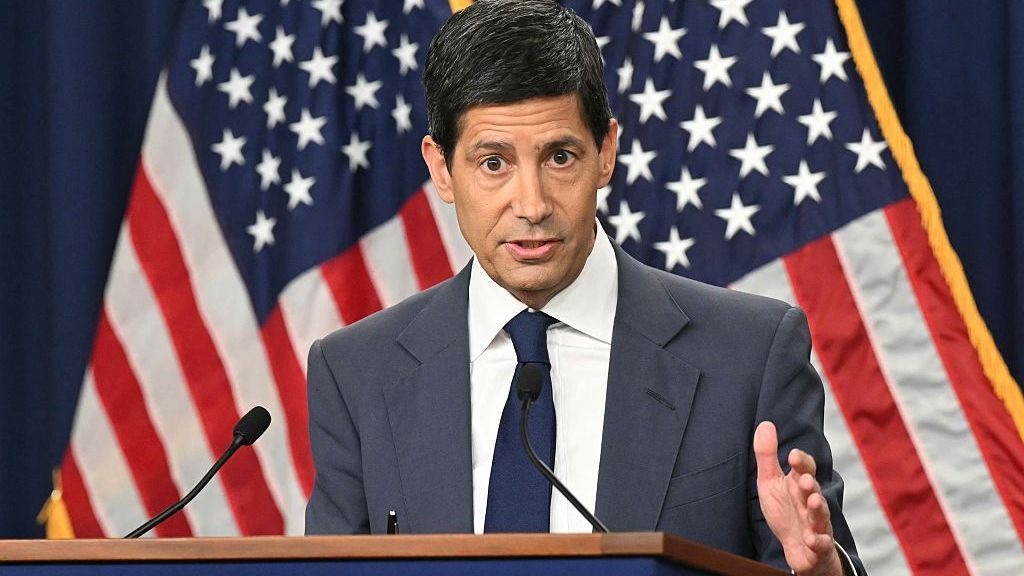
Fed Chair Kevin Warsh emphasized during the post-meeting press briefing that the cumulative impact of recent monetary policy adjustments is already starting to ripple through the broader economy. “The overwhelming consensus, the overwhelming judgement, is that what we’ve done in this monetary medicine is starting to work some,” Warsh noted, referencing the September rate hike that kicked off the current tightening cycle after years of near-zero borrowing costs.
The federal funds rate, the benchmark interbank overnight lending rate the Fed directly controls, acts as the foundational reference point for nearly all consumer and commercial borrowing and saving products across the U.S. financial system. Its movements directly shape the cost of mortgages, auto loans, credit card balances, small business financing, as well as the annual percentage yields consumers earn on high-yield savings accounts and certificates of deposit.
In its official policy statement accompanying the rate hold decision, the FOMC acknowledged that headline inflation remains stubbornly elevated, well above the Fed’s longstanding 2% annual target, but argued that a temporary pause would give policymakers critical additional time to parse incoming economic data to avoid over-tightening that could trigger unnecessary economic contraction. The committee also highlighted that despite lingering cross-currents and global economic uncertainties, underlying fundamentals of the U.S. economy remain surprisingly robust, with labor market strength and consumer spending holding up better than many analysts had projected earlier in the year.
While Warsh reiterated that current inflation levels are still unacceptably high, he pointed to emerging signs of cooling demand across credit-constrained sectors as evidence that policy is moving in the desired direction. He noted that a full slate of new employment, inflation, and consumer spending reports will be released in the six weeks leading up to the FOMC’s next scheduled two-day policy meeting on December 8-9, 2024, which will give the committee a far more complete, data-driven picture of economic conditions to guide future rate adjustments. When pressed by reporters to confirm whether the final 25 basis point rate hike the committee had signaled last month would move forward at the December gathering, Warsh declined to commit to a pre-set path, stating “A lot of things can happen, so I’m not going to be able to share with you my musings.”
The decision to hold rates steady was not a fully unanimous vote among the 12 sitting FOMC members: 10 policymakers supported the pause, while Fed Governor Lisa Cook and Cleveland Federal Reserve President Beth Hammack dissented, arguing for an immediate 25 basis point increase to push the target range to 4% to 4.25% to more aggressively combat lingering inflation pressures.
The Fed’s dual legislative mandate tasks it with balancing price stability (targeting 2% annual inflation) and maximum sustainable employment. Historically, the central bank raises benchmark rates when inflation runs too hot, a move that ripples through the financial system to raise borrowing costs, incentivize higher household savings, dampen excessive consumer and corporate spending, cool overheated labor markets, and gradually reduce aggregate demand to bring price growth back under control. Conversely, the Fed cuts rates to stimulate borrowing, spending and business investment when inflation is running below target or the economy faces a downturn, as it did to near-zero levels during the 2008 global financial crisis and again during the 2020 COVID-19 pandemic to support job creation and prevent a deeper recession.
Prior to this year’s policy cycle, the Fed had pushed rates as high as 5.25% to 5.5% between mid-2023 and August 2024 in response to a post-pandemic inflation surge that had pushed consumer price growth to multi-decade highs. Rates had been on a steady downward trajectory for several months leading up to the September 2024 surprise hike, marking the first upward adjustment in three years. By keeping rates unchanged in this latest decision, consumers and businesses will see little movement in the near term on new mortgage rates, small business loan costs, and savings account yields, extending the current status quo for household and corporate financial planning.
US central bank holds interest rates steady ahead of midterm elections – here’s what that means