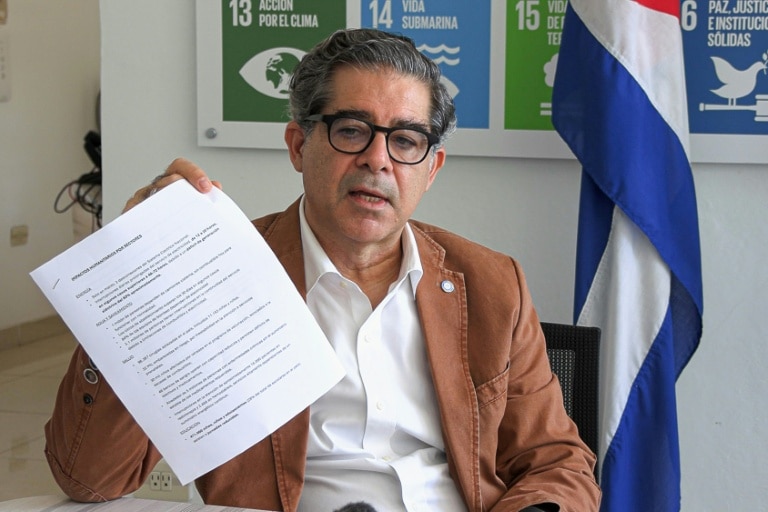
The United Nations has unveiled a critical $94.1 million emergency strategy for Cuba centered on establishing a comprehensive fuel tracking mechanism, amid ongoing negotiations with the United States to permit energy imports exclusively for humanitarian operations. UN Cuba Coordinator Francisco Pichon issued a stark warning Wednesday that without immediate fuel solutions, the nation faces potentially catastrophic human consequences.
Pichon emphasized the plan’s objective is sustaining essential services for Cuba’s most vulnerable populations, stating current dwindling fuel reserves threaten ‘a rapid deterioration with the potential loss of life.’ The proposed ‘fuel traceability model’ serves as a verification mechanism to ensure all imported petroleum reaches prioritized critical services including healthcare, water distribution, and emergency response systems.
This crisis stems from the Trump administration’s January imposition of a de facto oil blockade, significantly exacerbating Cuba’s pre-existing economic challenges. While Washington recently permitted limited oil sales to Cuba’s small private sector, humanitarian organizations remain constrained. UN agencies currently face severe operational limitations, unable to conduct field work or efficiently retrieve aid shipments from Havana’s airports.
The expanded UN plan originally responded to Hurricane Melissa’s October devastation but now addresses the compounding energy emergency. Cubans endure regular blackouts exceeding 20 hours, with two nationwide outages occurring just last week. President Miguel Diaz-Canel has implemented strict fuel rationing and conservation measures amid the worsening crisis.
Pichon confirmed all solutions remain under consideration, including collaboration with non-state sectors, as diplomatic efforts continue to establish a viable pathway for humanitarian fuel access.