A sharp diplomatic dispute has exploded between Kyiv and Jerusalem after Ukrainian officials accused Israel of allowing shipments of grain stolen by Russia from occupied Ukrainian territories to enter its ports, triggering warnings of damaged bilateral ties and drawing in the European Union over its ties to Moscow’s war effort.
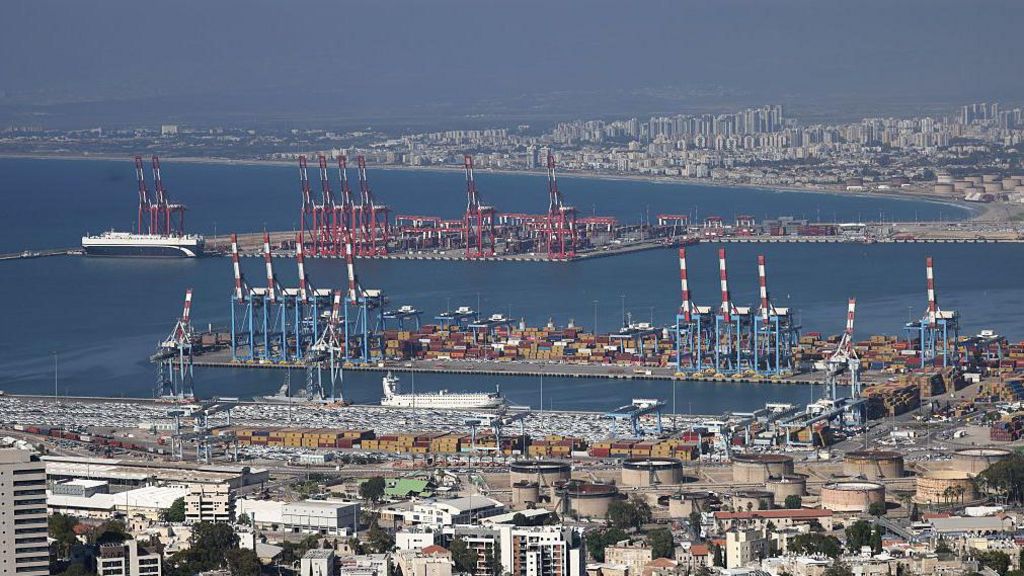
The confrontation began with an initial investigative report from Israeli daily Haaretz, which claimed that four cargo ships carrying grain harvested in Russian-occupied Ukrainian regions had already been unloaded at Israeli ports in 2025. The outlet added that a fifth vessel carrying suspected stolen grain had anchored in Haifa Bay by Sunday morning, waiting for clearance to enter the port.
By Monday night, the clash moved to public social media, when Ukrainian Foreign Minister Andrii Sybiha announced on X that his ministry had summoned Israel’s ambassador to Kyiv to protest what he called Israel’s failure to act on previous Ukrainian complaints about a prior stolen grain delivery to Haifa. “Now that another such vessel has arrived in Haifa, we once again warn Israel against accepting the stolen grain and harming our relations,” Sybiha wrote.
Israeli Foreign Minister Gideon Saar pushed back immediately, rejecting Ukraine’s public, social media-focused approach to the sensitive diplomatic issue. Saar stressed that diplomacy between friendly nations does not occur on public platforms, and emphasized that Israel is a rule-of-law state with independent law enforcement bodies that will review the claims properly. “If you have any evidence of theft, submit it through the appropriate channels,” Saar noted, adding that Kyiv had failed to share formal evidence or file a legal assistance request to back up its allegations. He also clarified that the vessel currently anchored off Haifa has not yet entered port or submitted cargo documentation, meaning Ukrainian claims that the cargo papers were forged cannot yet be verified.
The following morning, Ukrainian President Volodymyr Zelenskyy waded into the dispute, doubling down on Kyiv’s accusations. Zelenskyy argued that the trade of stolen Ukrainian grain “is not – and cannot be – legitimate business,” adding that the practice even violates Israeli domestic law. He noted that Ukrainian authorities had already taken all required diplomatic steps to block these shipments, yet another vessel had still reached Israeli waters. Zelenskyy warned that continued inaction from Israeli authorities would undermine bilateral relations, and confirmed that Ukraine is working alongside European partners to prepare a targeted sanctions package targeting any individuals and entities involved in transporting and profiting from the stolen grain.
Ukraine’s foreign ministry further detailed its claims, stating that a Russian-flagged bulk carrier named the Abinsk was unloaded at an Israeli port in mid-April, and was allowed to depart despite Kyiv’s formal request to Israeli officials to detain the ship and its cargo. The ministry added that Israeli officials also ignored a request to take action against a second vessel, the Panormitis, as it approached Haifa.
Kremlin spokesperson Dmitry Peskov declined to comment on the dispute when approached by reporters, and Russia has consistently denied previous accusations that it steals grain from occupied Ukrainian territories.
The European Union has already waded into the row, with foreign affairs spokesperson Anouar El Anouni confirming that the bloc has taken note of the reports of a shadow Russian fleet vessel carrying stolen Ukrainian grain being permitted to unload in Haifa. “We condemn all actions that help fund Russia’s illegal war effort and circumvent EU sanctions, and remain ready to target such actions by listing individuals and entities in third countries if necessary,” El Anouni told the BBC. The EU formally documented in 2024 that it had confirmed evidence of Russia illegally seizing large volumes of grain and other agricultural products from occupied Ukrainian territories, then rebranding the goods as Russian products for export to global markets.