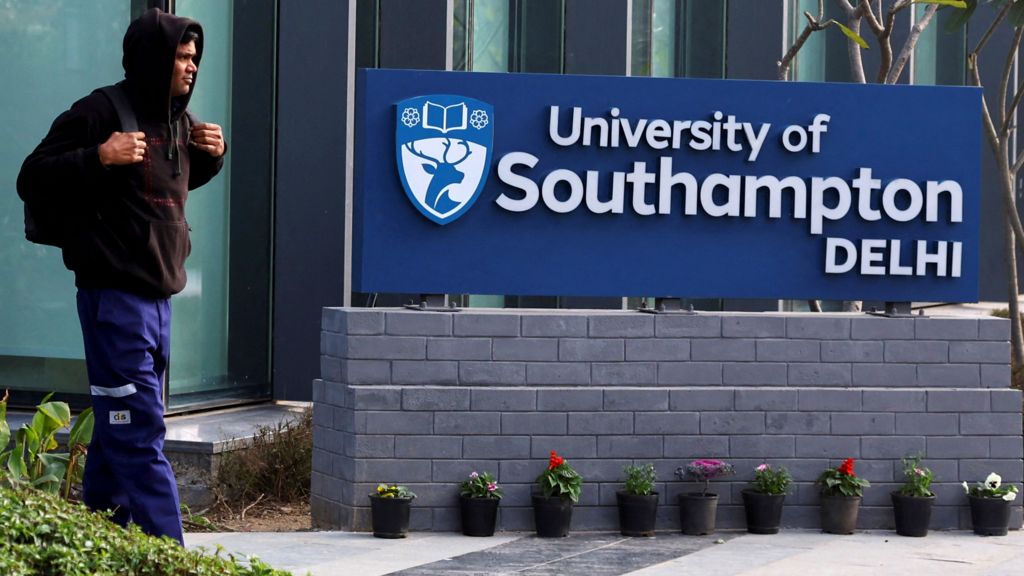
Amidst the vibrant urban landscape of Mumbai, the University of York’s new campus nears completion along the serene shores of Powai Lake, marking a significant milestone in international education collaboration. This development positions York among nine UK institutions establishing footholds in India, following diplomatic announcements during Sir Keir Starmer’s recent visit. The pioneering University of Southampton has already inaugurated its Delhi campus, with Aberdeen, Bristol, Liverpool, Queen’s Belfast, and Coventry Universities similarly advancing Indian operations.
This educational expansion stems from India’s 2020 National Education Policy, which established legal frameworks for foreign university operations by 2023. The initiative creates symbiotic opportunities: UK institutions gain access to India’s massive education market while Indian students obtain international-standard education domestically. According to government statistics, India requires 70 million university placements by 2035, presenting British universities with potential access to 25-30 million incremental seats.
Lindsay Oades, Provost of University of York Mumbai, reveals initial enrollment targets of 270 students for the 2026-27 academic year, with planned expansion to 3,000-4,000 annually. The curriculum will emphasize business, management, and engineering programs, with tuition approximately half of UK campus rates. Students will have hybrid learning options between Indian and UK campuses.
Despite apparent advantages, challenges persist. Aritra Ghosal of OneStep Global notes that while 11 million Indian students complete Grade 12 annually, only 200,000 secure placements in top-tier institutions. Approximately 4-5 million students can realistically consider programs exceeding £10,000 annually, representing an aspirational upper-middle class rather than mass market.
Critical success factors include maintaining UK academic standards at Indian price points, requiring stringent cost discipline and strategic program selection. Infrastructure presents another hurdle—real estate consultancy Anarock estimates need for 30,000 acres of campus land and 2.7 billion square feet of academic infrastructure, requiring approximately $100 billion investment. Many institutions may initially adopt asset-light strategies through leased facilities.
The model faces cultural considerations as well. Mumbai parent Ankita Kejriwal observes that international work exposure remains primary motivation for overseas study, suggesting India-delivered UK degrees may not fully substitute for abroad experiences. However, tighter immigration rules elsewhere could make domestic international education increasingly attractive for students seeking brand value with reduced financial and visa complications.