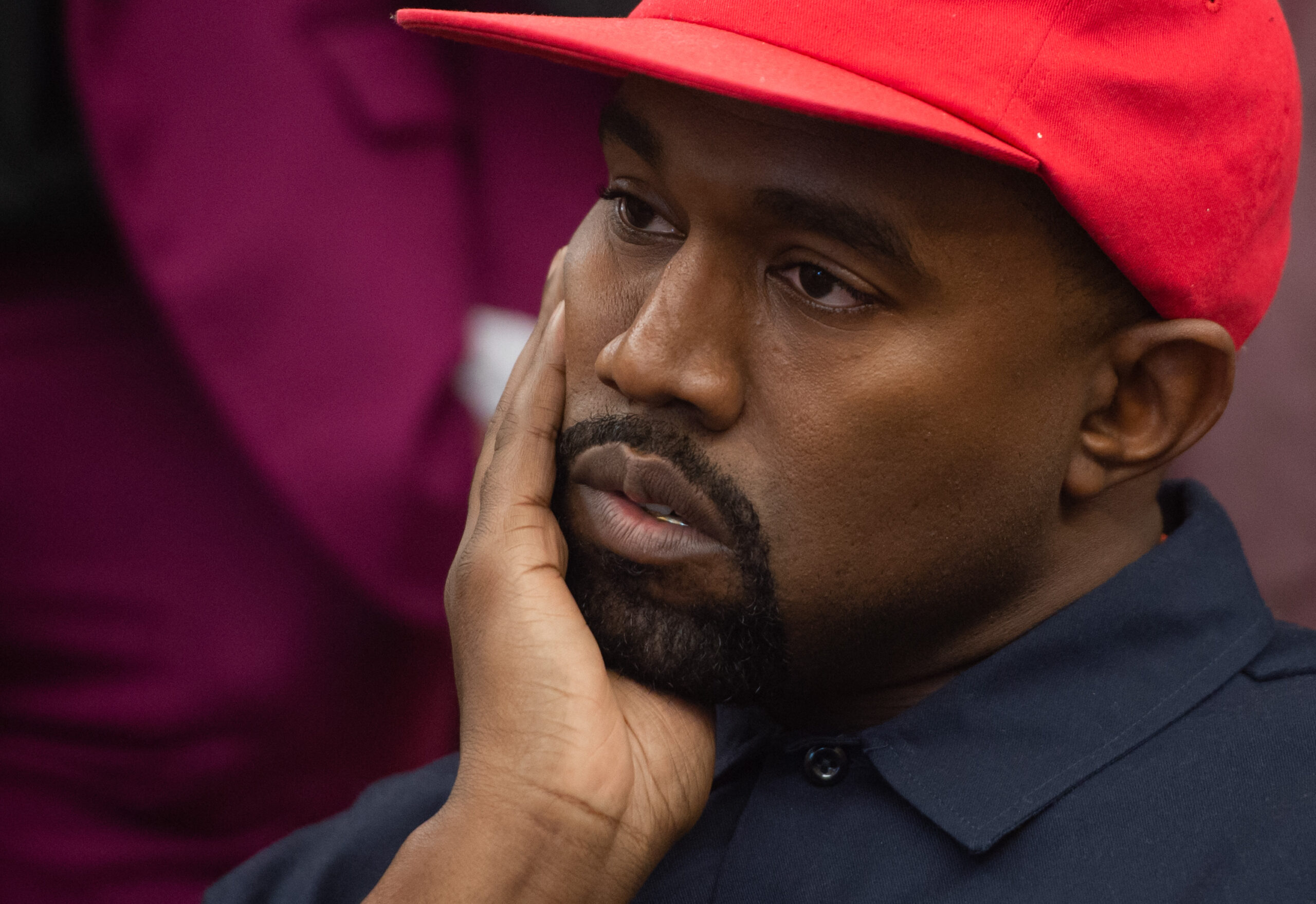
The United Kingdom Home Office’s Tuesday rejection of a visa application from American rapper Ye, formerly known as Kanye West, over his history of antisemitic comments has ignited fierce public and political debate across Britain, with critics accusing Prime Minister Keir Starmer’s government of prioritizing a high-profile cultural ban over addressing alarming threats of mass violence tied to the Middle East.
Ye had originally been booked as a headline act for London’s summer 2026 Wireless Festival, a booking that already faced widespread condemnation from British politicians and Jewish community groups who pushed organizers to drop the rapper over his long record of antisemitic rhetoric. The festival’s director initially defended the invitation against this pressure, but the Home Office’s visa ruling has now scrapped Ye’s planned appearance entirely, with Festival Republic, the event’s parent organizer, confirming the July performance slot would not be filled following the entry ban.
In its official announcement of the visa refusal, the Home Office stated that Ye’s presence in the UK would not be conducive to the public good. Starmer backed the ban in a post on X, writing, “Kanye West should never have been invited to headline Wireless. This government stands firmly with the Jewish community, and we will not stop in our fight to confront and defeat the poison of antisemitism.”
However, the prime minister’s quick, public embrace of the ban has drawn sharp pushback from across the UK political and media landscape, with critics pointing to Starmer’s complete public silence on a recent threat from U.S. President Donald Trump that warned “a whole civilization will die” unless Iran allows unimpeded shipping through the Strait of Hormuz, amid escalating U.S.-Israeli military action against Iran. Critics argue the stark contrast between the government’s immediate action on Ye’s visa and its failure to address what many are calling a genocidal nuclear threat exposes a damaging double standard in British foreign policy.
“On the verge of a genocidal, nuclear war that our supposed ‘ally’ has said he’s ready to unleash. Would it be too much to ask for the Prime Minister to have something to say about it? Or do? Suspend US bases now,” Green Party deputy leader Zack Polanski wrote on X on April 7, the day after Trump’s comment.
Prominent British historian William Dalrymple amplified that criticism on April 8, writing, “The total silence from Keir Starmer and his cabinet in the face of Trump’s genocidal threat to Iran, even as they took immediate concrete action to ban Ye, reveals deep and profoundly troubling double standards. As we saw repeatedly with Gaza, the mass slaughter of Muslims really doesn’t bother our government; now even the threat of complete civilisational erasure is not worth a passing comment.”
Journalist Barry Malone echoed that take, noting “He’s tweeting about Kanye West” but has “nothing to say about Trump threatening to commit a genocide.” Left-wing Labour MP Zarah Sultana put the criticism even more sharply, writing, “Glad Keir Starmer’s Labour government is prioritising stopping musicians from performing. Wouldn’t want them distracted from their complicity in Israel’s genocide of the Palestinian people and an illegal war on Iran.”
Some social media users have also raised concerns beyond the double standard accusation, arguing that while most reject Ye’s antisemitic comments, the government’s decision to block entry over controversial speech sets a dangerous precedent for overstepping into cultural event planning. Others, however, have supported the ban as a necessary stand against hate speech.
Ye, who has long said his public erratic behavior is tied to his bipolar disorder, has a well-documented history of inflammatory antisemitic statements. In 2022, he posted on X that he would go “death con 3 On Jewish people,” and in 2025, he was barred from entering Australia after releasing a song titled “Heil Hitler” and selling swastika-branded merchandise through his personal website.
Earlier this year, Ye issued a public apology for his past actions in a full-page advertisement in the Wall Street Journal, writing, “I regret and am deeply mortified by my actions in that state, and am committed to accountability, treatment and meaningful change.” Following the UK’s visa ban, Ye released another statement Tuesday saying he would “be grateful for the opportunity to meet with” Britain’s Jewish community, adding, “I know words aren’t enough – I’ll have to show change through my actions. If you’re open, I’m here.”
Middle East Eye has reached out to 10 Downing Street for additional comment on the criticism of Starmer’s silence on Trump’s threat, and as of publication, no further statement has been released.