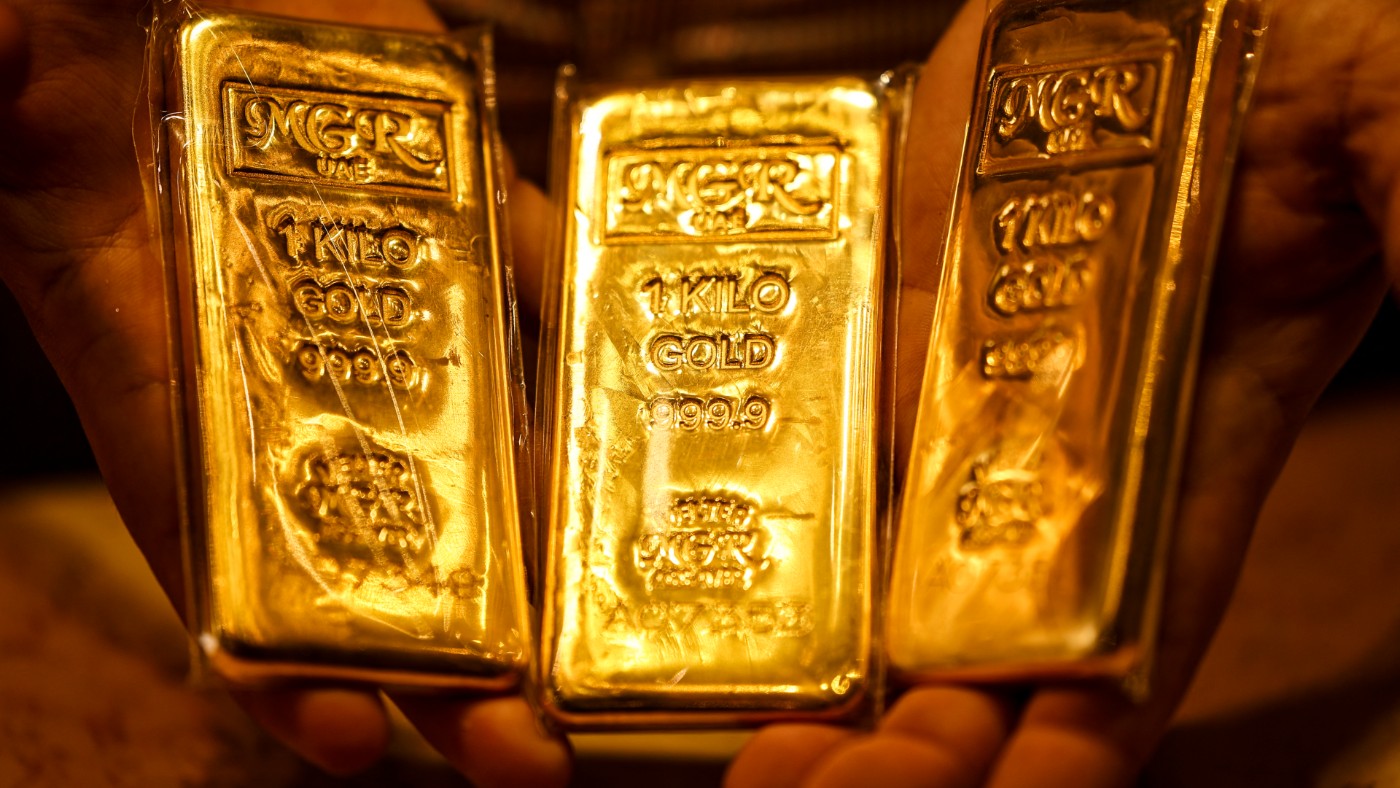
A damning new investigative report from Swiss non-profit foundation Swissaid has revealed that the United Arab Emirates remains the world’s dominant transit and trading hub for illicit smuggled gold and conflict-linked gold, even after the country implemented 2023 legislation explicitly designed to crack down on unregulated precious metal flows. Now ranked as the planet’s second-largest gold trading jurisdiction behind Switzerland, the UAE imported no less than 591 tonnes of untraced, illicit gold in 2024 alone, according to the study’s cross-referenced trade data and on-the-ground stakeholder interviews.
Illicit gold, as defined by the report, covers two distinct high-risk categories: untraceable consignments smuggled directly into the UAE, most often through Dubai’s sprawling global gold souks, and mineral resources extracted in active war zones or under the control of sanctioned armed factions, including Russia, Sudan, and Yemen. Swissaid’s analysis confirms the UAE is by far the single largest global destination for gold tied to ongoing armed conflicts across Africa, as well as a primary entry point for gold exports originating from nations under binding international sanctions.
Marc Ummel, head of Swissaid’s commodities unit and co-author of the investigation, emphasized the severity of the findings, stating, “The findings of this study are deeply concerning. They show that the United Arab Emirates remains a hub for smuggled and conflict gold.”
Of the 2024 total illicit gold imports, at least 174.5 tonnes were sourced directly or indirectly from Russia (transited via Armenia), Yemen, and Sudan, a volume Swissaid classifies in its entirety as conflict gold. The report draws explicit links between the UAE’s long-documented military and political involvement in Sudan’s ongoing civil war and its lucrative gold trade in the region: Abu Dhabi is a key patron of Sudan’s Rapid Support Forces (RSF), a paramilitary group widely accused of perpetrating genocide across Darfur, and the family of RSF commander Mohamed Hamdan Dagalo, known universally as Hemedti, directly profits from gold mines in the RSF-controlled vast western Darfur region. The RSF’s official gold trading arm, al-Junaid, has amassed enormous wealth by smuggling mineral output from areas under its control straight to Dubai’s markets.
Even gold extracted in territories held by the Sudanese Armed Forces, the RSF’s rival in the 20-month-old conflict that erupted in April 2023, makes its way to the UAE after being transited through neighboring border states including Egypt, Ethiopia, Chad, Libya, and South Sudan. Swissaid’s data shows more than 95% of all gold declared as exported from Sudan, Niger, the Central African Republic, Zimbabwe, Libya, Togo, and Cameroon is ultimately imported into the UAE. Gold mining operations across Sudan’s conflict zones have become deeply militarized: Egyptian military airstrikes have targeted Sudanese artisanal miners on the Egypt-Sudan border, while UAE-linked gold mining concessions sit adjacent to territories where Ethiopian military forces have deployed to support the RSF’s combat operations.
Sudanese gold trade expert Suliman Baldo noted that 85 to 90% of Sudan’s national gold output comes from unregulated artisanal small-scale miners. Independent Sudanese gold traders confirmed that private wholesale brokers, not state entities, dominate the network of purchasing gold from artisanal workers and smuggling it across borders to the UAE, generating enormous personal profit: one small-scale refiner operating in Sudan’s River Nile state reported earning up to $150,000 in net monthly profit after covering costs for labor, fuel, accommodation, and the mercury used to separate raw gold from ore. Artisanal miners working in RSF-held areas typically smuggle their output through South Sudan, Chad, the Central African Republic, Ethiopia, or Kenya, while miners in SAF-controlled territory move gold primarily across the Egyptian border, with Dubai’s gold markets serving as the universal final destination for nearly all of the consignments, after passing through layers of intermediaries and brokers.
The UAE’s rise to become the world’s second largest gold trading hub has been driven largely by Dubai’s unique geographic position between Africa’s major gold producing regions and high-demand consumer markets across Asia, complemented by the emirate’s tax-free trade zones and widely recognized quality certification frameworks that have earned trust from international commercial buyers. Swissaid’s historical trade data shows that more than 2,500 tonnes of smuggled gold valued at over $115 billion flowed from Africa to the UAE between 2012 and 2022, with 413 tonnes of smuggled African gold formally recorded as UAE imports in 2024 alone. For 2024, over 70% of all gold extracted across the African continent was shipped to the UAE, and African nations accounted for more than half of the emirate’s total gold import volume in 2024 and 2025. The 2022 Swissaid report had already identified the UAE as the top global destination for smuggled African gold, with 405 tonnes imported that year; at the time, UAE government officials responded by stating the country had implemented sweeping new regulations for gold and precious metals trade to address international concerns.
However, Swissaid’s latest investigation, which drew on 2021 to 2025 trade datasets and interviews with over 150 industry stakeholders, confirms that the 2023 mandatory due diligence rules for UAE gold refineries have completely failed to curb the inflow of illicit gold, with official trade figures showing a slight year-on-year increase in unregulated flows rather than the reduction policymakers promised. The findings carry direct implications for Switzerland, the world’s largest gold trading hub, which relies on the UAE as its primary source of imported gold for domestic refining and re-export operations.
UAE remains ‘main destination’ for gold smuggled out of Sudan and other war zones