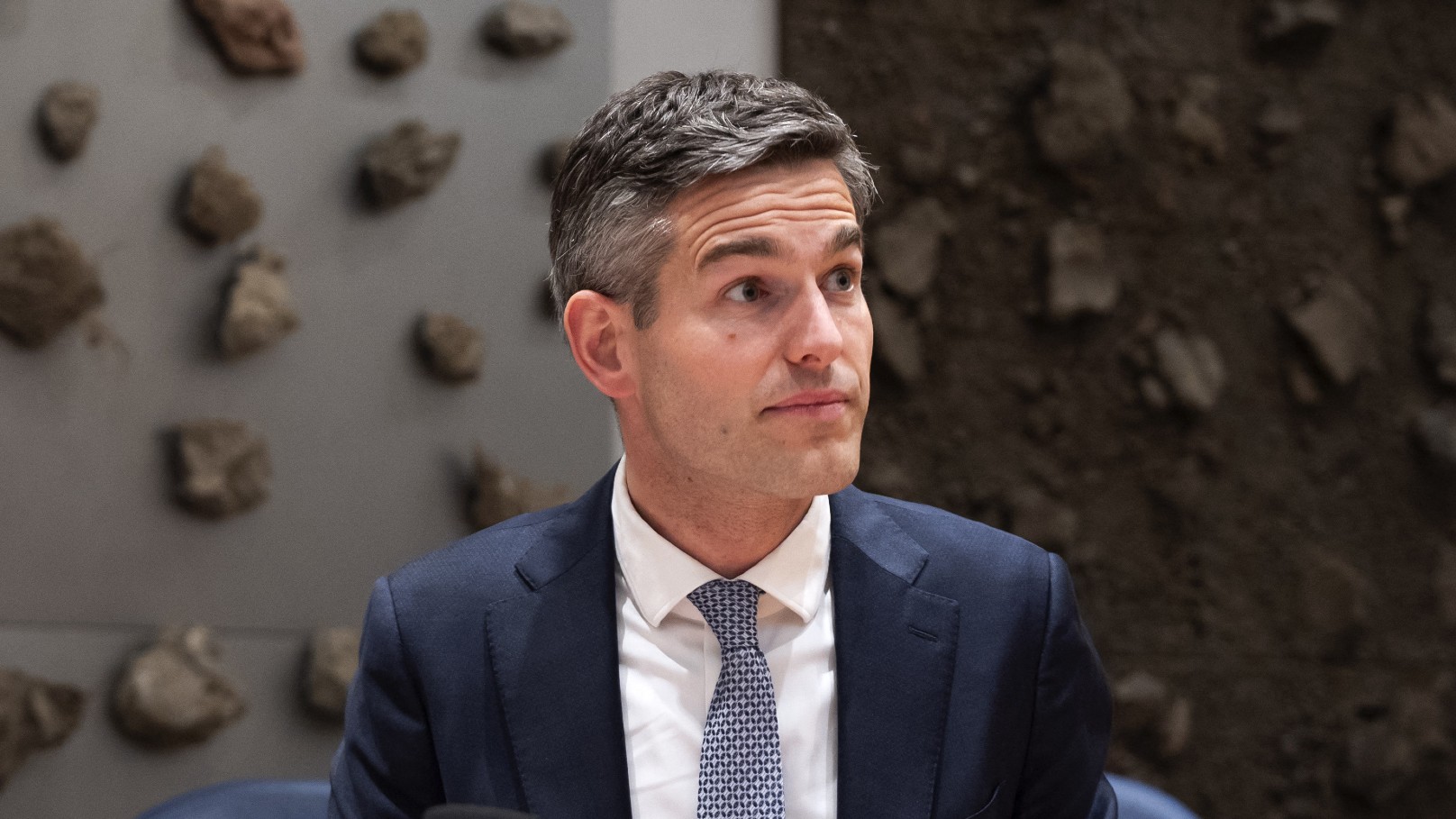
The Dutch government has formally dispelled widespread speculation of ongoing active negotiations with the United States to revise the International Criminal Court’s foundational Rome Statute or craft a collective response to sweeping U.S. sanctions targeting the global judicial body, a foreign ministry spokesperson confirmed exclusively to Middle East Eye in an emailed statement on Friday. The official clarification came days after ambiguous public remarks from Dutch Foreign Minister Tom Berendsen left parliamentary lawmakers and global observers uncertain about whether the Dutch government was entertaining U.S. demands to grant sweeping immunity to sitting heads of state and curtail the ICC’s jurisdiction over nationals of non-member states. Berendsen had failed to either confirm or dismiss previously reported reform proposals during a parliamentary query from Hanneke van der Werf, a legislator from the centrist Democrats 66 party, who was pressing for clarity on a prior report published by watchdog group The Rights Forum that alleged backchannel Dutch-U.S. talks were underway to rewrite core provisions of the Rome Statute. The unsubstantiated proposals outlined in that report included three major shifts: full immunity for all serving heads of state and heads of government, a complete carve-out barring the ICC from prosecuting citizens of countries that never ratified the Rome Statute, and a significant weakening of the court’s authority to open cases when national judicial systems refuse or are unable to pursue alleged perpetrators. The unnamed foreign ministry spokesperson explicitly rejected the premise of the Rights Forum report, stating, “The article published by The Rights Forum does not reflect the Netherlands’ position. The article also claims that various issues are currently under active negotiation. That is not the case.” The spokesperson further emphasized, “At this moment, there are no direct negotiations with the US, nor are there any concrete proposals before the Assembly of States Parties that address the US’s concerns yet.” While no formal negotiations are in progress, the official noted that Dutch officials are currently exploring the parameters for non-binding dialogue with non-member states, as agreed by consensus during the previous year’s meeting of the ICC’s governing Assembly of States Parties. The upcoming 2025 Assembly of States Parties gathering, scheduled to run from November 30 to December 7 in The Hague, was relocated from its original New York venue after U.S. sanctions and visa restrictions threatened to bar dozens of international delegates from participating. Any formal revision to the Rome Statute’s core provisions faces formidable legal barriers: under the court’s established rules, amendments must first secure either full consensus or a two-thirds majority vote from attending state parties, followed by formal ratification from seven-eighths of all member states before they can legally enter into force. The U.S., which never ratified the Rome Statute, first imposed targeted sanctions on senior ICC judges and prosecutors in February 2024, shortly after the court issued arrest warrants for Israeli Prime Minister Benjamin Netanyahu and former Defense Minister Yoav Gallant on charges of war crimes and crimes against humanity committed in Gaza. Washington escalated these punitive measures on October 9 of the same year by imposing sweeping institutional sanctions on the entire ICC, a move widely described by human rights advocates as a “financial death penalty” that has already cut targeted court staff off from standard global banking and payment services. The institutional sanctions, which would block the ICC from conducting U.S. dollar transactions and effectively sever the court’s access to most of the global financial system, have been delayed by a six-month temporary exemption set to expire on April 7, 2027, to allow a window for diplomatic engagement. U.S. officials have repeatedly stated their sanctions campaign is driven by two core grievances: opposition to the ICC’s ongoing investigations into Israeli actions in Palestine and U.S. military conduct in Afghanistan, and fear that the court could one day prosecute American officials for crimes committed on the territory of ICC member states. Middle East Eye first revealed in an exclusive December report that U.S. negotiators had offered to roll back all sanctions against the ICC in exchange for a permanent end to the Palestine and Afghanistan probes, plus binding amendments to the Rome Statute that would permanently bar prosecutions of citizens of non-member nations. Multiple diplomatic and legal experts warned that any concessions to U.S. demands would fatally undermine the ICC’s mandate. A senior diplomat speaking to MEE on the sidelines of preliminary Assembly of States Parties meetings noted, “There is a growing realisation that any amendment to the Rome Statute intended to appease those calling for sanctions would do more to destroy the court than the sanctions themselves. Many states believe there would be little reason to remain within the court if that happens.” Sergey Vasiliev, a prominent Netherlands-based professor of international law, described the U.S.-proposed amendments as a “nightmare scenario” that would “turn the court into an obedient toothless lapdog.” Vasiliev added that the Dutch government’s recent reluctance to explicitly reject U.S. demands has exposed its deeply awkward dual position as the host nation of the ICC, which is traditionally tasked with protecting the court’s operational independence, while also seeking to avoid provoking retaliation from the Trump administration during the temporary sanctions reprieve. He noted that during Wednesday’s parliamentary debate, “MPs challenged, pressured, and implored the minister, but he could not bring himself to reaffirm the Dutch commitment to the ICC’s cornerstone principles and unequivocally reject the absurd proposals for fear of provoking a backlash.”