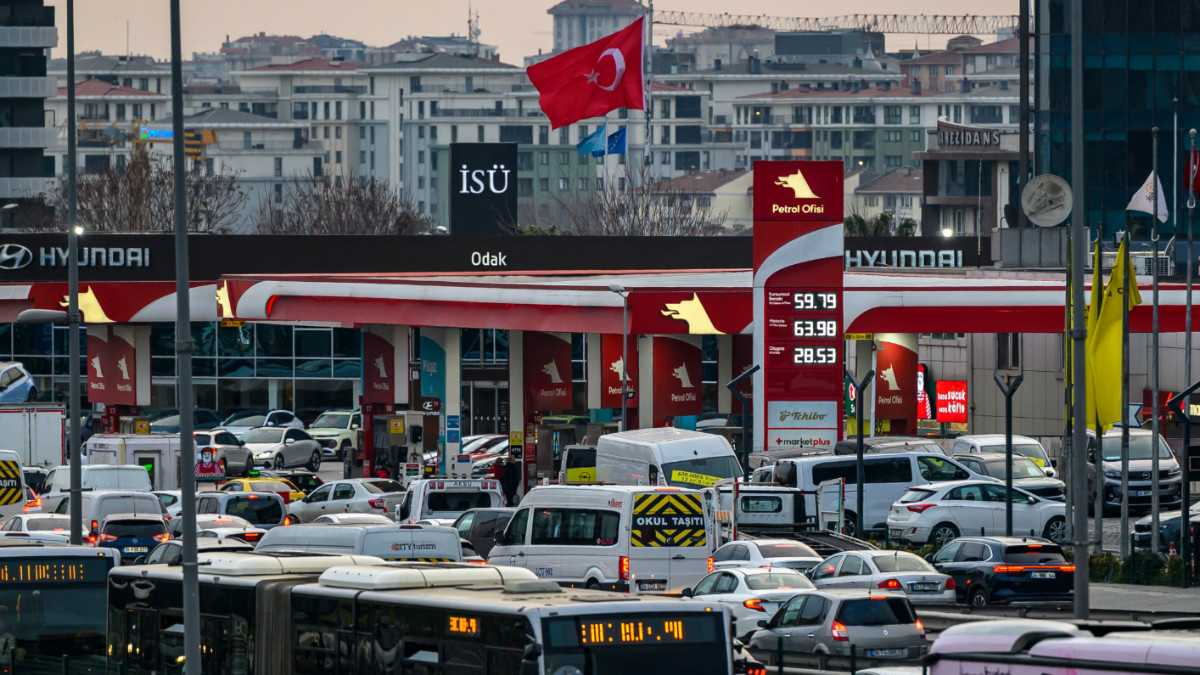
A major shift in global energy trade flows has emerged in recent months, with new Turkish customs data confirming that Turkey has turned to the United States for crude oil and refined petroleum products after Russian supplies were severely disrupted by intensifying Ukrainian attacks on Russian energy infrastructure.
In a historic shift that underscores the reshaping of Turkey’s energy import map, the United States surpassed Russia in June 2025 to become Turkey’s largest crude oil supplier. Data shows approximately 570,000 tonnes of US crude arrived at Turkish ports during the month, outstripping the 425,000 tonnes delivered by Russia. This shift lays bare how Ankara has steadily reduced its reliance on Russian crude, a stark reversal from its position as one of Russia’s top crude buyers in the period immediately after Russia’s full-scale invasion of Ukraine.
Alongside cutting Russian crude imports, Turkey has also ramped up purchases of diesel from both the United States and India. Data from energy analytics firm Kpler shows that since August 2025, Turkey has imported more than 120,000 barrels per day (bpd) of diesel from India and 90,000 bpd from the United States. These volumes mark the highest level of Turkish diesel imports from these two markets since Kpler began tracking this data in 2017.
Three interconnected factors are driving Turkey’s sweeping adjustment to its energy import portfolio. First, sustained lobbying from the Donald Trump administration pushed Ankara to expand purchases of American energy, with high-level diplomatic pressure intensifying during Turkish President Recep Tayyip Erdogan’s September 2025 visit to the White House. A former United States official told Middle East Eye on that occasion that Turkey was far more likely to reduce reliance on Russian oil than Russian gas, most of which is delivered through long-term pipeline contracts that Ankara has little incentive to abandon abruptly. As of 2024, 41 percent of Turkey’s total gas imports still come from Russia, with these supplies offering favorable payment terms that help power Turkey’s manufacturing sector and mitigate the impact of persistent double-digit domestic inflation. Just last December, Ankara extended its expiring long-term Russian gas import contract by an additional year, and Turkey has continued to position the TurkStream Pipeline as a critical alternative route for Russian gas to reach European markets amid Western sanctions on Moscow.
Second, Russia’s domestic energy industry has been thrown into chaos by intensifying Ukrainian drone and missile strikes on key energy infrastructure. Kyiv’s military has repeatedly targeted Russian refining capacity, including strikes on Russia’s largest Siberian oil refinery and key processing facilities in Novgorod and Tatarstan. The damage to production forced Russia to implement a full ban on diesel exports in July 2025, and resulting domestic fuel shortages across Russia have further limited the country’s ability to export crude and refined products to international buyers including Turkey.
Third, the ongoing US-Israeli military campaign against Iran has disrupted regional oil supply routes that feed into Turkish refineries, cutting off access to crude from major suppliers including Iraq, Saudi Arabia, Kuwait and the United Arab Emirates.
This dramatic realignment of Turkey’s energy imports highlights how ongoing geopolitical conflicts continue to reshape global energy trade routes, forcing major consumer nations to rapidly adjust their supply chains to offset unexpected disruptions.