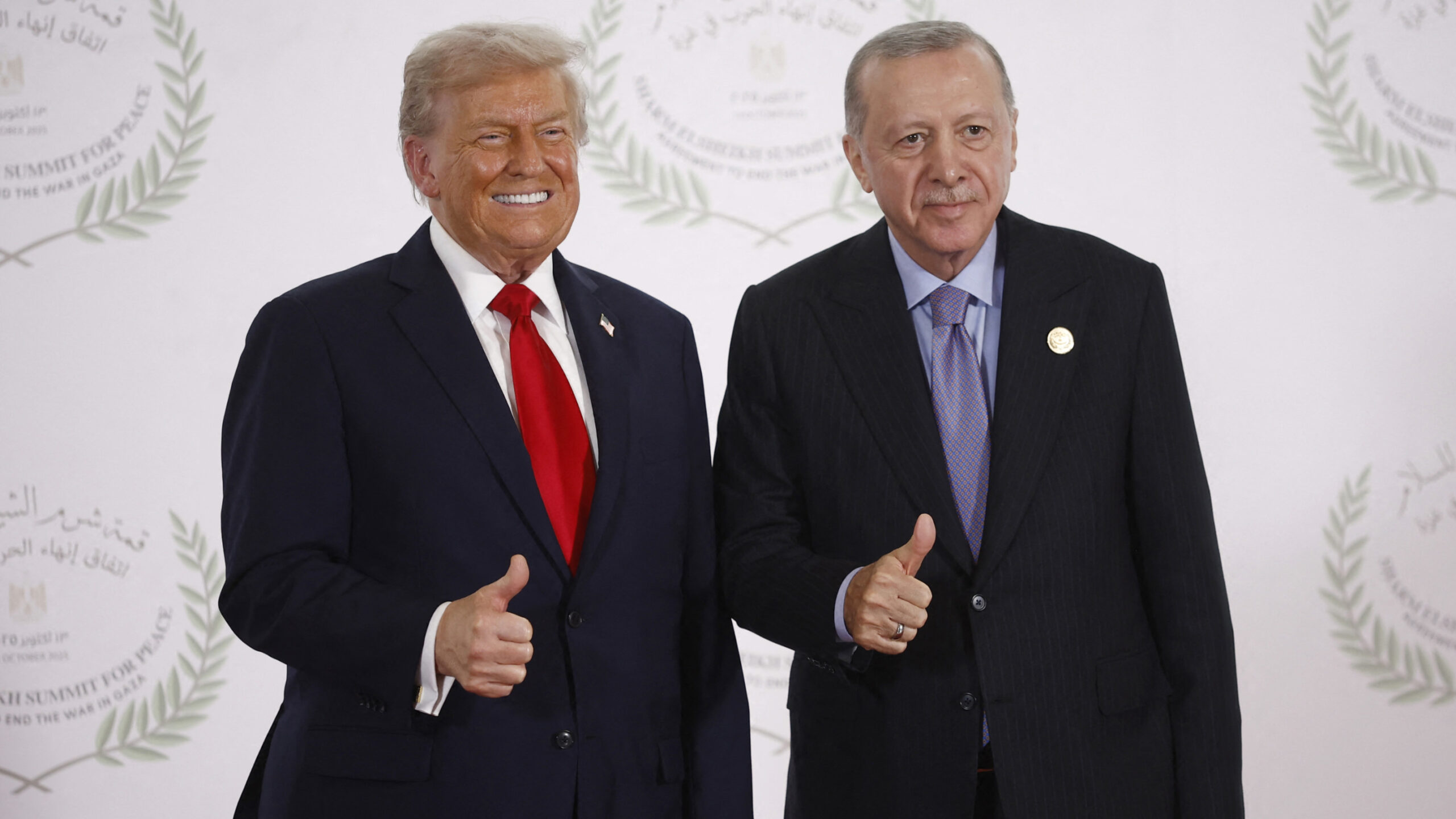
Multiple anonymous sources with direct knowledge of recent diplomatic conversations between Washington and Ankara have confirmed to Middle East Eye that former President Donald Trump, the sitting U.S. President, has informed Turkish President Recep Tayyip Erdogan that he intends to participate in the upcoming NATO summit scheduled to take place in Ankara this coming July. The development marks a sharp reversal from Trump’s public stance just one month prior, when he stated in April that he was actively evaluating a full U.S. withdrawal from the 75-year-old transatlantic security alliance and made clear he was deeply dissatisfied with NATO’s member commitments and operations.
The shift in tone occurred during a formal phone call between the two heads of state on May 20, where Trump confirmed his planned visit to the Turkish capital for the alliance’s flagship annual gathering. Turkish Foreign Minister Hakan Fidan publicly reinforced this framing over the recent weekend, noting that Erdogan has held multiple conversations with Trump over the past 30 days, and at no point in those discussions did Trump indicate he would skip the summit.
Beyond the NATO summit, additional reporting has raised speculation about a potential earlier informal meeting between the two leaders. Turkey is set to face the United States in a group-stage World Cup match in Los Angeles on June 25, and sources familiar with Erdogan’s patterns note the Turkish leader frequently attends major international tournaments to support his national team. If Erdogan proceeds with a trip to California for the match, sources say he is likely to request a bilateral meeting with Trump and even invite the U.S. president to attend the match as his guest. No final decision has been reached on this potential side meeting, however.
Diplomatic observers note Trump’s reported commitment to the Ankara visit aligns with longstanding reciprocal travel agreements: Erdogan traveled to Washington during both of Trump’s first and second presidential terms, and Trump has repeatedly promised to make a return visit to Turkey. Still, senior U.S. and European officials caution that nothing regarding Trump’s attendance has been formally finalized, pointing to Trump’s well-documented history of impulsive decision-making and last-minute changes to planned itineraries. The White House has not yet issued a formal response to requests for comment from Middle East Eye.
Trump’s shifting comments on NATO are not an isolated incident, either. Earlier this year, the U.S. leader sent conflicting signals on European force deployments: he announced a plan to withdraw 5,000 U.S. troops from the continent, only to reverse course weeks later and say he would deploy the same number of troops to Poland instead.
The uncertainty around Trump’s attendance has pushed European officials to rank the Ankara summit as one of the most critical alliance gatherings in recent decades. Many European capitals now view the meeting as a make-or-break moment for NATO’s future, amid persistent signals from Trump that the U.S. may no longer be willing to uphold its longstanding security commitments to defend Europe against external aggression.
One senior European official summed up the split sentiment to Middle East Eye: “If he comes, there may be mayhem and shouting matches. However, if he doesn’t come, it would be detrimental to the future of the alliance.”
NATO Secretary-General Mark Rutte and other senior European alliance leaders are already preparing to use the summit to make a direct case to Trump, laying out detailed arguments for why the alliance remains a cornerstone of transatlantic security and critical to U.S. strategic interests. Some more pessimistic European diplomats, however, argue that the shifts in U.S. policy set in motion during Trump’s previous term are already on an irreversible path toward a full drawdown of U.S. security commitments in Europe. For these officials, the priority for host nation Turkey and other NATO allies is not to convince Trump to stay, but to secure a clear roadmap from Washington for a gradual, orderly U.S. withdrawal rather than a sudden, destabilizing exit.
One senior European diplomat explained, “We need a new framework that could both accommodate Trump’s wishes and address Europe’s security needs. But it would take years.”