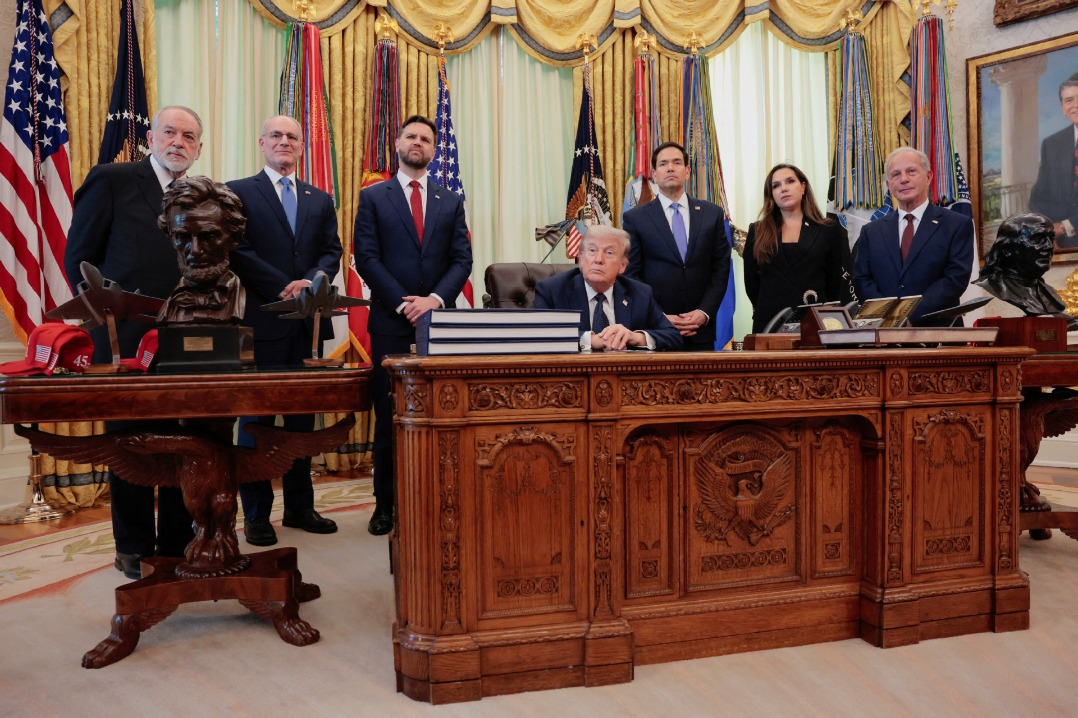
On April 23, 2026, at the White House in Washington D.C., U.S. President Donald Trump made a key announcement: the fragile 10-day ceasefire between Israel and Lebanon, which went into effect on April 16, will be extended by an additional three weeks. The announcement came just hours after the two nations wrapped up their second round of ambassador-level talks in the U.S. capital, a meeting that brought together senior diplomatic leadership from both sides alongside top U.S. officials.
Trump confirmed the meeting took place in the White House Oval Office, with attendees including U.S. Vice President JD Vance, Secretary of State Marco Rubio, Israel’s Ambassador to the U.S. Yechiel Leiter, Lebanon’s Ambassador to the U.S. Nada Hamadeh Moawad, and U.S. Ambassador to Lebanon Michel Issa. In a post published to his social media platform Truth Social, Trump simply stated, “The Meeting went very well!”, offering no further specifics on the discussions that unfolded during the closed-door session.
The U.S. leader also outlined Washington’s planned next steps in the region, noting the United States will partner with Lebanon’s national government to help the country build its defensive capacity against Hezbollah, the Iran-aligned political and military group that holds significant influence in southern Lebanon. Trump further shared his long-term diplomatic goal, saying he remains eager to host senior leadership from both nations in the near future: Israeli Prime Minister Bibi Netanyahu and Lebanese President Joseph Aoun. This plan aligns with comments Trump made last week, when he said he expected the two leaders to visit the White House within one to two weeks to work toward a comprehensive permanent peace agreement that would resolve ongoing tensions related to Hezbollah.
The original 10-day truce was implemented after weeks of escalating cross-border hostilities that unfolded amid the broader U.S.-Israeli military campaign against Iran. It is important to note that Israel and Lebanon have never maintained formal diplomatic relations. For decades, Israel has classified Hezbollah as an Iranian proxy force, and current negotiations are being conducted exclusively between the Israeli government and Lebanon’s official national government, with Hezbollah not participating directly in the talks.
Despite the pause in large-scale fighting that the ceasefire brought, the truce has remained unstable throughout its first week, with low-level tensions persisting along Lebanon’s southern border, leaving regional observers cautious about the long-term prospects of the newly announced extension.