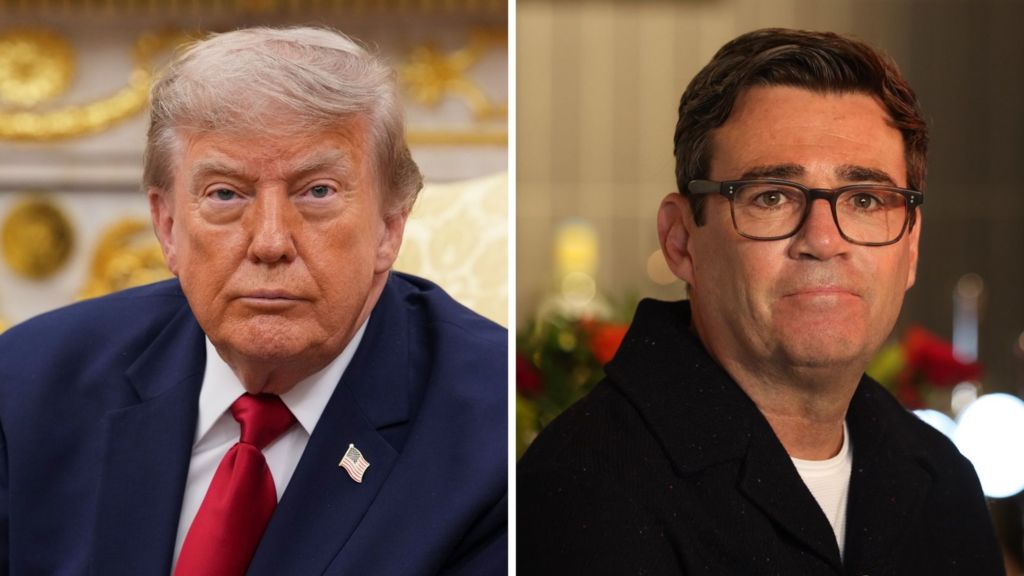
When Keir Starmer took office as the United Kingdom’s new prime minister this week, he inherited a long list of domestic priorities – from reforming the National Health Service to tackling the housing crisis. But one of his most high-stakes and delicate immediate challenges lies not in Westminster, but across the Atlantic: building a functional working relationship with former U.S. President Donald Trump, who is set to return to the Oval Office in January 2025.
The relationship between the British prime minister and the U.S. president has long been billed the “special relationship,” a cornerstone of both nations’ global security and economic cooperation. But for Starmer, a center-left Labour leader who has never held executive office at Downing Street while Trump was in the White House, this partnership is off to an uncertain start. In her analysis for the BBC, senior Scotland correspondent Sarah Smith unpacks the layers of complexity that will define this critical bilateral dynamic in the months ahead.
Unlike Starmer’s predecessor, Rishi Sunak, who had established limited but cordial working ties with Trump during his first term and maintained connections through transatlantic conservative networks, Starmer spent years as the leader of the Labour opposition criticizing Trump’s policy agenda, from his trade tariffs to his approach to NATO and the war in Ukraine. Early diplomatic rumblings already hint at friction: Trump has made public comments calling into question the UK’s commitment to global security, while Starmer’s team has walked a fine line between respecting the U.S. democratic process and defending Labour’s progressive policy priorities.
Smith notes that the stakes could not be higher. A breakdown in trust between the two leaders could impact everything from post-Brexit trade negotiations to coordinated Western support for Ukraine against Russian aggression. At the same time, both leaders have practical incentives to find common ground: Starmer needs U.S. economic and security cooperation to deliver on his domestic campaign promises, while Trump has a long history of seeking friendly ties with UK leaders to bolster his own image as a global statesman.
The question that now hangs over transatlantic diplomacy is not whether the two leaders will interact – they will, out of geopolitical necessity – but whether they can set aside personal and ideological differences to advance shared interests. As the world watches the new UK government settle in and the U.S. transition of power unfolds, this budding relationship will be one of the most closely watched international political storylines of the coming year.