Just days after Typhoon Dolphin wrought destruction across southern Japan and left a trail of fatalities and displacement across East and Southeast Asia, Tropical Storm Chan-hom made history when it came ashore in Japan’s Ibaraki Prefecture Tuesday night — the first recorded tropical cyclone to strike the region since official meteorological record-keeping began in 1951.
After making landfall in southern Ibaraki, part of the greater Tokyo metropolitan area, the storm rapidly lost intensity as it tracked westward across the Japanese archipelago. By early Wednesday, the system was positioned near Gifu Prefecture in central Japan, continuing on a trajectory toward Wakasa Bay on the country’s north-central coast. At the time of the latest update from the Japan Meteorological Agency (JMA), Chan-hom carried sustained wind speeds of 64 kilometers per hour (40 miles per hour).
The storm left a clear mark of disruption across central and eastern Japan. Five people across the country sustained only minor injuries: two men in the northern prefecture of Iwate and three women in the hardest-hit Ibaraki Prefecture, local prefectural officials confirmed. Falling trees were reported at multiple sites across Tokyo, including a high-profile incident in the upscale Omotesando shopping district that caused no casualties, Japan’s public broadcaster NHK reported.
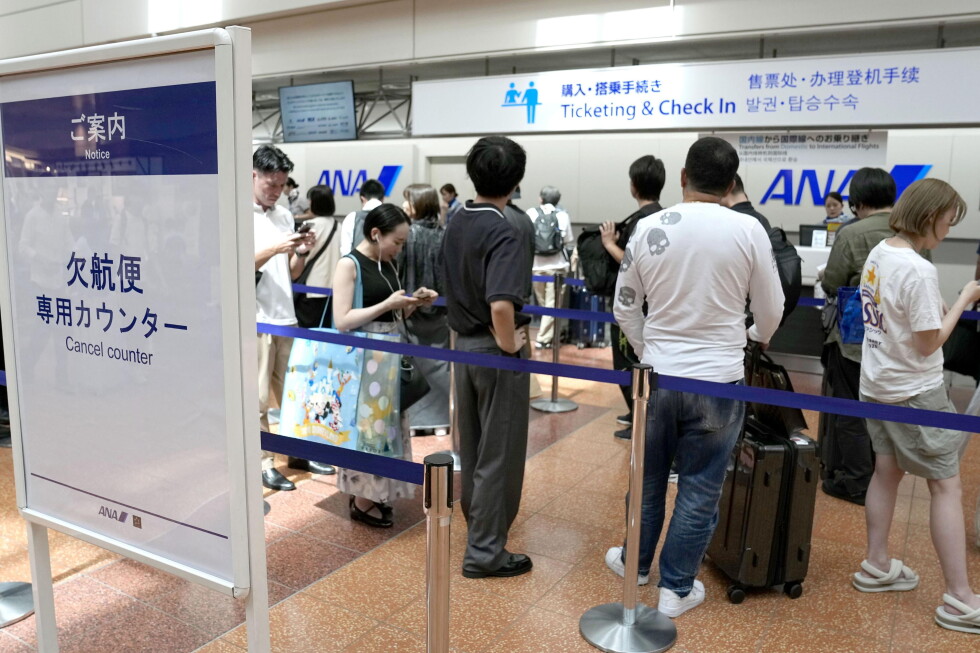
Power outages affected more than 3,000 residential properties in Ibaraki and neighboring Tochigi Prefecture as of Wednesday morning, according to TEPCO Power Grid, the region’s main electricity infrastructure operator. Approximately 60 incoming and outgoing flights at Tokyo’s major Haneda Airport were canceled Tuesday as the storm approached, while popular coastal recreation spot Oarai Beach in Ibaraki was closed to visitors for the duration of the severe weather.
The disruption intersected with Japan’s annual bon holiday week, a traditional Buddhist period for honoring ancestral spirits that draws millions of domestic travelers across the country. By Wednesday, most transit services in Tokyo had resumed normal operations, with commercial activity returning to near-standard levels. Even so, JMA issued ongoing warnings for residents of northern and western Japan, cautioning that the remnants of Chan-hom would bring heavy downpours and thunderstorms through the end of the day.
Chan-hom’s arrival came on the heels of Typhoon Dolphin, which triggered widespread chaos in southern Japan just days prior, halting ground transportation and forcing hundreds of residents to seek emergency shelter. After weakening from typhoon strength, the system moved west, killing 10 people in the Philippines and triggering major flooding in southern China that forced hundreds of thousands of people to evacuate their homes.