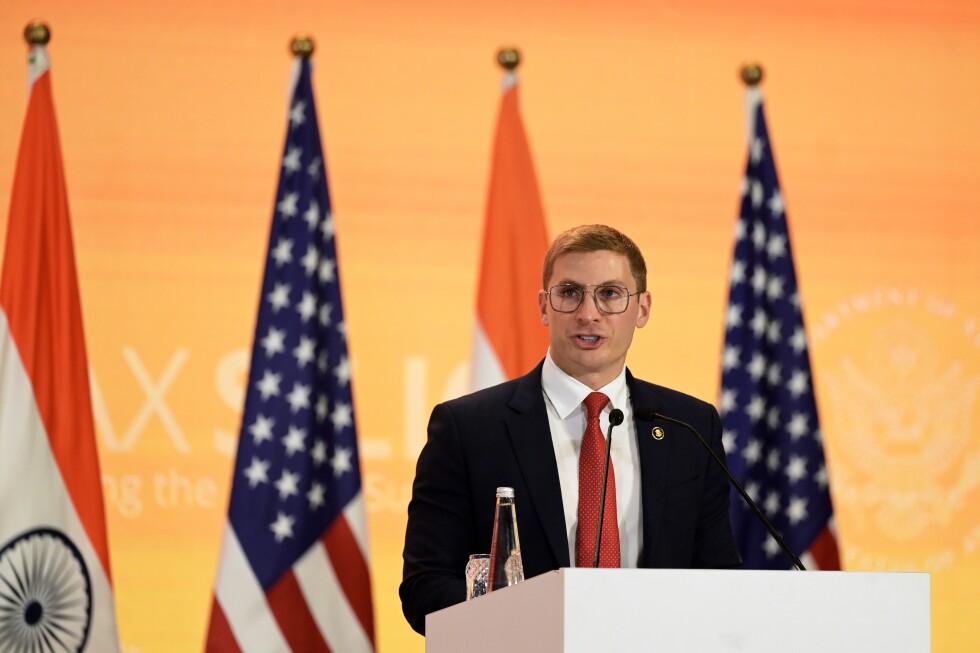
Amid a shifting global energy landscape and intensifying great power competition in the Western Hemisphere, the Trump administration has announced a new push to unlock business opportunities in Guyana’s rich bauxite and mineral sectors, expanding Washington’s growing focus on Latin American energy and raw material supplies. This diplomatic outreach, centered on high-level talks held earlier this week between U.S. Under Secretary for Economic Affairs Jacob Helberg and top Guyanese leadership including President Irfaan Ali, comes as the small South American nation undergoes an unprecedented oil boom that has upended its global standing.
Over the past decade, massive offshore oil discoveries have catapulted Guyana from a relatively overlooked economy to a geopolitically critical player, a shift that has only gained urgency amid the ongoing global energy shortage triggered by the Iran conflict. Beyond its newfound oil wealth, Guyana holds substantial bauxite reserves – a core input for aluminum production that has drawn growing global demand from industrial sectors worldwide.
In recent months, the Trump administration has ramped up its focus on extracting and developing Latin America’s natural resources: it has pushed to expand oil output in Venezuela following the U.S. military incursion in January, while also pursuing expanded critical mineral cooperation with Brazil. This renewed regional focus marks a clear reversal of decades of declining U.S. attention to Latin American energy production, experts note.
“In times of global energy scarcity, there’s a great deal more focus on Latin America as an alternative stable source of supply,” explained Benjamin Gedan, senior fellow and director of the Latin America program at the Stimson Center. “And Guyana is the leader of that story.”
A core undercurrent driving Helberg’s visit is growing anxiety within the U.S. government that Chinese state-backed firms have already secured billions of dollars in major infrastructure and resource contracts in Guyana, locking out U.S. competitors. Guyanese officials have long observed that U.S. firms have been far less proactive than their Chinese counterparts, who frequently offer tailored financing packages and accommodate local labor requirements to win large-scale projects. Currently, Chinese mining giant Bosai Minerals dominates Guyana’s bauxite sector, holding a near-monopoly over production in the country.
Following the bilateral talks, Helberg noted that both sides acknowledged Guyana’s extraordinary endowment of natural resources, confirming that the U.S. sees untapped potential in Guyana’s already well-documented bauxite reserves. Beyond the bauxite sector, Helberg added that the U.S. is prepared to support Guyana with advanced geological survey technology to map and develop additional untapped mineral deposits across the country.
Jason Marczak, vice president and senior director for the Adrienne Arsht Latin America Center at the Atlantic Council, said the visit reflects a deliberate shift by U.S. policymakers to correct past missteps that allowed China to build a strong economic foothold across Latin America. While Guyana has actively sought to diversify its international trade and investment partnerships – including maintaining strong ties with China – Marczak emphasized that the country remains a core U.S. partner in the region. “President Ali in particular is very close to the United States and in general recognizes the importance of the U.S. as a key partner for Guyana,” Marczak said. “That’s reflected by Helberg’s visit to Guyana.”
Speaking to the Associated Press on Friday, Guyana’s Foreign Secretary Robert Persaud confirmed the country’s interest in attracting new U.S. investment across its oil, gas and mineral sectors in the coming months. “The U.S. is our strategic partner and we made that clear to them but we would want value added to bauxite and other products,” Persaud said. “We are interested in processing and with improvements in energy generation.”