Between October 2025 and July 2026, more than 80 people have been killed by mobs across six African nations following baseless accusations of so-called ‘genital theft’, an investigation by the BBC Global Disinformation Unit has confirmed. The killings are tied to a dangerous viral rumor that claims a simple tap on the shoulder from an alleged thief can cause a man’s genitals to shrink or disappear entirely — a myth that has been amplified and supercharged by widespread misinformation shared across major social media platforms.
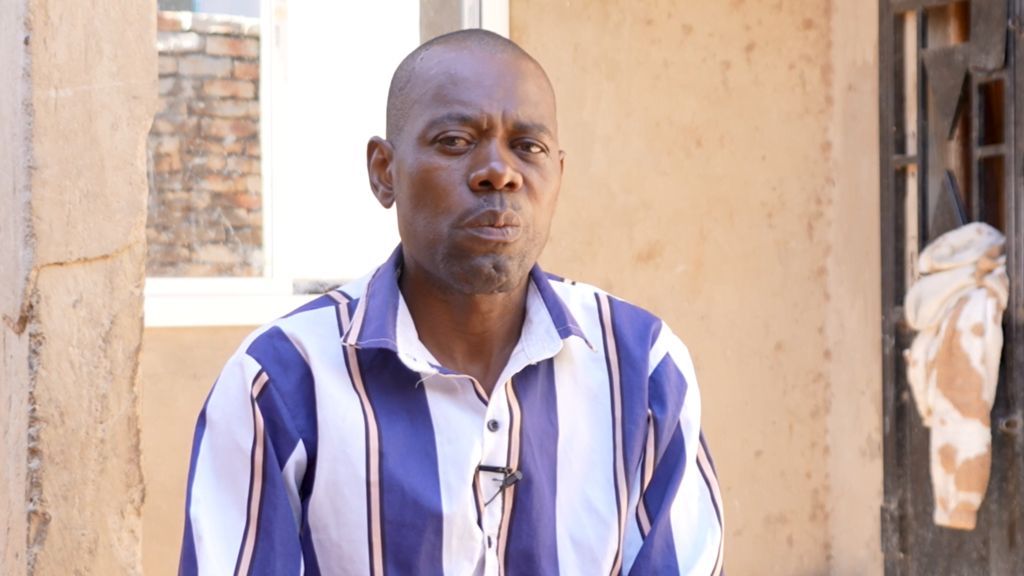
Boniface Mgala, a 40-something mechanic from Tanzania, survived a brutal attack in April that left his friend dead. In an interview with the BBC from his home in Mpemba, near the border trading hub of Tunduma, Mgala described the terrifying ordeal that left him with permanent physical scars. He and his friend had stopped for lunch at a local restaurant after meeting a client about a car sale, when a large mob dragged them both outside. The crowd was screaming that the pair had stolen a man’s genitals, and there was no way to escape.
Mgala lost consciousness during the beating, and woke up two days later in a hospital to learn his friend had been killed by the mob. Today, he walks with a limp, suffers from constant headaches, and has not been able to return to work at his mechanic shop. Visible scars mark his head and chin, and he lost a tooth in the attack. Even months later, the emotional trauma remains raw. “It still hurts me deeply when I think back to the senseless manner my friend died,” Mgala told the BBC. “To suddenly find yourself being pelted with stones for no reason, and then end up losing your life?”
On the same day of Mgala’s attack, a 23-year-old commercial photographer named Michael Silavwe witnessed a second fatal assault in Tunduma. He told the BBC that anxiety had been building for weeks after videos about genital theft began circulating on TikTok. He saw a crowd beat a man accused of theft, then set him on fire before police arrived and the crowd scattered. Locals like 50-year-old tailor Asha Steven Mwakilasa say they now understand the rumors are untrue, but the fear lingers. “I still get anxious when my husband or sons are out,” she said, though she added that increased police patrols have helped ease some of the tension.
Local officials say some of the violence has been deliberately stoked for personal gain. “Local investigations suggest there was deliberate criminal intent behind some of the incidents,” Momba district commissioner Elias Daniel Mwandobo told the BBC. “Individuals conspired to commit a crime and incite public panic for their own benefits.”
The current wave of rumors traces its origins back to last year in the Democratic Republic of Congo, where similar accusations first emerged in 2008. From there, the false claims spread across the region to Burundi, Zambia, Tanzania, Mozambique, Angola, Malawi, and Kenya. In Zambia, the first fatal lynching linked to the rumors occurred in March, before the panic crossed the border into Tanzania.
The BBC Global Disinformation Unit has verified multiple videos of these attacks circulating across TikTok and Facebook, including one recording of a beating that has been viewed more than 100,000 times. Many of the videos, including those that show graphic mob violence, remain accessible on the platforms. A Meta spokesperson told the BBC the company is reviewing the shared content and will remove any posts that violate its policies. TikTok has not responded to requests for comment from the BBC.
Anthropologist Julien Bonhomme, author of *The Sex Thieves: The Anthropology of a Rumor*, explains that social media has fundamentally changed how these rumors spread. Unlike previous outbreaks, today’s rumors are amplified by user-generated videos that show distressed men claiming to be victims, and crowds attacking alleged thieves. “Videos shared on social media can make unverified claims appear more believable because of their immediacy,” Bonhomme says. “That’s one of the most significant differences between the current digital environment and earlier outbreaks.”
Mozambique has been the worst-affected country, with 55 people killed in just six weeks ending in May, according to local police. The fatalities include a police officer and two healthcare workers, who were attacked at their home and workplace in Cabo Delgado province — a region already grappling with a decade-long Islamist insurgency that has displaced thousands of people. Following the attacks, local health facilities were closed for weeks while authorities launched public awareness campaigns to counter the false claims.
Mozambican President Daniel Chapo has publicly condemned the rumors and the resulting violence, emphasizing that the claims are completely baseless and that the government has found no medical evidence to support any claims of genital theft. Officials have noted that some of the widespread fear may be linked to Koro syndrome, also called genital retraction hysteria, a well-documented mental health condition characterized by the false belief that one’s genitals are shrinking or disappearing.
The most recent violence has occurred in Kenya, where five people were killed by mobs in the coastal counties of Kwale and Mombasa. Mombasa County Commissioner Mohamed Noor blames content creators for spreading the false claims to boost their own engagement. “These creators spread misinformation simply to attract views and attention,” Noor said. “Such misinformation can easily lead to loss of life.” Police have since contained the violence and made multiple arrests, including a father and son who were sentenced to a year in prison after pleading guilty to assaulting a woman they accused of genital theft. In neighboring Malawi, eight people have been killed in mob attacks linked to the same rumors.
While the rumors themselves are rooted in longstanding superstitions about witchcraft that persist in many rural African communities, the speed and scale of the current violence is directly tied to the power of social media to amplify misinformation and incite panic.