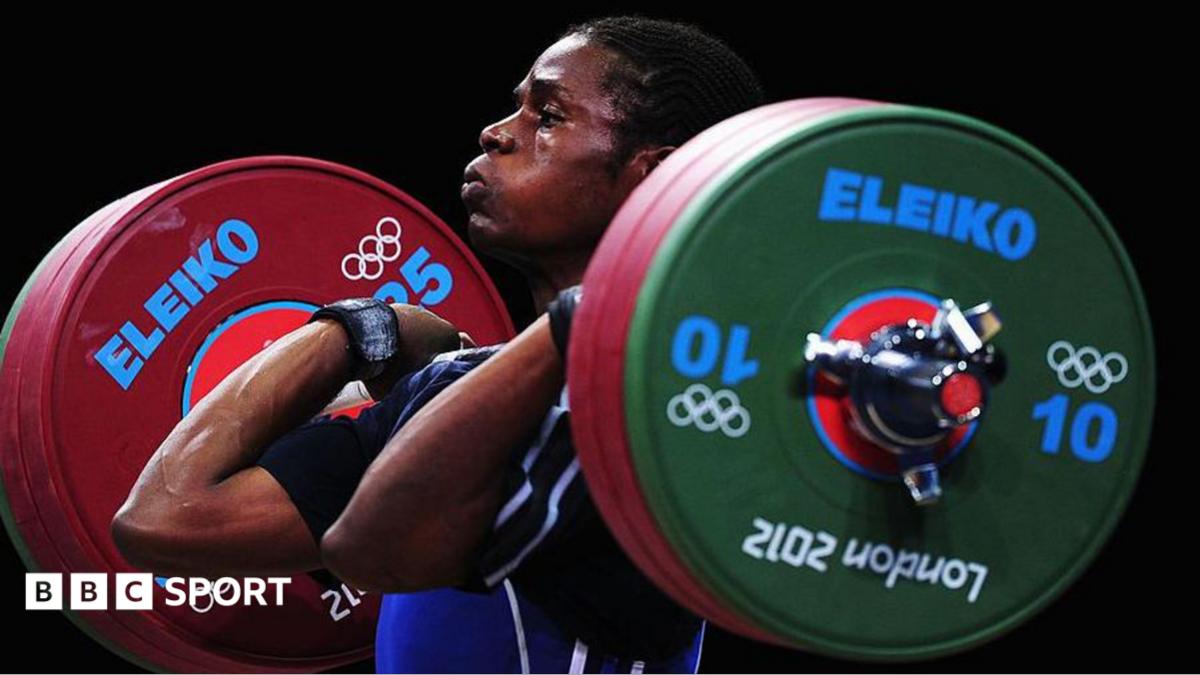
Fourteen years after she fled Cameroon and claimed asylum in the United Kingdom following the 2012 London Olympics, elite weightlifter Madias Ngake is preparing to step onto one of the world’s biggest multi-sport stages again, this time competing for her adopted home nation of England at the 2026 Glasgow Commonwealth Games. Her journey from homeless asylum seeker to top-seeded Commonwealth contender is one of extraordinary resilience, marked by personal sacrifice, unexpected second chances, and an unbreakable love for the sport that gave her purpose.
Ngake’s story begins in Douala, Cameroon’s largest coastal city, where a childhood defined by systemic challenges led her to discover weightlifting as a pathway to opportunity. She dreamed not just of personal athletic success, but of shifting cultural attitudes toward women in sport in her home country, proving the strength and capability of female athletes. By 18, she had already qualified for the 2010 Delhi Commonwealth Games, where she narrowly missed a bronze medal after tying India’s Laishram Devi’s total lift, losing out only due to a higher body weight. She collapsed moments after her final 121kg lift and left the arena on a stretcher, but still left the competition proud just to have qualified for the global stage – an achievement few Cameroonian athletes managed at the time, hampered by limited resources and widespread corruption within national sports federations.
When she arrived at the 2012 London Olympics, Ngake was ranked so low internationally that she was placed in the lower-tier B Final, grouped with athletes not expected to contend for medals. Against all odds, she won the B Final and lifted more total weight than many athletes in the elite division, finishing sixth overall. But any celebration of the breakthrough result was cut short: her sexuality had become publicly known during the Games, and with homosexuality criminalized and punishable by imprisonment in Cameroon, the 20-year-old faced a deadly threat if she returned home. Faced with no other choice for safety and freedom, she disappeared from the Olympic Village and chose to build a new life in the UK.
The years that followed were far from the glamour of Olympic competition. With no connections, no savings, and no permanent residency status, Ngake spent two months homeless, sleeping on buses and outside in public spaces, before she could formally apply for asylum and access temporary housing. For nearly a decade, she stepped away from sport entirely to build stability: she worked full-time as an office cleaner for nine years, moving from Leeds to Nottingham, and waited five years to secure the documentation needed for permanent paid work. Few people around her knew she had been an elite Olympian, as she built a quiet, low-key life in her new home.
A twist of fate brought her back to weightlifting four years ago, when the 2022 Commonwealth Games were relocated from Durban to Birmingham, bringing former Cameroonian teammates and coaches to the UK. One of her old coaches reached out, stayed with her, and repeatedly encouraged her to pick up a barbell again. When she did, it felt instantly natural – like coming home. Within just a few years, her meteoric return to elite competition saw her win gold at the British International, take silver in the snatch at the 2024 World Championships, and claim a European bronze medal earlier this year. She earned UK Sport funding, allowing her to quit cleaning and compete as a full-time athlete, and qualified for the 2026 Glasgow Commonwealth Games as the top seed in the women’s 86kg division.
Ngake will be joined on Team England by another Cameroonian-born weightlifter, Cyrille Tchatchet II, who also sought asylum in the UK after the 2014 Glasgow Commonwealth Games. Open to the debates surrounding asylum seekers in the UK, Ngake says that while there is a mix of people claiming asylum, those who build a life in the country must respect its laws and contribute to their new community. “I’ve worked here for a very long time, I pay tax,” she says. “If you want to live here, you have to respect the country and love this country, that’s why you stay. I love this country, and it would be amazing to win a Commonwealth medal for this country – that’s my goal.”
Remarkably, Ngake was retroactively awarded an Olympic bronze medal for her 2012 London performance, after three weightlifters who finished above her were disqualified for doping. The medal was sent to Cameroon seven years after the Games, and today it remains unclaimed, stuck in a government drawer 5,000 miles from where Ngake lives now – she says she would love to have it, but cannot return to Cameroon due to the country’s anti-LGBTQ+ laws. If she wins a medal in Glasgow, or qualifies for the 2028 Los Angeles Olympics (her next long-term goal), it will be a medal she can hold in her own hands, representing the nation that gave her a second chance at life and freedom.