In a sudden policy shift that reverses recent democratic reforms, Tanzania’s national government has implemented an indefinite suspension on all political rallies across the country, framing the ban as a critical security measure ahead of a major international event.
Home Affairs Minister Patrobas Katambi announced the directive to parliament, confirming that the suspension will remain in place until further notice. He explained that security officials have uncovered credible threats, including individuals found stockpiling weapons and plotting coordinated criminal activity that could disrupt public order. Beyond these immediate security concerns, Katambi noted that Tanzania is preparing to host an upcoming international trade fair expected to draw delegates and visitors from across the globe. “We should focus on building our economy,” Katambi said, adding, “During this period, we will not tolerate anyone who engages in any form of disorder.”
The decision marks a sharp reversal of the liberalizing reforms rolled out by President Samia Suluhu Hassan just two years ago. When she took office following the death of predecessor John Magufuli, Hassan moved quickly to undo a six-year ban on political gatherings that Magufuli first imposed in 2016. At the time of lifting the ban in 2023, Hassan affirmed that all political parties held a constitutional right to host rallies, while urging participants to engage in civil discourse rather than personal insults. Magufuli’s original ban had been widely interpreted as a deliberate tactic to suppress opposition power, with the former president arguing that gatherings wasted public resources and diverted attention from national economic development goals.
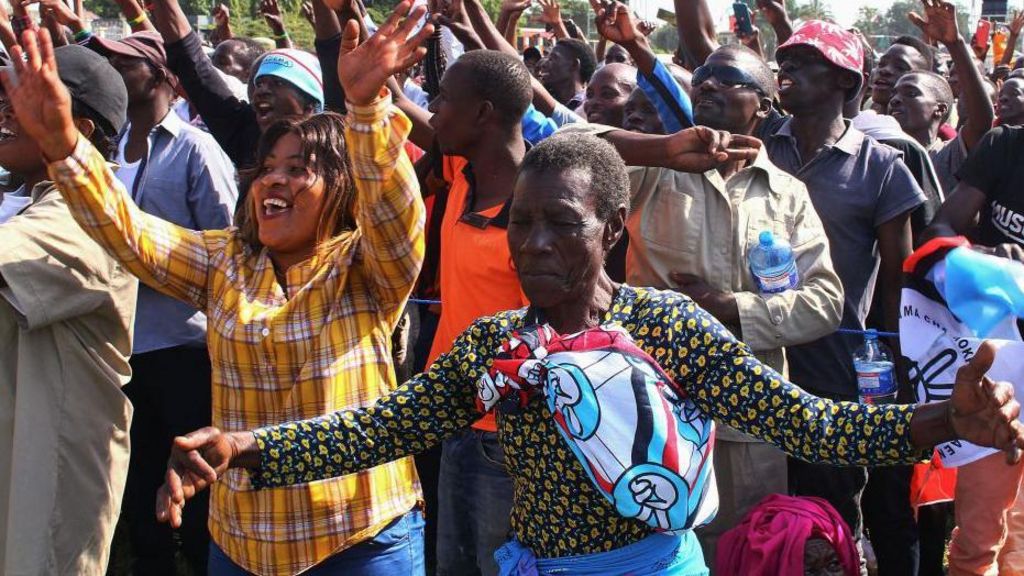
Opposition groups have immediately rejected the new suspension, branding it unconstitutional and a deliberate power grab by the ruling Chama Cha Mapinduzi (CCM) party. The main opposition bloc ACT Wazalendo has announced it will challenge the government’s directive in court, accusing CCM of weaponizing state institutions to stifle dissent ahead of growing calls for accountability.
Veteran Chadema opposition figure Joseph Selasini connected the new ban to the rising popularity of opposition rallies that have drawn massive crowds demanding justice for victims of post-election violence last year. Following the controversial October 2025 general election, widespread protests broke out across the country after the two leading opposition presidential candidates were blocked from contesting the poll. A formal commission of inquiry established by President Samia to investigate the unrest confirmed that 517 people died from unnatural causes during the violence, including 197 people who were shot and killed by security forces. The scale of the bloodshed shocked many observers, as Tanzania had maintained a reputation for political stability and peaceful consensus for nearly 60 years.
Calls for democratic reform and official accountability for the post-election violence had been growing in recent months, with opposition groups organizing repeated public gatherings to pressure the government. As of publication, the ruling CCM party has not issued any public response to the opposition’s accusations of suppression, nor has it released additional comment on the government’s suspension decision.