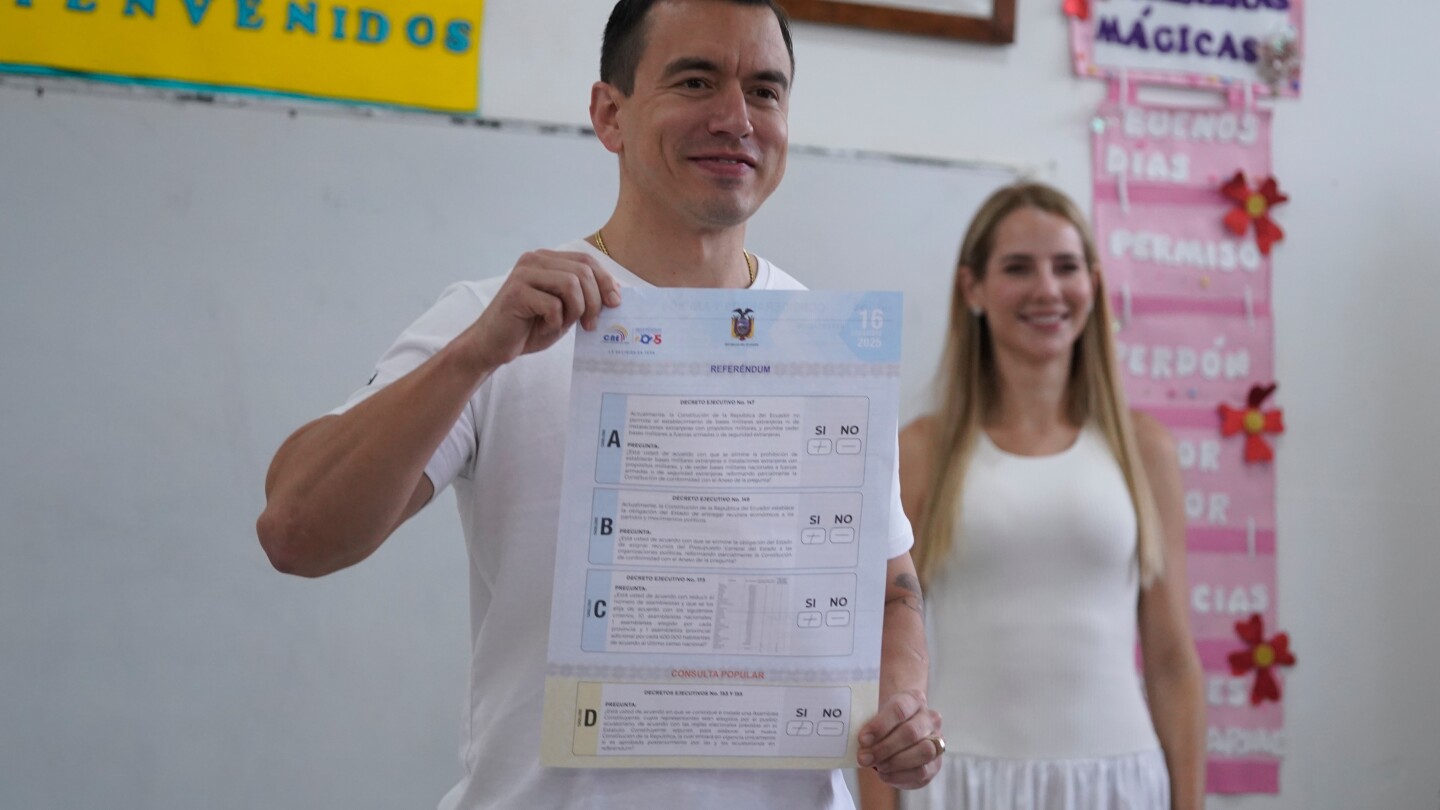
In a significant breakthrough in the fight against organized crime, Ecuadorian authorities, in collaboration with Spanish police, apprehended Wilmer Chavarria, alias “Pipo,” one of Ecuador’s most wanted drug traffickers, in Malaga, Spain. Chavarria, the alleged leader of the notorious drug cartel Los Lobos, had faked his death in 2021 during the COVID-19 pandemic, assumed a new identity, and relocated to Spain, where he continued to orchestrate drug shipments, order assassinations, and extort gold mines in Ecuador. President Daniel Noboa confirmed the arrest, highlighting its importance in curbing the escalating drug-related violence in the country. Los Lobos, a group with approximately 8,000 members, was recently classified as a terrorist organization by the United States due to its involvement in political assassinations and its alleged collaboration with Mexico’s Jalisco New Generation Cartel. Ecuador, once considered one of South America’s most peaceful nations, has seen a surge in violent crimes as it has become a major transit hub for cocaine produced in neighboring Colombia and Peru. Drug cartels have targeted presidential candidates, local officials, and journalists in their bid to control ports and coastal cities. Chavarria’s capture coincides with a pivotal referendum in Ecuador, where citizens are voting on constitutional amendments to allow foreign military bases in the country. President Noboa argues that this reform is essential to enhance anti-drug cooperation with international partners like the United States and intensify pressure on drug traffickers.
标签: South America
南美洲
-

Argentina stuns Scotland from 21-0 down at Murrayfield
In a breathtaking display of resilience, Argentina orchestrated one of the most remarkable comebacks in rugby history, overcoming a 21-0 deficit to defeat Scotland 33-24 at Murrayfield on Sunday. This victory marks the Pumas’ first win at Murrayfield in 16 years and stands as their greatest comeback triumph to date. The match, which seemed firmly in Scotland’s favor, took a dramatic turn in the final quarter as Argentina scored five tries in just 22 minutes. Scotland had dominated the early stages, with Ewan Ashman scoring two tries and Finn Russell adding extras to build a commanding lead. However, Argentina’s fortunes changed after coach Felipe Contepomi made strategic substitutions, bringing on key players like Santiago Carreras and Pablo Matera. Carreras’ attacking prowess and Matera’s physicality revitalized the Pumas, leading to a flurry of tries. Julian Montoya, Pedro Rubiolo, and Matera all crossed the line, while Santiago Carreras’ conversion and Justo Piccardo’s late try sealed the historic win. This loss is a bitter blow for Scotland, who also suffered a narrow defeat to New Zealand the previous week. The match highlighted Argentina’s grit and determination, as they turned a seemingly insurmountable deficit into a stunning victory.
-

Ecuadorians vote on whether to allow foreign military bases amid rising crime
QUITO, Ecuador — In a pivotal national referendum held on Sunday, Ecuadorians cast their votes on a series of proposals that could reshape the country’s constitutional framework and security policies. The referendum, comprising four key questions, sought public approval for amending the constitution to permit foreign military bases on Ecuadorian soil and to initiate a process that could lead to the drafting of a new constitution. This comes as Ecuador grapples with escalating violent crime, driven by its role as a major transit hub for cocaine produced in neighboring Colombia and Peru. Drug trafficking gangs have targeted presidential candidates, mayors, and journalists in their struggle for control over ports and coastal cities. President Daniel Noboa, a conservative leader advocating for a tough stance on crime, has been a vocal proponent of the referendum. In recent weeks, Noboa has engaged in discussions with U.S. officials, including Homeland Security Secretary Kristi Noem, to explore regional security and migration cooperation. He also showcased a military base along Ecuador’s coast that could potentially host U.S. troops. ‘International cooperation is the only way to dismantle these transnational criminal networks,’ Noboa stated after casting his vote. The referendum also included proposals to reduce public funding for political parties and to decrease the number of legislators in the National Assembly from 151 to 73. While Noboa argues these measures are essential to curb excessive government spending, critics warn they could undermine political representation, particularly in low-income communities. Additionally, voters were asked whether Ecuador should establish a constituent assembly to rewrite the constitution, a move Noboa believes is necessary to strengthen crime-fighting tools and border control. However, opponents fear a new constitution could weaken legislative and judicial oversight of the executive branch. Voting is compulsory in Ecuador for individuals under 64, with nearly 14 million registered voters participating in this historic decision.
-

Aircraft carrier arrives in the Caribbean in major buildup near Venezuela
The USS Gerald R. Ford, the U.S. Navy’s most advanced aircraft carrier, arrived in the Caribbean Sea on Sunday, marking a significant escalation in the Trump administration’s counterdrug operations in South America. The deployment, part of “Operation Southern Spear,” brings the total number of U.S. troops in the region to approximately 12,000, supported by nearly a dozen Navy ships. The carrier strike group, which includes fighter jets and guided-missile destroyers, transited the Anegada Passage near the British Virgin Islands, according to a Navy statement. While the administration frames the buildup as a mission to combat drug trafficking, critics view it as a pressure tactic against Venezuelan President Nicolás Maduro. Since September, U.S. strikes have killed at least 80 people in 20 attacks on boats allegedly involved in drug transport. Rear Adm. Paul Lanzilotta, commander of the Ford’s strike group, emphasized the mission’s focus on protecting U.S. security against “narco-terrorism” in the Western Hemisphere. However, the administration has yet to provide evidence linking those killed to drug cartels or terrorist organizations. President Trump has hinted at expanding military action beyond maritime strikes, including potential land operations. The deployment has drawn criticism from regional leaders, the U.N. human rights chief, and U.S. lawmakers, who question the legal basis and transparency of the strikes. Meanwhile, Venezuela has mobilized troops and civilians in anticipation of possible U.S. aggression. Experts debate whether the Ford’s presence is a strategic deterrent or a provocative move, with some arguing it is ill-suited for counterdrug efforts but effective as a tool of intimidation. Elizabeth Dickinson of the International Crisis Group noted that the deployment has heightened anxieties across Latin America, with many watching closely to gauge the U.S. willingness to use military force.
-
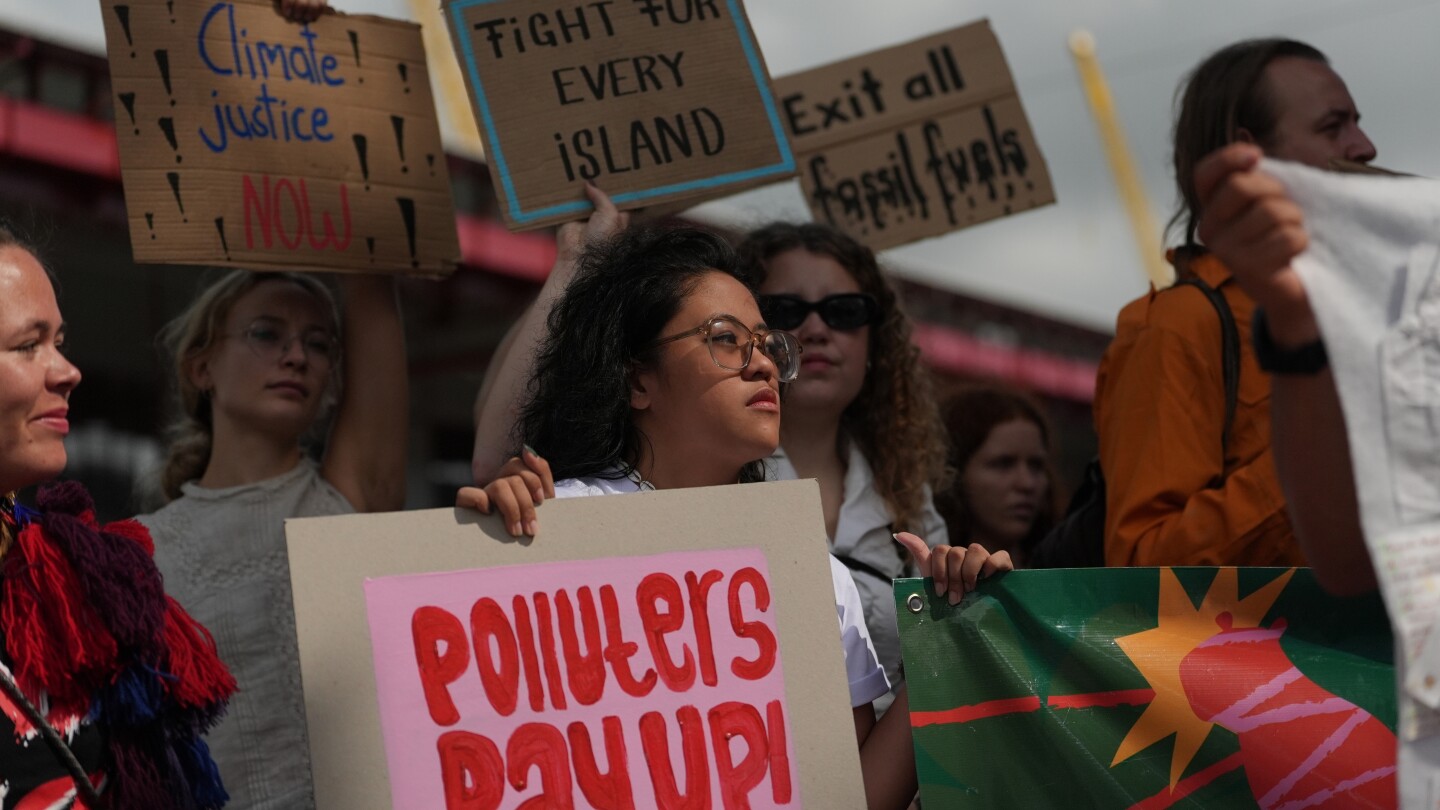
As nations push for more ambition at climate talks, chairman says they may get it
As the United Nations climate negotiations unfold in Belem, Brazil, the initial focus on implementing past promises has been overshadowed by a growing urgency to address the escalating climate crisis. Despite the Brazilian hosts’ intent to concentrate on practical steps, negotiators are now pushing for broader, high-impact actions. These include strengthening weak emissions reduction plans, increasing financial support for climate-affected nations, and accelerating the phase-out of coal, oil, and gas. Brazilian President Luiz Inácio Lula da Silva has been a vocal advocate for more ambitious measures, prompting the conference chair to consider a comprehensive end-of-session communiqué. Veteran observer Jean Su of the Center for Biological Diversity noted a positive shift in momentum, expressing hope for commitments on fossil fuel phase-out. However, the process remains challenging. The Paris Agreement’s voluntary nature limits the enforceability of such declarations, and past COP pledges, including financial aid for developing nations, remain unfulfilled. Key issues on the table include revising inadequate national climate plans and addressing the $300 billion annual climate finance pledge made by wealthy nations. Meanwhile, Indigenous groups have protested their exclusion from decision-making, despite the conference being dubbed the ‘Indigenous Peoples’ COP.’ UN General Assembly President Annalena Baerbock highlighted the need for a unified global effort to transition away from fossil fuels, echoing Lula’s call for a roadmap to achieve this goal. As the talks enter their critical phase, the world watches to see if this COP can deliver the ambitious action needed to combat the climate crisis.
-
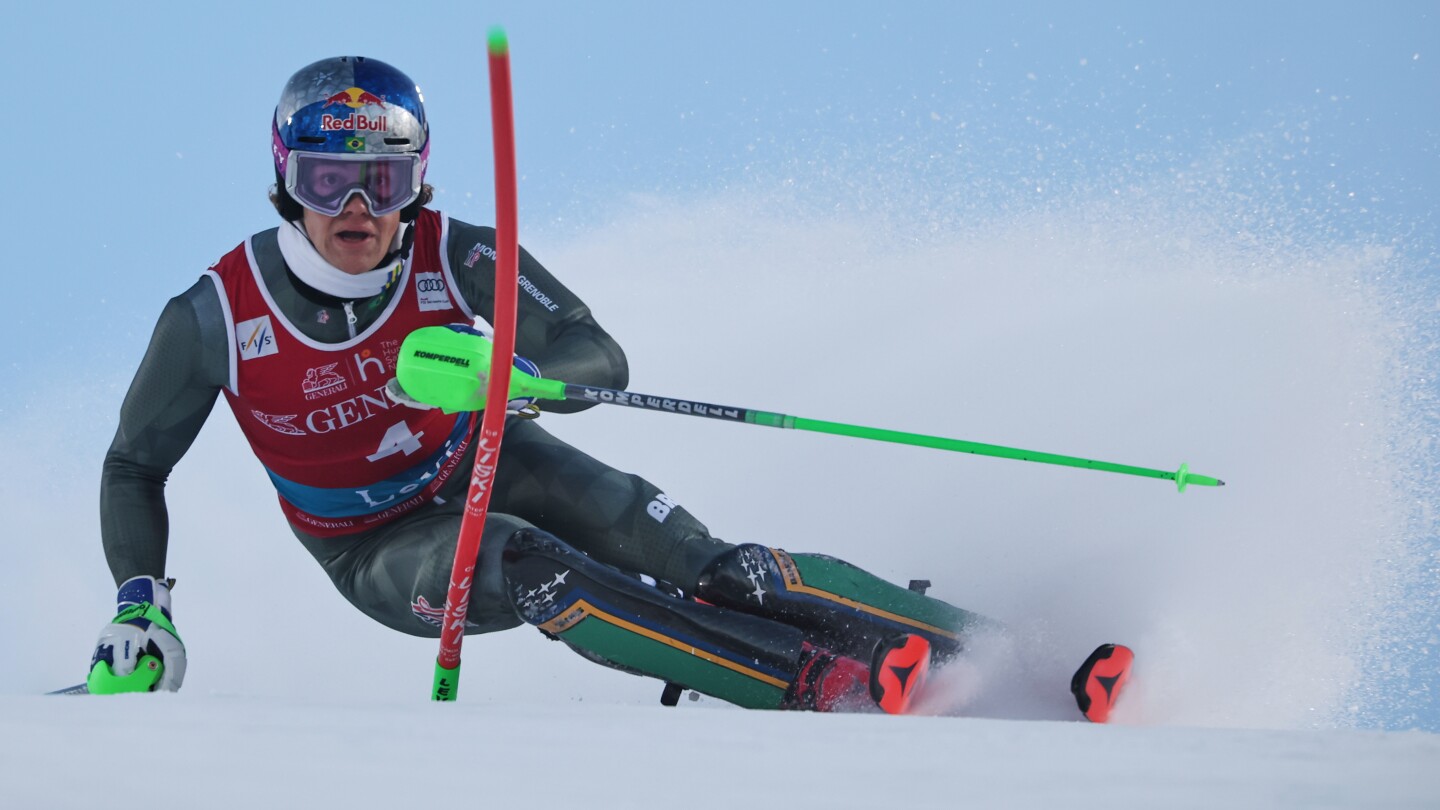
Chasing Brazil’s first Alpine skiing World Cup win, Pinheiro Braathen leads slalom after 1st run
In a stunning display of skill and determination, Lucas Pinheiro Braathen surged to the forefront during the opening run of the men’s World Cup slalom in Levi, Finland, on Sunday. The Brazilian skier, who switched national allegiances from Norway to Brazil last season, finished 0.41 seconds ahead of 2022 Olympic champion Clement Noel of France and 0.49 seconds ahead of his former Norwegian teammate Timon Haugan. With the final leg of the race set for later that day, Pinheiro Braathen positioned himself for what could be Brazil’s first-ever victory in a top-level ski race, just months before the Milan Cortina Olympics. Pinheiro Braathen, a technical specialist who debuted on the World Cup circuit in 2018, has already secured five race wins and the season-long slalom title in 2022-23. His journey has been marked by challenges, including a year-long hiatus following a dispute with the Norwegian ski federation over personal marketing rights. Since his return, he has represented Brazil, his mother’s homeland, and achieved five podium finishes. In a September interview with The Associated Press, Pinheiro Braathen expressed confidence, stating, ‘It will come, and it’s coming soon,’ referring to his first win for Brazil. Meanwhile, skiing legend Marcel Hirscher, who also switched federations before his comeback last year, opted to sit out Sunday’s race, delaying his return from injury until January. Hirscher, an eight-time overall World Cup champion for Austria, now competes for the Netherlands, his mother’s native country. His comeback season was cut short in December due to a knee injury sustained during slalom training. As the competition heats up, all eyes are on Pinheiro Braathen, who could make history for Brazil in the world of Alpine skiing.
-

Move over açaí – the Amazon has more ‘superfoods’ to offer
In a renovated warehouse lab in Belém, Brazil, machines are processing exotic fruits like cupuaçu, taperebá, and bacaba, which could soon join açaí as the next global superfoods. These fruits, rich in antioxidants, fiber, and fatty acids, are part of Brazil’s ambitious plan to combat climate change, protect biodiversity, and alleviate regional poverty. The initiative aligns with the country’s hosting of the COP30 UN climate talks, emphasizing sustainable economic growth through the Amazon’s natural resources. Max Petrucci, founder of Mahta, a company specializing in Amazonian superfoods, highlights the dual benefits of these products: nutritional value and environmental sustainability. Mahta pays fair prices to farmers practicing sustainable agriculture, ensuring ethical sourcing. While scientific research on superfoods remains limited, Amazonian fruits are widely recognized for their health benefits. Companies like Mahta are freeze-drying these fruits into powders to preserve nutritional value and reduce transportation costs, a strategy that keeps economic value within Brazil. The Belém Bioeconomy Park supports small businesses in testing innovative preservation methods, tapping into the Amazon’s vast, untapped potential. The Amazon rainforest, spanning 6 million square kilometers, has long been a source of natural wealth but has suffered from deforestation for timber, cattle, and soy production. President Luiz Inácio Lula da Silva has pledged to halve deforestation by 2030, with recent rates hitting an 11-year low. Brazil’s bioeconomy strategy focuses on sustainable resource use, preserving nature while developing valuable products like fuels, pharmaceuticals, and foods. Sarah Sampaio, who runs a coffee company in the Apui region, exemplifies this approach by integrating coffee cultivation with native Amazonian trees, promoting agroforestry. Her efforts have earned her coffee national recognition, showcasing the potential of sustainable practices. Açaí, already a global health food sensation, remains a benchmark for Amazonian superfoods, with its high antioxidant content and popularity in Europe and the US. However, scaling up production poses challenges, as industrial plantations could replicate the environmental issues they aim to solve. The bioeconomy concept, central to the UN climate talks, offers a pathway to reduce fossil fuel dependency, though it requires careful regulation to avoid unintended consequences like deforestation or land exploitation. As Brazil pushes for a four-fold increase in biofuel use by 2035, experts like Ana Yang of Chatham House stress the importance of safeguards to ensure bio-based transitions are truly sustainable.
-
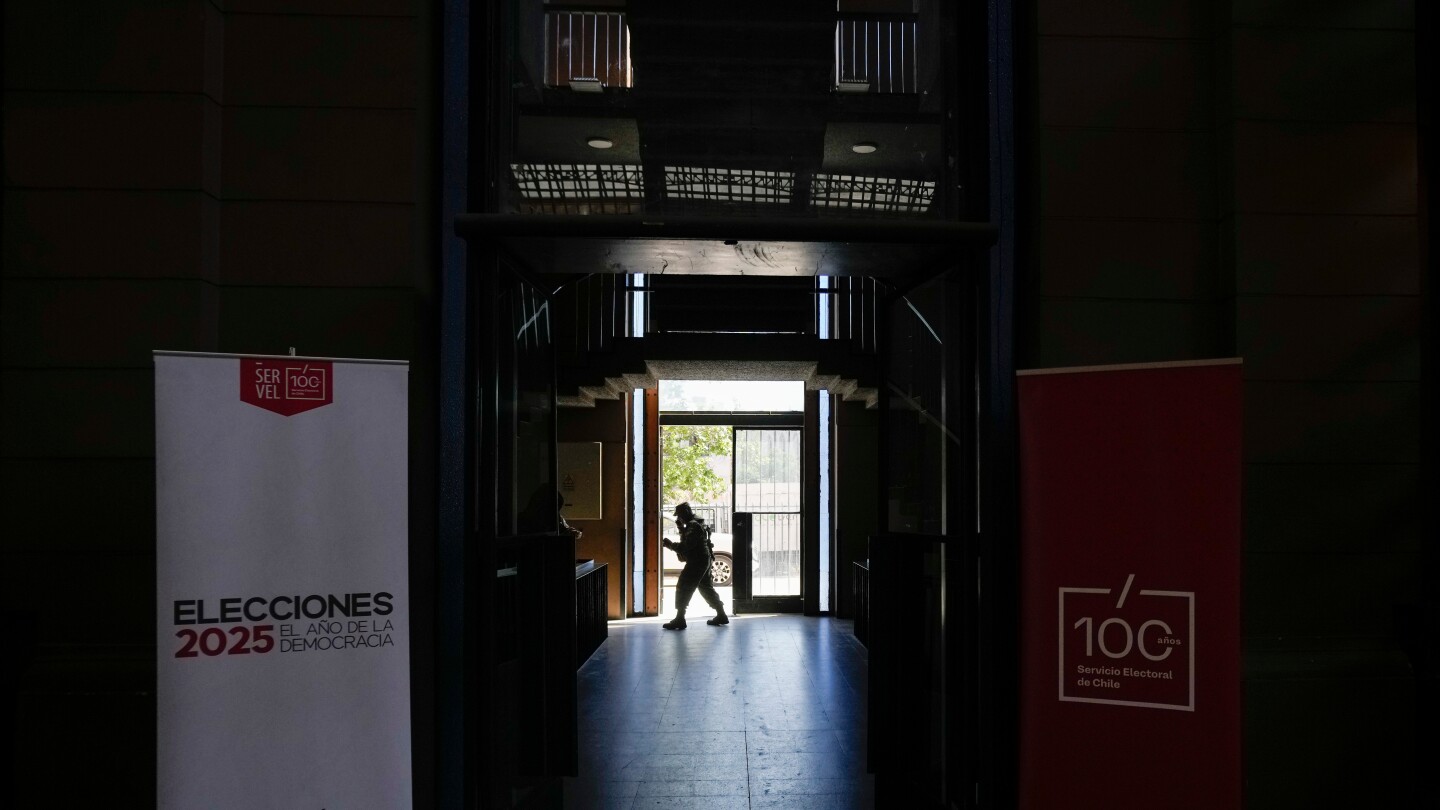
In a Chile fearful of crime, a presidential vote pits a communist against the far right
Chileans head to the polls on Sunday for a pivotal presidential and parliamentary election, with the race dominated by concerns over organized crime and immigration. The contest, likely to require a runoff on December 14, pits two starkly opposed candidates against each other: Jeannette Jara, a communist former labor minister, and José Antonio Kast, an ultraconservative lawyer. Both have shifted their campaigns to address the shared theme of public insecurity, reflecting widespread voter anxiety over rising gang-driven crime and illegal immigration from Venezuela. The election marks the first time in Chile’s history that voting is mandatory, potentially reshaping the political landscape with millions of new voters. The outcome could hinge on who convinces the electorate they are toughest on crime and immigration, with Kast proposing a border wall and mass deportations, while Jara focuses on building new prisons and expelling foreign criminals. The election also renews the lower house of Congress and part of the Senate, with 15.7 million eligible voters, including over 800,000 immigrants. Economic issues, such as high unemployment and sluggish growth, further complicate the race, as candidates propose divergent solutions to revive the economy. The election stands in stark contrast to 2021, when Chile elected its youngest-ever president on promises of sweeping social change, but economic constraints have since tempered those ambitions.
-
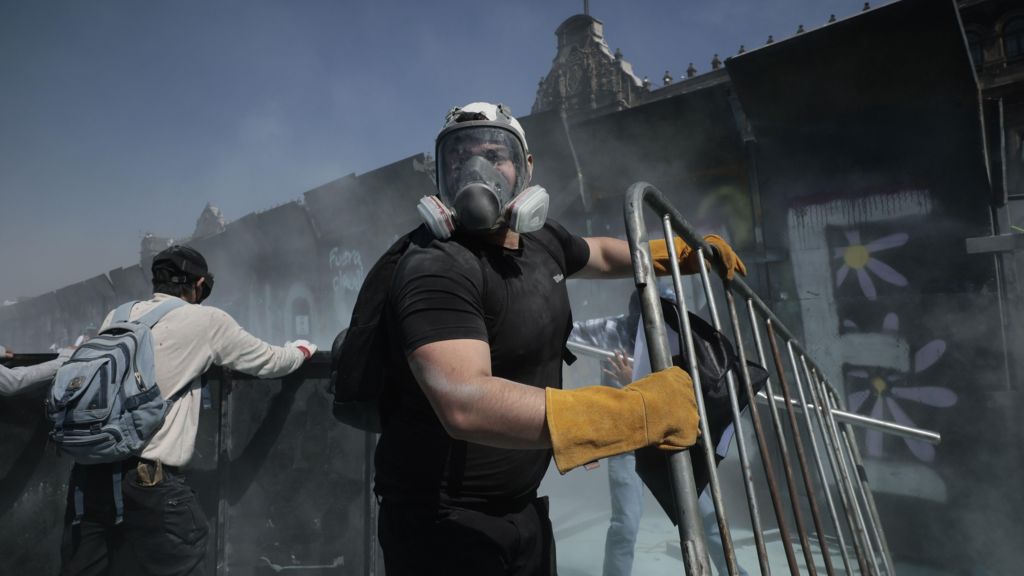
Thousands protest against government in Mexico as clashes leave 120 injured
Mexico City witnessed violent confrontations on Saturday as thousands of demonstrators clashed with police during anti-government protests. The protests, organized by Gen Z youth groups, were fueled by rising public anger over violent crime and the recent assassination of Uruapan Mayor Carlos Manzo, a vocal critic of drug cartels. At least 120 people, including 100 police officers, were injured in the unrest. Protesters dismantled parts of a barrier protecting the National Palace, prompting police to deploy tear gas to disperse the crowds. Authorities arrested 20 individuals for crimes such as robbery and assault. Protesters carried banners with messages like ‘We are all Carlos Manzo’ and wore cowboy hats in his honor. Manzo, who was shot dead on November 1 during a Day of the Dead festival, had been a prominent advocate for tougher action against cartel violence. President Claudia Sheinbaum, who has resisted calls for an all-out war on drugs, accused right-wing politicians of funding the protests and claimed the demonstrations were promoted by online bots. Despite her efforts to combat fentanyl trafficking and maintain a 70% approval rating, Sheinbaum faces criticism for failing to curb the country’s escalating violence. The protests also highlighted Mexico’s strained diplomatic relations, particularly with Peru, which recently declared Sheinbaum persona non grata following Mexico’s decision to grant asylum to a former Peruvian prime minister implicated in a 2022 coup attempt.
-

Reyna scores in 1st international start in 16 months, surpasses father, as US beats Paraguay 2-1
In a thrilling friendly match between World Cup-bound teams, the United States secured a 2-1 victory over Paraguay on Saturday night, thanks to standout performances from Gio Reyna and Folarin Balogun. The game, held in Chester, Pennsylvania, was marked by intense moments, including a late brawl that saw Paraguay’s Omar Alderete receive a red card and American midfielder Cristian Roldan a yellow card. Reyna, making his first international start in 16 months, opened the scoring in the fourth minute, surpassing his father Claudio Reyna’s career goal tally. Paraguay’s Álex Arce equalized in the 10th minute, but Balogun’s decisive goal in the 71st minute sealed the win for the U.S. The match also highlighted the growing competition for spots on the U.S. World Cup roster, with coach Mauricio Pochettino closely evaluating players ahead of the tournament. The U.S. extended its unbeaten streak to four games, with Reyna and Balogun emerging as key contributors. The game’s intensity spilled over in stoppage time, as both teams clashed over a disputed ball, leading to multiple bookings. With the World Cup approaching, the U.S. continues to fine-tune its squad, aiming to make a strong impression on the global stage.