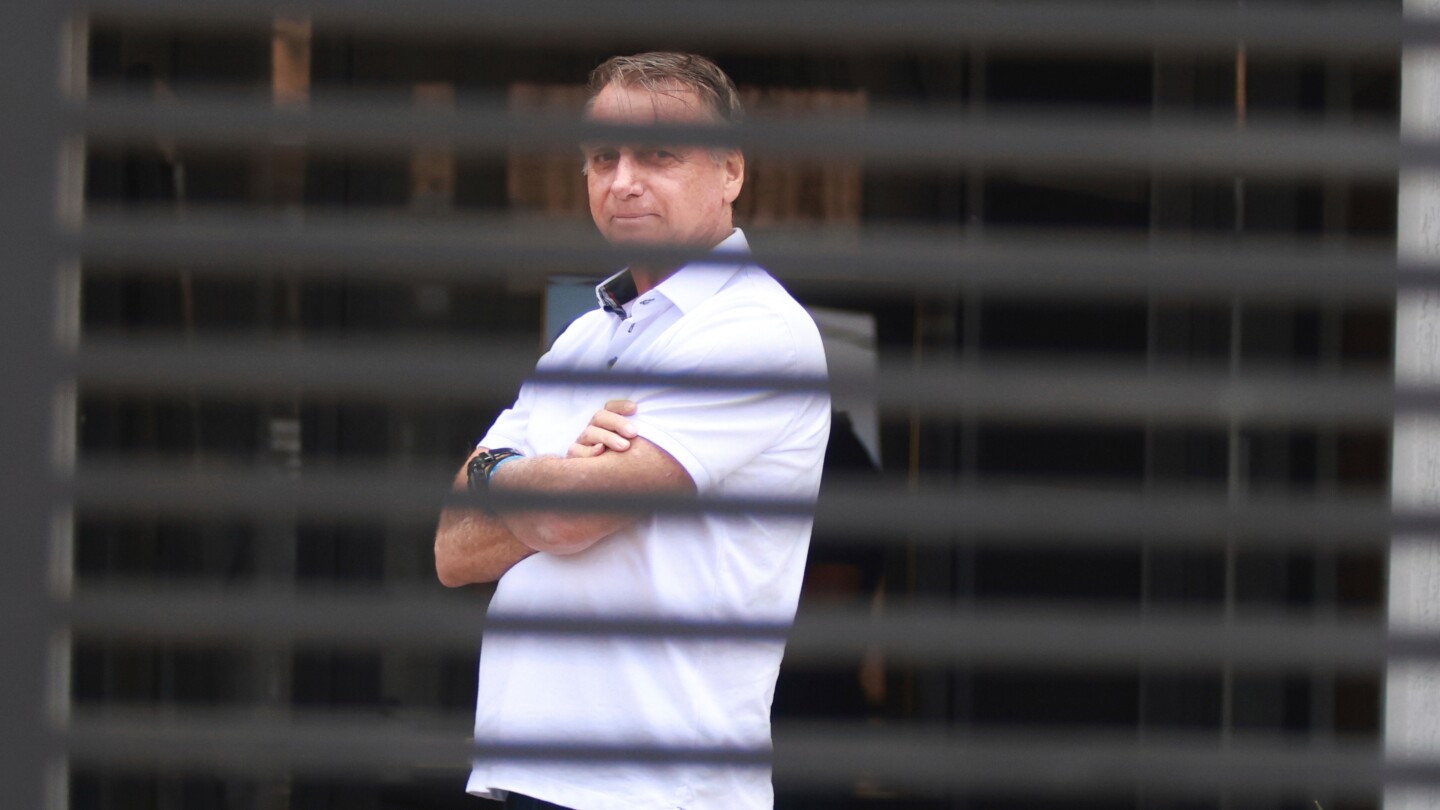
In a dramatic turn of events, Brazil’s Supreme Court has mandated the preemptive arrest of former President Jair Bolsonaro, just days before he was scheduled to commence a 27-year prison sentence for orchestrating a coup attempt. The decision, issued by Supreme Court Justice Alexandre de Moraes, underscores the gravity of the charges against Bolsonaro, who was swiftly transferred from house arrest to the federal police headquarters in Brasília early Saturday morning. Justice de Moraes emphasized that the arrest should be conducted with dignity, prohibiting the use of handcuffs and media exposure. Bolsonaro’s aide, Andriely Cirino, confirmed the arrest occurred around 6 a.m., following the unexpected ruling. The 70-year-old former president was taken from his residence in the affluent Jardim Botânico neighborhood to the federal police facility. The arrest follows a controversial video released by Bolsonaro’s son, Senator Flávio Bolsonaro, which allegedly incited supporters to protest in defense of his father. Justice de Moraes condemned the video, stating it promoted disrespect for democratic institutions and sought to incite chaos. Bolsonaro’s conviction stems from his role in a failed coup attempt after his 2022 election loss to President Luiz Inácio Lula da Silva. Prosecutors revealed the plot included plans to assassinate Lula and instigate an insurrection. Despite his legal troubles, Bolsonaro remains a significant political figure, with polls suggesting he would be a formidable candidate in future elections if eligible. His case has drawn international attention, with U.S. President Donald Trump labeling the trial a ‘witch hunt.’ The arrest marks a pivotal moment in Brazil’s ongoing struggle to uphold democratic principles.
标签: South America
南美洲
-
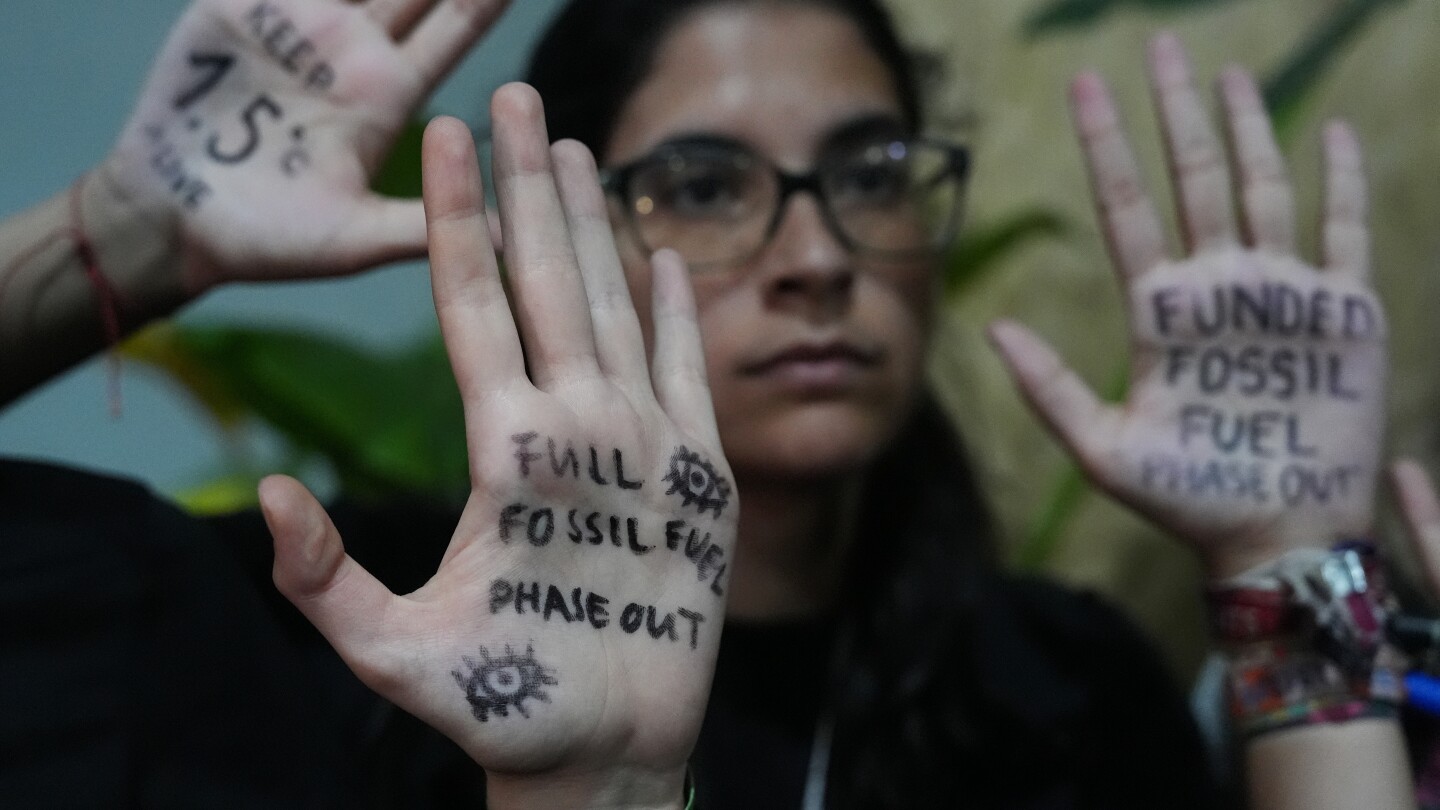
Negotiators at UN climate talks split over when and how to phaseout use oil, gas and coal
The United Nations climate talks in Belem, Brazil, have extended beyond their scheduled conclusion as delegates grapple with contentious issues, particularly the transition away from fossil fuels. Hosted in a city on the edge of the Amazon rainforest, the annual COP30 conference aimed to address global warming but faced significant delays and disagreements. A key point of contention is the omission of explicit language in the draft text outlining a roadmap for phasing out oil, gas, and coal, despite calls from 36 nations, including Panama, for stronger commitments. Panama’s lead negotiator, Juan Carlos Monterrey Gomez, criticized the process, warning it risks becoming a ‘clown show’ due to its lack of clarity. The European Union also rejected the draft, with Climate Commissioner Wopke Hoekstra lamenting its ‘weakness’ and failure to align with scientific imperatives. Small island nations like Tuvalu echoed these concerns, emphasizing the urgent need for a ‘survival roadmap’ to combat climate change. Brazil’s proposals included financial aid for vulnerable nations and stricter emissions reduction plans, but the absence of a detailed fossil fuel phase-out plan drew widespread criticism. Former U.S. Vice President Al Gore accused oil-producing nations like Saudi Arabia and Russia of obstructing progress. Despite acknowledging the irreversible global transition toward low emissions, the draft text fell short of providing concrete timelines or processes. The talks, now behind schedule, continue as negotiators seek common ground amidst mounting pressure to deliver meaningful outcomes.
-
FAA warns all pilots of risks of flying over Venezuela over ‘worsening security situation’
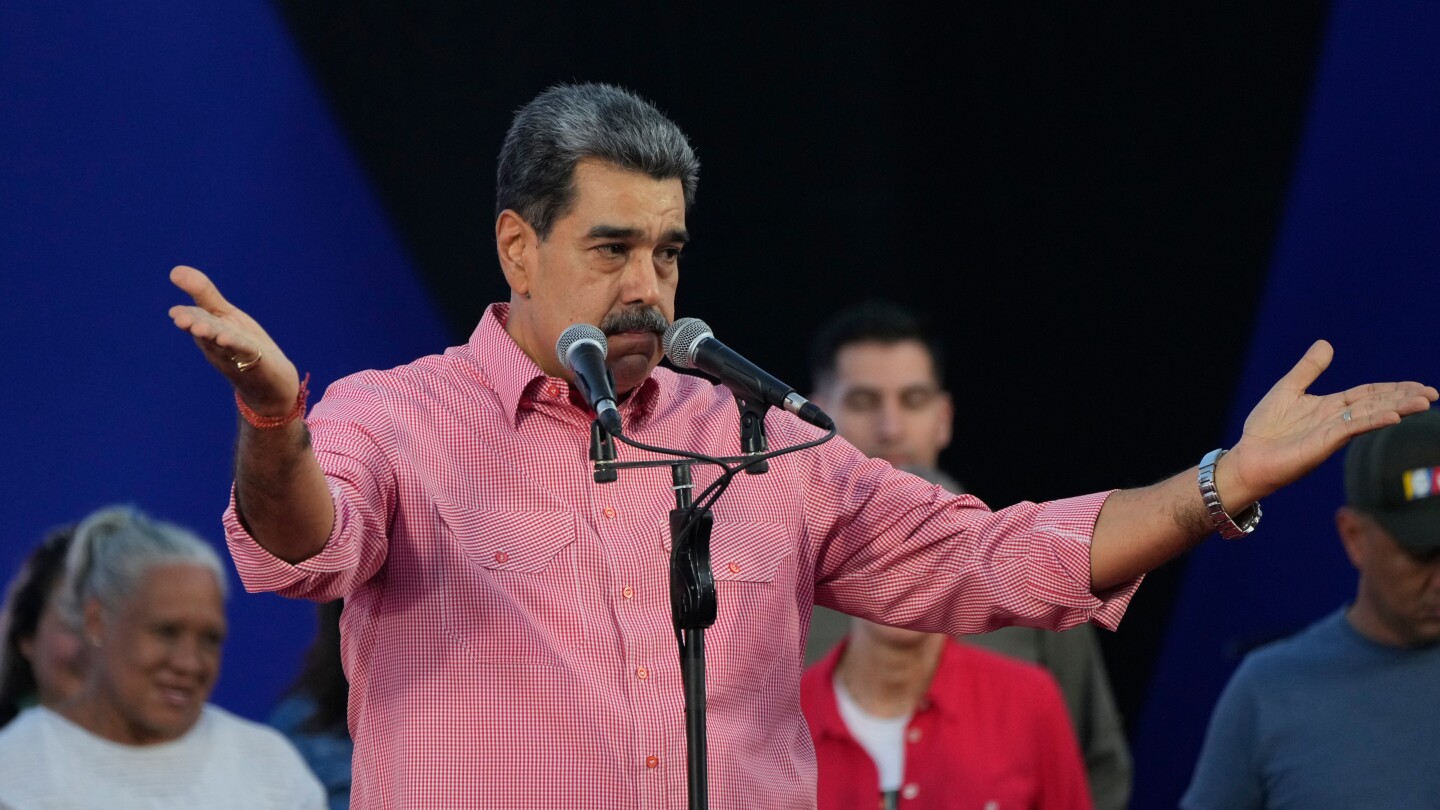
The Federal Aviation Administration (FAA) issued a stern advisory on Friday, urging pilots to exercise heightened vigilance when navigating Venezuelan airspace. This warning stems from the deteriorating security landscape and increased military operations in the region, which could jeopardize aircraft at all altitudes, including those taking off, landing, or stationed on the ground. The FAA’s alert underscores the volatile environment surrounding Venezuela, where unspecified threats loom large. This development coincides with the Trump administration’s intensified pressure on Venezuelan President Nicolás Maduro, whom the U.S. does not recognize as the legitimate leader. Maduro faces narcoterrorism charges in the U.S., further complicating bilateral relations. In a show of force, the U.S. military has deployed the USS Gerald R. Ford aircraft carrier and several destroyers to the Caribbean Sea, marking the largest U.S. military presence in the region in decades. Additionally, the U.S. has conducted bomber flights near Venezuela’s coast, simulating attack scenarios as part of training exercises. The Trump administration has also targeted small boats allegedly involved in drug trafficking, resulting in over 80 fatalities since early September. Mary Schiavo, former inspector general for the Department of Transportation, noted that such FAA warnings are common during military conflicts but emphasized the importance of pilots adhering to them. While the Pentagon redirected inquiries to the FAA, the agency confirmed the warning’s issuance and its 90-day validity, leaving the underlying motivations for the alert open to interpretation.
-
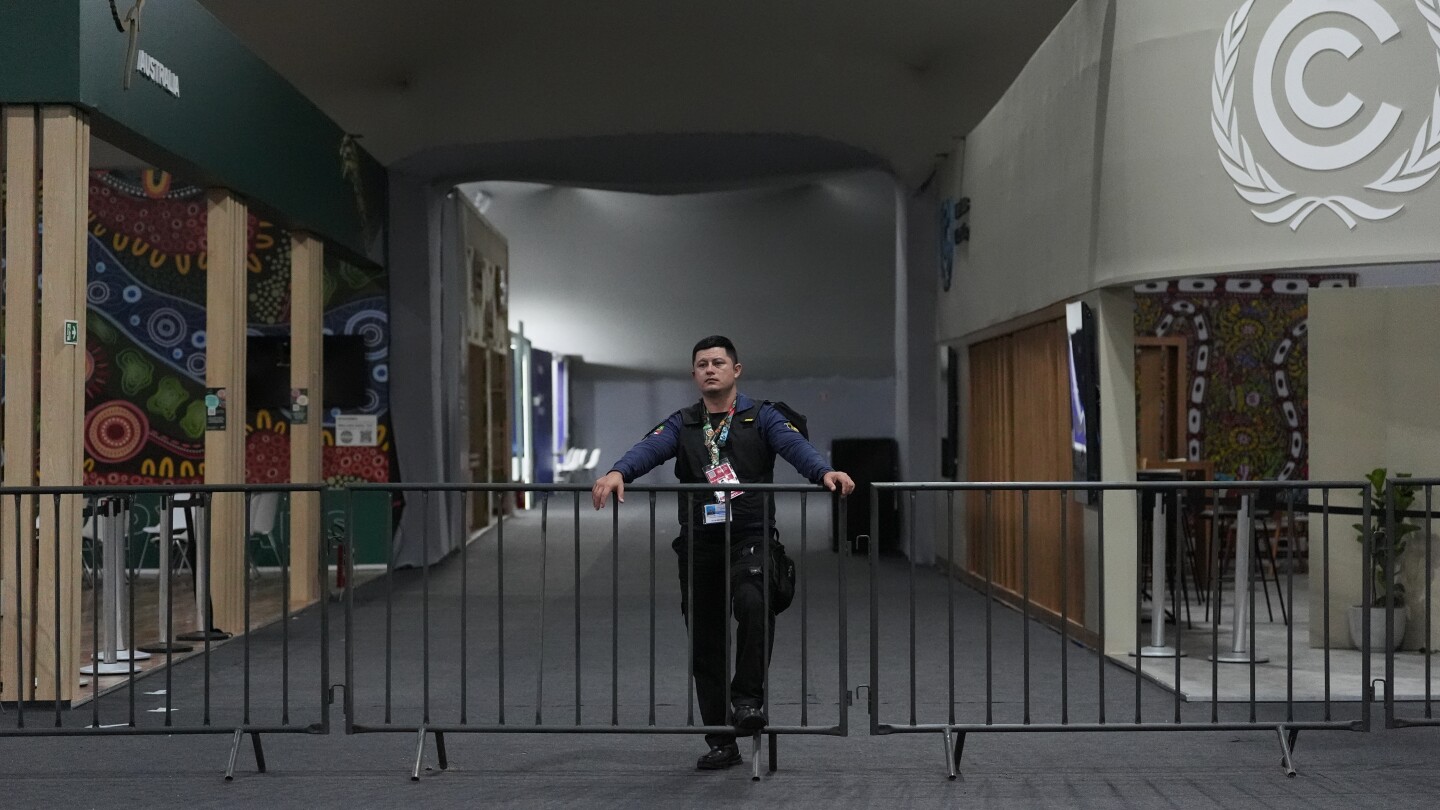
Brazil’s final text proposal at UN climate talks draws fire as weak — after a real fire at the COP30
BELEM, Brazil — The final day of the United Nations climate talks, COP30, was marked by controversy as Brazil, the host nation, presented several key proposals that notably omitted explicit references to fossil fuels, the primary driver of global warming. This glaring exclusion drew sharp criticism from over two dozen nations and climate advocates, who expressed deep disappointment and frustration. The omission came amidst heightened tensions following a fire that erupted on Thursday in the conference pavilions, leading to evacuations and 13 individuals being treated for smoke inhalation. Brazil’s central proposal, the ‘mutirao decision,’ addressed four critical issues: climate financial aid, strengthening inadequate national climate plans, and the global transition to low greenhouse gas emissions. However, it failed to provide a detailed roadmap for phasing out fossil fuels, a key demand from more than 80 nations and Brazilian President Luiz Inácio Lula da Silva. A coalition of 29 countries, including the United Kingdom, France, Germany, and vulnerable island nations like Palau and Vanuatu, drafted a letter condemning the proposal as insufficient. Activists, including Greenpeace’s Tracy Carty and Oil Change International’s Bronwen Tucker, echoed these sentiments, labeling the text as weak and vague. The talks, initially set to conclude on Friday, are likely to extend as negotiators seek consensus on these contentious issues.
-
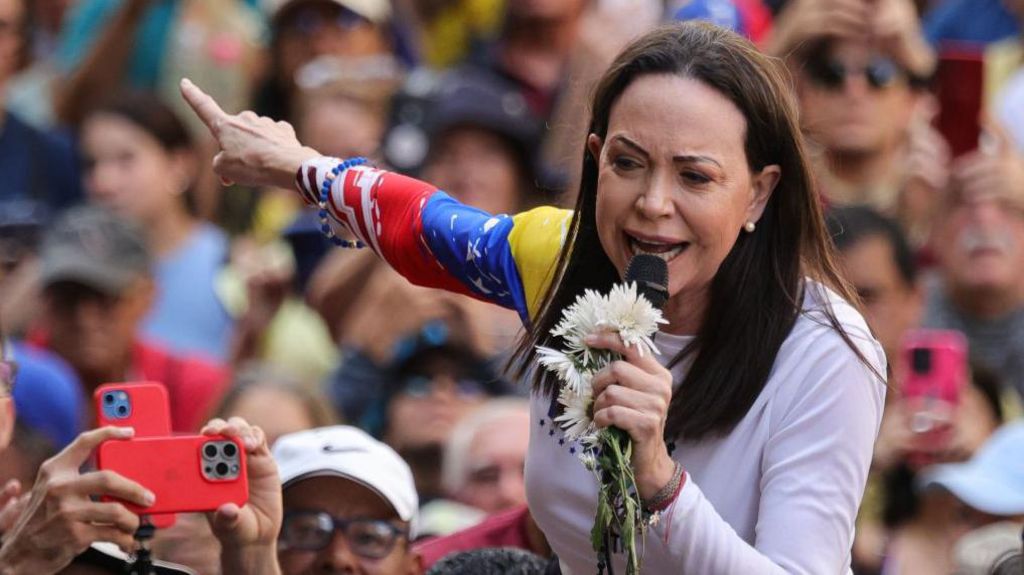
Venezuela says opposition leader will become fugitive if she collects Nobel
Venezuela’s Attorney General Tarik William Saab has declared that opposition leader María Corina Machado will be labeled a ‘fugitive’ if she travels to Norway to accept her Nobel Peace Prize. Machado, who has been in hiding since the beginning of the year to evade arrest, is accused of ‘acts of conspiracy, incitement of hatred, and terrorism.’ The 58-year-old was awarded the prestigious prize in October for her relentless efforts toward a ‘peaceful transition from dictatorship to democracy.’ She has consistently criticized President Nicolás Maduro’s government as ‘criminal’ and urged Venezuelans to unite to overthrow it. Many nations consider Maduro’s rule illegitimate. Machado, a prominent figure in Venezuela’s opposition, was barred from running in last year’s presidential elections, which were widely condemned internationally as neither free nor fair. Despite this, she united the opposition behind her surrogate, Edmundo González, who reportedly won by a landslide according to polling station tallies. However, the government-controlled National Electoral Council declared Maduro the winner, leading to widespread protests. González later fled to Spain, fearing repression, followed by attempts to detain other opposition officials. The Nobel Committee praised Machado as ‘one of the most extraordinary examples of civilian courage in Latin America in recent times.’ Nobel chairman Jørgen Watne Frydnes expressed hope that she could attend the award ceremony on December 10 but acknowledged the severe security risks she faces. Machado, expressing shock at the honor, stated, ‘I am just one person. I certainly do not deserve this,’ adding that it was the ‘achievement of a whole society.’ Meanwhile, Attorney General Saab revealed that Machado is under investigation for her support of U.S. military operations in the Caribbean, which have resulted in over 80 deaths, mostly Venezuelans. U.S. President Donald Trump, who congratulated Machado, has accused Maduro of leading a drug cartel, a claim Maduro denies. Maduro, in turn, has accused Trump of attempting to incite war to control Venezuela’s oil reserves but recently expressed willingness to hold talks with Trump’s administration. Machado continues to advocate for a post-Maduro Venezuela, urging the military to switch sides and outlining her vision in a ‘freedom manifesto.’ ‘We stand at the edge of a new era – one where our natural rights will prevail,’ she declared.
-

Frida Kahlo self-portrait sells for record-breaking $55m
A surrealist painting by the iconic Mexican artist Frida Kahlo, titled *El sueño (La cama)*, has achieved a historic milestone in the art world, selling for $54.7 million (£41.8 million) at auction. This staggering sum not only sets a new record for the highest price paid for a work by a female artist but also surpasses the previous record for a Kahlo portrait, which stood at $34.9 million in 2021. The painting, created in the 1940s, depicts Kahlo asleep in a canopy bed beneath a skeleton entwined with dynamite, reflecting her deeply personal and psychologically charged artistic style. The artwork was sold after an intense bidding war between two collectors at Sotheby’s, marking a monumental moment in the recognition of women artists in the global art market. Anna Di Stasi, Sotheby’s head of Latin American art, emphasized the significance of this sale, stating, ‘This record-breaking result shows just how far we have come in appreciating Frida Kahlo’s genius and in recognizing women artists at the highest level of the market.’ *El sueño (La cama)* was initially auctioned in 1980 for $51,000, making its recent sale price over 1,000 times its original value. Kahlo, who passed away in 1954, is celebrated for her evocative self-portraits that often explore themes of pain, identity, and resilience. Her life and work continue to captivate audiences, as evidenced by the 2002 biographical film starring Salma Hayek. The painting’s sale also highlights the rarity of Kahlo’s works in the public market, as most of her pieces were declared artistic monuments by Mexican authorities in the 1980s, restricting their export.
-
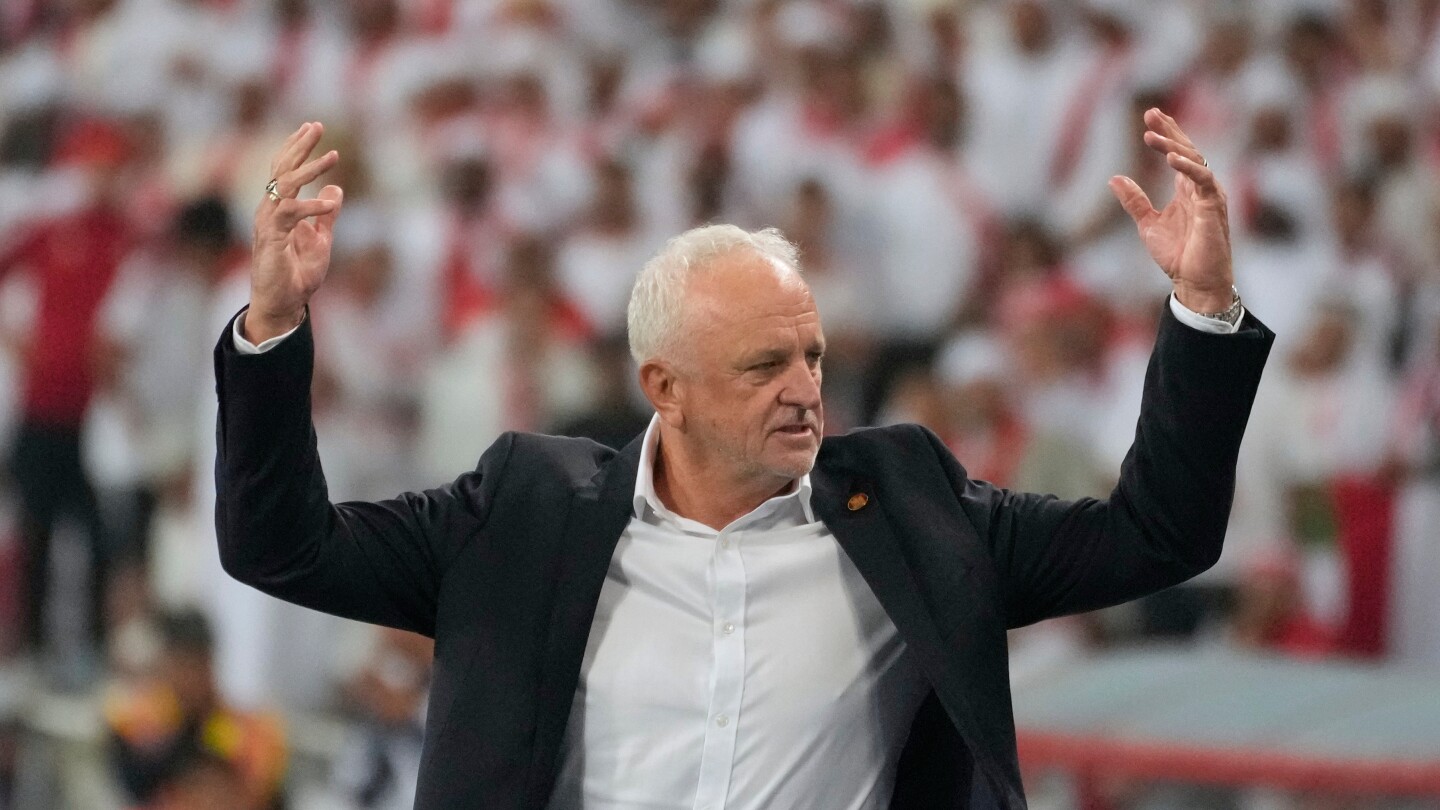
2026 World Cup: Coach Arnold feels Iraq’s passion to pass final playoff test after 40-year wait
Iraq stands just one victory away from securing a spot in the 2026 FIFA World Cup, set to be hosted across North America. This potential achievement marks a significant milestone for a nation that has endured decades of turmoil and conflict. The Iraqi national team, led by veteran coach Graham Arnold, faces a decisive playoff match against either Bolivia or Suriname in March 2025. The winner will earn a coveted place in the global tournament, ending Iraq’s 40-year absence from the World Cup stage. The journey to this point has been grueling, with Iraq navigating an unprecedented 21-game qualifying campaign—more than any other team in the competition. Their recent dramatic victory over the United Arab Emirates, sealed by a last-minute penalty kick, has fueled hope and excitement among Iraqi fans. Arnold, who previously guided Australia to World Cup qualification, described the immense pressure and emotional weight of the task, emphasizing its transformative potential for Iraq. Despite the challenges, including social media bans for players to maintain focus, the team has shown resilience and determination. For a country still recovering from war and conflict, this moment represents more than just a sporting achievement—it symbolizes unity, pride, and a brighter future.
-
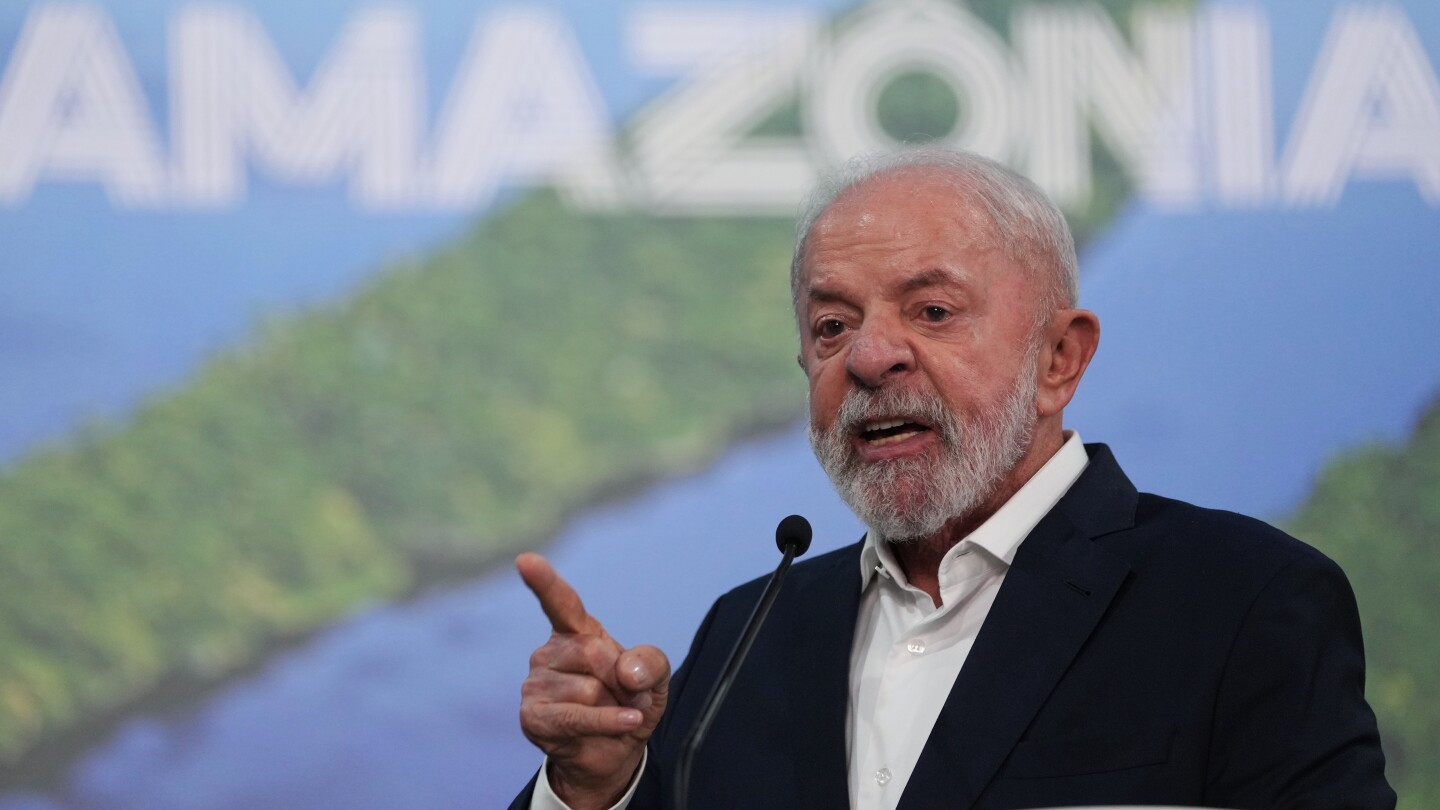
Trump expands tariff relief on coffee, fruit and beef from Brazil
In a strategic move to alleviate consumer expenses for Americans, President Donald Trump has announced a further reduction in tariffs on Brazilian imports, including key products such as coffee, fruit, and beef. The decision, unveiled on Thursday, aligns with Trump’s broader initiative to roll back certain global tariffs initially imposed in April. Notably, this adjustment ensures that neither the April tariffs nor the punitive levies enacted in July—targeted at Brazil for its prosecution of Trump’s political ally, former President Jair Bolsonaro—will apply to these specific goods. The White House confirmed the move as part of ongoing trade negotiations between Trump and Brazilian President Luiz Inácio Lula da Silva, signaling potential for further tariff reductions in the future. This development marks a significant step in harmonizing U.S.-Brazil trade relations while addressing domestic economic concerns.
-
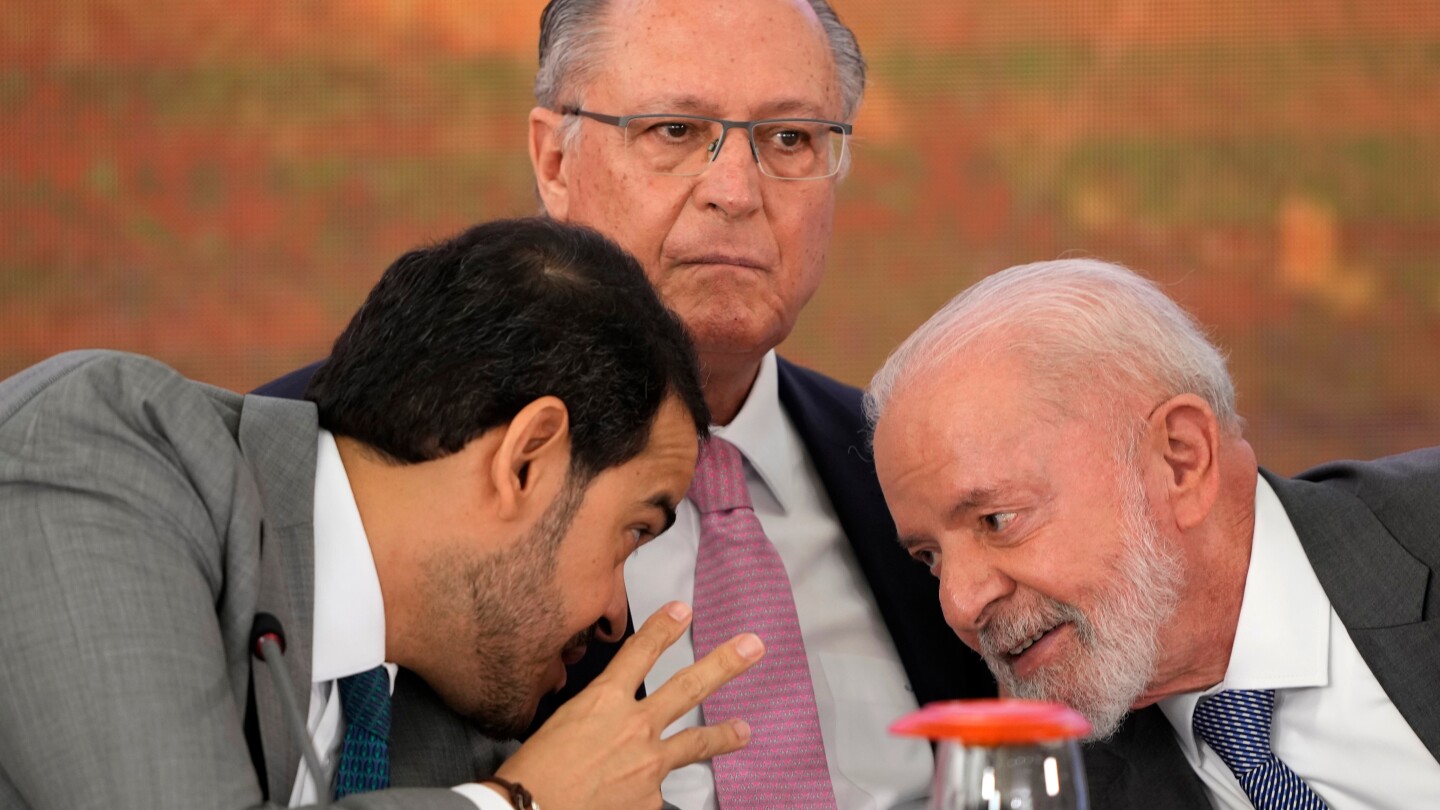
Brazilian president appoints ally Jorge Messias to country’s Supreme Court
In a significant move, Brazilian President Luiz Inácio Lula da Silva announced the nomination of Jorge Messias to the country’s Supreme Court on Thursday. Messias, currently serving as Brazil’s Solicitor General, is Lula’s third appointment to the highest judicial body during his current term. The nomination now awaits Senate approval, and if confirmed, Messias will fill the vacancy left by former Justice Luís Roberto Barroso, who retired in October, eight years before his mandatory retirement age. President Lula expressed confidence in Messias’ ability to uphold the Constitution and the rule of law, stating on Instagram, ‘I make this recommendation confident that Messias will continue fulfilling his role in defending the Constitution and the rule of law in the Supreme Court, as he has done throughout his public life.’ Messias, 45, has a robust background in various federal government roles and is widely regarded as a staunch ally of Lula and former President Dilma Rousseff, who succeeded Lula in 2011 but was impeached in 2016. Justice André Mendonça, appointed by former President Jair Bolsonaro in 2021, also endorsed Messias’ nomination, praising his qualifications and expressing support for a ‘republican dialogue’ with senators. This appointment comes at a critical juncture for Brazil’s Supreme Court, which has faced immense pressure since 2023, particularly after Bolsonaro supporters stormed its building in Brasília on January 8. Bolsonaro, a far-right leader, was subsequently investigated and sentenced to over 27 years in prison for his involvement in a coup attempt, which included the violent attack on the court. Messias’ nomination underscores the ongoing political and judicial tensions in Brazil as the country navigates its complex democratic landscape.
-
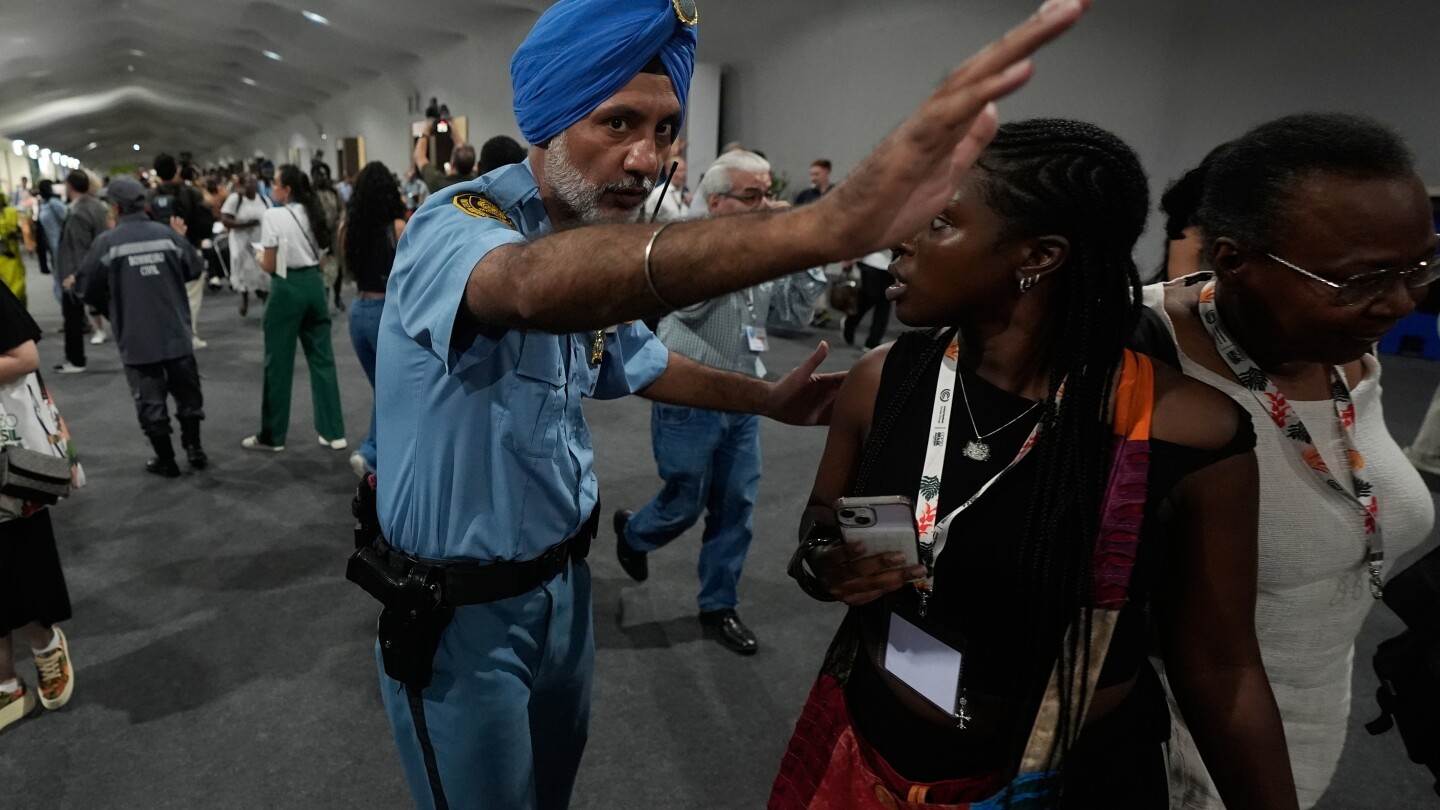
Fire prompts evacuations at UN climate talks in Brazil, but officials say no one hurt
A sudden fire erupted at the venue of the U.N. climate talks in Belem, Brazil, on Thursday, leading to swift evacuations on the penultimate day of the conference. Fortunately, no injuries were reported, according to officials. The blaze, which originated near the China pavilion, rapidly spread to adjacent structures, including several Africa pavilions and a youth-focused pavilion. Organizers confirmed that the fire was quickly brought under control, with firefighters and security teams responding promptly and maintaining vigilance at the site. Samuel Rubin, an organizer of an entertainment and culture pavilion, recounted witnessing flames a few pavilions away, prompting his team and others to use fire extinguishers as smoke filled the area. The fire also affected a health and sciences pavilion, as reported by technical personnel Victoria Martins and Júlia Aguiar. Journalists, including those from the Associated Press, were evacuated from the media center as a precaution. The incident, while disruptive, did not derail the conference’s proceedings, which are set to conclude on Friday.