
In a remarkable display of cosmic beauty, the Gemini South telescope in Chile has unveiled a mesmerizing image of the Butterfly Nebula, a celestial phenomenon located 2,500 to 3,800 light-years away in the constellation Scorpius. The National Science Foundation’s NoirLab released the image on Wednesday, showcasing the nebula’s grand and graceful structure, which resembles the wings of a butterfly. This stunning visual was captured last month as part of a celebration marking the 25th anniversary of the International Gemini Observatory. The Butterfly Nebula, formally known as a bipolar nebula, is illuminated by a white dwarf star at its core. This aging star shed its outer layers of gas long ago, and the expelled material now forms the nebula’s expansive, glowing wings. The heat from the star causes the gas to radiate, creating the ethereal glow visible in the image. The astronomical target was chosen by schoolchildren in Chile, adding a touch of local engagement to this scientific milestone. The Gemini Observatory continues to contribute to our understanding of the universe, offering breathtaking glimpses into the cosmos.
标签: South America
南美洲
-
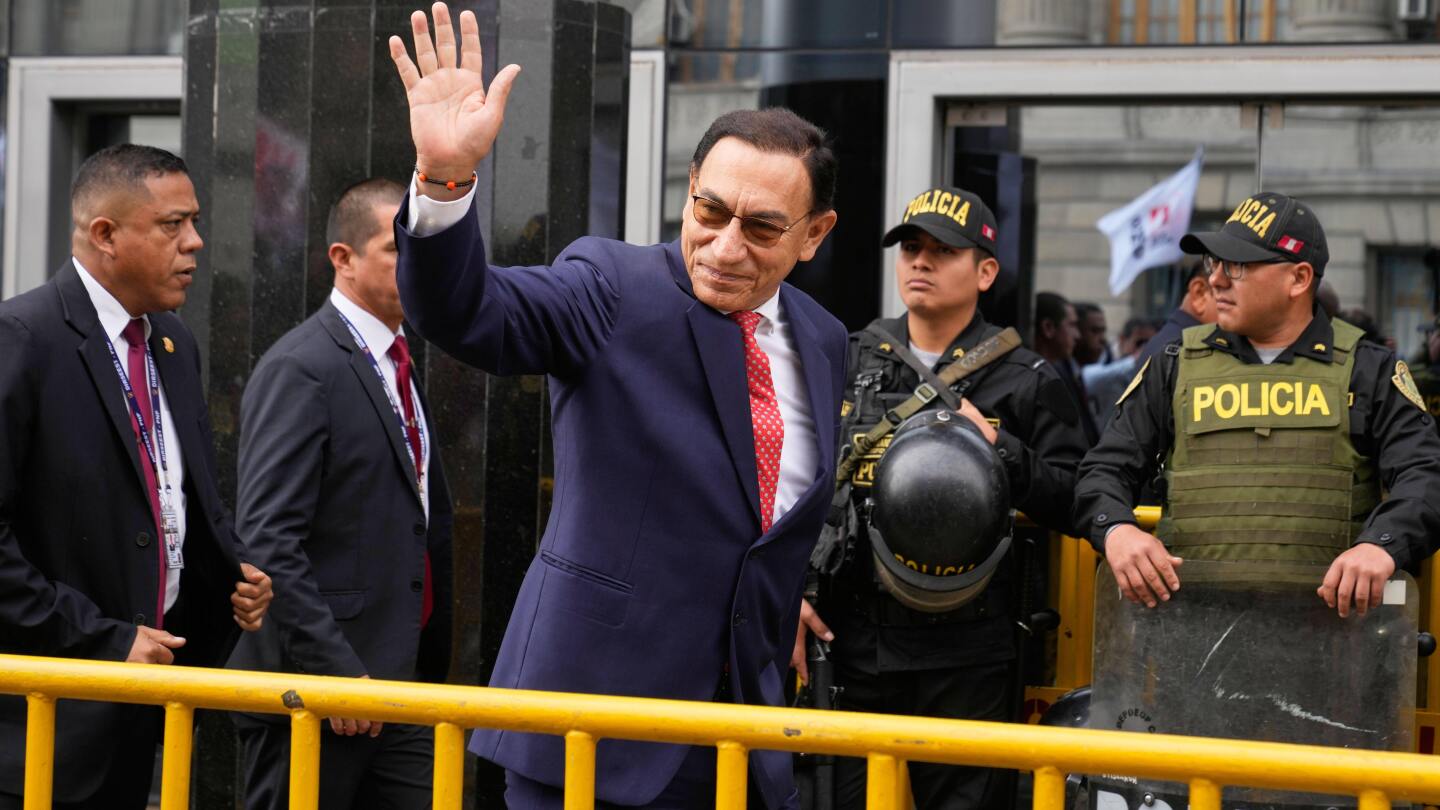
Former Peruvian President Vizcarra gets 14 years in prison in corruption case
In a landmark ruling on Wednesday, a Peruvian court handed down a 14-year prison sentence to former President Martín Vizcarra for his involvement in a corruption scandal during his tenure as governor of Moquegua, a southern state in Peru. The court also imposed a nine-year ban on Vizcarra from holding any public office. The verdict stems from allegations that Vizcarra accepted illicit payments totaling approximately $611,000 from construction companies in exchange for awarding them lucrative contracts for two major infrastructure projects: an irrigation system and a hospital. Prosecutors had initially sought a 15-year sentence, but the court settled on 14 years, emphasizing the gravity of the offenses. This case underscores Peru’s ongoing struggle with political corruption and its efforts to hold high-ranking officials accountable for their actions.
-
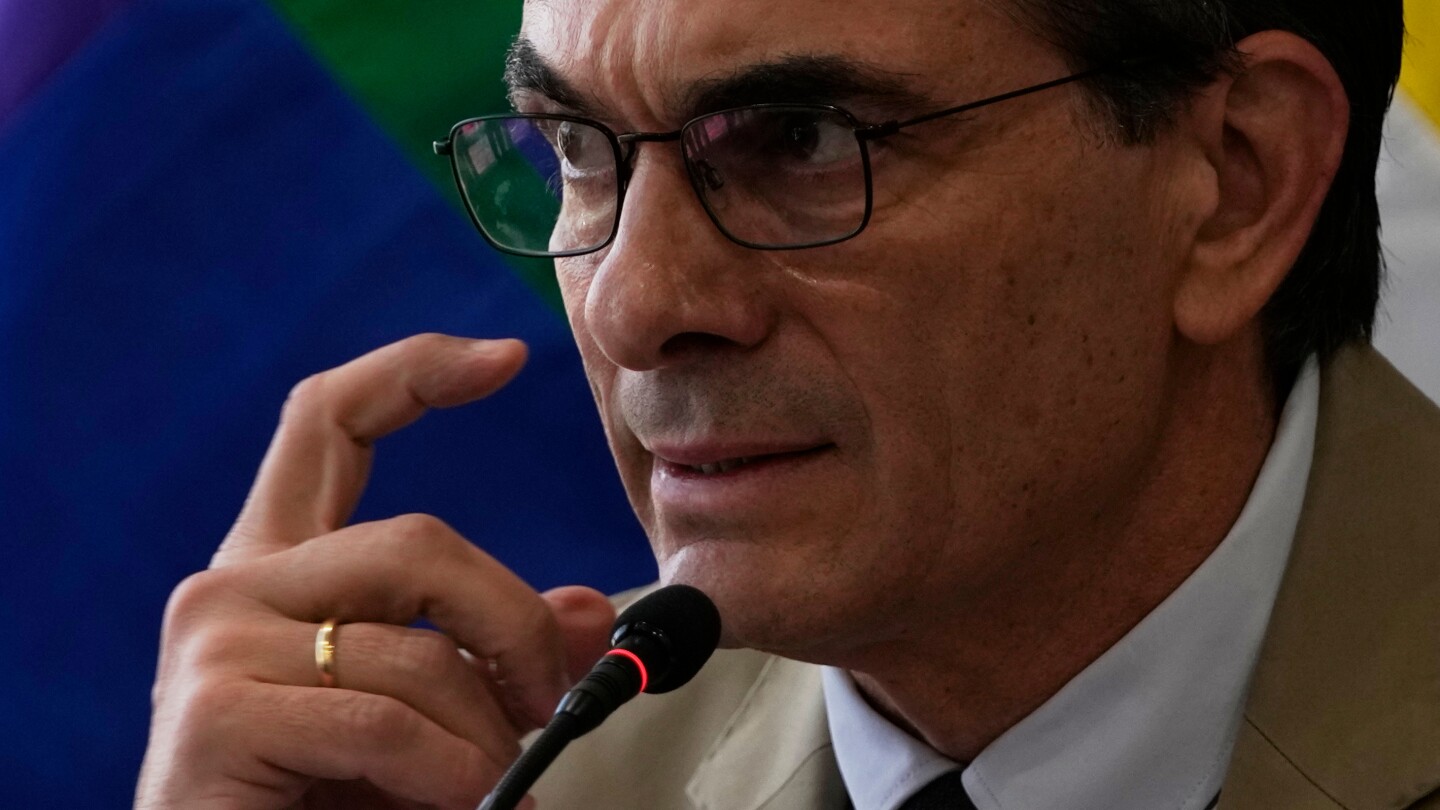
Bolivia’s new president plans to scrap taxes and borrow money to confront economic crisis
In a decisive move to address Bolivia’s deepening economic crisis, President Rodrigo Paz announced sweeping reforms just two weeks into his tenure. The nation’s first conservative leader in nearly two decades, Paz revealed plans to eliminate a series of taxes and slash federal spending by 30% in the 2026 budget. These measures aim to reverse years of populist economic policies enacted under the Movement Toward Socialism (MAS) party, which had long dominated Bolivian politics. Among the taxes targeted for repeal are the national wealth tax and a 0.3% levy on financial transactions, both of which Paz argued have stifled growth and discouraged investment. Business leaders have welcomed the changes, with Klaus Freking of the agricultural chamber hailing the end of ‘persecution of the private sector.’ However, Paz has opted to retain key elements of the MAS economic model, including fuel subsidies and a fixed exchange rate, despite their distortions. Economic analyst Gonzalo Chávez noted that while Paz’s initial steps are promising, they fail to address core structural issues. The government has also secured a $3.1 billion loan from the Andean Development Corporation, with plans to borrow up to $9 billion over the next three years. Additionally, Paz has worked to mend relations with the United States, culminating in agreements on nuclear cooperation and security assistance. The administration has also approved Elon Musk’s Starlink to operate in Bolivia, a move previously blocked by the former government. Early signs of progress include a reduction in fuel shortages and a modest recovery in Bolivia’s sovereign bonds and currency value.
-
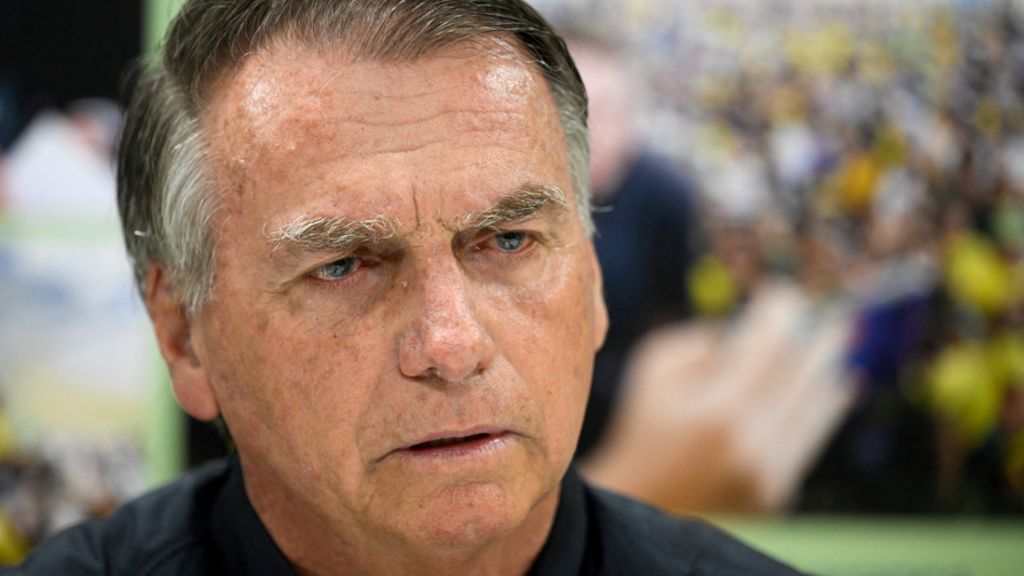
Bolsonaro starts serving 27-year prison sentence for Brazil coup plot
Brazil’s Supreme Court has mandated that former right-wing President Jair Bolsonaro commence his 27-year and three-month prison sentence for orchestrating a coup attempt following his defeat in the 2022 election. Justice Alexandre de Moraes declared on Tuesday that the case has reached its final judgment, leaving no room for further appeals. Bolsonaro, 70, was convicted in September of leading a conspiracy to retain power after losing to his left-wing opponent, Luiz Inácio Lula da Silva. He will serve his sentence in a federal police jail in Brasília, where he has been held since Saturday after being deemed a flight risk and removed from home detention. Court documents reveal that Bolsonaro admitted to attempting to remove his ankle monitor with a soldering iron during a Sunday hearing, attributing his actions to medication-induced ‘paranoia.’ Justice Moraes has ordered full-time medical care for Bolsonaro, whose health has reportedly deteriorated. The Supreme Court justices previously stated that Bolsonaro was aware of plans to assassinate Lula and his running mate, Geraldo Alckmin, and to execute Moraes, who presided over the trial. The conspiracy failed to gain military support, and Lula was inaugurated without incident on January 1, 2023. However, a week later, thousands of Bolsonaro supporters stormed government buildings in Brasília, leading to 1,500 arrests. The justices concluded that Bolsonaro incited the rioters, intending for the military to restore him to power. Bolsonaro has been barred from public office until 2060 and has labeled the trial a ‘witch hunt’ aimed at preventing his 2026 presidential candidacy.
-
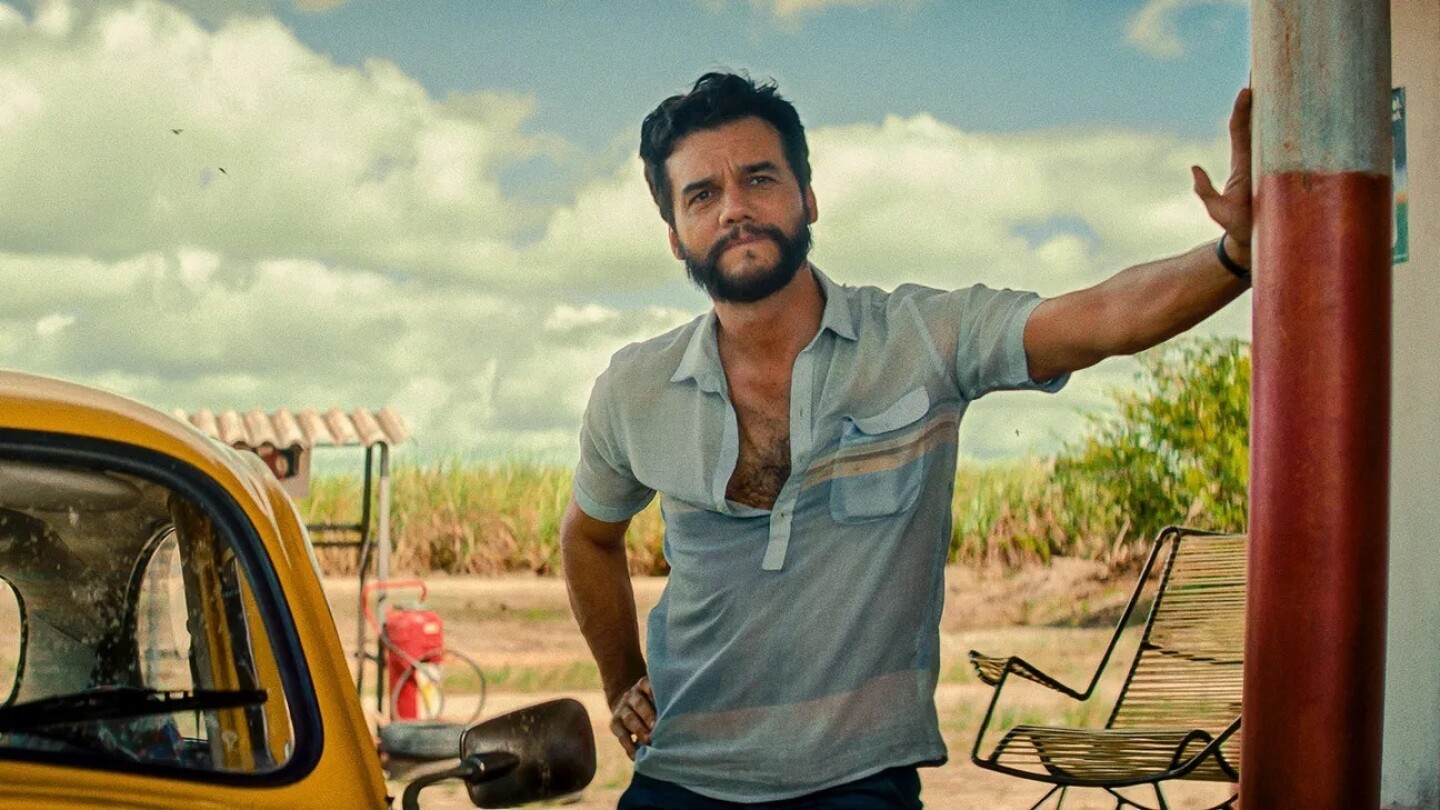
Movie Review: Wagner Moura is on the run in Brazil, 1977, in ‘The Secret Agent’
Kleber Mendonça Filho’s ‘The Secret Agent’ is a gripping, slow-burn thriller that immerses viewers in the chaotic and surreal world of 1977 Brazil. The film opens with a foreboding tone, promising a tale of intrigue, violence, and dark humor. Set in Recife during the height of Carnival celebrations, the story unfolds against the backdrop of a military dictatorship, where academics and journalists face persecution, and dissenters often meet untimely deaths. The film’s protagonist, Marcelo (Wagner Moura), is a man on the run, navigating a dangerous landscape filled with hitmen, corrupt cops, and bizarre urban legends. Marcelo’s quiet demeanor and understated performance earned Moura the Best Actor award at this year’s Cannes Film Festival. The narrative is framed by modern-day archival recordings, adding layers of historical context and intrigue. The film’s surreal elements, such as a disembodied hairy leg and a two-headed cat, serve as metaphors for the oppressive times. With a stellar cast, including Udo Kier in a memorable role, and a soundtrack featuring Donna Summer and local hits, ‘The Secret Agent’ is both a resurrection of the past and an elegy for a bygone era. The film, rated R for nudity, violence, and language, runs for 158 minutes and is now playing in select theaters.
-
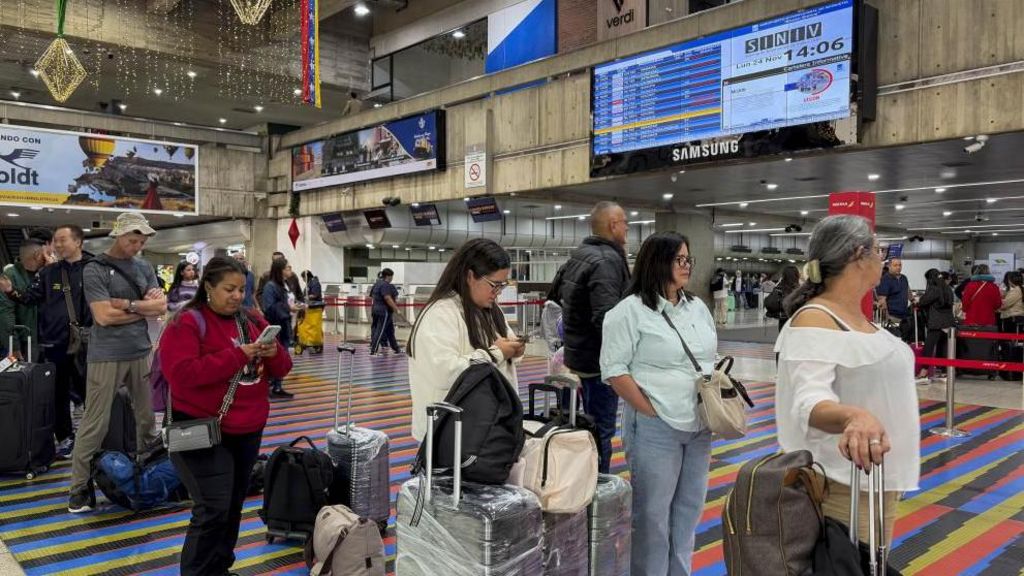
Venezuela demands international airlines resume flights – or else
Venezuela has issued a stern ultimatum to international airlines, demanding they resume flights to the country within 48 hours or face the revocation of their operational permits. This directive comes in the wake of a US Federal Aviation Administration (FAA) advisory warning of increased military activity in the region, prompting several airlines to suspend their services to Venezuela. Among the affected carriers are Spain’s Iberia, Air Europa, and Plus Ultra, Brazil’s Gol, Chile’s Latam, Colombia’s Avianca, Portugal’s TAP, and Turkish Airlines. The FAA’s advisory specifically highlighted the deteriorating security situation around Maiquetía, the site of Venezuela’s primary international airport serving Caracas. While some airlines like Panama’s Copa and Venezuela’s state-owned Conviasa continue operations, the suspensions have significantly reduced international flight traffic. The International Air Transport Association (Iata) has urged Venezuela’s aviation authority, Inac, to reconsider the deadline, emphasizing that such measures would further isolate the country, already one of the least connected in the region. Iata also noted that its member airlines remain committed to resuming operations once conditions permit. The escalating tensions between the US and Venezuela are rooted in the US’s increased military presence in the southern Caribbean, ostensibly aimed at combating drug trafficking. Since September, the US Navy has conducted at least 21 strikes against vessels allegedly involved in drug trafficking, primarily in the Caribbean but also in the Pacific. Venezuelan President Nicolás Maduro has vehemently criticized these actions, accusing the US of attempting to overthrow his government. In a defiant statement during his TV show, Maduro asserted that the US would not succeed in defeating Venezuela. The US, however, regards Maduro as an illegitimate leader, citing his widely disputed 2024 re-election. Despite these tensions, US President Donald Trump has not ruled out direct dialogue with Maduro, hinting at potential future discussions.
-
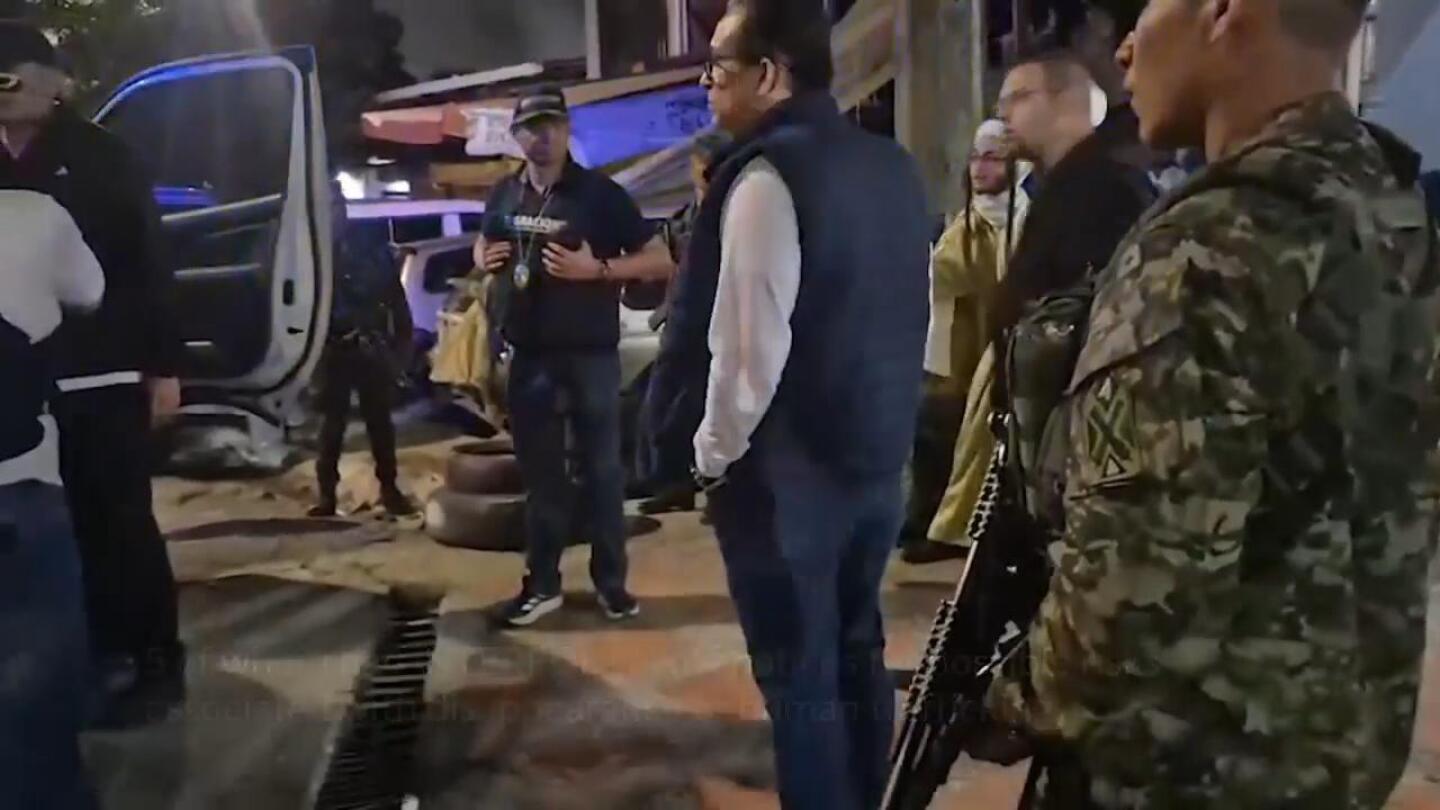
Colombia detains Lev Tahor sect members and takes 17 children into protective custody
Colombian immigration authorities have intervened to protect 17 children allegedly rescued from the ultra-Orthodox Jewish sect Lev Tahor, which has faced accusations of sexual abuse and kidnapping across multiple countries. Gloria Esperanza Arriero, director of Colombia’s national immigration service, confirmed that nine sect members were detained during a hotel inspection in Yarumal, a small northwestern city. The group, consisting of 17 children and nine adults, arrived in Colombia in late October, reportedly seeking a rural property to establish a new base. Arriero stated that deportation is likely for the detained members, as there are no active arrest orders against them in Colombia. Interpol yellow notices were issued for five children in the group, who hold American and Guatemalan passports, indicating they were reported missing or at risk of abduction. The intervention followed tips from local residents, preventing the sect from establishing a compound, which would have necessitated a search warrant. Lev Tahor has a history of legal troubles, including raids in Guatemala, arrests in Mexico, and convictions of its leaders in New York for kidnapping and child exploitation. The sect operates in several countries, including Canada, the U.S., Mexico, Guatemala, and Israel.
-
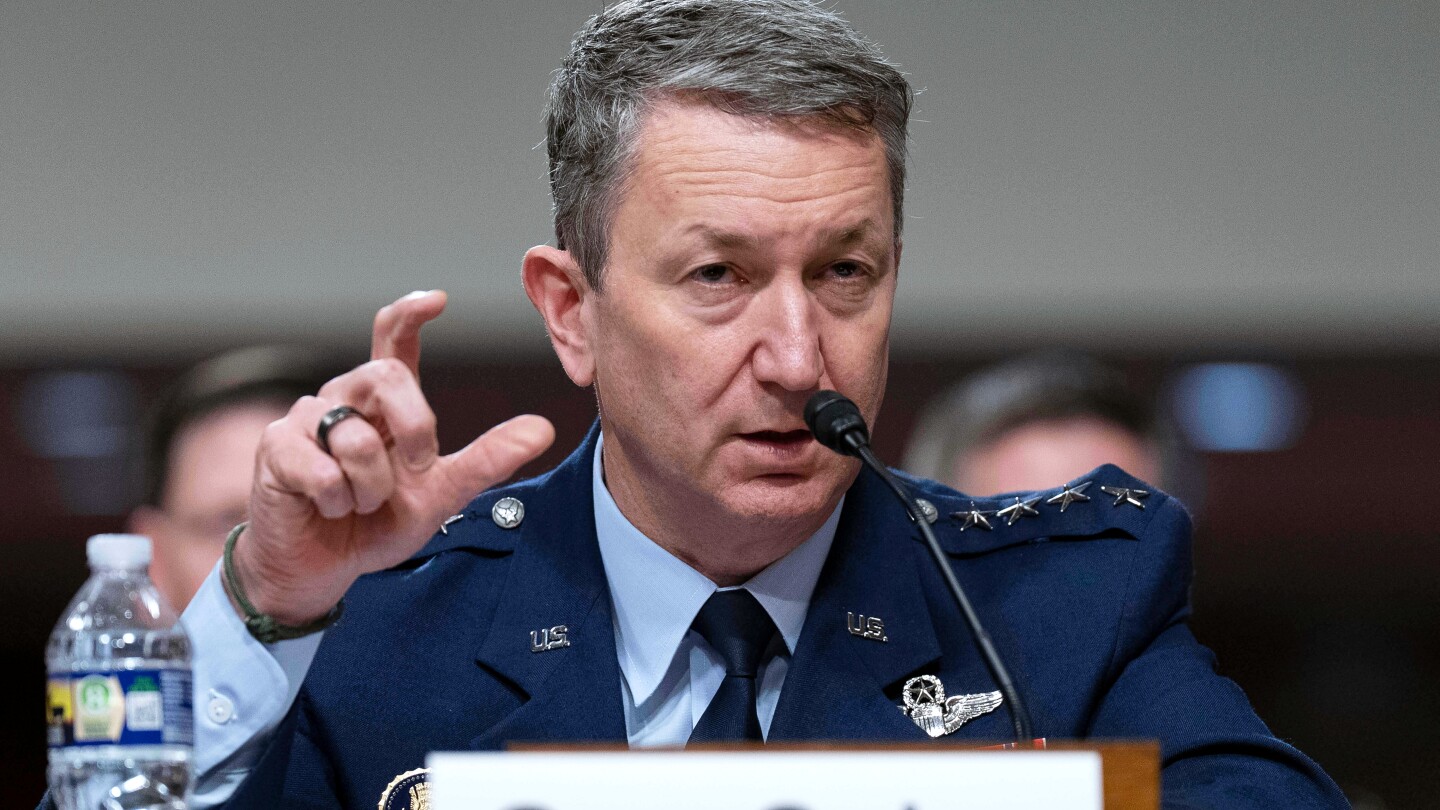
Top US military adviser visits Caribbean as Trump ramps up pressure on Venezuela
General Dan Caine, the Chairman of the Joint Chiefs of Staff and President Donald Trump’s top military advisor, is visiting U.S. troops in Puerto Rico and aboard a Navy warship in the region. This visit comes as the U.S. has significantly increased its naval presence, deploying an advanced aircraft carrier and conducting operations against alleged drug-smuggling vessels. Caine, accompanied by Senior Enlisted Adviser David L. Isom, aims to engage with service members and commend their contributions to regional missions. This marks Caine’s second visit since the military buildup began, following a September trip with Defense Secretary Pete Hegseth when U.S. Marines arrived for training exercises. The heightened military activity is widely perceived as a strategy to pressure Venezuelan President Nicolás Maduro, whom the Trump administration accuses of facilitating drug trafficking into the U.S. The U.S. has designated the Cartel de los Soles, allegedly led by Maduro, as a foreign terrorist organization, expanding its toolkit for addressing the crisis. However, Hegseth has remained vague about potential military actions, stating that while no options are off the table, none are automatically on it.
-
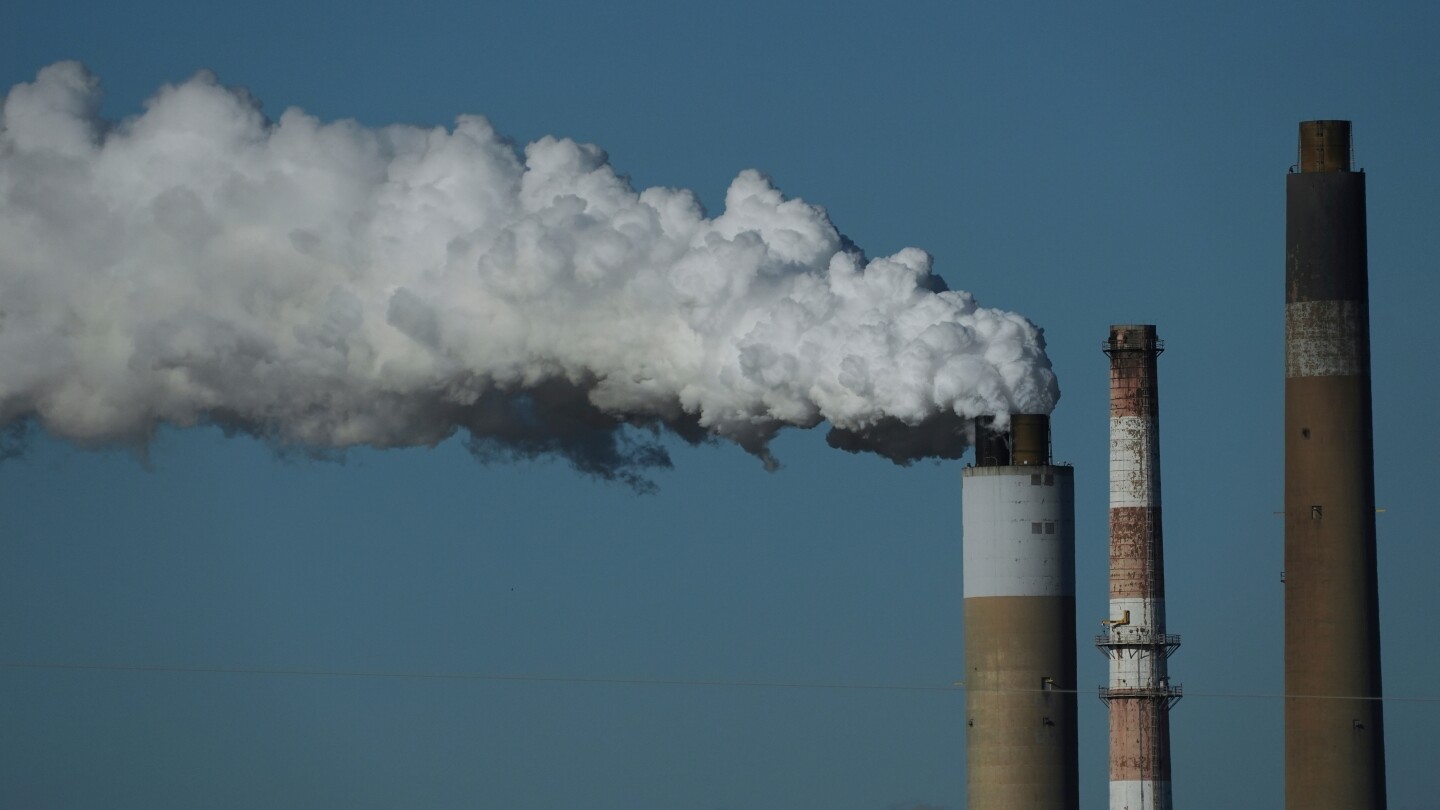
Here’s what’s next in the fight to curb climate change, now that talks in Brazil have ended
The recent COP30 United Nations climate talks in Belem, Brazil, concluded with a mix of cautious optimism and stark warnings about the future of global climate action. While the event, held in the heart of the Amazon, was expected to be a historic turning point, it fell short of delivering a comprehensive roadmap to phase out fossil fuels—coal, oil, and gas—despite strong backing from Brazil’s president and over 80 nations. Critics argue that the lack of consensus on this critical issue reflects the persistent influence of powerful opponents and petrostates. However, experts identified several positive developments, including the establishment of a ‘global implementation accelerator’ to support nations in enhancing their climate commitments. The COP presidency also highlighted 117 ‘action agenda’ items, including a $1 trillion pledge for renewable energy grids, $5.5 billion for forest conservation, and industrial decarbonization plans for developing countries. Despite these initiatives, the absence of binding agreements underscores the challenges of achieving global consensus. Experts warn that without urgent action, climate impacts will intensify, disproportionately affecting vulnerable communities and ecosystems. While the process remains flawed, the talks have laid the groundwork for incremental progress, emphasizing the need for continued collaboration and innovation in the fight against global warming.
-
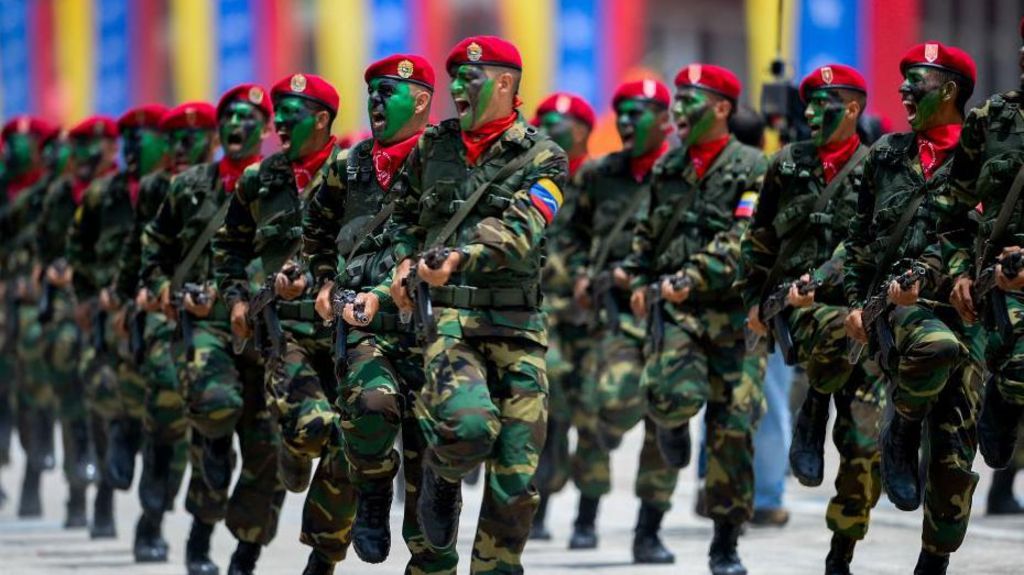
What you need to know about Venezuela’s Cartel de los Soles
The United States has officially designated the ‘Cartel de los Soles’ (Cartel of the Suns) as a foreign terrorist organization, alleging that it is led by Venezuelan President Nicolás Maduro and senior government officials. This designation grants U.S. law enforcement and military agencies expanded powers to target and dismantle the group. The move is part of escalating U.S. pressure on Maduro, whose government has been deemed illegitimate following last year’s widely disputed election. Venezuela’s foreign ministry has vehemently denied the allegations, calling them a ‘ridiculous lie,’ while Interior Minister Diosdado Cabello dismissed the cartel as an ‘invention.’ The term ‘Cartel de los Soles’ originated in the early 1990s, referring to Venezuelan military officials allegedly involved in drug trafficking, symbolized by the sun-shaped insignia on their uniforms. Experts suggest the cartel lacks a formal structure, instead representing a widespread system of corruption fueled by Venezuela’s economic crisis. The U.S. has accused Maduro and other high-ranking officials of conspiring with Colombian armed groups to traffic cocaine, offering substantial rewards for information leading to their capture. Venezuela has consistently rejected these claims, framing them as a pretext for U.S. intervention.