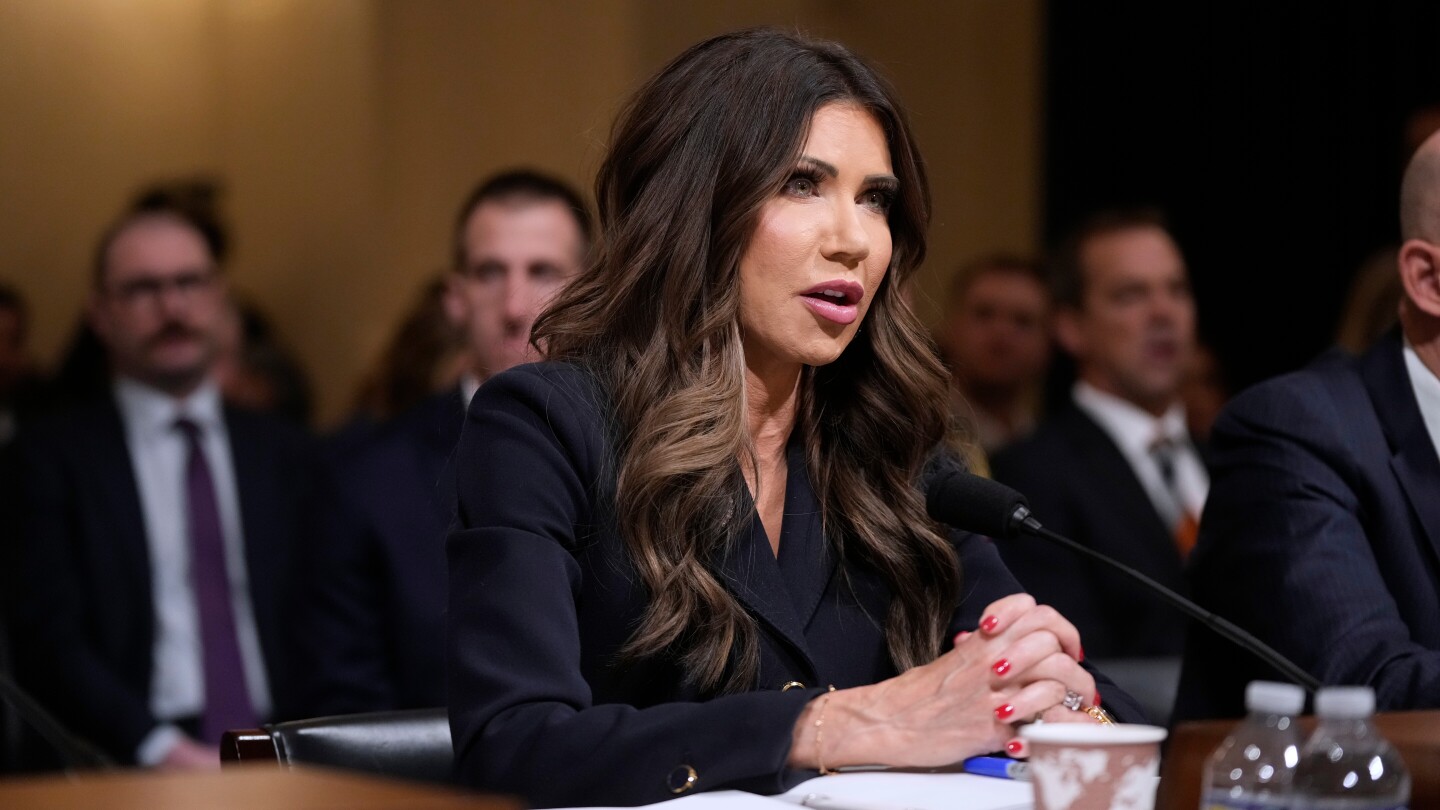
In a significant escalation of pressure against the Venezuelan government, U.S. authorities have seized a merchant oil tanker off the coast of Venezuela, marking an extraordinary application of military force in the Trump administration’s counter-narcotics campaign. Homeland Security Secretary Kristi Noem characterized the operation as a direct presidential directive targeting the Maduro regime’s alleged systemic flooding of deadly drugs into the United States.\n\nThe seizure, described by officials as \”incredibly unusual,\” represents the most aggressive action to date in the administration’s pressure campaign against President Nicolás Maduro, who faces narcoterrorism charges in U.S. courts. The operation coincided with additional sanctions imposed on three of Maduro’s nephews, further intensifying diplomatic tensions.\n\nWhite House Press Secretary Karoline Leavitt provided a bifurcated justification for the action, stating that the administration was simultaneously combating both drug trafficking and the black market oil trade that funds it. \”We’re not going to stand by and watch sanctioned vessels sail the seas with black market oil, the proceeds of which will fuel narcoterrorism of rogue and illegitimate regimes,\” Leavitt asserted.\n\nThe Justice Department obtained a warrant for the vessel based on its known transport of sanctioned oil. When questioned about the disposition of the confiscated oil, President Trump remarked, \”Well, we keep it, I guess.\”\n\nThis development occurs alongside a substantial U.S. military buildup in the region—the largest in decades—which has included lethal strikes on alleged drug-smuggling vessels. The campaign faces growing congressional scrutiny despite administration claims that such measures are necessary to stem the flow of fentanyl and other illegal drugs.\n\nVenezuela has condemned the tanker seizure as \”a blatant theft and an act of international piracy,\\” while Maduro maintains that the true objective of U.S. operations is regime change. In response to mounting pressure, the Venezuelan leader consulted with Russian President Vladimir Putin, who reaffirmed support for Maduro’s sovereignty protection policies against external pressure.
标签: South America
南美洲
-
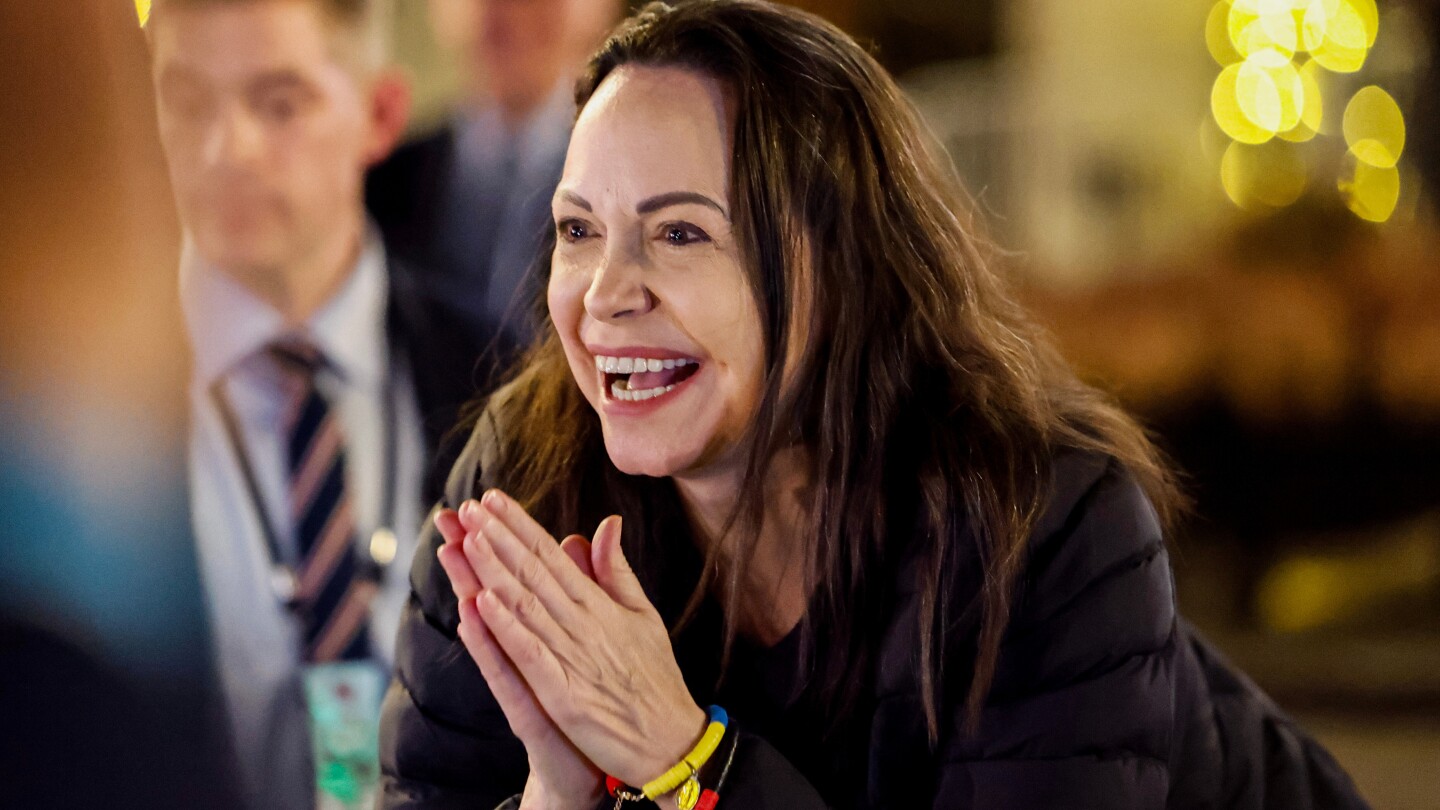
From hiding to Nobel laureate: María Corina Machado’s continues fight for Venezuela’s democracy
In a dramatic public reappearance, Venezuelan opposition leader María Corina Machado addressed supporters in Norway on Thursday after eleven months in hiding. The event marked her first public appearance since receiving the Nobel Peace Prize, which was accepted on her behalf by her daughter the previous day for her relentless pursuit of democratic transition in Venezuela.
Machado, who has become the symbolic face of resistance against Venezuela’s 26-year ruling party, had been evading authorities since January 9th when she was briefly detained during anti-government protests in Caracas. From her hotel balcony, she waved to cheering crowds before delivering a determined message to reporters: “My return will be when we believe the security conditions are right, and it won’t depend on whether or not the regime leaves. It will be as soon as possible.”
The industrial engineer turned politician began challenging the establishment in 2004 when she co-founded Súmate, an organization that promoted a referendum to recall then-President Hugo Chávez. Her political trajectory intensified in 2010 when she was elected to the National Assembly with record-breaking votes, using her platform to boldly confront Chávez about his economic policies.
Despite winning the opposition’s presidential primary with over 90% of the vote in 2023, Machado was barred from appearing on the ballot by the ruling party-controlled judiciary. She subsequently threw her support behind former diplomat Edmundo González, campaigning extensively across Venezuela while facing government persecution that resulted in the arrest of numerous collaborators.
The July 2024 election saw González defeat President Nicolás Maduro by a two-to-one margin according to opposition records, but the National Electoral Council declared Maduro the winner. The government responded to nationwide protests with brutal repression, arresting over 2,000 people allegedly involved in plots to oust Maduro.
While Machado’s unquestioning support for Trump administration policies has created some divisions within the opposition, she remains steadfast in her mission. On Thursday, she called for concrete action from international democracies, stating: “The one who has declared war on Venezuelans is the Maduro regime. In criminal systems, we need the world’s democracies to support our citizens.”
-
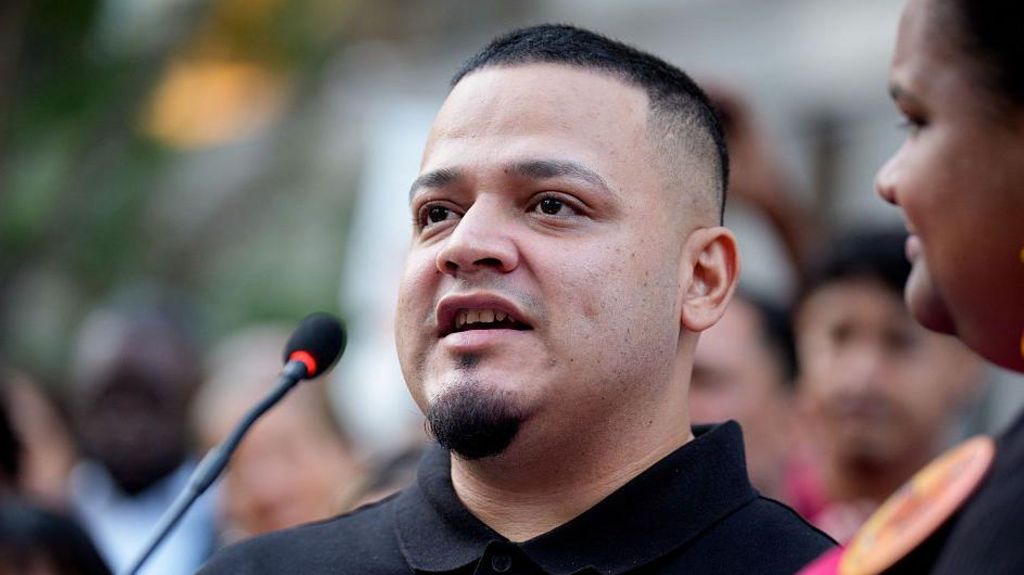
US judge orders Kilmar Abrego Garcia’s release from ICE custody
In a significant judicial ruling, U.S. District Judge Paula Xinis has mandated the immediate release of Kilmar Abrego Garcia from immigration detention, declaring his continued confinement without legal authority. The decision marks a dramatic development in a case involving mistaken deportation and subsequent repatriation.
Mr. Abrego Garcia was initially deported to El Salvador in March and incarcerated in CECOT prison under the Trump administration’s immigration enforcement operations. The U.S. government subsequently acknowledged this deportation as erroneous and returned him to the United States to face human smuggling charges in Tennessee, where he has remained detained pending trial.
Judge Xinis’s ruling emphatically stated that since Abrego Garcia’s return from wrongful detention in El Salvador, he has been ‘re-detained, again without lawful authority.’ The court found that the government lacks a valid removal order, thereby preventing any potential deportation proceedings at this time.
The case intersects with broader immigration policy controversies, as the Trump administration contends Abrego Garcia maintains affiliations with the MS-13 criminal organization—an allegation he consistently denies. This spring, administration officials transported numerous migrants accused of gang affiliations to Salvadoran prisons, despite existing court orders specifically prohibiting Abrego Garcia’s transfer to El Salvador.
While separate criminal proceedings regarding human smuggling charges continue in Tennessee—where Abrego Garcia has pleaded not guilty—Judge Xinis determined that his immigration detention lacked legal justification. The federal court in Maryland handling his deportation challenge has ordered his release under conditions set by the Tennessee court overseeing his criminal case.
-
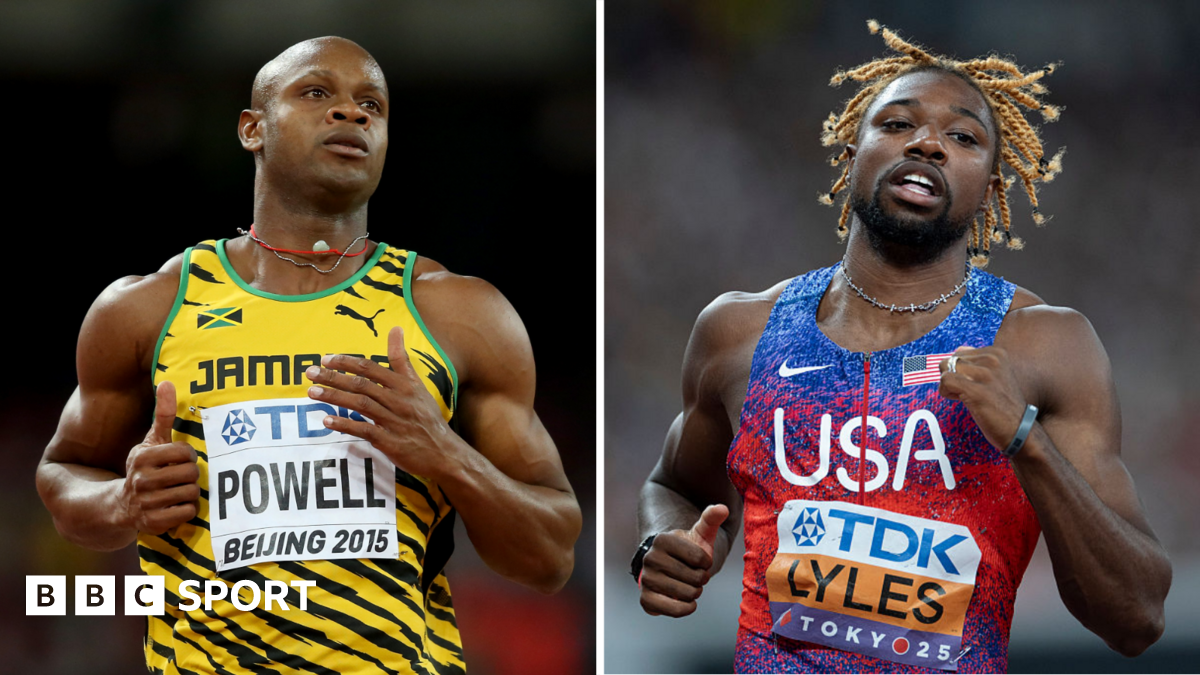
Powell and Lyles helping Jamaica hurricane victims
In an inspiring display of solidarity beyond the racetrack, Jamaican sprint icon Asafa Powell and American Olympic champion Noah Lyles have joined forces to support communities devastated by Hurricane Melissa in Jamaica. The catastrophic Category 5 storm struck the Caribbean island in October 2025, claiming at least 28 lives and causing widespread destruction.
Powell, the two-time 100m world record holder and 2016 Olympic gold medalist, has been actively engaged in relief efforts within his homeland. Based in Kingston, the retired athlete has personally visited the most severely impacted regions to assess needs and provide assistance. He described confronting profoundly distressing scenes of human suffering, including families with infants and individuals unable to perform basic hygiene for days following the disaster.
The collaboration between these athletic rivals symbolizes how sportsmanship transcends competition during humanitarian crises. Powell emphasized that the historic rivalry between Jamaican and American sprinters has created a foundation for mutual support when it matters most. Their joint initiative focuses on delivering tangible assistance to those displaced by the hurricane.
Already making significant impact, Powell recently provided two families with permanent housing solutions. Emotional scenes accompanied these gestures, with both recipients and Powell’s wife moved to tears during the home presentations. The former sprinter reflected on the profound satisfaction derived from supporting the same communities that consistently cheered his athletic achievements.
While committed to monthly contributions himself, Powell issued a compelling appeal to major international organizations to sustain their engagement beyond the initial emergency response phase. He emphasized the need for long-term rebuilding commitments, particularly as global attention shifts to other crises. Powell noted the increasing frequency of natural disasters worldwide while expressing particular concern for his nation’s complete recovery.
-
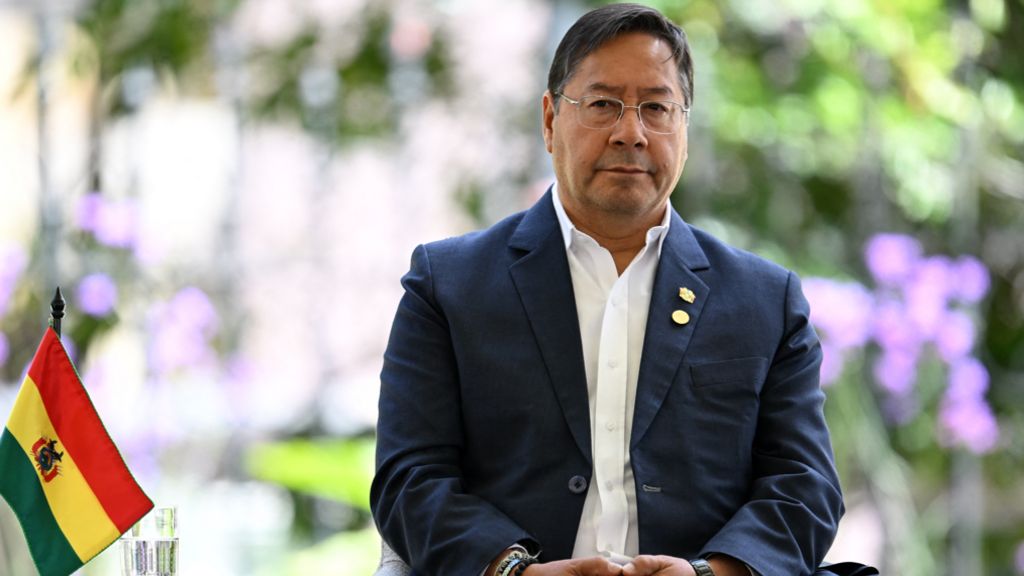
Former Bolivian President Luis Arce arrested in corruption probe
In a significant political development, former Bolivian President Luis Arce has been taken into custody by authorities in La Paz as part of an ongoing corruption investigation. The 62-year-old leader, who completed his presidential term last month, faces allegations related to his previous tenure as economy minister during Evo Morales’ administration (2006-2019).
The arrest warrant issued by Bolivia’s Interior Ministry specifies charges of “breach of duty and uneconomical conduct,” centering on accusations that Arce authorized illicit transfers of public funds to personal accounts of political figures. The investigation connects to a long-running probe into the Indigenous Peoples Development Fund (Fondioc), where millions intended for community projects were allegedly diverted to non-existent or abandoned initiatives.
Attorney General Roger Mariaca confirmed that Arce exercised his right to remain silent during police interrogation. The former president will remain in custody overnight before undergoing judicial proceedings to determine whether he will be detained pending trial. Mariaca explicitly denied allegations of political motivation behind the arrest.
The case has drawn strong reactions from both sides of Bolivia’s political divide. María Nela Prada, Arce’s former colleague, denounced the detention as “a total abuse of power” and maintained his innocence. Conversely, current Vice-President Edmand Lara characterized the arrest as part of a broader anti-corruption initiative, declaring that “all those who have stolen from this country will return every last cent and will be held accountable before the law.”
This development occurs within weeks of centrist candidate Rodrigo Paz’s electoral victory in October, which concluded nearly twenty years of dominance by the leftist MAS party that Arce represented. President Paz, upon assuming office last month, announced the discovery of extensive corruption within previous leftist governments. The new administration has already arrested six former executives of state oil company YPFB on similar charges, signaling a robust anti-graft campaign.
Under Bolivian law, outgoing executive branch members are prohibited from leaving the country for 90 days following a government transition, facilitating the current investigation into Arce’s activities during his ministerial service.
-
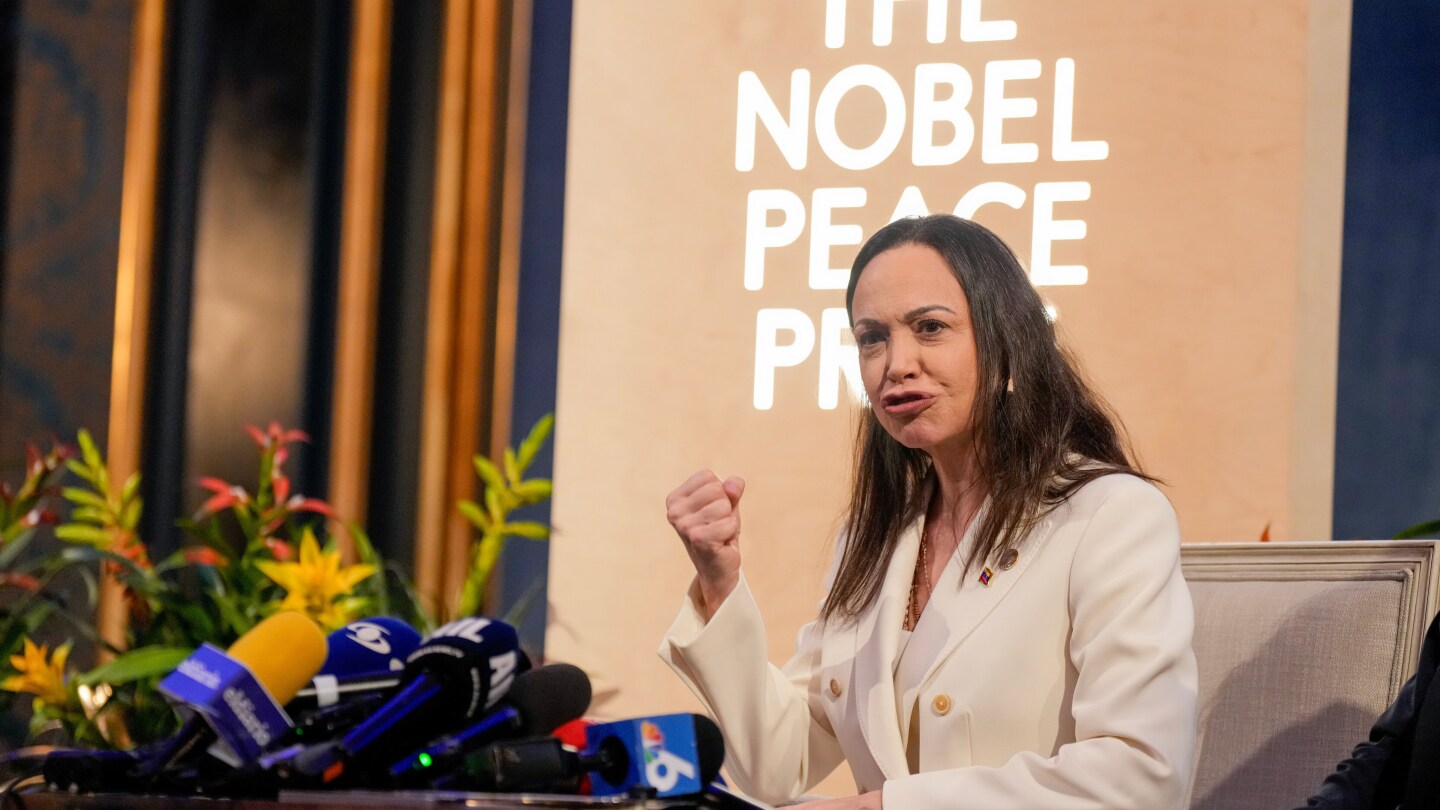
Venezuelan Nobel laureate credits Trump for pressuring Maduro with ‘decisive’ actions
OSLO, Norway – Venezuelan opposition figure María Corina Machado broke her eleven-month silence on Thursday, declaring President Nicolás Maduro’s administration has reached its most vulnerable state following decisive U.S. actions including the seizure of a Venezuelan oil tanker. The prominent dissident, speaking publicly for the first time since emerging from hiding, pledged to return to her homeland to continue the democratic struggle when security conditions permit.
Machado’s reappearance coincided with her daughter accepting the Nobel Peace Prize on her behalf in Oslo on Wednesday. The opposition leader specifically credited the Trump administration’s recent measures for significantly weakening Maduro’s grip on power. “The regime previously operated with impunity,” Machado told international journalists. “Now they comprehend the seriousness of global scrutiny.”
The political activist carefully avoided endorsing military intervention when questioned about potential U.S. action against Maduro’s government. She emphasized that her return timeline would be determined by security assessments rather than the regime’s status.
Her dramatic public reemergence from a hotel balcony before emotional supporters followed months in hiding since her brief detention during Caracas protests in January. Machado’s international journey occurred against the backdrop of escalating U.S. military operations in the Caribbean that have resulted in numerous casualties, actions the White House claims target drug trafficking but which many interpret as pressure on Maduro’s government.
The Nobel laureate called for concrete international support beyond diplomatic statements, urging governments to cut off resources derived from illegal activities that sustain repressive regimes. The 58-year-old opposition leader, who won a primary election but was barred from challenging Maduro in the 2024 presidential race, met with Norwegian Prime Minister Jonas Gahr Støre who committed support for building democratic institutions in Venezuela.
Machado revealed little about her covert travel from Venezuela but acknowledged U.S. assistance in her journey, which flight data indicates originated from Bangor, Maine. Her political stand-in, retired diplomat Edmundo González, sought asylum in Spain following an arrest warrant, complicating the opposition’s leadership structure.
The opposition leader concluded with a defiant message: “We decided to fight until the end and Venezuela will be free.” She indicated having contingency plans for underground operations should Maduro remain in power upon her return.
-
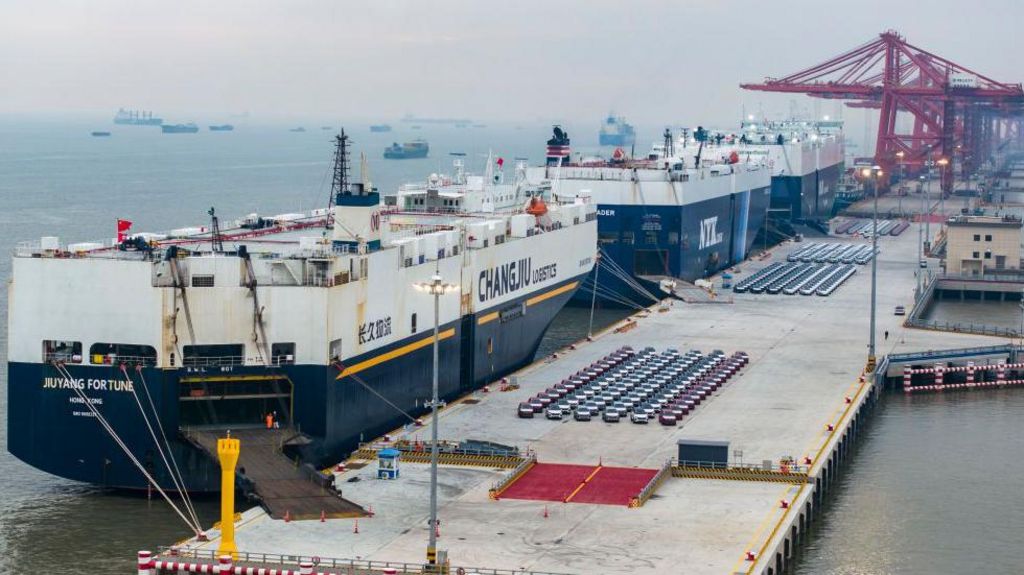
Mexico approves up to 50% tariffs on China and other countries
Mexico’s Senate has ratified a comprehensive tariff package targeting over 1,400 imported goods, with significant implications for Chinese manufacturers and other trading partners. The legislation, endorsed by President Claudia Sheinbaum as essential for strengthening domestic industries, will impose duties of up to 50% on products ranging from metals and automobiles to clothing and household appliances.
The new tariffs, scheduled for implementation on January 1, 2026, will affect dozens of nations without existing free trade agreements with Mexico, including China, Thailand, India, and Indonesia. This strategic move occurs against the backdrop of ongoing negotiations between Mexican officials and the Trump administration regarding potential US import taxes targeting Mexican exports.
Former President Donald Trump has threatened multiple tariff measures against Mexico, including proposed 50% duties on steel and aluminum, a 25% levy related to fentanyl trafficking prevention, and most recently, a 5% tariff accusation regarding water access for American farmers under an 80-year-old treaty. The United States remains Mexico’s predominant trading partner, adding complexity to these bilateral discussions.
Beijing had previously cautioned Mexico to exercise careful consideration before implementing these tariffs, highlighting the delicate balance Mexico must maintain between protecting domestic production and managing international trade relationships.
-
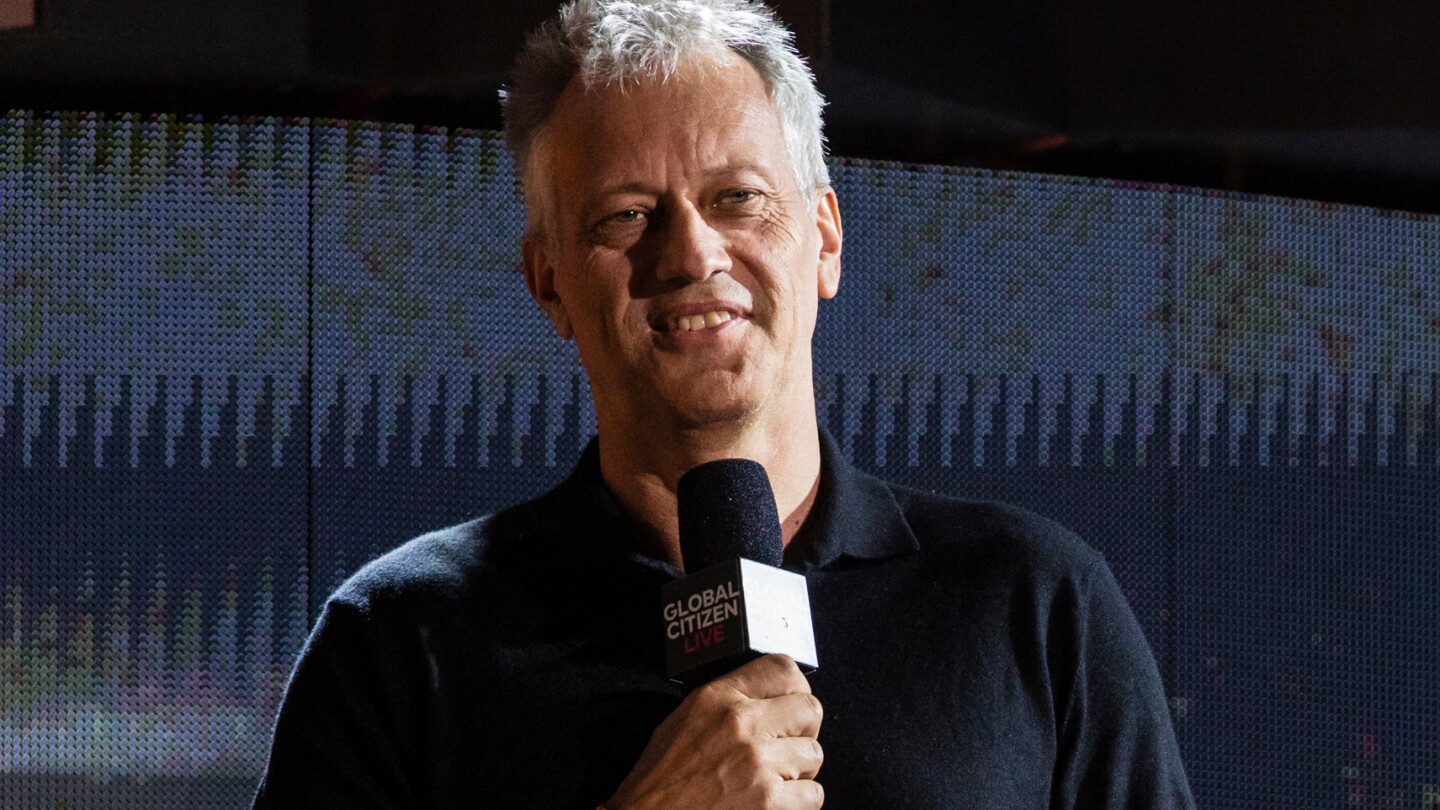
Coca-Cola names a company veteran as its new CEO
In a significant corporate leadership announcement, Coca-Cola revealed Wednesday that Chief Operating Officer Henrique Braun will ascend to the chief executive role effective March 31, 2026. This carefully orchestrated transition will see current Chairman and CEO James Quincey move into the executive chairman position, ensuring continuity in the beverage giant’s strategic direction.
The 57-year-old Braun brings three decades of extensive company experience to his future role, having most recently served as COO since earlier this year. His comprehensive career at Coca-Cola includes leadership positions across multiple international markets including Brazil, Latin America, Greater China and South Korea. Braun’s diverse expertise spans supply chain management, new business development, marketing innovation, and bottling operations management.
Born in California and raised in Brazil, Braun’s educational background includes an agricultural engineering degree from the University Federal of Rio de Janeiro, complemented by a master of science degree from Michigan State University and an MBA from Georgia State University.
David Weinberg, Coca-Cola’s lead independent director, praised outgoing CEO Quincey as a transformative leader who will maintain an active role in the business. During Quincey’s nine-year tenure, the company expanded its portfolio with over 10 additional billion-dollar brands including BodyArmor and Fairlife, while strategically entering the alcoholic beverage market with Topo Chico Hard Seltzer in 2021.
Quincey’s leadership included a significant 2020 restructuring that streamlined operations by reducing the company’s brand portfolio by half and implementing workforce reductions. This strategic move aimed to focus investments on high-growth products such as Simply and Minute Maid juices.
As this leadership transition unfolds, Coca-Cola faces ongoing challenges including subdued consumer demand in key markets like the United States and Europe, along with increasing scrutiny of product ingredients. Responding to market pressures, the company recently announced plans to introduce a cane sugar version of its flagship cola, moving away from high-fructose corn syrup.
Weinberg expressed board confidence in Braun’s ability to leverage the company’s strengths and identify global growth opportunities. Market reaction remained neutral following the announcement, with Coca-Cola shares holding steady in after-hours trading.
-
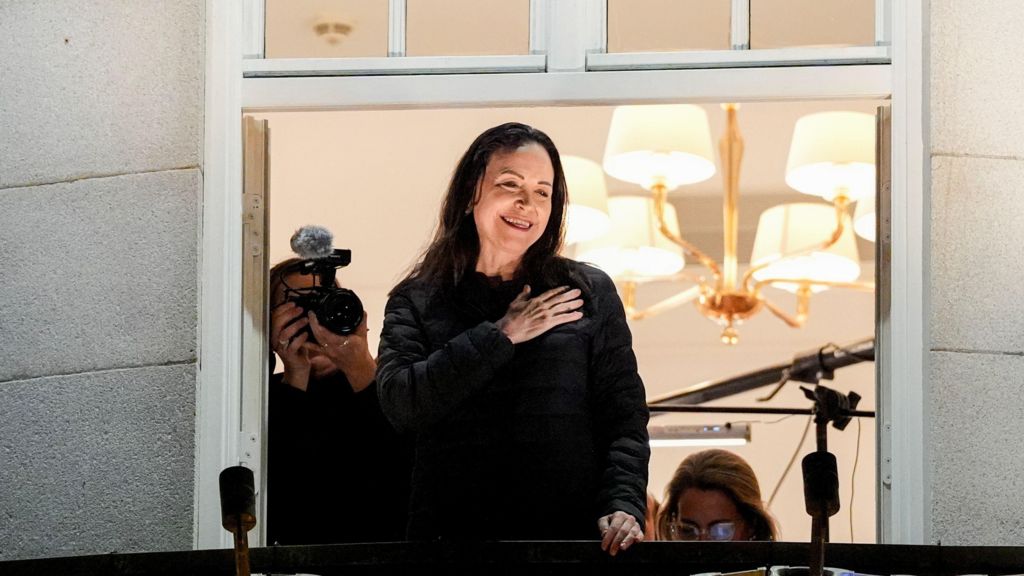
Venezuelan opposition leader makes first public appearance after months in hiding
In a dramatic appearance marking her first public outing since January, Venezuelan opposition leader María Corina Machado defied travel restrictions to personally accept the Nobel Peace Prize in Oslo. The political dissident, who had maintained a low profile following Venezuela’s contentious 2024 presidential election, emerged on the balcony of Oslo’s Grand Hotel to ecstatic cheers from supporters gathered below.
Machado’s journey to Norway culminated in an emotional balcony moment where she placed her hand over her heart and joined supporters in song before personally greeting the crowd. The Nobel Institute recognized her tireless campaign for “achieving a just and peaceful transition from dictatorship to democracy” in Venezuela, making her the latest symbol of democratic resistance in authoritarian regimes.
The ceremony took place against a backdrop of escalating tensions between Venezuela and the United States. On the same day as Machado’s appearance, President Donald Trump announced the U.S. military seizure of an oil tanker near Venezuelan waters, alleging connections to “illicit oil shipping networks supporting foreign terrorist organizations.” The Venezuelan government promptly condemned the action as outright piracy.
Machado’s daughter, Ana Corina Sosa, initially accepted the award on her mother’s behalf during the formal ceremony, as speculation mounted about whether the opposition leader would risk international travel despite government prohibitions. The Nobel committee earlier released audio confirmation of Machado’s determination to attend, featuring her declaring: “I will be in Oslo, I am on my way.”
In previous statements following her Peace Prize recognition, Machado notably praised President Trump, who has openly expressed his own aspirations for the prestigious award while maintaining military pressure on Venezuela’s government. The coincidence of these events highlights the complex geopolitical dynamics surrounding Venezuela’s political future.
-
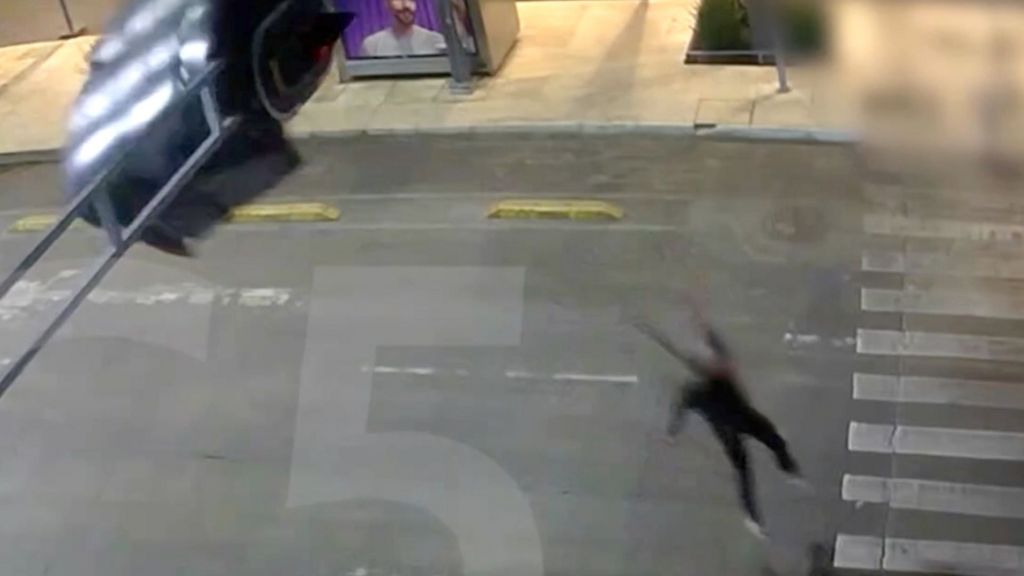
Moment skydiver crash lands onto traffic light
In a breathtaking incident that defied both gravity and expectation, a skydiver experienced an emergency landing atop a traffic signal in the bustling streets of Mexico City on December 9th. The astonishing event, captured by multiple eyewitnesses, shows the individual descending rapidly before making unexpected contact with the urban infrastructure.
According to official statements from Mexico City’s law enforcement authorities, the individual involved emerged from the precarious situation entirely unscathed. Police confirmed that despite the violent nature of the impact with the traffic apparatus, the skydiver sustained no physical injuries and required no immediate medical attention following the incident.
The extraordinary circumstances surrounding this aerial mishap have raised questions about safety protocols and airspace regulations for recreational skydiving activities in metropolitan areas. Aviation experts suggest that unexpected wind patterns or equipment malfunction may have contributed to the diver’s deviation from the intended landing zone, though official investigations remain ongoing.
This remarkable survival story highlights both the inherent risks of extreme sports and the astonishing resilience of the human body when confronted with potentially catastrophic scenarios. The incident continues to circulate across social media platforms, sparking conversations about urban safety preparedness for unconventional emergency situations.