In an unconventional Halloween operation, Peruvian law enforcement officers disguised as Spiderman successfully intercepted a gang involved in drug trafficking. During the sting, police discovered a significant quantity of suspected cocaine concealed within a trick-or-treat bucket. The operation, which took place in Peru, highlights the creative and strategic measures authorities are employing to combat organized crime. The use of a Halloween disguise not only provided cover for the officers but also underscored the lengths to which criminals go to hide illegal substances. This incident has drawn attention to the ongoing challenges faced by law enforcement in addressing drug-related activities, particularly during public events that criminals may exploit. The discovery has sparked discussions about the need for heightened vigilance and innovative policing methods to ensure public safety.
标签: South America
南美洲
-

Trump says he doubts US will go to war with Venezuela
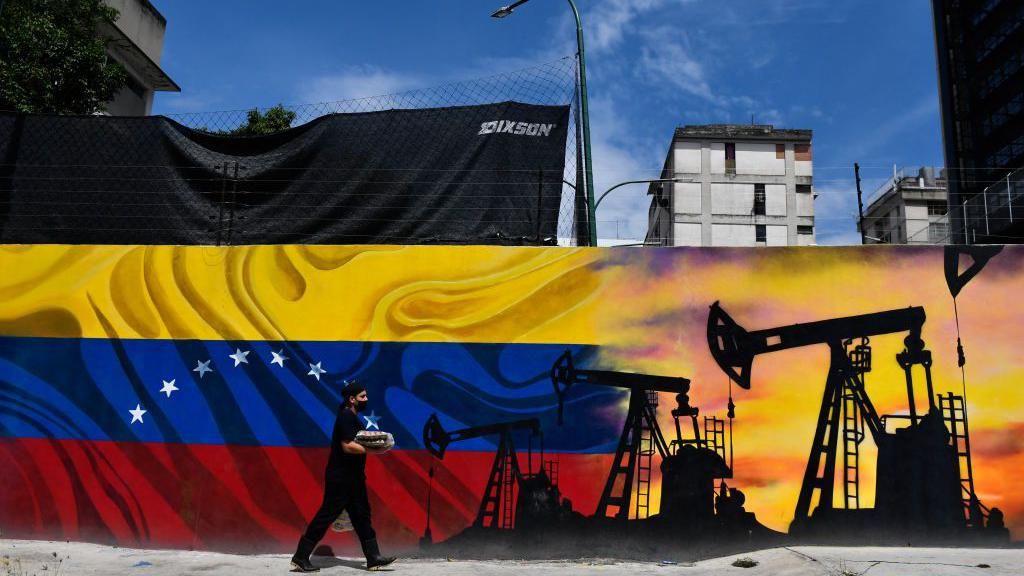
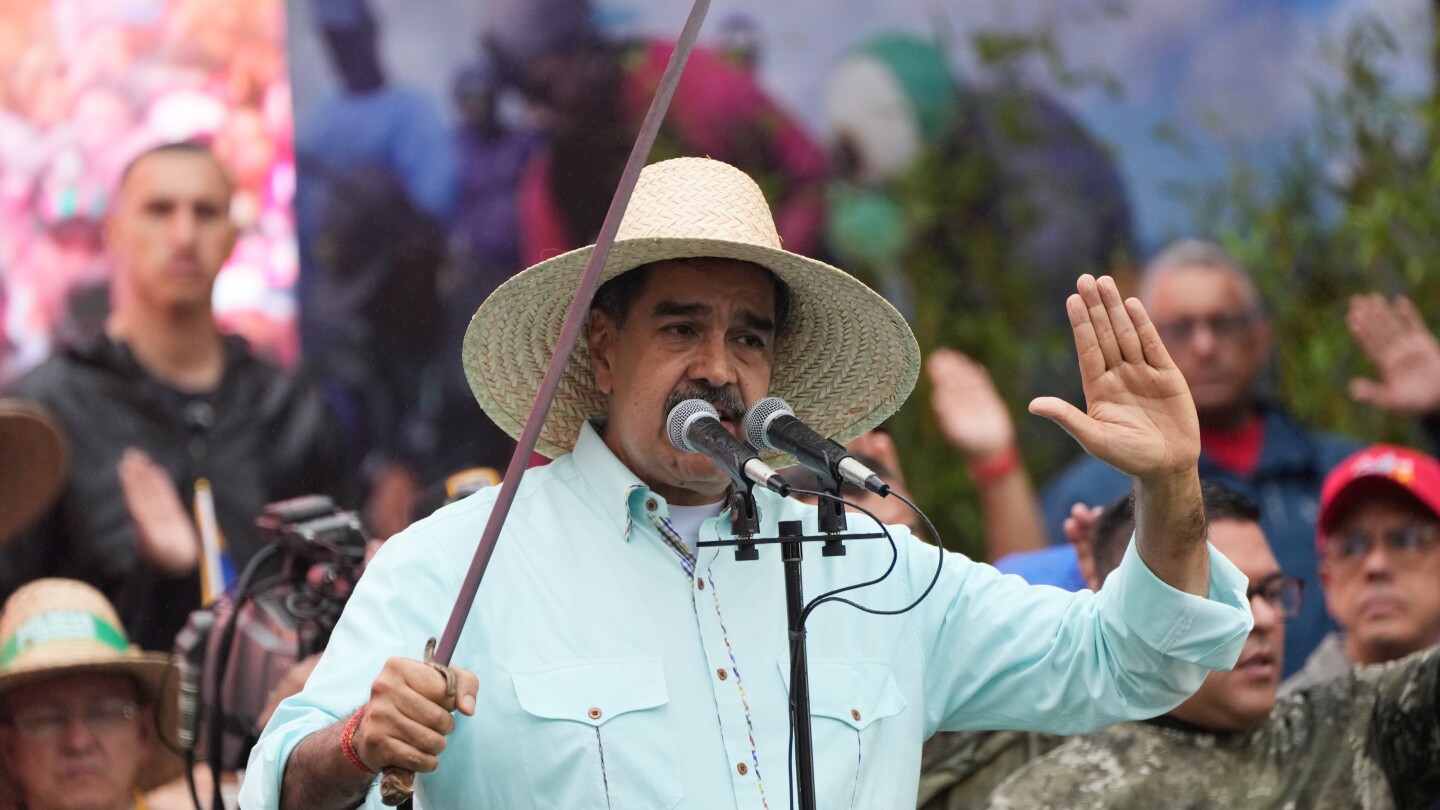
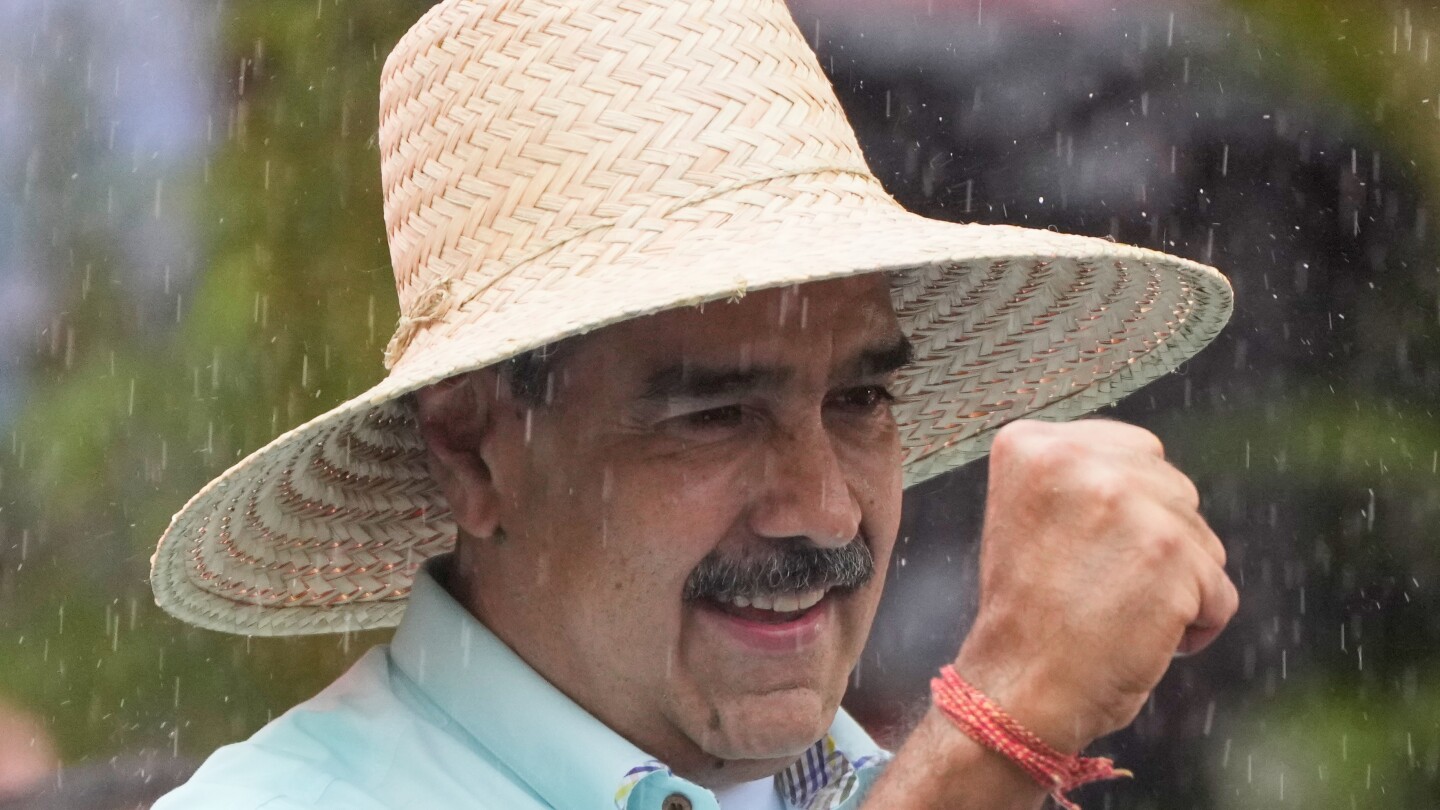
In a recent interview with CBS’ 60 Minutes, former US President Donald Trump minimized the likelihood of a military conflict with Venezuela, yet hinted that Nicolás Maduro’s tenure as the country’s leader may soon conclude. When questioned about the potential for war, Trump responded, ‘I doubt it. I don’t think so. But they’ve been treating us very badly.’ His remarks coincide with ongoing US military strikes targeting alleged drug-smuggling vessels in the Caribbean, which the Trump administration claims are essential to curbing drug trafficking into the United States. Trump dismissed allegations that these actions are aimed at ousting Maduro, a long-standing political adversary, asserting instead that they address ‘many things.’ Since early September, US strikes in the Caribbean and eastern Pacific have reportedly resulted in at least 64 fatalities, according to CBS News. Speaking from his Mar-a-Lago estate in Florida, Trump emphasized the broader impact of drug-related violence, stating, ‘Every single boat that you see that’s shot down kills 25,000 on drugs and destroys families all over our country.’ While he declined to rule out potential land-based strikes, Trump remained ambiguous about future actions, saying, ‘I’m not gonna tell you what I’m gonna do with Venezuela.’ Maduro has accused the US of ‘fabricating a new war,’ while Colombian President Gustavo Petro criticized the strikes as a means for the US to ‘dominate’ Latin America. Trump also highlighted concerns about global migration, particularly singling out Venezuela for its gang-related issues, labeling the Tren de Aragua gang as ‘the most vicious gang anywhere in the world.’ This interview marked Trump’s first appearance on CBS since suing its parent company, Paramount, over a 2024 interview with then-Vice President Kamala Harris, which he claimed was unfairly edited to favor the Democratic Party. The lawsuit was settled for $16 million, allocated to Trump’s future presidential library, without an apology from Paramount. Trump’s last 60 Minutes appearance in 2020 ended abruptly when he walked out of an interview, citing biased questioning.
-

Hurricane Melissa: Aerial view of ‘ground zero’ destruction
The aftermath of Hurricane Melissa has left the town of Black River in ruins, as revealed during an aerial reconnaissance mission conducted by the BBC. Correspondent Will Grant, aboard an aid helicopter, captured the extensive destruction that has become synonymous with ‘ground zero’ of the disaster. The flight over the island provided a stark visual narrative of the hurricane’s ferocity, with homes, infrastructure, and natural landscapes obliterated. The mission not only highlighted the immediate need for humanitarian assistance but also underscored the long-term challenges of recovery and rebuilding in the face of such overwhelming devastation. The images and reports from the flight are expected to galvanize international aid efforts and bring global attention to the plight of the affected communities.
-

‘We have no idea what lies ahead’: Aid struggles to reach Jamaican towns devastated by hurricane
Five days after Hurricane Melissa, the most powerful storm in Jamaica’s modern history, ravaged the island with sustained winds of 185 mph (297 km/h), the coastal communities of Westmoreland Parish remain in ruins. Residents are stranded, with blocked roads, no electricity, running water, or access to food, and little hope of immediate relief. The death toll has risen to at least 28, with fears it could climb further as rescue teams reach more isolated areas. Westmoreland and St Elizabeth parishes, where the storm’s eye struck, are among the hardest hit, with 90% of homes in St Elizabeth destroyed. The devastation is evident in the landscape: roads are littered with debris, trees lie splintered, and buildings are reduced to rubble. Local official Dr. Dayton Campbell confirmed 10 deaths in Westmoreland alone. Amid the chaos, residents like Gary Williams and Roy Perry express frustration and despair, having lost everything. Williams, sitting in front of his roofless home, said, ‘They no turn up,’ referring to promised aid. Perry, who lost his livelihood, remains hopeful, saying, ‘We have to just keep the faith.’ The Jamaican government, criticized for its slow response, has deployed over 200 StarLink devices to restore internet access. Prime Minister Andrew Holness emphasized the priority of clearing debris, restoring essential services, and delivering food and medical supplies. Meanwhile, foreign aid has begun to arrive, with the US Disaster Assistance Response Team on the ground and countries like the UK pledging millions in relief funds. Despite the overwhelming destruction, the resilience of the Jamaican people shines through. Farmer Oreth Jones, who lost his farm, said, ‘We have to give God thanks we’re alive.’ As the island begins its long road to recovery, the spirit of hope and determination remains unbroken.
-

Three killed in latest US strike on alleged drug boat in Caribbean
In a recent development, US Defense Secretary Pete Hegseth disclosed that three individuals were killed in a US military strike targeting an alleged drug-smuggling vessel in the Caribbean. The incident, which occurred on Saturday, is part of a broader campaign initiated by the Trump administration to combat drug trafficking into the United States. Since September, these strikes have sparked significant controversy, with experts questioning their legality under international law and Latin American leaders condemning the actions as violations of human rights.
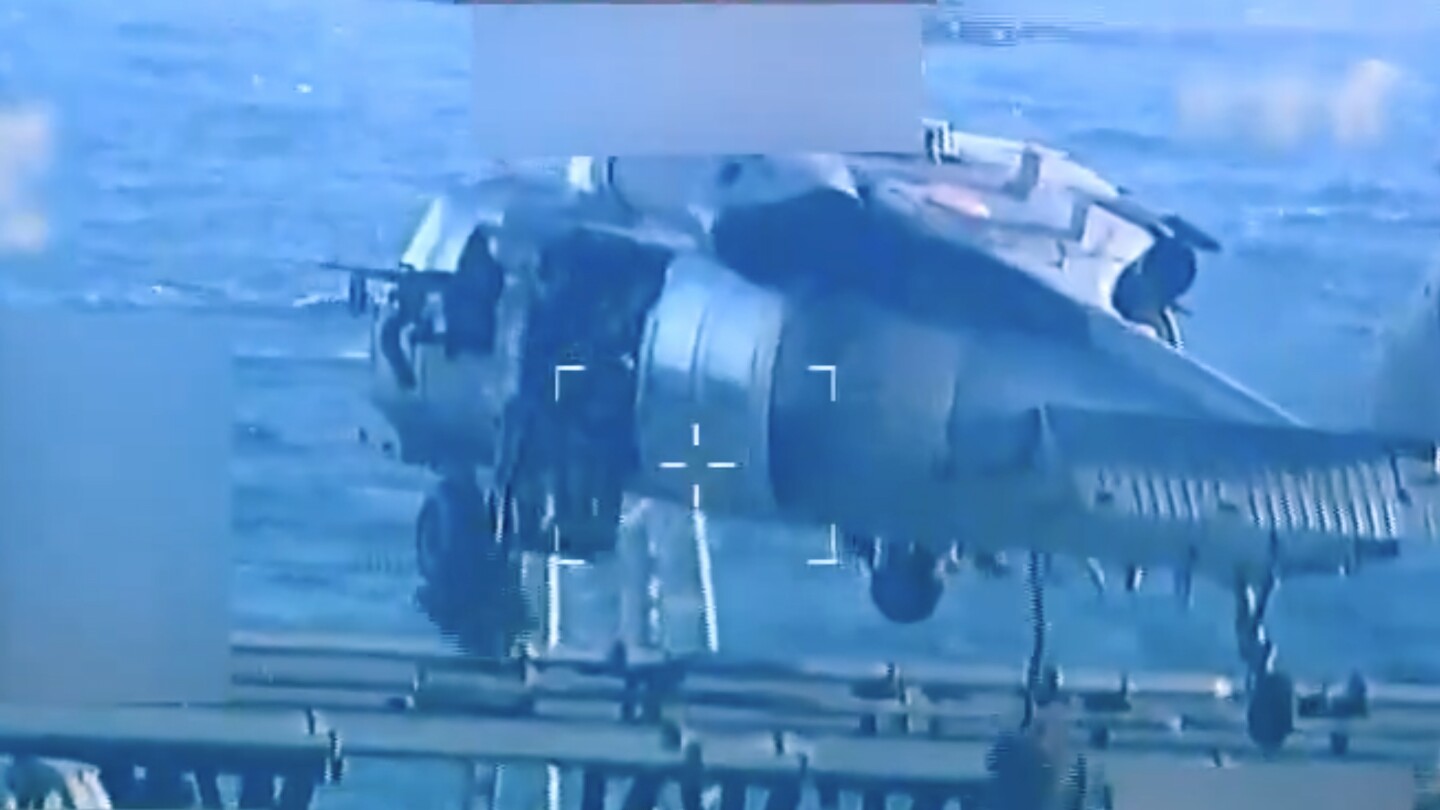
Hegseth claimed the targeted boat was operated by a designated terrorist organization and was navigating international waters along a known drug-smuggling route. However, he provided no concrete evidence to substantiate these allegations. The announcement was accompanied by a video purportedly showing the vessel being struck, though the footage was grainy and lacked clarity.
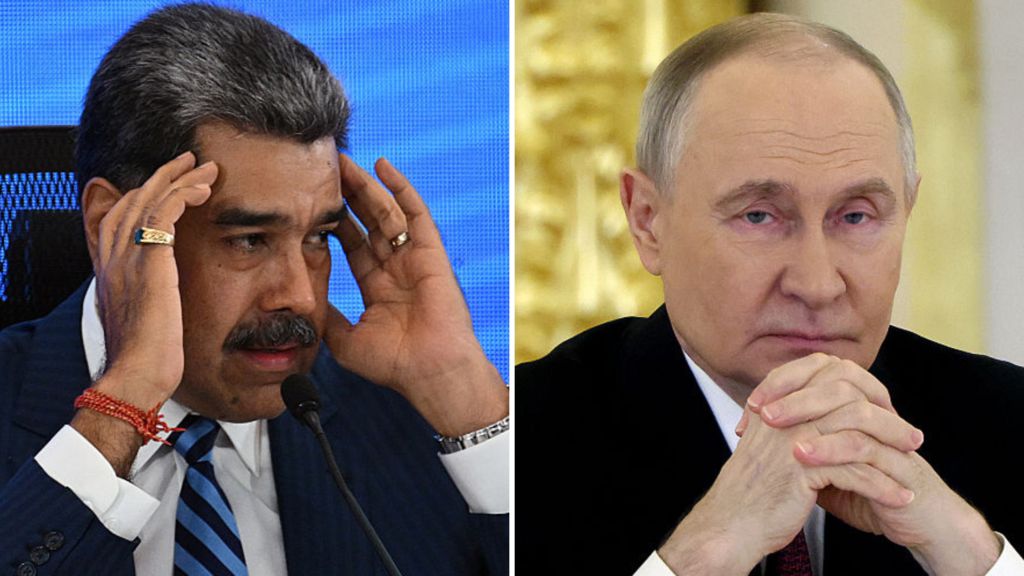
The Trump administration has defended the strikes as necessary measures against ‘narco-terrorists,’ particularly those linked to Venezuela. Critics, however, argue that the operations are politically motivated, aimed at exerting pressure on governments in the region, such as those of Colombia and Venezuela, which have been at odds with US policies. Colombian President Gustavo Petro has labeled the attacks as ‘murder,’ while Venezuelan leader Nicolas Maduro accused the US of fabricating a war.
The US has intensified its military presence in the Caribbean, deploying warships, fighter jets, and drones, ostensibly to curb drug trafficking. However, military analysts suggest the scale of the deployment exceeds what is necessary for such operations. The UN’s human rights chief, Volker Turk, has condemned the strikes, stating they violate international human rights law and result in an unacceptable loss of life.
Domestically, the legality of the strikes has also been questioned, with some US lawmakers arguing that congressional approval is required. Despite these concerns, the Trump administration has maintained its stance, threatening further military action in the region.
-

Hurricane Melissa death toll rises to 28 in Jamaica
The death toll in Jamaica from Hurricane Melissa has surged to 28, as confirmed by Prime Minister Andrew Holness. The catastrophic storm, a category five hurricane—the most severe classification—has wreaked havoc across the Caribbean, with additional fatalities reported in Haiti and the Dominican Republic. Holness revealed on Saturday that nine more deaths were confirmed, with potential casualties still under investigation, indicating the toll may rise further. Emergency responders and aid agencies face significant challenges in reaching affected areas due to blocked roads, debris, and widespread flooding. The hurricane, which made landfall on Tuesday, knocked out communication systems and power across much of Jamaica, leaving 72% of the population without electricity and forcing around 6,000 people into emergency shelters. The western regions of the island, including Black River and Montego Bay, have borne the brunt of the destruction, with images showing flattened buildings, streets littered with debris, and entire neighborhoods submerged. Aid distribution has been hampered by landslides, downed power lines, and impassable roads, despite the reopening of Jamaica’s airports. Reports of desperate individuals looting supermarkets and pharmacies for essential supplies underscore the dire situation. Hurricane Melissa, with sustained winds of 185mph (295 km/h), is now the most powerful storm on record to hit Jamaica and one of the strongest in Caribbean history. The broader impact of climate change on storm intensity remains uncertain, but rising sea surface temperatures are believed to fuel more powerful hurricanes. The US National Oceanic and Atmospheric Administration had predicted an above-normal Atlantic hurricane season this year, a forecast tragically validated by Melissa’s devastation.
-

Fire at shop in Mexico kills 23, officials say
A devastating fire erupted at a Waldo’s discount store in Hermosillo, Mexico, resulting in the deaths of at least 23 people and injuring 11 others, according to local authorities. The incident occurred on Saturday in the heart of the north-western city, coinciding with Mexico’s Day of the Dead festivities. While initial reports suggested an explosion as the cause, Sonora’s Governor Alfonso Durazo emphasized that the exact origin of the blaze remains under investigation. The Sonora Public Security Secretariat has dismissed the possibility of a deliberate attack or act of violence. Among the victims were children, including a 15-year-old girl who was hospitalized. Disturbing images from the scene depict thick black smoke engulfing the building, with flames spreading to nearby vehicles. The aftermath revealed severe damage to the store’s structure, with one window completely destroyed and a car in front of it reduced to ashes. Governor Durazo expressed his condolences to the bereaved families, pledging a comprehensive and transparent investigation to uncover the cause and assign accountability. Mexican President Claudia Sheinbaum also offered her sympathies on social media. Waldo’s, Mexico’s largest discount chain, operates hundreds of stores nationwide. In light of the tragedy, the state government canceled planned cultural events for Sunday, marking a somber turn during a time traditionally dedicated to honoring the deceased.
-

Prince William burnishes credentials as king-in-waiting with Earthshot Prize and COP30 in Brazil
Prince William, the heir to the British throne, is increasingly stepping into the global spotlight as he prepares for his future role as king. This week, he will be in Rio de Janeiro to promote his Earthshot Prize, an ambitious initiative aimed at finding innovative solutions to pressing environmental challenges. Following this, he will represent King Charles III and the U.K. government at the United Nations Climate Summit COP30 in Brazil. These high-profile engagements are part of a broader strategy to position William as a capable statesman ready to assume the responsibilities of the monarchy.
-

UK aid for Hurricane Melissa reaches Jamaica as Britons to be evacuated
In the aftermath of Hurricane Melissa, one of the most devastating storms to hit the Caribbean, the UK has stepped up its support for Jamaica. An aid flight carrying over 3,000 emergency shelter kits arrived in the early hours of Saturday, marking the beginning of a £7.5 million regional emergency package. This funding will also match donations to the International Red Cross and Red Crescent, with King Charles and Queen Camilla contributing to the cause. Despite the aid, distribution efforts have been hampered by fallen trees, landslides, and widespread destruction. Hurricane Melissa, a category five storm, made landfall in Jamaica on Tuesday, claiming at least 19 lives and leaving entire communities in ruins. The storm also caused significant damage in Haiti and Cuba, with dozens of fatalities reported. Jamaica’s Information Minister Dana Morris Dixon described the devastation as unprecedented, with entire areas flattened and communities cut off. The UK has allocated £2.5 million in immediate financial support, with an additional £5 million announced by Foreign Secretary Yvette Cooper. The British Red Cross reported that 72% of Jamaica remains without electricity, and around 6,000 people are in emergency shelters. The King and Queen’s donation will support the International Federation of Red Cross and Red Crescent in providing essential services, including search and rescue, healthcare, and clean water. However, logistical challenges persist, with landslides and debris blocking roads, delaying aid delivery to the hardest-hit areas. Fuel shortages and long queues at petrol stations have added to the crisis, as residents seek generators to power their homes or vehicles to reach safer locations. The UK is also organizing its first chartered flight to evacuate British nationals from Kingston’s Norman Manley International Airport on Saturday evening. The Foreign Office has urged travelers to register their presence on the island and check with airlines for commercial flight availability.
-

Scavenging for food in streets – desperation takes hold in Jamaica after hurricane
The aftermath of Hurricane Melissa has left the Jamaican port city of Black River in a state of utter devastation. As one of the most powerful Category 5 storms ever recorded in the Caribbean, Melissa unleashed fierce winds and a catastrophic storm surge that decimated nearly everything in its path. Roads are rendered impassable, buildings lie in ruins, and essential infrastructure, including hospitals and police stations, has been destroyed. Residents are now grappling with the dual challenges of survival and the search for missing loved ones.