As a strengthening El Niño builds across the Pacific Ocean, governments throughout Latin America have begun mobilizing emergency resources and activating contingency frameworks to brace for a wave of coming climate disruptions, from crippling drought and extreme heat to devastating floods and landslides. Meteorologists have confirmed the climate phenomenon is already active, with projections indicating it will continue to gain intensity through the final months of 2024. Unlike sudden natural disasters such as hurricanes or earthquakes, El Niño develops gradually over months, offering governments a critical window of preparation before its most severe impacts hit. However, climate experts warn regional authorities have a long track record of failing to translate early scientific forecasts into actionable, proactive measures, leaving open questions about whether the region will avoid the widespread damage that marked past major El Niño events.
Past strong El Niño cycles inflicted billions of dollars in economic damage across Latin America. The climate system shifts bring uneven impacts: some regions face extreme, long-lasting drought, while others get pounded by excessive rainfall that triggers floods and deadly landslides. In previous events, El Niño disrupted regional agricultural production, strained already limited drinking water supplies, fueled large-scale out-of-control wildfires, and cut hydroelectric power output in hydrology-dependent nations, leading to widespread energy shortages. The World Meteorological Organization’s representative for North America, Central America and the Caribbean, Rodney Martinez, emphasized that the confirmed, ongoing event requires urgent action now, not delayed planning. “El Niño is confirmed. El Nino is ongoing. It’s not simply a possibility,” Martinez said. “Now is the time for decisions, for effective preparedness and the political consistency to really be proactive this time.”
Martinez urged countries to use the remaining window before impacts peak to shore up alternative energy supplies, protect high-vulnerability communities, and pre-position resources to handle strain on critical public services. For nations heavily reliant on hydropower such as Ecuador, this means activating thermal power generation capacity to offset falling reservoir levels during extended dry periods, and completing all required maintenance and procurement well ahead of potential shortages. He pointed to 2023’s widespread energy crisis in Ecuador, where severe drought drained hydroelectric reservoirs and left millions without power for days, as a clear warning of what could come this year.
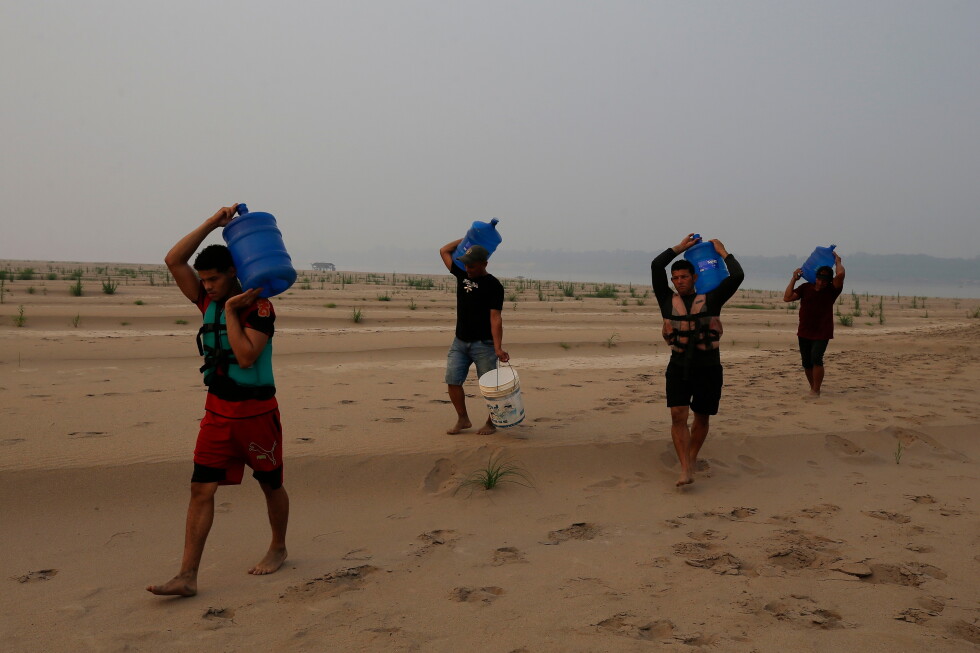
According to WMO data, Central America, parts of the Caribbean and northern South America are already recording far drier conditions than the historical average, changes directly linked to the developing El Niño. These dry conditions are projected to spread into large swathes of the Amazon basin, stoking urgent concerns over drinking water access, agricultural productivity, and elevated wildfire risk. Threat levels and types vary dramatically across the region, leading to targeted preparation efforts:
In Brazil, Colombia and much of Central America, the top priorities are preparing for drought, potable water shortages, and an unusually intense wildfire season. Brazil has already deployed more than 4,600 federal personnel to support wildfire prevention and response, expanded professional firefighting brigades, and pre-positioned aerial firefighting aircraft ahead of what officials warn could be one of the worst fire seasons on record. Colombia, for its part, has activated continuous national water level monitoring systems, upgraded wildfire response preparedness, and issued guidance to local governments to pre-plan for potential water shortages.
In other parts of the region, governments are gearing up for catastrophic flooding. Historically, strong El Niño events bring intense, damaging rainfall to Ecuador’s Pacific coast, prompting the national government to order local authorities to draft tailored contingency plans and allocate millions of dollars for flood mitigation infrastructure, emergency response deployments, and post-disaster agricultural recovery. Local teams have already begun clearing blocked drainage channels, stabilizing landslide-prone hillsides, and setting up stocked emergency shelters for displaced residents. Costa Rica has rolled out more than 200 separate actions under a national contingency plan, ranging from protecting drinking water reserves to expanding backup renewable energy capacity to prepping for severe wildfires. Peru has upgraded its national monitoring and early warning systems and expanded its on-the-ground meteorological observation network to track changing conditions in real time. Panamanian officials have also developed specific contingency plans to protect operations at the Panama Canal, one of the world’s busiest and most economically critical trade routes, where reduced rainfall can lower water levels enough to disrupt shipping transits.
The WMO warns that El Niño’s impacts will stretch beyond immediate environmental disruption: prolonged drought and extreme heat threaten food security across Central America’s Dry Corridor, while excessive rainfall and flooding in other regions can damage critical infrastructure, contaminate drinking water supplies, and increase the risk of widespread infectious disease outbreaks.
Despite the months of early advance warning, experts warn preparation efforts remain deeply uneven across the region. Martinez noted that many authorities still delay critical planning and investment, even as scientific forecasts grow more certain about El Niño’s intensity. Some officials wait for additional confirmation of the event’s track, while others wrongly assume their countries will avoid the worst impacts. “The reality is that this preparation doesn’t happen until they have the emergency,” he said. Postponing action, he warned, will leave governments scrambling to respond once droughts, floods and heat waves reach their peak intensity.
Colombia’s Environment Minister Irene Vélez told the Associated Press that while El Niño is a recurring climate event, its current intensity is unprecedented, bringing new risks of longer duration and a broader geographic reach than past events. Research on past major El Niño events has found the economic damage can linger for years, with the most severe cycles ultimately costing the global economy trillions of dollars in cumulative losses. For governments that have not yet acted, Martinez’s message is clear: “Be prepared in advance, in a serious way. The information is there. Now is the time for decisions.”
Vélez added that the challenge goes far beyond responding to a single extreme climate event, arguing that governments across the region must implement long-term systemic adaptation to address increasingly frequent and intense extreme conditions driven by human-caused climate change. “Climate change is here to stay,” she said.
标签: South America
南美洲
-
Latin American governments prepare for El Nino as drought, floods and heat loom
-
A Brazilian bay’s surprise shark nursery sparks conservation project
Nestled along the sparkling emerald waters of southeastern Brazil’s Ilha Grande Bay, a small fishing community has undergone a profound shift in its relationship with one of the ocean’s most misunderstood predators: the blacktip shark. Where locals once viewed these sharks as a readily available source of food, a groundbreaking scientific discovery has transformed the region into a unexpected hub for global shark conservation efforts.
The turning point came when a team of researchers uncovered that Piraquara de Fora, a sheltered local cove, serves as a regular gathering ground for dozens of pregnant blacktip sharks. This finding launched the Sharks of Ilha Grande Bay project, run under the Brazilian Institute for Nature Conservation, which is working to turn community attitudes toward shark protection.
Brazil holds a uniquely important position in global shark conservation: it boasts the highest national shark meat consumption in the world, while its extensive coastline supports an extraordinary diversity of shark species and hosts critical habitats for many populations already classified as threatened. The International Union for Conservation of Nature (IUCN) warns that sharks rank among the most at-risk groups of vertebrates on the planet, with more than one-third of all species facing extinction due to overfishing, habitat destruction, and climate change. That makes protecting Brazilian shark habitats a global priority.
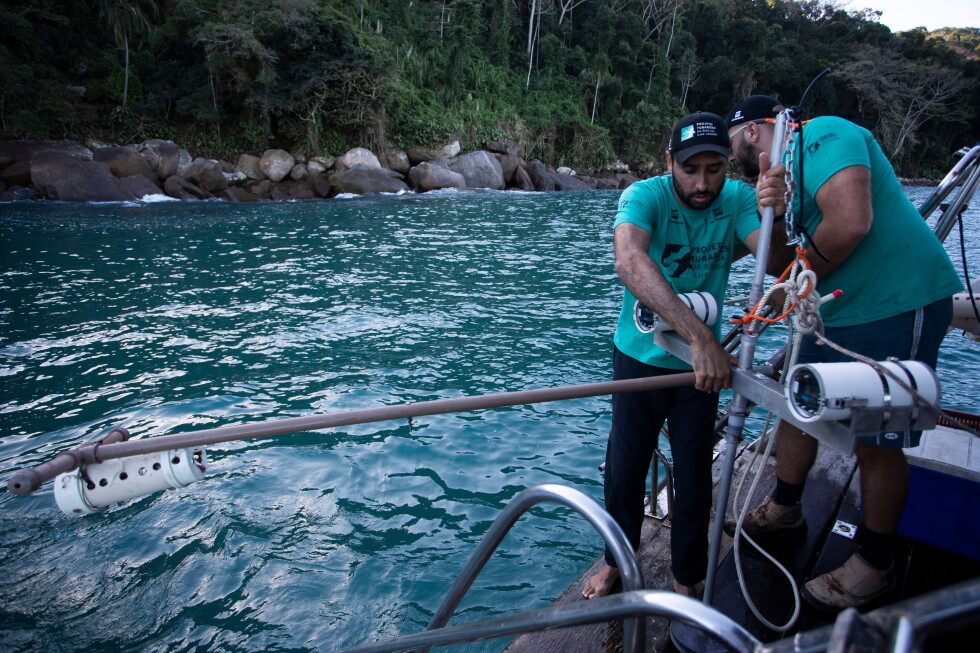
Experts leading the project emphasize that identifying and safeguarding shark nurseries is the backbone of effective long-term conservation. Unlike most bony fish, sharks have extremely slow reproductive rates, producing far fewer offspring per breeding cycle, which leaves their populations especially vulnerable to population collapse. “Breeding areas are fundamental to ensuring the species survives throughout this Atlantic ecoregion,” explains Leonardo Mitrano Neves, who leads the project’s scientific team. To build robust data to support protection efforts, Neves and his team recently conducted on-site monitoring, submerging camera-equipped monitoring devices across the cove, baited to attract sharks, before analyzing collected footage and drone imagery in a laboratory.
While blacktip sharks are the most common species in the cove, the project also extends conservation work to other at-risk local species, including sand tiger sharks and hammerhead sharks. Beyond scientific research, the initiative focuses on deep, community-centered engagement, including rolling out environmental education programs in local schools to reframe sharks as a valued part of the region’s natural heritage, rather than prey. Outreach materials also stress that local shark species pose no threat to humans, noting that no unprovoked shark attacks have ever been recorded in the area.
The project also addresses a key regulatory gap that continues to threaten shark populations across Brazil. While Brazilian law bans targeted fishing of protected shark species, incidental bycatch of non-protected sharks is still permitted, and loose labeling rules allow unregulated shark meat to be sold under the generic market name “cação”, making it almost impossible for consumers to identify what they are buying. Conservation teams are working to educate locals about the dual risks of eating shark meat: the harm it causes to already endangered populations, and the direct health hazards for consumers. As apex predators, sharks accumulate dangerous levels of toxic heavy metals including mercury, arsenic, and lead in their tissues over their lifetimes; a 2024 study even detected traces of cocaine in some Brazilian sharpnose sharks tested off the country’s coast.
Project coordinator José Truda Palazzo reports that these community outreach efforts are already delivering tangible results. “We hope that more and more people come to understand that cação is shark, and shark meat is toxic, in addition to the fact that sharks are endangered animals,” he said.
Beyond conservation, the project is opening up new economic opportunities for the remote, resource-limited local community. Conservation leaders predict that shark watching—from coastal vantage points on forested mountains, from boats, or even for underwater diving excursions—could grow into a sustainable ecotourism industry that provides consistent alternative income for residents.
Marlene Fernanda do Nascimento Martins, a 35-year-old local community leader who currently fishes and sells ice to support her three children, said the prospect of ecotourism is a welcome development for the area. “We’re a remote community with very limited resources. So anything that comes along that can help us preserve our village is a good thing,” she explained.
For long-time locals, the shift in attitudes has become intergenerational. Reinaldo Dias da Rocha, another resident of the community, noted that his father already encouraged him to avoid hunting sharks, but the project has reinforced the importance of protecting the animals. “We pass the information on to our nephews, to tourists who come to discover this place and enjoy our beautiful beaches, and further labor the point that what we call cação isn’t to be eaten,” he said.
-
Spanish Prime Minister Pedro Sánchez to attend World Cup final against Argentina
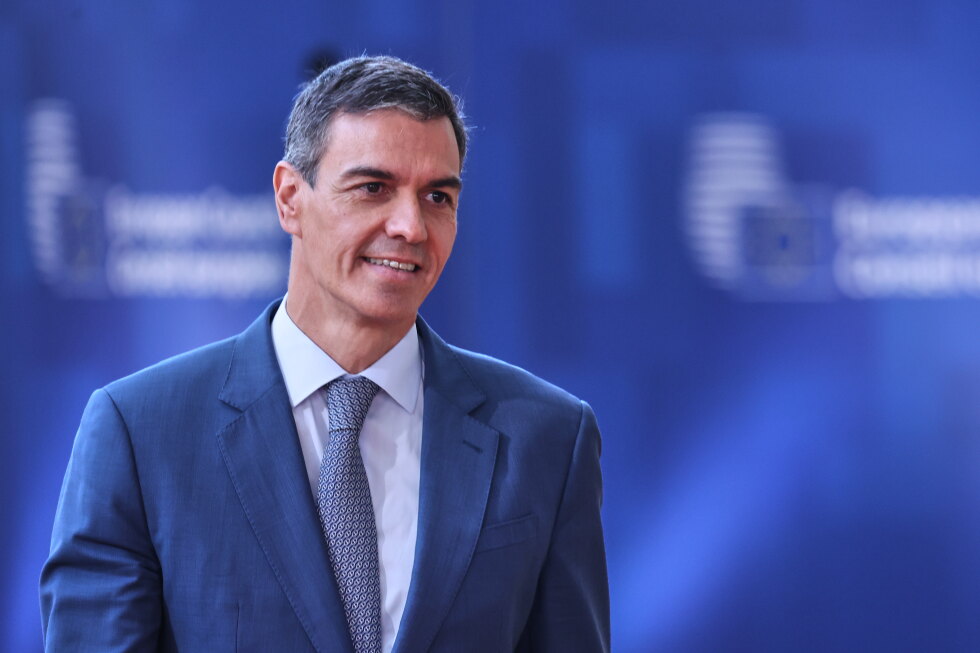
MADRID – In a surprising convergence of global politics and elite soccer, the office of Spanish Prime Minister Pedro Sánchez announced Friday that he will travel to the United States to attend Sunday’s highly anticipated World Cup final between Spain and Argentina.
Sánchez will not be the only high-profile dignitary in the stands at the East Rutherford, New Jersey venue: Spanish King Felipe VI has also confirmed his planned attendance at the match, while former U.S. President Donald Trump has also been slated to appear for the title decider.
The gathering sets up a high-stakes public meeting between two leaders who have a long history of sharp public disagreements on major global issues. Sánchez and Trump have clashed repeatedly on the international diplomatic stage over multiple divisive topics, ranging from escalating tensions around the Iran conflict to disputes over Spain’s required defense spending commitments to NATO, and most recently, over Washington’s unwavering backing of Israel’s military campaign in Gaza following the 2023 Hamas attacks.
Notably, Argentine President Javier Milei – a well-known political ally of Trump – will skip the in-person final. The leader has explained his absence as rooted in personal sports superstition, saying he will follow the match from his private residence in Argentina instead. Sunday’s final will be a historic clash between two of global soccer’s most decorated programs: Argentina, which enters the match as the defending three-time World Cup champion, will face off against 2010 tournament winner Spain as both sides compete to lift the sport’s most prestigious trophy.
-
Argentine President Milei won’t attend the World Cup final, citing superstition
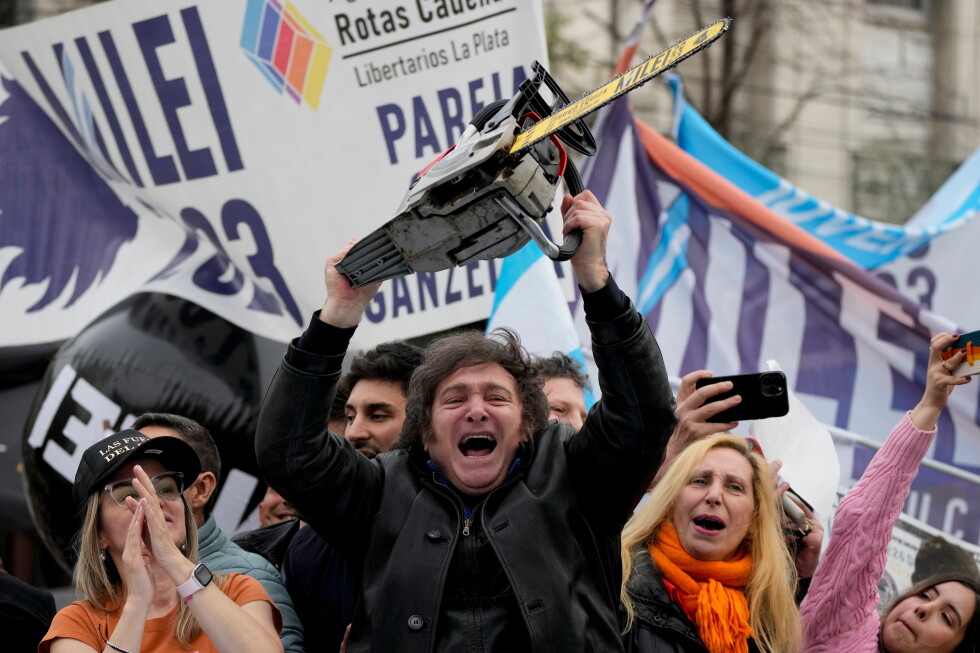
As Argentina’s national men’s soccer team prepares to face Spain in the highly anticipated FIFA World Cup final this Sunday, President Javier Milei has made a surprising announcement that highlights the deep cultural connection between sports and ritual in the South American nation: he will not travel to the match venue in New Jersey to attend the game in person, despite widespread expectations that he would join U.S. President Donald Trump and FIFA chief Gianni Infantino for the high-profile showdown. Instead, Milei will stick to the routine that has brought Argentina victory so far in the tournament, watching the match from his official presidential residence in Olivos.
-
Messi has a message for World Cup critics of Argentina: ‘Nothing was handed to us’
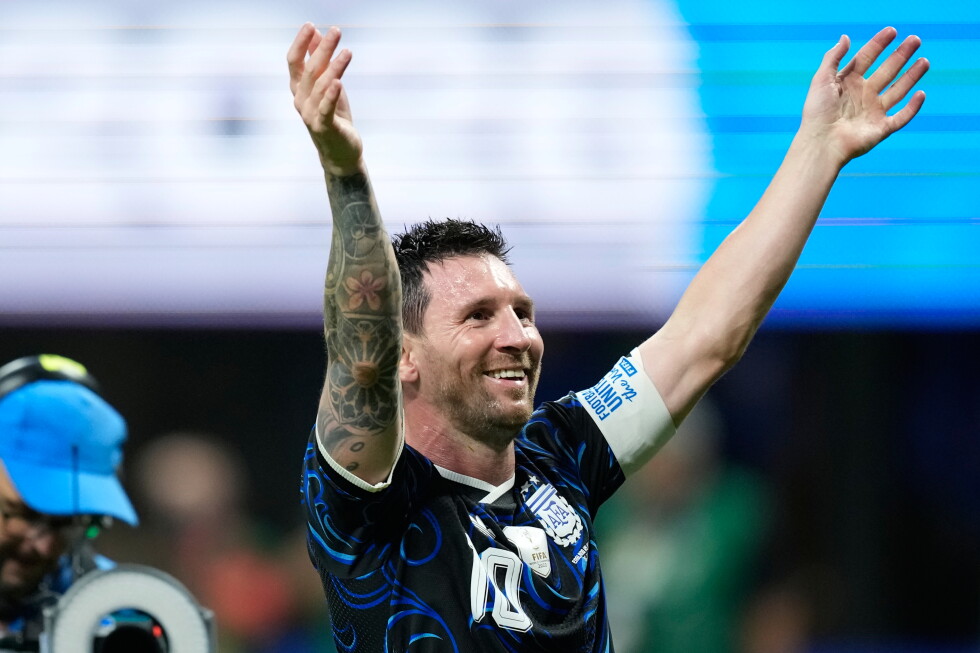
Reigning World Cup champion Argentina has booked its spot in a second consecutive World Cup final, capping off another stunning late comeback with a 2-1 semifinal win over England on Wednesday. But the Albiceleste’s run to the final has been overshadowed by persistent claims of biased officiating and systemic favoritism from defeated opponents and critics online, leading star captain Lionel Messi to issue a sharp, public rebuke of his team’s detractors.
Trailing 1-0 until the 85th minute of Wednesday’s match, Argentina pulled two late goals to secure a place in Sunday’s final against Spain, marking the latest in a string of dramatic late comebacks throughout the tournament. The 2-1 win sent tens of thousands of jubilant Argentines flooding into the streets of Buenos Aires to celebrate the historic achievement, one that puts the nation 90 minutes away from becoming the first men’s team in decades to win back-to-back World Cup titles.
This run of comeback victories is not new for Argentina in this tournament. Earlier in the competition, Argentina defeated Cape Verde and Switzerland in extra time, and pulled off an nearly impossible 3-2 win over Egypt after erasing a 2-0 deficit in the final 11 minutes of regulation. But each of those wins sparked immediate controversy, with the opposing managers and federations publicly accusing match officials and global soccer governing body FIFA of tilting the playing field in favor of Messi and Argentina.
Egypt manager Hossam Hassan went as far as to call his side “the victim of a soccer establishment” that prioritizes keeping the global superstar and defending champion in the tournament. Swiss manager Murat Yakin echoed those frustrations after his side’s exit, pointing to a controversial call that saw star striker Breel Embolo sent off for a second yellow card, after replays suggested Argentina’s Leandro Paredes made minimal contact before Embolo fell. The Egyptian Football Association released a formal statement saying it “cannot remain silent” over what it calls unfair, biased officiating in its narrow loss.
These on-field controversies have fueled widespread chatter across social media, where unsubstantiated claims have spread that FIFA deliberately structured the tournament bracket to benefit Argentina and that the governing body is pushing for a second consecutive title for Messi’s side, one of the sport’s most marketable and popular teams.
Until after the England win, the Argentine camp had downplayed the ongoing criticism. Head coach Lionel Scaloni previously brushed off questions about the claims, advising reporters “not to consume so much social media,” and reiterated after the semifinal that the complaints do not bother the squad. “This talk of ‘help’ will always exist… With VAR today, it’s very difficult to get help; it would have to be glaringly obvious. We knew there was no help,” Scaloni said.
But Messi chose to push back directly on the accusations after sealing a place in the final. “Nothing was handed to us,” the eight-time Ballon d’Or winner said. “We’ve been the best over these past four years, either you like it or not, and no matter what anyone says. Once again, we’ve established ourselves among the top two teams in the world. That proves that everything we’ve done is no fluke and that nothing was handed to us. Reaching two consecutive World Cup finals is something very few achieve, and this group did it. If we had lost to England, there would have been people coming out to spout some nonsense, but we didn’t give them the chance.”
Midfielder Enzo Fernandez, who scored Argentina’s game-tying goal against England, also acknowledged his celebration was a direct response to critics. After equalizing, he first cupped his hands to his ears, a common soccer gesture to taunt critics, then opened and closed his hands to invite more criticism. “There was a lot of talk; it was a mix of euphoria and frustration,” Fernandez explained.
The semifinal against England also carried political tension that extended beyond the pitch, due to the long-running sovereignty dispute over the Falkland Islands (known as the Malvinas to Argentina, which claims the territory as its own). After the win, the British government called on FIFA to launch an investigation after Argentina players posed with a fan banner reading “Las Malvinas son Argentinas” (“The Malvinas are Argentine”).
Argentina will now face Spain in the World Cup final this Sunday, vying for the first men’s back-to-back World Cup title since Brazil won in 1958 and 1962.
-
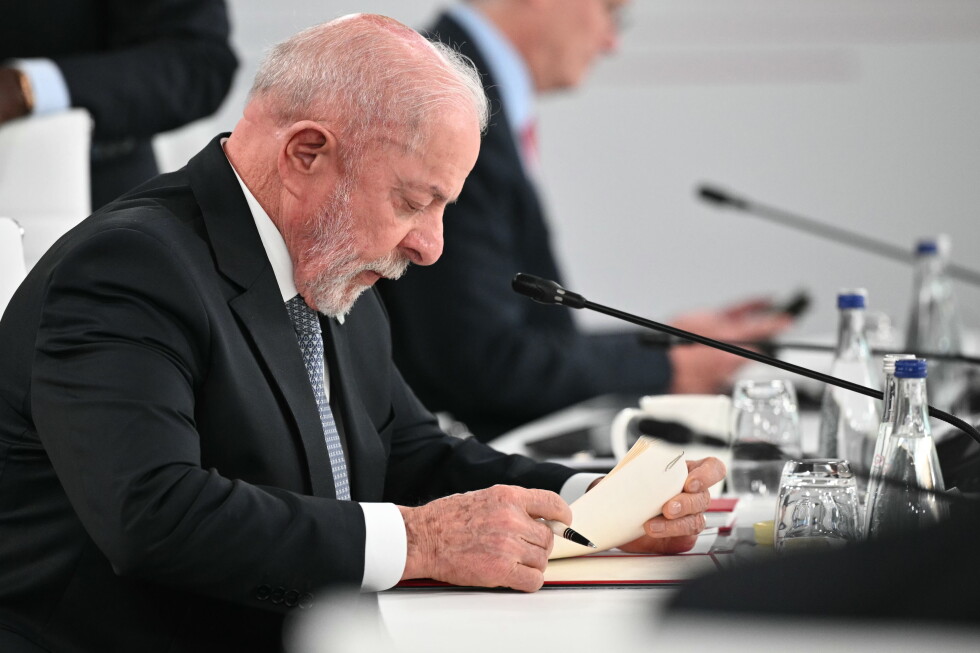
Brazil calls Trump’s 25% tariff unjustifiable, vows to impose reciprocal tariffs
RIO DE JANEIRO — A fresh escalation in transatlantic trade tensions has erupted after the United States announced a 25% tariff on select Brazilian imports, drawing swift condemnation from Brazil’s federal government and promises of proportional countermeasures tied to ongoing political friction between the two nations. The new trade measure, first floated publicly last month, is set to enter into force on July 22, with carveouts for specific goods that the U.S. does not produce domestically or that Washington officials warned would disrupt critical global supply chains. Exempted products include key Brazilian export staples such as coffee, beef, oranges, orange juice, and commercial aircraft components.
U.S. officials justified the new tariffs by repeating unsubstantiated claims that Brazil engages in unfair trade practices, a longstanding talking point for the current Trump administration that has leaned heavily on unilateral tariff action to address perceived global trade imbalances. But Brazilian authorities have pushed back forcefully against these allegations, releasing data that undermines Washington’s narrative. According to an official statement released Wednesday evening from President Luiz Inácio Lula da Silva’s office, 76% of U.S. goods entered Brazil duty-free in 2025, with the average effective tariff applied to American imports sitting at just 3.1%.
A striking, little-noted detail of this trade dispute is that the U.S. already holds a substantial trade surplus with Brazil, a sharp departure from the Trump administration’s standard focus on reducing overall trade deficits. In the last full year of recorded trade data, U.S. exports to Brazil outpaced Brazilian imports to the U.S. by nearly $42 billion, marking the third-largest U.S. trade surplus globally, behind only surpluses with the Netherlands and the United Kingdom.
Brazil is moving forward with two parallel retaliatory pathways, per the presidential statement. Officials will immediately launch formal procedures to activate countermeasures under Brazil’s own domestic reciprocity law, while also bringing the dispute to the World Trade Organization’s (WTO) dispute settlement system, the global body’s formal process for resolving cross-border trade conflicts. Lula’s administration has also rejected the U.S.’s unilateral investigation framework, noting that Brazil does not recognize the legitimacy of trade probes that do not align with established multilateral trade rules. In a pointed remark tying the new tariffs to previous political tensions, Lula blamed the latest round of trade measures on the family of former Brazilian President Jair Bolsonaro, a close political ally of Trump.
This is not the first time the Trump administration has targeted Brazilian imports with steep tariffs. Last July, the administration imposed a 25% tariff on a range of Brazilian goods, justifying that move at the time by claiming a political “witch hunt” was underway against Bolsonaro, who was on trial for his role in the 2022 coup attempt following his election loss to Lula. Bolsonaro was ultimately convicted on charges related to the insurrection, and some of those earlier tariffs were later rolled back. That original tariff action followed a Section 301 investigation under the 1974 U.S. Trade Act, launched at Trump’s direction, which concluded in June with claims that Brazil failed to enforce adequate anti-corruption regulations and maintained unfair tariff levels.
U.S. Secretary of State Marco Rubio defended the new tariffs in a post on the social platform X, claiming the measures came about because Lula prioritized “his own ego ahead of making a deal” and failed to negotiate in good faith. Brazil’s government swiftly rejected that accusation, affirming it “never left the negotiating table” to resolve the dispute through diplomatic channels.
Beyond trade, the new tariffs are already rippling into Brazil’s domestic political landscape, as the country prepares for October presidential elections where Lula will face a leading challenge from Sen. Flávio Bolsonaro, son of the former president. Flávio Bolsonaro reposted Rubio’s announcement of the tariffs to his own social media, adding a sharply critical attack on Lula, claiming the incumbent “is no longer fit to be the president of Brazil. We are on a plane without a pilot.” He labeled Lula “the Brazilian Biden,” calling the incumbent “grumpy, reckless, and a danger to our nation.” Both leading candidates have already made public criticisms and jabs over their respective approaches to the unpopular U.S. tariffs, with both campaigns viewing voter perceptions of their handling of the trade dispute as a key electoral issue ahead of the vote.
Brazil’s leading industrial business group, the National Confederation of Industry, released a statement Thursday warning that the new tariffs will create added strain on Brazilian export sectors and deepen economic uncertainty for businesses on both sides of the trade relationship.
Paul Wiseman contributed reporting to this article from Washington D.C.
-
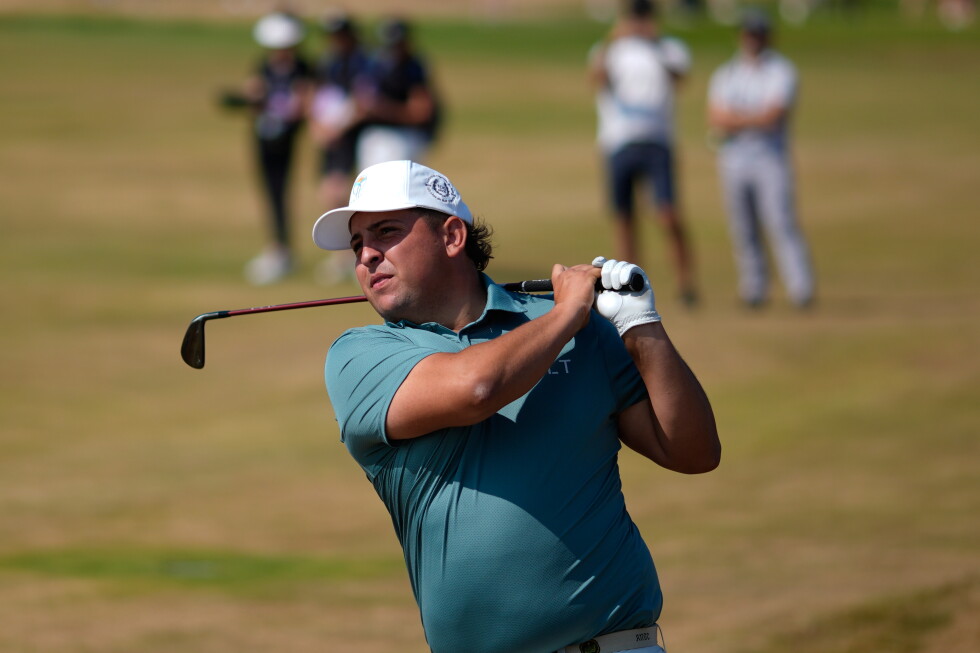
Argentine golfer at British Open makes ear-cup gesture to mimic Enzo’s World Cup goal celebration
SOUTHPORT, England — Ahead of the first round of the British Open at Royal Birkdale, 25-year-old amateur Mateo Pulcini walked up to the first tee to a playful warm-up few could have predicted: lighthearted jeers from a small group of British spectators, a playful jab coming just 12 hours after Argentina’s men’s national soccer team pulled off a dramatic 2-1 comeback semifinal victory over England at the World Cup. As the only Argentine competitor in the entire British Open field, Pulcini leaned into the playful tension, and hours later he delivered a lighthearted, viral response that has captured golf fans’ attention across the globe.
After sinking a 40-foot putt for a birdie on the 18th green to close out his opening round, Pulcini pulled off a gesture instantly recognizable to soccer fans around the world: he cupped both hands behind his ears, replicating the iconic celebration that Argentine midfielder Enzo Fernandez used after scoring the 85th-minute equalizing goal that turned Wednesday’s match around. The gesture was an explicit nod to his countrymen’s historic win, and Pulcini later confirmed the spontaneous celebration was a split-second decision driven by excitement.
“I was pretty excited and that came to my mind, and I did it,” the 25-year-old told reporters after his round. Pulcini was quick to clarify that the early boos he received were all in good fun, emphasizing that the gallery at Royal Birkdale had been overwhelmingly welcoming throughout his opening round. “There were only a few boos [on the first tee] and that was just a bit of fun,” he said. “People are being great. Fans are being spectacular. They were cheering for me as well.”
When asked to compare the thrill of his long birdie putt to the rush of watching Fernandez’s game-changing goal, Pulcini did not hesitate to pick the soccer moment. “Enzo’s goal, for sure,” he said.
The 2023 British Open marks Pulcini’s major championship debut. He earned his spot in the field by winning the Latin American Amateur Championship in a playoff held in Peru earlier this year. He closed out his first opening round at the iconic links course with a 5-over par 75.
-
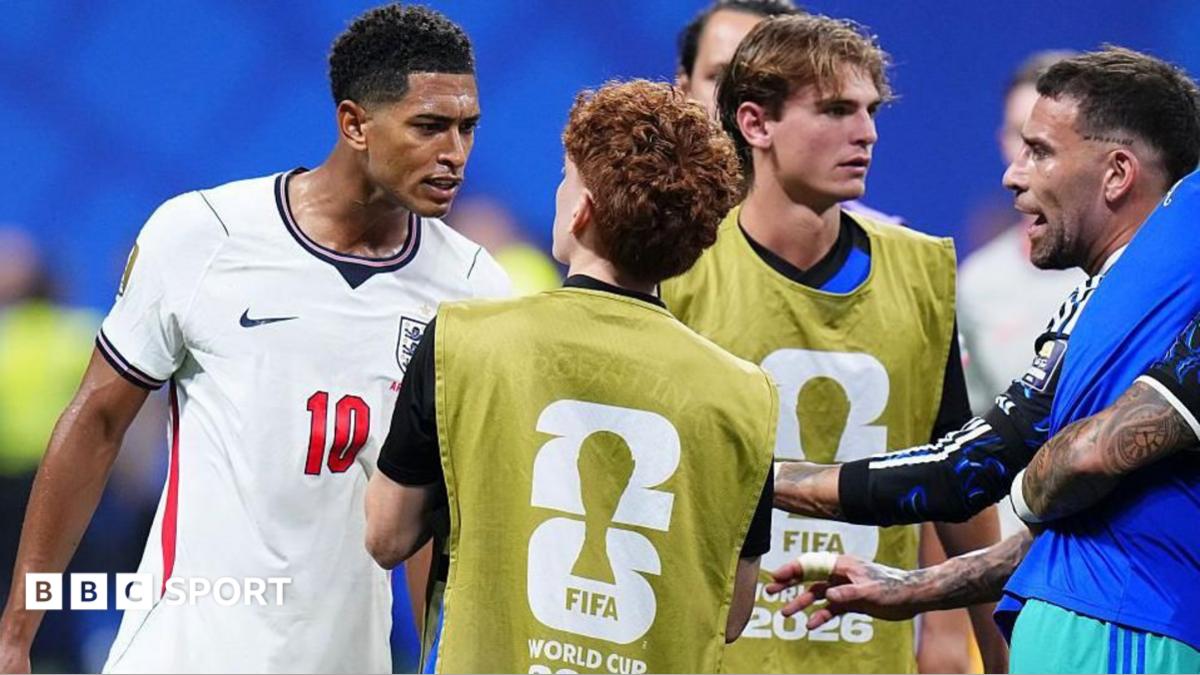
Bellingham slapped Argentina substitute after England exit
England’s 2026 FIFA World Cup campaign suffered a heartbreaking 2-1 semi-final defeat to Argentina on Wednesday, and the final whistle brought more than just disappointment for the Three Lions — it sparked an on-pitch altercation that has put star midfielder Jude Bellingham at risk of disciplinary action. The dramatic clash, which unfolded in Atlanta immediately after full-time, has become one of the most talked-about talking points from a tense, feisty encounter that saw Argentina advance to the World Cup final.
The sequence of events began long before the final whistle, however. After Argentina playmaker Enzo Fernandez scored an 85th-minute equalizer to cancel out England’s early second-half lead, unplayed Argentina substitute Valentin Barco ran onto the pitch to celebrate directly in front of the England squad. Barco, a 21-year-old full-back who currently plies his trade at French club Strasbourg and is heavily linked with a summer transfer to Chelsea, had only featured once previously in the tournament, coming on as a late substitute in Argentina’s group stage victory over Jordan. Former England goalkeeper Paul Robinson, who was commentating on the match for BBC Radio 5 Live, slammed Barco’s celebration as “probably the worst example of sportsmanship we’ve seen at this World Cup”.
When full-time finally came after Lautaro Martinez headed a stoppage-time winner for Argentina to end England’s title hopes, Barco was on the pitch hugging his teammates in the area close to Bellingham. That was when the 23-year-old England star, who finished the tournament with six goals to his name, approached Barco and struck the back of his head, triggering a small melee that drew in players from both national sides before Bellingham departed the scene.
The semi-final was a tense, physical affair from its opening minutes. American referee Ismail Elfath struggled to control the tempers flaring on both sides, with the first half alone producing 19 fouls. Early in the fourth minute, Bellingham already had a verbal confrontation with Argentina captain Lionel Messi after a foul on England midfielder Elliot Anderson. Bellingham later downplayed that exchange, telling reporters post-match: “We were really just discussing a foul, actually. It wasn’t anything bad. I’m sure everyone will do their thing and make it a big deal, but it was nothing.”
Now, attention has turned to whether FIFA’s disciplinary committee will take formal action against Bellingham for violent conduct. If found guilty, the Real Madrid star would face a suspension for England’s upcoming bronze medal match against France, scheduled to kick off at 22:00 BST this Saturday in Miami. However, football rules and early analysis suggest a lesser outcome is more likely. According to the laws of the game, a deliberate strike to an opponent’s head does not qualify as a red-card offense if the force used is deemed negligible. Most analysts expect FIFA to classify Bellingham’s action as petulant behavior rather than violent conduct, which could reduce or eliminate any potential suspension.
The result of the semi-final ended England’s dream of lifting the 2026 World Cup trophy, with Argentina progressing to face their third final in modern World Cup history, a run that has drawn widespread praise from fans and pundits alike, with many crediting Messi’s leadership for the side’s deep run in the tournament. The loss for England has also sparked debate over whether manager Thomas Tuchel’s defensive tactics contributed to the side’s late collapse, with critics labeling the team’s second-half performance “passive” after holding the lead.
-
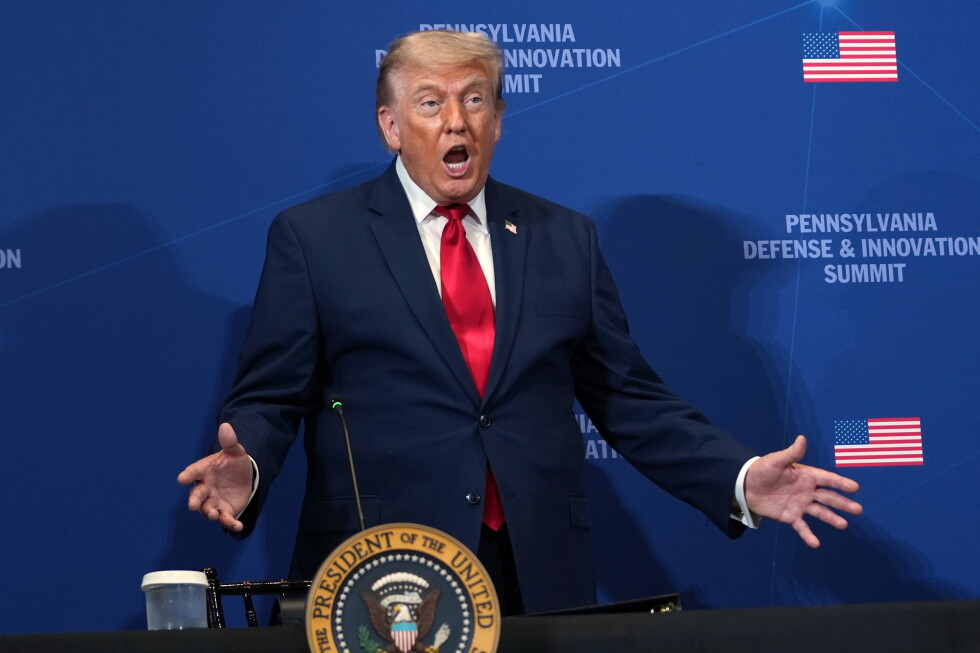
US imposing a 25% tariff on some Brazilian imports starting July 22, citing unfair trade practices
In a major escalation of bilateral trade frictions, the United States has formally announced it will implement a 25% tariff on targeted imports from Brazil, capping a year-long investigation that concluded Brasilia engaged in multiple unfair trade practices. The new levies, which were first proposed to the public in early June, are scheduled to enter into force on July 22, according to official statements from Washington.
Not all Brazilian imports will face the new duties, however. Trade officials carved out exemptions for a select group of products that either have no domestic U.S. production alternative or whose inclusion would risk severe disruptions to critical domestic supply chains. Products granted exemption status include major Brazilian export staples such as coffee, beef, whole oranges and orange juice, alongside select oil and gas energy products and aerospace components.
The U.S. Trade Representative (USTR) office, which conducted the 12-month probe, released its final finding that Brazil has maintained a suite of unreasonable and unfair trade measures. Among the cited issues are lax anti-corruption enforcement and Brazil’s own asymmetric, unfair tariff schedules on imported goods. Notably, the announcement comes despite the U.S. having run a consistent goods trade surplus with Brazil for multiple years.
In an official statement following the announcement, USTR acting head Jamieson Greer framed the new tariffs as a necessary step to protect the competitive standing of American workers and businesses. “Extensive negotiations with Brazil over the past year have not resolved these issues, but we remain open to continuing negotiations with Brazil to bring about long-needed changes to the problems identified in this investigation,” Greer added, leaving the door open to a diplomatic resolution.
Brazilian President Luiz Inácio Lula da Silva reacted sharply to the early June proposal of the tariffs, dismissing the U.S.’s trade complaints as rooted in political rather than economic motives. Lula pointed directly to a recent high-profile visit to Washington by Brazilian Senator Flávio Bolsonaro, son of former Brazilian president Jair Bolsonaro – a close ally of U.S. President Donald Trump – as a key factor behind the action. Flávio Bolsonaro ran against Lula in Brazil’s October general election.
U.S. Secretary of State Marco Rubio made no attempt to soften the U.S.’s position in a public post on social platform X after the announcement. “Let there be no confusion about why: President Lula and his government have not negotiated with the US in good faith. His economic policies are bad for Americans and bad for Brazilians. For the past year, Lula has put his own ego ahead of making a deal for the welfare of the Brazilian people, and these tariffs are the price for that,” Rubio wrote.
The current round of tariffs is being imposed under Section 301 of the 1974 U.S. Trade Act, a longstanding legislative provision that grants the executive branch authority to launch investigations into unfair foreign trade practices and impose retaliatory measures. This action marks a shift from a previous tariff regime targeting Brazil that was struck down by the U.S. Supreme Court earlier this year.
In February, the Supreme Court ruled that Trump had overstepped his executive authority when he imposed sweeping 50% tariffs on Brazilian goods under the 1977 International Emergency Economic Powers Act (IEEPA). Those tariffs were originally put in place to protest Brazil’s ongoing prosecution of former President Jair Bolsonaro, who is facing charges for his role in efforts to overturn the result of the 2022 Brazilian presidential election, which he lost to Lula. Interestingly, relations between Trump and Lula appeared to show signs of warming just months ago, when Lula made a high-profile visit to the White House in May.
-
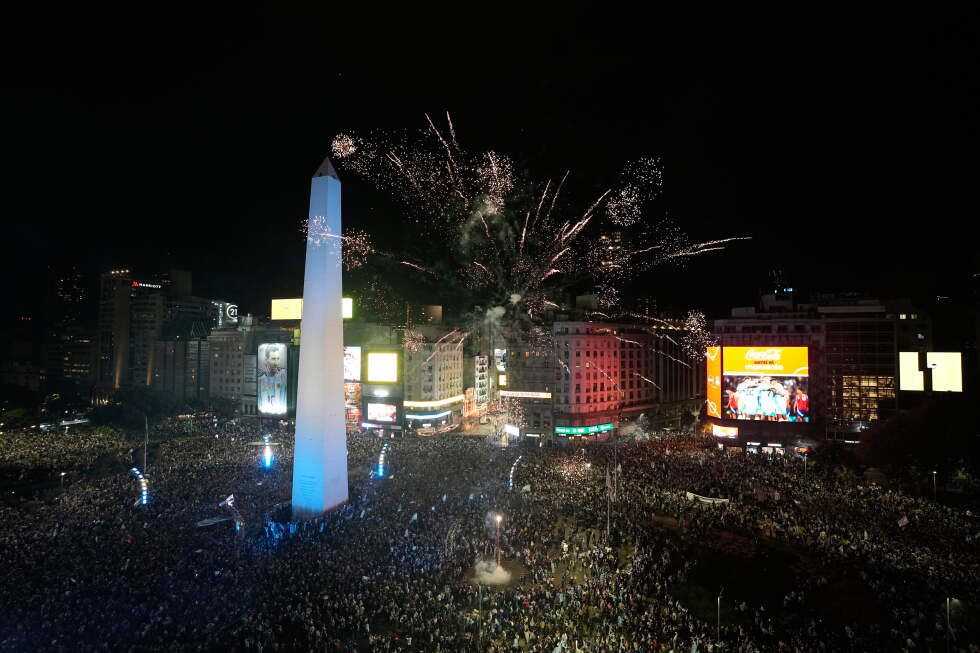
Tens of thousands of Argentine soccer fans celebrate their team’s World Cup semifinal victory
BUENOS AIRES, Argentina – As the final whistle blew on a heart-stopping 2-1 World Cup semi-final victory over England in Atlanta on Wednesday, waves of ecstatic Argentine soccer fans poured into the capital’s downtown streets, turning a cold winter evening into a collective outpouring of national joy decades in the making.
From the towering Obelisk monument to downtown plazas, fans turned the city into a sea of the iconic light blue and white of Argentina’s flag. Screams of celebration mixed with tears of emotion, as the most fervent revelers sprinted shirtless through steady rain, while young fans climbed lamp posts and traffic signals to wave national banners high. The party, fans confirmed, would rage long into the night, undeterred by the dropping winter temperatures.
The match’s deciding moment came two minutes into stoppage time, when Lautaro Martinez slotted home the winning goal, punching the defending 2022 World Cup champions’ ticket to Sunday’s final against Spain. For many of the thousands gathered at the Obelisk, the win meant far more than a spot in the sport’s biggest match. The rivalry between Argentina and England extends far beyond the soccer pitch, rooted in the decades-long dispute over the Falkland Islands – called the Malvinas by Argentina, which claims the territory as its own sovereign land – and the 1982 Falklands War, where an Argentine military dictatorship’s failed attempt to retake the islands left 649 Argentine soldiers, most of them young, under-resourced conscripts, dead.
“This is not just about football, it’s about beating the country that broke our hearts,” said 40-year-old Maria Bertero. “My heart still aches for all the young boys who were sent to their deaths.” As she spoke, the pain of history softened into unbridled joy for Wednesday’s result: “It’s tremendous. It’s magic. It makes me proud to be Argentine.”
Even a 48-year-old Catholic nun, Rosana Beto Cruz, joined the throng of strangers jumping and dancing together around the Obelisk. “The World Cup, our national team, it makes this happen,” she said, marveling at the spontaneous unity of the crowd.The result has not been without controversy online, where unsubstantiated conspiracy theories have circulated claiming FIFA and match referees colluded to advance superstar Lionel Messi and Argentina to the final, fueled by several contentious in-game decisions. But the baseless claims did nothing to dampen the euphoria on Buenos Aires’ streets.
Jorge Luis Lema, 38, who watched the match at a downtown bar, recalled the crowd’s somber mood through most of the game, until Enzo Fernandez’s unstoppable 85th-minute strike turned tension into pure celebration. “All this talk about it being fixed, about FIFA being involved, have they even looked at what’s happening on the field? How much we’ve suffered? It’s a lie. Football is football. Whoever wins, wins. And Argentina won once again,” Lema said.
The soccer rivalry between the two nations dates back to the 1986 World Cup, when Diego Maradona’s infamous “Hand of God” goal and his iconic “Goal of the Century” carried Argentina to a legendary quarter-final victory over England, cementing the match-up as a symbolic clash beyond sport. Now, 39-year-old Messi – who spent years bearing the weight of Maradona’s legacy before claiming Argentina’s first World Cup title in 36 years at the 2022 Qatar tournament – has once again exceeded the nation’s sky-high expectations, fans said.
“Seeing Messi playing football like this, at his age, it just leaves me speechless,” said Matías Adorno, 28, wearing a Messi jersey in central Buenos Aires’ main fan gathering plaza. “As Argentines, we’ve always put so much pressure on him. But he’s achieved everything I could imagine.”
Chants of “For the Malvinas, for Diego, for Leo’s last tournament” echoed through the crowds, with fans bouncing in unison to the decades-old war-era chant “El que no salta es un ingles” – “Whoever doesn’t jump is an Englishman.”
Beyond soccer and historical rivalry, the night of celebration served as a rare moment of national unity for a country deeply polarized by the radical libertarian presidency of Javier Milei, and wearied by repeated cycles of crippling economic crisis that have sent living costs soaring.“It is just pure joy, especially given the really bad moment we’re going through now, with life being so expensive, with this president who’s dividing us,” said Yanina Quinteros, celebrating with her 6-year-old daughter perched on her shoulders. “Tonight, we’re together. All of us, grandparents, children, mothers, fathers, we’re all just here to celebrate tonight.”