标签: Oceania

大洋洲

  • US border enforcer set to leave Minneapolis as Trump tries to calm crisis

    US border enforcer set to leave Minneapolis as Trump tries to calm crisis

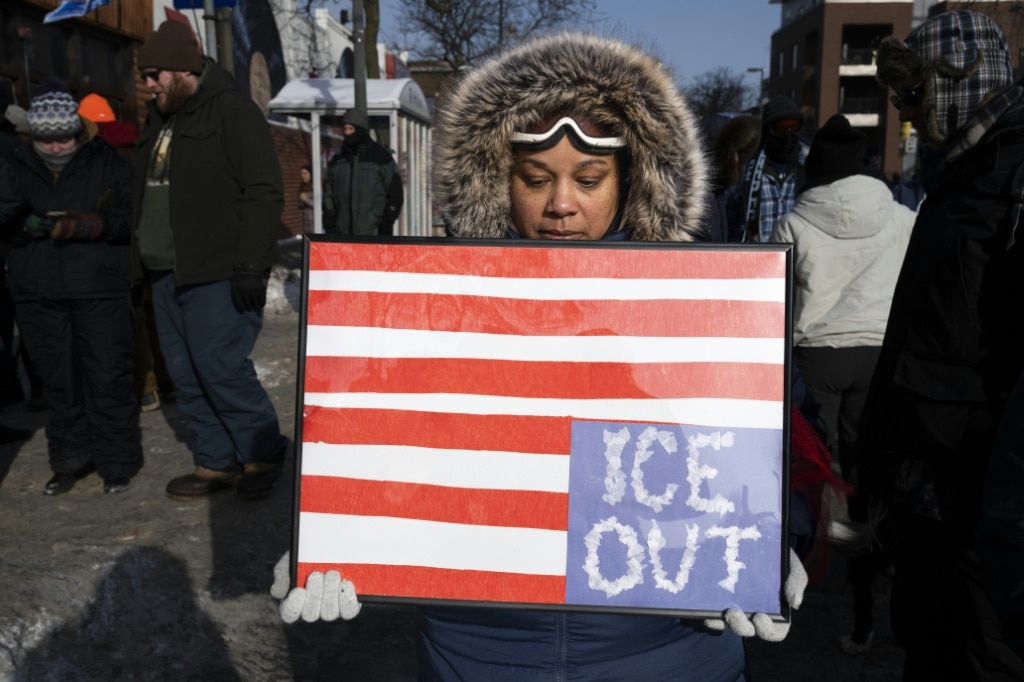
    Minneapolis is witnessing the withdrawal of certain federal border enforcement personnel following two fatal protester shootings that have ignited nationwide condemnation and placed President Trump’s immigration policies under unprecedented scrutiny. The anticipated departure of Border Patrol Commander Gregory Bovino, recognized for his militarized approach to immigration enforcement, coincides with the arrival of new White House envoy Tom Homan, who is tasked with deescalating tensions through improved communication with local officials.

    The crisis reached a critical point when 37-year-old ICU nurse Alex Pretti was fatally shot multiple times at point-blank range during an altercation with federal agents on an icy road this past Saturday. This incident occurred less than three weeks after another U.S. citizen, Renee Good—a mother of three—was similarly killed inside her vehicle on January 7th. Both shootings involved masked, heavily armed Immigration and Customs Enforcement (ICE) and Border Patrol agents operating under Trump’s aggressive deportation initiative.

    Initially, administration officials falsely characterized Pretti as a ‘domestic terrorist’ intending to harm federal agents, claims that were visibly contradicted by multiple video recordings. Although President Trump initially amplified these allegations on social media, he subsequently adopted a more conciliatory stance as political backlash intensified.

    The repercussions have extended to Washington, where rare bipartisan criticism has emerged. Republican Senator Rand Paul called for the immediate administrative leave of agents involved in Pretti’s shooting, while centrist Democratic Senator John Fetterman demanded the dismissal of Homeland Security Secretary Kristi Noem, citing gross incompetence.

    Meanwhile, Minneapolis protesters braving sub-zero temperatures expressed cautious relief at the partial withdrawal of federal forces. Local demonstrators described months of community trauma and brutality, viewing the reduced presence as both a vindication of their protests and a welcome relief from sustained violence.

    Simultaneously, legal challenges are progressing through Minnesota courts. A federal judge is considering whether the deployment of federal officers violates state sovereignty, and ICE’s acting director has been ordered to appear in court regarding a detention challenge.
  • ‘Doomsday Clock’ moves closer to midnight, a year into Trump term

    ‘Doomsday Clock’ moves closer to midnight, a year into Trump term

    In a sobering announcement marking heightened global instability, the symbolic Doomsday Clock has been adjusted to 85 seconds before midnight—the closest it has ever been to representing total planetary catastrophe. The Bulletin of the Atomic Scientists, the organization behind the clock, cited escalating nuclear threats, climate inaction, and the corrosive spread of disinformation as primary drivers of this alarming shift.

    The decision, made following consultations with experts including eight Nobel laureates, reflects a world where major powers like Russia, China, and the United States have grown increasingly adversarial and nationalistic. A statement released with the update warned that ‘hard-won global understandings are collapsing,’ accelerating great-power competition and undermining international cooperation on critical risks including nuclear war, climate change, and the misuse of emerging technologies.

    Key factors influencing the move include the impending expiration of the New START nuclear arms treaty between the U.S. and Russia, alongside the Trump administration’s push for a space-based missile defense system dubbed ‘Golden Dome.’ The board also highlighted record-breaking carbon emissions following a sharp reversal of U.S. climate policy and backtracking by other nations.

    Adding to the crisis, the bulletin pointed to an ‘information Armageddon’—a collapse of public trust fueled by predatory technology that spreads falsehoods and profits from societal division, as noted by Nobel Prize-winning journalist Maria Ressa.

    Founded in 1947 by Albert Einstein and J. Robert Oppenheimer, the Doomsday Clock began at seven minutes to midnight. This year’s four-second advance follows a one-second move last year, erasing earlier guarded optimism about diplomatic engagement under Trump’s second term.

  • Spain to regularise 500,000 undocumented migrants

    Spain to regularise 500,000 undocumented migrants

    In a bold policy shift that breaks with hardening European Union migration norms, Spain’s left-wing government has enacted a sweeping decree to grant legal status to approximately half a million undocumented migrants. Approved during Tuesday’s cabinet meeting, the measure establishes one of Europe’s most extensive regularization programs in recent years.

    Migration Minister Elma Saiz championed the initiative as a reinforcement of a rights-based migration model, emphasizing its compatibility with economic growth and social cohesion. Beneficiaries, who must have resided in Spain for a minimum of five months and applied for international protection before December 31, 2025, will gain full access to the labor market across all sectors and regions. A clean criminal record is mandatory, and the regularization extends to applicants’ children already living in the country.

    The application window is scheduled to open in April and run through June 2025. Notably, the government is implementing this via decree, bypassing parliamentary approval—a tactical move given the ruling Socialist coalition’s lack of a majority.

    The policy has ignited fierce opposition from conservative and far-right parties. Alberto Nunez Feijoo, leader of the Popular Party, condemned the move as ‘ludicrous’ on social media platform X, warning it would overwhelm public services and reward illegality. He pledged a comprehensive overhaul of migration policy if elected.

    Conversely, the Spanish Catholic Church lauded the decree as ‘an act of social justice and recognition.’ Prime Minister Pedro Sanchez’s administration justifies the policy on demographic and economic grounds, citing migration as critical for filling workforce gaps and counteracting an aging population that threatens pension sustainability. Official data released Tuesday underscored this contribution: foreigners accounted for 52,500 of the 76,200 new jobs in Q4 2024, helping drive unemployment to its lowest level since 2008.

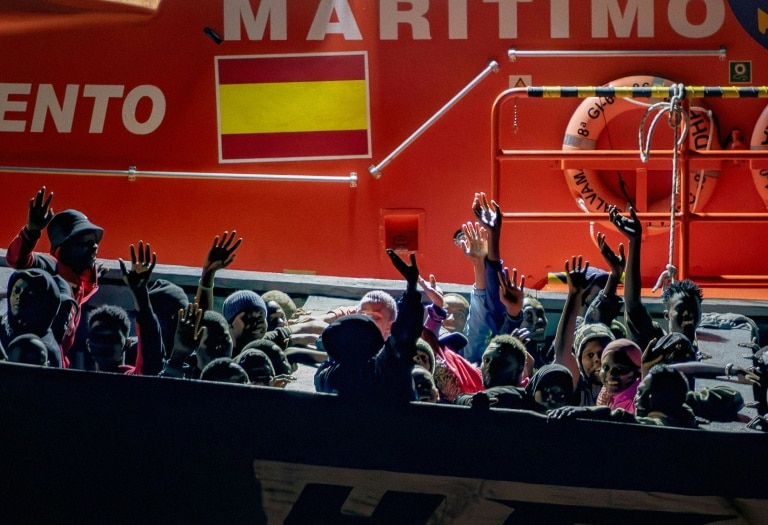
    This humanitarian approach starkly contrasts with the broader EU trend toward stricter border controls and deterrence policies, often influenced by rising far-right influence. Spain remains a primary entry point for migrants fleeing poverty and conflict, with tens of thousands arriving annually via the Canary Islands. Recent estimates from the Funcas think-tank indicate approximately 840,000 undocumented migrants resided in Spain at the start of 2025, predominantly from Latin America. Foreigners now constitute over seven million of Spain’s 49.4 million population, highlighting the profound demographic impact of migration.

  • Trump says Iran wants talks as US aircraft carrier deploys

    Trump says Iran wants talks as US aircraft carrier deploys

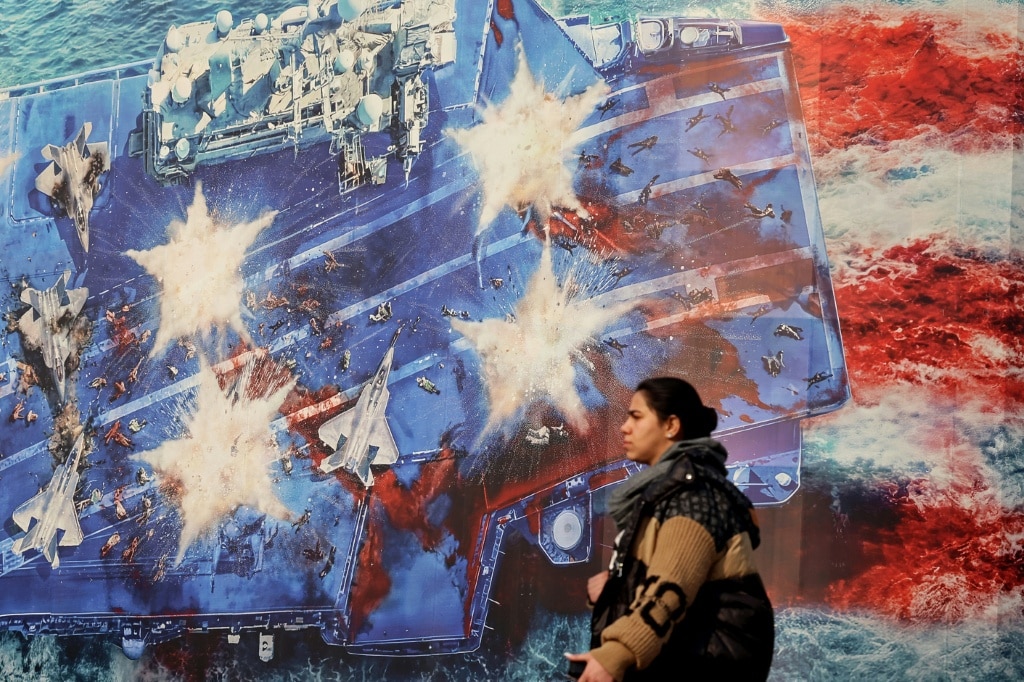
    Amid escalating geopolitical tensions, a US naval strike group spearheaded by the USS Abraham Lincoln has been deployed to Middle Eastern waters, according to US Central Command. The deployment coincides with Iran’s explicit threats to retaliate against any military aggression, creating a volatile standoff between the two nations.

    President Donald Trump presented contradictory statements regarding US intentions, simultaneously highlighting military capabilities while asserting his belief that Iranian leadership desires diplomatic negotiations. “We have a big armada next to Iran. Bigger than Venezuela,” Trump told Axios, referencing recent US military actions. However, he added, “They want to make a deal. I know so. They called on numerous occasions. They want to talk.”

    The current crisis stems from Iran’s severe crackdown on domestic protests, which rights groups describe as the deadliest suppression of dissent in the country’s history. According to the US-based Human Rights Activists News Agency (HRANA), verified casualties include 6,126 fatalities—among them 5,777 protesters, 86 minors, and 263 security personnel and bystanders—with an additional 17,091 potential deaths under investigation. The organization reported at least 41,880 arrests, noting that security agencies continue tactics of “mass arrests, intimidation, and control of the narrative.”

    Intelligence assessments cited by The New York Times indicate the Iranian government’s hold on power may be at its weakest point since the 1979 Islamic Revolution. Senator Lindsey Graham reinforced this perspective, stating that the ultimate US objective is regime change: “They may stop killing them today, but if they’re in charge next month, they’ll kill them then.”

    Iranian officials have responded with measured rhetoric while simultaneously issuing military warnings. Revolutionary Guards spokesman Mohammad Ali Naini cautioned that any entry of US vessels into Iranian territorial waters would trigger targeting procedures. Conservative media outlets echoed these threats, with Javan newspaper declaring Iran’s readiness to seize the strategic Strait of Hormuz in response to aggression.

    The information landscape remains severely compromised by an almost three-week internet blackout imposed by Iranian authorities, which watchdogs argue aims to obscure the full extent of government repression. Activists have additionally reported raids on hospitals to arrest injured protesters, though Iran’s health ministry denies these allegations.

  • Anger as branch of ICE to help with security at Winter Olympics

    Anger as branch of ICE to help with security at Winter Olympics

    A significant diplomatic controversy has emerged following the confirmation that U.S. Immigration and Customs Enforcement (ICE) will participate in security operations for the upcoming Winter Olympics in Italy. The announcement has triggered vehement opposition from Italian political leaders and human rights advocates, who cite the agency’s controversial record on immigration enforcement.

    ICE confirmed through an official statement that its Homeland Security Investigations (HSI) branch would assist the U.S. Department of State’s Diplomatic Security Service and Italian authorities by conducting risk assessments targeting transnational criminal organizations. The agency emphasized that all security operations would remain under Italian jurisdiction and clarified that its activities in Italy would be entirely separate from its domestic immigration enforcement operations conducted by its Enforcement and Removal Operations (ERO) division.

    The revelation has ignited strong reactions across Italy’s political spectrum. Milan Mayor Giuseppe Sala delivered a particularly scathing assessment, characterizing ICE as a ‘militia that kills’ and stating unequivocally that the organization was ‘not welcome’ in his city, which will host several Olympic events. The mayor’s comments included a direct challenge to U.S. President Donald Trump’s administration, asking ‘Can’t we just say no to Trump for once?’

    Further condemnation came from Alessandro Zan, a European Parliament member representing Italy’s centre-left Democratic Party, who denounced the arrangement as ‘unacceptable,’ asserting that Italy should not welcome organizations that ‘trample on human rights and act outside of any democratic control.’

    The controversy has been amplified by recent incidents involving ICE operations in the United States, particularly the deaths of two civilians during an immigration crackdown in Minneapolis. Italian authorities have attempted to clarify the scope of ICE involvement, with regional officials suggesting the agency’s role would be limited to providing security for U.S. Vice President JD Vance and Secretary of State Marco Rubio during the opening ceremony. Interior Minister Matteo Piantedosi asserted that ‘ICE, as such, will never operate in Italy,’ though this statement appears to contradict the agency’s confirmed participation.

    The International Olympic Committee has deferred all inquiries regarding the security arrangements to the United States Olympic and Paralympic Committee, maintaining its distance from the growing diplomatic dispute.

  • EU, India agree ‘mother of all’ trade deals

    EU, India agree ‘mother of all’ trade deals

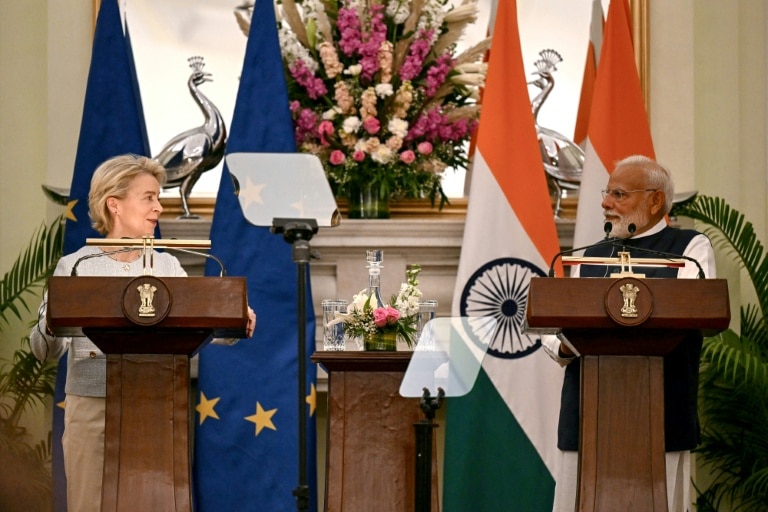
    In a landmark development for global trade, the European Union and India have finalized a comprehensive trade agreement described as the “mother of all deals” by Indian Prime Minister Narendra Modi. The pact, concluded after twenty years of complex negotiations, establishes one of the world’s largest free trade zones encompassing approximately two billion people.

    The agreement eliminates or substantially reduces tariffs on 97% of European exports to India, projected to save EU businesses up to €4 billion annually in customs duties. Key European sectors including automotive, agriculture, and services are positioned to gain significant market access, while India anticipates substantial benefits in textiles, gems and jewelry, and leather goods.

    Market liberalization measures include the gradual reduction of India’s automotive tariffs from 110% to as low as 10%, while wine duties will decrease from 150% to 20%. The agreement completely eliminates tariffs on processed food products including pasta and chocolate, currently taxed at 50%.

    EU Commission President Ursula von der Leyen characterized the agreement as historic, noting it provides “the highest level of access ever granted to a trade partner in the traditionally protected Indian market.” The pact represents approximately 25% of global GDP and one-third of worldwide trade.

    The strategic alignment comes as both economic powers seek to diversify their trade relationships amid increasing global economic tensions. Bilateral trade in goods reached €120 billion in 2024, showing 90% growth over the past decade, with an additional €60 billion in services trade.

    The agreement includes provisions for facilitated movement of seasonal workers, students, researchers, and professionals, alongside anticipated security and defense cooperation agreements. The partnership signals a significant reconfiguration of global trade alliances as both economies reduce dependencies on traditional partners.

  • ‘Our children are next’ fear Kenyans as drought wipes out livestock

    ‘Our children are next’ fear Kenyans as drought wipes out livestock

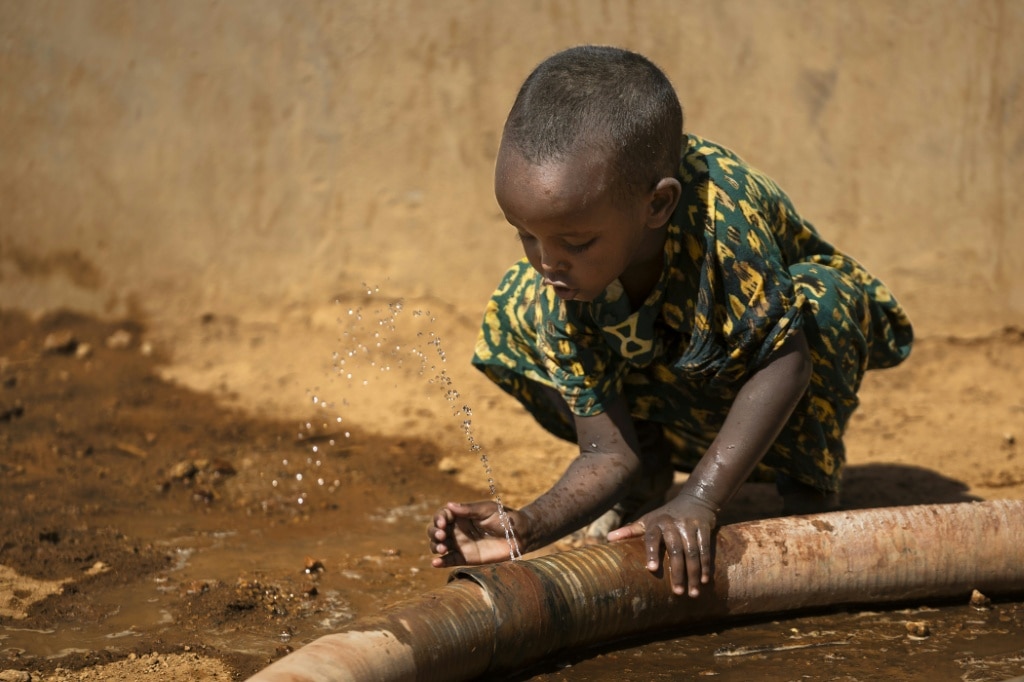
    A catastrophic drought gripping northeastern Kenya has precipitated a severe humanitarian emergency, with villagers reporting total livestock losses and mounting fears for child survival. In Mandera County, a region bordering Ethiopia and Somalia that has recorded no precipitation since May, residents are undertaking the grim task of transporting deceased animals to distant burning sites to mitigate health hazards from decaying carcasses and scavenging hyenas.

    Bishar Maalim Mohammed, a 60-year-old resident of Tawakal village, represents the devastating reality: “I have lost all my cows and goats, and burned them here.” The pastoralist community, which depends entirely on livestock for sustenance, watches helplessly as even surviving animals collapse from severe dehydration. Nearby Banissa’s artificial reservoir, once holding 60,000 cubic meters of water, now stands completely barren, transformed into an ad-hoc playground for children.

    The crisis extends beyond livestock. Herders now guide remaining animals on grueling 30-kilometer treks to the nearest functional water source at Lulis village, where officials implement strict rationing. “In two weeks this water will be finished… we are in a very bad state,” lamented Aden Hussein, a 40-year-old local resident.

    National authorities report over two million people across 23 Kenyan counties face acute food insecurity following the failed October-December rainy season, which delivered rainfall at two-thirds below average levels. The National Drought Management Authority has placed nine counties on high alert, with Mandera County at the critical “alarm” phase—one step from official emergency declaration.

    The Famine Early Warning Systems Network indicates between 20-25 million people across Kenya, Somalia, and Ethiopia require immediate humanitarian food assistance, with drought representing the primary cause for more than half these cases.

    Healthcare facilities bear witness to the unfolding tragedy. Banissa’s main hospital faces an overwhelming influx of severely malnourished children, including patients from neighboring Ethiopia. During recent observations, medical staff documented eight children suffering from acute malnutrition, including a 32-month-old girl weighing merely 4.5 kilograms. “Children are not getting an adequate diet because of this drought…they depend on camel and goat milk but there is now no milk at all,” explained Khalid Ahmed Wethow, a hospital nutritionist.

    The hospital’s pediatric unit, serving approximately 200,000 people, faces critical supply shortages with only eight tins of therapeutic milk remaining. Despite increased efforts from the Kenyan government and organizations like the Red Cross, assistance programs cannot match escalating demands, particularly as Western nations reduce aid budgets.

    Desperation drives extreme measures. Bishar Mohamed (unrelated to the first villager) traveled over 150 kilometers with his herd of 170 goats searching for pasture. Approximately 100 perished during the journey, with the remainder dying after his return to Hawara village. “We have tried to escape in search of better places and failed,” he stated, standing amid piles of goat carcasses.

    The crisis disrupts education as well, with school enrollment in Jabi Bar village dropping by more than half as families relocate. With the next rains not anticipated before April, communities cling to hope amid devastating circumstances. As Bishara Maalim, a mother of ten in Hawara, expressed: “May God save them.”

  • Troubled Napoli staring at Champions League elimination against Chelsea

    Troubled Napoli staring at Champions League elimination against Chelsea

    Napoli’s Champions League campaign hangs by a thread as they prepare for a decisive showdown against Chelsea on Wednesday. The Italian champions, grappling with a severe injury crisis and a faltering Serie A title defense, find themselves in a precarious position with only eight points from seven matches. Last week’s disappointing 1-1 draw against FC Copenhagen has left them just inside the elimination zone, making victory against Chelsea essential to secure a spot in next month’s play-offs.

    The challenge is formidable. Chelsea, managed by former Napoli coach Antonio Conte, also requires a win to secure direct qualification for the last 16, setting the stage for a high-stakes tactical battle. Napoli’s morale is further dampened by a recent 3-0 defeat to Juventus, which left them trailing Serie A leaders Inter Milan by nine points.

    Manager Conte, who took charge in June 2024, faces an unprecedented injury crisis that has plagued the team since the season’s outset. Key players including Romelu Lukaku, Vanja Milinkovic-Savic, David Neres, Kevin De Bruyne, and Andre-Frank Anguissa have been sidelined with various injuries, severely limiting Conte’s options. Lukaku’s return offers a glimmer of hope, having been included in Napoli’s European squad as a replacement for the injured De Bruyne. The Belgian striker now has an opportunity to redeem himself against Chelsea, where he previously struggled.

    Conte emphasized the team’s resilience despite these challenges, stating, ‘We’re navigating in open waters with very high waves, but we’re not getting off the boat. These players are jeopardizing their physical health, playing every three days without proper training rotations.’

    Historically, 11 points have been sufficient to avoid elimination in the Champions League group stage. A victory against Chelsea would likely secure Napoli’s progression and provide much-needed relief for a squad battling both physical and psychological pressures.

  • Clickbait and ‘AI slop’ distort memory of Holocaust

    Clickbait and ‘AI slop’ distort memory of Holocaust

    On International Holocaust Remembrance Day, historians and memorial foundations are sounding alarms about the proliferation of AI-generated content that systematically distorts the historical record of Nazi atrocities. This synthetic media, ranging from fabricated images of concentration camp prisoners to entirely invented victim narratives, has flooded social media platforms with alarming frequency.

    Fact-checking organizations have documented a substantial surge in these digitally fabricated representations, which include emotionally manipulative imagery such as an emaciated, blind man standing in snow at Flossenbuerg concentration camp and a fictional young girl named Hannelore Kaufmann presented as an Auschwitz victim. These creations emerge from content farms exploiting the Holocaust’s emotional impact for maximum engagement and minimal effort.

    Memorial directors note these fabrications serve dual purposes: some generate clickbait revenue through monetization programs, while others advance political agendas by deliberately diluting historical facts, shifting perpetrator-victim dynamics, and promoting revisionist narratives. Particularly concerning are images depicting well-fed prisoners that subtly suggest concentration camp conditions were tolerable.

    The consequences extend beyond digital misinformation. Memorial staff report increasingly confrontational behavior from visitors influenced by this content, including Hitler salutes and dismissive comments about Holocaust severity—particularly among younger demographics from regions where far-right ideologies have gained dominance.

    Despite urgent appeals from memorial foundations requesting platform intervention under EU Digital Services Act obligations, most American social media giants have remained unresponsive. Only TikTok has acknowledged the issue, proposing monetization exclusion and automated verification measures. As AI technology advances exponentially, experts warn the ethical crisis surrounding historical distortion requires immediate societal response and responsible technological standards.

  • Japan’s beloved last pandas leave for China as ties fray

    Japan’s beloved last pandas leave for China as ties fray

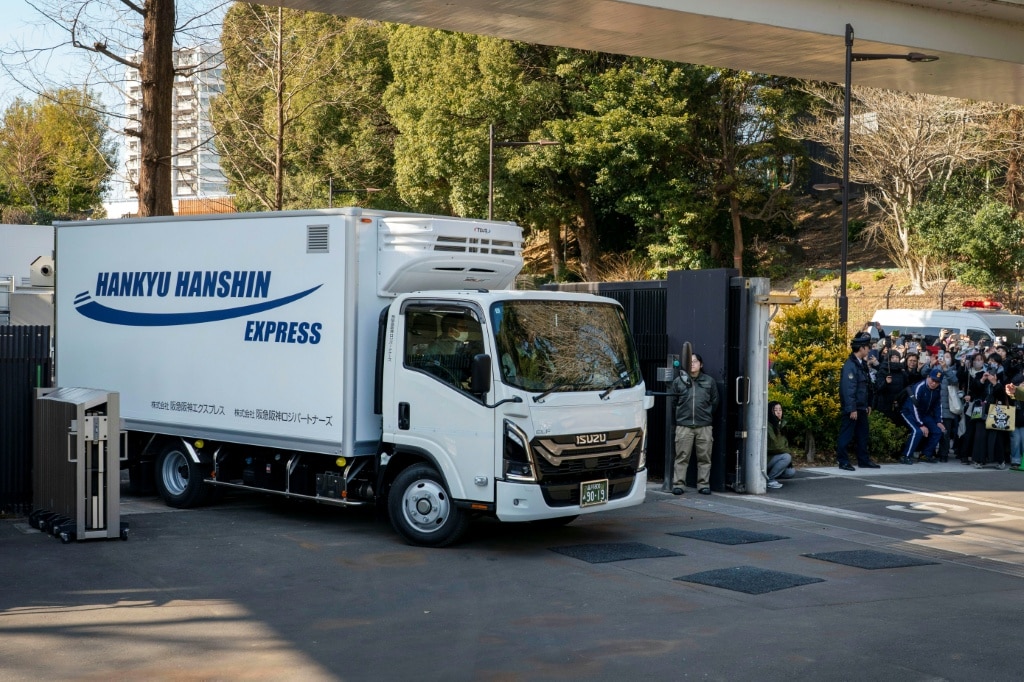
    Tokyo’s Ueno Zoological Gardens bid an emotional farewell to its giant panda residents Lei Lei and Xiao Xiao on Tuesday, marking Japan’s first panda-free period in half a century. The four-year-old twins, born and raised at the prestigious zoo, commenced their journey to China via specialized transport vehicles, leaving behind devoted fans who gathered for final glimpses of the beloved bears.

    The departure coincides with escalating diplomatic strains between the Asian powers, triggered recently by Japanese Prime Minister Sanae Takaichi’s comments regarding potential military intervention concerning Taiwan. Beijing, considering Taiwan part of its sovereign territory, responded with visible diplomatic displeasure. Although the pandas’ repatriation occurs approximately one month before their official loan period concludes in February, the timing appears strategically significant within broader bilateral tensions.

    Since the normalization of Sino-Japanese relations in 1972, giant pandas have served as charismatic ambassadors under China’s distinctive ‘panda diplomacy’ program. These charismatic mammals have consistently drawn massive crowds, generating substantial revenue and cultural goodwill for hosting nations. Despite Japan’s expressed interest in securing a new panda pair, recent polling by Asahi Shimbun indicates 70% of Japanese citizens oppose further negotiations with China regarding additional panda leases.

    Final viewing sessions at Ueno Zoo were limited to lottery-selected visitors, though numerous dedicated admirers without tickets assembled outside the facility wearing panda-themed apparel and carrying memorabilia. Concurrently, China has issued travel advisories cautioning citizens against visiting Japan citing security concerns, while reportedly restricting exports of rare-earth minerals critical for Japanese manufacturing sectors.

    Academic perspectives suggest caution in interpreting the panda recall as purely political retaliation. Professor Masaki Ienaga, an East Asian relations specialist at Tokyo Woman’s Christian University, noted that China routinely rotates pandas internationally and their diplomatic value often manifests in deployment timing rather than removals. He emphasized that while multiple nations employ charismatic fauna in diplomatic engagements, pandas possess unique economic and soft power advantages due to their immense popularity and revenue-generating capabilities.