标签: Oceania

大洋洲

  • Australian musician’s US ban prompts apology from girlfriend over Trump post

    Australian musician’s US ban prompts apology from girlfriend over Trump post

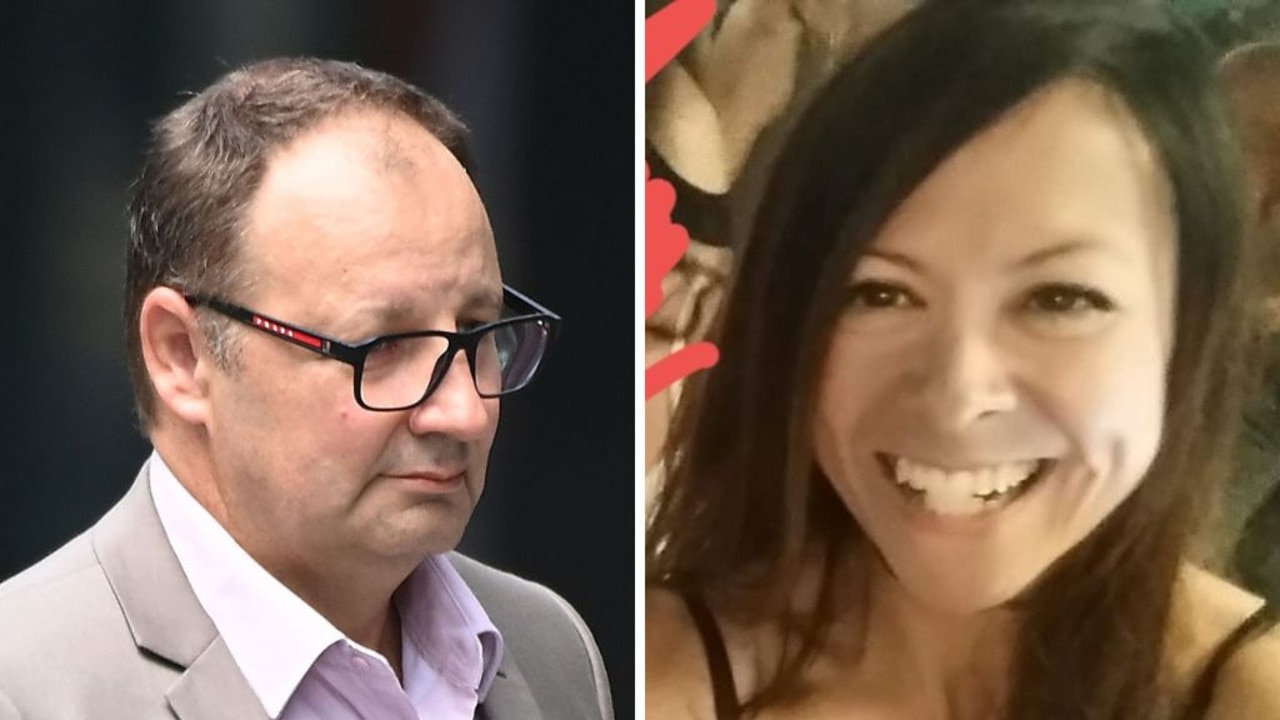
    An established Australian electronic musician has seen his cross-continental North American tour cut abruptly short after United States border officials barred him from re-entering the country, a turn of events that has prompted a public apology from his television personality girlfriend over a years-old social media post touching on former US president Donald Trump.

    Keli Holiday, legally known as Adam Hyde and one half of the popular Australian electronic duo Peking Duk, had already completed a string of scheduled performances across the United States before crossing the northern border to play a show in Toronto, Canada. Last Friday, as he prepared to return to the US for a planned gig in New York City, he was detained during border processing and ultimately refused entry — a rejection that came even though he held all required, valid visa documentation, according to Holiday’s own account.

    The artist shared details of his frustrating border ordeal with followers over the weekend via social media. “I have spent all day detained at the Canadian border and denied entry back into the US despite having the proper visa documentation in place,” he wrote. “I’m still trying to get clarity on the situation myself.”

    By Tuesday, after confirmation that Holiday had returned to his home country of Australia, his partner Abbie Chatfield — a well-known Australian TV host — released a public statement addressing widespread online speculation that an old social media post of hers was the root cause of the entry ban. Chatfield issued an apology for the July 2025 video post, which had drawn attention over its critical commentary about Trump, and clarified that Holiday had never even seen the content before the incident.

    In the resurfaced video, Chatfield had made reference to Luigi Mangione, the US man accused of murdering UnitedHealthcare CEO Brian Thompson in a December 2024 shooting. Mangione is scheduled to face separate state and federal murder trials later in 2026. Chatfield pushed back against misinterpretations of her comments, insisting she never advocated for political violence targeting Trump. “I also want to make it clear Adam hadn’t even seen this video, so any vitriol toward him is unwarranted,” she said in a 10-minute explanatory video released Tuesday.

    This high-profile entry ban comes amid a shifting US immigration and entry policy landscape: just months prior, US authorities proposed sweeping new entry rules that would require most foreign tourists to submit five years of personal social media history as a mandatory condition for gaining entry to the country. The BBC has reached out to Holiday’s management team for additional comment on the incident, with no further statement released as of publication.

  • Cannes Film Festival opens, grappling with AI and Hollywood

    Cannes Film Festival opens, grappling with AI and Hollywood

    The iconic Croisette coastline of Cannes rolled out its legendary red carpet on Tuesday for the launch of one of the film industry’s most anticipated annual events, the Cannes Film Festival. This year’s gathering comes at a pivotal moment for global cinema, as organizers and attendees grapple with two defining industry tensions: the rapid, disruptive rise of artificial intelligence and the unprecedented absence of major Hollywood studios from the official lineup.

    In the festival’s flagship competition, 22 standout features from across the globe are competing for the coveted Palme d’Or, the festival’s highest honor for best film. Last year’s award went to Iranian director Jafar Panahi’s politically charged work *It Was Just an Accident*, capping a memorable edition of the event. But much of the conversation leading up to this year’s opening has centered on off-screen issues that are reshaping the future of filmmaking, rather than the slate of competing movies themselves.

    Cannes’ top leader Thierry Fremaux made his stance on artificial intelligence clear during a pre-festival press conference on Monday, aligning the event firmly with creative workers whose livelihoods are increasingly threatened by unregulated AI adoption. The technology has already driven growing job losses for dubbing artists and translation professionals, while screenwriters and performers across the industry warn that AI could erase entire career pathways. “What is certain… is that here in Cannes, we stand with the artists, we stand with the screenwriters and we stand with everyone in these professions, with actors and voice actors alike,” Fremaux asserted. He even floated a radical proposal for future festivals: labeling films in a similar vein to organic food and wine, with a special marker that reads “this film has been made without artificial intelligence” to signal transparency for audiences and creators.

    Despite this firm stance, the festival sparked mild controversy with an announcement on Monday: it has signed a multi-year sponsorship agreement with Meta, the social media and technology giant that is also a major investor in cutting-edge AI development. The Meta tie-in intersects directly with this year’s AI debate, thanks to a high-profile documentary screening at the festival from Oscar-winning director Steven Soderbergh. Soderbergh collaborated with Meta to create AI-generated footage of late Beatles icon John Lennon and his wife Yoko Ono for his new film *John Lennon: The Last Interview*, bringing the ethics of AI use in creative work directly into the festival’s spotlight.

    AI has already roiled the global film industry in recent years: the technology was the core sticking point behind the 2023 Hollywood writers’ and actors’ strikes that shut down most major productions for months, as creative workers warned that unregulated AI would erode royalties, job security, and creative control. In February of this year, thousands of French performers and filmmakers signed an open letter warning that AI tools are “plundering” creative talent across the industry, describing the technology as a “devouring hydra” that threatens to upend traditional creative work.

    Beyond the AI debate, this year’s festival also faces a noticeable gap: nearly all major Hollywood studios have opted not to premiere big-budget blockbusters at the event, a break from longstanding tradition. Soderbergh is one of the few high-profile American filmmakers in attendance, with A-list directors like Steven Spielberg and Christopher Nolan — who organizers had hoped would attend — absent from the official program. The trend also played out at the Berlin International Film Festival in February, where no major U.S. studios brought major premieres, leaving industry analysts questioning why leading studios like Disney, Universal, and Warner Bros. Discovery are stepping back from major European film events.

    Fremaux pushed back against concerns about Hollywood’s absence, noting that the gap stems from temporary scheduling shifts and ongoing industry turmoil rather than a permanent split. “I really hope that the studios come back,” he said Monday. He also emphasized that American cinema remains well-represented in this year’s main competition, with two high-profile U.S. productions in the running: James Gray’s *Paper Tiger*, starring A-listers Adam Driver and Scarlett Johansson, and Ira Sachs’ *The Man I Love*, featuring Academy Award winner Rami Malek.

    Audiences and celebrity watchers will still no shortage of big-name star power on the red carpet this year. In a last-minute addition to the lineup, the festival will host a reunion cast for the 25th anniversary of the blockbuster hit *The Fast and the Furious*, with franchise stars Vin Diesel, Michelle Rodriguez, and Jordana Brewster set to attend a special anniversary screening on Wednesday. Hollywood legend John Travolta will also bring star power to the event, with the premiere of his directorial debut *Propeller One-Way Night Coach*, a story following a young boy’s adventure during the “golden age of aviation.”

    The festival officially kicked off with an opening screening of the French feature *The Electric Kiss*, with main competition screenings set to begin Wednesday. This year’s jury is led by South Korean director Park Chan-wook, marking the first time a Korean filmmaker has held the role of jury head. “I cannot help but feel a sense of emotion, realising that for the first time a Korean has become the head of the jury,” Park told AFP Monday on the ground in Cannes. “The moment has finally come.” The jury also includes Hollywood icon Demi Moore and other leading industry figures from across the globe, who will deliberate over the 22 competition films before awarding the Palme d’Or at the festival’s closing ceremony.

  • What if we killed all mosquitoes?

    What if we killed all mosquitoes?

    Often overlooked for larger, more intimidating predators, the tiny mosquito stands as humanity’s deadliest natural enemy. Each year, this tiny blood-sucking insect claims an estimated 760,000 human lives — a toll far higher than that of lions, snakes, or even humans themselves, which rank a distant second in annual global deaths caused by animal species, data from research outlet Our World in Data shows.

    Mosquitoes are responsible for spreading 17% of all infectious diseases globally, including life-threatening conditions such as malaria, dengue, yellow fever, chikungunya and Zika. As human-caused climate change continues to raise global temperatures, mosquito populations are expanding their ranges into previously uninhabited regions, and longer warm seasons extend their active periods each year, spurring growing concern that these insects could fuel catastrophic new public health crises in the coming decades.

    Against this backdrop, a critical question has emerged for the global scientific community: can humanity safely eliminate the most dangerous mosquito species to stop the spread of disease, and what would be the environmental costs of such a move?

    To start, experts note that a global eradication campaign would not need to target the more than 3,500 known mosquito species. Out of this entire diversity, only around 100 species actually bite humans, and just five species are responsible for roughly 95% of all mosquito-borne human infections, according to Hilary Ranson, a leading vector biologist at the Liverpool School of Tropical Medicine, in an interview with AFP.

    On balance, Ranson argues that the loss of these five high-risk species could be easily tolerated, given the enormous harm they inflict globally, from hundreds of thousands of annual deaths to crippling long-term economic damage in affected regions. Dan Peach, a mosquito entomologist at the University of Georgia, shares this broad perspective but stresses that more research is needed to fully compare the risks and benefits of eradication against alternative disease control strategies.

    Ranson explains that the five disease-carrying mosquito species have evolved to be extremely closely tied to human habitats, feeding on people and breeding in areas close to human settlements. This close association means eradicating these specific species would not cause major disruption to broader global ecosystems, she argues. In their absence, other genetically similar, non-lethal mosquito species would likely quickly fill the vacant ecological niche left behind.

    Peach, however, cautions that the scientific community still lacks a full understanding of the ecological role of most mosquito species, so it is impossible to be completely certain of the outcome of eradication. Even with this knowledge gap, he notes that it is reasonable to acknowledge the uncertainty and still move forward with controlled research and testing. Mosquitoes do play measurable roles in ecosystems: they transfer nutrients from their aquatic larval habitats to terrestrial food webs, serve as a key food source for fish, birds, insects and other animals, and contribute to pollination of some plant species, though the extent of this pollination role remains poorly understood and varies widely between species, Peach adds.

    Ranson also acknowledges the legitimate ethical debate around the concept of human-driven “specicide” — the intentional extinction of an entire species — but points out that human activity is already unintentionally driving the extinction of thousands of species globally every year.

    For researchers pursuing targeted elimination of dangerous mosquito populations, two leading technological strategies are currently under development and testing. The most high-profile new approach is gene drive technology, a genetic engineering tool that modifies organisms to ensure a desired trait is passed down to nearly all offspring, rather than the roughly 50% inheritance seen in natural reproduction.

    In laboratory trials, scientists used gene drive to modify female Anopheles gambiae — the primary mosquito species that spreads malaria — to be infertile, and the modification wiped out an entire lab population of the insects in just a few generations. Target Malaria, a non-profit research project funded by the Bill & Melinda Gates Foundation, has already begun conducting field trials of the technology in several African nations. However, the project suffered a major setback last year when Burkina Faso’s military-led government suspended testing in the country, after the work faced criticism from local civil society groups and became a target of widespread disinformation campaigns.

    A second, more established strategy involves infecting Aedes aegypti mosquitoes, the primary spreaders of dengue, with the naturally occurring bacteria Wolbachia. The bacteria can either crash local mosquito populations or simply reduce the insects’ ability to transmit the dengue virus to humans, leading to an alternative approach: instead of killing the mosquitoes, can we simply make them harmless to people?

    Research published last year found that when sterile, Wolbachia-infected mosquitoes were released in the Brazilian city of Niteroi, local dengue cases dropped by 89% compared to previous years. Today, more than 16 million people across 15 countries are protected by this approach, with no recorded negative ecological or public health consequences, according to Scott O’Neill, founder of the World Mosquito Program, speaking to AFP.

    Other projects are also working on alternative genetic approaches: the Transmission Zero initiative is working to use gene drive technology not to eradicate Anopheles gambiae, but to modify the species so it can no longer spread the malaria parasite at all. Laboratory research published in *Nature* late last year found the project is making significant progress toward this goal, with the team planning to launch its first in-country field trial in 2030.

    Even with these technological advances, the Burkina Faso setback highlighted a key requirement for success: any new mosquito control technology must have sustained political support and local buy-in from the communities and nations where it is tested, according to Dickson Wilson Lwetoijera, a researcher at Tanzania’s Ifakara Health Institute.

    Experts warn that there is no single “magic bullet” to solve the threat of mosquito-borne diseases. Ranson argues that rather than relying solely on high-tech solutions, most of which are funded by the Gates Foundation, the global community needs to pursue a more holistic, multifaceted approach to reducing disease burden. This includes expanding access to affordable diagnosis, treatment, improved housing and more effective vaccines for people in high-burden countries.

    Over the past year, however, sweeping cuts to foreign aid from Western nations have threatened the significant progress made against mosquito-borne diseases over the last two decades, humanitarian organizations have warned, putting hundreds of thousands of lives at renewed risk.

  • US ‘golden generation’ raises World Cup hosts’ expectations

    US ‘golden generation’ raises World Cup hosts’ expectations

    As the 2026 FIFA World Cup approaches, co-host United States is entering the tournament with a sense of anticipation and quiet confidence rarely seen in its soccer history. Led by charismatic head coach Mauricio Pochettino, who took charge of the men’s national team in late 2024, this young, talented roster has earned widespread acclaim as America’s “golden generation” of soccer – and Pochettino is encouraging fans and players alike to believe a historic deep run is within reach.

    For decades, the United States was considered a minor player on the global soccer landscape, even as the world’s largest economic and cultural superpower. But the sport has experienced exponential growth across the country since the US last hosted the World Cup in 1994, and today’s co-hosts are far from the decorative participants they were once written off as.

    A new wave of young American talent now holds key roles at some of Europe’s most prestigious clubs. Christian Pulisic plies his trade at Serie A giant AC Milan, Weston McKennie anchors the midfield at Juventus, and captain Tyler Adams leads the line for Premier League high-flyer Bournemouth. Other standout players like Lille winger Timothy Weah have only improved their form since the 2022 Qatar World Cup, where a young US squad defied expectations to reach the round of 16 before falling to eventual runners-up the Netherlands.

    In public comments this spring, Pochettino, a veteran manager who has previously led top European sides including Tottenham Hotspur, Chelsea and Paris Saint-Germain, made no secret of his ambitious goals for the tournament. “I am here because I believe that we can win,” he said. Repeating his rallying cry three times, he added: “Why not us? Why not us? Why not us? We need to really believe that we can be there.”

    Despite this optimism, significant challenges remain for the USMNT. Drawn into Group D alongside Paraguay, Australia and Turkey, the team will need to defeat elite European or South American opposition to advance deep into the knockout stages – a test that has exposed long-standing weaknesses in recent matches. Last March, the US suffered a lopsided 5-2 defeat to Belgium and a 2-0 loss to Portugal, after promising statement wins over Uruguay and Paraguay the previous year.

    Question marks also hang over the form of star forward Pulisic, who has not found the back of the net for AC Milan since December and has lost his automatic starting spot at the club. Pochettino himself recently acknowledged that none of his squad members rank among the world’s top 100 players, a comment that does little to quiet concerns over the team’s ability to compete with pre-tournament favorites such as defending champion Argentina, European champion Spain, and France.

    Pochettino has spent recent months experimenting with dynamic formations and rotating squads as he prepares to name his final tournament roster later this month, which will be drawn from three distinct talent pools. The first group is homegrown American players who have thrived at top European Champions League clubs, headlined by Pulisic, McKennie and Weah. McKennie’s influence at Juventus has become so pronounced that Pochettino recently joked the Serie A side is “Weston McKennie plus 10 players.”

    The second group is made up of diaspora and dual-national talents who have chosen to represent the US, the most notable being British-raised striker Folarin Balogun, who is expected to lead the American attack after a breakout goalscoring season with Ligue 1 side Monaco. Other dual-national key players include Dutch-born fullback Sergino Dest, English-born fullback Antonee Robinson, and German-born Bayer Leverkusen midfielder Malik Tillman.

    Finally, a small group of Major League Soccer stars, including Real Salt Lake’s Diego Luna, are expected to earn spots, in what will be widely viewed as a key test of the growing strength of America’s booming domestic top flight.

    Zooming out, the rapid progress of American men’s soccer over the past 35 years is undeniable. The USMNT failed to qualify for the World Cup for 40 straight years until 1990, and has only missed one tournament since, regularly advancing past the group stage. The team’s best modern performance came in 2002, when Bruce Arena’s side upset Portugal in the group stage, eliminated Mexico in the first knockout round, and reached the quarter-finals before falling to eventual champion Germany. Most analysts view matching that quarter-final finish as the baseline for a successful 2026 campaign on home soil.

    For Pochettino, though, the goal is to push beyond low expectations and embrace ambition. “We need to dream… Dreams inspire reality,” the coach said.

  • One man dead, multiple others trapped in massive nine-car pileup in Lakemba

    One man dead, multiple others trapped in massive nine-car pileup in Lakemba

    A devastating multi-vehicle collision in Sydney’s western suburb of Lakemba has left one man dead and multiple people trapped in wreckage, triggering widespread traffic disruption that paralyzed a key arterial road on Tuesday morning.

    Emergency responders were first dispatched to Canterbury Road just before 11:40 a.m. following initial reports of a two-car crash. When police arrived at the scene, they confirmed that the first two vehicles had collided head-to-tail, leaving both of their drivers trapped inside their damaged vehicles. Moments later, a secondary chain reaction crash occurred a short distance from the initial collision, drawing seven additional vehicles into the pileup. Authorities have confirmed the two collision events are connected, resulting in the total nine-vehicle crash.

    One man, whose identity has not yet been released to the public, was pronounced dead at the scene. All other trapped drivers were successfully extricated from their vehicles by paramedics, and have been taken to local hospitals for mandatory assessment and testing. At the height of the response operation, multiple additional people remained trapped in entangled vehicles as emergency crews worked to clear the site.

    The catastrophic crash has thrown local traffic into complete chaos, prompting authorities to close Canterbury Road between Chapel Street and Haldon Street in both directions. Emergency services, heavy tow trucks, and representatives from Transport NSW have been deployed to the site, with police managing redirected traffic flow. In an official public advisory, LiveTraffic NSW noted that ongoing police investigations at the scene are expected to take several hours to complete, urging motorists to avoid the area entirely and plan alternative routes. Light passenger vehicles are being directed through local side-street diversions, while heavy commercial vehicles have been advised to use alternate major routes including Bexley Road, the M5 Motorway, and King Georges Road.

  • Vitamins over vaccines: misinformation entrenched amid Indonesia measles surge

    Vitamins over vaccines: misinformation entrenched amid Indonesia measles surge

    Indonesia is grappling with one of the world’s worst measles outbreaks in recent years, a public health crisis fueled by plummeting childhood vaccination rates that have dropped sharply since the COVID-19 pandemic and deep-rooted misinformation spreading across social media platforms.

    For many parents like Fitri Fransiskha, a 40-year-old stay-at-home mother of four based in Banten province on the western tip of Java, fear of vaccines took root after her first child developed a mild fever following an infant tuberculosis shot. That initial anxiety was amplified by viral falsehoods circulating online that claim routine vaccines cause paralysis, developmental behavioral disorders, and even death. Instead of immunizing her children against the highly contagious, potentially fatal measles virus, Fitri relies on nutrient-dense diets and vitamin supplements to keep her family healthy. Even the ongoing surge in cases has not changed her mind.

    Fitri is far from alone. As the world’s fourth most populous nation, Indonesia has seen a steady rise in vaccine refusal among parents, even as public health officials race to contain the growing outbreak. Data from the Indonesian Paediatrics Association confirms the country now has the second-highest number of measles cases globally, outranked only by conflict-ravaged Yemen.

    Official health data underscores the severity of the crisis: in the first three months of 2026 alone, authorities recorded more than 8,000 suspected measles cases and 10 confirmed deaths. From 2024 to 2025, annual cases more than doubled to over 63,000, resulting in 69 fatalities. A January research paper published in the *Indonesian Journal of Internal Medicine* noted that measles, once on the brink of global elimination, has re-emerged as a major public health danger across Indonesia.

    Public health experts trace the crisis to widespread vaccine misinformation amplified by vocal anti-vaccine activists across popular Indonesian social platforms. A recent study from local data analytics firm Drone Emprit found anti-vaccine content on nearly all of the country’s largest social media networks, reaching a very large share of the population. Ismail Fahmi, founder of Drone Emprit, explained that while anti-vaccine advocates make up a smaller share of users, they are far more vocal and active online than pro-vaccine communities. Many popular influencers, he added, use their platforms to push unproven herbal alternatives to routine vaccination, amplifying distrust in immunization. In March, AFP’s fact-checking team debunked a widespread viral falsehood claiming that natural infection with measles provides stronger protection than approved vaccines.

    Religious concerns have also deepened vaccine hesitancy in the Muslim-majority nation, where pork products are forbidden under Islamic law. Some parents refuse vaccines because certain products contain gelatine derived from pigs, which they argue violates halal dietary rules. Yusran, a 46-year-old entrepreneur based in Makassar, South Sulawesi, has refused to vaccinate any of his five children over halal concerns, saying his children remain healthy without immunization. Even so, Indonesia’s highest Islamic authority, the Indonesian Ulema Council, issued a 2018 fatwa ruling that vaccines are permissible for protecting public health even when they contain porcine gelatine, a clarification that has failed to reach all hesitant communities.

    The combination of misinformation and religious hesitancy has done severe damage to the country’s herd immunity, the threshold of vaccination required to stop measles from spreading easily through communities. “Our herd immunity has been compromised,” explained Riris Andono Ahmad, an epidemiologist at Gadjah Mada University in Yogyakarta. Currently, only around 76% of Indonesian children receive both required doses of the measles-rubella (MR) vaccine, far below the 95% coverage needed to hit herd immunity and eradicate the virus.

    The Indonesian government has made urgent moves to reverse the trend: with a goal of eradicating measles and rubella by the end of 2026, authorities launched an emergency mass vaccination campaign in March across more than 100 regencies and cities, including MR booster shots for over 220,000 frontline health workers. The government has also partnered with leading religious organizations to spread accurate information and encourage parents to vaccinate their children. Indri Yogyaswari, the country’s director of immunization, told reporters that the campaign has already helped reduce measles transmission significantly. Even so, official health ministry data shows that infant first-dose MR vaccination coverage dropped 10 percentage points between 2024 and 2025, leaving the 2026 eradication goal well out of reach at current coverage levels.

  • Kawsar Ahmad and Zeinab Ahmad: Mother and daughter accused of Syria slavery to be housed in same prison as Erin Patterson

    Kawsar Ahmad and Zeinab Ahmad: Mother and daughter accused of Syria slavery to be housed in same prison as Erin Patterson

    An Australian mother and daughter facing historic slavery charges related to their time living in Syria have been placed in the same maximum-security women’s prison that holds convicted triple murderer Erin Patterson, as they prepare to make separate bail applications in the coming weeks.

    Fifty-four-year-old Kawsar Ahmad and 31-year-old Zeinab Ahmad were taken into Australian federal police custody at Melbourne’s Tullamarine Airport on Thursday evening, after seven years living in a camp for families with alleged ties to the Islamic State in northern Syria. The pair had been detained by Kurdish forces at the Al Roj camp since March 2019, following their initial travel to Syria in 2014, per Australian Federal Police allegations.

    The two women are facing charges connected to the alleged enslavement of a Yazidi woman, a member of the ethno-religious minority group native to northern Iraq, between 2017 and 2018 at the family’s residence in Syria’s Deir ez-Zur province. Court documents allege Kawsar Ahmad aided in the purchase of the female victim for $10,000 USD in June 2017, and that both women exerted complete coercive control over the woman in conditions matching the legal definition of slavery until November 2018.

    Kawsar Ahmad, also known by the alias Kawsar Abbas, faces four counts of crimes against humanity: enslavement, possessing a slave, using a slave, and engaging in slave trading. Her daughter Zeinab, who also uses the surname variant Ahmed, faces two charges: enslavement and using a slave. Australian law mandates that the alleged victim cannot be publicly identified by media outlets. On Tuesday, the court granted a request to designate a second unnamed woman as a special witness, another designation that protects her identity from public disclosure. Prosecutors told the court this second individual, who is also an alleged victim of slavery-linked offenses unconnected to the current charges against the Ahmads, will provide testimony related to her interactions with the two accused. Chief Magistrate Lisa Hannan ruled the special witness designation was justified to protect the woman from additional distress and emotional trauma tied to the nature of her evidence.

    The pair made their first court appearance via video link on Tuesday morning from the Dame Phyllis Frost Centre, a maximum-security women’s correctional facility in Melbourne. The same prison currently houses Erin Patterson, who is serving a life sentence for poisoning three members of her family to death with a toxic beef wellington, and attempting to murder a fourth. In a notable procedural overlap, Kawsar Ahmad is represented by Bill Doogue, the same solicitor who represented Patterson during her murder trial and is currently handling her upcoming appeal against conviction. The two accused are being held in separate custody units at the facility ahead of their bail hearings, scheduled for next month. Zeinab Ahmad will make her bail bid on June 5, with her mother’s application to follow on June 16.

  • Epstein files on display at New York pop-up exhibit, all 3.5 million pages

    Epstein files on display at New York pop-up exhibit, all 3.5 million pages

    A U.S.-based transparency and pro-democracy nonprofit has launched a provocative temporary pop-up exhibition in Manhattan’s Tribeca neighborhood, centered entirely on a complete physical printout of every Jeffrey Epstein-related document released by the U.S. Department of Justice. Organized by the Washington D.C. Institute of Primary Facts, the exhibition, officially named “The Donald J. Trump and Jeffrey Epstein Memorial Reading Room,” houses roughly 3.5 million pages of court and investigative files, bound into 3,437 individually numbered volumes arranged floor-to-ceiling on custom shelves. The display comes as a direct outcome of the 2024 Epstein Files Transparency Act, which mandated the public release of all government-held records connected to the disgraced financier and convicted sex offender.

    On the institute’s official website, the organization frames the physical installation as a confrontation against opaque government record-keeping, stating plainly: “The truth is hard to deny when it’s printed and bound for you to see.” While registration is open to any member of the public wishing to visit the space, access to the bound volumes remains heavily restricted. A processing error by the Department of Justice left the names of multiple Epstein victims unredacted in the released files, barring general public access per privacy regulations. Only accredited journalists and legal professionals working on related cases are granted permission to review the documents on-site.

    A secondary focal point of the pop-up is a dedicated exhibit exploring the decades-long public relationship between former President Donald Trump and Epstein, who died by suicide in a federal prison in 2019 while awaiting trial on federal child sex trafficking charges. Court records and public accounts confirm the pair moved in overlapping social circles for years before a reported falling out over a 2004 real estate transaction, after which Trump publicly distanced himself from Epstein. Since the full release of the Epstein files began, Trump’s repeated appearances in the records have sparked widespread speculation, though the former president has consistently denied any improper conduct connected to Epstein or his activities.

    Project co-creator David Garrett explained the installation’s core mission in an interview with Agence France-Presse, noting the group’s focus on in-person public education to highlight perceived systemic corruption and threats to U.S. democratic norms. Garrett argued that the Trump administration’s handling of the Epstein file release has been marked by unnecessary delays and intentional obfuscation, with many critics accusing senior justice department officials of covering up the full extent of Trump’s ties to Epstein. “We’re a pro-democracy organization, with the goal of educating the public using these kinds of sort of pop-up museums and other in-real-life experiences to help people understand the corruption in the United States, the dangers to democracy,” Garrett said. He added that the group aims to spur sustained public pressure to force full accountability for the handling of the Epstein case and related records: “there needs to be real public outcry” over the government’s conduct, he said, “and what we attempted to do here was to create, or help to create public outcry to have real accountability.”

    The temporary exhibition will remain open to the public at its Tribeca location through May 21.

  • Cannes Film Festival defends male-dominated competition

    Cannes Film Festival defends male-dominated competition

    As the 79th Cannes Film Festival prepares to kick off its 12-day run on Tuesday, the event’s top leadership is facing sharp criticism over the continued gender imbalance in its flagship Palme d’Or competition, forcing a public defense of the festival’s selection process. This year’s controversy carries a sharp layer of irony: the festival’s official 2025 poster spotlights the iconic 1991 feminist road classic *Thelma & Louise*, a film celebrated as a landmark of female-centered storytelling.

    Of the 22 feature films competing for the festival’s most prestigious honor, the Palme d’Or, only five are helmed by female directors. That marks a drop from 2024, when seven of 22 competing films came from women filmmakers. Feminist industry advocacy group 50/50, which has pushed for gender parity across global film, has slammed festival organizers for what it calls “feminism washing”: leveraging the legacy of *Thelma & Louise* and its stars Geena Davis and Susan Sarandon, two enduring symbols of female empowerment, for promotional clout while failing to deliver on meaningful gender representation in the official selection.

    Cannes’ long-serving general delegate Thierry Fremaux pushed back against those accusations during a press conference Monday, rejecting any claim that the poster choice was a cynical performative gesture. “There is absolutely no point at which we’re choosing Geena Davis or Susan Sarandon or Ridley Scott’s film for the poster in order to supposedly give ourselves a feminist image,” Fremaux told reporters. He also noted that the 2018 parity charter 50/50 signed with the festival never mandated immediate equal representation in competition, and argued that mandatory gender quotas for selection have no place at the event. Fremaux emphasized that both the festival’s governing body and its competition juries already maintain full gender parity, and added that when selection committees are split between two equally strong films from a male and female director, the female-directed project gets priority.

    Organizers highlight that across all official selection categories outside of the main competition, women directors account for 34 percent of all feature film filmmakers this year, a figure that climbs to 38 percent when short film entries are included. Fremaux framed the current numbers as evidence of slow but steady progress, arguing that greater representation will come as more women break into the upper tiers of professional filmmaking. “Today we’re seeing more and more women directors in upcoming cinema, so they are gradually making their way into the competition,” Fremaux, who has led the festival for more than two decades, explained. “The figures show that things are moving forward, that it’s slow, that it’s not enough. We need a more feminine cinema so that, as in literature and in music, the issue of seeing the world from a female perspective, a woman’s sensibility, is more present in the world of film.”

    Critics remain unconvinced, however. Leading French newspaper Le Monde published a scathing analysis of Cannes’ gender record Monday, running the headline “Women on the poster, but still on the sidelines.” The criticism underscores a long-running gap in the festival’s 79-year history: only three women have ever won the Palme d’Or for best film, the most recent being French director Justine Triet for *Anatomy of a Fall* in 2023. The 2025 festival will run through May 23, with the Palme d’Or winner set to be announced on the closing night.

  • Little respite in Ukraine as air strikes ring out during Russia truce

    Little respite in Ukraine as air strikes ring out during Russia truce

    More than four years into Russia’s full-scale invasion of Ukraine, a US-brokered three-day ceasefire set to expire Monday has failed to deliver the broad relief that war-exhausted Ukrainians had hoped for, with reports of persistent air strikes, artillery fire, and mutual violation accusations lingering across frontline regions.