标签: Oceania

大洋洲

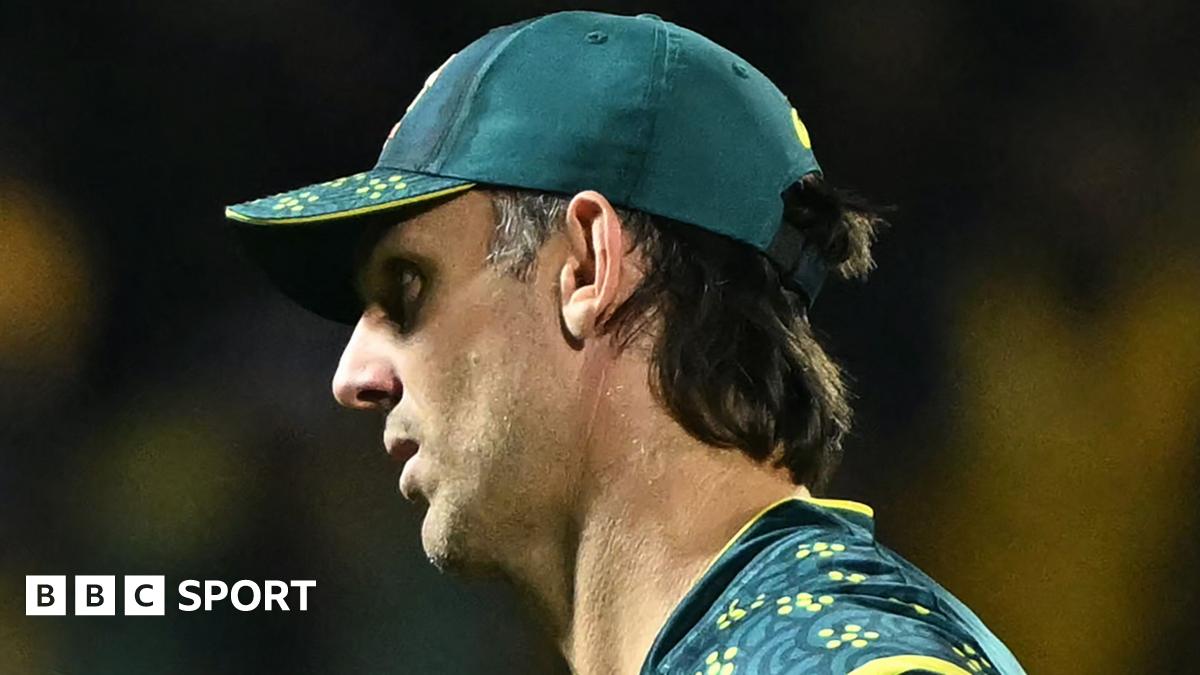
  • ‘It smacks of England’ – Australia fail again at T20 World Cup

    ‘It smacks of England’ – Australia fail again at T20 World Cup

    Australia’s unexpected elimination from the Men’s T20 World Cup has ignited intense scrutiny over team selection and preparation strategies. The tournament concluded prematurely for the Australians following a crucial washout in the Ireland-Zimbabwe match, marking their first absence from the Super 8s since 2009.

    The elimination came after captain Mitchell Marsh’s side suffered a decisive defeat against Sri Lanka, a loss that placed their advancement hopes in the hands of other teams. The subsequent abandonment of the Ireland-Zimbabwe match due to rain sealed Australia’s fate, allowing Zimbabwe to progress instead.

    Cricket legend Matthew Hayden delivered scathing criticism of Cricket Australia’s approach, stating the team had been ‘sold down the stream’ in terms of selection and preparation. ‘It smacks of England and their Ashes preparation questions – this kind of self-fulfilling prophecy of we’re OK,’ Hayden told Test Match Special. He particularly highlighted the mismatch between selecting power hitters for the finesse-required conditions of Sri Lankan pitches.

    The selection controversies included the late call-up of Steve Smith, who hadn’t featured in the T20 side for nearly two years, and the puzzling omission of Matthew Renshaw despite his decent performances. Hayden also expressed concern about all-rounder Cameron Green’s form, describing him as looking ‘awful with the bat’ and ‘a man with no confidence.’

    Australia’s bowling resources presented another concern, with Mitchell Starc retired from white-ball cricket and both Pat Cummins and Josh Hazlewood injured. The decision to call up batter Smith instead of additional bowling reinforcement raised questions about depth perception.

    The broader issue of Australia’s cultural approach to T20 cricket has come under examination. Despite healthy Big Bash League attendance, the tournament scheduling made viewing difficult for Australian fans, and only one Australian journalist traveled to cover the team in Sri Lanka – indicators of the format’s priority level.

    Australia will play their final match against Oman on Friday in what has become a dead rubber, an unfamiliar position for a team that won the T20 World Cup just four years ago but has now failed to reach the semi-finals in three consecutive tournaments.

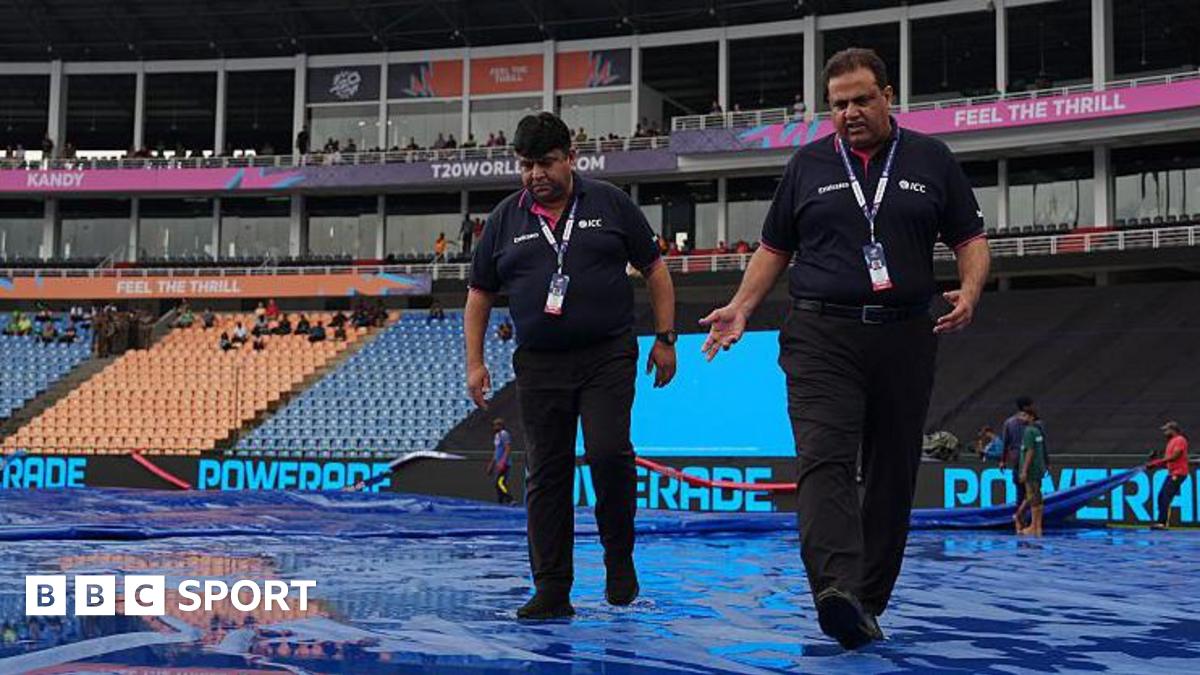
  • Rain ends Ireland & Australia’s T20 World Cup hopes

    Rain ends Ireland & Australia’s T20 World Cup hopes

    Persistent rainfall at Pallekele Cricket Stadium in Kandy delivered a crushing, weather-induced verdict on the T20 World Cup fates of Ireland and Australia on Tuesday. The highly anticipated Group B clash between Ireland and Zimbabwe was abandoned without a ball bowled, resulting in both teams sharing a single point. This outcome proved decisive, catapulting Zimbabwe into the Super 8s phase while simultaneously ending the campaigns of both Ireland and the reigning champions, Australia.

    The dramatic twist caps a rollercoaster series of events in the group. Zimbabwe’s stunning victory over Australia had set the stage for this finale, requiring just a single point from this match to advance. Ireland, in contrast, faced a must-win scenario to keep their own hopes alive. Australia, reeling from an eight-wicket defeat to Sri Lanka just a day earlier, found themselves in the unusual position of relying on an Irish victory to remain in contention for the next round.

    With the abandonment, Zimbabwe finishes with five points. Ireland’s campaign concludes with three points from their four completed matches. Australia, now mathematically eliminated, sits on two points with one inconsequential game remaining against Oman on Friday.

    Ireland’s stand-in captain, Lorcan Tucker, expressed profound disappointment. “It’s very disappointing to go out in this fashion but it’s completely uncontrollable,” he stated, reflecting on a tournament that saw his team build momentum too late. Tucker pinpointed a missed opportunity in their opening loss to Sri Lanka and emphasized the valuable experience gained by his squad, many of whom were competing in their first World Cup. “It’s really competitive and shows the pressure elite cricketers are under… We hope to have big moments in the next couple of years and prepare well for the next tournament,” he added.

    The focus now shifts to Colombo, where Zimbabwe will face Sri Lanka on Thursday to determine the Group B winner, though both teams have already secured their progression to the Super 8s.

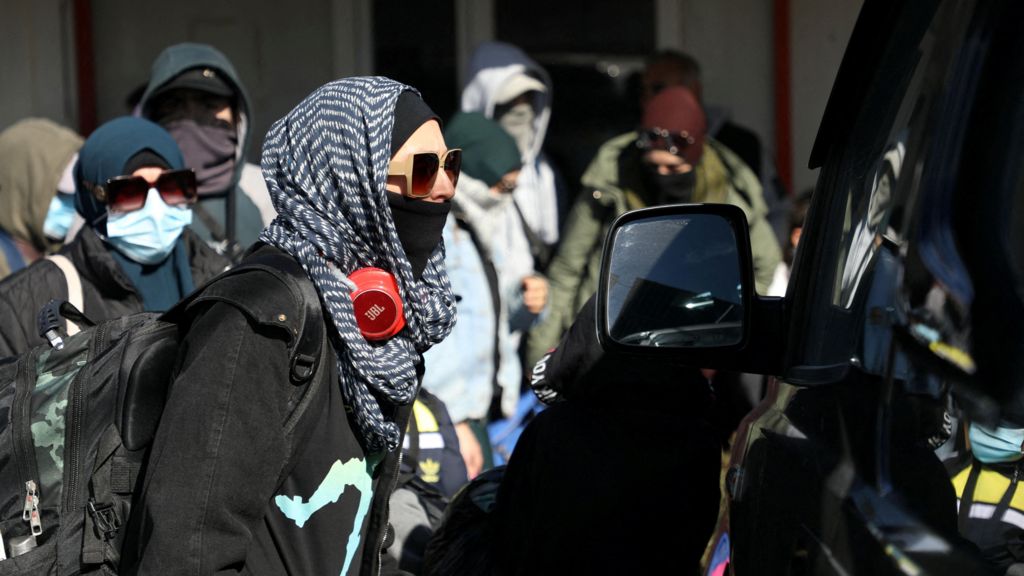
  • Australian IS families in Syria camp turned back after leaving for home

    Australian IS families in Syria camp turned back after leaving for home

    In a dramatic reversal, 34 Australian women and children with connections to the Islamic State group were temporarily released from Roj detention camp in northern Syria on Monday before being unexpectedly returned due to unspecified “technical reasons.” The group, detained for nearly seven years since IS lost its final territorial stronghold in 2019, had been handed over to family members and were en route to Damascus with military escort when their journey was interrupted.

    Australian media sources suggest the failed repatriation attempt may stem from coordination failures between the various factions governing the volatile region. The Australian government has maintained a consistent position of refusing official repatriation efforts for citizens with IS affiliations, emphasizing that any returning individuals who committed crimes would face full legal consequences.

    The detained Australians, believed to be wives and children of IS fighters, were reportedly planning to travel to Beirut to obtain passports through normal consular channels. The government acknowledges its obligation to issue passports to citizens presenting at Australian embassies, despite its resistance to organized repatriation from conflict zones.

    Roj camp houses over 2,000 individuals from 40 nationalities, primarily women and children with IS connections. Among the detainees is Shamima Begum, the British citizen stripped of her citizenship in 2019 on national security grounds. Camp director Hakmiyeh Ibrahim appealed to Australia and other nations: “Take your citizens, take these children and women,” warning that children are growing up surrounded by “dangerous ideas and ideologies” in the camp environment.

    The Australian government stated that security agencies continue monitoring the situation in Syria to prepare for any Australians seeking return, while emphasizing that national security and public safety remain the overriding priority. This incident echoes a similar 2022 repatriation of four Australian women and 13 children from Roj camp that generated significant domestic controversy.

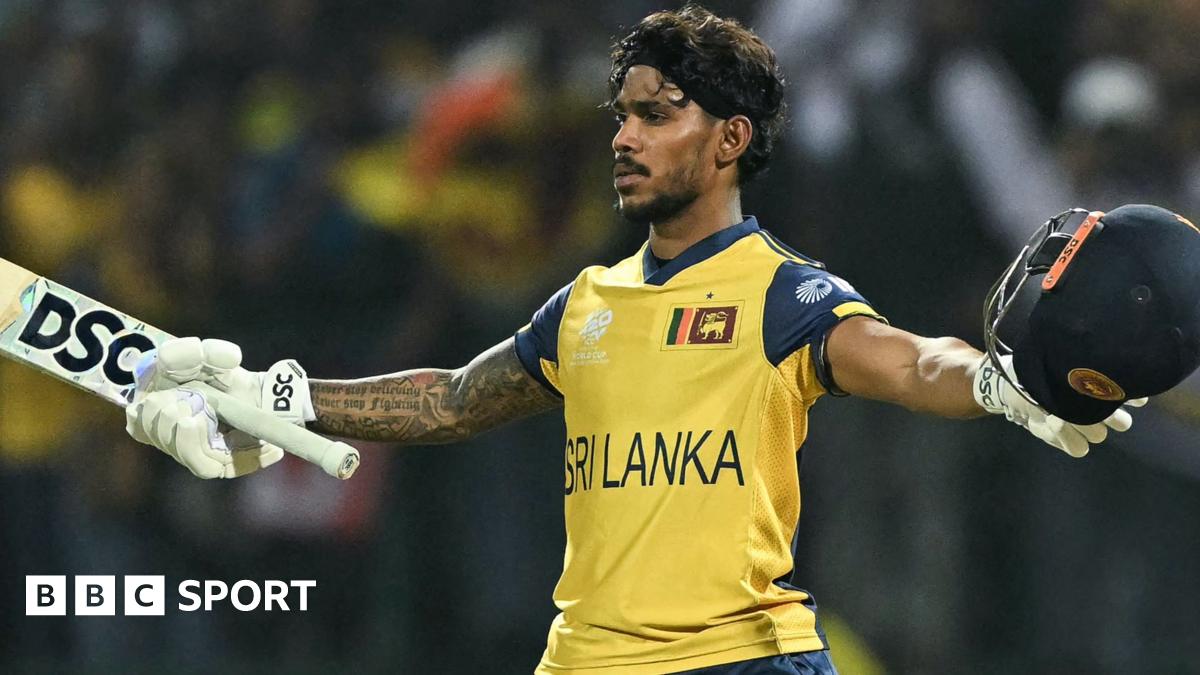
  • Australia on brink as Nissanka sends Sri Lanka through

    Australia on brink as Nissanka sends Sri Lanka through

    Sri Lankan opener Pathum Nissanka delivered a masterclass performance with an unbeaten 100 runs from just 52 balls, propelling his team to a decisive eight-wicket victory over Australia in the Men’s T20 World Cup. The stunning defeat leaves Australia’s tournament aspirations hanging by the thinnest of mathematical possibilities, requiring multiple favorable outcomes in remaining group matches to advance.

    The match at Pallekele International Cricket Stadium witnessed Australia’s dramatic collapse after establishing a seemingly solid foundation. Openers Travis Head (56 from 29 balls) and returning captain Mitchell Marsh (54) powered Australia to 104-0 within 8.2 overs before their innings unraveled spectacularly. The team lost their final five wickets for just seven runs across 14 deliveries, culminating in a total of 181 all out that proved insufficient against Sri Lanka’s dominant batting display.

    Nissanka’s extraordinary innings, described by commentators as “an innings for the ages,” blended raw power with technical precision. The 27-year-old strategically manipulated the leg-side field, scoring 46% of his runs through mid-wicket and square leg regions while demonstrating remarkable finesse with deft late cuts. His performance was complemented by wicketkeeper Kusal Mendis, who provided crucial support with a composed 51 from 38 balls for his third consecutive half-century of the tournament.

    Australia’s bowling attack, already weakened by the absence of injured pace trio Pat Cummins, Josh Hazlewood, and Mitchell Starc, appeared toothless against Sri Lanka’s calculated assault. The home team reached their target with two full overs to spare, securing their place in the Super 8 stage while leaving Australia dependent on other results.

    For Australia to qualify, Zimbabwe must lose both remaining matches against Ireland and Sri Lanka, while Australia must defeat Oman convincingly enough to overcome net run-rate disadvantages. The defeat marks a stunning reversal for the Australian squad, who suffered an earlier upset against Zimbabwe that compounded their current predicament.

    Adding to Nissanka’s exceptional day was a spectacular flying catch at backward point that dismissed the dangerous Glenn Maxwell, compensating for an earlier dropped chance. While Sri Lanka faces concern over pacer Matheesha Pathirana’s mid-match injury, the team enters the next round with significant momentum and crowd support behind them.

  • Smith added to Australia squad before crucial match

    Smith added to Australia squad before crucial match

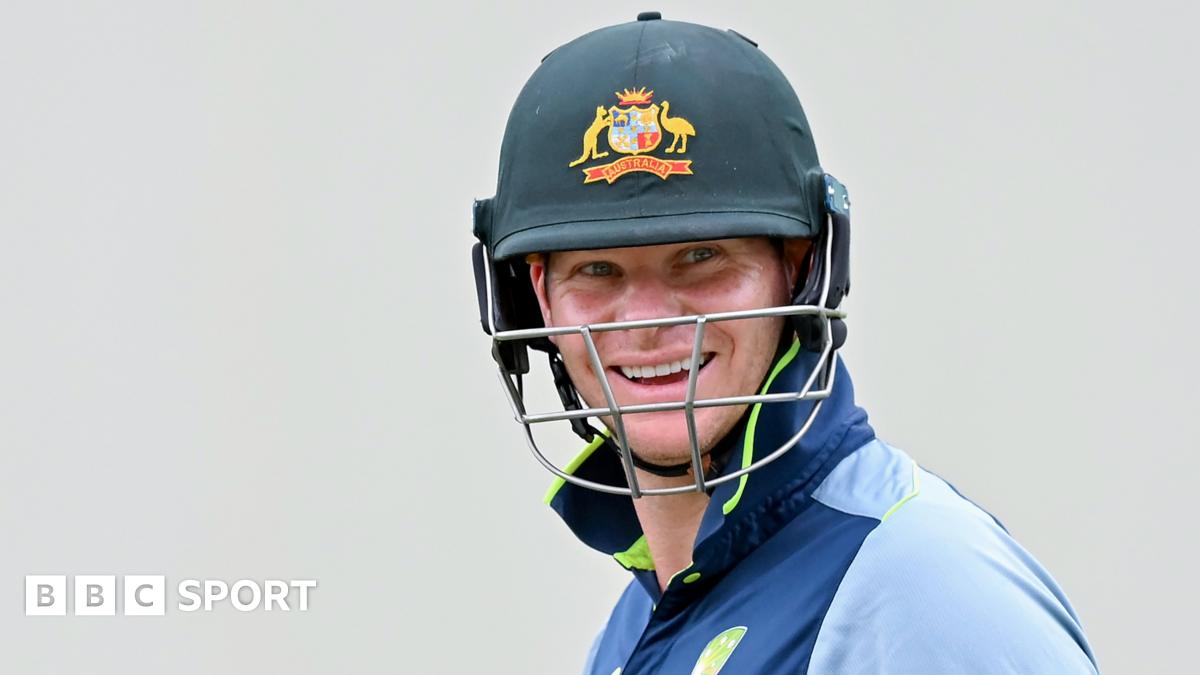
    In a strategic move to bolster their batting lineup, Australia has officially activated veteran batter Steve Smith for their pivotal T20 World Cup encounter against Sri Lanka in Pallekele on Monday. The 36-year-old traveled with the squad as emergency cover after captain Mitchell Marsh sustained a concerning injury described as ‘testicular bleeding’ during a recent match. Smith now formally enters the 15-man roster as the replacement for pace bowler Josh Hazlewood, who was ruled out of the tournament before its commencement. Chief selector Tony Dodemaide explained the decision, stating, ‘Given Steve’s presence here alongside some uncertainty surrounding Mitch and all-rounder Marcus Stoinis, it was logical to activate him and make him available for selection.’ Smith brings recent domestic form to the team, having scored a century and two half-centuries in just six Big Bash League appearances following the Ashes series in January. His inclusion comes at a critical juncture for the Australian team, which faces potential elimination after being bowled out for 146 runs in a shocking 23-run defeat to Zimbabwe. The team must now win their remaining matches and potentially rely on net run-rate calculations to advance to the Super 8 stage of the competition.

  • Bondi Beach shooting accused faces court for the first time

    Bondi Beach shooting accused faces court for the first time

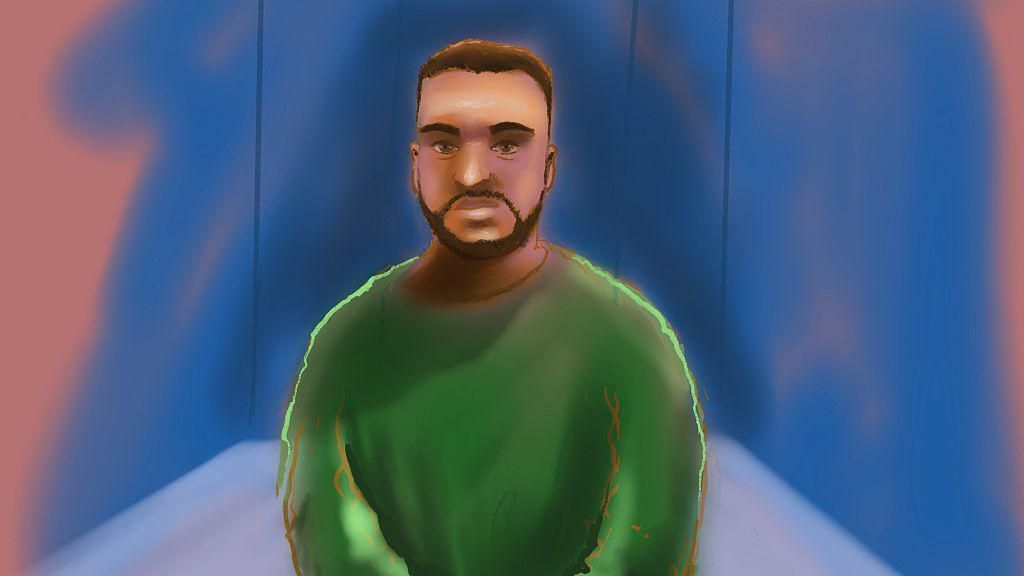
    Naveed Akram, the accused perpetrator of Australia’s deadliest mass shooting in nearly three decades, made his inaugural court appearance via video link from Goulburn Supermax Prison on Monday. The 24-year-old defendant, facing 59 criminal charges including 15 counts of murder and one terrorism offense, participated in the five-minute procedural hearing without visible emotion.

    The alleged December 14th attack targeted a Hanukkah celebration at Sydney’s iconic Bondi Beach, resulting in 15 fatalities and over 40 injuries. Akram’s father and alleged co-conspirator, 50-year-old Sajid, was fatally shot by responding police officers during the incident, while Naveed sustained critical injuries before being transferred to prison custody.

    During the brief session before Deputy Chief Magistrate Sharon Freund, Akram broke his two-month silence with a solitary verbal response. When questioned regarding suppression order extensions protecting survivors’ identities, he acknowledged with a terse “Yeah.” These judicial protections permit victims to self-identify voluntarily while shielding them from involuntary public exposure.

    Defense attorney Ben Archbold addressed media outside the courtroom, characterizing his client’s condition as “as well as can be expected” under the stringent conditions of Australia’s highest-security facility. Archbold emphasized the preliminary nature of legal proceedings, noting they await formal service of evidentiary materials before determining plea strategy.

    Previously disclosed court documents reveal disturbing premeditation evidence. The alleged perpetrators reportedly conducted months of meticulous planning, including physical reconnaissance at the attack site two days prior to the violence. Investigators recovered mobile phone footage from October depicting the duo positioned before an Islamic State banner while delivering ideological statements condemning Zionist actions.

    Additional footage allegedly captures the father-son pair conducting tactical firearms training in rural New South Wales, demonstrating shotgun proficiency and combat maneuvers. Among the tragically diverse victims were two rabbis, a Holocaust survivor, and a 10-year-old girl, highlighting the attack’s indiscriminate brutality.

    Akram remains scheduled for subsequent court proceedings in April as Australia’s judicial system continues to address this profound national tragedy.

  • Sussan Ley and the glass cliff: Does Australian politics still have a problem with women?

    Sussan Ley and the glass cliff: Does Australian politics still have a problem with women?

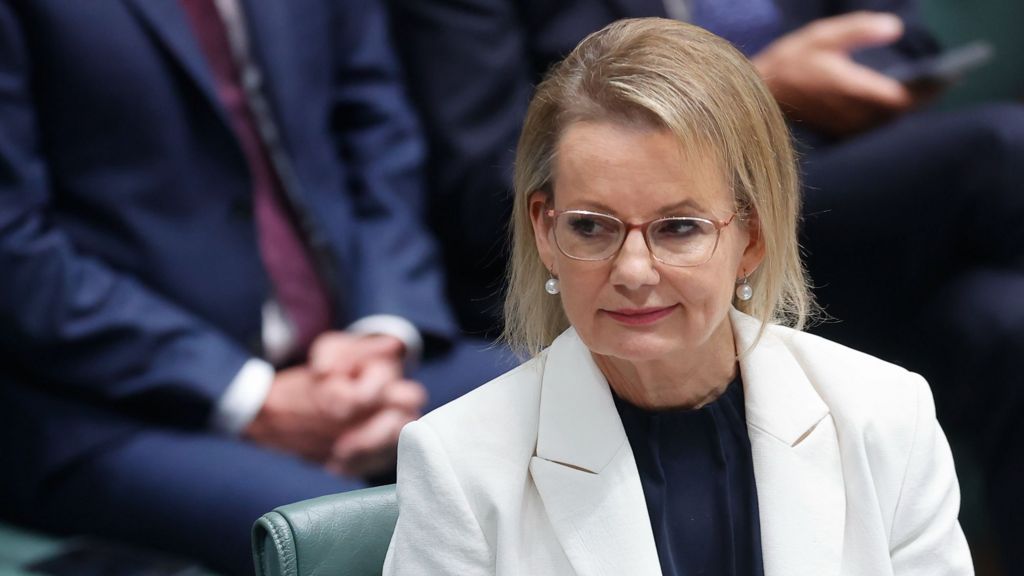
    Australia’s political landscape has been rocked by the dramatic ousting of Sussan Ley as Liberal Party leader after just nine months in the role, sparking intense debate about gender dynamics in conservative politics. Ley, who made history as the first woman to lead the Liberal Party, was replaced by Angus Taylor in a leadership ballot that saw Taylor prevail 34 votes to 17, with Senator Jane Hume elected as deputy leader.

    The leadership change comes amid what political analysts describe as a perfect storm of challenges for the opposition party. Following the most devastating election defeat in the modern Liberal Party’s history last May, the new leader faced the monumental task of unifying fractured party factions, managing a deteriorating coalition with the National Party, overhauling rejected policies, and repairing the party’s reputation with female voters who had abandoned them en masse.

    Ley’s brief tenure has reignited discussions about the ‘glass cliff’ phenomenon—where women and minorities are promoted to leadership positions during times of crisis, setting them up for higher failure risk. Professor Michelle Ryan, Director of the Global Institute for Women’s Leadership and coiner of the term, identified Ley’s situation as a textbook case: ‘There was just crisis on every front… it’s classic glass cliff.’

    Yet perspectives on Ley’s downfall diverge sharply. Her supporters argue gender played a significant role in her premature departure, claiming she was never given a fair chance to succeed. Her opponents, including veteran political commentator Niki Savva, counter that performance, not gender, determined her fate. Savva noted Ley’s approval rating had plummeted to negative 39—the worst performance for an opposition leader in 23 years—and criticized her lack of conviction on key issues.

    The leadership saga highlights broader questions about diversity in Australian politics. While the Labor Party has achieved gender parity in its caucus (57% women) through ambitious quotas implemented over three decades, the Coalition remains approximately one-third female and has resisted quota systems. This reluctance has contributed to the rise of independent female ‘Teal’ candidates who now dominate the crossbench.

    As Taylor assumes leadership, the Liberal Party faces mounting pressure to address internal disunity and better reflect modern Australia’s diversity. The rapid leadership change represents another chapter in the party’s ongoing struggle to adapt to contemporary political realities while maintaining its traditional base.

  • Sydney police to be investigated by watchdog after anti-Herzog protest violence

    Sydney police to be investigated by watchdog after anti-Herzog protest violence

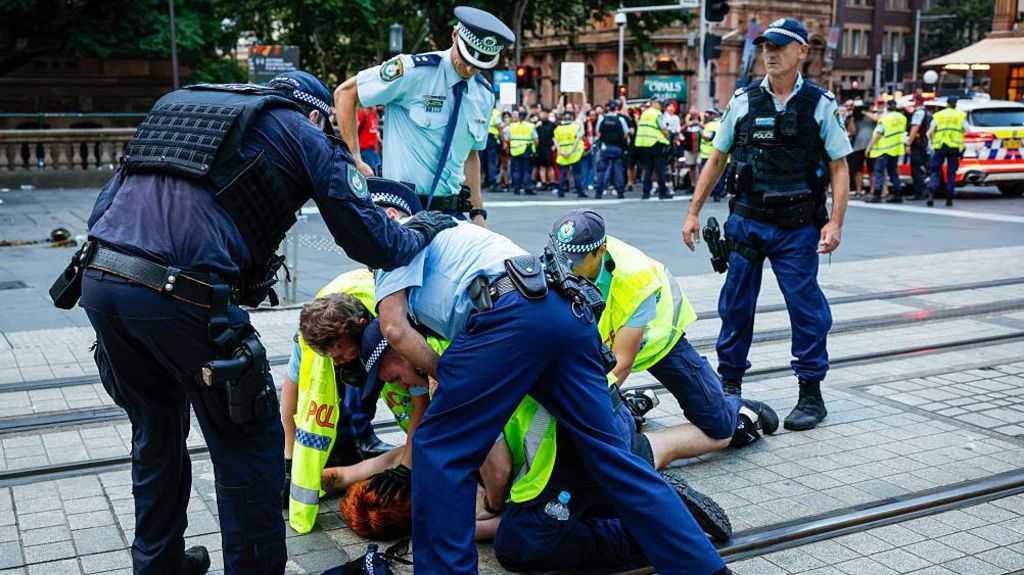
    Australia’s New South Wales (NSW) police oversight body has initiated a formal investigation into officer conduct during violent protests against Israeli President Isaac Herzog’s visit to Sydney. The Law Enforcement Conduct Commission (LECC) announced Friday it would examine Monday’s police operation following numerous public complaints alleging misconduct.

    Visual evidence circulating online appears to depict law enforcement personnel striking demonstrators and forcibly removing a group of Muslim men engaged in prayer. Among those reporting injuries was a state parliamentarian present at the rally. The Palestine Action Group (PAG), which organized the demonstration, has characterized the police response as exhibiting ‘all the hallmarks of a police riot’ targeting peaceful protesters.

    The controversy stems from thousands gathering to protest President Herzog’s Australian visit, with demonstrators accusing him of inciting genocide in Gaza—allegations he strongly denies. The government had extended the invitation following December’s antisemitic attack at Bondi Beach, intending to support the Jewish community’s healing process.

    NSW Police Commissioner Mal Lanyon previously praised officers’ ‘remarkable restraint,’ while Premier Chris Minns described police as being ‘put in an impossible situation.’ The Australian National Imams Council expressed dismay that police conduct didn’t reflect ‘the Australia we know,’ demanding an official apology.

    The LECC confirmed it would review all available evidence, including video footage, and conduct hearings before delivering a public report to state parliament. Twenty-seven arrests were made during the protest, with nine individuals subsequently charged, and ten officers reporting assaults.

    This incident occurs amid heightened tensions over newly implemented protest restrictions following the Bondi attack, which granted police expanded authority to designate ‘major events’ and control demonstration areas. Monday’s rally proceeded just thirty minutes after protesters failed to overturn these special designation powers in court.

  • Australia’s Liberal Party ousts first woman leader

    Australia’s Liberal Party ousts first woman leader

    In a significant political upheaval, Angus Taylor has successfully deposed Sussan Ley as leader of Australia’s Liberal Party, marking the end of her brief nine-month tenure. The leadership ballot concluded with a decisive 34-17 victory for Taylor, representing the party’s conservative faction and former shadow defense minister under Ley’s administration.

    This transition follows months of internal strife within the Liberal-National Coalition and consistently disappointing poll performances. Ley, who ascended to leadership after the coalition’s devastating electoral defeat in 2025, faced persistent challenges in maintaining party unity. The historic partnership between Liberals and Nationals fractured twice during her leadership—first immediately following the May election and again recently.

    Taylor, who narrowly lost to Ley in the previous leadership contest, brings a background as a former management consultant and parliamentary experience dating to 2013. He has served ministerial roles under former Prime Ministers Malcolm Turnbull and Scott Morrison. In a social media statement, Taylor characterized his election as “an immense honor” and expressed enthusiasm about collaborating with newly appointed deputy leader Jane Hume.

    Ley announced her immediate resignation from parliament and complete withdrawal from public life following the results. While expressing “no hard feelings” toward her successor, she delivered a pointed remark about the challenges of leadership, emphasizing the importance of “clear air, something that is not always afforded to leaders.”

    The Liberal-National Coalition has struggled to formulate a coherent response to their electoral collapse against Labor, particularly regarding energy and climate policy disagreements. Recent polling indicates concerning trends, with the populist One Nation Party—which secured merely 6% of the national vote last year—now surpassing the coalition to claim second place behind Labor.

    Reflecting on her tumultuous leadership experience, Ley described moments as “very tough” but drew parallels to her involvement in Canberra’s early punk rock movement, noting she would continue to find wisdom in “a fearless and honest belief in yourself.”

  • Ellis takes four wickets in Australia win

    Ellis takes four wickets in Australia win

    Australian cricketer Nathan Ellis delivered a masterclass in bowling precision during a T20 World Cup match against Ireland, securing a decisive victory for his team. The right-arm fast bowler achieved remarkable figures of 4 wickets for just 12 runs across 3.5 overs, demonstrating exceptional control and variation that dismantled Ireland’s batting lineup.

    The match, held at a World Cup venue, showcased Ellis’s ability to execute under pressure as he consistently found the right lengths and lines to trouble the Irish batsmen. His performance included a combination of deceptive slower balls, accurate yorkers, and well-disguised variations that proved too challenging for the opposition to handle.

    Australia’s comprehensive win strengthens their position in the tournament standings as they continue their campaign for T20 World Cup glory. The victory underscores the depth of Australia’s bowling resources, with Ellis emerging as a potent weapon in their attack alongside established stars.

    Cricket analysts have praised Ellis’s ability to perform on the world stage, noting his economical bowling and wicket-taking prowess came at crucial moments in the match. The performance has generated significant discussion among cricket enthusiasts about his potential role in Australia’s future matches throughout the tournament.

    The match footage, currently available to UK viewers through official broadcasting channels, captures Ellis’s dominant spell that effectively decided the contest in Australia’s favor.