标签: Oceania

大洋洲

  • US, Israel tactics diverge on Iran as Trump’s goals still ‘fuzzy’

    US, Israel tactics diverge on Iran as Trump’s goals still ‘fuzzy’

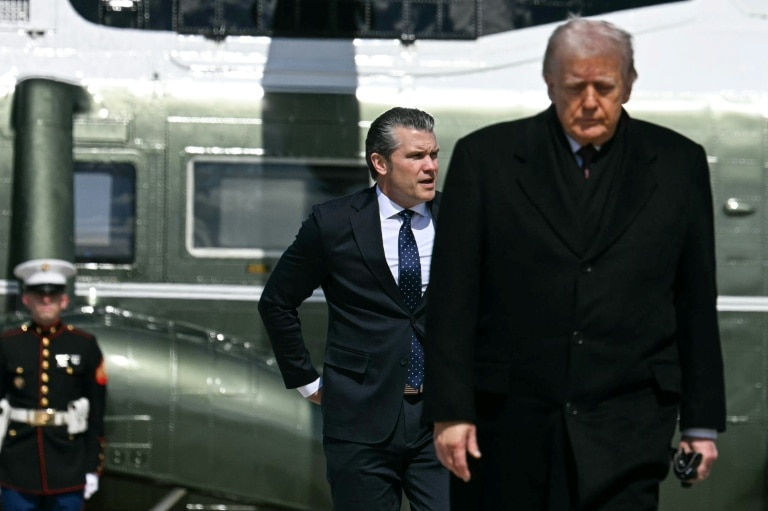
    A discernible tactical divergence is emerging between the United States and Israel regarding their ongoing confrontation with Iran, despite public displays of unity between President Donald Trump and Prime Minister Benjamin Netanyahu. This strategic split appears rooted in fundamentally different objectives and increasingly public disagreements over military operations.

    Recent weeks have revealed contrasting approaches: Israel has conducted aggressive strikes against Iranian infrastructure, including fuel depots around Tehran that blanketed the city of 10 million in toxic smoke, while the Trump administration has expressed unease about such escalatory actions. The divergence became particularly evident when Trump explicitly instructed Netanyahu against attacking Iran’s gas fields following Israeli strikes that prompted Iranian retaliation against Qatari energy facilities.

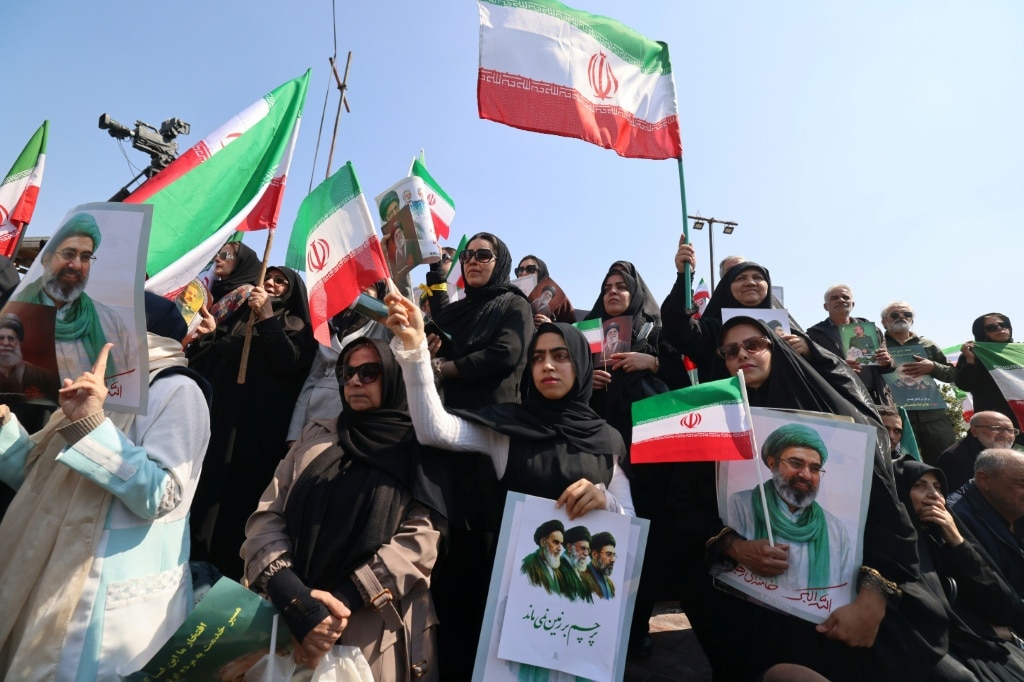
    Analysts point to a fundamental discrepancy in end goals. Israel under Netanyahu has consistently identified Iran’s clerical government as its primary regional adversary, openly pursuing regime change or at minimum its substantial weakening. Conversely, the Trump administration’s objectives remain deliberately ambiguous, with the president expressing hope for collaboration with elements within the Islamic Republic while simultaneously celebrating tactical military successes.

    This policy disconnect occurs against different domestic backdrops. Netanyahu faces elections where his close relationship with Trump represents a political asset, while Trump confronts an American public increasingly wary of conflict, including within his own base, amid rising gasoline prices and market volatility ahead of congressional elections.

    The conflict represents a paradigm shift for Israel, marking the first time it has fought as part of an alliance rather than independently. This new dynamic creates both opportunities and vulnerabilities, particularly given Trump’s demonstrated willingness to pressure Israel into ceasefires when conflicts threaten broader US interests.

    Foreign policy experts note that while both Iran and Israel have relatively clear strategic objectives—regime collapse versus regime survival—the unpredictable variable remains President Trump himself, whose statements about the conflict’s duration and goals have shifted dramatically, sometimes within hours. This uncertainty complicates alliance coordination and long-term planning, requiring observers to analyze psychological factors as much as traditional policy analysis.

  • Australian coal set for boom on back of Iran war

    Australian coal set for boom on back of Iran war

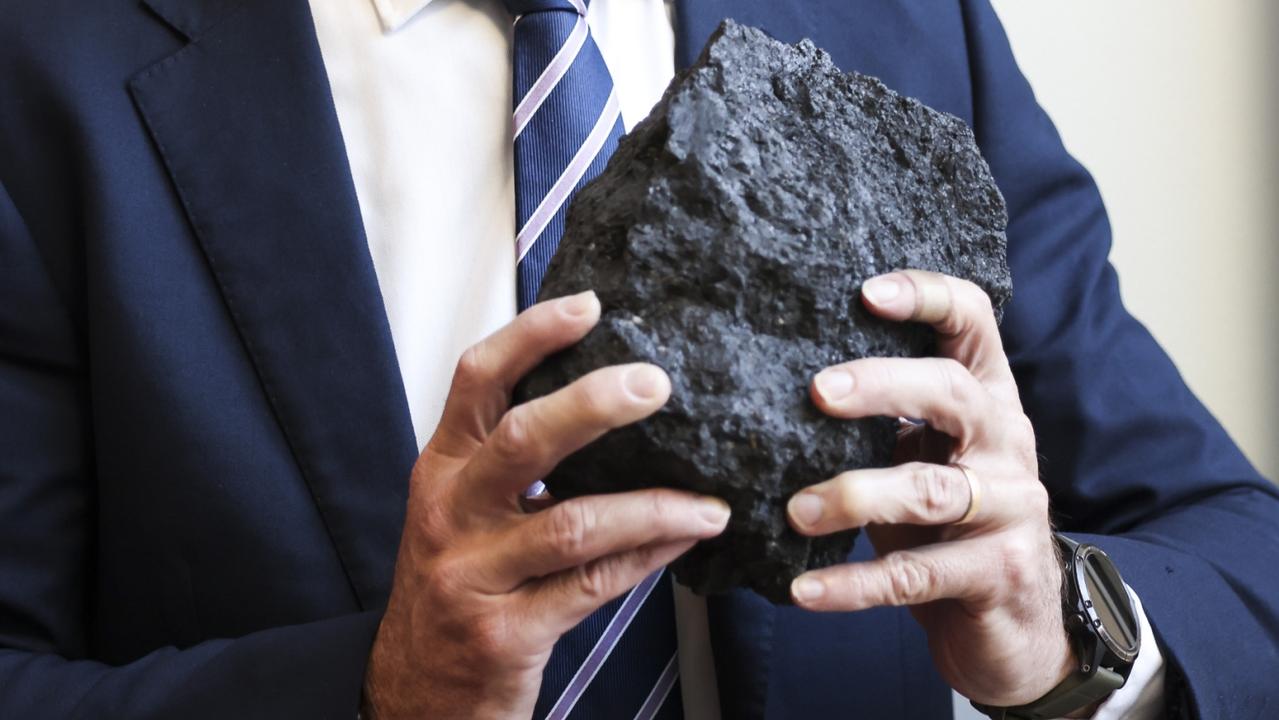
    A significant shift in global energy dynamics, triggered by the ongoing conflict in Iran, is generating substantial financial windfalls for Australia’s major coal producers. Leading financial agency Morningstar has substantially revised its valuation forecasts for key mining corporations, anticipating a sustained period of elevated earnings driven by disrupted energy exports from the Middle East.

    Analyst Jon Mills, in a recent market assessment, detailed comprehensive upward adjustments to fair value share price estimates for prominent Australian coal operators. New Hope Corporation received an 8 percent valuation increase, Glencore’s estimate rose by 6 percent, and Whitehaven Coal gained a 3 percent uplift according to Morningstar’s revised modeling.

    The financial reassessment accompanies a fundamental recalibration of thermal coal price projections. Morningstar has elevated its price forecast through 2028, increasing from $115 to $135 per metric ton, reflecting constrained global energy supplies. The strategic closure of the Strait of Hormuz has particularly disrupted liquefied natural gas (LNG) transportation to critical Asian markets, including Japan and South Korea.

    This supply constraint is driving accelerated thermal coal procurement as nations seek alternative energy sources to meet baseline requirements. The market dynamic is further intensified by potential supply reductions from Indonesia, currently the world’s largest coal exporter, creating additional upward pressure on global coal pricing.

    While New Hope and Whitehaven shares currently present moderate undervaluation according to Morningstar’s analysis, Glencore’s market position approaches fair valuation thresholds. All three corporations maintain extensive mining operations across New South Wales and Queensland regions.

    Concurrently, the NSW government announced a significant policy revision on Thursday, confirming it will cease approval of new coal mine applications while maintaining consideration for existing mine expansion projects. This regulatory development introduces additional complexity to long-term supply considerations within the sector.

  • Killer refused family plea before death – inquest

    Killer refused family plea before death – inquest

    An Australian coroner’s inquest has revealed that convicted murderer Bradley Murdoch, who died in July while serving a life sentence, refused to watch a heartfelt video appeal from the parents of his victim in his final weeks. The 66-year-old, terminally ill with throat cancer, rejected two separate attempts by Northern Territory detectives to obtain information about the whereabouts of Peter Falconio’s body, which has remained missing since the 2001 murder.

    The investigation detailed how police visited Murdoch in his Alice Springs prison cell on June 25th, carrying a specially recorded message from Joan and Luciano Falconio, created with assistance from Manchester police. Despite officers’ hopes that the emotional appeal might prompt a deathbed confession, Murdoch maintained his innocence and declined to view the recording. A subsequent visit to his palliative care facility one week later ended abruptly when Murdoch yelled at investigators to leave after just 30 seconds.

    Murdoch was convicted in December 2005 for the murder of 28-year-old Falconio from Huddersfield, who was shot dead on a remote stretch of the Stuart Highway near Barrow Creek while traveling Australia with his girlfriend Joanne Lees. The crime shocked both nations when Murdoch, then 43, faked vehicle trouble to stop the couple’s campervan before shooting Falconio and attempting to kidnap Lees, who managed to escape after several hours hiding in the outback.

    Despite DNA evidence linking him to the crime and two failed appeals, Murdoch never wavered from his claims of innocence. The Northern Territory’s “no body, no parole” legislation, introduced in 2016, would have prevented his parole eligibility in 2032 without disclosure of the remains’ location.

    Coroner Elisabeth Armitage confirmed Murdoch died from natural causes related to stage four cancer, noting he received “high quality and timely medical care” and was treated “in a compassionate and considerate manner” by correctional and health staff, despite criticism from Murdoch’s son regarding his father’s treatment.

  • War in the Middle East: latest developments

    War in the Middle East: latest developments

    The Middle East conflict has escalated into a widespread regional crisis with direct attacks on global energy infrastructure, triggering significant economic repercussions and heightened geopolitical tensions.

    Global energy markets experienced severe volatility following Iranian strikes on Qatar’s Ras Laffan Industrial Area, the world’s largest liquefied natural gas facility. Initial reports confirmed extensive damage to multiple LNG installations, prompting oil prices to surge by 10% and European gas prices to jump 35% amid supply disruption fears. Qatari authorities later contained the fires without reporting casualties, though damage assessment continues.

    Iran intensified its offensive across the Gulf region, with drone attacks targeting critical refineries in Saudi Arabia and Kuwait. A drone crashed into Saudi Arabia’s Samref refinery in Yanbu—a strategic terminal for the Petroline pipeline that bypasses the choked Strait of Hormuz. Simultaneously, Kuwait’s Mina Abdullah and Mina Al-Ahmadi refineries, with combined capacity of 800,000 barrels daily, suffered fire damage before being contained by emergency crews.

    The Islamic Republic issued renewed threats to destroy regional energy infrastructure if its facilities face counterattacks. Iranian lawmakers further proposed imposing tolls and taxes on vessels navigating the Strait of Hormuz, where maritime traffic has nearly halted since conflict initiation.

    International responses amplified as China condemned Israel’s targeted killing of Iranian national security chief Ali Larijani, labeling the act ‘unacceptable.’ Meanwhile, Iran executed three individuals convicted of killing police officers and allegedly conducting operations for the United States and Israel during recent unrest.

    Saudi Foreign Minister Prince Faisal bin Farhan declared the kingdom reserves the right to military response following repeated Iranian attacks, stating Saudi Arabia ‘will not succumb to pressure.’

    The conflict’s regional spillover claimed two fighters from Iraq’s Popular Mobilisation Forces in northern operations, with the group blaming Israel and the United States for the strikes.

    Commercial repercussions emerged as Cathay Pacific suspended flights to Dubai and Riyadh until April’s end, reflecting the conflict’s expanding impact on global connectivity and trade.

  • War in the Middle East: latest developments

    War in the Middle East: latest developments

    The Middle East conflict has intensified dramatically with a series of developments impacting global energy markets and regional stability. Multiple nations across the region reported significant incidents on Tuesday, highlighting the expanding nature of the ongoing hostilities.

    Energy infrastructure emerged as a primary target with Kuwait’s Mina Al-Ahmadi refinery suffering a drone attack that ignited a limited fire, though Kuwait Petroleum Corporation confirmed no injuries resulted from the incident. Simultaneously, Qatar faced severe challenges as civil defense teams battled blazes at the critical Ras Laffan Industrial Area following strikes that damaged multiple liquefied natural gas facilities. The UAE also reported shutting down a gas facility due to falling debris from missile interceptions.

    These energy sector attacks triggered immediate market reactions, with European gas prices surging up to 35% as the Dutch TTF natural gas benchmark contract jumped to €74 before moderating slightly.

    The conflict’s human toll continued to mount with Iran announcing the execution of three individuals convicted of killing police officers and allegedly conducting operations for the United States and Israel. In northern Iraq, the Popular Mobilisation Forces reported two fighters killed in strikes targeting the Nineveh region and Salah al-Din province, blaming Israel and the United States for the attacks.

    Diplomatic tensions flared as China strongly condemned Israel’s elimination of Iranian national security chief Ali Larijani, with Foreign Ministry spokesman Lin Jian calling the act ‘unacceptable’ and opposing ‘the use of force in international relations.’

    Saudi Arabia signaled potential military escalation with Foreign Minister Prince Faisal bin Farhan stating the kingdom ‘has reserved the right to take military actions if deemed necessary’ in response to repeated missile and drone attacks from Iran.

    The commercial impact spread globally as Hong Kong’s Cathay Pacific suspended flights to Dubai and Riyadh until month’s end, while maritime security agencies reported a projectile striking a vessel near the Strait of Hormuz, causing a fire.

    Amid the escalating situation, the U.S. Federal Reserve raised its inflation outlook citing economic uncertainty stemming from the conflict, even as former President Trump threatened to destroy Iran’s South Pars gas field if further attacks occurred against Qatari facilities.

    Israeli military officials vowed to continue targeting senior Iranian officials, confirming the elimination of Intelligence Minister Esmail Khatib and promising that ‘the series of eliminations will not stop.’

  • Australian sharemarket hammered as Middle East conflict pushes oil past $110 a barrel

    Australian sharemarket hammered as Middle East conflict pushes oil past $110 a barrel

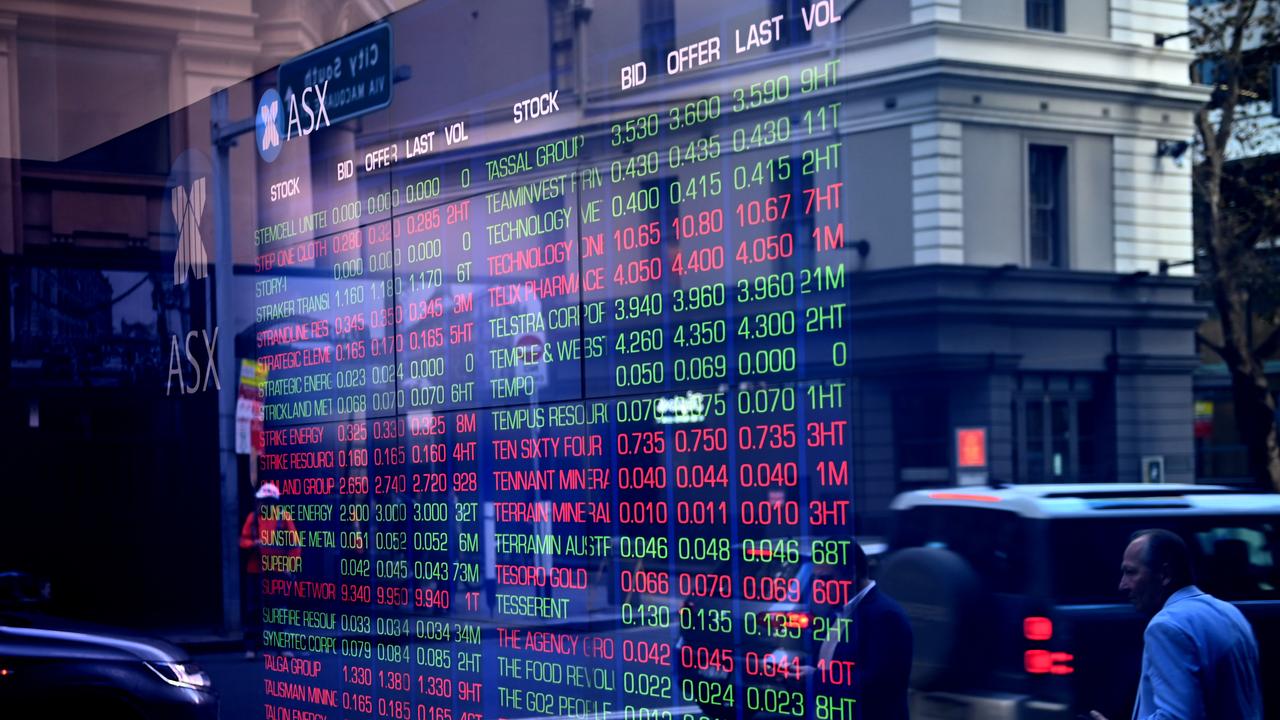
    Australia’s financial markets experienced a significant downturn on Thursday, with the benchmark ASX 200 plummeting 142.80 points (1.65%) to close at 8497.80, marking its lowest level in ten days. The broader All Ordinaries index similarly collapsed by 157 points (1.77%) to settle at 8690.70. This dramatic sell-off erased approximately $50 billion from market valuations, bringing the total decline to over $250 billion since escalating tensions emerged between the US/Israel and Iran.

    The market deterioration was primarily driven by two key factors: surging oil prices due to Middle East geopolitical conflicts and unexpectedly strong domestic employment data. The price of crude oil surged beyond $US110 per barrel following tit-for-tat strikes targeting critical Gulf infrastructure, including an Israeli air strike on Iran’s South Pars gas field and Iran’s retaliatory action against Qatar’s Ras Laffan LNG plant.

    Market sectors displayed pronounced divergence, with eight of the eleven major sectors finishing in negative territory. Mining stocks bore the brunt of the losses, collectively slumping 4.83% as higher fuel costs threatened operational margins. Industry giants BHP declined 3.47% to $48.35, Rio Tinto dropped 3.22% to $151.35, and Fortescue Metals fell 3.35% to $19.04.

    Technology shares also suffered substantial losses, declining 2.97% overall. WiseTech shares plunged 7.02% to $41.47, Xero dropped 3.04% to $76.98, and NextDC gave back 2.41% to $13.38.

    In contrast, energy stocks emerged as the standout performers, surging 5.08% as a sector amid rising fuel prices. Woodside Energy rallied 7.19% to $33.708, Santos jumped 3.22% to $8.02, and Ampol climbed 4.60% to $32.97. Viva Energy led all gainers with a remarkable 15.15% surge to $2.43.

    Mixed employment data further complicated market sentiment. Australia’s unemployment rate rose to 4.3% in February from 4.1% the previous month, though this was largely attributed to an increased participation rate with 48,000 Australians finding work, predominantly in part-time roles.

    According to IG market analyst Tony Sycamore, ‘The eerie calm that held over the ASX200 earlier this week has been shattered today, with the index plunging to a ten-day low, with no bounce to be seen. The damaging sell-off was primarily driven by heavy falls on Wall Street, which came on the heels of a significant escalation in the Middle East conflict.’

    EY senior economist Paula Gadsby noted that the relatively tight labor market conditions might provide the Reserve Bank with justification for potential rate hikes in May, stating that ‘Robust labour market conditions and low unemployment give the Reserve Bank room to battle inflation, but it will be a fine line to walk in preserving gains in the labour market.’

    The Australian dollar appreciated marginally by 0.11% against the US dollar to trade at 70.35 US cents.

  • AFL 2026: Melbourne captain Max Gawn took ownership of his marathon final quarter

    AFL 2026: Melbourne captain Max Gawn took ownership of his marathon final quarter

    In a dramatic opening to the AFL season, Melbourne Demons captain Max Gawn demonstrated exceptional leadership by personally deciding to play the entire final quarter without rest, ultimately securing his team’s narrow victory over St Kilda. New coach Steven King revealed the pivotal moment when Gawn, recognizing opponent Tom De Koning’s fatigue and his own command of the match, insisted on staying on the field during the critical final term.

    King, coaching his first game for Melbourne, expressed admiration for Gawn’s initiative, noting the stark contrast with St Kilda’s approach that saw their key player Nasiah Wanganeen-Milera benched for six crucial minutes late in the game. The coach described Gawn’s self-determination as emblematic of his commitment to the club and his role model status among teammates.

    The victory proved particularly significant for King, who admitted to approaching the game with concerns about the team’s preparation. Melbourne’s pre-season had been disrupted by multiple challenges including injuries, a player being bitten by a dog, another breaking an arm, and weather disruptions that limited their competitive preparation to just a single half of football.

    Despite these setbacks, the Demons demonstrated remarkable resilience in their season opener. The team now faces an even greater challenge as they prepare to meet Fremantle at Perth Stadium in the upcoming weekend, building on the momentum established by Gawn’s decisive leadership and the team’s collective determination.

  • Trump threatens to destroy Iran’s largest gas field

    Trump threatens to destroy Iran’s largest gas field

    In a significant escalation of Middle East hostilities, U.S. President Donald Trump has delivered a stark ultimatum to Iran, threatening to completely demolish the massive South Pars natural gas field unless Tehran immediately ceases its attacks on Qatari energy installations. The warning came as Iranian missile strikes caused substantial damage to Qatar’s Ras Laffan LNG facility, triggering a 5% surge in global crude oil prices and intensifying concerns about long-term damage to worldwide energy supplies.

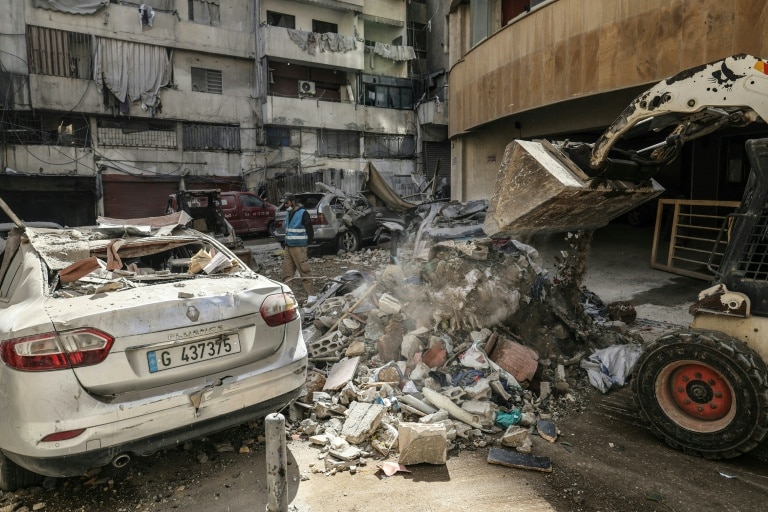
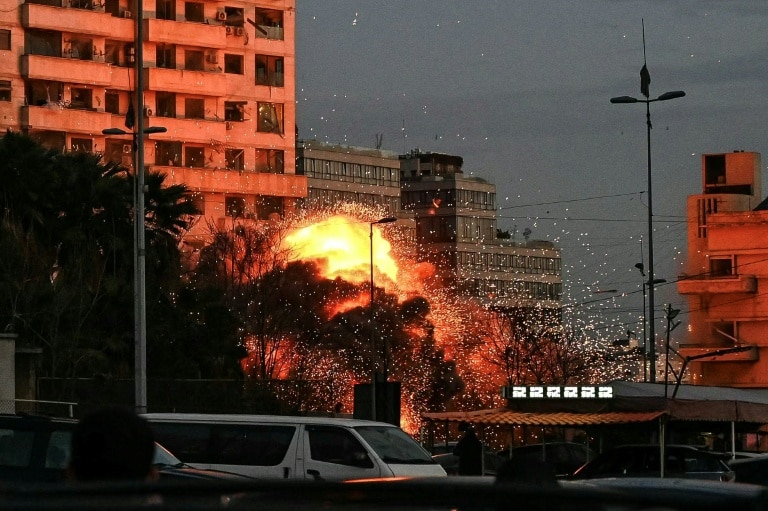
    The conflict, now in its third week, has created devastating humanitarian consequences across the region. Southern Lebanon has witnessed massive civilian displacements, with families fleeing to coastal cities like Sidon as fighting intensifies between Israeli forces and Hezbollah militants. Central Beirut has suffered multiple Israeli strikes, resulting in numerous casualties and creating desperate scenes of evacuation.

    Trump asserted that Washington had no prior knowledge of Israel’s initial strike on Iran’s South Pars facility, which triggered Tehran’s retaliatory campaign against Gulf energy targets. The U.S. president vowed that no further Israeli attacks would occur on the gas field if Iran halted its offensive operations, but promised catastrophic retaliation against the critical energy infrastructure should Tehran refuse compliance.

    The human cost continues to mount with reports indicating thousands of casualties in Iran from U.S.-Israeli strikes, while missile barrages have killed foreign workers in Israel and Palestinian women in the West Bank. The conflict has also decimated Iranian leadership through targeted assassinations, most recently claiming intelligence chief Esmail Khatib following the killing of security chief Ali Larijani.

    French President Emmanuel Macron has engaged in diplomatic efforts, conversing with both Trump and Qatar’s Emir while advocating for a moratorium on attacks targeting civilian infrastructure. Meanwhile, France’s foreign minister is scheduled to visit Lebanon to demonstrate solidarity with civilians caught in the escalating violence.

  • ‘Terrifying’ simulation video shows why Queenslanders must prepare for category 5 cyclone

    ‘Terrifying’ simulation video shows why Queenslanders must prepare for category 5 cyclone

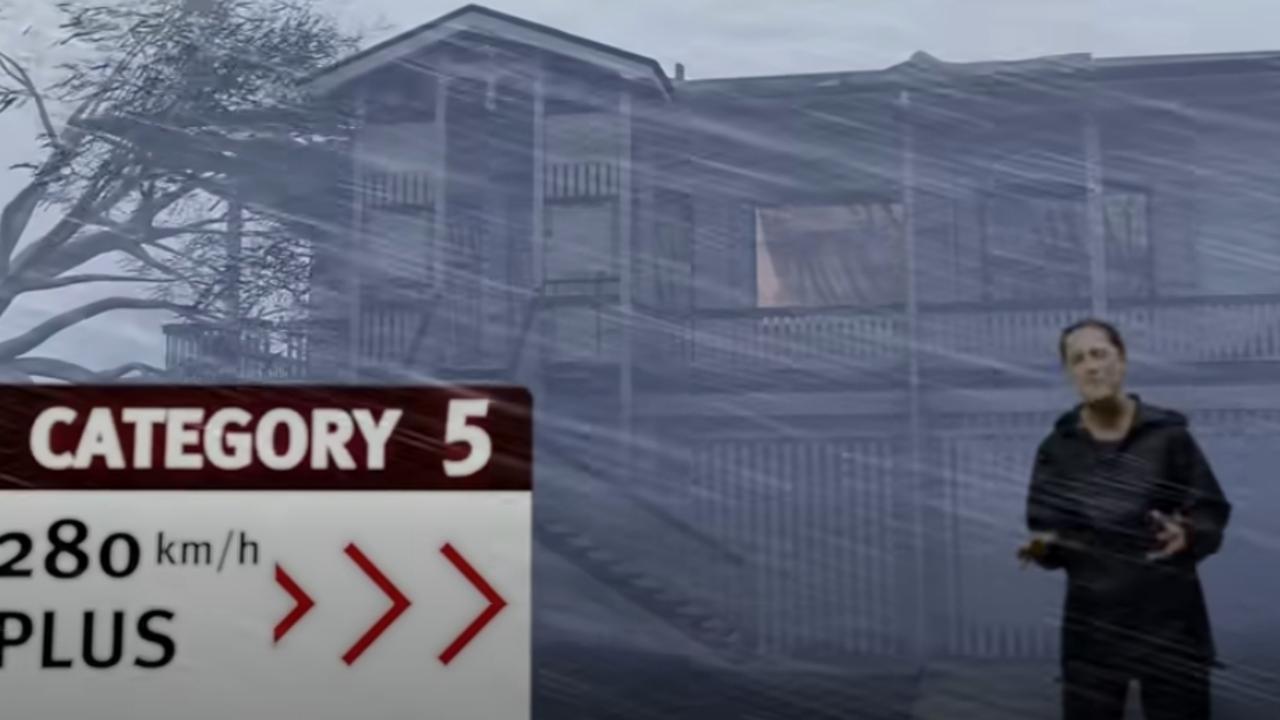
    Queensland authorities have launched a groundbreaking public safety initiative by releasing a harrowing simulation video depicting the catastrophic potential of Severe Tropical Cyclone Narelle. The Category 5 system, poised to strike Far North Queensland on Friday morning, represents the first landfall event on the Cape York Peninsula in over a century.

    The innovative visual presentation, disseminated through the Queensland government’s Get Ready Queensland program, features Senior Meteorologist Laura Boekel from the Bureau of Meteorology. Standing before a typical Queensland residence, Boekel delivers crucial preparedness guidance while the simulation progressively demonstrates the cyclone’s destructive escalation—from intensifying winds and rain to structural collapse and flying debris.

    Meteorological projections indicate wind velocities potentially reaching 260 kilometers per hour, accompanied by significant flood risks across Cape York Peninsula and North Tropical Coast regions. The simulation graphically illustrates additional hazards including flash flooding and water contamination from debris and wildlife.

    Queensland Premier David Crisafulli emphasized the urgency of preparation, stating, “The window to prepare is closing quickly,” while highlighting multiple threats including storm surges and flash flooding. State Disaster Coordinator Chris Stream provided grim assessment of the cyclone’s potential lethality, noting that wind forces could propel objects at fatal velocities exceeding 100 km/h.

    Emergency protocols have already been activated with evacuations conducted in Port Stewart and Lizard Island. Designated warning zones now extend from Lockhart River north to Cape Tribulation south, with remote communities establishing refuge shelters ahead of the system’s anticipated impact.

  • NSW to ban new coalmines in major shake-up for $23bn industry

    NSW to ban new coalmines in major shake-up for $23bn industry

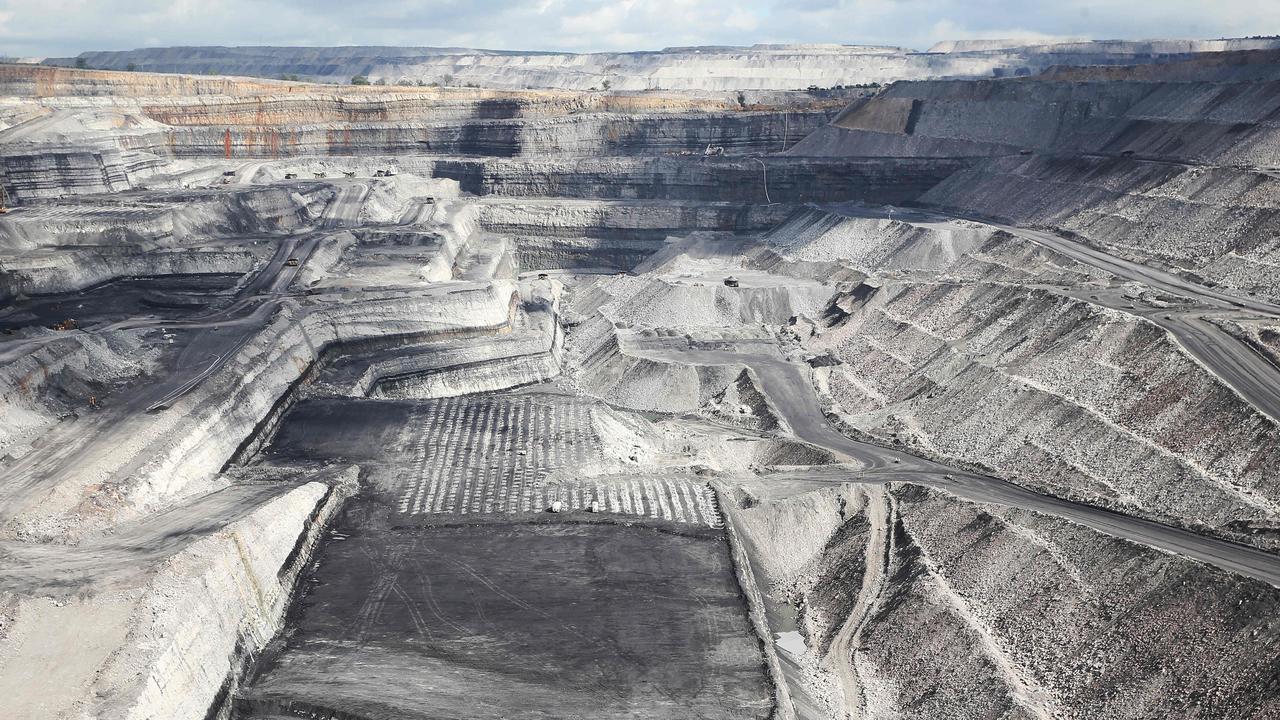
    In a groundbreaking policy shift for Australia, the New South Wales (NSW) government has announced a comprehensive 25-year plan that will prohibit the development of new ‘greenfield’ coal mines. This strategic framework, unveiled on Thursday, aims to balance economic realities with environmental commitments by allowing extensions to existing mine sites and adjacent exploration while halting entirely new mining projects.

    NSW Natural Resources Minister Courtney Houssos emphasized the continued importance of coal to the state’s economy, noting the industry employs approximately 23,800 people and generated an extraordinary $2.7 billion in royalties for 2025 alone. With coal exports valued at $23.4 billion serving 21 international trading partners, Minister Houssos acknowledged coal’s ‘long history’ in sustaining regional communities and funding essential services across NSW.

    The minister contextualized this policy within global energy transitions, noting that while key trading partners require NSW coal for energy security, the industry’s role is ‘evolving.’ The government anticipates thermal coal will remain part of global energy systems until the 2050s, with coal-fired stations in NSW expected to operate until retirement or replacement by renewable electricity by 2040.

    The policy provides that extension proposals will be evaluated individually, requiring compliance with environmental standards. Coal regions including the Hunter, Central West, Illawarra, and North West will receive support through the Future Jobs and Investment Authority during this transition.

    Federal Resources Minister Catherine King endorsed the move as providing ‘certainty for industry’ and workers across the Hunter Valley. However, the announcement comes alongside revelations that NSW’s emissions reduction projections fall significantly short of legislated targets, with Environment Minister Penny Sharpe admitting the state might only achieve 40-46% reductions by 2030 compared to the mandated 70% below pre-2005 levels.

    Environmental advocates including the Australian Conservation Foundation’s Freja Leonard welcomed the proposal as recognition of the coal industry’s decline, urging the government to plan for ‘the orderly phase out of coal mining and support for coal workers.’ This policy development follows the recent decision to extend operations at Australia’s largest coal-fired power plant, Eraring, until 2029 to ensure energy stability during the transition to renewables.