### Over 3,000 Unaccounted For, 750 Killed in Catastrophic Cross-Border Flash Floods
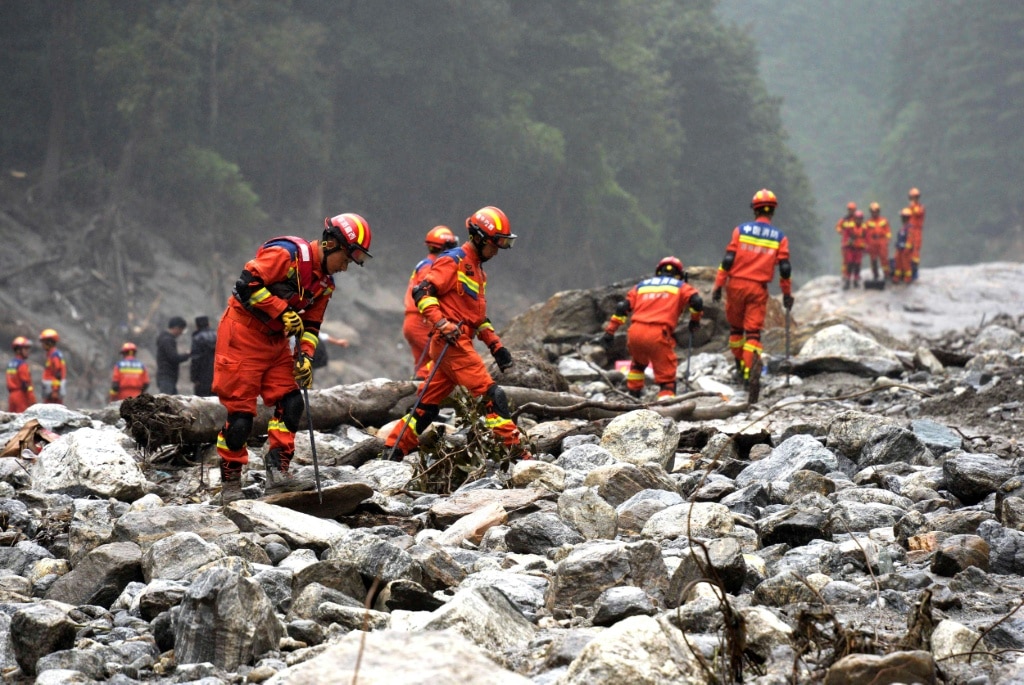
Deadly flash floods and massive landslides that tore through the Nepal-Tibet border region have left a staggering humanitarian toll, with updated official counts from Sunday putting the number of missing at more than 3,000 and confirmed fatalities at 750. Disaster response officials warn these numbers are almost certain to shift amid the widespread chaos and ongoing search operations that follow large-scale natural disasters, a common dynamic in the immediate aftermath of such events.
As of the latest update, Nepal’s national disaster management agency has raised the count of missing people on its side of the border to 2,498, with 734 confirmed deaths recorded in the country. Across the border in Tibet, China’s state broadcaster CCTV reported Sunday that 546 people remain unaccounted for, with 16 additional confirmed deaths. Combined, the total number of missing people across the two regions stands at 3,044.
A striking feature of this disaster is the large number of foreign nationals among the missing. Nepal’s disaster agency confirmed Sunday that 589 foreigners are unaccounted for on Nepali territory, an increase from the 517 reported just two days prior, though officials have not yet released a detailed breakdown by nationality. Chinese officials also reported Sunday that at least 261 foreign nationals are missing on the Tibetan side of the border.
In neighboring India, authorities have recovered seven bodies from cross-border rivers originating in Nepal that authorities believe are flood victims, though these remains have not yet been added to the official disaster toll.
#### Breakdown by Region and Nationality
On Nepali soil, disaster officials count 1,909 local citizens among the missing, with the hardest-hit district of Rasuwa accounting for 562 unaccounted for residents. Critical infrastructure workers make up a large share of the missing Nepali nationals: 933 employees working on hydropower development projects, 45 Nepali Army soldiers, 40 police and armed police officers, and 19 customs and immigration officials are still missing. CCTV also reports that 104 Nepali nationals are unaccounted for in Tibet.
For Chinese nationals, China’s foreign ministry confirmed Thursday that nearly 100 are missing in Nepal, while the Nepal Tourism Board records eight Chinese citizens unaccounted for on Nepali territory, with 18 others already rescued.
Multiple countries have confirmed large numbers of their citizens missing in the disaster. India’s foreign ministry reported Saturday that 275 Indian citizens are missing in Nepal, with an additional 128 people of Indian origin also unaccounted for. Notably, around 900 other Indian nationals on the Tibetan side of the border have been confirmed safe and reachable. Chinese state media reports that 49 Indian nationals are missing in Tibet.
The United States State Department confirmed Thursday that 90 U.S. citizens are missing, with three already rescued, and no confirmed U.S. fatalities reported to date. That figure differs from the Nepal Tourism Board’s Friday count of 65 missing U.S. citizens in Nepal with two rescued. Chinese state media adds that 18 U.S. citizens are missing in Tibet.
Ukraine’s embassy in Nepal revised its count of missing citizens upward to 62 on Friday, matching the Nepal Tourism Board’s count of 61 missing in Nepal, with one additional Ukrainian national missing in Tibet, per CCTV.
Other countries with citizens missing include Malaysia, with 51 missing in Nepal and three in Tibet; Australia, with 42 total missing as of Sunday; the United Kingdom, with 33 missing in Nepal and 15 in Tibet; Latvia, with 29 missing in Nepal and 33 in Tibet; and Canada, where the foreign ministry counts 30 total missing across Nepal and Tibet, compared to the Nepal Tourism Board’s 25 missing in Nepal, with six additional missing in Tibet.
Smaller numbers of missing citizens from more than 20 other countries have also been reported, including South Korea, Singapore, Germany, Russia, South Africa, Japan, New Zealand, France, Spain, Belgium, Hungary, Portugal, the Netherlands, Italy, Ireland, Kazakhstan, Finland, Israel, Lithuania, the Philippines, Serbia, Switzerland, Sweden, Vietnam, and Estonia, with counts varying slightly between Nepali and Chinese official sources as of Sunday’s updates.
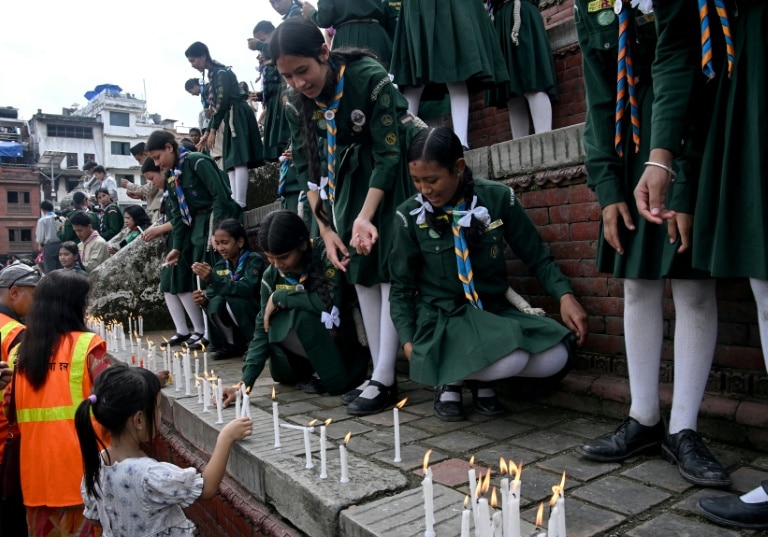
As search and rescue operations continue across the rugged border region, candlelight vigils have already been held for victims, including an event in Kathmandu on August 29 that was attended by Nepali scouts and community members mourning those lost to the disaster.