标签: Oceania

大洋洲

  • ‘New reality’ for Australia as One Nation surge takes hold in South Australia

    ‘New reality’ for Australia as One Nation surge takes hold in South Australia

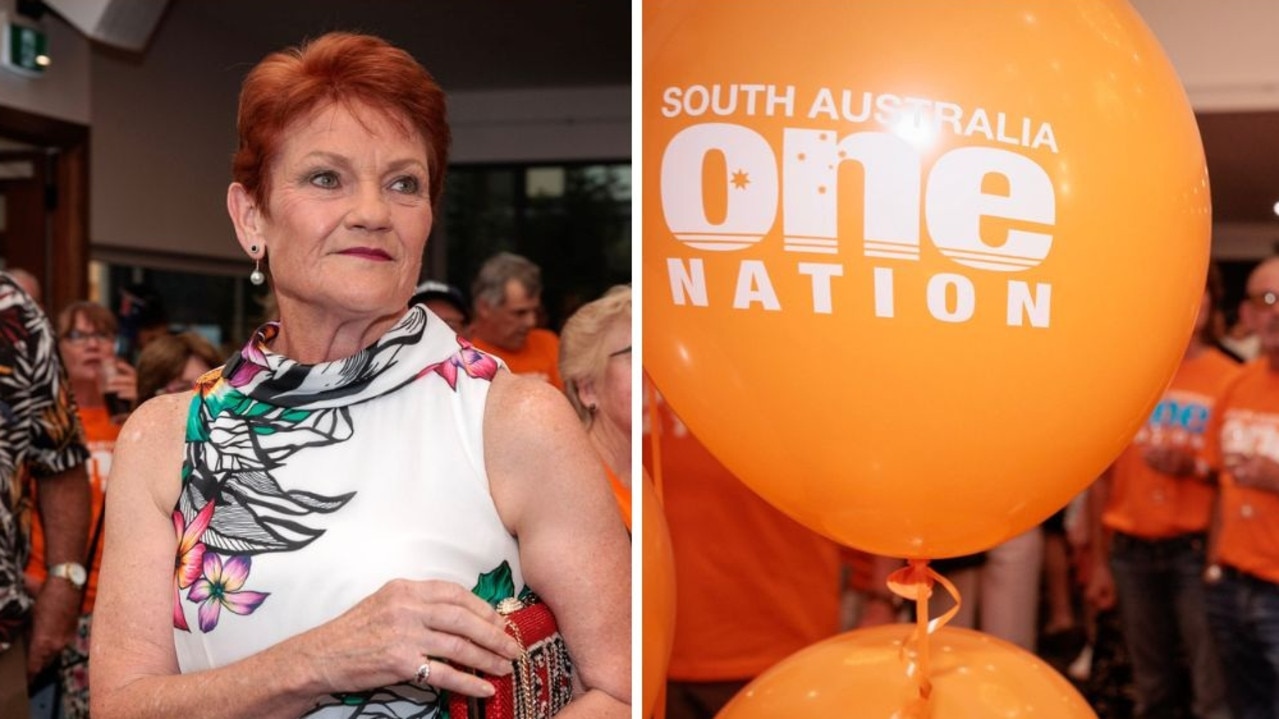
    Australia’s political establishment confronts an unprecedented fragmentation as Pauline Hanson’s One Nation party achieves a seismic electoral breakthrough in South Australia. The populist movement captured a substantial 21% of first-preference lower house votes, fundamentally altering traditional political dynamics and signaling voter disillusionment with mainstream parties.

    Flinders University political analyst Associate Professor Rob Manwaring characterizes this development as Australia’s entry into a ‘new political reality’ previously witnessed in European nations like Sweden, Germany and France over the past decade. Despite Labor’s technical victory with approximately 40% primary vote and the Liberal Party securing eight seats, the electoral landscape demonstrates increasing fluidity with a significant bloc of voters actively rejecting major party alternatives.

    The right-wing faction faces particular challenges according to Dr. Manwaring, who notes that internal division potentially benefits Labor by preventing consolidation of opposition forces. This dynamic manifests acutely in Sussan Ley’s former constituency of Farrer, where One Nation confronts both established parties and independent candidates while navigating complex preference flows.

    One Nation MP Barnaby Joyce acknowledged organizational hurdles, including candidate vetting challenges after one South Australian candidate reportedly faced assault charges in the United Kingdom. Joyce simultaneously dismissed leadership tensions with Senator Hanson while advocating for strategic voter prioritization of One Nation in upcoming Victorian and federal elections.

    Federal Employment Minister Amanda Rishworth emphasized the Liberal Party’s particular need to differentiate itself from populist alternatives, citing visible fraternization between Liberal Senator Alex Antic and former conservative politician Cory Bernardi during the campaign.

    South Australian Premier Peter Malinauskas, securing a second term despite voter fragmentation, observed that One Nation’s appeal extended beyond traditional conservative bases to include disaffected Labor supporters. He criticized the party’s campaign as rhetoric-heavy but policy-deficient, emphasizing mainstream parties’ dual responsibility to maintain cultural relevance while advancing substantive economic agendas focused on prosperity and opportunity distribution.
  • ‘Not there yet’: Why Australia is ‘not contemplating’ emergency fuel powers

    ‘Not there yet’: Why Australia is ‘not contemplating’ emergency fuel powers

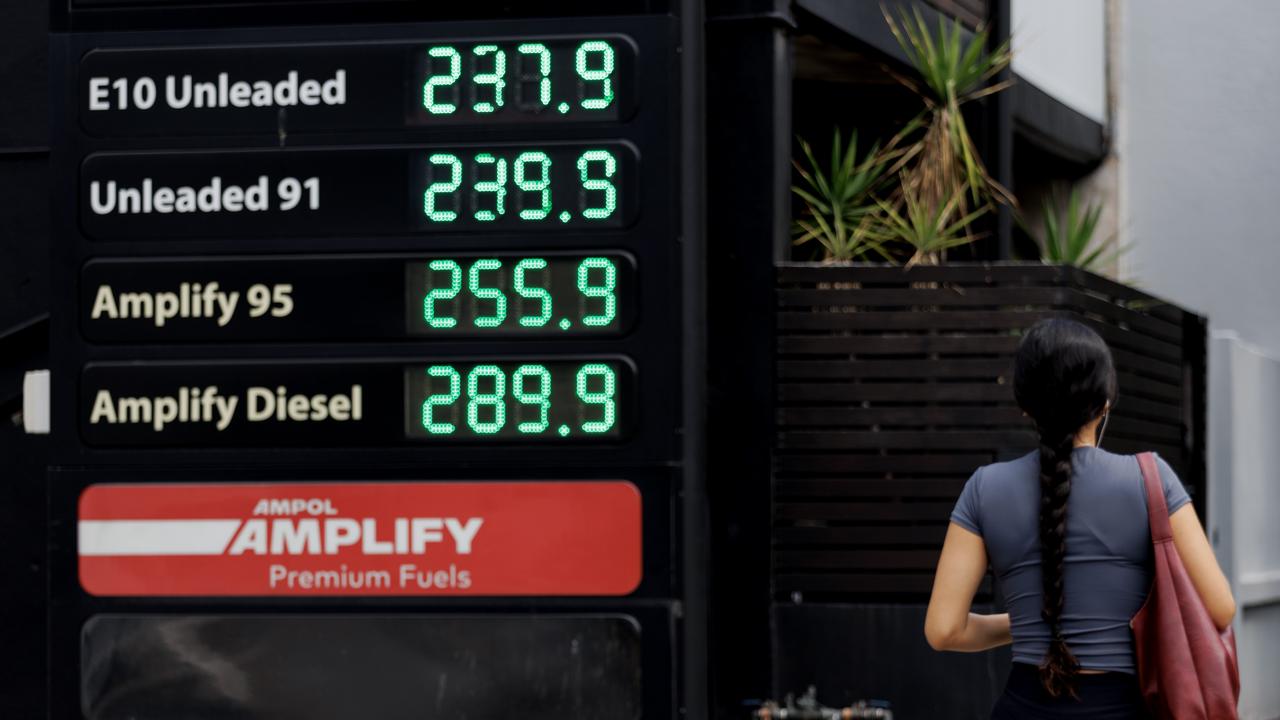
    Despite soaring fuel prices and sporadic station shortages across Australia, Energy Minister Chris Bowen has confirmed the Albanese government is “not contemplating” the activation of emergency fuel powers. The declaration comes as the nation’s strategic reserves show stabilization, with current supplies indicating 38 days of petrol and approximately 30 days of diesel and jet fuel availability.

    Minister Bowen, speaking on ABC Insiders, attributed recent supply challenges primarily to consumer panic buying rather than systemic failure. “Both our refineries are working absolutely full pelt,” Bowen stated, noting that fuel levels remain consistent with pre-crisis measurements despite market volatility.

    The government’s multi-pronged response has included controlled releases from strategic reserves, temporary adjustments to sulfur content standards, and the recent appointment of a fuel supply task force coordinator. While Bowen previously warned of potential shipment uncertainties from mid-April, he now reports only six cancelled shipments out of an average monthly total of 81, with alternatives being secured for affected deliveries.

    Australia’s fuel supply chain faces broader challenges as traditional Asian refiners in Malaysia, South Korea and Singapore reduce output. This has prompted diversification efforts including potential imports from the United States and India, though the latter raises concerns about indirectly supporting Russian oil exports through blended products.

    Bowen explicitly ruled out invoking the Liquid Fuel Emergency Act 1984—never used despite previous Gulf Wars and COVID—emphasizing its designation for extreme circumstances affecting defense and health sectors. Any implementation would require consultation with the National Oil Emergency Committee and approval from the Governor-General.

    With 74 of 80 expected fuel shipments scheduled for April and May, the government maintains that rationing measures remain distant possibilities under state jurisdiction, currently deemed unnecessary despite ongoing price pressures at the pump.

  • Records shattered as US heatwave moves eastward

    Records shattered as US heatwave moves eastward

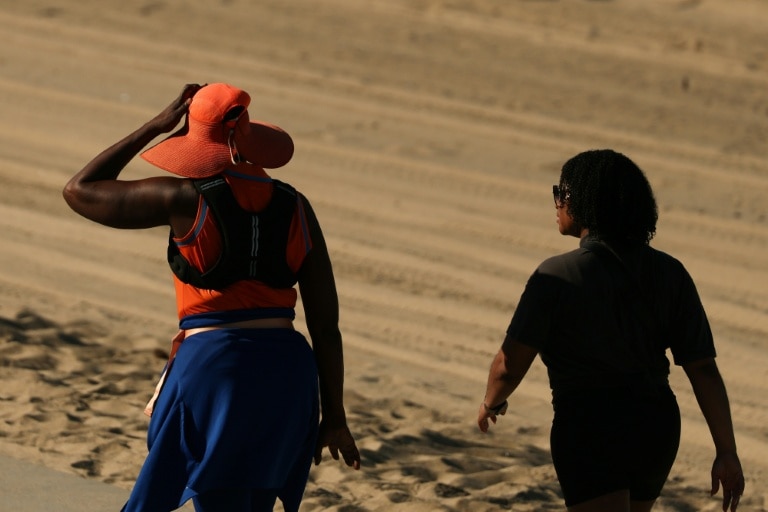
    An extraordinary heatwave of historic proportions continues its relentless advance across the United States, transitioning from western regions toward the nation’s heartland while establishing unprecedented temperature benchmarks for the month of March. Meteorological authorities confirm this anomalous weather event has rewritten climate records from California to Colorado, with numerous cities experiencing their highest March temperatures since record-keeping began.

    The thermal surge produced remarkable readings across central states on Saturday, with Kansas City, Missouri and North Platte, Nebraska both registering 92°F (33.3°C). The temperature escalation reached particularly dramatic proportions in Chanute, Kansas, where the mercury swung from a record low of 13°F (-10.5°C) on March 16 to a record high of 91°F (32.8°C) within just four days.

    Phoenix, Arizona witnessed its earliest occurrence of a daily minimum temperature at 70°F (21.1°C), while Denver, Grand Island (Nebraska), and Midland (Texas) all established new daily records. The heatwave’s intensity peaked Friday along the California-Arizona border, where temperatures reached 112°F (44.4°C) – setting a new national record for March.

    The National Weather Service has responded by issuing extreme heat warnings for desert regions and red flag warnings across Nebraska, Kansas and Oklahoma, indicating critically high wildfire risks due to dry conditions and elevated temperatures.

    Climate scientists emphasize that such extreme early-season heatwaves provide compelling evidence of accelerating global warming patterns, primarily driven by fossil fuel consumption. The unseasonable warmth coincides with the official transition from winter to spring in the northern hemisphere, disrupting ecological cycles and prompting unusually early vegetation growth following substantial December and January precipitation.

  • Australia joins UK, Japan pledging ‘appropriate efforts’ in Strait of Hormuz

    Australia joins UK, Japan pledging ‘appropriate efforts’ in Strait of Hormuz

    Australia has formally aligned with a coalition of nations pledging to ensure the security of the Strait of Hormuz, a critical global oil transit corridor severely disrupted by ongoing hostilities with Iran. The move comes as the strategic waterway faces a de facto closure, threatening international energy supplies.

    The commitment was solidified in a joint statement initially issued on March 19 by the United Kingdom, France, Germany, Italy, the Netherlands, Japan, and Canada. The document condemns Iran for its attacks on commercial shipping, which have effectively shut down the strait. On Sunday, the coalition expanded to include Australia, New Zealand, Estonia, Romania, Sweden, Norway, Bahrain, and the United Arab Emirates.

    The statement characterizes the disruptions to international shipping and global energy supply chains as a direct ‘threat to international peace and security’ under United Nations Security Council Resolution 2817. It calls for an immediate cessation of attacks on civilian infrastructure, including oil and gas installations. The coalition expressed its ‘readiness to contribute to appropriate efforts to ensure safe passage’ and endorsed the International Energy Agency’s decision to authorize a coordinated release of strategic petroleum reserves. Furthermore, signatories vowed to collaborate with oil-producing nations to increase output and stabilize volatile energy markets, emphasizing that ‘maritime security and freedom of navigation benefit all countries.’

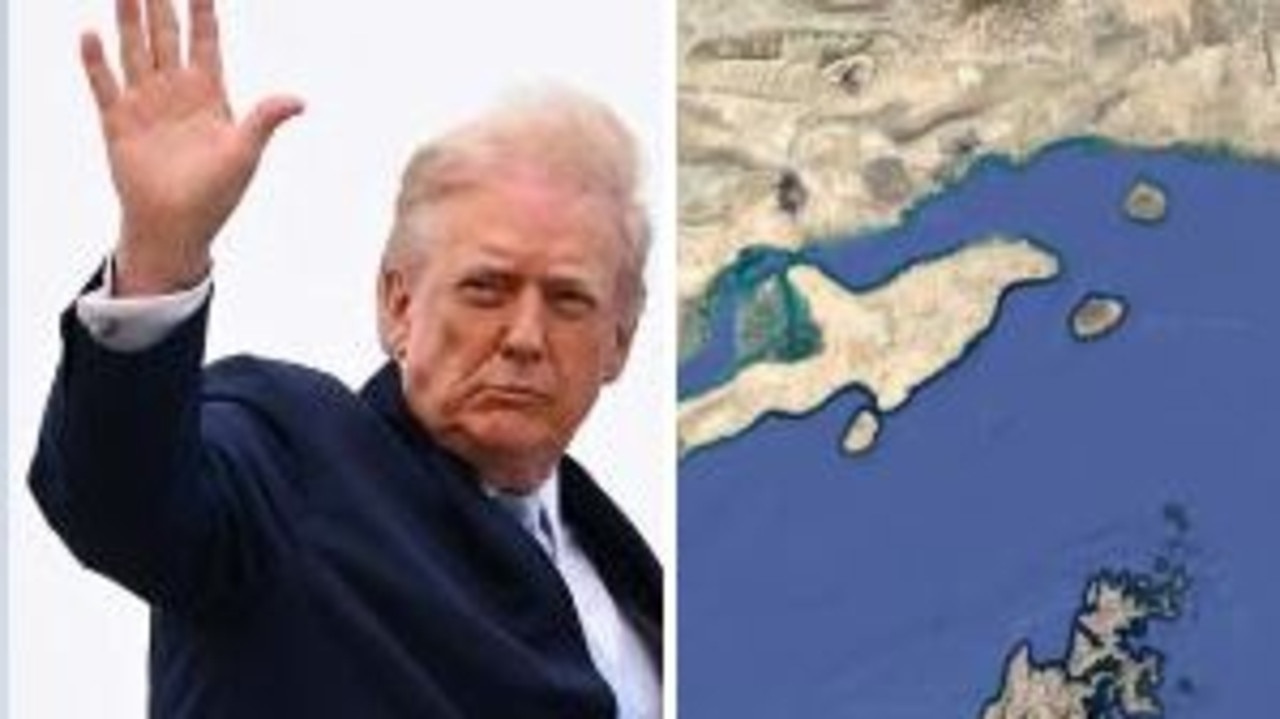
    This international response follows sustained pressure from U.S. President Donald Trump, who has been urging NATO and other allies to intensify defensive measures in the region. President Trump expressed surprise that Australian Prime Minister Anthony Albanese declined to deploy warships, noting, ‘I was a little bit surprised they said no… we always say yes to them.’

    Contrary to this expectation, Australian Defence Minister Richard Marles and Transport Minister Catherine King have consistently stated that while Australia has provided aircraft to assist with defense in the UAE, it has not received a formal request nor is it contemplating a naval deployment to the strait. The geopolitical tensions escalated further with reports of Iran firing missiles toward U.S.-UK military installations on the Chagos Islands, marking the Islamic Republic’s farthest-reaching attack in the three-week-old conflict.

  • Coalition election policy rethink opened ‘vacuum’ for Pauline Hanson, One Nation: Littleproud

    Coalition election policy rethink opened ‘vacuum’ for Pauline Hanson, One Nation: Littleproud

    Former Nationals leader David Littleproud has issued a stark warning to Australia’s major political parties, asserting that their wholesale abandonment of policy platforms following the Coalition’s devastating 2025 federal election defeat created a political vacuum effectively exploited by Pauline Hanson’s One Nation party. This assessment comes in the wake of South Australia’s state election, where One Nation achieved a remarkable breakthrough by capturing approximately 21% of first-preference votes in the lower house, while simultaneously outperforming the Liberal Party in upper house preferences with about 23% support. Despite Labor Premier Peter Malinauskas securing a decisive victory with nearly 40% of the primary vote, the election results revealed significant voter dissatisfaction with established political entities. Littleproud, who recently stepped down as Nationals leader citing fatigue, emphasized that contemporary polling data indicates no major party currently commands more than 30% primary support nationally. He characterized Hanson as a ‘consummate professional politician’ who capitalized on the Coalition’s strategic error of policy abandonment. One Nation is now positioned to secure at least two upper house seats, including one for state leader Cory Bernardi, plus potential lower house representation. The political landscape appears increasingly fragmented as traditional party allegiances weaken amid growing voter discontent.

  • Police shoot man in Logan who allegedly threatened them with knife

    Police shoot man in Logan who allegedly threatened them with knife

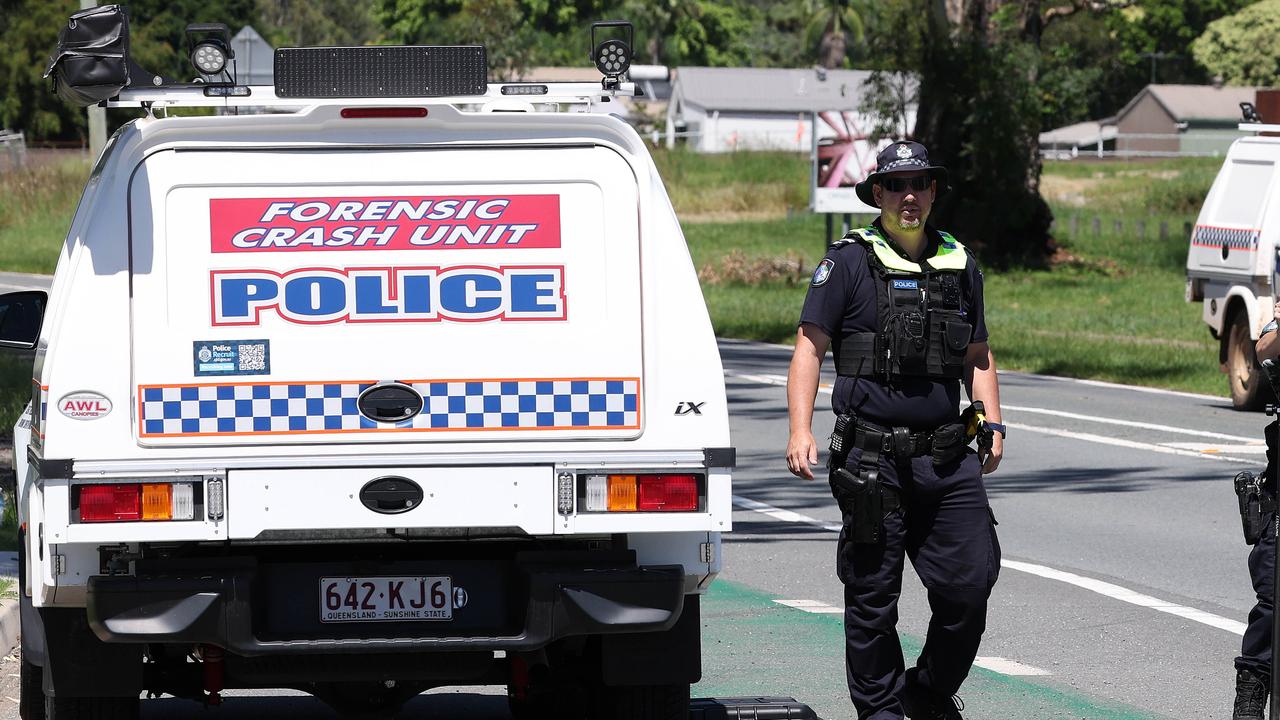
    In a tense overnight incident at Logan Central’s suburban shopping precinct, Queensland Police officers were compelled to use lethal force against a 27-year-old man allegedly brandishing a knife and making threats. The confrontation escalated when the individual reportedly advanced toward law enforcement personnel while armed with the weapon.

    Following the discharge of police firearms, the suspect sustained serious injuries. Officers promptly administered critical first aid at the scene before emergency services transported the man to Princess Alexandra Hospital for urgent medical treatment. Medical authorities have confirmed the individual is currently in stable condition.

    The Queensland Police Service has established a comprehensive crime scene perimeter, assuring local residents and business operators that all immediate threats to public safety have been neutralized. The Ethical Standards Command has initiated a formal investigation into the circumstances surrounding the officer-involved shooting, operating under the independent oversight of the Crime and Corruption Commission to ensure transparent and impartial proceedings.

    This incident marks another critical episode in Australia’s ongoing discussions regarding police response protocols to armed confrontations and the complex balance between public protection and appropriate force escalation in volatile situations.

  • Sweden’s Duplantis wins fourth world indoor pole vault title

    Sweden’s Duplantis wins fourth world indoor pole vault title

    Swedish pole vault phenomenon Armand Duplantis delivered a commanding performance at the World Athletics Indoor Championships in Torun, Poland, securing his record-equaling fourth world indoor title on Saturday. The Olympic champion returned to the venue where he first set a world record in 2020, demonstrating absolute technical mastery throughout the competition.

    Duplantis executed a flawless series of six consecutive clearances, culminating in a winning height of 6.25 meters. His strategic approach saw him unusually open the competition at 5.50m, gradually building momentum while maintaining perfect form at every elevation. The battle for podium positions unfolded beneath him, with Greece’s Emmanouil Karalis claiming silver with a 6.05m clearance and Australia’s Kurtis Marschall earning bronze at 6.00m.

    The competition intensified at the 6.00m mark, where Duplantis cleared effortlessly on his first attempt while Karalis initially struggled. As the bar rose to 6.05m, Karalis succeeded while Marschall and Norway’s Sondre Guttormsen were eliminated. The dramatic climax came at 6.20m, where Karalis nearly achieved a personal best before the bar trembled and fell.

    With the victory secured, Duplantis opted against attempting a world record at 6.31m, despite crowd anticipation. World Athletics president Sebastian Coe humorously noted the financial implications of Duplantis’s continued record-breaking performances, referencing the substantial bonuses awarded for world records. The Swedish athlete’s achievement matches the historic accomplishment of pole vault legend Sergey Bubka, who also won four world indoor titles during his career.

  • Iran missile hits Israeli town home to nuclear site after Natanz strike

    Iran missile hits Israeli town home to nuclear site after Natanz strike

    In a significant escalation of regional hostilities, an Iranian ballistic missile struck the Israeli town of Dimona on Saturday, a location of profound strategic importance due to its proximity to a nuclear facility widely believed to house Israel’s atomic arsenal. Tehran’s Revolutionary Guard Corps claimed the attack was a direct reprisal for a recent strike targeting its own Natanz uranium enrichment complex, an incident Iranian atomic energy officials attributed to the United States and Israel.

    The immediate aftermath in Dimona saw Magen David Adom emergency services treating 33 casualties, including a 10-year-old boy reported to be in serious condition from shrapnel wounds. Israeli defense forces confirmed a direct hit on a building and stated that missile interception protocols were activated. The exchange signifies a dangerous new chapter, moving the conflict beyond proxy warfare to direct state-on-state military engagements.

    Concurrently, the strategic Strait of Hormuz has become a critical flashpoint. A coalition of nations, including the UK, France, Germany, and the United Arab Emirates, issued a joint statement condemning Iran’s ‘de facto closure’ of the vital waterway, which facilitates a fifth of global oil shipments. In response, U.S. Central Command detailed operations that targeted and degraded Iranian coastal facilities housing anti-ship missiles and surveillance systems used to monitor vessel traffic.

    The economic ramifications are already being felt, with Brent crude oil prices surging over 50% in the past month to exceed $105 per barrel. Further demonstrating its extended reach, Iran launched a long-range ballistic missile attack toward the Diego Garcia military base, a joint UK-US asset in the Indian Ocean. Although unsuccessful, the attempt, utilizing a missile with an estimated 4,000 km range, signals Tehran’s capacity to threaten targets far beyond the immediate Middle Eastern theatre, potentially placing European capitals within range.

    Analysts note that despite weeks of heavy bombardment, Iran’s military-industrial infrastructure and its ability to project force have shown remarkable resilience, challenging initial assessments by the U.S. and its allies. The situation presents a complex challenge for global diplomacy, energy security, and regional stability, with no immediate path to de-escalation apparent.

  • Liverpool, Chelsea slip up in Champions League race

    Liverpool, Chelsea slip up in Champions League race

    The battle for Champions League qualification in the Premier League took dramatic turns this weekend as both Liverpool and Chelsea suffered significant defeats, reshaping the European competition landscape. Liverpool’s disappointing title defense continued with a 2-1 loss to Brighton at the Amex Stadium, marking their tenth league defeat this season. The Seagulls’ veteran forward Danny Welbeck delivered a standout performance with two crucial goals, demonstrating his enduring quality despite being overlooked for recent international selection. Meanwhile, Chelsea’s collapse was even more comprehensive, falling 3-0 to Everton at Goodison Park in a result that raises serious questions about their top-four credentials. The Blues’ fourth consecutive defeat across all competitions undermines their expensive squad rebuilding project and places manager Liam Rosenior under immediate pressure. These results have created unexpected opportunities for several chasing clubs, including Everton, Fulham, and Brentford, who now see renewed hope in their European qualification ambitions. With the Premier League likely securing five Champions League spots due to English clubs’ strong European performances, the race for these positions has become increasingly competitive and unpredictable as the season enters its final stages.

  • Robert Mueller, ex-FBI chief who led Trump-Russia inquiry, dead at 81

    Robert Mueller, ex-FBI chief who led Trump-Russia inquiry, dead at 81

    Robert Mueller, the esteemed former FBI director whose investigation into Russian election interference became a defining chapter in modern American politics, has passed away at age 81. The news of his death late Friday was confirmed through family statements to major US media outlets, though specific details regarding location and cause were not immediately disclosed.

    Mueller’s distinguished career spanned over four decades of public service, most notably his 12-year tenure as FBI director beginning just days before the catastrophic 9/11 terrorist attacks. During this period, he fundamentally transformed the bureau’s counterterrorism capabilities and earned bipartisan respect for his unwavering professionalism.

    His legacy became inextricably linked to his appointment as special counsel in 2017, when he was tasked with investigating alleged coordination between Russia and Donald Trump’s presidential campaign. For 22 months, Mueller operated with meticulous discretion before delivering a comprehensive report that concluded it could not exonerate the president of obstruction of justice.

    The politically charged investigation resulted in criminal charges against 34 individuals and three companies, including six Trump associates. The probe’s findings culminated in Mueller’s nationally televised congressional testimony in July 2019, where his reserved, methodical responses stood in stark contrast to the highly polarized political environment.

    Former President Trump responded to news of Mueller’s passing with characteristic vitriol on his Truth Social platform, writing: ‘Robert Mueller just died. Good, I’m glad he’s dead. He can no longer hurt innocent people!’

    Mueller’s background reflected a lifetime of service. A Princeton graduate and decorated Marine who received both the Bronze Star for valor and Purple Heart for combat wounds in Vietnam, he built a reputation as a ‘straight shooter’ and ‘consummate professional’ according to contemporaries including former FBI Director Christopher Wray.

    His prosecutorial career included high-profile cases against New York mobster John Gotti and Panamanian leader Manuel Noriega. Mueller’s appointment to lead the FBI in 2001 came during a period of institutional crisis following the Robert Hanssen spy scandal, with both Democratic and Republican leaders expressing confidence in his ability to restore the bureau’s integrity.

    Born in New York City in 1944 and raised on Manhattan’s Upper East Side, Mueller’s legacy remains that of a public servant who navigated some of the nation’s most sensitive investigations with apolitical dedication, despite the unprecedented political pressures that came to define his final government assignment.