标签: Oceania

大洋洲

  • Did Australia’s under-16s social media ban work?

    Did Australia’s under-16s social media ban work?

    Australia’s groundbreaking legislation prohibiting social media access for users under 16 has undergone its first significant evaluation three months post-implementation. The world-first regulatory measure, designed to protect minors from digital harm, has generated complex reactions among its intended beneficiaries.

    Teenagers across Australia report diverse experiences with the restrictive policy. Some acknowledge unexpected benefits including reduced screen time and decreased exposure to cyberbullying, while others describe sophisticated circumvention methods and increased social isolation. The technological enforcement mechanisms, primarily relying on age verification protocols, have demonstrated both successes and vulnerabilities in practical application.

    Digital privacy advocates have raised concerns about data collection requirements, noting that stringent age verification processes often necessitate sharing sensitive personal information. Meanwhile, mental health professionals observe mixed outcomes, with some adolescents experiencing reduced anxiety while others report feeling disconnected from peer networks and support systems.

    The Australian government’s radical approach represents the most aggressive attempt globally to regulate minors’ digital interactions. Early implementation data suggests variable compliance rates across different platforms, with major social media companies employing divergent adaptation strategies. Educational institutions report navigating new challenges in digital literacy instruction while balancing compliance requirements.

    This policy experiment continues to evolve as stakeholders assess its broader societal implications, potentially establishing precedents for other nations considering similar protective measures for young digital citizens.

  • Iranians mark Eid as Trump mulls winding down war

    Iranians mark Eid as Trump mulls winding down war

    As Iranian worshippers gathered for Eid al-Fitr prayers marking the end of Ramadan, the traditional celebrations unfolded against a backdrop of heightened military tensions and nuclear facility attacks. The spiritual occasion, typically led by Iran’s supreme leader, saw Ayatollah Mojtaba Khamenei remaining absent from public view following his recent ascension to power after his father’s death in a U.S.-Israeli strike.

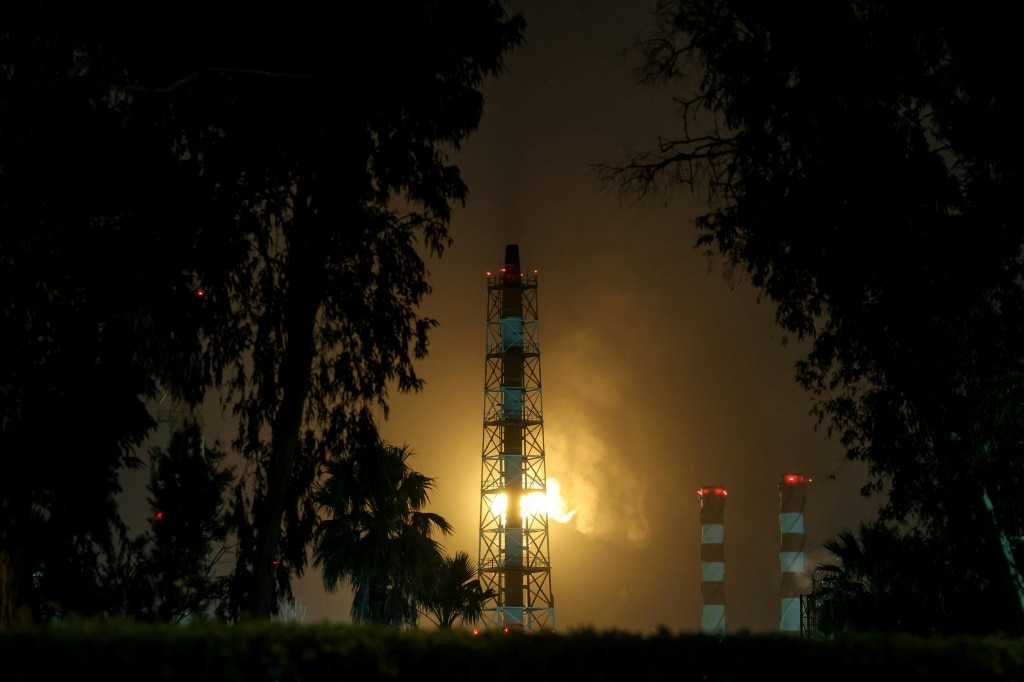
    In central Tehran’s Imam Khomeini grand mosque, judiciary head Gholam Hossein Mohseni Ejei presided over overflowing prayers, with worshippers spilling into surrounding streets. The religious observance coincided with reports of renewed attacks on Iran’s Natanz nuclear facility, which hosts underground centrifuges for uranium enrichment. Iran’s atomic energy organization confirmed the complex was targeted, though no nuclear material leakage was reported.

    The conflict, now entering its fourth week, has triggered global energy market disruptions with oil prices surging past $105 per barrel and the strategic Strait of Hormuz facing blockages. In a significant policy shift, the U.S. Treasury announced temporary sanctions relief for Iranian oil already loaded onto vessels before March 20, allowing deliveries through April 19.

    President Donald Trump signaled potential de-escalation, stating military objectives were nearly met and considering winding down Middle East operations. However, contradictory deployments emerged as U.S. media reported thousands of additional marines heading to the region, suggesting possible ground operations.

    The conflict has expanded beyond Iran-Israel hostilities, with Lebanon experiencing regular Israeli bombardments targeting Hezbollah strongholds. Lebanese health authorities reported over 1,000 fatalities and one million displaced persons, while Israel confirmed two soldier casualties in southern Lebanon.

    Russian President Vladimir Putin reaffirmed Moscow’s alliance with Tehran, offering support during what he termed ‘severe trials.’ Meanwhile, Trump criticized NATO allies as ‘cowards’ and demanded they secure the Strait of Hormuz, emphasizing that the U.S. should not bear sole responsibility for safeguarding the critical waterway.

    Iranian Foreign Minister Abbas Araghchi announced Tehran would impose shipping restrictions on countries involved in attacks against Iran while offering assistance to neutral vessels. The multifaceted conflict continues to reshape regional alliances and global energy markets with no immediate resolution in sight.

  • Matisse’s last years cut out — but not pasted — at Paris expo

    Matisse’s last years cut out — but not pasted — at Paris expo

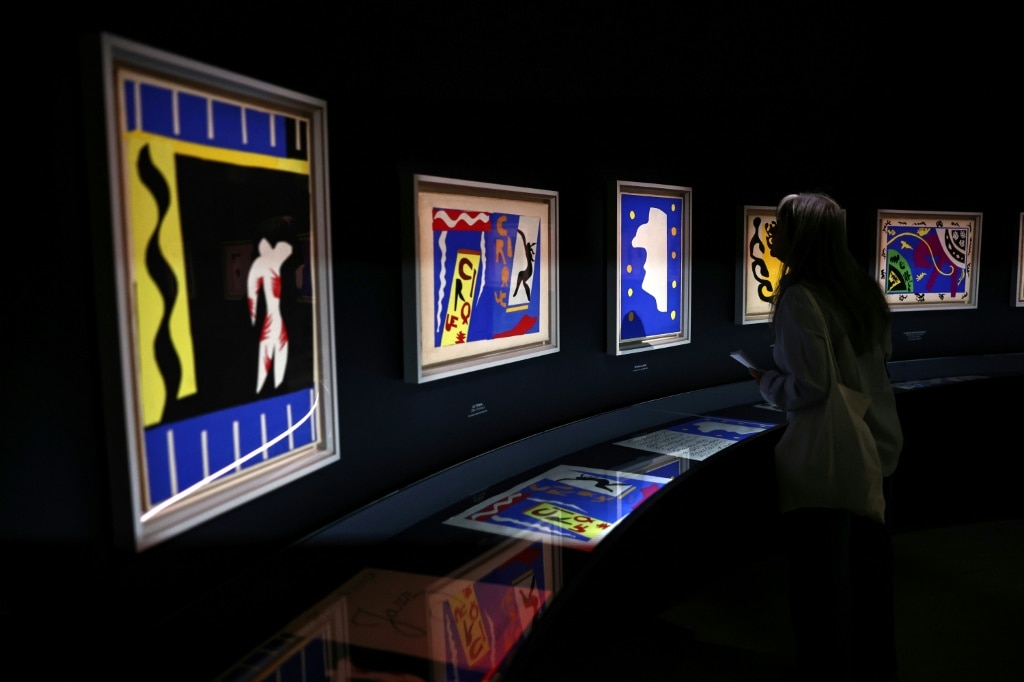
    A groundbreaking exhibition at Paris’s Grand Palais unveils the remarkable twilight years of Henri Matisse’s artistic journey, revealing an unexpected surge of creativity despite immense personal and historical challenges. ‘Matisse 1941-1954,’ opening Tuesday, presents 320 diverse works including paintings, sketches, textiles, and the artist’s iconic gouache cut-outs that defined his final creative period.

    The retrospective chronicles a profoundly difficult era marked by Nazi occupation—during which Matisse was labeled a ‘degenerate’ artist—and a near-fatal surgery in 1941 that left him partially disabled. Contrary to popular belief that he abandoned painting during this period, exhibition curator Claudine Grammont emphasizes that Matisse actually produced 75 paintings alongside his revolutionary cut-out works.

    ‘This represents the most prolific moment of his career,’ states Grammont, former director of the Matisse Museum in Nice. ‘It’s truly his apotheosis—a state of nonchalance, detachment, and ultimately, a moment of grace.’ The exhibition showcases seminal series including ‘Blue Nudes,’ ‘Jazz,’ and the monumental ‘La Gerbe’ (The Sheaf), demonstrating how the aging artist developed ‘a new iconographic vocabulary’ through his cut-out technique.

    Visitors will encounter four of the now-ubiquitous ‘Blue Nudes’ that have become cultural touchstones, along with the complete ornamentation for the Vence Chapel. The exhibition design recreates the intimacy of Matisse’s studio, with spacious rooms housing large gouache cut-outs once pinned to his walls. Grammont notes that Matisse often worked at night due to insomnia, producing 40 works in 1950 alone—an extraordinary output for an octogenarian.

    The exhibition runs until July 26, offering a comprehensive look at how physical limitation and historical turmoil ultimately fueled rather than hindered one of modern art’s most significant creative explosions.

  • Tributes flow following death of Rhoda Roberts, an Indigenous leader credited with coining term ‘Welcome to Country’

    Tributes flow following death of Rhoda Roberts, an Indigenous leader credited with coining term ‘Welcome to Country’

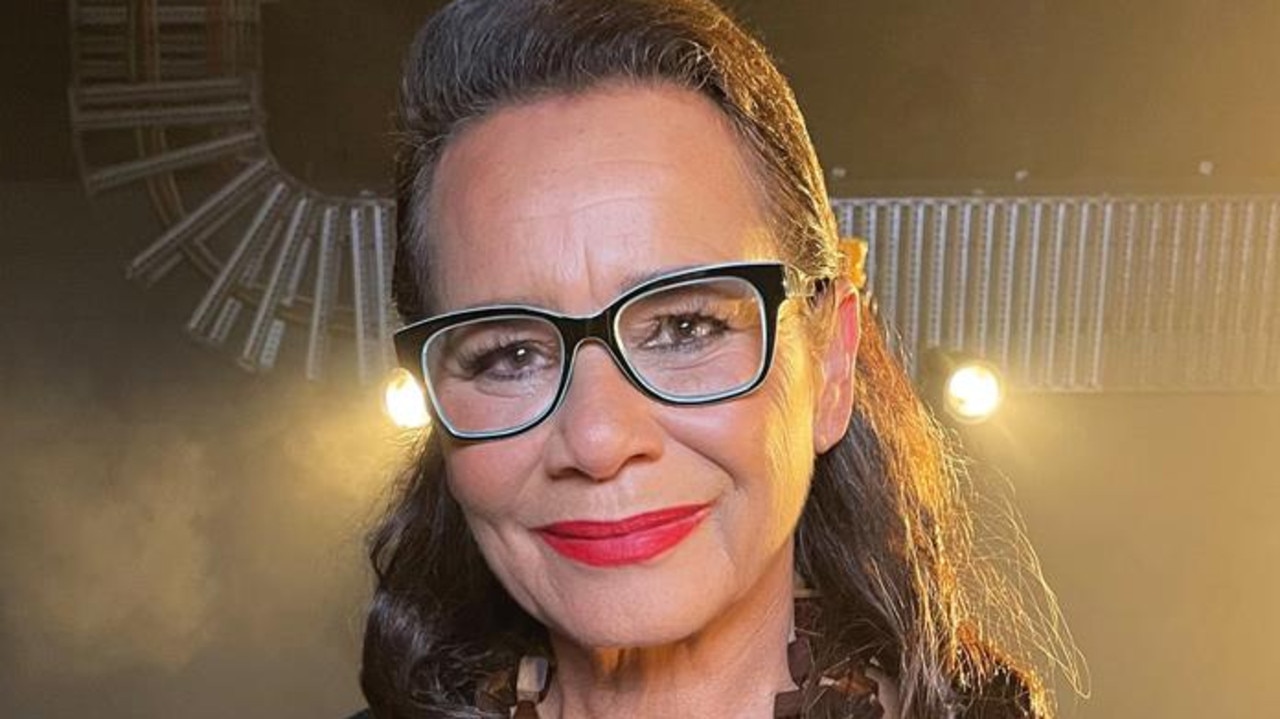
    Australia is mourning the loss of Rhoda Roberts AO, the pioneering Indigenous leader credited with creating the seminal phrase ‘Welcome to Country,’ who passed away at age 66 after battling a rare form of ovarian cancer. Her death on Saturday has triggered an outpouring of tributes from across the nation’s cultural, political, and media landscapes.

    Roberts’ multifaceted career spanned journalism, acting, and production, establishing her as a transformative figure in Australian cultural life. She made history as the first Indigenous presenter on prime-time Australian television, co-hosting the program ‘First In Line’ with Michael Johnson. Her foundational work extended to co-establishing the country’s inaugural national Aboriginal theatre company, The Aboriginal National Theatre Trust.

    In recognition of her extraordinary contributions to performing arts and Indigenous cultural advancement, Roberts was honored as an Officer of the Order of Australia. Her conceptualization of ‘Welcome to Country’ ceremonies has become an integral part of Australia’s national identity, formalizing recognition of Traditional Custodians at events nationwide.

    SBS’s First Nations Director Tanya Denning-Orman memorialized Roberts as ‘a fiercely proud Bundjalung woman’ who inspired generations. ‘She did not just lead change, she galvanised a sector, nurturing and guiding the leaders who are carrying the flame of change forward,’ Denning-Orman stated.

    Federal Home Affairs Minister Tony Burke acknowledged Roberts’ profound national impact, noting ‘For every step Rhoda took forward she took a generation of people with her. We have more creativity, more Australians dreaming bigger and a better understanding of our nation because of Rhoda Roberts.’

    SBS Chair Nicholas Pappas AM emphasized Roberts’ enduring legacy, describing her leadership as ‘bold, visionary, and grounded in cultural stewardship that has left an enduring mark on Australia’s creative and cultural life.’ Acting Managing Director Jane Palfreyman characterized Roberts as a ‘true trailblazer’ whose influence remains deeply embedded within the organization.

    Roberts’ family expressed their profound grief in an Instagram statement, noting ‘Words fail to capture the true love, depth, intelligence and warmth that was our beloved Rhoda. She will be so deeply missed, no one compared to our Rhoda and there will never be another like her.’

  • ‘Very dangerous’: Storm warning as 5cm hail batters western Sydney suburb

    ‘Very dangerous’: Storm warning as 5cm hail batters western Sydney suburb

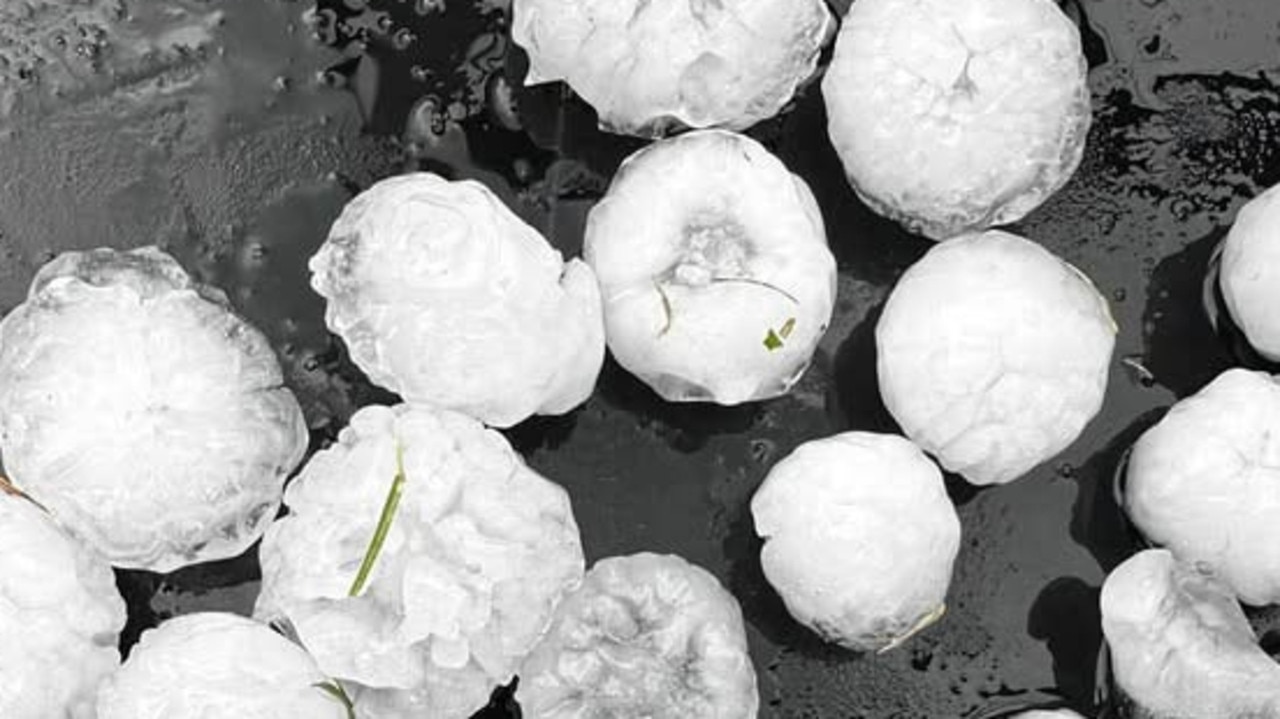
    Meteorological authorities have escalated weather warnings across Sydney as an intense thunderstorm system unleashes destructive conditions throughout the region. The Bureau of Meteorology confirmed record-breaking hailstones measuring up to 5 centimeters in diameter pummeled the western suburb of Penrith during the afternoon hours, accompanied by violent wind gusts reaching 91 km/h at Western Sydney Airport.

    The severe weather event has triggered comprehensive emergency responses across multiple districts. The NSW State Emergency Service has issued urgent directives for residents in Katoomba, Yass, Penrith, Lithgow, Jenolan Caves, and Springwood to seek immediate shelter indoors. Meteorological experts warn of potentially life-threatening flash flooding conditions developing across the Metropolitan, Central Tablelands, Southern Tablelands, Hunter, Illawarra, and South West Slopes regions.

    Emergency services have emphasized extreme danger surrounding floodwaters, specifically prohibiting pedestrian movement, cycling, or vehicle travel through inundated areas. The weather system continues generating additional threats including damaging wind patterns and substantial hail accumulation across expanded territories including the Central West Slopes, Plains, and Riverina Districts.

    Complementing the thunderstorm alerts, formal flood warnings remain active for multiple river systems including the Thomson River, Cooper Creek, Barcoo River, and the Lower Balonne and Bokhara River networks. Meteorological analysts project continued severe weather patterns throughout the evening hours, urging residents to monitor official emergency channels for real-time developments and safety instructions.

  • Phins up: Battle for Brisbane beckons after Herbie Farnworth leads the Dolphins to stunning win over the Sharks

    Phins up: Battle for Brisbane beckons after Herbie Farnworth leads the Dolphins to stunning win over the Sharks

    In a spectacular display of rugby league prowess, the Dolphins have decisively defeated the Cronulla Sharks with a commanding 38-10 victory at Ocean Protect Stadium. This triumph marks one of the most significant performances in the Dolphins’ franchise history as they prepare for next week’s highly anticipated ‘Battle for Brisbane’ derby against the Broncos.

    The match transformed into a showcase of strategic excellence as Herbie Farnworth emerged as an offensive powerhouse on the left flank, consistently breaching the Sharks’ defensive lines. The Dolphins’ attack demonstrated remarkable coordination, with halfback Isaiya Katoa delivering a precision long pass that enabled Jamayne Isaako to score. However, the foundation of their victory was built upon an impenetrable defensive strategy that systematically neutralized the Sharks’ offensive efforts throughout the contest.

    Defensive excellence became the defining characteristic of the match as Kristian Woolf’s squad executed a masterclass in containment football. Their tactical approach effectively silenced both the Sharks’ attack and the home crowd, culminating in a critical goal-line stand that denied Sam Stonestreet a certain try with 18 minutes remaining. This defensive resilience generated crucial momentum leading into their upcoming derby matchup.

    Farnworth’s exceptional performance featured five tackle busts, four offloads, and a perfectly executed assist to Hamiso Tabuai-Fidow just before halftime. The English international completely outclassed his opposition, establishing dominance over Sharks center Jesse Ramien and reinforcing his status among the NRL’s elite players.

    Conversely, the Sharks face mounting concerns after their explosive 50-point performance in Round 1 has been followed by consecutive disappointing showings. The team managed only one try from Braydon Trindall in his 100th game appearance, with their defensive structure collapsing entirely in the final six minutes as the Dolphins scored three effortless tries. The situation worsened when captain Blayke Brailey was placed on report for a second-half tripping incident, creating additional complications for the struggling squad as they prepare to face Canberra’s formidable forward pack next week.

  • Israel strikes Tehran, Beirut as Trump mulls ‘winding down’ war

    Israel strikes Tehran, Beirut as Trump mulls ‘winding down’ war

    The Middle East conflict entered a dangerous new phase this weekend as Israeli forces conducted fresh strikes against targets in Tehran and Beirut. These developments occurred alongside significant policy shifts from the United States administration regarding its military objectives in the region.

    Israeli military officials confirmed operations against what they described as ‘regime targets’ in Iran’s capital, extending their campaign that began following the initial US-Israeli offensive on February 28. Simultaneously, Israel intensified its operations in Lebanon, specifically targeting Hezbollah strongholds in Beirut’s southern suburbs and border regions near Khiam.

    The military escalation coincided with President Donald Trump’s announcement that Washington was considering ‘winding down’ its military efforts in the Middle East. Through social media, Trump stated the US was ‘very close to meeting our objectives,’ though White House Press Secretary Karoline Leavitt clarified the administration had initially projected a 4-6 week mission timeline.

    Contradicting the de-escalation rhetoric, reports emerged of thousands of US Marines being deployed to the region, potentially signaling preparation for ground operations. Trump maintained aggressive rhetoric toward Iran, claiming Washington was ‘obliterating’ the country while denying seeking a truce.

    The humanitarian situation continued deteriorating across multiple fronts. Lebanon’s health ministry reported over 1,000 fatalities and more than one million displaced persons. Muslim communities celebrated Eid al-Fitr under the shadow of conflict, with particular tension surrounding Israel’s closure of access to Jerusalem’s Al-Aqsa mosque and other holy sites.

    In a significant economic move, the US Treasury Department temporarily lifted sanctions on Iranian oil already loaded onto vessels before March 20. Treasury Secretary Scott Bessent estimated this would bring approximately 140 million barrels of oil to global markets through April 19, attempting to alleviate supply fears that had driven Brent crude prices above $112 per barrel.

    The geopolitical standoff extended to critical maritime channels, with Trump accusing NATO allies of being ‘cowards’ and demanding they secure the Strait of Hormuz. Iran confirmed restricting vessels from countries involved in attacks against them while offering assistance to others. When questioned about potential operations against Iran’s Kharg Island oil hub, Trump remained deliberately ambiguous, stating only that he ‘may have a plan or I may not.’

  • Record-breaking heat wave grips western US

    Record-breaking heat wave grips western US

    An extraordinary early-season heatwave has engulfed the western United States, shattering historical temperature records and prompting climate scientists to declare the event a clear manifestation of human-induced climate change. The phenomenon, described as a one-in-500-year occurrence for this time of year, has transformed the region’s weather patterns with alarming intensity.

    Meteorological history was rewritten on Friday when four locations along the California-Arizona border registered a staggering 44.4°C (112°F), establishing a new national heat record for March. The affected areas included regions near Yuma and Martinez Lake in Arizona, alongside Winterhaven and Ogilby in California. According to Weather.com, an unprecedented 65 cities across multiple western states have already documented new March temperature highs.

    The heatwave’s reach has been both extensive and peculiar. Death Valley experienced scorching 40°C temperatures on Thursday, while typically cool San Francisco matched its historic March record at 29°C. Even winter sports enthusiasts in Colorado found themselves skiing shirtless under the unusual thermal conditions.

    The National Weather Service responded by issuing extreme heat warnings across much of the southwest, encompassing major metropolitan areas from Los Angeles to Las Vegas. Authorities simultaneously issued urgent warnings against leaving children or pets in vehicles, highlighting the immediate dangers posed by the extreme temperatures.

    Climate scientists from the World Weather Attribution network presented compelling evidence linking this event directly to anthropogenic climate change. Their research concluded that such a heatwave would be “virtually impossible” during this season without human influence on the climate system. Professor Friederike Otto of Imperial College London emphasized the severity of the situation, stating: “The seasons that people and nature were used to for centuries are disappearing, putting many, including outdoor workers and those without air conditioning, in danger.”

    The ecological consequences are already emerging across the region. Vegetation growth has accelerated dramatically, fueled by earlier heavy rains in December and January, while many plants and trees have begun blooming prematurely. This disruption to natural cycles demonstrates how climate change is fundamentally altering environmental patterns.

    As the northern hemisphere transitioned into astronomical spring on Friday, the record-breaking temperatures served as a stark reminder that climate impacts are not distant threats but present realities requiring immediate policy responses and adaptation strategies.

  • A drug transformed my life. Now it’s derailed my Australian dream

    A drug transformed my life. Now it’s derailed my Australian dream

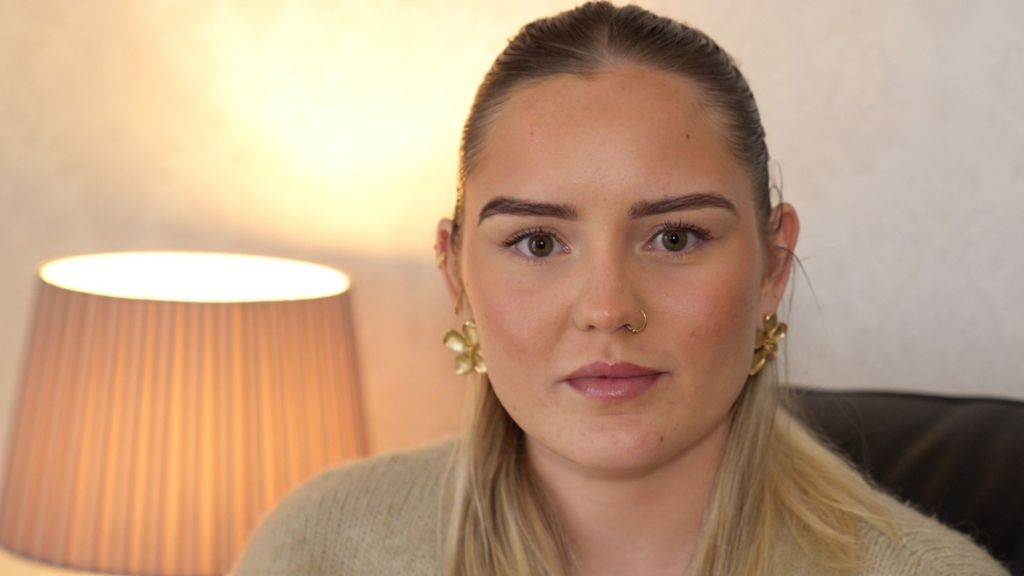
    A groundbreaking medical treatment has created an unexpected immigration dilemma for a young British woman with cystic fibrosis. Regan Sparks, 23, from Benfleet, Essex, has seen her health transformed by the drug Trikafta (also known as Kaftrio) since it became available through the NHS in 2020. The medication has enabled her to pursue activities previously unimaginable for someone with her condition—securing employment, establishing relationships, and even training for marathons.

    However, when Sparks applied for an Australian working holiday visa in 2023, her medical success story became an administrative obstacle. Australia’s immigration health requirements impose a cost threshold of A$86,000 (£45,700) for potential medical expenses during a visa period. With Trikafta costing A$250,000 (£133,000) annually, her application was denied despite her improved health status and ability to function normally.

    The rejection came as a profound disappointment to Sparks, who had previously completed a three-month solo backpacking trip through Southeast Asia without visa complications. ‘I’ve never let my CF stop me from doing anything,’ she stated. ‘The fact that just on paper you’re denying me for something completely out of my control feels like a kick in the teeth.’

    Sparks has proposed that Australia implement alternative measures for such cases, including allowing applicants to sign health waivers or fully fund their own treatment. The Australian Department of Home Affairs maintains that all applications are assessed individually, with health conditions not automatically leading to rejection. The department is currently reviewing its migration health requirements, including the significant cost threshold, with findings to be published later.

  • As Islamophobia rises, Australia’s Muslims celebrate Eid

    As Islamophobia rises, Australia’s Muslims celebrate Eid

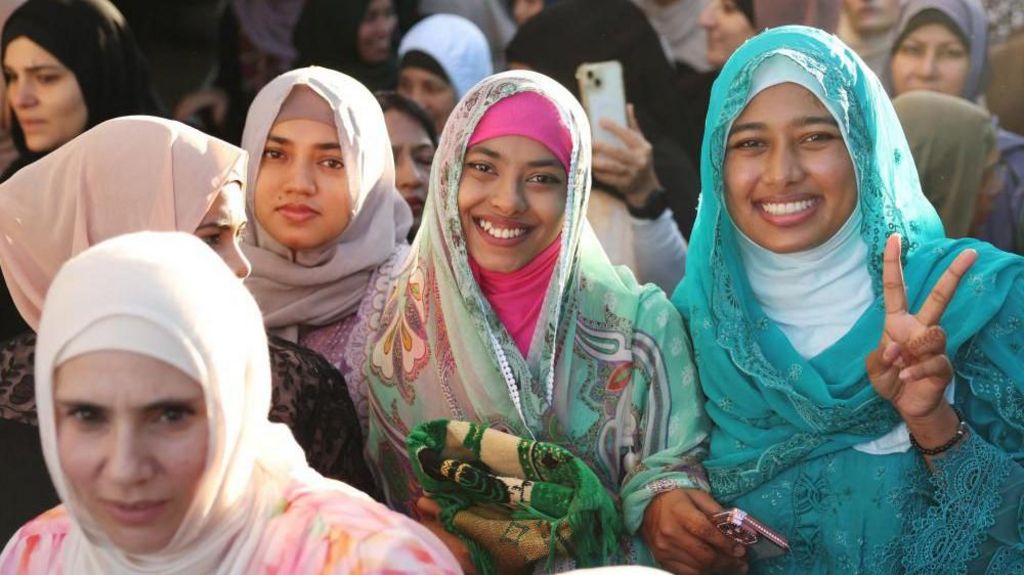
    In the heart of Sydney’s Lakemba district, thousands gathered at the Imam Ali bin Abi Taleb Mosque for a community Iftar celebration marking Ramadan’s end. Beneath the surface of this harmonious gathering, however, loomed an unsettling reality: a police surveillance trailer with 360-degree cameras stood watch—a necessary precaution following numerous threats against the Muslim community.

    Australia is experiencing an unprecedented surge in anti-Islamic sentiment, with reported incidents skyrocketing by 636% since Hamas’ October 7 attack on Israel. According to the Islamophobia Register Australia, weekly cases have exploded from an average of 2.5 to 18—a figure experts warn represents merely ‘the tip of the iceberg’ as many victims avoid reporting.

    The recent Bondi Beach massacre, which police attributed to ‘Islamic state ideology,’ further intensified religious tensions. In its aftermath, Islamophobic incidents surged by 201%, compounding existing fears within Muslim communities. Simultaneously, antisemitic incidents have multiplied nearly fivefold according to the Executive Council of Australian Jewry, creating parallel crises of religious intolerance.

    This deterioration in social cohesion was starkly visible when Prime Minister Anthony Albanese and Home Affairs Minister Tony Burke faced heckling and accusations of supporting genocide during their Lakemba mosque visit. Worshipers expressed profound frustration over Australia’s stance on the Middle East conflict and perceived governmental inaction against rising Islamophobia.

    Lakemba—where 61% of residents identify as Muslim—has evolved from its Lebanese migrant roots in the 1960s to become Sydney’s multicultural Muslim hub, now including communities from South Asia and beyond. While it offers a safe haven for many, residents report increasing anxiety when venturing beyond their ‘comfort zones.’

    Dr. Moshiuzzaman Shakil, a Bangladeshi public health student, recounted losing his job supporting disabled clients post-Bondi: ‘They asked me: are you a Muslim? After the attack, some people thought Muslims were terrorists.’

    The current crisis echoes Australia’s troubled history with immigration, from the White Australia policy that limited non-European migration until 1973 to the 2005 Cronulla race riots—still remembered as a traumatic watershed moment. Gamel Kheir, secretary of the Lebanese Muslim Association, noted: ‘This community has been in trauma since Cronulla. Every time an episode happens now, we curl into the fetal position thinking, please don’t be a Muslim person.’

    Political discourse has exacerbated tensions. Pauline Hanson, leader of the anti-immigration One Nation Party, wore a burka in parliament to advocate for its banning and recently questioned whether ‘good’ Muslims exist—rhetoric that community leaders say legitimizes racism. Kheir observes: ‘Our Facebook posts now get a thousand-plus bigoted comments instead of five to ten. People feel empowered because politicians have enabled this racism to become rampant.’

    Special Envoy to Combat Islamophobia Aftab Malik warns of cumulative damage: ‘Each attack reinforces that Muslim identity isn’t welcome in Australia’s social fabric, reducing institutional legitimacy and fraying social cohesion.’

    Despite the challenges, community organizers like Kheir continue advocating for unity. ‘The fair go for all was Australia’s motto,’ he reflects. ‘Sadly, we’re following other Western nations into identity crisis, where the predominant race reasserts itself at minorities’ expense.’

    As Dr. Zouhir Gabsi, author of ‘Muslim Perspectives on Islamophobia,’ bluntly summarizes: ‘Multiculturalism is a politician’s word. It works when sharing a meal, but when applying for jobs, you remain a migrant.’