标签: Oceania

大洋洲

  • Cuba starts to restore power after new blackout

    Cuba starts to restore power after new blackout

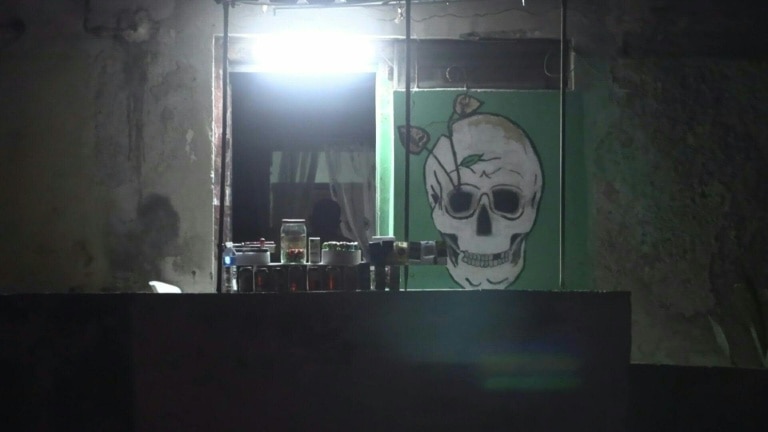
    Cuba’s fragile electrical infrastructure succumbed to its second nationwide blackout within a week on Sunday, plunging nearly 10 million citizens into darkness before authorities initiated gradual restoration efforts. The island’s aging power grid, crippled by decades of underinvestment and recently intensified by a de facto US oil embargo, continues to deteriorate amid growing geopolitical tensions.

    By Sunday afternoon, two-thirds of Havana had regained electricity according to local providers, while the state-owned Electric Union of Cuba reported reconnection progress stretching from Pinar del Rio in the west to Santiago de Cuba in the east. Two provinces remained offline as technicians battled systemic vulnerabilities that have triggered seven nationwide blackouts since January 2024.

    The crisis unfolds against escalating diplomatic friction with the United States. President Donald Trump’s administration imposed stringent oil restrictions in January while openly speculating about ‘taking’ the Caribbean nation. Cuban Deputy Foreign Minister Carlos Fernandez de Cossio, in a pre-blackout interview with NBC’s Meet the Press, revealed military preparations for potential aggression while maintaining Havana’s willingness for diplomatic engagement—though explicitly excluding discussions about political system changes.

    Daily life has become increasingly unbearable for ordinary Cubans. Nurse Alina Quinones, 48, described the impossibility of contacting relatives without internet or phone service, while 79-year-old retiree Francisco Gonzalez recounted sleepless nights waiting for power restoration. These hardships compound existing shortages of food, medicine, and basic commodities, sparking rare acts of civil disobedience including nocturnal pot-banging protests and last weekend’s vandalism of a Communist Party provincial office.

    The energy crisis intensified dramatically after Venezuela—Cuba’s primary oil supplier—faced its own political turmoil in January. No fuel shipments have reached Cuban shores since January 9, crippling not only power generation but also public transportation and the vital tourism industry. Although international aid convoys have begun delivering medical supplies, food, and solar panels, authorities emphasize that conventional fuel remains urgently needed for decades-old thermoelectric plants.

    Fernandez de Cossio characterized the situation as ‘very severe’ while expressing hope that ‘this boycott cannot be sustained forever.’ The latest blackout originated from a generating unit failure at an aging thermoelectric facility, triggering catastrophic domino effects across the fragile grid system.
  • Australian shares to sink as Donald Trump’s Iran threat smashes investor confidence

    Australian shares to sink as Donald Trump’s Iran threat smashes investor confidence

    Financial markets are bracing for significant volatility as Australian shares face substantial downward pressure at Monday’s opening bell. The primary catalyst stems from contradictory statements issued by former US President Donald Trump regarding the Middle East conflict, creating widespread investor uncertainty and rattling global market confidence.

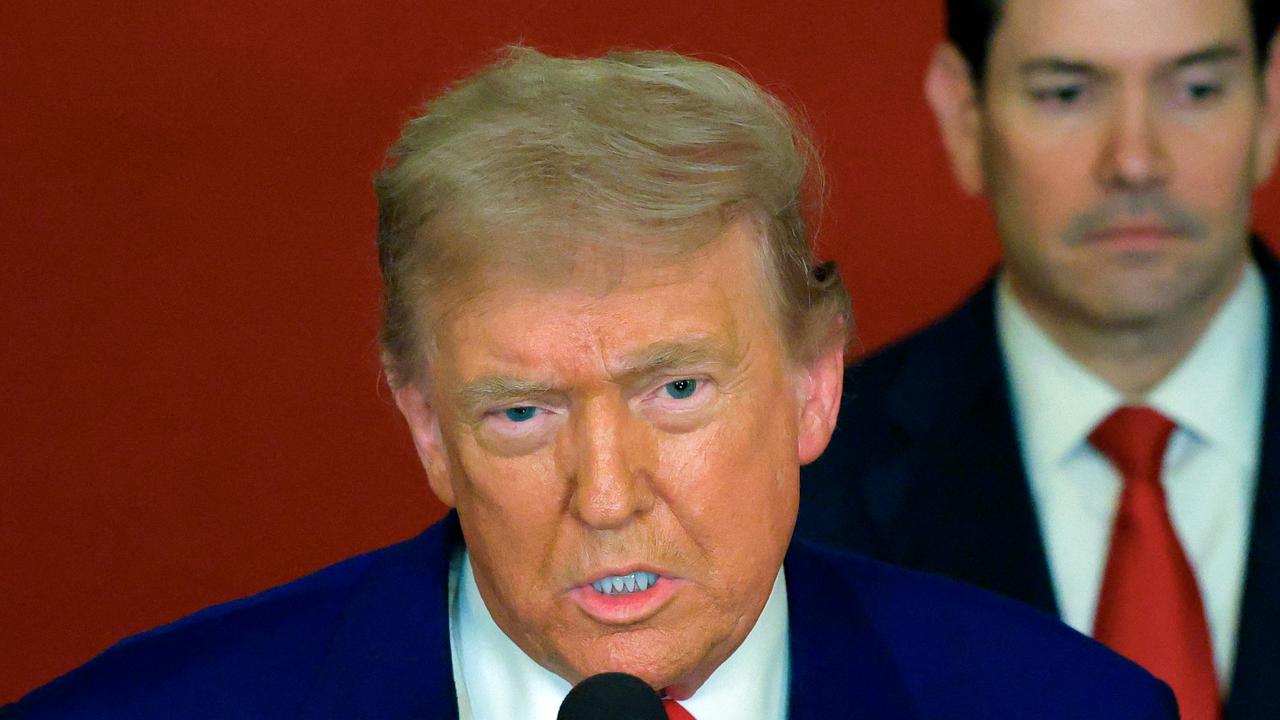
    The market turbulence originated when Trump initially announced via Truth Social that tensions between US/Israeli forces and Iran were de-escalating. However, within hours, the former president issued a stark ultimatum demanding Iran fully open the Strait of Hormuz without conditions within 48 hours, threatening to ‘obliterate’ Iranian power plants if demands weren’t met.

    This geopolitical instability has directly impacted financial projections, with futures for Australia’s benchmark S&P/ASX 200 Index indicating a 156-point decline (1.8%) to 8,343 points. This follows a challenging period for Australian markets, with the ASX200 having already declined 2.2% last week and 7.2% over the past month.

    The Reserve Bank of Australia faces additional complications as Governor Michele Bullock confirmed the institution hasn’t yet completed modeling on the Iran conflict’s economic implications. According to Westpac chief economist Luci Ellis, this missing analysis could significantly alter the RBA’s assessment of how prolonged energy price increases and supply chain disruptions might affect inflation.

    Since hostilities began on February 28, more than $280 billion has been wiped from Australian markets amid rising oil prices. The strategically vital Strait of Hormuz transports approximately 20% of global oil and gas, and its potential closure has already driven prices from $56 per barrel in January to over $100 currently.

    AMP chief economist Shane Oliver notes that despite an 80% oil price increase since January, market reactions remain relatively moderate compared to historical oil shocks. However, he anticipates additional monetary policy tightening, forecasting another RBA rate hike in May as inflation concerns outweigh growth considerations.

  • NRL charges: Match review committee refers Dragons forward Ryan Couchman straight to judiciary

    NRL charges: Match review committee refers Dragons forward Ryan Couchman straight to judiciary

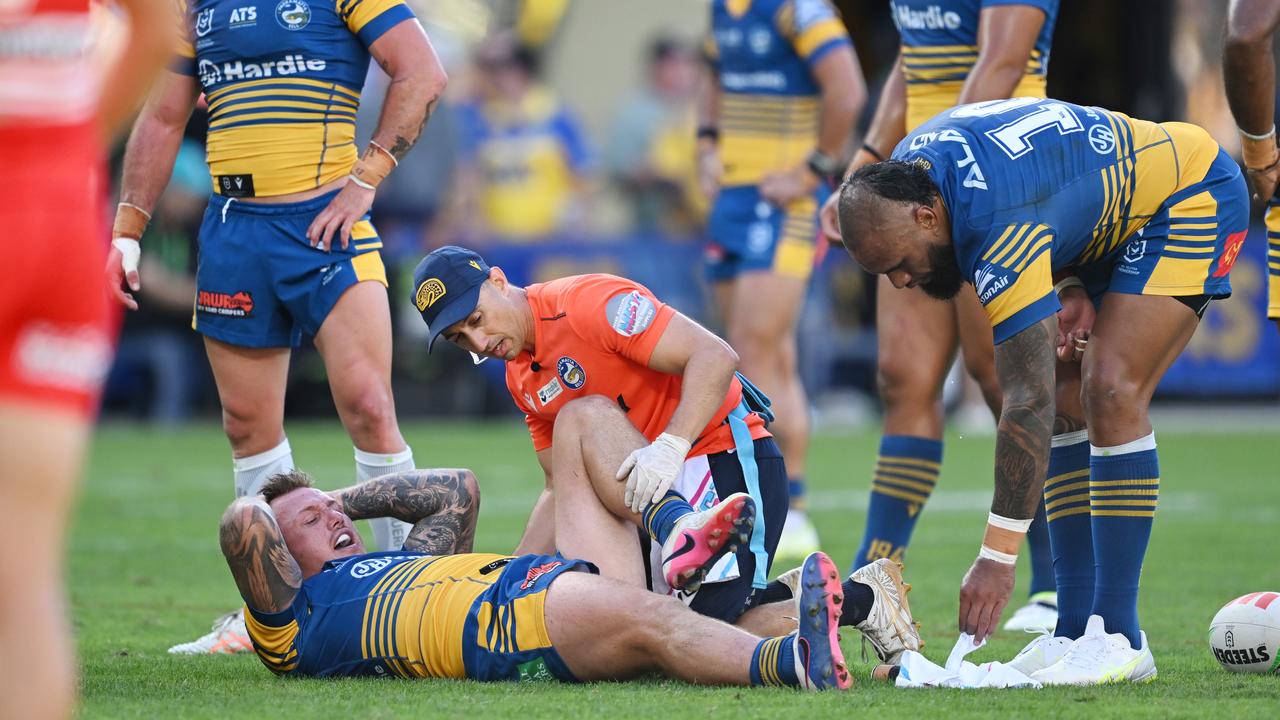
    The National Rugby League (NRL) match review committee has taken the severe step of referring St George Illawarra Dragons forward Ryan Couchman directly to the judiciary for a hip-drop tackle that has prematurely concluded the season of Parramatta Eels player J’maine Hopgood. The committee’s deliberation extended two hours beyond its standard timeframe before reaching this decision, underscoring the gravity of the on-field incident.

    Eels coach Jason Ryles confirmed the devastating diagnosis following his team’s Sunday victory over the Dragons, revealing that Hopgood sustained a rupture of the anterior cruciate ligament (ACL) in his right knee. The injury occurred during a tackle by Couchman in the 28th minute of play, which resulted in Couchman being temporarily sent to the sin bin.

    This case draws parallels to a previous NRL disciplinary action, where Manly’s Toff Sipley received a four-match suspension last season after a similar judiciary referral for dangerous contact. Couchman is scheduled to learn his disciplinary fate at NRL headquarters on Tuesday night.

    While Ryles characterized the tackle as accidental, he issued a stark warning to league officials about the potential consequences of increased set restarts. The coach suggested that mounting player fatigue could compromise defensive technique, potentially leading to more such incidents. ‘It’s really disappointing… that’s his season,’ Ryles stated, noting the cruel irony that Couchman himself had suffered an ACL injury the previous year. ‘Those tackles, 99.99999 percent of the time the boys don’t mean it, so it’s not intentional. But unfortunately you keep throwing fatigue into the game and you keep making them [more tired] they happen.’

    In separate disciplinary action, North Queensland Cowboys centre Tom Chester has been offered a one-match suspension for a high tackle on Gold Coast Titans halfback Jayden Campbell during Sunday’s match. Chester, who was also sin-binned for the incident, risks a two-game suspension if he unsuccessfully challenges the grade 2 careless high tackle charge.

  • War in the Middle East: latest developments

    War in the Middle East: latest developments

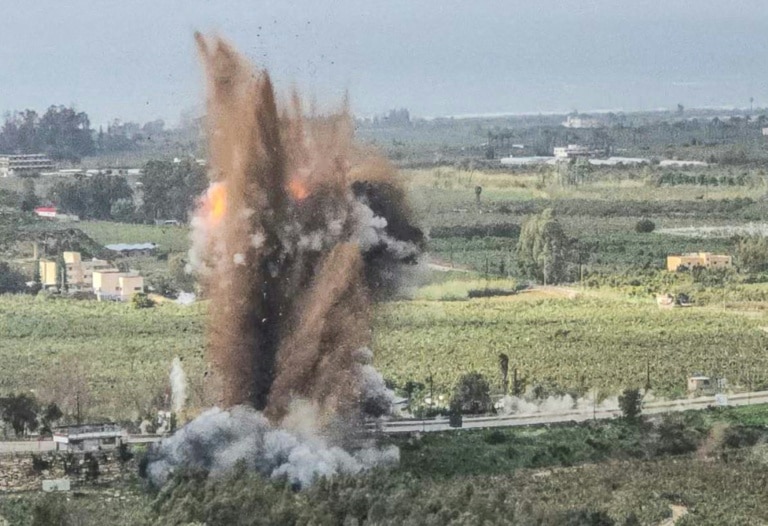
    The Middle East conflict has entered a dangerous new phase with multiple fronts witnessing significant escalation over the past 24 hours. Israeli forces conducted a strategic airstrike destroying a critical bridge in southern Lebanon, which Defense officials confirmed was targeted due to its alleged use by Iran-backed Hezbollah forces. Lebanese President Joseph Aoun condemned the infrastructure attacks as potential precursors to a ground invasion.

    Meanwhile, Iran’s military command issued a stark warning through state television, threatening to completely seal the Strait of Hormuz—a vital global oil transit route—should the United States follow through on President Trump’s threats to target Iranian power facilities. “The Strait of Hormuz will remain closed until our destroyed power plants are completely rebuilt,” stated the Khatam Al-Anbiya operational command.

    Israeli Prime Minister Benjamin Netanyahu, during an inspection of damage in the southern town of Arad, vowed personal pursuit of senior Iranian Revolutionary Guards commanders, labeling the IRGC as a “criminal gang” that would be held accountable. This declaration came as Israel’s military reported intercepting approximately 92% of over 400 ballistic missiles launched by Iran since the conflict’s inception.

    The World Health Organization expressed grave concern regarding the proximity of military strikes to nuclear facilities in the region. WHO Director-General Tedros Adhanom Ghebreyesus urgently appealed for “maximum military restraint” to prevent potential nuclear incidents, describing the situation as having reached a “perilous stage.”

    Iranian Parliament Speaker Mohammad Bagher Ghalibaf escalated rhetoric further by threatening irreversible destruction of regional energy infrastructure if Tehran’s facilities were attacked, warning of sustained oil price increases as a consequence. This threat emerged alongside reports from Iran’s Energy Minister confirming extensive damage to water and energy infrastructure from US-Israeli strikes.

    Additional developments included helicopter crash fatalities in Qatari waters, multiple attacks on US facilities at Baghdad International Airport, and the first Israeli fatality from Lebanese rocket fire since the conflict began. Saudi Arabia and the United Arab Emirates also reported intercepting ballistic missiles and drones amid the expanding regional turmoil.

  • Young Australians robbed of millions in unpaid superannuation

    Young Australians robbed of millions in unpaid superannuation

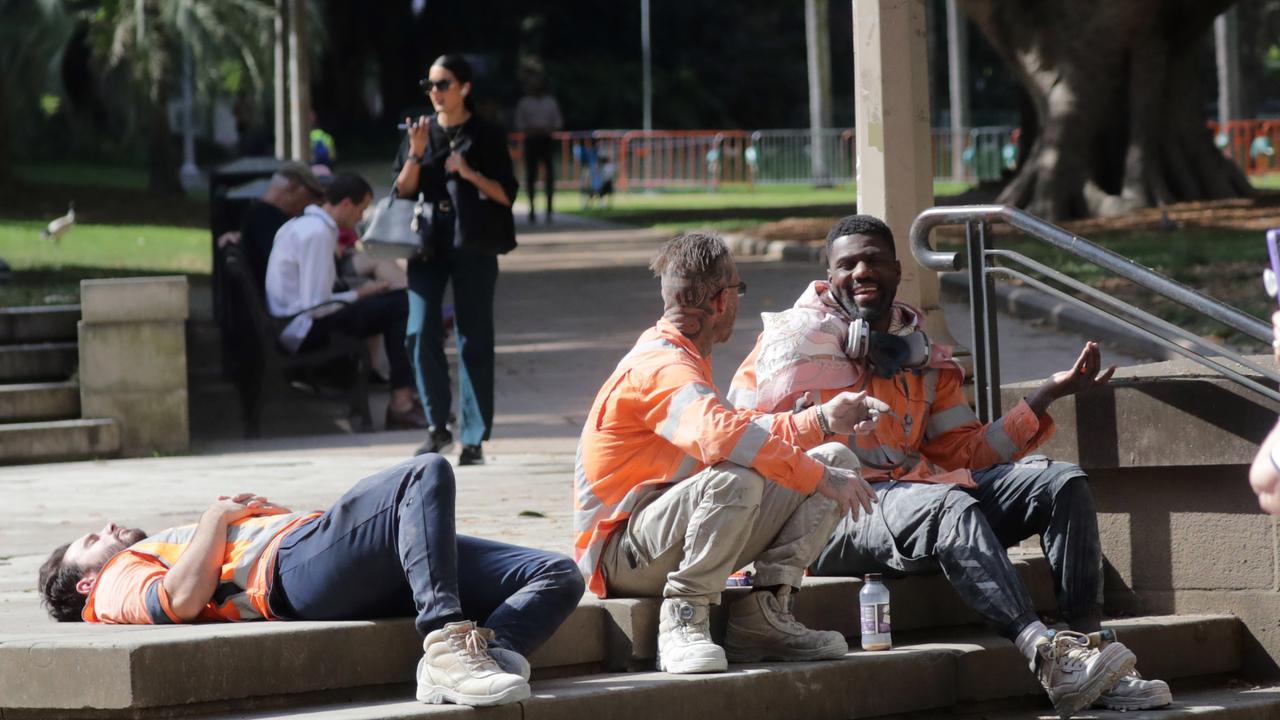
    A groundbreaking legislative shift is set to transform retirement savings for Australian workers as new laws mandate superannuation payments on payday starting July 1. The reform comes in response to alarming data revealing nearly 30,000 construction workers under 35 experienced delayed or missing super contributions last financial year, collectively losing millions in retirement savings.

    The current system allows employers to pay superannuation quarterly despite its appearance on payslips alongside regular wages. The Treasury estimates that for an average 25-year-old worker, timely super payments equate to approximately $6,000 in additional retirement savings in today’s dollars, representing a 1.5% improvement in retirement outcomes.

    Cbus Superannuation, which uncovered the widespread non-compliance, emphasizes that payday super will ensure contributions reach accounts immediately, generating compound returns and eliminating opportunities for negligent or dishonest employers. Tom Garcia, Chief Member Officer at Cbus Super, noted that construction industry workers are particularly vulnerable to superannuation shortfalls.

    While the changes promise significant benefits for workers, small business advocates warn of substantial cash flow implications. Employment Hero modeling suggests the average Australian business will face a $124,000 cash flow crunch, with 65% of small and medium enterprises anticipating moderate to severe operational impacts. Currently, 87% of businesses rely on quarterly super payments as interim cash flow.

    Business leaders urge employers to prepare immediately for the compliance changes, emphasizing the need to review payroll processes and cash flow management strategies ahead of the July implementation deadline.

  • French elect mayors in key cities including Paris

    French elect mayors in key cities including Paris

    France conducted decisive municipal runoff elections across approximately 1,500 communes on Sunday, with particular attention focused on major urban centers including Paris, Marseille, and Toulon. These local contests serve as critical indicators of the nation’s political temperament preceding next year’s presidential election, where the far-right National Rally (RN) anticipates potential breakthroughs.

    In the capital, Parisians witnessed a tightly contested race between leftist candidate Emmanuel Grégoire, former deputy to outgoing Socialist Mayor Anne Hidalgo, and conservative contender Rachida Dati, ex-justice minister under Nicolas Sarkozy. The historic left-wing stronghold, under progressive leadership for 25 years, faced its most serious challenge from the right in decades. Dati’s campaign gained momentum after center-right and far-right candidates withdrew from the race, though Grégoire declined a similar consolidation offer from hard-left factions.

    Beyond Paris, Marine Le Pen’s RN party demonstrated expanding influence. The anti-immigration party claimed re-election in 10 communes including Perpignan (population 120,000) and targeted larger acquisitions like Toulon (180,000 residents), which would become their largest municipal capture if secured. In Marseille, France’s second-largest city, RN candidate Franck Allisio trailed incumbent left-wing mayor Benoît Payan by merely one percentage point in initial voting.

    Turnout metrics showed modest improvement with 20.3% participation by noon, approximately one point higher than corresponding first-round figures. The overall first-round participation rate of 57% represented near-historic lows excluding pandemic-affected elections.

    The electoral process unfolded amid heightened political tensions following the recent fatal beating of a far-right activist allegedly by left-wing extremists. This incident has complicated traditional alliance patterns between centrists and leftists against far-right movements. Meanwhile, prominent figures like Édouard Philippe, former prime minister and current presidential hopeful, appeared positioned to retain mayoralty in Le Havre, reinforcing centrist opposition to RN advancement.

  • Slovenia votes in tight polls, with conservatives eyeing comeback

    Slovenia votes in tight polls, with conservatives eyeing comeback

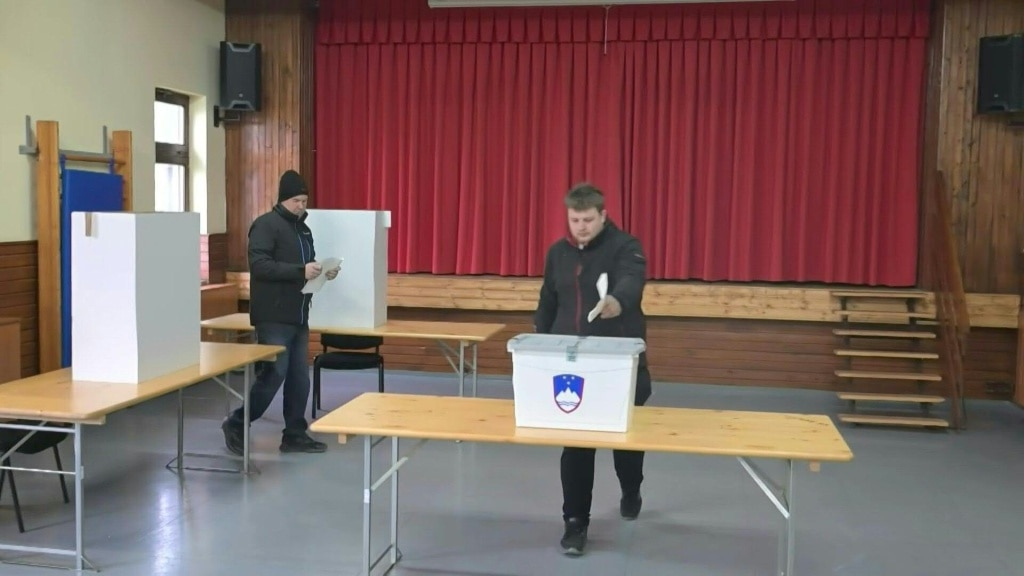
    Slovenians participated in a closely contested parliamentary election on Sunday, marking a potential political turning point for the Central European nation. The electoral battle pitted incumbent Prime Minister Robert Golob’s liberal government against the conservative opposition led by veteran politician Janez Jansa, who has expressed admiration for former U.S. President Donald Trump.

    This election could determine whether the EU member state of two million people maintains its progressive trajectory or reverts to the illiberal policies that characterized Jansa’s previous administration. The campaign has been marred by allegations of foreign interference, with Slovenian authorities investigating whether Israeli intelligence firm Black Cube orchestrated secretly recorded videos suggesting corruption within Golob’s government.

    Voting commenced at 7:00 AM local time (0600 GMT) with polling stations scheduled to close at 7:00 PM, after which exit polls would be immediately released. The electoral contest has narrowed significantly in recent weeks, with opinion polls indicating the two main parties running neck-and-neck after Jansa’s conservatives initially maintained a substantial lead.

    During his four-year tenure, Prime Minister Golob, a political newcomer when he assumed power in 2022, implemented several progressive policies including legalizing same-sex marriage. His government also took the controversial stance of describing Israel’s military operations in Gaza as ‘genocide,’ placing Slovenia among a minority of EU countries adopting this position.

    Jansa’s campaign focused on economic concerns, accusing the current government of financial mismanagement and characterizing the election as ‘a referendum on corruption.’ The 67-year-old three-time prime minister promised to restore ‘Slovenian values’ including the ‘traditional family’ and restrict state funding to NGOs he considers politically motivated.

    The election has generated intense public engagement, with over 1,000 citizens gathering outside parliament on Friday to encourage voter participation. Organizers described the campaign as one of the ‘dirtiest and most content-free’ in Slovenian history, expressing concerns about potential democratic backsliding.

    Political analysts suggest the outcome could have significant implications for Europe’s political landscape, with one commentator noting that a right-wing victory would represent ‘the fall of another liberal stronghold in Europe, another nail in liberal democracy’s coffin.’ Jansa’s previous administration, which maintained close ties with Hungarian Prime Minister Viktor Orban, faced mass protests and criticism from EU institutions over rule-of-law concerns.

  • Iran threatens Middle East infrastructure after Trump ultimatum

    Iran threatens Middle East infrastructure after Trump ultimatum

    A dangerous escalation in the Middle East conflict has unfolded as Iran issued a stark warning to target critical infrastructure across the region if the United States follows through on President Donald Trump’s threat to destroy Iranian power plants. The confrontation centers on the strategic Strait of Hormuz, where Tehran has imposed a de facto blockade that has disrupted global energy supplies and sent oil prices soaring.

    President Trump issued a 48-hour ultimatum via Truth Social, demanding Iran fully reopen the crucial waterway or face the obliteration of its power infrastructure, “starting with the biggest one first.” The deadline is set for 23:44 GMT on Monday according to the timing of Trump’s post.

    Iran’s military command responded with equal defiance, vowing that any attack on Iranian facilities would trigger immediate retaliation against “all energy, information technology and desalination infrastructure belonging to the U.S.” throughout the Middle East.

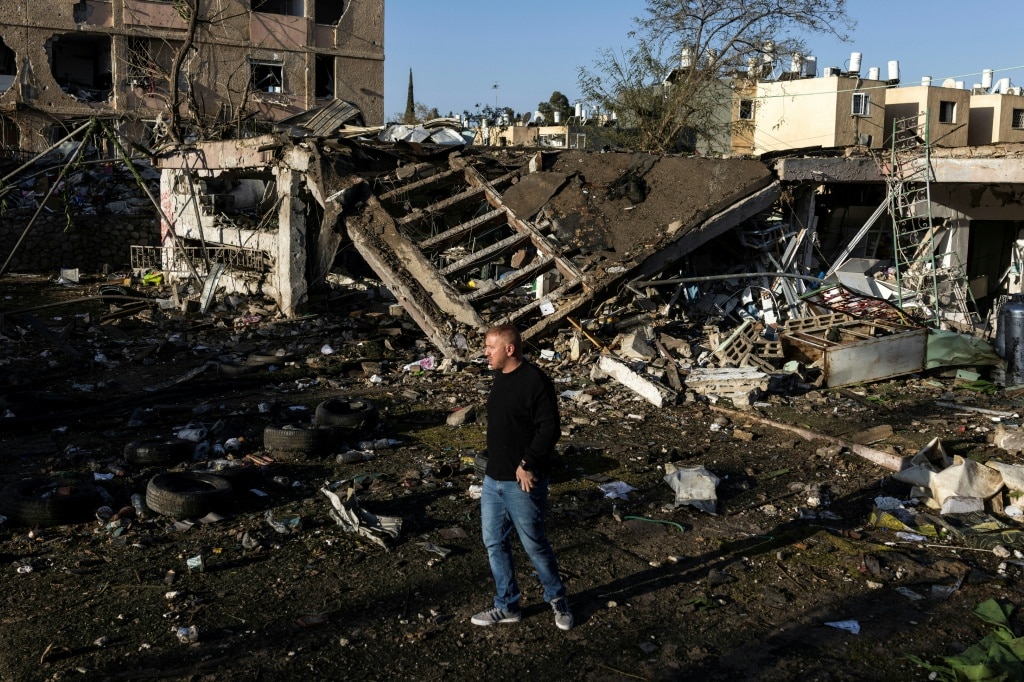
    The exchange occurred amid continued hostilities that have now entered their fourth week. Early Sunday, air raid sirens sounded in Jerusalem as Iran launched fresh missile barrages toward Israel. This followed significant strikes on southern Israeli towns including Dimona, where a nuclear research facility is located, and Arad, with over 100 casualties reported.

    The Dimona attack, which damaged residential buildings and created substantial craters, was characterized as retaliation for previous strikes on Iran’s Natanz nuclear facility. UN nuclear watchdog chief Rafael Grossi has reiterated calls for “military restraint to avoid any risk of a nuclear accident” given the proximity of attacks to nuclear installations.

    The economic implications of the conflict continue to intensify, with North Sea Brent crude prices surpassing $105 per barrel. The Strait of Hormuz typically handles approximately one-fifth of global crude oil and liquefied natural gas shipments, making its blockade particularly disruptive to energy markets.

    International response has been mounting, with 22 nations including the UK, France, Germany, Australia, and several Gulf states announcing readiness to contribute to efforts ensuring safe passage through the vital waterway. The U.S. has deployed additional Marines to the region and conducted bunker-busting bomb strikes on Iranian coastal facilities to degrade Tehran’s ability to threaten navigation.

    The conflict has expanded beyond the Iran-Israel theater, with Saudi Arabia reporting intercepted ballistic missiles near Riyadh and the United Arab Emirates responding to new attacks from Iran. In Lebanon, Hezbollah claimed responsibility for rocket fire that killed one Israeli soldier, marking the first fatality from cross-border fighting since hostilities began. Iraq has also been drawn into the conflict, with multiple attacks targeting U.S. facilities at Baghdad International Airport.

    Meanwhile, civilians in Tehran experience growing uncertainty as the Persian New Year holidays provide limited respite from the shadow of war. Residents report economic hardship and anxiety about the future as the conflict shows no signs of abating.

  • Green lifts Australian WPGA for third win in a row

    Green lifts Australian WPGA for third win in a row

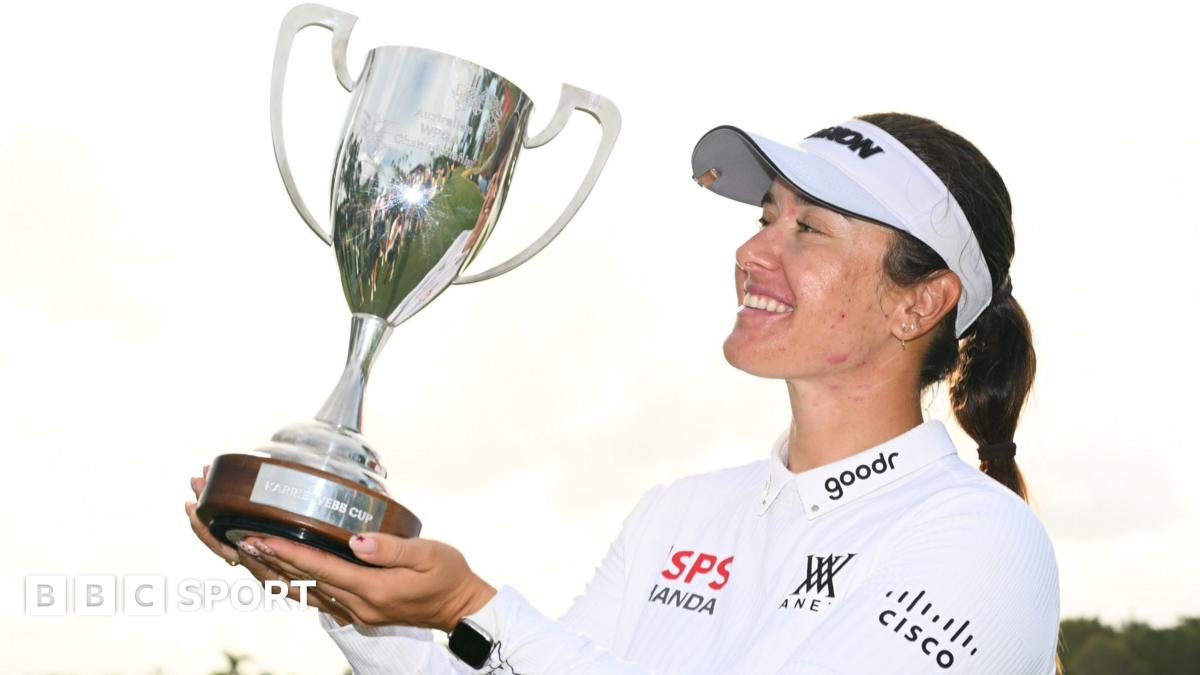
    Australian golf sensation Hannah Green has etched her name in the history books by becoming the first Australian female golfer to claim three consecutive international tournament victories. The world number seven secured this monumental achievement with a commanding performance at the Australian WPGA Championship on Sunday.

    The 29-year-old Perth native demonstrated exceptional skill and composure throughout the tournament, carding a final round of two-under-par 69 to finish at 16 under overall. Her dominant performance left her four strokes clear of her closest competitors at the prestigious Sanctuary Cove Golf and Country Club on Queensland’s Gold Coast.

    Green’s historic triumph completes an extraordinary winning streak that began with her victory at the Australian Open in Adelaide—marking her first-ever Ladies European Tour title—and continued with her success at the LPGA’s Women’s World Championship in Singapore earlier this month.

    “This achievement feels absolutely incredible—it’s been an absolutely wild month and particularly special to accomplish this on home soil,” expressed the emotional champion, whose only major title to date came at the 2019 Women’s PGA Championship.

    The victory was made even more meaningful by the presence of her husband, professional golfer Jarryd Felton, who served as her caddie for the third consecutive tournament. Felton has been carrying Green’s bag while her regular caddie remains in the United States awaiting green card approval. The couple, who married in 2024, have previously swapped caddying duties for each other’s tournaments.

    Germany’s Alexandra Forsterling and South African Casandra Alexander finished tied for second place at 12 under par, while England’s Meghan MacLaren secured fourth position at 10 under. Scotland’s Kelsey MacDonald, who set a course record with her spectacular 64 in the opening round, ultimately finished tied for 41st position.

    Green’s unprecedented triple victory establishes her as Australia’s most successful current female golfer and signals her return to peak form ahead of the LPGA Aramco Championship in Las Vegas, where she will compete beginning April 2.

  • Uber, taxis put on notice over women’s safety in NSW

    Uber, taxis put on notice over women’s safety in NSW

    The New South Wales government has issued a decisive mandate to ridesharing corporations, including industry leaders Uber and DiDi, compelling them to implement enhanced protective protocols for female passengers. This regulatory action follows concerning data revealing that women continue to experience disproportionately high rates of inappropriate conduct during hired vehicle journeys.

    Official state surveys indicate that while most trips conclude without incident, female passengers remain vulnerable to various forms of unwanted behavior. These include intrusive personal questioning, inappropriate commentary, prolonged staring, and violations of personal space. The findings highlight a critical safety gap that the new Women’s Safety Industry Guidelines seek to address.

    Administered by the NSW Point to Point Transport Commissioner, the comprehensive framework requires transportation providers to establish robust systems for passenger protection. Key provisions mandate specialized driver training to identify and prevent offensive or unprofessional conduct toward women. The guidelines further compel companies to streamline incident reporting mechanisms and improve passenger awareness of existing safety features within digital applications and vehicles.

    Transport Minister John Graham emphasized corporate accountability, stating: “Every passenger deserves to feel secure and respected, whether traveling across town during daylight hours or navigating our vibrant nighttime urban landscape. This initiative establishes clear expectations for all hired transportation services.”

    Women’s Minister Jodie Harrison characterized reports of harassment as “utterly unacceptable,” adding: “The industry must prioritize women’s safety and acknowledge their obligations. These guidelines provide necessary support for service providers to implement proper safety systems and handle behavioral reports appropriately.”

    Commissioner Anthony Wing will oversee targeted enforcement through compliance programs, working collaboratively with providers to ensure safety management systems align with updated standards.

    Industry responses have been uniformly supportive. Uber Australia’s Head of Safety, Nicole Ashcroft, affirmed that women’s safety represents the company’s “top priority,” welcoming the standardized approach. Both DiDi and the NSW Taxi Council echoed this sentiment, with Council CEO Nick Abrahim noting the industry’s existing “high standards and expectations regarding safe and respectful service, particularly concerning women’s safety.”