标签: Oceania

大洋洲

  • War in the Middle East: latest developments

    War in the Middle East: latest developments

    The ongoing Middle East conflict has entered a complex phase with simultaneous developments suggesting both escalation and potential de-escalation. US President Donald Trump announced on Truth Social that Washington is contemplating “winding down” military operations against Iran, stating the nation is “very close to meeting our objectives” regarding the “Terrorist Regime of Iran.” Despite this apparent shift toward reduction, Trump explicitly ruled out any ceasefire agreement with Tehran.

    Contradicting the rhetoric of de-escalation, multiple US media outlets report substantial military reinforcements heading to the region. The Wall Street Journal and CNN both cite anonymous officials confirming the deployment of 2,200-2,500 Marines from California-based units, potentially signaling preparation for ground operations. This comes as Britain authorized US utilization of its bases for strikes against Iranian sites threatening the vital Strait of Hormuz shipping lane—a decision that has already drawn criticism from Trump.

    The White House issued a stark warning regarding Iran’s Kharg island oil hub, asserting America could “take out” the facility whenever desired. This statement followed reports that the administration was considering plans to either occupy or blockade the strategic location.

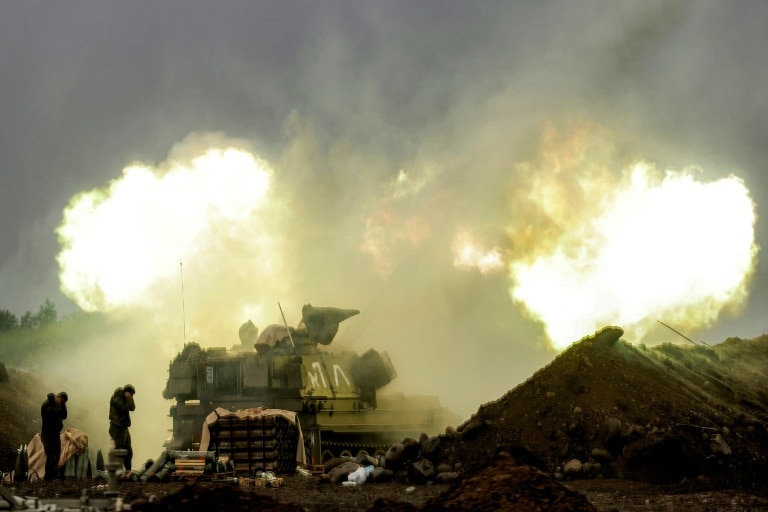
    Meanwhile, regional tensions continued to manifest violently. Hezbollah forces targeted Israeli soldiers in six south Lebanon villages as Israeli ground forces attempted advances into southern Lebanon. Kuwait’s Mina Al-Ahmadi oil refinery suffered drone attacks, causing multiple fires though no casualties were reported. Explosions rocked Tehran while air raid sirens sounded across Tel Aviv and Jerusalem, with Israeli police investigating blast impact sites.

    Iranian leadership remained defiant, with Supreme Leader Ayatollah Mojtaba Khamenei claiming the Islamic republic’s enemies were being “defeated” in the conflict. Tehran denied involvement in attacks on Oman and Turkey, instead blaming “deception by the Zionist enemy” (Israel). Additionally, Iran stated it had “no surplus crude oil” to offer international markets, despite US Treasury suggestions that Washington might lift sanctions on Iranian oil at sea.

    NATO completed the relocation of its Iraq mission to Europe, withdrawing the last personnel from its non-combat force of several hundred. Diplomatic channels remained active but tense, with Britain’s foreign minister warning Iran against targeting UK bases, territory, or interests directly—a message delivered following Iranian assertions that any US use of British bases would be interpreted as “participation in aggression” against the Islamic republic.

  • Gulf’s decades-long strategy of sporting investment rocked by Mideast war

    Gulf’s decades-long strategy of sporting investment rocked by Mideast war

    The escalating Middle East conflict has delivered a severe blow to the Gulf region’s decades-long strategy of leveraging global sports investments to transform its international image and diversify oil-dependent economies. What began as a transformative economic vision has now encountered unprecedented security challenges that threaten the very foundation of this ambitious project.

    Recent weeks have witnessed the cancellation or postponement of numerous high-profile sporting events across the Gulf nations, including the highly anticipated ‘Finalissima’ football match featuring Lionel Messi’s Argentina against European champions Spain in Doha. The disruptions extend to Formula One grands prix in Bahrain and Saudi Arabia, Qatar’s Moto GP, Asian Champions League matches, and the World Endurance Championship round—all casualties of regional instability.

    According to security analysts, the Gulf had successfully projected itself as an island of stability amidst regional turmoil, investing billions in state-of-the-art stadiums and infrastructure modernization. Qatar’s successful hosting of the 2022 World Cup represented the pinnacle of this strategy, with Saudi Arabia poised to follow with the 2034 tournament.

    Sports industry experts identify three fundamental pillars supporting the Gulf’s athletic ambitions: strategic sponsorship of events and federations; acquisition of prominent football clubs like Manchester City and Paris Saint-Germain; and hosting international competitions. The current conflict primarily impacts the third pillar, though the reputational damage affects the entire ecosystem.

    James Dorsey of Singapore’s S. Rajaratnam School of International Studies emphasizes that the region has suffered ‘significant reputational damage’ that will require substantial effort to repair. However, Qatari media representatives maintain that despite immediate setbacks, the broader sports investment strategy remains fundamentally unchanged.

    Academic experts specializing in sports politics suggest that international sporting federations will likely return to the Gulf once hostilities cease, drawn by the region’s proven financial capabilities and organizational professionalism. The calendar already includes future commitments such as Saudi Arabia hosting the 2027 Asian Cup and Qatar organizing the basketball World Cup that same year, with Olympic ambitions for 2036.

    The ultimate resolution of these sporting aspirations hinges critically on how the current conflict concludes. A stabilized regional environment could rejuvenate the Gulf’s athletic ambitions, while prolonged instability or heightened tensions might fundamentally challenge the viability of hosting major international events in the region.

  • Coroner ‘not satisfied’ boxer Hatton intended to take own life

    Coroner ‘not satisfied’ boxer Hatton intended to take own life

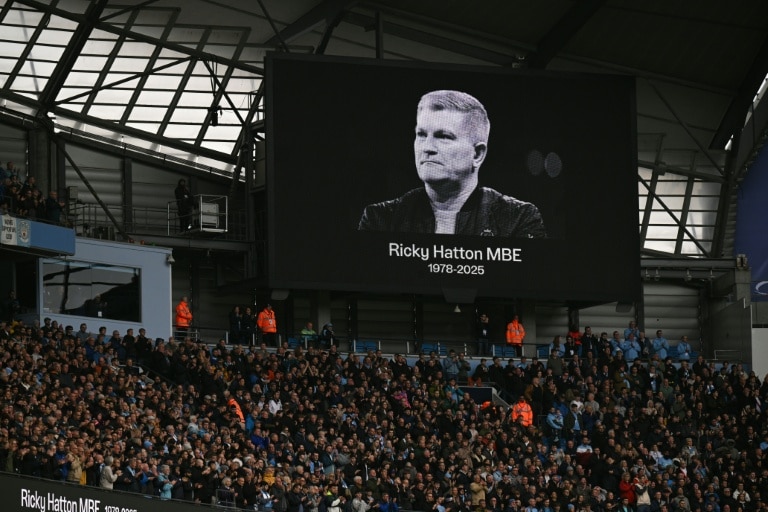
    In a landmark inquest verdict, Senior Coroner Alison Mutch has declared insufficient evidence exists to determine whether boxing legend Ricky Hatton intended to end his own life prior to his September 2025 death. The judicial inquiry revealed compelling circumstances complicating traditional suicide classification, including extensive future planning by the athlete and absence of any suicide note.

    Hatton, the 46-year-old former world champion boxer, was discovered unresponsive at his Manchester-area residence by his manager on September 14th. Medical examination confirmed hanging as the technical cause of death, yet the coroner’s court received testimony indicating Hatton had been making substantial personal and professional plans for the coming months.

    Forensic analysis presented during proceedings documented significant alcohol intoxication at time of death, with blood alcohol levels substantially exceeding legal driving limits. Additional toxicology reports identified residual traces of cocaine and cannabis, though not at physiologically active concentrations.

    Most notably, post-mortem neuropathological examination revealed definitive evidence of chronic traumatic encephalopathy (CTE), the degenerative brain condition associated with repeated head trauma characteristic of combat sports. This finding introduces complex medical considerations regarding neurological impairment and decision-making capacity.

    Coroner Mutch delivered a narrative verdict—a legal conclusion describing circumstances without attributing specific intent—stating: “When evaluating the totality of evidence including his future planning, absence of explanatory notes, significant alcohol impairment, and diagnosed CTE pathology, I cannot be satisfied he formed conscious intention to end his life.”

    Family members attending the proceedings described Hatton as a devoted father who had reportedly been in remarkably positive spirits despite previously documented struggles with substance abuse. Testimony indicated the athlete had appeared happier than he’d been in years preceding the incident.

    The case highlights growing concerns about neurological health in contact sports and the complex interplay between brain trauma, substance use, and mental health determinations in legal proceedings.

  • IRA bomb victims drop civil court claim against Gerry Adams

    IRA bomb victims drop civil court claim against Gerry Adams

    In a dramatic courtroom development, three survivors of IRA bombings in England have voluntarily discontinued their high-profile civil lawsuit against former Sinn Féin president Gerry Adams. The legal proceedings, which spanned two weeks at London’s High Court, reached an unexpected conclusion when the plaintiffs’ legal representative announced a mutual agreement to discontinue the case.

    The claimants—individuals injured in Republican bomb attacks during the 1970s and 1990s—had pursued a symbolic damages claim of one pound against Adams. Their central allegation contended that Adams occupied a senior leadership position within the Irish Republican Army for over twenty-five years, asserting he participated in a “common design to bomb the British mainland.”

    Justice Jonathan Swift formally recorded the discontinuance without issuing a costs order, leaving financial responsibilities undetermined. Adams, who had appeared earlier in the proceedings but was absent during the final hearing, consistently refuted the allegations through his witness testimony. “These allegations are untrue. I was never a member of the IRA or its Army Council,” Adams stated, while adding, “I do not defend all the IRA actions.”

    The historical context of these proceedings traces back to the Troubles—a thirty-year period of sectarian violence in Northern Ireland that claimed over 3,500 lives. The bombings referenced in the case resulted in three fatalities and numerous injuries across London and Manchester.

    Following the court’s announcement, Adams expressed approval via social media, characterizing the resolution as “an emphatic end to a case that should never have been brought.” This legal outcome represents another chapter in Adams’ complex legal history, which includes previous lawsuits and quashed convictions, though he has never been found guilty of IRA membership.

  • French jihadist jailed for life for Islamic State crimes against Yazidis

    French jihadist jailed for life for Islamic State crimes against Yazidis

    In a landmark judicial ruling, a French court has delivered the nation’s first conviction for genocide committed against Iraq’s Yazidi minority by Islamic State operatives. The Paris Assizes Court sentenced Sabri Essid to life imprisonment in absentia on Friday after finding him guilty of genocide, crimes against humanity, and complicity in systematic atrocities.

    The court established that Essid, who joined IS in Syria in 2014, actively participated in the jihadist network’s genocidal campaign against the Yazidi religious minority between 2014 and 2016. Presiding Judge Marc Sommerer declared that Essid had become “part of the criminal network repeatedly buying and reselling a very large number of Yazidi victims,” specifically targeting them for their religious beliefs.

    Evidence presented during the trial detailed how Essid purchased multiple Yazidi women at slave markets, subjected them to repeated rape, and deprived them of basic necessities including food and water. The Islamic State, which considered the pre-Islamic faith of Yazidis heretical, systematically murdered thousands of Yazidi men in Iraq’s Sinjar province in August 2014 while abducting women and girls for sexual slavery.

    The trial gained profound emotional weight when a Yazidi survivor provided harrowing testimony describing daily rapes under Essid’s captivity before being resold to six other men. Judge Sommerer noted that despite overseeing numerous crimes against humanity cases, he had “never heard before” the level of atrocities endured by the witness.

    Essid, known in Syria as Abu Dojanah al-Faransi and presumed killed in 2018, was closely associated with the Clain brothers who claimed responsibility for the 2015 Paris attacks. His wife remains imprisoned in France after returning from Syria, where their family had joined Essid in 2014.

    This verdict aligns with growing international judicial actions regarding IS crimes against Yazidis, including Germany’s 2021 genocide conviction and Sweden’s recent conviction of a woman for keeping Yazidi slaves. United Nations investigators have formally classified the systematic persecution of Yazidis as genocide.

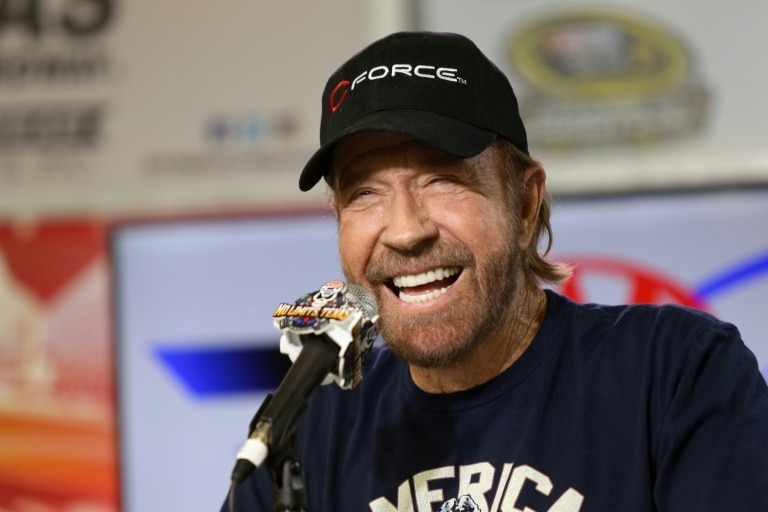
  • Chuck Norris, action man who inspired endless memes, dead at 86: family

    Chuck Norris, action man who inspired endless memes, dead at 86: family

    Hollywood and martial arts communities worldwide are mourning the loss of iconic action star Chuck Norris, who passed away at age 86 according to a family announcement released Friday. The statement shared on Instagram confirmed his peaceful passing surrounded by loved ones, though specific details regarding circumstances remain private.

    Born Carlos Ray Norris in Ryan, Oklahoma on March 10, 1940, the legendary performer’s journey to global stardom began unexpectedly during his military service. Stationed at a South Korean airbase while serving in the U.S. Air Force, Norris discovered tang soo do, a Korean martial art derived from karate, which would ultimately define his career trajectory.

    Following his 1962 military discharge, Norris established a martial arts studio in Los Angeles where he cultivated an elite clientele including Hollywood celebrities Steve McQueen and Priscilla Presley. His competitive excellence was solidified when he secured a U.S. karate championship title at Madison Square Garden in 1967.

    Norris’s acting career commenced with a minor appearance in the 1968 Dean Martin film “The Wrecking Crew,” but his breakthrough arrived four years later through an epic confrontation with martial arts superstar Bruce Lee in “The Way of The Dragon.” The 1972 cinematic masterpiece, produced on a modest $130,000 budget, achieved remarkable commercial success and established Norris as a formidable screen presence.

    Throughout the subsequent decades, Norris headlined numerous action films including “Good Guys Wear Black” and “Silent Rage,” but achieved his most recognizable fame through the television series “Walker, Texas Ranger.” The popular show spanned eight seasons and generated countless cultural memes celebrating his seemingly superhuman capabilities, including humorous comparisons suggesting he could defeat Superman in combat.

    Beyond his entertainment career, Norris maintained active political engagement as a committed Republican, publicly endorsing conservative causes and candidates. His personal life included two marriages—thirty years with high school sweetheart Dianne Holechek followed by union with Gena O’Kelley—and fatherhood to five children.

    Despite health challenges including recovery from two cardiac arrests in 2017, Norris remained active until recently, celebrating his 86th birthday with a social media video demonstrating his ongoing boxing skills while humorously remarking “I don’t age. I level up.”

  • Rental affordability slumps to record low as surging rents outpace wage growth

    Rental affordability slumps to record low as surging rents outpace wage growth

    Australia’s rental market has plunged to unprecedented levels of unaffordability, creating severe housing stress for tenants nationwide. According to the latest REA Group rental affordability report, the fundamental imbalance between income growth and rental prices has created the most challenging conditions since records began in 2008.

    Statistical analysis reveals a stark disparity: Australians earning the median salary of $124,000 can currently afford only 37% of rental properties advertised between July and December 2025. For those on more modest incomes approaching $75,000, the situation becomes critically constrained with merely 2% of available rentals within financial reach.

    Regional analysis demonstrates significant variation across states. New South Wales maintains its position as the least affordable state, where typical income households can access just 25% of rental properties. South Australia follows closely with only 19% affordability, while Western Australia and Queensland show slightly better but still concerning rates at 24% and 29% respectively. Victoria emerges as the sole exception, recording measurable improvements in rental affordability over the past twelve months and now leading as the most affordable state by a considerable margin.

    The crisis has developed through a perfect storm of economic factors. REA Group senior economist Angus Moore identifies that national rents have surged by 55% since the pandemic’s onset in 2020, dramatically outpacing wage growth which has increased by just over 25% during the same period. The numerical reality shows weekly rental prices escalating from a 2020 average of $420 to the current $650, placing enormous strain on household budgets.

    Most alarmingly, the most affordable segment of the rental market has experienced the steepest price increases. Properties at the budget end have jumped from $280 per week to $450 – a staggering 61% increase between 2018-19 and 2025-26. This disproportionate inflation at the lower end creates particularly severe challenges for low-income renters, effectively pricing them out of the market entirely. Even households in the 70th income percentile, earning approximately $190,000 annually, find themselves limited to just 8% of advertised rentals for the 2025-26 period.

    The decade-long decline in rental affordability reflects structural economic issues that require comprehensive policy solutions to address the growing housing inequality across Australian society.

  • India to tackle global obesity with cheap fat-loss jabs

    India to tackle global obesity with cheap fat-loss jabs

    A seismic shift is underway in global obesity treatment as India’s pharmaceutical industry prepares to launch affordable generic versions of breakthrough weight-loss injections following the expiration of key patents. The expiration of semaglutide patents—the active component in medications like Ozempic and Wegovy—on Friday has unlocked unprecedented opportunities for mass production of cost-effective alternatives.

    Medical facilities across Mumbai are already anticipating a substantial surge in patient demand. Endocrinologist Nadeem Rais reports approximately 50 weekly inquiries for weight-loss injections at his clinic alone, with current patient numbers ranging between 70-80. “With generic availability and subsequent price reductions, this figure could easily escalate to 200,” Dr. Rais projected.

    The timing coincides with India’s evolving health crisis where traditional undernutrition challenges now compete with rapidly rising obesity rates. Recent government data reveals 24% of women and 23% of men are classified as overweight or obese—a paradoxical development in a nation that still accounts for one-third of global undernutrition cases.

    India’s pharmaceutical giants have positioned themselves at the forefront of this transformation. Regulatory documents confirm at least four major manufacturers have prepared generic semaglutide formulations, with Zydus Lifesciences announcing immediate “Day 1” launches. Market research firm Pharmarack anticipates an influx of more than 50 brands from over 40 manufacturers entering the market shortly.

    The economic implications are substantial. India’s weight-loss medication market has experienced tenfold growth over five years, reaching $153 million in 2026 with projections exceeding $500 million by 2030. Current premium treatments costing 15,000-22,000 rupees ($161–$236) monthly have limited accessibility, but generics are expected to reduce costs to approximately 5,000 rupees ($60) monthly.

    This development carries significant global ramifications, particularly for middle-income nations where obesity rates are climbing but treatment remains cost-prohibitive. As the supplier of over half of Africa’s generic medications, India’s affordable semaglutide could become a vital resource for developing regions.

    Medical professionals acknowledge both the promise and challenges. While these medications demonstrate remarkable efficacy, they can produce side effects including nausea and gastrointestinal discomfort. Nonetheless, as bariatric surgeon Sanjay Borude observes, the treatment addresses a growing health crisis fueled by sedentary urban lifestyles and changing economic patterns.

  • Somaliland centre saves cheetahs from trafficking to Gulf palaces

    Somaliland centre saves cheetahs from trafficking to Gulf palaces

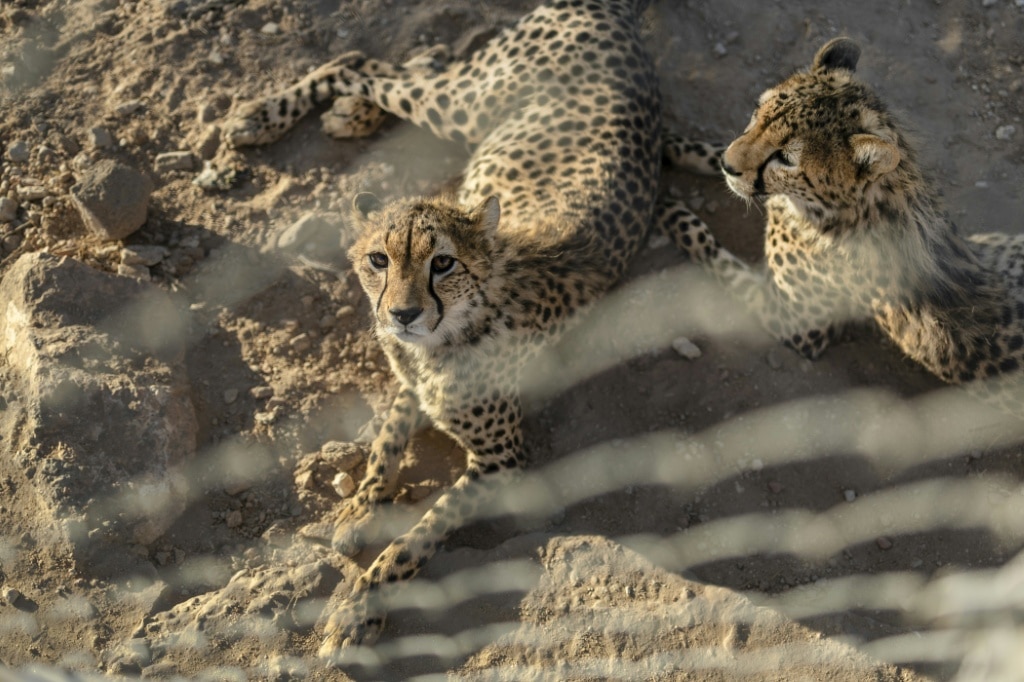
    In the Geed-Deeble savannah of Somaliland, a breakaway region of Somalia, 127 rescued cheetahs now reside in a specialized sanctuary operated by the Cheetah Conservation Fund (CCF). These magnificent felines represent survivors of a devastating wildlife trafficking network that supplies exotic pets to wealthy buyers in Gulf nations.

    The cheetahs, all forcibly separated from their mothers as cubs, were destined for luxurious palaces across the Arabian Peninsula before intervention by Somaliland authorities. The CCF facility provides critical care for these traumatized animals, many arriving in dire condition after brutal smuggling attempts.

    According to conservation experts, the illicit trade poses an existential threat to the species. With only approximately 600 cheetahs remaining in the Horn of Africa region—and merely 7,000 surviving globally in the wild—the sanctuary supports a significant portion of the endangered population. The International Union for Conservation of Nature classifies African cheetahs as ‘critically endangered’ outside southern Africa.

    Chris Wade, director of the facility, describes the heartbreaking reality of rescue operations. Eight recently arrived cubs, part of a group of 11 intercepted by Somaliland’s coastguard, required intensive medical care after being discovered severely dehydrated and parasite-ridden aboard a smuggling vessel. Tragically, three succumbed within days of arrival.

    The trafficking pipeline typically begins with villagers in Somaliland or Ethiopia capturing cubs for meager payments of $50-$100. These animals then undergo perilous journeys across the Gulf of Aden to Yemen before reaching final destinations in Saudi Arabia and the United Arab Emirates, where they command prices reaching $20,000.

    Despite both UAE (2016) and Saudi Arabia (2022) implementing laws criminalizing possession and trade of dangerous animals, enforcement remains challenging. Animal trafficking expert Daniel Stiles reports continuing sightings of new cheetahs appearing on social media platforms, indicating persistent demand.

    The survival statistics are grim: for every cub successfully delivered, four to five perish during transportation. Those reaching their destinations typically survive only one to two years due to improper care, malnutrition, and disease, according to CCF founder Laurie Marker.

    A 2021 report by the Global Initiative Against Transnational Crime estimated approximately 300 cheetahs are smuggled annually from East Africa and the Horn of Africa, primarily destined for palatial residences. At this rate, experts warn the species faces ‘virtual extinction.’

    While most sanctuary residents have become too habituated to humans for wild release—missing crucial hunting development that enables their legendary 120 km/h speeds—the center is developing a 1,500-hectare rewilding area to rehabilitate younger arrivals for potential return to nature, offering hope for future rescues.

  • Awesome foursome: Panthers put on terrifying masterclass as wingers combine for five moments of magic

    Awesome foursome: Panthers put on terrifying masterclass as wingers combine for five moments of magic

    The Penrith Panthers have delivered a commanding statement to the National Rugby League (NRL) with a spectacular 40-4 demolition of the Sydney Roosters at Allianz Stadium, solidifying their position as the team to beat in the 2024 premiership race. The match showcased an exhibition of offensive brilliance and defensive mastery that left the Roosters reeling.

    While winger Brian To’o produced an early contender for Try of the Year with an extraordinary double-kick effort that left defenders baffled, it was his counterpart Tom Jenkins who stole the spotlight with a phenomenal four-try performance. Jenkins’ remarkable haul brings his season total to eight tries in just three games, marking an incredible return to form after his disappointing finals demotion last season.

    The Panthers’ offensive explosion was complemented by an impregnable defense that has conceded a mere 10 points across their opening three matches. The team’s strategic dominance was evident during a devastating 12-minute period where they scored four unanswered tries, completely dismantling the Roosters’ game plan.

    Nathan Cleary demonstrated why he remains the league’s premier playmaker, orchestrating attacks with surgical precision while consistently evolving his ball-playing capabilities. The performance was further highlighted by Paul Alamoti’s blistering speed that created scoring opportunities, including a perfectly executed play that resulted in a Dylan Edwards try.

    Despite the Roosters’ early promise with a fourth-minute try from Robert Toia and multiple first-half line breaks, Trent Robinson’s squad proved incapable of penetrating Penrith’s disciplined defensive structure. The highly-touted Roosters spine featuring James Tedesco, Sam Walker, Reece Robson, and Daly Cherry-Evans failed to make significant impact against the Panthers’ relentless pressure.

    The comprehensive victory signals a dramatic resurgence for Penrith, who finished at the bottom of the table after 12 rounds last season, now appearing stronger than ever as they pursue redemption and their fifth premiership title.