
标签: Oceania

大洋洲

  • Australian businesses face ‘unprecedented’ failure rate amid dire oil shock warning

    Australian businesses face ‘unprecedented’ failure rate amid dire oil shock warning

    Australia’s economic landscape is confronting severe headwinds as escalating oil prices threaten to trigger widespread business failures across the nation’s most critical sectors. According to alarming new data from credit reporting agency CreditorWatch, business insolvencies have reached unprecedented levels and are projected to worsen significantly if current fuel market conditions persist.

    The ongoing Middle East conflict has propelled oil prices from approximately $56 USD per barrel to nearly $100 USD, creating what economists describe as a 50-70% price shock. CreditorWatch Chief Economist Ivan Colhoun warns that should prices stabilize between $120-$150 USD per barrel, the economic impact would mirror the devastating effects experienced during COVID-19 lockdowns. Historical data indicates that sustained oil price increases of this magnitude over six to twelve months have frequently preceded global recessions.

    Fuel-intensive industries including agriculture, mining, manufacturing, and road transport face particularly acute vulnerability. The transportation sector already demonstrates concerning stress signals, with CreditorWatch’s Business Risk Index revealing that 7.1% of road freight businesses ceased operations in the past year—a significant increase from 6.2% the previous year. Rising fuel costs continue to erode profit margins throughout these essential supply chain components.

    Agricultural operations confront additional pressures due to their heavy reliance on diesel for machinery, irrigation systems, and product transportation. Compounding these challenges, natural gas restrictions have driven fertilizer costs higher, creating a multi-faceted cost crisis for farmers. While the agricultural sector currently maintains relatively low insolvency rates due to minimal leverage and consistent food demand, experts anticipate increased failures if high fuel costs persist beyond the next quarter.

    The economic deterioration is already materializing according to recent PMI data from S&P Global. Australia’s composite PMI registered at 47 in March, indicating contracting economic activity for the first time in eighteen months. S&P Global economist Eleanor Dennison noted that input costs have surged to their highest level in over three years, while business optimism has declined amid slowing demand and supply chain disruptions.

    The timeline for recovery remains uncertain. CreditorWatch suggests that if Middle East tensions de-escalate by mid-2026, fuel prices may retreat sufficiently to allow operational recovery. However, even in this optimistic scenario, elevated insolvency rates are expected to persist through the first half of the calendar year. Alternatively, prolonged oil prices above $120 USD would likely trigger additional business failures, particularly among small and mid-sized enterprises with limited financial buffers.
  • Dirty diapers born again in Japan recycling breakthrough

    Dirty diapers born again in Japan recycling breakthrough

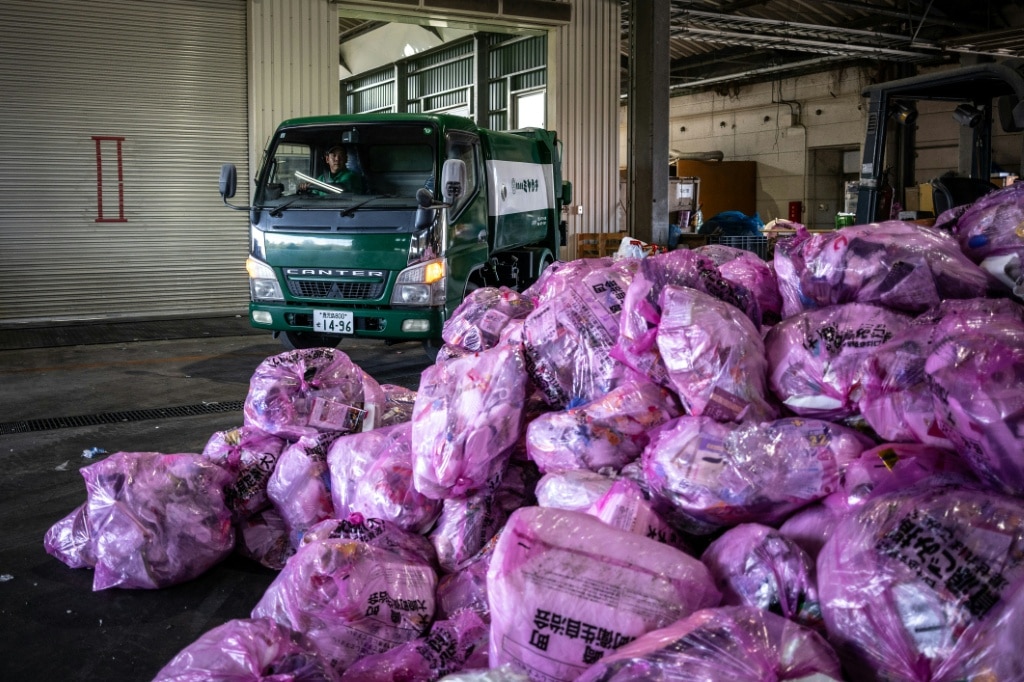
    In a groundbreaking environmental initiative, Japan has developed revolutionary recycling technology that transforms soiled diapers into new sanitary products. This world-first pilot program addresses the dual challenges of Japan’s mounting waste management crisis and its rapidly aging demographic profile.

    The innovative process, spearheaded by hygiene product manufacturer Unicharm, operates in two forward-thinking municipalities—Shibushi and Osaki—where residents achieve an impressive 80% household waste recycling rate, quadruple the national average. These communities implemented radical waste management solutions a quarter-century ago when facing imminent landfill saturation.

    The sophisticated recycling methodology involves collecting specially marked diapers, then subjecting them to shredding, washing, and separation into core components: pulp, plastic, and super-absorbent polymer (SAP). Through proprietary ozone treatment technology, the materials undergo complete sterilization, bleaching, and deodorization. This breakthrough enables the reuse of diaper pulp—constituting the bulk of each product—to manufacture new diapers meeting strict hygiene standards.

    Japan’s demographic reality drives this innovation: the nation now produces more adult diapers (9.6 billion annually) than infant variants (8 billion), with projections indicating annual disposal of 2.6 million tons of soiled diapers by 2030. Currently, Japan recycles less than 20% of municipal waste, significantly trailing Germany (67%), Britain (44%), and the United States (32%).

    Unicharm’s ambitious roadmap targets full circularity by 2028, aiming to recycle both plastic and absorbent polymer components alongside pulp. The company plans to expand collaboration to 20 municipalities by 2035 while developing water-reduction techniques to enhance process sustainability. Although currently available at a 10% price premium in local markets, these recycled products represent a paradigm shift in sustainable hygiene solutions for an aging society.

  • Federal Treasurer Jim Chalmers rules out fuel excise cut even as inflation tipped to worsen

    Federal Treasurer Jim Chalmers rules out fuel excise cut even as inflation tipped to worsen

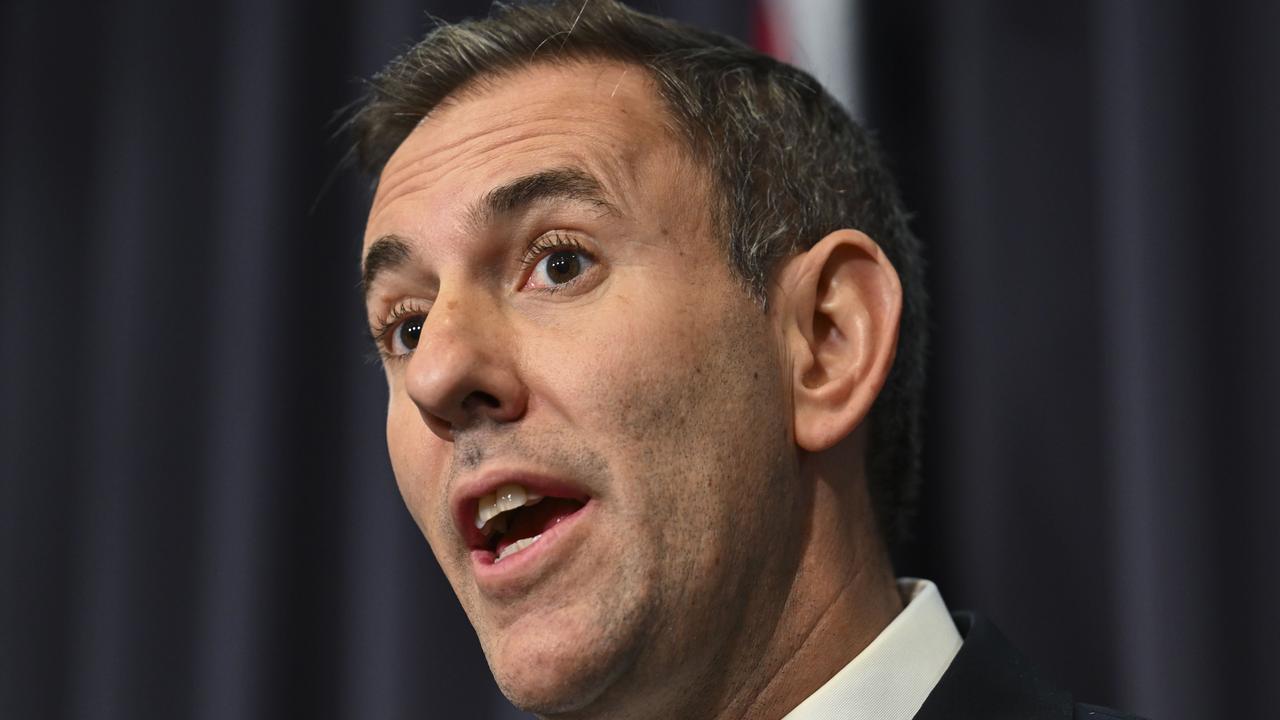
    Australian Treasurer Jim Chalmers has definitively rejected calls to modify the nation’s fuel excise system despite escalating inflationary pressures stemming from the Middle East conflict. The announcement comes as recent economic data reveals persistent inflation challenges, with the Consumer Price Index registering a 3.7% increase in February, remaining above the Reserve Bank’s target range.

    Addressing media concerns, Chalmers acknowledged that the Iran war, which commenced after the February reporting period, would significantly exacerbate inflation trends. “While it’s encouraging that inflation was moderating before the conflict,” Chalmers stated, “we recognize that price pressures were already elevated, and the Middle East situation will now prolong the period of higher inflation.”

    The current fuel excise structure imposes approximately 52 cents per liter on Australian consumers, a fixed rate that remains unchanged regardless of wholesale price fluctuations. Chalmers defended the government’s position by emphasizing alternative strategies: “Our focus remains on ensuring fair pricing at fuel stations, increasing supply availability—particularly in regional areas—and addressing supply chain vulnerabilities through international cooperation and industry engagement.”

    Treasury Department modeling, which previously projected inflation could approach 5% under fuel disruption scenarios, now appears “conservative” according to Chalmers, who has commissioned updated analyses to account for the rapidly evolving geopolitical landscape.

    The political opposition launched sharp criticisms against the government’s economic management. Shadow Treasurer Tim Wilson accused the Labor administration of pursuing an “inflation agenda” that was damaging household budgets through increased mortgage costs, grocery expenses, and energy bills. Wilson demanded greater fiscal discipline, productivity-enhancing policies, and reduced public spending.

    Independent economic analysis from KPMG chief economist Dr. Brendan Rynne suggested that while the February data indicated temporary economic resilience, the Middle East conflict’s impact on oil prices would soon permeate throughout the economy, affecting food, transportation, and construction costs. Rynne projected that subsequent data would provide clearer indications of the Reserve Bank’s interest rate trajectory, noting that the developing oil crisis would likely complicate inflation management efforts in the coming months.

  • Perth childcare service fined after child left in 39C bus

    Perth childcare service fined after child left in 39C bus

    A Western Australian childcare provider has been penalized with a $25,000 fine following a severe safety breach that left a seven-year-old child trapped inside a minibus during extreme 39°C heat. The incident occurred in March last year at Kiddo’s OSHC WA facility in Ellenbrook, Perth’s northeastern suburbs.

    According to findings from the State Administrative Tribunal (SAT), staff members failed to conduct mandatory checks upon arrival to ensure all children had disembarked from the 10-seater transport vehicle. The driver reportedly became distracted by a conversation with a parent outside the facility after parking the bus.

    Approximately five minutes later, during routine roll call inside the building, staff discovered the child’s absence. Fortunately, an educator passing by the unattended vehicle heard distressed cries and knocking from within. The tribunal documented the child was found in the front passenger seat visibly traumatized, crying, and red-faced from heat exposure.

    Subsequent investigations revealed critical staffing deficiencies, including improperly qualified educators and carers. The SAT determined the center systematically failed to provide adequate supervision and protect children from foreseeable harm.

    Department of Communities Regulation and Quality executive director Angelo Barbaro emphasized the non-negotiable nature of supervision protocols. “There is no substitute for supervision,” Barbaro stated. “Services must be vigilant in checking processes and ensuring children disembark transport vehicles safely. When services fail to meet their obligations, we take decisive action.”

    The service had been responsible for transporting students from 11 local schools to after-school care facilities, raising concerns about systemic safety practices across their operations.

  • Shock as man allegedly asking teens for urine found with loaded gun

    Shock as man allegedly asking teens for urine found with loaded gun

    A routine crime prevention operation in Melbourne has taken a dangerous turn following the arrest of a 41-year-old man at High Point Shopping Centre. The incident began when police received reports of suspicious behavior involving the man allegedly approaching teenagers to solicit urine samples, purportedly to circumvent an impending workplace drug screening.

    Members of Operation Pulse—a specialized Victoria Police initiative targeting criminal activity in shopping precincts—responded to the scene in the city’s western suburbs around 4 p.m. on Tuesday. During their subsequent interrogation and search of the suspect, officers made a startling discovery: a fully loaded firearm concealed within the man’s trousers.

    The finding precipitated an immediate armed raid on a residential property in the nearby suburb of Maidstone as part of the ongoing investigation. Dramatic footage from the arrest captured the moment the individual was subdued by a team of four officers amid loud protests and cries for assistance.

    Legal proceedings moved swiftly, with the accused appearing before Melbourne Magistrates’ Court on multiple serious charges. These include possessing a firearm as a prohibited person, carrying a loaded weapon in a public space, and unauthorized possession of ammunition.

    This case emerges amid broader law enforcement efforts under Operation Pulse, which has to date resulted in the seizure of 137 weapons and the filing of nearly 1,500 criminal charges since its inception. The operation remains active and is scheduled to continue through the end of the year.

  • ‘Hero’ Australian dog who saved 100 koalas retires

    ‘Hero’ Australian dog who saved 100 koalas retires

    After an illustrious decade-long career in wildlife conservation, Bear, an 11-year-old Australian Koolie celebrated for his extraordinary koala detection abilities, has officially entered retirement. This pioneering canine, recognized as one of Australia’s first professionally trained koala scent detection dogs, leaves behind a legacy of over 100 koalas rescued during his remarkable service.

    The International Fund for Animal Welfare (IFAW) pioneered this innovative conservation approach, initially uncertain about training dogs to identify koalas through their fur scent. Josey Sharrad, IFAW’s head of programmes, reflected on the experimental nature of the program, noting that ‘no one knew if it could be done’ when Bear began his training.

    Bear’s journey from an energetic puppy struggling to adapt to indoor life to becoming a conservation hero represents an inspiring transformation. ‘He literally went from chewing the walls of a Gold Coast apartment to roaming through the Aussie bush on a mission to save our most iconic species,’ Sharrad remarked in an official statement.

    The canine’s most significant contribution came during Australia’s devastating Black Summer bushfires (2019-2020), where his detection skills proved invaluable in locating and saving koalas across millions of fire-ravaged hectares. Beyond immediate rescue efforts, Bear’s work highlighted the broader ecological impacts of climate change on vulnerable species.

    Retiring with numerous accolades including Animal of the Year and Australian Dog of the Year awards, Bear has been immortalized in the documentary ‘Bear: Koala Hero’ and the book ‘Bear to the Rescue’. His former handler, Romane Cristescu, praised him as a ‘tireless ambassador for koalas for a decade’ who ‘melted hearts worldwide while facilitating critical conversations about climate change impacts on threatened species.’

    Bear will enjoy his retirement on the Sunshine Coast with one of his former handlers, transitioning to a well-deserved life of belly rubs and fetch games after his decade of service to Australia’s wildlife conservation efforts.

  • Underdogs chase World Cup berths in Mexico playoff tournament

    Underdogs chase World Cup berths in Mexico playoff tournament

    The BBVA Stadium in Guadalupe, Mexico becomes the stage for football’s ultimate underdog story this week as six nations from diverse corners of the globe compete for two remaining spots in the expanded 48-team 2026 World Cup. The playoff tournament, running from Thursday through next week, features New Caledonia, Suriname, Jamaica, Bolivia, Iraq, and the Democratic Republic of Congo battling for sporting glory and a place in football history.

    The knockout format begins with New Caledonia, a tiny French Pacific territory, facing Jamaica’s ‘Reggae Boyz’ in Guadalajara. The winner will advance to confront the Democratic Republic of Congo on March 31st, with the victorious team earning placement in Group K alongside Colombia, Portugal, and Uzbekistan. Simultaneously in Monterrey, Bolivia seeks its first World Cup appearance since 1994 against Suriname, a former Dutch colony. The triumphant team will face Iraq for the second available berth, with the winner joining formidable Group I containing France, Norway, and Senegal.

    Despite Iraq and DR Congo entering as statistical favorites based on FIFA rankings, both face significant challenges. Iraq’s preparations were severely disrupted by Middle East conflict following US-Israeli strikes on Iran, with coach Graham Arnold initially requesting postponement after players and staff became stranded. After an arduous overland journey to Jordan and subsequent flight from Amman, the Iraqi squad has finally arrived in Mexico seeking only their second World Cup qualification since 1986.

    DR Congo carries the weight of even longer history, having last qualified as Zaire in 1974 when they exited without scoring a goal. Their confidence stems from impressive African qualifying campaigns that eliminated football powerhouses Cameroon and Nigeria.

    The tournament also serves as a crucial operational test for World Cup host cities Guadalajara and Monterrey, coming weeks after cartel-related violence claimed over 70 lives following a drug lord’s death. Mexican President Claudia Sheinbaum and FIFA officials have jointly affirmed that security concerns won’t impact events, with plans to deploy over 100,000 security personnel during the actual World Cup when Mexico hosts 13 matches across three cities.

  • It’s go time: historic Moon mission set for lift-off

    It’s go time: historic Moon mission set for lift-off

    NASA’s groundbreaking Artemis II mission is preparing for its historic April launch, marking America’s first crewed lunar expedition in over fifty years since the conclusion of the Apollo program. The diverse four-member crew—Americans Reid Wiseman, Victor Glover, and Christina Koch alongside Canadian Jeremy Hansen—will embark on an approximately ten-day journey to orbit the Moon without landing, echoing the pioneering trajectory of Apollo 8 in 1968.

    This mission represents multiple historic firsts: the first woman, first person of color, and first non-American to participate in a lunar mission. The crew will travel aboard the newly developed Space Launch System (SLS) rocket, a monumental orange-and-white vehicle engineered to enable sustained lunar exploration. The SLS is designed to support America’s ambitious plan to establish a permanent lunar base as a strategic stepping stone for future Mars colonization.

    “Our return to the Moon represents the crucial next phase in our ultimate journey to Mars,” stated mission commander Wiseman during a recent NASA podcast. The Artemis program—named after Apollo’s mythological twin sister—aims to test technologies essential for eventual human missions to the Red Planet.

    The mission unfolds against a backdrop of renewed global space competition, with China targeting a human lunar landing by 2030 and focusing particularly on the resource-rich lunar South Pole. While comparisons to the Cold War space race emerge, Harvard professor Matthew Hersch notes fundamental differences: “The Chinese are primarily competing with themselves rather than engaging in direct competition like the US-Soviet rivalry.”

    Despite advanced technology that would be “almost unimaginable” to Apollo-era astronauts, significant risks remain. The crew will travel in a spacecraft that has never carried humans or ventured to the Moon, navigating a distance of over 384,000 kilometers from Earth—approximately 1,000 times farther than the International Space Station.

    NASA maintains rigorous safety protocols, with former chief astronaut Peggy Whitson emphasizing: “We accept nothing less than perfection. Our spaceflight history reminds us that when accidents occur, lives are lost.”

    The mission faces an ambitious timeline, with plans for a lunar landing by 2028 dependent on developing lunar landers through private sector partnerships with companies led by Elon Musk and Jeff Bezos. The program has encountered substantial delays and budget overruns, yet NASA hopes Artemis II can recreate the unifying inspiration of Apollo 8, which famously “saved 1968” during a period of global turmoil.

    As the world again faces division and uncertainty, Artemis II carries the potential to inspire a new generation and demonstrate humanity’s continuing capacity for extraordinary achievement in space exploration.

  • Mike Cannon-Brookes’ fortune slashed as rival AI threatens Atlassian

    Mike Cannon-Brookes’ fortune slashed as rival AI threatens Atlassian

    Australian technology billionaire Mike Cannon-Brookes experienced a significant financial setback this week as shares of his company Atlassian plummeted dramatically during Tuesday’s trading session on Wall Street. The sharp decline, which saw shares fall by 8.4%, resulted in approximately $1 billion being erased from Cannon-Brookes’ personal fortune within a single day of trading.

    The substantial sell-off was triggered by growing investor concerns that emerging artificial intelligence technologies from industry giants Amazon and Anthropic could potentially render many white-collar positions obsolete. This development has amplified existing anxieties within the technology sector, particularly affecting software-as-a-service (SaaS) companies like Atlassian that provide collaboration and productivity tools.

    This recent market turbulence compounds an already challenging year for the Australian-American software corporation. Atlassian’s share price has experienced a staggering 70% decline over the past twelve months, dramatically impacting the wealth of both co-founders. Cannon-Brookes and his counterpart Scott Farquhar, who each maintain 20% ownership stakes in the company, have collectively seen their combined fortunes diminish by approximately $35 billion this year, causing both to drop out of Australia’s top-ten wealth rankings.

    The immediate catalyst for the latest investor apprehension appears to be Amazon Web Services’ development of an AI agent designed for sales and business development functions. Concurrently, Anthropic’s Claude AI has introduced capabilities that allow the AI agent to assume control of users’ computers, enabling it to open applications, navigate the web, complete spreadsheet tasks, and perform various other automated functions.

    Earlier this month, Atlassian initiated a significant workforce reduction, eliminating 1,600 positions globally, which represented roughly 10% of its total workforce. Cannon-Brookes cited the company’s strategic pivot toward AI integration as a primary factor behind these layoffs, indicating that freed capital would be redirected toward artificial intelligence investments.

    The human impact of these corporate decisions is becoming increasingly evident through public disclosures from former senior staff members. Andre Serna, previously Senior Vice-President of Engineering, announced his departure after 13 years with the company, describing his journey as having “skidded to a halt.” Serna has since been compiling a spreadsheet of affected employees to assist them in securing new employment opportunities, publicly advocating for their professional capabilities.

    Notably, even high-ranking executives were not spared from the restructuring, with Chief Technology Officer Rajeev Rajan among those departing. Rajan expressed gratitude to the company’s founders while simultaneously expressing excitement about the evolving technological landscape and the opportunities presented by AI advancements.

    Atlassian, known for its flagship products including the Jira workflow management system and Confluence collaboration platform, now faces the dual challenge of navigating both market pressures and technological disruption. The company’s current struggles stand in stark contrast to its position in 2021, when it committed to constructing the Atlassian Tower in central Sydney while operating at a market capitalization nearly four times its present valuation.

  • Salah to leave Liverpool at the end of the season

    Salah to leave Liverpool at the end of the season

    Liverpool Football Club has confirmed that Egyptian superstar Mohamed Salah will conclude his celebrated tenure with the team at the end of the 2025-26 season. The announcement, made official through the club’s communication channels on Tuesday, marks the conclusion of a transformative nine-year period for both player and club.

    The 33-year-old forward, who joined Liverpool from AS Roma in 2017, has established himself as one of the most prolific scorers in the club’s storied history. With 435 appearances and an extraordinary tally of 255 goals, Salah’s contribution has been instrumental in Liverpool’s recent successes, including their Premier League championship victory in the 2024-25 season.

    Club officials emphasized that Salah specifically requested early transparency regarding his departure plans as a gesture of respect toward the loyal fanbase that has supported him throughout his Anfield career. This decision follows recent speculation about his future, particularly after a highly publicized disagreement with manager Arne Slot earlier in the season that resulted in Salah being temporarily excluded from the starting lineup.

    The timing of this announcement comes shortly after Salah’s impactful performance in Liverpool’s Champions League victory against Galatasaray, where he scored before being substituted due to apparent physical concerns. Despite experiencing an unusual scoring drought earlier in the season, the Egyptian international had regained his form with goals in three of his previous four starts prior to this announcement.

    While Salah’s current Premier League tally of five goals represents a significant decrease from his 29-goal contribution during last season’s title campaign, his legacy as a Liverpool icon remains unquestioned. The coming months will undoubtedly feature tributes to one of the most significant players in the modern era of English football.