标签: Oceania

大洋洲

  • New Sky News Pulse shows One Nation rapidly closes gap on Labor in primary vote

    New Sky News Pulse shows One Nation rapidly closes gap on Labor in primary vote

    Recent electoral data indicates a significant realignment within Australian politics, with Pauline Hanson’s One Nation party demonstrating remarkable gains against the governing Labor Party. The latest Sky News Pulse survey reveals One Nation’s national primary vote has reached 27%, trailing Labor by a mere two percentage points (29%)—a margin that signals the minor party’s transition from political fringe to mainstream contender.

    This polling surge follows the South Australian state election, where One Nation secured top-two placements in 32 of 47 electoral districts despite failing to capture any seats. The two-party preferred gap has concurrently narrowed to 53-47, suggesting evolving voter preferences ahead of the next federal election.

    Demographic analysis reveals One Nation’s particular strength among economically vulnerable Australians. The party leads Labor among households earning under $100,000 annually (52-48) and self-identified working-class voters (52-48) on a two-party preferred basis. This support appears driven primarily by economic anxieties, with cost-of-living pressures—especially fuel pricing and availability—dominating voter concerns.

    Public opinion remains divided on policy responses, with 32% of respondents advocating for enhanced onshore fuel reserves, 29% supporting anti-price-gouging measures, and 20% favoring reductions to fuel excise taxes. Concurrently, rising interest rates have intensified financial uncertainty, with 26% of Australians anticipating major budgetary adjustments should the Reserve Bank implement additional rate hikes this year. Among One Nation supporters, financial anxiety is even more pronounced, with 28% expecting significant spending cuts and 25% uncertain about their coping capacity.

    These developments suggest outer suburban and regional constituencies—previously considered Coalition strongholds—may emerge as critical battlegrounds where One Nation could capitalize on economic discontent and shifting political allegiances.


  • Australia ‘unprepared’ for Iran war world order, Liberal MP warns

    Australia ‘unprepared’ for Iran war world order, Liberal MP warns

    A senior Australian opposition figure has issued a stark warning about the nation’s vulnerability in the face of escalating global conflicts, declaring the post-Cold War era definitively over. Liberal MP Andrew Hastie, serving as opposition spokesperson for defence, delivered a compelling address at the Australian National University’s National Security College Conference, emphasizing the urgent need for national reindustrialization.

    Hastie characterized the current global situation as entering a period of ‘unrestrained strategic competition’ directly impacting Australian security and economic stability. The ongoing conflict involving Iran has triggered significant disruptions in global fuel markets, exposing critical vulnerabilities in Australia’s energy supply chain and defense preparedness.

    Recent research from ANU’s National Security College indicates a substantial shift in public perception, with 64% of Australians expressing heightened concerns about national security—a notable 20% increase from earlier this year. Furthermore, 68% of survey respondents believe military engagement with another nation within the next five years is probable.

    The MP criticized Australia’s decades-long trend of outsourcing industrial capacity and reducing domestic fuel refinement capabilities, noting the closure of numerous oil refineries has created dangerous dependencies. Hastie specifically highlighted concerns about solar technology reliance on China and advocated for maintaining multiple energy options, including petroleum-based fuels and coal-to-liquid conversion processes.

    Hastie challenged the government’s strategic focus on the Indo-Pacific region, arguing that this narrowed perspective failed to anticipate global supply chain vulnerabilities exemplified by Iran’s actions in the Strait of Hormuz. The address called for a comprehensive rebuilding of advanced manufacturing capabilities to enhance national resilience, productivity, and real wage growth across all employment sectors.

  • New Mexico jury finds Meta liable for endangering children

    New Mexico jury finds Meta liable for endangering children

    In a groundbreaking legal decision with far-reaching implications for social media regulation, a New Mexico jury has determined that Meta Platforms Inc. bears responsibility for endangering children through its digital ecosystems. The verdict, delivered after intensive six-week proceedings and approximately one day of jury deliberations, represents a significant judicial milestone in holding technology corporations accountable for youth protection standards.

    The civil litigation, initiated by New Mexico Attorney General Raúl Torrez in 2023, accused the parent company of Facebook and Instagram of systemic failures in safeguarding minors from sexual exploitation, predatory solicitation, and human trafficking operations on its platforms. During the Santa Fe courtroom proceedings, prosecutors presented compelling evidence demonstrating how Meta’s algorithmic architecture allegedly facilitated connections between adult predators and adolescent users while corporate leadership allegedly suppressed internal warnings about these dangers.

    Despite state prosecutors seeking maximum damages totaling $2.2 billion, the jury awarded a substantial though reduced penalty of $375 million after evaluating testimony from 40 witnesses—including former Meta employees turned whistleblowers—and examining hundreds of internal documents, corporate communications, and expert reports.

    Attorney General Torrez hailed the decision as “a historic victory for every child and family who has paid the price for Meta’s choice to put profits over kids’ safety,” asserting that company executives “knew their products harmed children, disregarded warnings from their own employees, and lied to the public about what they knew.”

    Meta’s legal representatives immediately announced their intention to appeal the verdict, with corporate spokespersons maintaining that the company “work[s] hard to keep people safe on our platforms and are clear about the challenges of identifying and removing bad actors or harmful content.”

    The judicial process now advances to a second phase commencing May 4, wherein presiding judges will consider additional punitive measures and potential mandated modifications to Meta’s platform operations and corporate policies. Concurrently, parallel litigation unfolds in California courts where juries are evaluating similar allegations regarding platform-induced addiction and harm to juvenile users—cases that may establish precedent for thousands of pending lawsuits against social media enterprises nationwide.

  • Huge crowd in Buenos Aires marks 50 years since Argentina’s coup

    Huge crowd in Buenos Aires marks 50 years since Argentina’s coup

    Tens of thousands of Argentinians flooded Buenos Aires’ historic Plaza de Mayo on Tuesday, marking a somber milestone—the 50th anniversary of the military coup that initiated the nation’s brutal 1976-1983 dictatorship. The massive demonstration, one of the largest witnessed in recent years, saw participants bearing white balloons, photographs of missing relatives, and banners proclaiming “They didn’t defeat us” and “We are still looking for you.

    Social and political organizations mobilized nationwide under the resonant slogans “Memory, Truth and Justice,” with parallel gatherings occurring across Argentine cities. The iconic Mothers and Grandmothers of Plaza de Mayo led the procession, continuing their decades-long vigil that began during the dictatorship to demand information about children abducted by the regime.

    The organization has achieved significant victories, having restored the identities of 140 grandchildren who were stolen as infants or born in captivity to detained dissidents. Estela De Carlotto, the 95-year-old president of the Grandmothers association whose own grandson was the 114th to be identified, emphasized that each recovery stands as evidence of “the atrocities committed by sinister state terrorism.”

    The commemorations occurred against a backdrop of contemporary political contention. The current far-right administration of President Javier Milei has challenged the widely accepted figure of approximately 30,000 victims of disappearance and death during the dictatorship, instead maintaining an official count of fewer than 9,000. The presidential office released a statement criticizing what it termed a “biased and revanchist perspective” of historical analysis.

    In a significant transparency move, Argentine authorities recently declassified nearly 500 pages of intelligence documents from the 1973-1983 period, including detailed surveillance records targeting universities, unions, and media organizations. According to accompanying documentation, this release aims to “strengthen institutional credibility” and demonstrate “commitment to the truth.”

  • Sydney teenager charged with terrorism offences ‘outlined plans for acts of violence’

    Sydney teenager charged with terrorism offences ‘outlined plans for acts of violence’

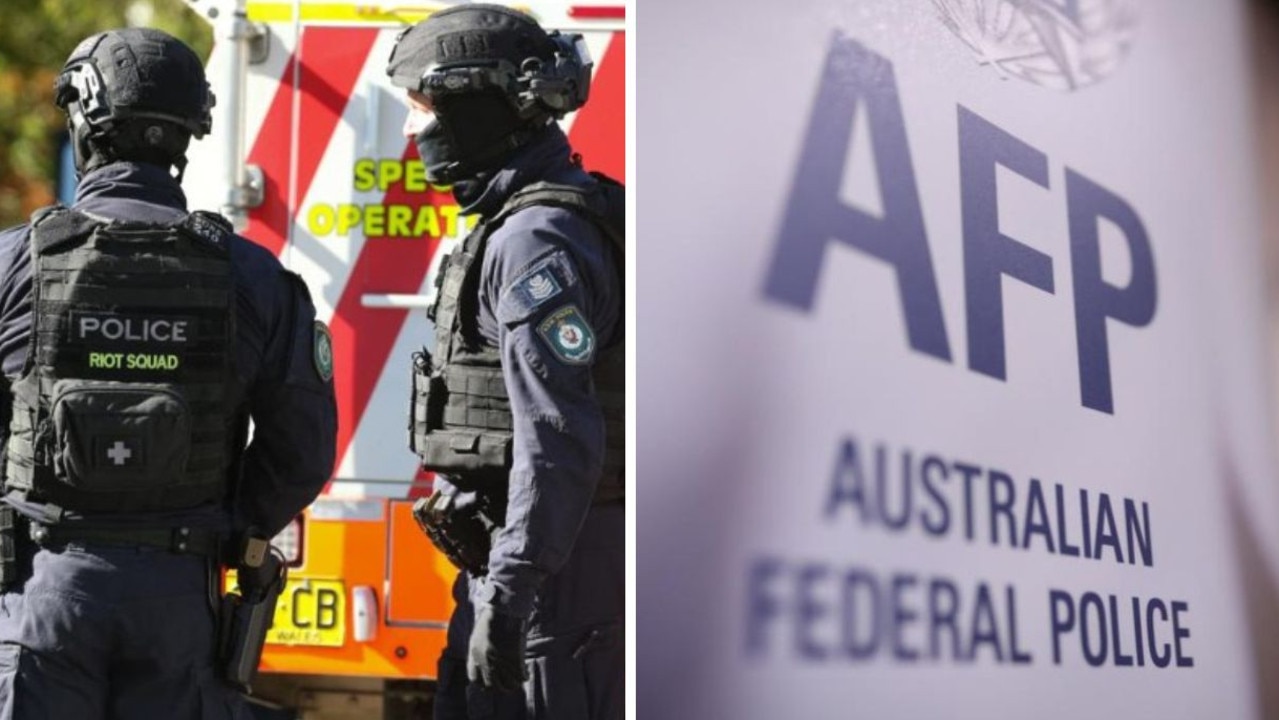
    Australian authorities have brought terrorism-related charges against a 16-year-old male following a comprehensive investigation into online threats of extremist violence. The adolescent, whose identity remains protected due to his minor status, was initially apprehended by the New South Wales Joint Counter Terrorism Team (JCTT) during a December operation at an inner-west Sydney residence.

    The investigation commenced after law enforcement agencies detected concerning online communications indicating potential violent extremist activities. During the residential search, investigators reportedly confiscated multiple electronic devices and discovered both a gel blaster and a flick knife, resulting in initial weapons charges last year.

    Forensic examination of the seized digital equipment allegedly revealed disturbing materials, including documents purportedly created and collected to facilitate terrorist acts. Law enforcement officials indicate the teenager maintained what they describe as ‘a mixed ideology’ while allegedly formulating specific plans for violent actions.

    On Tuesday, prosecutors formally filed multiple terrorism-related charges against the minor, including: one count of collecting documents likely to enable terrorist activities, two counts of creating such documents, and two counts of possessing violent extremist materials.

    The JCTT—a collaborative task force combining resources from NSW Police, Australian Federal Police, ASIO, and the NSW Crime Commission—has reiterated the importance of community vigilance in identifying and reporting potential extremist behavior. The case marks another instance of Australia’s ongoing efforts to combat domestic radicalization among youth populations.

    The accused is scheduled to appear before a NSW Children’s Court on Wednesday, where the matter will be addressed within the specialized juvenile justice system. Authorities have indicated their investigation remains ongoing and may yield additional developments.

  • Gang crackdown carried out without ‘abuses,’ Guatemalan defense chief says

    Gang crackdown carried out without ‘abuses,’ Guatemalan defense chief says

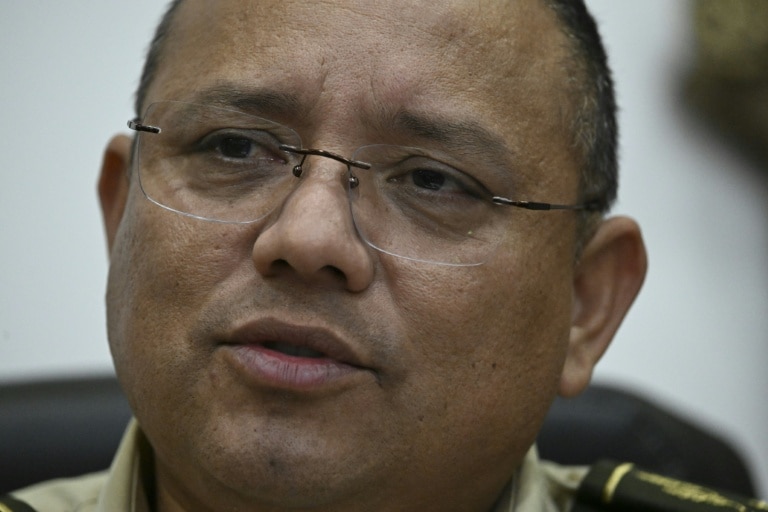
    Guatemala’s Defense Minister Henry Saenz has articulated a distinct approach to combating gang violence, positioning the nation’s strategy in direct contrast to the controversial methods employed by neighboring El Salvador. In an exclusive interview with AFP, Saenz emphasized that Guatemala’s ongoing security operations have successfully dismantled criminal networks while rigorously upholding human rights protections.

    The current crackdown was precipitated by a severe escalation of violence in mid-January, when gang-affiliated inmates orchestrated coordinated hostage situations across three prisons. These events culminated in the deaths of 11 police officers and triggered President Bernardo Arevalo to declare a month-long state of emergency. Military and police forces remain deployed across six departments as a preventive measure.

    Minister Saenz provided concrete metrics demonstrating the operation’s effectiveness: a 50 percent reduction in street killings and a 33 percent decline in extortion activities. These outcomes were achieved through strategic disruption of gang communications, effectively paralyzing their command structures. Saenz attributed this success to operating within a strict legal framework that requires judicial authorization for all raids and operations.

    While acknowledging the popularity of Salvadoran President Nayib Bukele’s results in reducing violence, Saenz explicitly rejected emulating methods that have drawn international condemnation for human rights violations. Guatemala is instead developing a maximum-security prison designed to meet international certification standards, explicitly rejecting the overcrowded conditions prevalent in El Salvador’s facilities.

    The Defense Minister reported that after two months of intensive operations, no formal complaints regarding human rights abuses have been registered. This record, he maintains, demonstrates that effective security policy can coexist with respect for civil liberties. Guatemala’s approach represents a deliberate choice to pursue what Saenz characterized as ‘the longer but better road’ – one that strengthens democratic institutions while combating criminal elements.

    Looking regionally, Saenz expressed optimism about hemispheric cooperation against drug trafficking, noting Guatemala’s active participation in United States-led initiatives against cartels. This collaborative framework, he suggested, signals ‘good times coming for the hemisphere’ in the shared battle against transnational criminal organizations.

  • US officials downplay controller ‘distraction’ in New York crash

    US officials downplay controller ‘distraction’ in New York crash

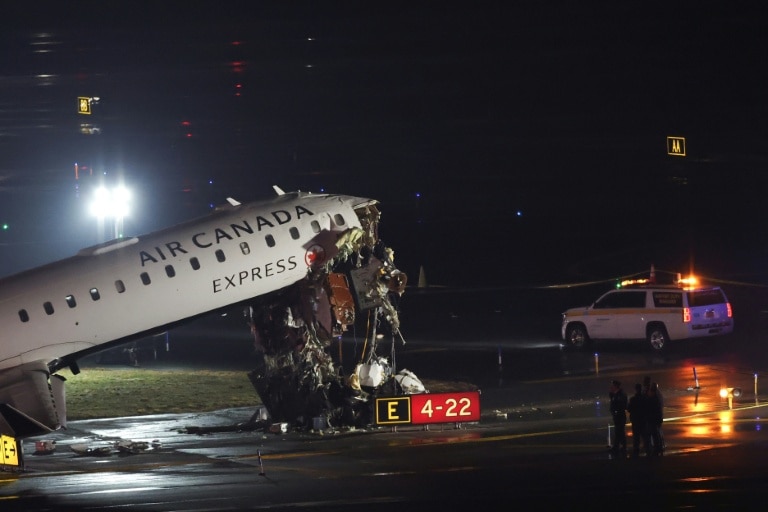
    Federal investigators are urging caution against attributing blame to air traffic controllers as the probe into a fatal runway collision at New York’s LaGuardia Airport continues. The incident, which occurred late Sunday, resulted in the deaths of two pilots when an Air Canada Bombardier aircraft collided with a fire truck, crushing the aircraft’s cockpit and severely damaging the emergency vehicle.

    National Transportation Safety Board (NTSB) Chair Jennifer Homendy addressed speculation that controller distraction might have been a factor, particularly following media reports that controllers were simultaneously managing an odor-related emergency on a United Airlines flight—the very incident to which the fire truck was responding. ‘I would caution pointing fingers at controllers and saying distraction was involved,’ Homendy stated during a press briefing. ‘We rarely, if ever, investigate a major accident where it was one failure.’

    Homendy emphasized that the U.S. aviation safety system relies on multiple layers of defense, suggesting that a catastrophic failure implies numerous breakdowns in the safety chain. The investigation has revealed that two controllers were on duty in the tower at the time of the accident, handling both departure clearances and ground traffic control, though the specific distribution of these duties remains unclear.

    While noting that the staffing level was consistent with national standards for a midnight shift, Homendy acknowledged that the NTSB has previously raised concerns about controller fatigue during such hours, though no evidence currently links fatigue to this incident.

    A significant finding emerged regarding the airport’s runway safety system (ASDE-X), designed to track aircraft and ground vehicles. The system failed to generate a collision alert because the fire truck involved was not equipped with a necessary transponder.

    NTSB lead investigator Doug Brazy confirmed the agency is analyzing substantial evidence, including over 25 hours of cockpit voice recordings and 80 hours of flight data. The final moments of the recording reveal the co-pilot transferring control to the captain just six seconds before the recording ended, for reasons that remain unknown.

    The collision marks LaGuardia’s first fatal accident since 1992. The Queens-based airport, ranked as New York’s third-busiest with 33.5 million passengers in 2024, now faces scrutiny amid a series of recent U.S. aviation tragedies, including January’s deadly collision near Washington that claimed 67 lives.

  • Trump has destroyed Venezuela’s socialist ideology: opposition leader

    Trump has destroyed Venezuela’s socialist ideology: opposition leader

    Venezuelan opposition figure Maria Corina Machado has declared that former US President Donald Trump delivered a decisive blow to Venezuela’s longstanding socialist ideology, fundamentally altering the nation’s political trajectory. In an exclusive interview with AFP in Houston, Texas, Machado characterized the Chavismo regime—which dominated Venezuelan politics for 25 years under Hugo Chávez and Nicolás Maduro—as “irreparably wounded” and in the process of being systematically dismantled.

    The political transformation began in January when US military forces orchestrated the ouster of leftist leader Maduro, replacing him with former deputy Delcy Rodríguez. Despite her previous affiliation with Maduro’s administration, Rodríguez has demonstrated willingness to comply with Trump’s directives, including reopening Venezuela’s oil sector to American corporations. Her recent comprehensive reshuffle of top military leadership signals further alignment with US interests.

    Machado, recipient of the 2025 Nobel Peace Prize, emphasized during the CERAWeek global energy forum that these developments represent crucial steps toward political transition. “Following President Trump’s instructions, they are dismantling their own repressive and corrupt structures,” she stated, acknowledging the unusual circumstance of a regime actively participating in its own unraveling.

    Regarding Venezuela’s future electoral landscape, Machado confirmed her intention to participate in upcoming presidential elections without explicitly declaring her candidacy. She expressed confidence that Venezuelans would “freely decide who they want” as their next leader, a marked contrast to her experience in the 2024 election when she was banned from running and forced into hiding following Maduro’s disputed reelection.

    The opposition leader’s relationship with Trump has evolved significantly throughout her exile, which she has spent primarily in the United States. In a symbolic gesture, she presented her Nobel Prize to Trump during a White House meeting shortly after US forces captured Maduro and extradited him to New York to face drug trafficking charges. Despite Trump’s earlier expressed desire to “get her involved” in Venezuela’s political process, his administration has subsequently prioritized support for Rodríguez’s interim leadership while Maduro awaits trial in a New York detention facility.

  • Russia rains drones on Ukraine, killing eight, hitting UNESCO site

    Russia rains drones on Ukraine, killing eight, hitting UNESCO site

    In a significant escalation of aerial tactics, Russian forces launched one of their most extensive daytime drone assaults against Ukraine, deploying nearly 1,000 unmanned aerial vehicles over a 24-hour period. The coordinated offensive resulted in at least eight fatalities and targeted multiple western regions far from conventional front lines.

    The attack marked a dramatic departure from Moscow’s typical nighttime bombardment strategy, with 550 drones dispatched during daylight hours following 392 overnight launches. Western cities including Lviv, Ivano-Frankivsk, and Vinnytsia suffered severe impacts, with civilian infrastructure and cultural landmarks sustaining substantial damage.

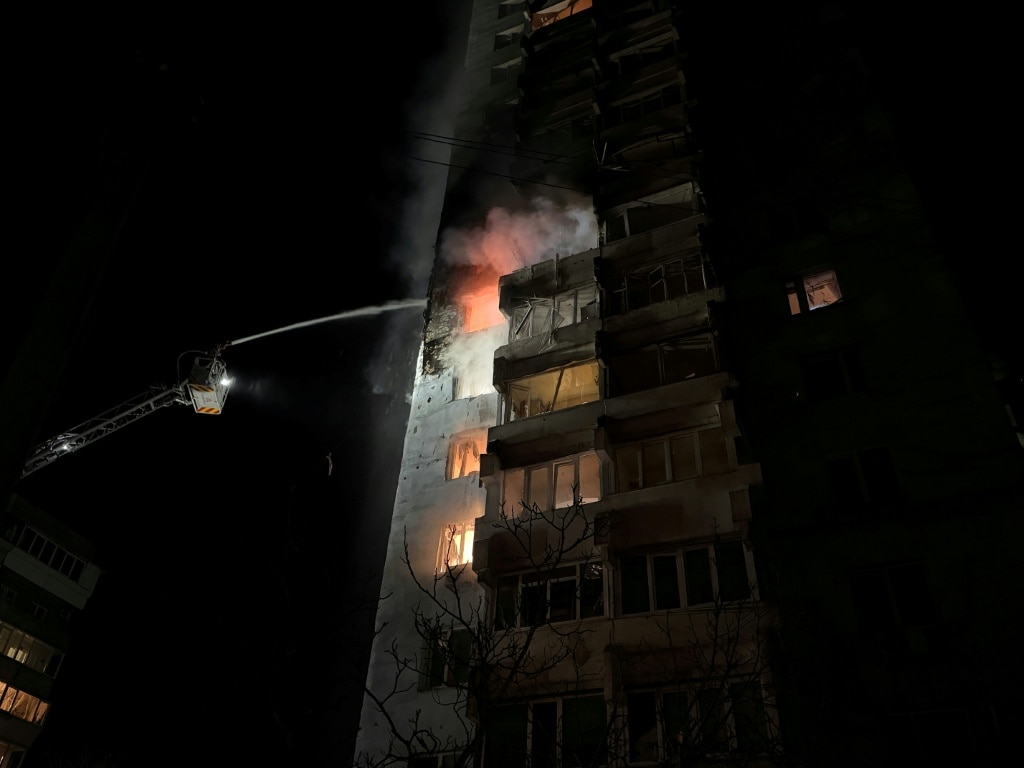
    In Lviv, a UNESCO-protected historic center came under fire during evening rush hour, with strikes damaging areas adjacent to the 17th-century St. Andrew’s Church and Bernardine Monastery. Eyewitnesses reported flames engulfing residential buildings, with roofs collapsed and windows shattered throughout the city center. First responders and civilians sought refuge in churches during the attack, awaiting clearance to emerge.

    The assault on Ivano-Frankivsk proved particularly devastating, with two civilians killed and four injured—including a six-year-old child. A maternity hospital and approximately ten residential buildings sustained damage in the strike. Vinnytsia region reported one fatality and eleven wounded, while Lviv documented at least thirteen hospitalizations.

    Ukrainian President Volodymyr Zelensky emphasized the urgent need for enhanced air defense capabilities, stating the massive drone numbers demonstrate requirement for increased protection against Russian strikes. The attacks occurred amid growing concerns about Ukraine’s dwindling supplies of US-provided air defense systems, compounded by shifting international attention to the Middle East conflict.

    The bombardment extended beyond western regions, with overnight strikes hitting residential areas and critical infrastructure across Poltava, Kharkiv, Zaporizhzhia, and Kherson. Five additional fatalities occurred in these attacks, which also severed power connections to neighboring Moldova and compromised energy infrastructure serving the Zaporizhzhia nuclear facility.

    This tactical shift to大规模daylight drone warfare represents a new phase in the four-year conflict, challenging Ukraine’s air defense resources and testing civilian resilience across previously relatively secure western regions.

  • NASA to build $20 bn moon base, pause orbital lunar station plans

    NASA to build $20 bn moon base, pause orbital lunar station plans

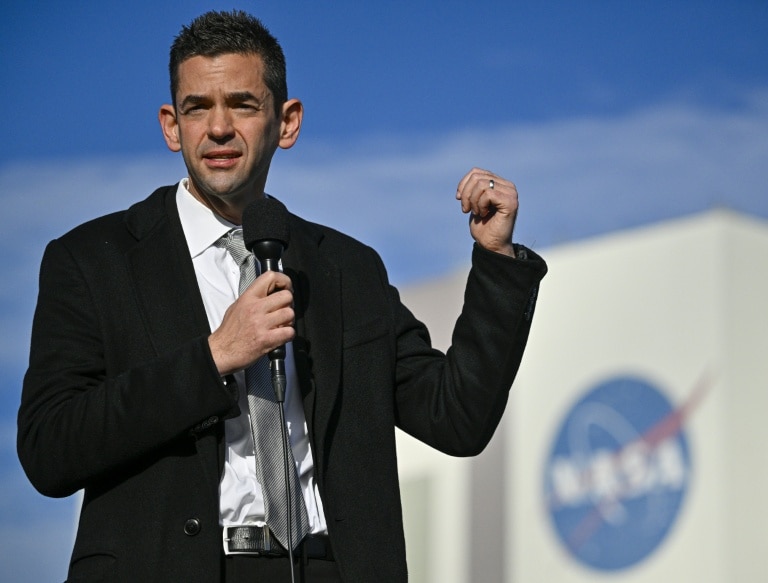
    In a significant strategic shift for America’s space exploration agenda, NASA Administrator Jared Isaacman announced the agency will suspend development of the Gateway lunar orbital station and instead channel approximately $20 billion toward establishing a permanent surface base on the Moon. The declaration came during a major policy address at NASA headquarters in Washington, D.C., marking a substantial reallocation of resources within the Artemis program.

    The revised approach prioritizes ‘infrastructure that enables sustained surface operations’ over the orbital transfer station concept. While existing Gateway hardware will be repurposed where feasible, and international partnerships will be redirected toward surface objectives, the orbital component has been effectively paused in its current form. This decision follows internal evaluations criticizing Gateway as potentially redundant and diverting resources from more critical lunar surface ambitions.

    NASA’s revised blueprint outlines an ambitious seven-year timeline involving dozens of missions conducted alongside commercial and international collaborators. This methodical approach aims to construct ‘humanity’s first permanent surface outpost beyond Earth,’ creating a foundational presence that would eventually support missions to Mars. The overall target of returning American astronauts to the lunar surface by 2028 remains unchanged despite these architectural changes.

    The strategic reassessment occurs alongside scheduling adjustments for the Artemis 2 mission. Originally slated for February, this crucial lunar flyby—the first in over fifty years—is now targeting an early April launch. This mission serves as a vital test flight to rebuild operational ‘muscle memory’ before attempting a subsequent landing. The U.S. effort maintains its competitive dimension, with China pursuing its own crewed lunar mission objectives by 2030, relying heavily on advancements from private sector partners like SpaceX and Blue Origin, who are developing the essential lunar landing systems.