标签: Oceania

大洋洲

  • Text scheme as ‘honest mistake’ costing NSW motorists thousands

    Text scheme as ‘honest mistake’ costing NSW motorists thousands

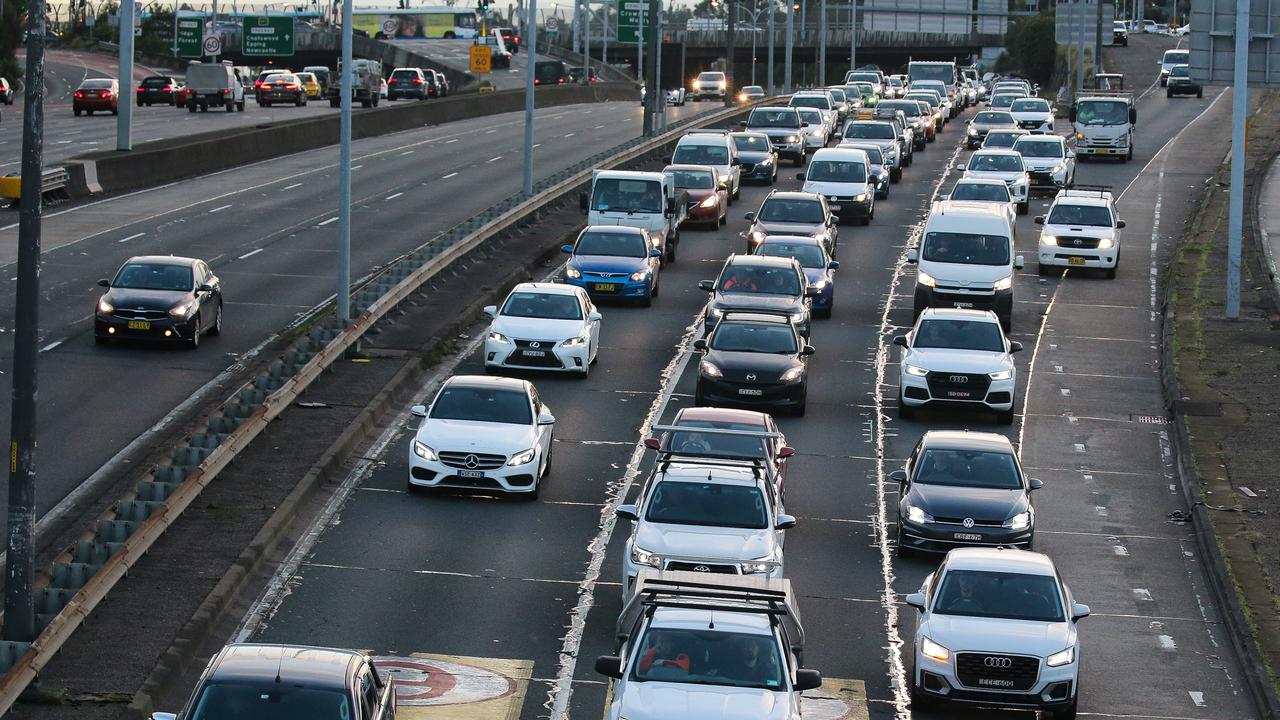
    Tens of thousands of drivers across New South Wales (NSW), Australia, have faced hundreds of dollars in fines over a single preventable mistake each year, but a new state government initiative aims to eliminate these costly penalties for accidental oversights. In 2025 alone, more than 50,000 motorists in NSW were penalized for driving with expired vehicle registration or without valid insurance — violations that most often stem from simple forgetfulness rather than intentional misconduct.

    Currently, more than one million NSW drivers already access digital registration reminders through email or in-app notifications in their official MyServiceNSW and Service NSW accounts, with alerts sent two weeks and one day before expiration. Under a new expansion of the existing opt-in reminder program rolled out by the state’s Labor government, drivers will now be able to add free SMS text message alerts to their reminder suite, delivering a final critical notification directly to their mobile devices.

    Addressing the rationale behind the policy change, NSW Digital Government Minister Jihad Dib noted that late registration renewals almost always stem from everyday disruptions to busy modern lives, not intentional noncompliance. “We know people lead busy lives and can carry huge mental to-do lists. Paperwork gets misplaced, deadlines slip off the radar, and before you know it, your registration has expired,” Dib explained. “By introducing an overdue SMS notification one day after expiry as a final reminder to get your registration sorted, we could save you hundreds of dollars in fines while keeping everyone safe on our roads. This is a simple idea that could make a huge difference to people; by giving drivers this option we are offering you a convenient reminder in the palm of your hand.”

    NSW Roads Minister Jenny Aitchison echoed Dib’s comments, emphasizing that the consequences of an accidental late renewal extend far beyond financial penalties. “Driving unregistered doesn’t just risk a fine, it means being uninsured and putting yourself and others at risk on our roads,” Aitchison said. “These SMS reminders are a simple, practical way to help people stay on top of their rego and avoid an honest mistake that can have serious outcomes.”

    Current penalty structures for unregistered driving in NSW reflect the state’s commitment to road safety, but the government recognizes that penalizing accidental oversights is unfair to residents. Light vehicle drivers face maximum fines of $818 for driving or parking an unregistered vehicle on public roads or related areas, while penalties for unregistered heavy vehicles jump sharply to $1,728.

    The reminder scheme remains entirely optional for NSW motorists. Drivers who choose not to opt in to digital or SMS reminders will continue to receive printed paper reminders via standard mail six weeks before their registration expiration date. As part of a public outreach blitz to boost participation, the NSW government will send invitation messages to more than four million eligible drivers throughout May and June, encouraging them to add SMS reminders to their account settings.
  • Sinner demolishes Popyrin to stroll into Italian Open last 16

    Sinner demolishes Popyrin to stroll into Italian Open last 16

    The Italian Open delivered two contrasting storylines of dominance and dramatic comeback on Monday, as home favorite Jannik Sinner extended his historic winning streak while Coco Gauff fought off elimination to book a spot in the women’s quarterfinals.

    World No. 1 Sinner delivered a masterclass in controlled aggression to blow past Australian contender Alexei Popyrin in just 61 minutes, clinching a lopsided 6-2, 6-0 straight-sets victory that advances him to the tournament’s round of 16. The 24-year-old Italian has now stretched his consecutive win streak to 25 matches this season across ATP Masters 1000 events, a milestone that places him alongside tennis legend Novak Djokovic as the only two players to open a year with 25 unbeaten Masters 1000 outings – Djokovic holds the all-time record with 31 consecutive wins set back in 2011.

    Popyrin, ranked 60th in the world, never found his rhythm against Sinner’s relentless pressure. The Australian managed to land only 48 percent of his first serves, opening the door for Sinner to convert five of eight break point opportunities. Popyrin also coughed up 23 unforced errors, turning the contest into a one-sided affair. After the match, Sinner acknowledged his strong performance, noting: “He’s a big server so his percentage was not very high, which helped me for sure a little bit, but I’ve been returning very well on the second serves.”

    Up next for Sinner is an unexpected Italian derby against 29-year-old qualifier Andrea Pellegrino. Ranked 155th in the world, Pellegrino pulled off one of the upsets of the tournament so far, defeating 20th seed Frances Tiafoe 7-6(10/8), 6-1 to advance. Remarkably, Pellegrino had never even qualified for the main draw of a Masters 1000 tournament before this year’s Italian Open.

    For Sinner, a Rome title would carry historic significance: he would become the first Italian man to claim the Italian Open crown since Adriano Panatta 50 years ago, and it would also give him a complete collection of Masters 1000 titles. With top rival Carlos Alcaraz sidelined by injury and Djokovic eliminated in an early upset, Sinner enters the remainder of the tournament as the overwhelming favorite, building momentum ahead of next week’s French Open as he chases a career Grand Slam.

    In other men’s draw action, 2019 Rome champion Daniil Medvedev received a walkover into the third round, and will next face Pablo Llamas Ruiz for a spot in the round of 16.

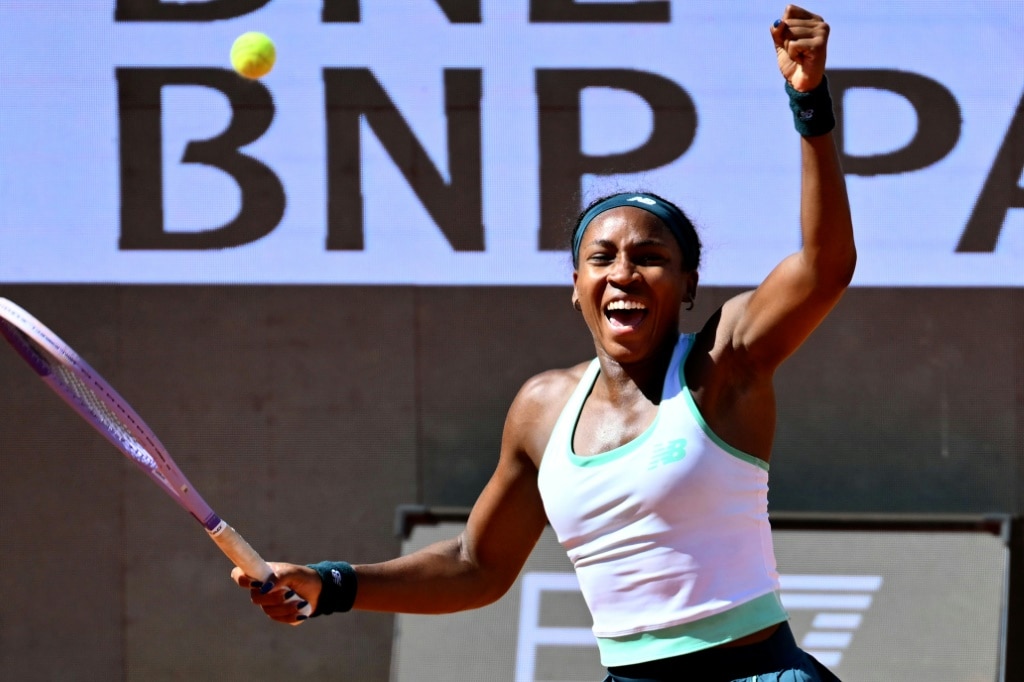
    Over on the women’s side of the draw, top contender Coco Gauff survived a major scare against 19-year-old compatriot Iva Jovic, rallying from a match point down to secure a 5-7, 7-5, 6-2 victory that books her place in the quarterfinals. The three-hour tussle, played on a windy center court, tested the reigning French Open champion, who entered the match having struggled for form on clay this season: Gauff exited the Madrid Open in the round of 16 earlier this month, following a disappointing quarterfinal run in Stuttgart.

    Trailing 5-4 in the second set and facing match point on Jovic’s serve, Gauff saved the championship point before a moment of frustration saw her smack herself in the head to snap out of her slump. The shift in momentum worked, as Gauff reeled off eight of the next nine games to close out the comeback victory. She will next face Mirra Andreeva in the quarterfinals. After the match, Gauff credited her fighting spirit for the win, saying: “It was really hard. I think the conditions made it tough to make some clean tennis. Really proud of how I was able to fight.”

    Upcoming highlights on Tuesday include a highly anticipated showdown between four-time Grand Slam winner Naomi Osaka and three-time Italian Open champion Iga Swiatek. Osaka has had a tough 2025 season, exiting both Indian Wells and Madrid in the round of 16 at the hands of Aryna Sabalenka, and a quarterfinal berth in Rome would mark her best result of the year. Swiatek, meanwhile, has not claimed a clay court title since winning her fourth French Open championship in 2024, and will be looking to find her rhythm ahead of the year’s second Grand Slam.

  • No end to deadlock as Iran, US reject talks terms

    No end to deadlock as Iran, US reject talks terms

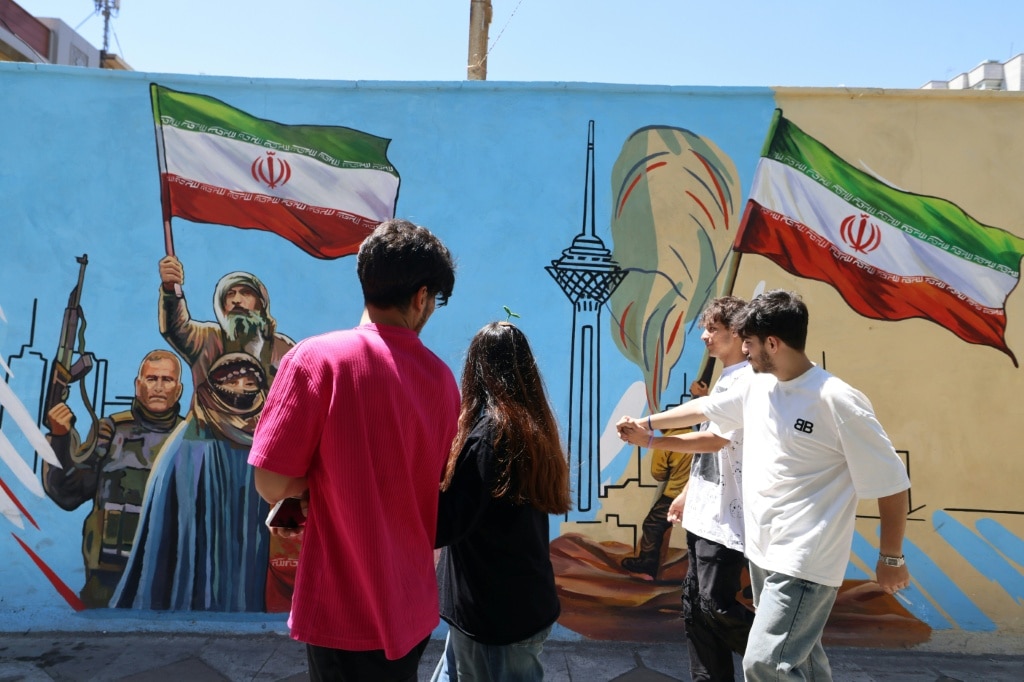
    A months-long diplomatic standoff between the United States and Iran has reached a new boiling point, with a sharp exchange of negotiating terms dashing hopes for a quick de-escalation of tensions in the Persian Gulf and raising the prospect of a full resumption of open conflict. The deadlock has already sent shockwaves through global energy markets, pushed oil prices sharply higher, and been compounded by fresh drone strikes across the region that have fractured a fragile existing ceasefire.

    The breakdown in talks came after Iranian officials responded to a latest US peace proposal with a formal counteroffer that former US President Donald Trump rejected outright as “TOTALLY UNACCEPTABLE” in a terse social media statement over the weekend. While Trump did not specify which provisions of Iran’s counteroffer sparked his fury, Tehran has publicly outlined its non-negotiable core demands: an immediate end to the US naval blockade of Iranian ports, the full release of billions of dollars in Iranian sovereign assets frozen in international financial institutions for years, and a cessation of all regional hostilities – a condition that implicitly requires an end to Israeli military strikes targeting Hezbollah in Lebanon.

    Esmaeil Baqaei, spokesman for Iran’s foreign ministry, emphasized to reporters on Monday that Tehran is not seeking excessive concessions, only the enforcement of its long-recognized legitimate rights. “We did not demand any concessions. The only thing we demanded was Iran’s legitimate rights,” Baqaei said. Analysts note that meeting Iran’s core demands would not only roll back the military and economic pressure imposed by the US and Israel ahead of the outbreak of the current conflict in late February, but also represent a major policy victory for the Islamic Republic’s years-long campaign to break global economic isolation. It would also significantly reduce Washington’s diplomatic leverage over Tehran regarding its nuclear program, a key longstanding priority for US policymakers.

    The US, Israel and their Western allies have for decades accused Iran of pursuing a secret nuclear weapons program, a charge Tehran has consistently and categorically denied. Israeli Prime Minister Benjamin Netanyahu reiterated his hardline stance over the weekend in an interview with CBS’s *60 Minutes*, insisting that the conflict will not end until all of Iran’s nuclear infrastructure is permanently destroyed. “It’s not over, because there’s still nuclear material — enriched uranium — that has to be taken out of Iran,” Netanyahu said. “There’s still enrichment sites that have to be dismantled.”

    Despite the public breakdown, reporting from *The Wall Street Journal* citing anonymous sources familiar with the negotiations indicates Iran’s counteroffer included tentative concessions on nuclear enrichment. According to the outlet, Tehran proposed diluting a portion of its existing highly enriched uranium and transferring the remainder to a neutral third country for storage, with a guarantee that the material would be returned if the final agreement collapses or Washington withdraws from the deal, a key Iranian protection against future US policy shifts.

    With talks stalled, the focus of global concern has shifted back to the Strait of Hormuz, the strategic international waterway that carries roughly one-fifth of the world’s total oil exports. Iran has already begun restricting commercial maritime traffic through the strait and moving forward with plans to implement a new toll system for transiting vessels, a step US officials have repeatedly called unacceptable. Meanwhile, the US Navy maintains its ongoing blockade of Iranian ports, regularly intercepting and diverting commercial vessels traveling to and from Iranian territorial waters.

    Compounding the already tense situation, fresh drone attacks across the Gulf on Sunday shattered the fragile ceasefire that had held for weeks. The United Arab Emirates announced its air defense systems successfully intercepted a drone launched from Iranian territory, while Kuwait reported detecting hostile unauthorized drones in its national airspace. Qatar’s defense ministry also confirmed a cargo freighter sailing into Qatari waters from Abu Dhabi was struck by a drone in the incident.

    Ebrahim Rezaei, spokesman for the Iranian parliament’s national security commission, issued a stark public warning to Washington over the weekend that marked the end of Tehran’s period of voluntary restraint. “Our restraint is over as of today,” Rezaei said in a social media post. “Any attack on our vessels will trigger a strong and decisive Iranian response against American ships and bases.”

    Looking ahead, the Trump administration has signaled it will raise the Iran issue during the president’s upcoming visit to Beijing this Thursday, where he is expected to press Chinese President Xi Jinping – leader of the world’s largest importer of Iranian crude oil – to back tougher pressure on Tehran to compromise on the peace terms.

  • Thailand’s ex-PM Thaksin released from prison

    Thailand’s ex-PM Thaksin released from prison

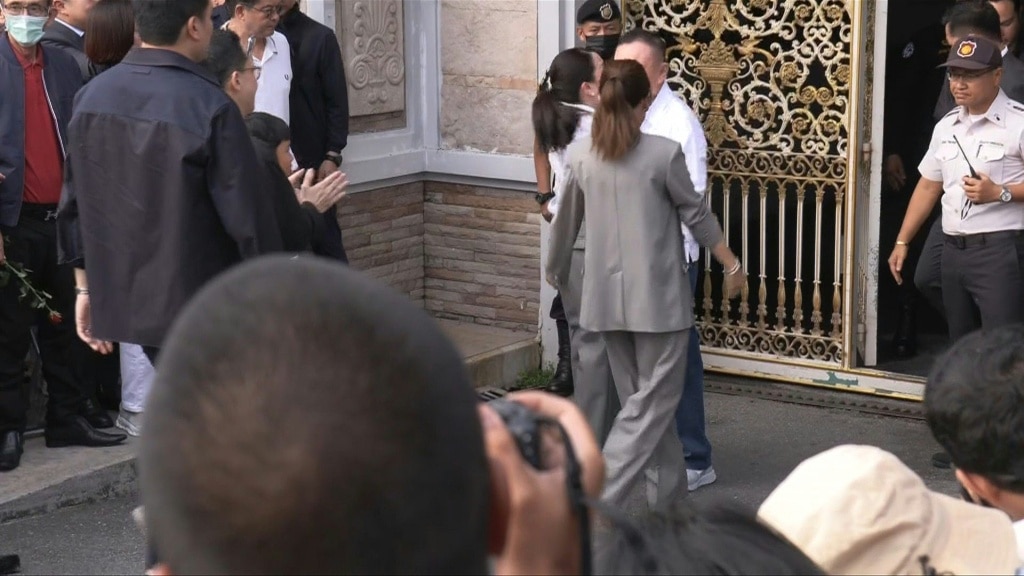
    Bangkok, Thailand – Thailand’s divisive and long-dominant political figure Thaksin Shinawatra walked free from Bangkok’s Klong Prem Central Prison on Monday, eight months into a one-year sentence, opening a new chapter of uncertainty for the country’s already turbulent political landscape.

    The 76-year-old former telecommunications tycoon and two-time prime minute was granted parole as part of a national early release program for elderly inmates, a decision announced by Thailand’s Department of Corrections last month. Following his release, Thaksin was fitted with a court-mandated electronic monitoring device at a local probation office, and will remain on probation until September. Under the terms of his release, he is barred from leaving Bangkok without official government approval.

    Outside the prison walls, hundreds of Thaksin’s most loyal supporters gathered in the signature red shirts that have become a symbol of his populist political movement, waiting to catch a glimpse of the leader they have backed for more than two decades. As he exited the facility, Thaksin embraced his daughter Paetongtarn Shinawatra – herself a former Thai prime minister – and other family members, with supporters breaking into chants of “we love Thaksin” to welcome his release. Speaking to reporters from the back window of his car after arriving at his Bangkok residence, Thaksin said he felt “relief” after what he described as an eight-month “hibernation” behind bars.

    Thaksin’s political influence has shaped Thai politics for 20 years, positioning his populist political bloc – which evolved into the current Pheu Thai party – as the most consistent electoral force in 21st-century Thailand. Members of the Shinawatra political dynasty have held the office of prime minister four times, drawing unwavering support from working-class and rural voters across the country. For the entirety of his political career, however, Thaksin has been locked in a bitter power struggle with Thailand’s pro-military, pro-royalty conservative elite, who have long viewed his populist appeal as a direct threat to the country’s traditional social and political order.

    This long-running rivalry remains a defining factor of Thaksin’s post-prison future. Analysts note that the former prime minister still faces multiple outstanding criminal cases, a reality that may deter him from jumping back into high-profile political activism that could trigger new legal prosecution. Despite this, his release has already reshaped the dynamics of Thailand’s current ruling government, which includes Pheu Thai as a key coalition partner alongside conservative Prime Minister Anutin Charnvirakul.

    The road to Thaksin’s early release has been marked by controversy and public suspicion. He first returned to Thailand from 15 years of self-imposed exile in August 2023, shortly after Pheu Thai concluded negotiations to form a new ruling coalition. Upon his return, he was convicted on corruption and abuse of power charges and sentenced to eight years in prison, but was immediately transferred to a private hospital suite on purported medical grounds rather than being held in a standard prison cell. A royal pardon later reduced his sentence to one year, but the Supreme Court ruled in September 2024 that Thaksin had not suffered from a life-threatening health condition, meaning his time in the hospital could not count toward his sentence, ordering him to serve the remainder of his term behind bars.

    That unusual path to prison stoked widespread allegations of backroom deals and special treatment for Thaksin, accusations that have continued to shadow Thai politics as he re-enters public life. In February 2025, Pheu Thai turned in its worst electoral performance in the party’s modern history, sliding to third place in national voting and casting doubt on the long-term viability of the Shinawatra political dynasty. But the party’s role in Anutin’s ruling coalition has kept open the door for a potential Thaksin comeback.

    Political observers are split on what Thaksin’s release means for Thai politics moving forward. Wanwichit Boonprong, a political science lecturer, noted that for die-hard Thaksin supporters, the former prime minister’s freedom will likely give a short-term boost to Pheu Thai, as supporters see the party’s de facto leader back in public life. At the same time, he argued, Thaksin’s long-time conservative rivals will rally around Prime Minister Anutin, who holds the trust of the traditional elite that Thaksin has long challenged. Those conservatives, Wanwichit said, will push aggressively to ensure Thaksin stays on the political sidelines.

    Anutin struck a conciliatory tone with the former prime minister following his release, telling reporters he was happy for Thaksin and his family. “He returns home with a smile,” Anutin said, adding that he would not rule out a future meeting between the two leaders, noting “Bangkok is not that big. Meeting with people we know and respect is not strange.”

    Members of Thaksin’s family have pushed back against speculation that he will immediately re-enter political competition. Paetongtarn Shinawatra told reporters earlier this week that the family had not discussed political matters during their recent prison visits. Thaksin’s nephew Yodchanan Wongsawat, who led Pheu Thai’s electoral ticket in February’s vote, currently holds a cabinet position as minister of higher education in Anutin’s administration.

    Thaksin is one of more than 850 Thai inmates approved for early release under the government’s program for elderly and low-sentence prisoners, but his release is by far the most politically consequential, leaving political analysts and voters across Thailand waiting to see what the polarizing former leader will do next.

  • Healthcare heavyweight CSL plunges to nine-year low, dragging down the ASX

    Healthcare heavyweight CSL plunges to nine-year low, dragging down the ASX

    On a volatile trading session for Australia’s equity markets, two separate events combined to push benchmark indexes lower: a sharp selloff in the healthcare sector driven by a major biotech firm’s impairment announcement, and a sudden jump in global oil prices triggered by a social media post from former US President Donald Trump derailing hopes of a Middle East peace breakthrough.

    The benchmark ASX 200 closed 42.60 points, or 0.49%, lower at 8701.80, while the broader All Ordinaries index retreated 38.10 points, or 0.42%, to settle at 8942.40. Eight of the 11 tracked market sectors finished the day in negative territory, with only the energy and mining sectors bucking the downward trend. The Australian dollar edged slightly higher, gaining 0.08% to trade at 72.38 US cents by market close.

    The single biggest drag on the market came from the healthcare sector, which plummeted 6.47% overall following a major announcement from CSL, the sector’s largest Australian-listed heavyweight. The global biotech firm revealed in a 90-day operational review that it would record an additional $US5 billion ($A6.9 billion) in non-cash impairment, on top of the $US1.5 billion impairment it already recognized during its first-half financial results. The news sent CSL shares tumbling 15.96% to $100.75, marking one of the worst single-day trading performances in the company’s history and pushing the stock to a near nine-year low. Other healthcare stocks also felt the spillover: Sigma Healthcare slid 0.35% to $2.84, and New Zealand-based medical device manufacturer Fisher & Paykel dropped 0.21% to $28.94.

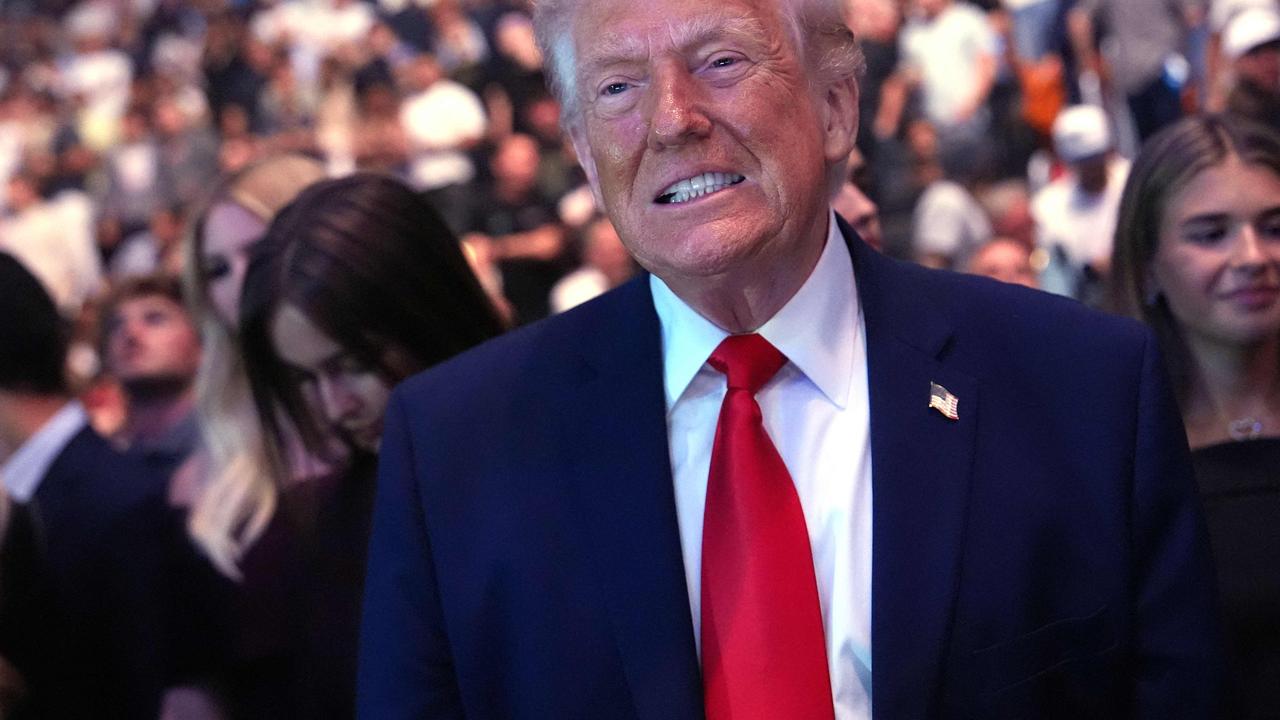
    Adding further downward pressure on Australian equities was a sudden surge in global crude oil prices, sparked by a post on Donald Trump’s Truth Social platform that rejected a proposed peace framework with Iran. In the post, Trump wrote, “I have just read the response from Iran’s so-called ‘Representatives.’ I don’t like it – TOTALLY UNACCEPTABLE.” The blunt dismissal of progress in negotiations immediately roiled energy markets, where pricing has long been highly sensitive to geopolitical instability in major oil-producing Middle Eastern regions. By the close of global trading, Brent Crude surged 3.9% to settle at $US105 ($A145) per barrel, while U.S. benchmark West Texas Intermediate climbed 4.6% to hit $US99.78 ($A138) per barrel.

    Josh Gilbert, lead APAC analyst for global investment platform eToro, explained that oil volatility will remain tied directly to diplomatic developments in the region for the foreseeable future. “The core issue is still firmly on the table, which is that the Strait of Hormuz remains largely closed, and every failed negotiation is a reminder that there is no quick fix to the biggest supply disruption in history,” Gilbert noted. “We continue to see strong swings in the oil price, and that’s unlikely to change in the near term.”

    Against the broader market downturn, a handful of sectors posted solid gains. Australia’s largest iron ore miners outperformed, even amid the oil price shock: BHP closed 0.66% higher at $58.33, Rio Tinto gained 0.60% to $179.79, and Fortescue Metals rose 0.71% to $21.42. The energy sector also closed in positive territory, led by a rally among Australian uranium producers: Paladin Energy jumped 5.76% to $13.21, Deep Yellow gained 4.62% to $1.81, and Boss Energy climbed 6.47% to $1.48.

    Several individual companies posted strong gains on the back of positive corporate announcements. Metcash, a leading Australian wholesaler of food, liquor and hardware, surged 6.57% to $2.92 after it upgraded its full-year underlying net profit after tax guidance to a range of $268 million to $270 million. Out-of-home advertising firm oOh!media also rallied 7.1% to $1.35 after confirming it had received an unsolicited takeover proposal from U.S.-based infrastructure investment firm I Squared Capital. Among banking stocks, ANZ fell 0.17% to $35.90 as the lender went ex-dividend for its partially franked interim dividend of 83 cents per share, which will be paid out to registered shareholders in the coming weeks.

  • Party’s over: China tells fans to end birthday blowouts for sport idols

    Party’s over: China tells fans to end birthday blowouts for sport idols

    China’s top sports governing body has issued a formal call for sports fans to curb extravagant, large-scale birthday celebrations for elite national athletes, warning that such events carry multiple downsides ranging from resource waste to disruption of competitive preparation. The new guidance comes amid a broader nationwide push to rein in what state outlets have labeled “toxic fandom” — a pattern of obsessive behavior around public figures that has increasingly spilled into the country’s professional sports circuit.

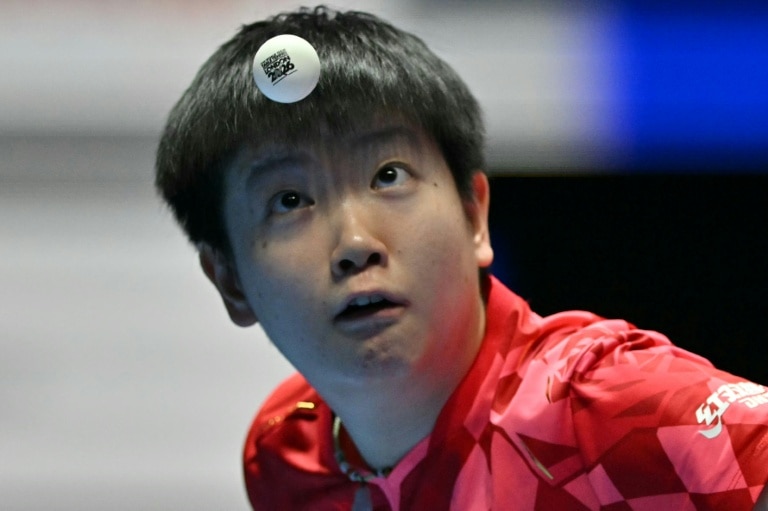
    The trend of over-the-top birthday tributes is not unique to China, with fans across neighboring East Asian markets like South Korea and Japan long organizing large-scale public events to mark favorite celebrities’ special days. In China, this practice has recently extended to popular national sports stars, most notably table tennis world champion Sun Yingsha. When Sun turned 25 in November, fans across the country pulled together a multi-city celebration: dedicated birthday messages were displayed on giant digital billboards in major commercial districts, a custom drone show was staged, and dozens of fan meetups packed public shopping malls.

    But that level of lavish fan activity has now drawn official pushback. On Sunday, state media outlets reported that a senior unnamed manager from China’s General Administration of Sport issued a recent public appeal urging supporters to maintain a rational perspective on their favorite athletes, and to stop organizing or taking part in large-scale organized birthday events.

    “Such activities not only consume large amounts of social and public resources, they also easily interfere with the focused preparations athletes are making for upcoming competitions,” the official stated, according to China’s state-owned national broadcaster CCTV. The official also noted that in many cases, event organizers use athletes’ personal images and likenesses without formal permission, which can violate the athletes’ own publicity and intellectual property rights. Instead of putting together costly offline celebrations, fans should focus on supporting athletes through their performance in official competitions, the official added.

    The guidance is the latest step in a broader crackdown on toxic fandom in China’s sports space. In recent years, growing adoration for high-profile sports stars has led to increasing levels of obsessive fan behavior, including unwanted intrusion into athletes’ private personal lives and recurring cycles of cyberbullying directed at rival fans or even the athletes themselves. State media has repeatedly called out this harmful pattern of behavior, and regulatory authorities have made repeated public vows to rein it in across the entertainment and sports industries.

  • Groundbreaking: ‘Controlled’ quakes triggered under Swiss Alps

    Groundbreaking: ‘Controlled’ quakes triggered under Swiss Alps

    Deep beneath the snow-capped peaks of the Swiss Alps, a team of European scientists has pulled off a world-first seismology experiment: intentionally triggering thousands of small, controlled earthquakes to unlock long-held secrets of tectonic activity that could one day prevent dangerous man-made quakes across the globe.

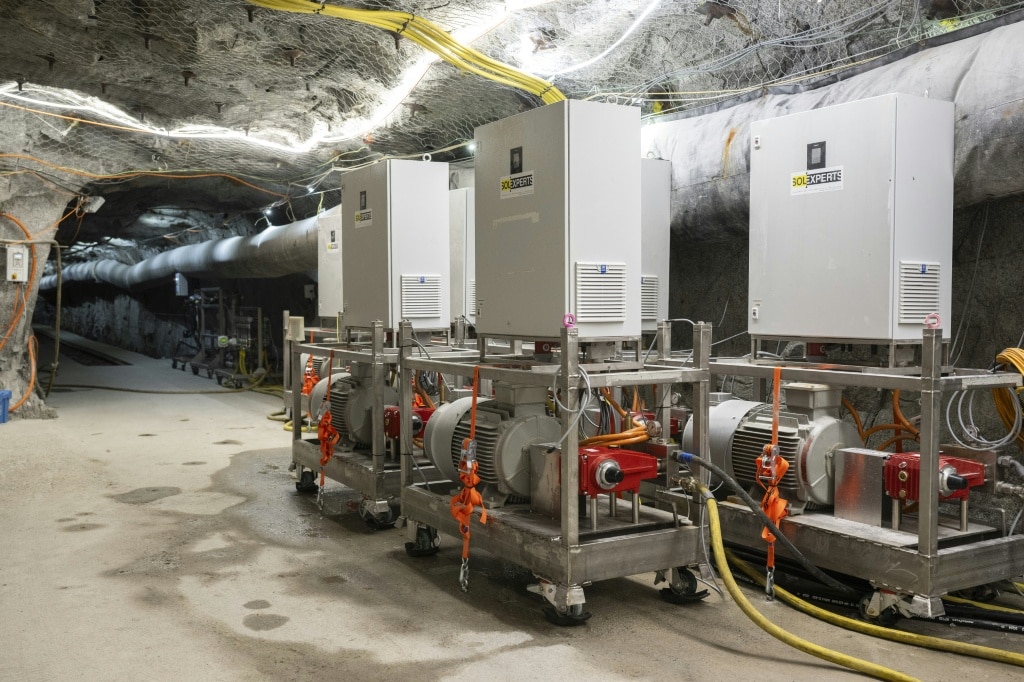
    The ambitious project, led by Domenico Giardini, a geology professor at Switzerland’s prestigious ETH Zurich, is hosted at the custom-built BedrettoLab, a cutting-edge underground research facility carved into a 5.2-kilometer ventilation tunnel that connects to the iconic Furka railway tunnel. Accessible only via specially modified electric vehicles navigating damp, dark passages beneath 1.5 kilometers of solid mountain rock, the lab offers a one-of-a-kind setting to observe fault activity up close — a stark departure from traditional seismological research, where scientists typically install monitoring sensors along known faults and wait for natural quakes to occur.

    For the second iteration of the experiment, dubbed Fault Activation and Earthquake Rupture (FEAR-2), dozens of researchers from across European institutions spent four days in late April executing a carefully planned procedure: they pumped 750 cubic meters of water into pre-drilled boreholes targeting an existing geological fault, with the goal of prompting a magnitude 1 earthquake. Unlike common misconceptions, the team did not create a new fault; instead, the water injection only lubricated existing fractures to encourage natural movement. For safety, no personnel remained in the tunnel during the active phase of the experiment, with all operations remotely controlled from ETH Zurich’s main laboratory 100 kilometers to the north.

    During the experiment, the research team experienced a brief moment of disruption when a sudden power cut hit the underground tunnel, forcing scientists in Zurich to scramble to resolve the issue. The glitch was resolved quickly, and water pumping resumed within minutes. When the trial concluded, the results exceeded many expectations: the team had successfully induced around 8,000 distinct seismic events along the target fault, as well as unexpected activity along secondary faults running perpendicular to the main fracture. Event magnitudes ranged from -5 to -0.14, falling just short of the team’s 1.0 magnitude target, a outcome Giardini called a resounding success.

    Never before has a controlled seismic experiment been conducted at this scale and depth, Giardini explained. Even the smaller events generated by the trial offered unprecedented data that no previous laboratory study has been able to collect. Even the smallest measured events hold valuable insight: Giardini noted that the largest induced quake, at magnitude -0.14, would generate a 1.5 G acceleration strong enough to lift a person standing near the fault off the ground into the air. Crucially, no seismic activity was detected at the surface, and Giardini emphasized that the trial added only one percent additional seismic risk to the region, making it completely safe for local communities.

    The groundbreaking work carries major implications for global industrial safety. Researchers note that unplanned induced seismicity has caused major damage around the world in recent decades, from large quakes linked to fracking wastewater disposal in Texas to the 5.4 magnitude 2017 Pohang earthquake in South Korea, which was triggered by unregulated water injection at an experimental geothermal power plant that damaged thousands of buildings. Giardini argues that by mastering the mechanics of controlled fault movement, scientists can develop better safety guidelines for all kinds of underground activity, from mining to geothermal energy development. The team plans to build on the current findings and run a second trial in June, adjusting injection parameters to hit their target magnitude 1 goal and collect even more detailed data on fault rupture dynamics. As Giardini puts it, the core goal of the research is not to create earthquakes, but to learn how to avoid dangerous accidental quakes: “If we master how to produce quakes of a certain size, then we know how not to produce them. We need to learn how to do underground activity more safely.”

  • Nazi-looted portrait found in home of Dutch SS leader’s family: art sleuth

    Nazi-looted portrait found in home of Dutch SS leader’s family: art sleuth

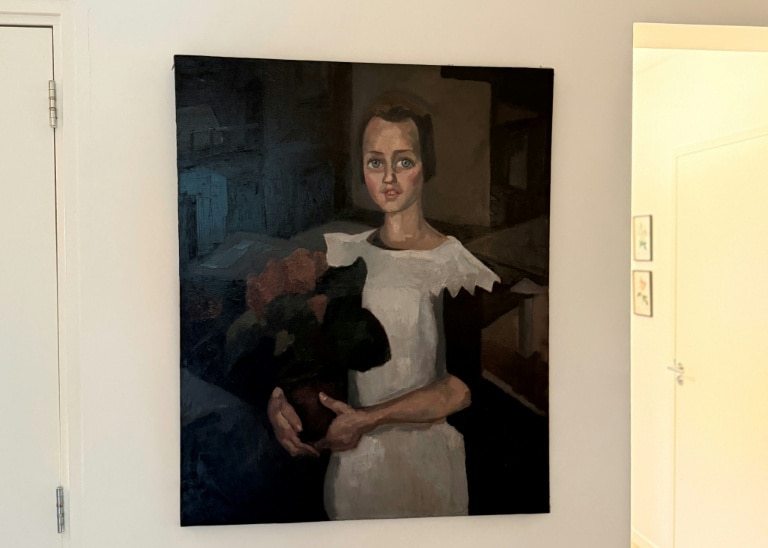
    Dutch art investigator Arthur Brand, globally recognized for cracking high-profile stolen art cases, revealed a groundbreaking discovery Monday: a long-lost painting looted by the Nazis from the iconic Goudstikker collection has been found in the possession of the descendants of one of the Netherlands’ most infamous Nazi collaborators. The work, *Portrait of a Young Girl* by 20th-century Dutch artist Toon Kelder, is believed to have hung unnoticed on the walls of the Seyffardt family home for more than 75 years, in what Brand calls the most extraordinary case of his entire career.

    The discovery echoes a 2025 global headlines-making find, where another Nazi-plundered piece from the Goudstikker collection was uncovered in an Argentine property listing, reigniting global interest in the hundreds of artworks still missing from the legendary collection. Jacques Goudstikker, a prominent Jewish art dealer based in Amsterdam, fled the Netherlands for England in 1940 as Nazi forces invaded, leaving his entire 1,300-piece collection behind. Top Nazi official Hermann Göring seized the entire collection within months, dispersing many works at public auctions later that year.

    The current case was set in motion when an anonymous descendant of Hendrik Seyffardt reached out to Brand with two startling revelations: he came from a line of high-ranking Nazi collaborators, and his family had kept the stolen artwork for generations. The anonymous man told investigators he spotted the painting hanging in the hallway of Seyffardt’s granddaughter. Hendrik Seyffardt, who led a Dutch volunteer Waffen-SS unit deployed to the Eastern Front, was the highest-profile Dutch collaborator assassinated by Dutch resistance fighters in 1943. His death made the front page of *The New York Times*, and the Nazi regime held a state-funded funeral in The Netherlands’ capital The Hague, where Adolf Hitler personally sent a wreath to honor his death.

    Brand’s investigation confirmed the artwork’s provenance: the painting bears an original Goudstikker collection label on its back, and the number 92 is carved directly into its frame. Cross-referencing with archives from the 1940 Nazi auction of looted Goudstikker works matched the number and description to Kelder’s portrait. Brand concluded Seyffardt acquired the piece at that auction, and it was passed down through his family over the decades. According to testimony from the anonymous descendant, Seyffardt’s granddaughter acknowledged the painting was stolen Jewish property, noting it was “unsellable” and instructing family members to keep its existence secret. But the anonymous descendant, who says he feels deep shame over the family’s connection to the stolen work, pushed to make the story public, telling Dutch daily *De Telegraaf* “the painting should be returned to the heirs of Goudstikker.”

    Seyffardt’s granddaughter has pushed back against claims she knew the work was looted, telling the outlet she inherited the piece from her mother and did not know of its stolen origins. “Now that you confront me like this, I understand that Goudstikker’s heirs want the painting back. I didn’t know that,” she said.

    Lawyers representing the Goudstikker heirs have already confirmed the artwork was looted and formally demanded its return. But legal avenues for recovery are limited: the theft falls far outside the Netherlands’ statute of limitations, leaving police with no authority to seize the piece. The Dutch Restitution Committee, the national body that advises on the return of Nazi-looted art, also lacks the legal power to compel private individuals to surrender stolen works. The anonymous descendant has chosen public exposure as the best path forward to pressure the family to return the portrait to its rightful owners.

    Brand, who has been nicknamed the “Indiana Jones of the Art World” for his track record of recovering high-value stolen art, said this find outstrips any other discovery in his career. He has previously recovered Nazi-looted works from major institutions including the Louvre and the Dutch Royal Collection, but said “discovering a painting from the famous Goudstikker collection, in the possession of the heirs of a notorious Dutch Waffen-SS general, truly tops everything.”

  • US citizen from hantavirus ship tests positive

    US citizen from hantavirus ship tests positive

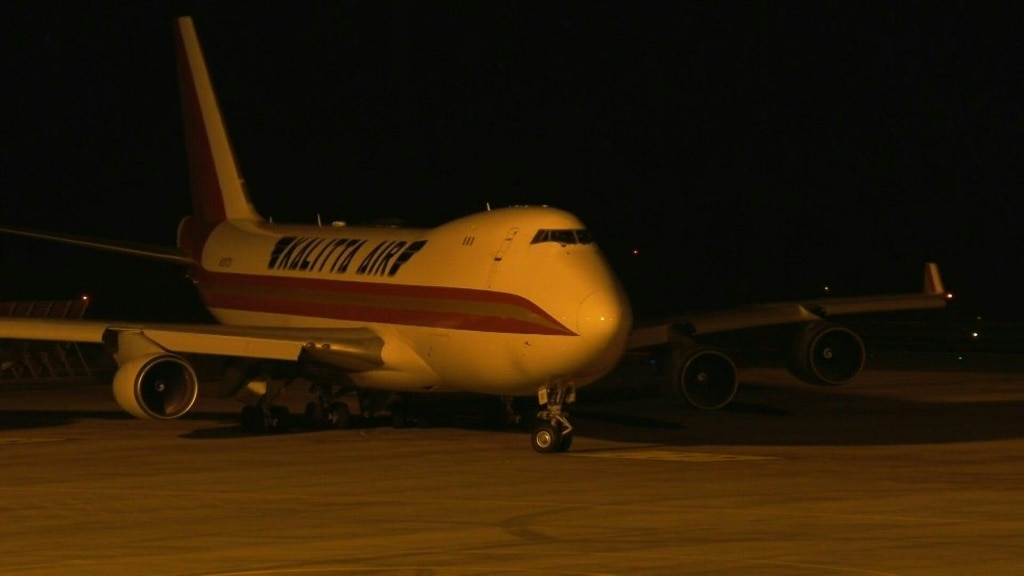
    A multi-day international repatriation operation for passengers and crew of the cruise ship MV Hondius, the center of a deadly hantavirus outbreak, stretched into Monday, with U.S. health officials confirming one American passenger has tested positive for the rare virus.

    The outbreak has already claimed three lives: a Dutch couple and a German citizen, with multiple other people falling ill. Hantavirus, a pathogen most commonly carried and spread by rodents, has no licensed vaccines or targeted treatments currently available. The strain confirmed among infected people on board is the Andes virus, the only hantavirus variant capable of human-to-human transmission, a detail that has spurred global public health concern. The ship originally departed Ushuaia, Argentina in early April, where the virus is endemic.

    Despite the outbreak, global and Spanish public health officials have emphasized that the broader risk to global public health remains low, pushing back against unnecessary comparisons to the global COVID-19 pandemic. The Canary Islands regional government had initially refused to allow the vessel to dock, only granting permission for it to anchor offshore when it arrived early Sunday, with authorities stressing there would be no uncontrolled contact between evacuees and the local population of Tenerife.

    On Sunday, 94 people from 19 different nationalities were evacuated from the ship, which carries a total of nearly 150 passengers and crew spanning 23 nationalities. Spanish Health Minister Monica Garcia confirmed that all passengers who disembarked on Sunday were asymptomatic and passed a final medical screening before leaving the vessel. AFP journalists on the ground observed evacuees, clad in blue protective medical suits, disembarking at Granadilla de Abona’s industrial port before being transported via Spanish military buses in a convoy to Tenerife South Airport for repatriation flights.

    Evacuation operations were scheduled to conclude by Monday, after which the ship will refuel and depart for the Netherlands with roughly 30 remaining crew members that evening. Adverse weather forecast for later Monday forced authorities to accelerate the repatriation timeline to avoid endangering the operation.

    Even with pre-departure screenings in place, multiple countries have reported cases among evacuees. Shortly after the first evacuations began, French Prime Minister Sebastien Lecornu announced on social platform X that one of five French evacuees returning to Paris showed active hantavirus symptoms, and all five were placed into immediate strict isolation. Late Sunday, U.S. health authorities confirmed the positive mild PCR test result for one American passenger, noting a second American passenger has mild symptoms.

    By Sunday evening, repatriation flights had already carried groups of passengers to dozens of countries across the globe. A flight carrying dozens of passengers of multiple nationalities landed in the Netherlands, while other flights departed for Canada, Turkey, the United Kingdom, Ireland, and the U.S., among other destinations. A plane carrying 20 UK passengers landed in Manchester Sunday, with all passengers transferred to a Liverpool-area hospital for testing and 72 hours of quarantine. Greece’s health ministry confirmed a Greek male evacuee will complete a 45-day mandatory quarantine in an Athens hospital, while 14 Spanish citizens will isolate at a military hospital in Madrid.

    The World Health Organization has recommended a 42-day quarantine period and active daily symptom monitoring for all evacuees, per Maria Van Kerkhove, the WHO’s director of epidemic and pandemic preparedness and prevention. However, the U.S. has adopted a more flexible approach: acting CDC Director Jay Bhattacharya noted that the 17 American passengers on board would not be required to quarantine at Nebraska’s specialized medical center by default. Instead, passengers will be able to complete isolation at home based on individual risk assessment, as long as they do not put other people at risk during travel. WHO Director-General Tedros Adhanom Ghebreyesus, who was on Tenerife observing the evacuation operation, warned that this U.S. policy carries potential public health risks. A group of American passengers was expected to land in Omaha, Nebraska early Monday local time.

    Investigations into the origin of the outbreak are still ongoing. The WHO believes the initial infection occurred before the cruise departed Argentina, with subsequent spread between passengers on the cramped vessel. However, Argentine provincial health official Juan Petrina pushed back on this narrative, arguing that based on the virus’ multi-week incubation period and other evidence, the Dutch patient linked to the initial outbreak had an almost zero chance of contracting the virus in Ushuaia. Health authorities across multiple nations are currently tracking all passengers who have already disembarked the vessel, as well as any close contacts that may have been exposed to the virus.

  • Federal budget to get major windfall from high prices hitting Australian households

    Federal budget to get major windfall from high prices hitting Australian households

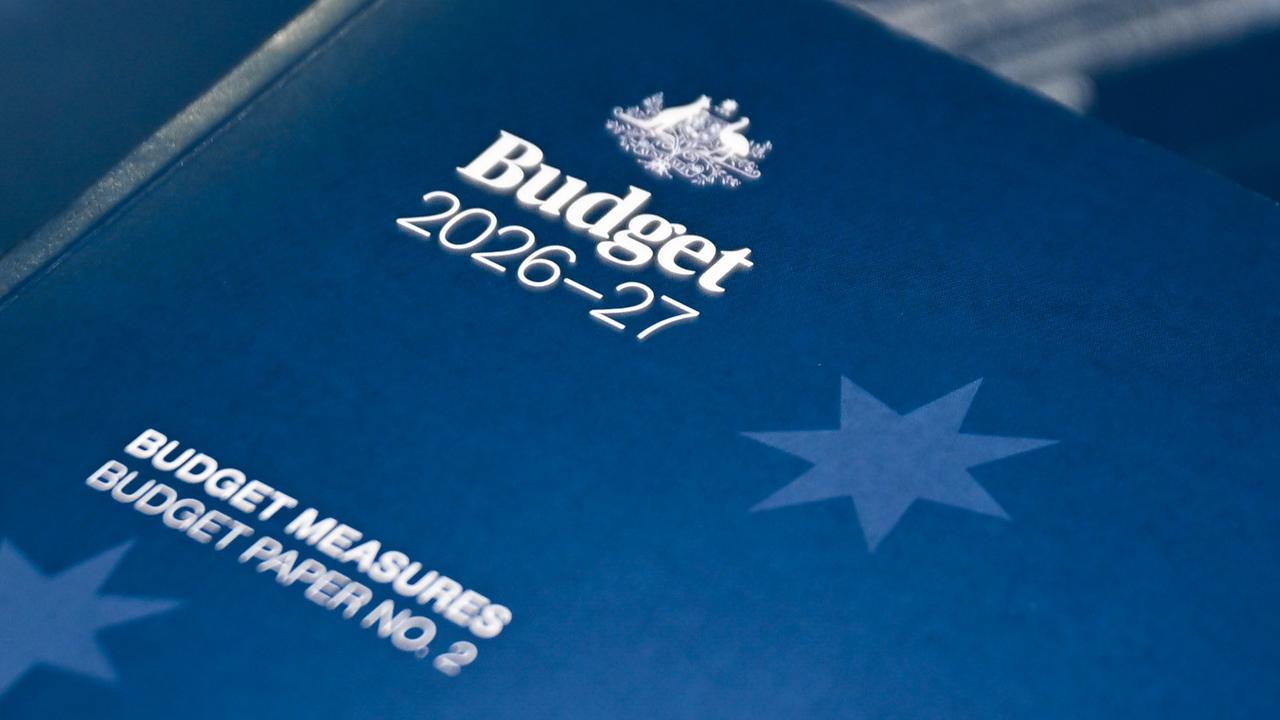
    Ahead of next week’s highly anticipated Australian federal budget, new analysis from Oxford Economics Australia has projected a far stronger fiscal position than earlier forecasts, driven by sky-high commodity prices and persistent inflation that are simultaneously squeezing household budgets across the country.

    The independent research firm estimates the federal budget for the current financial year will come in $11.4 billion ahead of previous projections, with cumulative upgrades to the bottom line reaching $71 billion over the next four years, all tied to the recent global surge in energy and raw material costs. Harry Murphy Cruise, Oxford Economics Australia’s head of economic research and global trade, explained that the cost-of-living crisis battering household budgets is delivering an unexpected short-term boost to national government coffers.

    “All of the pressures that are hurting household bottom lines actually work in the federal budget’s favor in many respects,” Murphy Cruise told NewsWire. “Higher inflation and elevated commodity prices both push up total tax revenue, which is why we’re seeing such a large improvement to this year’s budget balance.”

    Much of this unexpected windfall traces back to the volatility in global oil markets triggered by escalating Middle East tensions between the U.S. and Iran that began in late February. Brent crude prices climbed from roughly $56 USD per barrel in January to a temporary peak of $120 USD, before settling around $100 USD in recent weeks. For every $10 USD rise in oil prices, Australian motorists pay an extra 10 cents per liter at the fuel pump, which has directly driven up overall inflation: the national consumer price index jumped to 4.6% in March, up from 3.4% in February.

    Beyond oil, key export commodity iron ore has also traded well above forecast levels this year. The higher commodity prices lift federal revenue through three key channels: increased royalty payments to the government, higher corporate profit tax from mining firms, and increased consumption tax and GST revenue from higher overall prices for goods and services across the economy. As of May 8, Australian gross national debt stood at $964.2 billion, with net debt (calculated as gross debt minus government cash holdings, investments and loans) at $587.5 billion according to the most recent Mid-Year Economic and Fiscal Outlook. Even with the massive projected upgrades to the budget, Oxford Economics notes no consistent surpluses are expected over the next four years, and the revenue boost is only a temporary gain rather than a long-term improvement to the nation’s fiscal position.

    The short-term fiscal gain comes at a steep cost for broader economic growth, new projections from the Reserve Bank of Australia (RBA) show. The central bank has downgraded its 2026 GDP growth forecast by 0.5 percentage points to just 1.3%, and lifted its 2024 headline inflation projection to 4% from the earlier 3.6% forecast. RBA governor Michele Bullock warned that the ongoing conflict in the Middle East has created significant new uncertainty for the Australian and global economies, with two adverse scenarios modeled by the RBA showing just how severe the fallout could be.

    In both downside scenarios, prolonged tensions keep the critical Strait of Hormuz — through which roughly 20% of global oil supplies pass — closed, triggering a sharp near-term spike in global energy prices. Under these conditions, underlying inflation could peak as high as 5.2%, and the unemployment rate would rise to 5.1% as economic activity stalls. Even in these worst-case scenarios, the RBA does not project a technical recession, and still expects inflation to return to its 2-3% target range by June 2027. Bullock emphasized that the commodity price shock stemming from the conflict has worsened the already difficult trade-off between taming inflation and supporting growth. “Developments in the Middle East remain highly uncertain, but under a wide range of possible scenarios the conflict adds to global and domestic inflation,” Bullock said. “The shock to oil and some other commodity prices has worsened the trade-off between inflation and growth.”

    With the budget set to deliver better-than-expected revenues, leading economists are urging the federal government to avoid broad-based cash handouts to ease household cost-of-living pressures, warning that excessive spending would only add to inflation and force the RBA to keep interest rates higher for longer. AMP chief economist Shane Oliver is calling for deep, targeted spending cuts to get the budget back on track, capping any new cost-of-living relief at $5 billion, or roughly 0.2% of national GDP. Oliver argues the government needs to find $100 billion in cumulative savings over the next four years to bring government spending back to its long-term average of around 25% of GDP, down from the current 26.9%.

    “My wishlist is that any stimulus from the government is limited, well-targeted towards businesses and households that need it most, and also temporary and modest,” Oliver said. “If you pump too much stimulus in, you’re just going to make the Reserve Bank’s inflation challenge worse and lead to even higher interest rates. It might sound harsh, but the problem is all this extra government spending has increased aggregate demand in the economy, crowded out home construction, business investment and consumer spending, and created an inflation problem that didn’t need to exist.”