标签: Oceania

大洋洲

  • Ten-day ceasefire deal between Israel, Lebanon takes effect

    Ten-day ceasefire deal between Israel, Lebanon takes effect

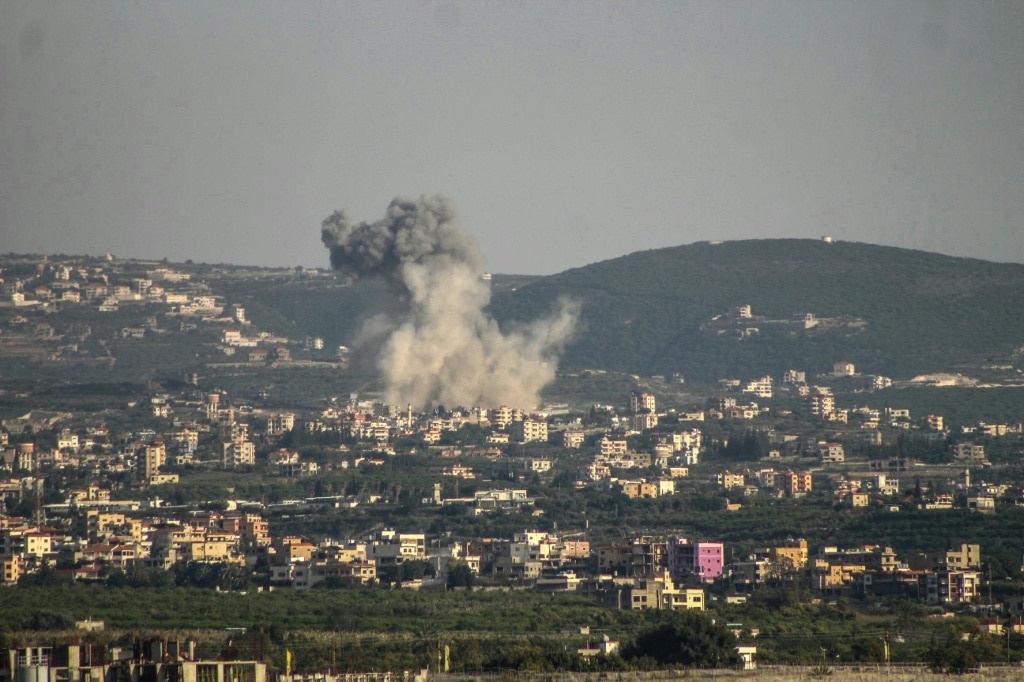
    A 10-day ceasefire agreement negotiated between Israel and Lebanon officially entered into force on Friday, marking a major breakthrough after weeks of open hostilities, as U.S. President Donald Trump revealed plans to facilitate the first-ever direct face-to-face summit between the two nations’ top leaders. The truce, which launched at 2100 GMT — midnight local time for both countries — comes as Washington accelerates diplomatic efforts to reach a wider peace deal that would end the ongoing regional war with Iran, a negotiation where Tehran has long conditioned any agreement on a halt to fighting between Israel and Lebanese groups.

    As the ceasefire took hold, unconfirmed reports of celebratory gunfire echoed through Beirut’s southern suburbs, the traditional stronghold of the Iran-backed militant group Hezbollah. The current cycle of regional violence began on February 28, when a joint U.S.-Israeli military offensive against Iran triggered broader conflict, and Lebanon was drawn into the fighting on March 2 after Hezbollah launched rocket attacks against Israeli targets. In the weeks since, Israeli air and ground operations across southern Lebanon have left more than 2,000 people dead, forced more than one million Lebanese civilians from their homes, and pushed Israeli ground forces deep into the country’s southern border region.

    Shortly after the truce went into effect, the Israeli military confirmed it had carried out strikes on more than 380 sites it described as “Hezbollah terror organization targets” across southern Lebanon in the final hours before the ceasefire, and announced it remains on high alert to resume military operations if the terms of the agreement are broken.

    President Trump wrote on his Truth Social platform that the truce followed “excellent” telephone conversations with both Israeli Prime Minister Benjamin Netanyahu and Lebanese President Joseph Aoun, confirming that both leaders had signed off on the 10-day halt to hostilities. He later added that he expects both Netanyahu and Aoun to travel to the White House within the next four to five days for talks. A direct, high-level meeting between the Israeli and Lebanese heads of state would represent a historic watershed for a region that has been defined by decades of open conflict.

    In the 24 hours leading up to the ceasefire, violence continued across the border. An Israeli hospital spokesperson confirmed three people were injured in attacks on Thursday, while Lebanon’s Ministry of Health reported that an Israeli airstrike on the southern Lebanese town of Ghazieh killed at least seven people and wounded 33 others.

    Prime Minister Netanyahu framed the truce as an opening to reach a “historic peace agreement” with Beirut, but stressed that the full disarmament of Hezbollah remains a non-negotiable precondition for any long-term deal. Trump confirmed that Hezbollah is bound by the terms of the ceasefire, while the U.S. State Department clarified that the agreement requires the Lebanese government itself to dismantle the Iran-backed militant group. United Nations Secretary-General António Guterres issued a statement welcoming the truce and calling on “all actors” — language intentionally including Hezbollah — to fully uphold the terms of the agreement.

    Reactions to the truce among Lebanese civilians in Beirut were mixed. Sixty-one-year-old housewife Jamal Shehab expressed relief at the halt in fighting, saying, “We are very happy that a ceasefire has been reached in Lebanon because we are tired of war and we want safety and peace.” But sitting in a central Beirut cafe, lawyer Tarek Bou Khalil voiced deep skepticism about the longevity of the deal. “It’s well known Trump cannot be taken at his word, and Netanyahu cannot be trusted,” he told Agence France-Presse. Still, he acknowledged the pressure that forced the deal, adding, “the result of the pressures of the war with Iran and the blunders of Netanyahu and the enemy army in south Lebanon, forced them into a ceasefire.”

    Speaking to reporters before departing the White House for a scheduled trip to Las Vegas, Trump called the ceasefire “very exciting” and confirmed the deal includes Hezbollah. He added that he expects the Lebanese government to “take care of Hezbollah” moving forward, and said he believes the Iran-backed group will abide by the truce. A Hezbollah lawmaker told AFP that the group would “cautiously adhere” to the ceasefire on the condition that Israel halts all offensive attacks. Hezbollah lawmaker Ibrahim al-Moussawi thanked Iran for its diplomatic support, saying the ceasefire would not have been possible without Iran’s backing, noting that Tehran framed the truce as a negotiation equal in importance to any agreement over the Strait of Hormuz.

    Netanyahu confirmed that while Israel has agreed to the 10-day truce, it will maintain a 10-kilometer (six-mile) “security zone” along the entire southern Lebanese border. He reaffirmed that Israel’s two core conditions for a permanent ceasefire remain unchanged: the full disarmament of Hezbollah, and a lasting peace agreement “based on strength.”

    Lebanese Prime Minister Nawaf Salam welcomed Trump’s mediation and the ceasefire announcement, calling a halt to hostilities a “key Lebanese demand that we have pursued since the very first day of the war.” An official source told AFP that while President Aoun’s office thanked Trump for his diplomatic efforts to secure the truce, Aoun has rejected Trump’s request for a direct telephone call with Netanyahu. The ceasefire comes shortly after this week’s historic meeting between the Israeli and Lebanese ambassadors in Washington, the first such meeting between senior diplomatic representatives of the two countries since 1993.

    The truce is also expected to strengthen Trump’s ongoing push for a wider peace deal to end the war with Iran. The U.S. president told reporters that Washington is “very close” to a final peace agreement with Tehran after six weeks of war, and suggested he may travel to Pakistan to sign any finalized deal.

  • Duke and Duchess of Sussex visit Bondi Surf Life Saver volunteers

    Duke and Duchess of Sussex visit Bondi Surf Life Saver volunteers

    Eight years after their record-breaking royal tour of Australia captured global attention, the Duke and Duchess of Sussex have concluded their low-key, four-day unofficial visit to Sydney, capping the trip with coastal walks, community engagements with lifesavers, and sporting events tied to Harry’s longstanding veteran advocacy work.

    On their final full day in the country, the couple kicked off their schedule with a stop at Sydney’s iconic Bondi Beach, where they met with volunteer first responders from the Bondi Surf Bathers’ Life Saving Club. Photographs from the event show a cheerful Prince Harry chatting with smiling volunteers clad in the club’s recognizable yellow and red uniform, while Meghan joined him to greet attendees inside the club’s hall. Both dressed in soft blue outfits, the former working royals posed for multiple group selfies with volunteers, and later kicked off their shoes to walk barefoot along Bondi’s golden shoreline, relaxed under clear sunny skies as onlookers watched on.

    Throughout their three days of public engagements on this private tour, mental health and the unrelenting pressures of public life have been the central throughline of Harry and Meghan’s conversations. In an open conversation on Thursday, Harry opened up about his decades-long struggle with life in the royal spotlight, revealing: “After my mum died just before my 13th birthday – I was like: ‘I don’t want this job. I don’t want this role – wherever this is headed, I don’t like it’.”

    This private Australian trip is centered on two core causes close to the couple: advancing mental health awareness and expanding support for military veterans. After their morning at Bondi, the pair traveled to Man O’War Steps, where they boarded a vessel to connect with members of Invictus Australia, marking a full-circle moment nearly a decade after the first Invictus Games were hosted in Sydney in 2018.

    It is impossible to miss the stark shift in the couple’s circumstances between their 2018 and 2024 visits. Six years ago, they arrived in Sydney as senior working members of the British royal family, fresh off their high-profile international wedding. Today, they live a quiet life in California after stepping back from official royal duties in 2020.

    Prince Harry founded the Invictus Games in 2014 in London, creating an international adaptive sporting event designed to support wounded, injured, and sick service members and veterans as they heal through physical activity. What began as a one-off competition has grown into a permanent global movement, with Invictus Australia now supporting nearly 30,000 veterans across the country through sport-based rehabilitation programs.

    The afternoon on the water with Invictus Australia members aligned with Harry’s long-held belief that sport acts as “a conduit for healing” for people navigating trauma and mental health challenges, a framing that grew out of his own experience grieving the loss of his mother and navigating the pressures of public life.

    As the tour wound toward its close, the couple split briefly for a scheduled engagement before their final event. Meghan stepped away to headline the invitation-only Her Best Life women’s retreat hosted by creator Gemma O’Neil in Coogee, an exclusive experience that charged entry starting at $2,699 AUD, with premium VIP packages priced at $3,199 AUD. After delivering her remarks to attendees, the Duchess rejoined Harry at Sydney’s Allianz Stadium for the tour’s closing event: a professional rugby match between the NSW Waratahs and Moana Pasifika.

    Across the four-day visit, the couple reaffirmed their ongoing commitment to supporting the global armed forces community and expanding access to open conversations about mental health, even as their lives and public roles have shifted dramatically since their first Australian tour.

  • ‘Not doing that’: Deputy PM’s major call on fuel supply after Geelong refinery blaze

    ‘Not doing that’: Deputy PM’s major call on fuel supply after Geelong refinery blaze

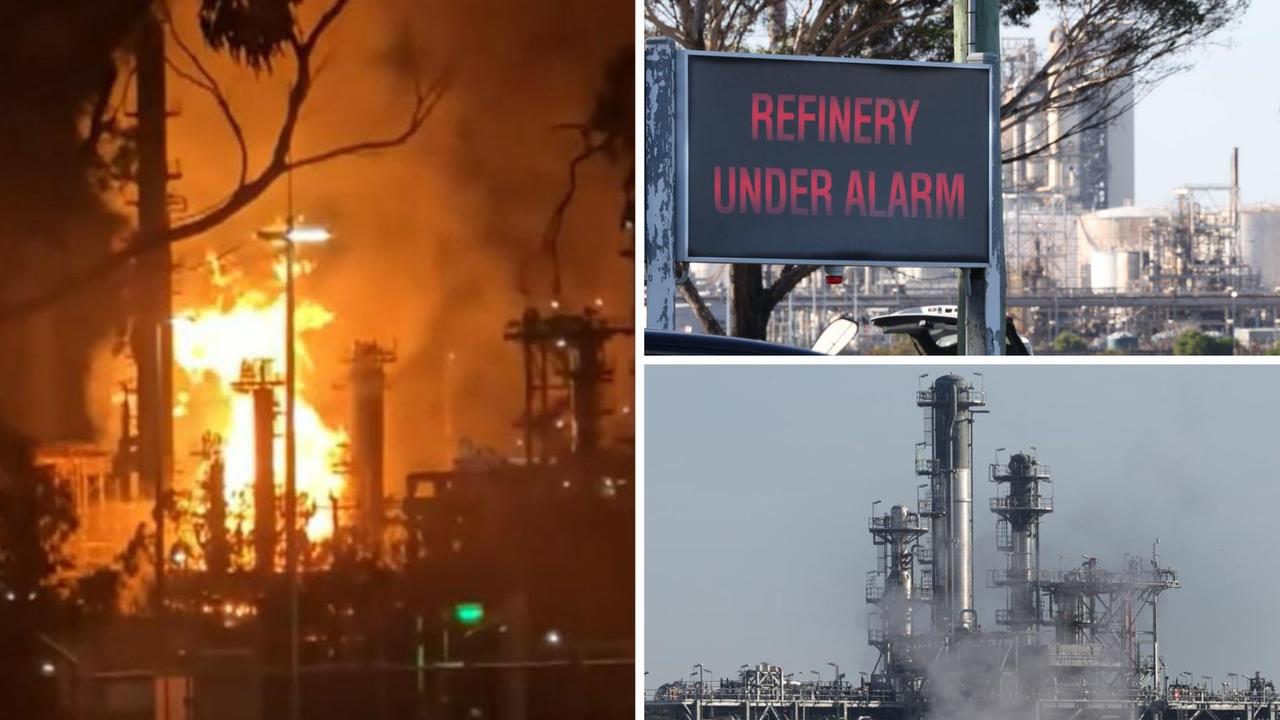
    A multi-hour blaze ignited by multiple explosions at one of Australia’s just two remaining operational oil refineries has triggered widespread national concern over fuel security, but top government officials and refinery operators have moved quickly to reassure the public that rationing will not be needed and supply disruptions will be limited.

    The incident unfolded just after 11 p.m. local time on Wednesday at Viva Energy’s Corio refinery, located in a northern suburb of Geelong, Victoria. The facility, which accounts for 10% of Australia’s total national fuel stock and supplies more than half of Victoria’s domestic fuel demand, was rocked by a series of blasts that ignited a large fire. It took more than 13 hours for firefighting crews to bring the blaze under control, and emergency personnel remained on site as of Friday morning, staying until the property can be cleared as completely safe for company representatives to re-enter.

    In response to the incident, Prime Minister Anthony Albanese cut short an official diplomatic visit to Malaysia to return to Australia and conduct an on-site inspection of the damaged facility on Friday. Deputy Prime Minister Richard Marles publicly dismissed widespread speculation that the Australian government would be forced to implement fuel rationing to offset any production losses.

    Marles told reporters on Friday that refinery operator Viva Energy has expressed confidence that the overall impact on national fuel supplies will be relatively minimal. “What the company is confident about, in terms of the impact on petrol specifically – which is the part of the refinery that’s been most affected – that they will be able to cover that with imports, and there are imports of petrol available,” Marles stated. When asked directly about the prospect of rationing, he replied clearly: “Obviously we’re not doing that.”

    In an official statement released by the company, Viva Energy confirmed that the refinery will continue operating at reduced production rates while damage assessments are completed. The blaze was isolated to a specific section of the facility, and the company noted that preliminary assessments point to the main production impacts being limited to gasoline and aviation gasoline (avgas). The company added that there is no immediate threat to national fuel supply, and any lost production will be offset through its existing fuel import program.

    Bill Patterson, the Geelong refinery’s manager, explained to media outlets that the damaged units are separate from the refinery’s main production lines for petrol, diesel and jet fuel. “There’s a specific couple of units that were impacted… they relate to a part of the refinery that combines LPG to make gasoline-type molecules,” Patterson said. “That’s what’s been damaged by the events of last night, but obviously we still have to look into the full extent of the damage as we get better access to the scene.” He added that the refinery is still producing all major fuel types at a fairly steady rate, and that the overall impact has been small so far.

    Early investigations into the cause of the incident point to equipment failure as the likely trigger. However, Sam Jenkins, chief health and safety officer for Victoria’s workplace safety regulator WorkSafe, noted that a full formal investigation could take as long as 12 months to complete. “Right now, as Victoria’s health and safety and dangerous goods regulator, WorkSafe’s priority is supporting lead agencies to ensure that all work on the site is carried out safely and without risk to workers or the public,” Jenkins said. “We understand there is significant community concern about this incident and will continue to engage with our stakeholders during the ongoing response and recovery.”

    As of Friday afternoon, authorities and company officials continued to monitor the site and conduct full damage assessments, with more updates expected as the investigation progresses.

  • Australia’s ‘top dogs’ awarded after helping intercept 45,000 items at airports, seaports

    Australia’s ‘top dogs’ awarded after helping intercept 45,000 items at airports, seaports

    Australia’s unsung four-legged border protectors have received national recognition for their extraordinary, life-saving work shielding the country’s unique ecosystems and agricultural industries from invasive pests and dangerous foreign diseases. Each year, the Department of Agriculture, Fisheries and Forestry honors the highest-performing detection dogs across the nation’s network of entry ports, and the 2025 awards celebrated a standout cohort of canines that helped stop tens of thousands of risky goods from reaching Australian soil.

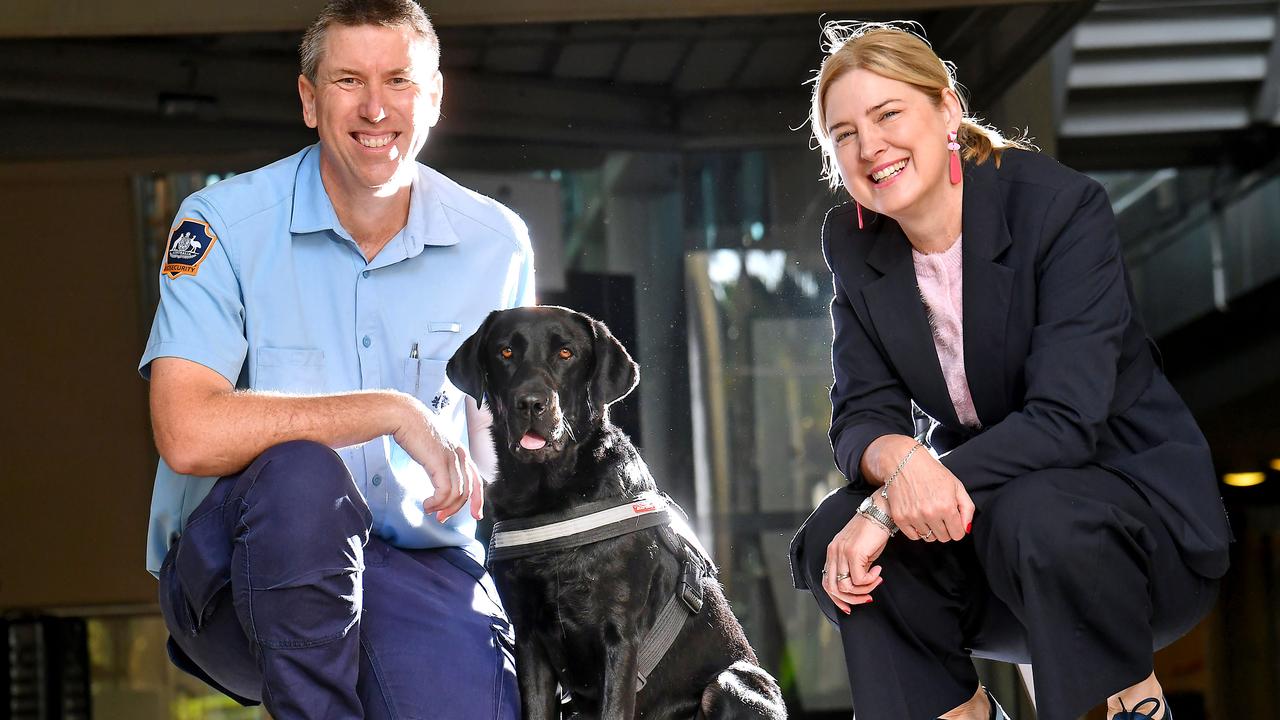
    Leading the pack of 2025 honorees was Ghost, a four-year-old Labrador retriever stationed at Adelaide’s ports of entry, who claimed the coveted 2025 Biosecurity Top Dog title. In a single year, Ghost and his two handlers, Jade and Rebecca, notched an impressive 3,202 detections of biosecurity risk items — a new annual record for the program. The team’s seizures included a wide range of prohibited goods, from nearly 7 kilograms of fresh cassava tubers and 36 whole cassava plants to contraband food items such as lotus seeds, fresh bamboo shoots, duck eggs, sesame seeds, cured salami, and even a slice of pizza that posed hidden contamination risks.

    A second four-year-old detection dog, Quatro based in Brisbane, took home the title of Australia’s Most Versatile Biosecurity Detection Dog for 2025. Working alongside his handler Steph, Quatro intercepted 1,431 high-risk items, covering a broader range of commodity types than any other dog in the national program this year, proving his adaptability across changing screening environments.

    For first-year detection dogs, the 2025 Rookie of the Year award went to Clyde, a Brisbane-based canine who has only two years of life experience and less than 12 months on the job. Even as a newcomer to the frontline, Clyde and his handler Dennis recorded 829 confirmed risk detections in 2025, putting his performance on par with many veteran members of the detection dog team.

    Across the entire national detection dog program in 2025, all teams combined helped flag more than 45,000 high-risk items that could have carried devastating exotic pests or diseases into Australia. Agriculture Minister Julie Collins emphasized that these canine teams are an irreplaceable, critical component of the country’s frontline biosecurity defense, protecting both native biodiversity and the $100 billion Australian agricultural sector that relies on strict biosecurity controls to maintain market access.

    “Congratulations to Ghost, Quatro and Clyde and all of their skilled handlers for your amazing contribution to Australian biosecurity in 2025,” Minister Collins said at the awards ceremony. “Maintaining constant biosecurity vigilance is critical to keeping our borders open for trade and travel, and our detector dog teams are a core part of that responsibility. Australia’s strong biosecurity system, its highly skilled officers and hardworking detection dog teams are always at the ready to stop threats before they enter the country.”

    Detection dogs are deployed at every major port of entry across Australia, from international airports to seaports, international mail processing centers and border crossings. They are trained to sniff out a wide range of prohibited items that human screeners might miss, providing a fast, non-intrusive screening tool that enhances the efficiency of border operations.

    Since 2022, the Australian federal government has invested more than $2 billion into strengthening the national biosecurity system, a portion of which has gone toward expanding the detection dog program by adding 20 new canines and their dedicated full-time handlers to meet growing demand as international travel and trade volumes return to pre-pandemic levels.

  • Calls for UK PM to resign over ex-envoy’s failed vetting

    Calls for UK PM to resign over ex-envoy’s failed vetting

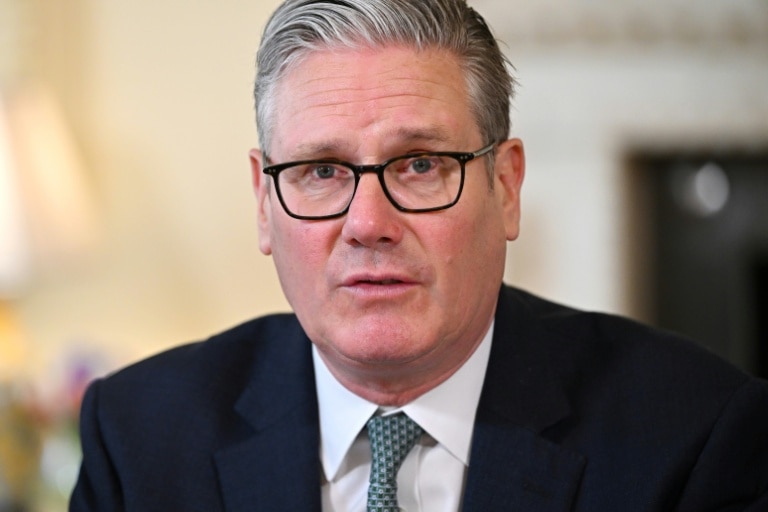
    Growing political pressure is bearing down on British Prime Minister Keir Starmer, as opposition leaders ramp up calls for his resignation following confirmation that former US ambassador Peter Mandelson — a close associate of disgraced late sex offender Jeffrey Epstein — failed an initial national security background check before taking up the post.

    The controversy has plagued Starmer’s Labour government since Mandelson was fired from the ambassador role last year, just months after his appointment, when newly unearthed documents from a U.S. congressional committee exposed the far deeper extent of his long-standing ties to Epstein, a convicted financier who died in prison in 2019 while facing sex trafficking charges. Since his dismissal, questions have continuously swirled around Starmer’s judgment in pushing forward with the high-profile diplomatic appointment.

    Those questions erupted into fresh demands for Starmer to step down this week after The Guardian published an investigation revealing Mandelson failed his initial security vetting, a finding later officially confirmed by the UK government. Opposition leaders across the political spectrum have united in condemnation, with Conservative Party leader Kemi Badenoch taking to social media platform X to accuse Starmer of betraying UK national security and insisting he must leave office. Ed Davey, leader of the centrist Liberal Democrats, added that if Starmer misled Parliament and the British public about the vetting process, he has no choice but to resign.

    In response to the scandal, Starmer has pushed back by blaming Mandelson, claiming the former ambassador lied about the full scope of his connections to Epstein during the vetting process. A government spokesperson has clarified that senior Foreign Office officials made the final call to approve Mandelson’s appointment over the formal objection of UK Security Vetting, the body responsible for conducting national security background checks. Critically, the spokesperson added that neither Prime Minister Starmer nor Foreign Secretary David Lammy were aware that the initial vetting had failed until earlier this week. The vetting body’s negative recommendation, they noted, is non-binding, leaving final approval authority with ministry officials.

    The timeline of Starmer’s previous statements has added fuel to opposition criticism: back in February, the prime minister told Parliament Mandelson had been fully cleared by security vetting. One month later, his government released 150 pages of documents detailing the vetting process carried out ahead of Mandelson’s 2024 appointment.

    Beyond the political fallout over the botched appointment, Mandelson now faces a formal police investigation into allegations of official misconduct. He was arrested and released on bail in February, with detectives probing claims he leaked sensitive government documents related to the 2008 global financial crisis to Epstein during his time as a UK cabinet minister decades ago.

  • Vessels cross Hormuz destined for Iran despite US blockade

    Vessels cross Hormuz destined for Iran despite US blockade

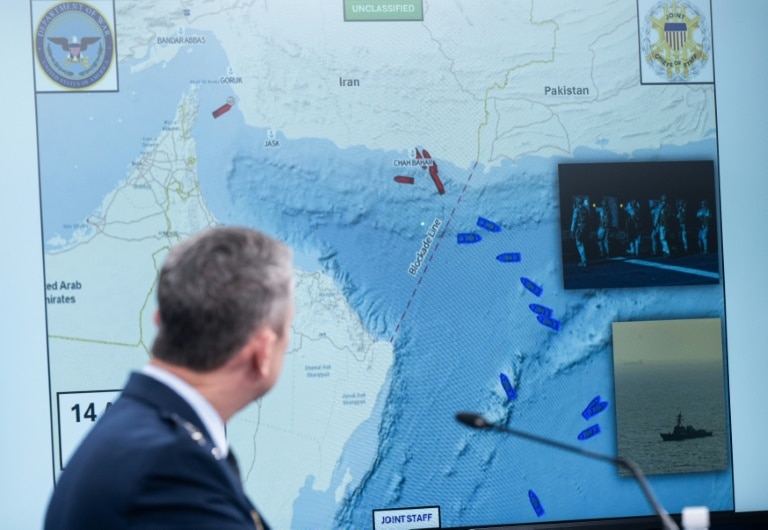
    Tracking data released Thursday has confirmed that multiple sanctioned cargo and tanker vessels have successfully traversed the Strait of Hormuz en route to Iranian ports, directly defying a new U.S. blockade imposed amid the ongoing seven-week Middle East conflict. The breach of the U.S. restrictions comes just days after Washington implemented its counter-blockade, which followed the collapse of regional peace talks aimed at ending the sustained hostilities.

    In an update posted to the social platform X Thursday, the U.S. military claimed that over the first 72 hours of enforcement, 14 vessels had altered their courses to comply with the blockade at U.S. forces’ direction. Notably absent from this update, however, was the military’s previous assertion that it had stopped all vessel traffic heading to or departing from Iranian ports, a change that experts say hints at growing gaps in enforcement.

    Marine Traffic, a leading global vessel tracking platform, has documented the journeys of two sanctioned vessels that have already reached waters adjacent to their intended Iranian destinations. The sanctioned container ship Zaynar 2 completed its westward passage through the strait into the Persian Gulf late Wednesday, with its destination listed as Larak Island — a key logistics hub just off the coast of Iran’s major Bandar Abbas port. The ship’s last transponder signal placed it near the island by Wednesday evening. A second sanctioned cargo vessel, the Neshat, followed the same general route early Thursday, sailing close to the Iranian coastline while transiting the strait, also bound for Bandar Abbas. As of 15:00 GMT Thursday, its signal showed it anchored roughly 16 kilometers off the port.

    In addition to the smaller cargo vessels, two large U.S.-sanctioned very large crude carriers (VLCCs), the RHN and the Alicia, have also broken through the blockade, crossing westward through the strait via Iran’s officially approved shipping lane. As of Thursday, both tankers continued sailing west through the Gulf, listing their destination only as “For Order,” leaving their final port of call unclear. Industry analysts note this vague designation follows a pattern seen in recent weeks with other sanctioned Iranian-linked vessels, which often falsely list Iraq as their destination to avoid U.S. enforcement — a loophole that allows them to cross without intervention. Two more vessels, the VLCC Agios Fanouris I and the liquefied petroleum gas tanker G Summer, are currently sailing toward what tracking data indicates is a likely Iraqi destination, putting them outside the scope of the current U.S. blockade.

    Maritime experts have voiced confusion over how easily vessels have been able to breach the blockade, given the U.S. military’s significant regional presence. “There’s evidence that ships are perhaps breaking through” the U.S. blockade, Tom Sharpe, a former commander with the UK’s Royal Navy, told a Thursday briefing hosted by maritime analytics firm Windward. “That I don’t understand particularly, because from a military perspective, from a tactical perspective, this blockade is not that hard to do. They’ve got the ships there to do it,” he added.

    While Bridget Diakun, senior risk and compliance analyst at Lloyd’s List Intelligence, confirmed that some Iran-linked vessels have halted their voyages or reversed course to avoid running afoul of the blockade, she also acknowledged that the restrictions have not stopped all traffic. “We’ve also seen ships that have reached Iranian ports and that have departed as well,” she told the briefing. Summing up the chaotic state of shipping through the strategic waterway, Lloyd’s maritime risk analyst Tomer Raanan noted that after 24 hours of the new blockade, “Confusion reigns.”

  • AFL 2026: Collingwood highlighted Carlton’s record of capitulations at 3QT before comeback

    AFL 2026: Collingwood highlighted Carlton’s record of capitulations at 3QT before comeback

    Ahead of the opening bounce of the final term in their Australian Football League clash, Collingwood Magpies already banked on a familiar Carlton Blues collapse to turn their 18-point deficit around. That confidence, forged from Carlton’s well-documented history of surrendering leads late in matches, was front and center of Collingwood’s three-quarter time huddle, where players and coaches explicitly highlighted the Blues’ trend of letting strong positions slip away. What followed was a thrilling, momentum-shifting final quarter that delivered one of the most dramatic wins of the 2025 AFL season so far.

    Fuelled by a masterclass performance from young star Nick Daicos, Collingwood piled on seven unanswered goals in the final stanza to claw their way back into the contest, sneaking across the line with a narrow five-point victory. Speaking after the match, Magpies head coach Craig McRae opened up about the tactical and mental framing that shaped the comeback, revealing his side entered the final quarter questioning whether Carlton could maintain their intensity across all four quarters.

    “We spoke about playing the full minutes right in front of us,” McRae told reporters post-game. “They’d been in front most games, I think Carlton have been in front for four of the five. We were questioning whether they could do it for four quarters and that’s the evidence they put in front of everyone. We want to play it out, you’ve still got to take your chances, make the most of it.”

    The catalyst for Collingwood’s stunning turnaround was Daicos, who put on a clinic in the final quarter, racking up 13 disposals and slotting a spectacular freakish goal that shifted the entire energy of the match. The young star played every second of the final term, and finished the match marking his 100th AFL game with a career-defining performance that drew high praise from his coach.

    “He’s a remarkable talent, we didn’t want to get him off in the last quarter (and) he played 100 per cent game time I am pretty sure,” McRae said. “He does some remarkable stuff, that first goal in the fourth quarter when he just runs contest to contest to contest and ends up in the goalsquare. 100th game, if you break the stats down they’re pretty amazing, not many players can do that in a game.”

    Even with the dramatic comeback, McRae cautioned against overconfidence, noting his side still has areas to improve ahead of coming fixtures: “I am not naive to think we don’t still have work to do.”

    For the Blues, the result extends a worrying early-season slump that has cast doubt over their 2025 campaign. The collapse marks yet another late-game lead surrendered by Carlton, leaving the side with just two wins from their opening six matches. For Collingwood, the crucial win keeps the club firmly in contention for a top-eight finish, keeping their postseason hopes alive heading into the middle phase of the regular season.

  • AFL 2026: Carlton coach Michael Voss has addressed a ‘shattered’ Elijah Hollands

    AFL 2026: Carlton coach Michael Voss has addressed a ‘shattered’ Elijah Hollands

    In a tense Australian Football League clash that ended in a narrow defeat for Carlton at the hands of Collingwood on Thursday night, 22-year-old young talent Elijah Hollands emerged as an unexpected talking point after a match that left him struggling for any meaningful on-field impact, prompting public displays of disappointment and a supportive intervention from senior coach Michael Voss.

    Hollands, who had earned 75% of game time through the first three quarters, failed to register a single disposals or statistical contribution for the entire match, a rare outcome for a player with that much on-field involvement. He was ultimately benched for the majority of the final quarter as Collingwood clawed back to secure the win over the Blues. Footage of Hollands drifting out of play and failing to impact contests circulated widely online on social media immediately after the final siren, amplifying scrutiny of his off-night.

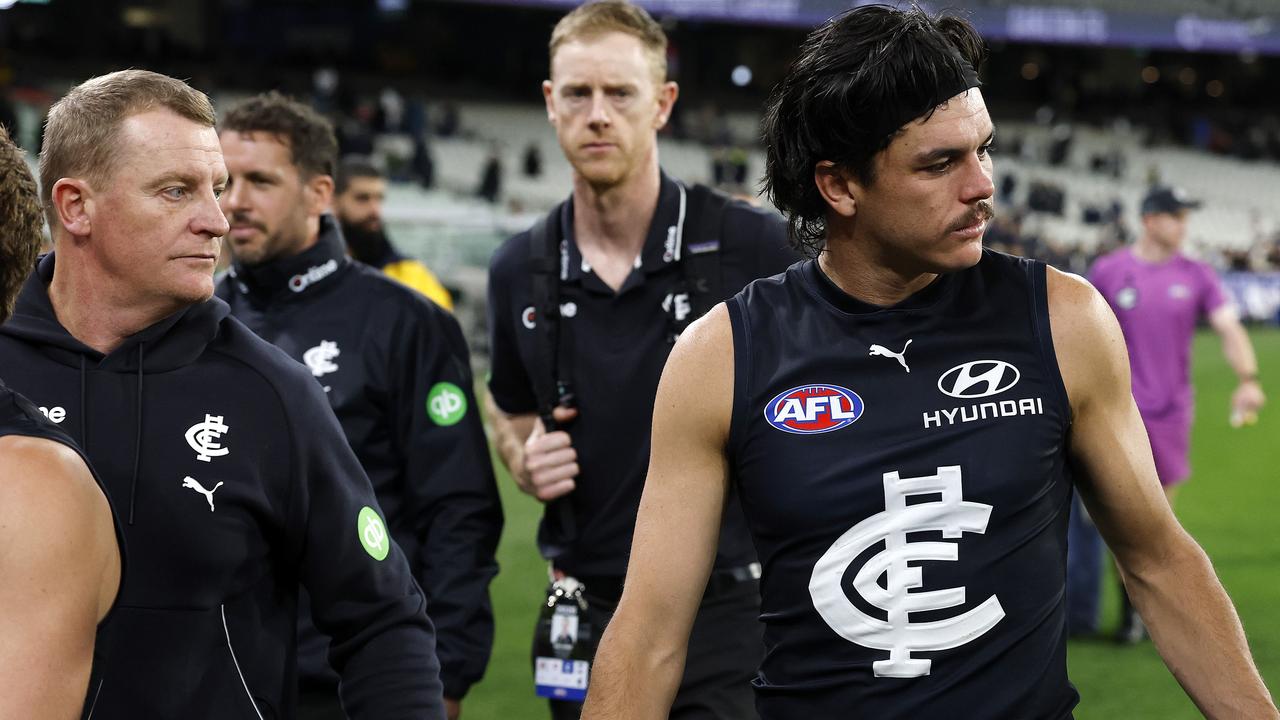
    Following the final whistle, Voss found a visibly distraught Hollands, who described the young midfielder as “shattered” and “pretty emotional” in post-game press comments. “I spoke to him after the game, he was really disappointed with how he started the game, really upset, he feels like he’s let me down,” Voss shared. The coach confirmed he held an extended supportive conversation with the young player, noting that Hollands carried strong disappointment over his inability to work his way into the flow of the high-stakes match.

    Addressing the decision to bench Hollands in the final minutes of the game, Voss explained the tactical call was made to adjust the team’s on-field mix for the closing stretch. “It comes to the last quarter, you obviously have to work out what mix you want out on the field with five minutes to go. He wasn’t having a great night, so (we had) conversations with him, but we obviously thought the best mix was not have him out there,” Voss said.

    Late drama unfolded after the siren when a review gave Carlton a last-gasp chance to force a draw, with fourth-year player Talor Byrne stepping up for the decisive kick that ultimately skewed wide. Voss emphasized that blame for the loss does not rest solely on the shoulders of young players like Hollands and Byrne, pointing to the team-first culture the club has built.

    “It’s understanding it’s not all on the young man’s shoulders,” Voss said. “He’s probably rehearsed that 2000 times… he didn’t quite obviously get the job done but the boys rallied. You win together, you lose together.” The coach added that the club would continue to support Hollands through the tough moment, rejecting any concerns over the young player’s effort on the night, and confirming the program would stand by him as he works to bounce back from the off-night.

  • Indonesia to supply 250,000 tonnes of urea for Australian farmers

    Indonesia to supply 250,000 tonnes of urea for Australian farmers

    Global fertilizer supply chains already strained by geopolitical tension have faced a fresh shock following the de facto closure of the Strait of Hormuz, a key global trade chokepoint, after the escalation of conflict between Israel, the U.S. and Iran in late February. For Australian agriculture, which relies on consistent access to nitrogen fertilizer to maintain output, the disruption created an urgent supply gap that has now been resolved through a bilateral government-backed deal with regional partner Indonesia.

    The agreement, finalized Thursday between Australia’s largest domestic fertilizer producer, New South Wales-based Incitec Pivot Fertilisers, and Indonesian state-run fertilizer giant PT Pupuk Indonesia, will deliver 250,000 tonnes of urea – the world’s most widely used nitrogen fertilizer – to cover the final 20% of Australian farmers’ total demand for the 2025-2026 growing season running from November 2025 through October 2026. Shipments of the additional fertilizer, which will be sold at prevailing global market prices, are scheduled for delivery between May and December 2025.

    Prime Minister Anthony Albanese framed the deal as a landmark outcome for both Australian agricultural producers and regional food security. “We understand how critical fertilizer is for Australian farmers, for our domestic food production system and the food security of our entire region,” he said. “This deal also demonstrates why maintaining strong, mutually beneficial relationships with our immediate regional partners is so critically important when global supply chains face disruption.”

    The conflict-driven disruption of the Strait of Hormuz has rippled far beyond energy markets, which have borne the brunt of the closure. Around 30% of all global nitrogen and phosphate fertilizer trade transits the strait annually, leaving major importers like Australia scrambling to source alternative supplies to avoid planting season shortages. Albanese emphasized that the interdependence of regional economies makes coordinated action essential to weathering global uncertainty: nearly 60% of Malaysia’s wheat and 75% of its lamb and beef originate from Australian farms, while Indonesia and other regional neighbors supply key inputs that keep Australian agriculture running.

    Australian Agriculture Minister Julie Collins said she had worked around the clock alongside industry stakeholders to lock in alternative supply after the Hormuz disruption, and expressed deep gratitude for Indonesian government cooperation. “This guarantees supply of fertilizer to Australian farmers at this critical time,” Collins said. “It also means Australia can continue to play its important role supporting food security in Indonesia and the broader region at a moment of widespread global uncertainty.”

    The fertilizer deal announcement caps two back-to-back multi-day diplomatic trips by Albanese to Southeast Asia, aimed at deepening regional economic and food security cooperation. Most recently, during a visit to Kuala Lumpur, Albanese and Malaysian Prime Minister Anwar Ibrahim signed agreements to expand collaboration on sustainable food production, including shared expertise in agricultural production techniques and irrigation infrastructure. Anwar noted that these bilateral supply agreements have a far more direct impact on ordinary people than many voters realize. “When supply chains are disrupted and food prices are rising, agreements like this have a direct impact on people’s lives,” he said. “The distance between a signed agreement and a family’s dinner table is shorter than most people imagine.”

    Alongside the fertilizer deal, Australia and Malaysia also agreed to a new partnership focused on red meat processing and trade expansion. For Australian industry, the new urea supply from Indonesia marks a major step forward in shoring up critical inputs for the upcoming growing season, though industry leaders note work remains to fully meet long-term demand. Scott Bowman, president of Incitec Pivot Limited, said the additional volume “is another critical plank in servicing the needs of Australian farmers.” “Whilst there is more work to do to ensure farmers’ requirements can be fully met this upcoming season, this additional volume will go a long way to shoring up critical supplies to Australian growers,” Bowman said.

  • Teen, 15, charged over alleged horror machete attack on Sydney light rail

    Teen, 15, charged over alleged horror machete attack on Sydney light rail

    A violent, unprovoked assault on a Sydney light rail service has left a 15-year-old boy injured and resulted in criminal charges against one teenage suspect, with police still searching for a second person involved in the attack.

    On Tuesday night at approximately 10:30 p.m., New South Wales Police received urgent calls reporting an assault unfolding on a light rail tram stopped at the Town Hall station along George Street, located in the heart of Sydney’s central business district. Initial police accounts confirm that two male teenagers allegedly attacked a third 15-year-old boy while the tram was in service, before both suspects fled the scene before officers could arrive to intervene.

    Emergency medical responders from local paramedic services quickly attended to the victim, who had suffered a stab wound to his left arm. The teenager was transported to a nearby local hospital for treatment, and as of the latest update, he remains in a stable condition, with no immediate life-threatening injuries reported.

    Following the attack, the entire light rail tram was cordoned off and declared an official crime scene, per standard police investigative protocol. It was later transported to the Randwick light rail depot, where specialist forensic officers conducted a thorough examination to collect physical evidence connected to the incident.

    Two days after the assault, on Thursday morning, plainclothes uniformed officers executed an arrest at a residential property in Sydney’s inner south, taking a second 15-year-old teenager into custody. During a search of the home, investigators also recovered a knife sheath, which was seized as evidence and will undergo forensic testing to confirm any connection to the attack.

    The arrested teenager has been formally charged with one count of wounding a person with intent to cause grievous bodily harm, a serious criminal offense under New South Wales law. He remains in juvenile custody as of Friday morning and is scheduled to make his first court appearance at a local children’s court later today.

    Investigations remain ongoing, however, as NSW Police have confirmed they are still actively searching for the second teenage suspect believed to have participated in the alleged attack. Authorities have not released any additional details about the second suspect’s identity or potential whereabouts at this time, and have urged any members of the public who were on the light rail service the night of the attack or who have information about the incident to contact local police immediately.