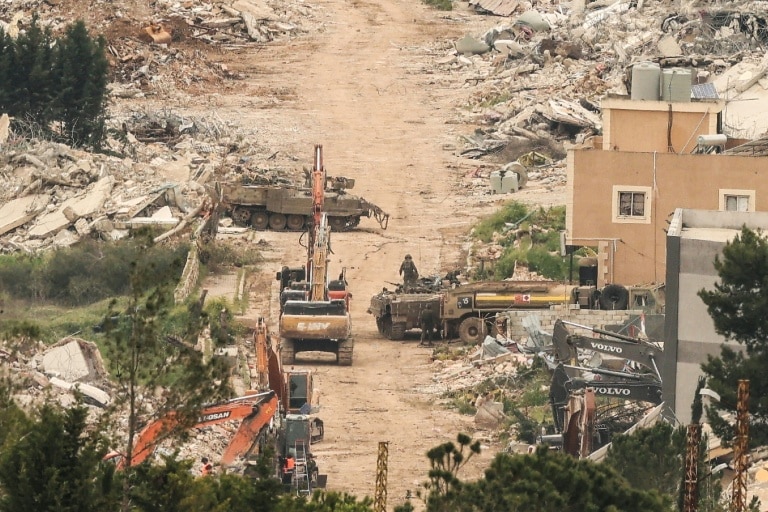
U.S. President Donald Trump has made an unexpected announcement claiming that the top leaders of Israel and Lebanon will hold their first ever direct conversation Thursday, a move that would mark a major breakthrough in decades of frozen relations between the two neighboring states. But as of Thursday morning, neither the Israeli nor Lebanese governments have verified the announcement, leaving the diplomatic development shrouded in uncertainty.
标签: Oceania
大洋洲
-
Turkey launches internet crackdown ahead of funerals for shooting victims
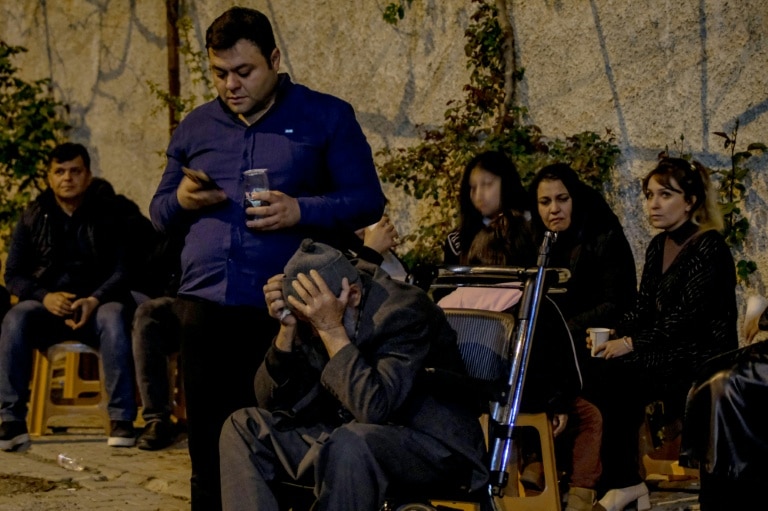
Turkey has initiated a sweeping nationwide crackdown on social media content glorifying two back-to-back school shooting attacks that have shaken the nation, with authorities ordering dozens of arrests just hours before funeral services are held for the victims, most of whom are elementary school children. The two violent incidents unfolded over 48 hours this week, leaving a total of nine people dead and 29 others injured, triggering widespread grief and renewed calls for stronger safety protections for students across the country.
The first attack took place on Tuesday in the southeastern province of Sanliurfa, carried out by a former student at his old high school. The 16 people wounded in the incident, and the attacker died by suicide when law enforcement officers cornered him, according to official statements. The deadlier attack came the next day in the southern province of Kahramanmaras, where a 14-year-old student brought five firearms into his school and opened fire on classmates and staff. Eight of the nine people killed in the attack were 10- and 11-year-old children, and the ninth fatality was their 55-year-old teacher. Both shooting suspects are now dead, though officials have not yet confirmed the exact circumstances of the 14-year-old’s death at the scene.
Investigators confirmed that the 14-year-old suspect, the son of a former police officer, planned the attack well in advance. Digital documents recovered from his computer dated April 11 show he wrote that he “intended to carry out a major operation in the near future.” Law enforcement has detained his father, and local Turkish media reports confirm his mother, a working teacher at the school, has also been taken into custody for questioning. Initial investigation also revealed the teen referenced a notorious U.S. mass shooter on his social media profile: he used an image of Elliot Rodger, who killed six people at the University of California, Santa Barbara in 2014 before dying by suicide, as his WhatsApp profile photo. Both police and prosecutors have confirmed no links to terrorist organizations have been found so far, and officials have labeled the incident an isolated act of violence. Funerals for the eight child victims and their teacher are scheduled to take place Thursday in Kahramanmaras, and all schools in the province will remain closed through Friday out of respect.
In response to widespread social media content praising the two attacks, Turkish law enforcement launched an immediate crackdown on posts and users glorifying the violence. As of Thursday, 83 people have been detained on charges including spreading harmful content that disrupts public order and praising violent criminal activity. Authorities have also blocked access to 940 social media accounts and shut down 93 Telegram groups that shared content sympathetic to the shooters. Mass school shootings are extremely rare in Turkey, and the twin attacks have sparked widespread public outrage and action. Dozens of representatives from Turkey’s main teachers’ union gathered outside the national education ministry in Ankara Wednesday to call for a nationwide two-day strike, carrying banners that read “We will not surrender our schools to violence.”
President Recep Tayyip Erdogan released an official statement expressing deep sorrow over what he called Wednesday’s “tragic attack,” and pledged that the investigation would uncover every detail of the incident “in all its aspects.”
-
War in the Middle East: latest developments
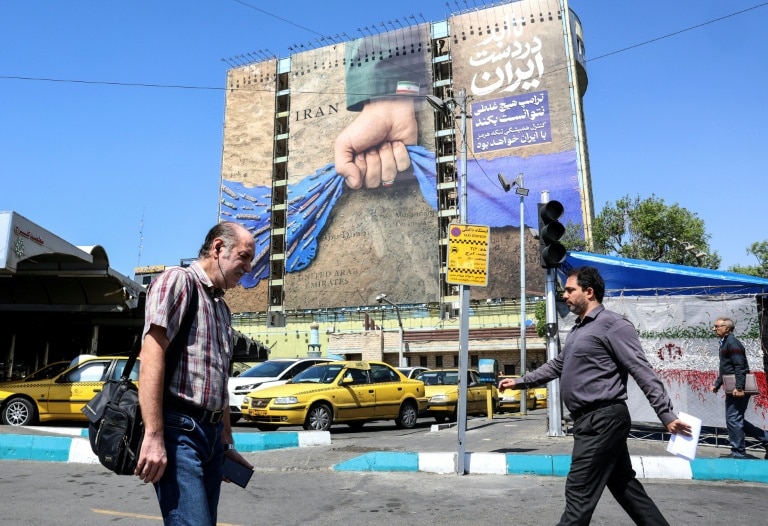
The ongoing Middle East conflict, triggered by US-Israeli airstrikes on Tehran that began on February 28, has produced a wave of interconnected political, economic and military developments across the globe, spanning diplomatic efforts, energy market shifts, security operations and financial market reactions.
One of the most immediate points of confusion emerged following remarks by former US President Donald Trump, who claimed that Israeli and Lebanese leaders planned to hold direct talks on Thursday. However, a senior anonymous official source confirmed to Agence France-Presse that Lebanese authorities have no knowledge of any scheduled contact with Israel, and no official notification of such negotiations has been delivered through formal diplomatic channels.
As global energy markets face heightened volatility tied to the conflict, the Australian government has moved quickly to shore up its strained domestic fuel reserves. Prime Minister Anthony Albanese announced Thursday that Canberra has finalized a deal to secure an extra 100 million liters of diesel supplied by Brunei and South Korea, addressing growing concerns over supply chain disruptions tied to Middle East hostilities.
For the global semiconductor industry, Taiwanese manufacturing giant TSMC, the world’s largest contract chipmaker, moved to calm investor fears this week. The company stated that it does not anticipate near-term disruptions to its access to critical industrial materials including helium and hydrogen, even as the conflict disrupts regional trade routes.
On the security front, Iranian state media outlet IRNA reported that the country’s Revolutionary Guards have detained four individuals suspected of espionage on behalf of Israel’s Mossad intelligence agency, per an official statement from the elite military force.
Pakistan is actively pushing for diplomatic de-escalation ahead of a potential second round of peace talks between the US and Iran. Pakistani Prime Minister Shehbaz Sharif confirmed he held a meeting with Saudi Arabia’s de facto leader Crown Prince Mohammed bin Salman in Jeddah, as part of a regional tour that also includes Qatar. Both Saudi Arabia and Qatar have been targeted by Iranian retaliatory strikes following the initial US-Israeli attacks on Tehran that sparked the full-scale war. Sharif wrote on social platform X that he reaffirmed Pakistan’s unwavering commitment to facilitating dialogue between Washington and Tehran, with the goal of reaching a lasting peace agreement for the region.
Tensions remain high around the Strait of Hormuz, the world’s most critical chokepoint for global oil and gas exports. Top military adviser to Iran’s supreme leader Mojtaba Khamenei issued a stark warning: if US forces launch a ground invasion of Iran, Iranian forces will take American troops hostage, and will sink any US vessels that enforce a military blockade on the strait. Hardline Iranian politician Mohsen Rezaei doubled down on the threat, claiming that a US ground invasion would play into Iran’s hands, saying “we would take thousands of hostages, and then for each hostage we would get a billion dollars”.
The US has expanded its economic pressure on Iran this week, unveiling a new round of sanctions targeting more than 20 individuals tied to Iranian oil transportation, alongside multiple companies and tankers linked to the shipping network run by petroleum magnate Mohammad Hossein Shamkhani. Shamkhani is the son of Ali Shamkhani, a senior security official and adviser to Iranian supreme leader Ali Khamenei; both father and son were killed in the opening US-Israeli airstrikes on February 28 that launched the war. US Treasury Secretary Scott Bessent said in an official statement that the Treasury department is moving aggressively under its “Economic Fury” campaign to target regime elites who profit at the expense of ordinary Iranian citizens.
The humanitarian toll of the conflict is set to grow sharply, according to World Bank Chief Economist Indermit Gill. Speaking to AFP, Gill warned that global ripple effects from the war could push an additional 60 million people into acute food insecurity. Gill noted that 300 million people already face severe hunger globally, and that figure could jump by 20% very rapidly as the conflict’s economic and trade disruptions spread.
Despite the rising humanitarian risks, global stock markets have rallied sharply this week on growing optimism for a diplomatic breakthrough. Japanese stock indices hit an all-time record high on Wednesday, driven by investor hopes that the US and Iran will extend their existing ceasefire to allow for further talks to end the war and reopen the Strait of Hormuz. All major Wall Street indices also closed at record highs the same day.
Israeli Prime Minister Benjamin Netanyahu reaffirmed alignment with US goals in a televised address Wednesday, saying that Israel and the United States share identical objectives when it comes to containing Iran. “We want to see enriched material removed from Iran; we want to see the elimination of enrichment capability within Iran; and, of course, we want to see the (Hormuz) strait reopened,” Netanyahu stated.
-
Australian shares fall as strong jobs data and China fears hit banks
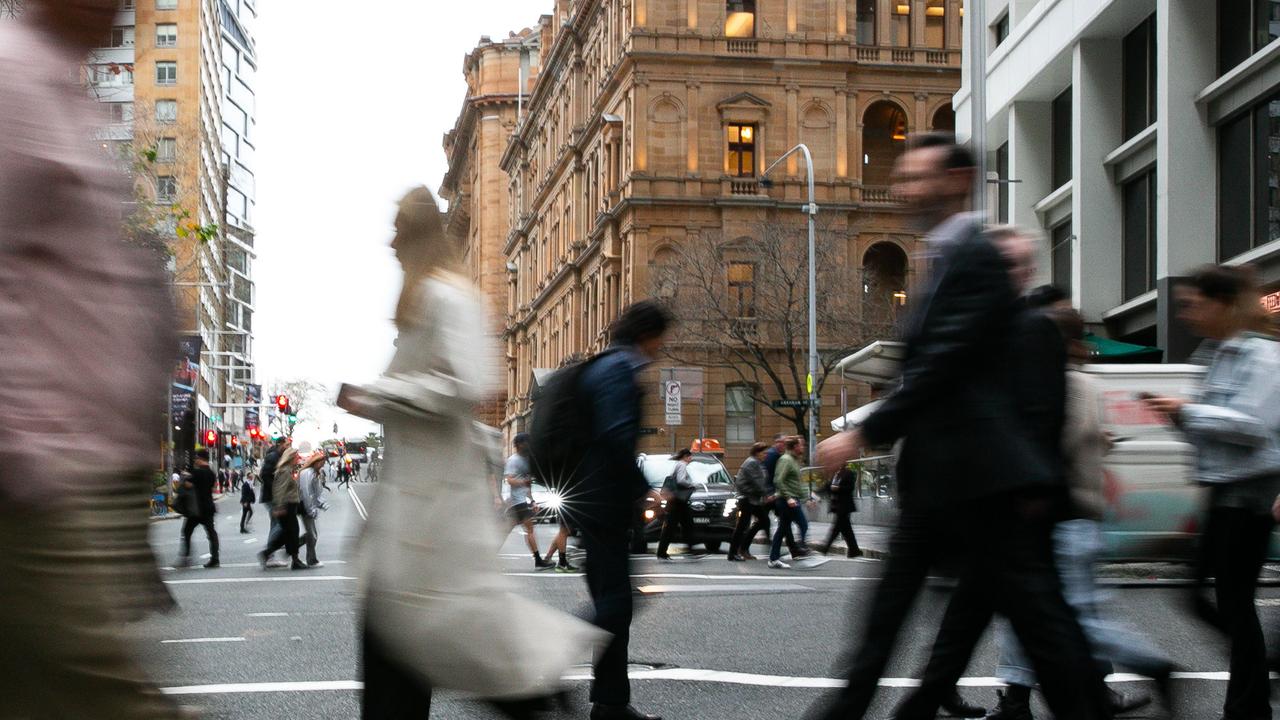
On Thursday, Australia’s benchmark stock index closed in negative territory, dragged down by investor anxiety triggered by two key macroeconomic factors: stronger-than-forecast domestic employment data and deepening instability in China’s struggling housing sector. Even a dramatic, market-leading rebound in the battered technology sector was not enough to offset losses across financial and mining industries.
The ASX 200 shed 23.70 points, or 0.26 percent, to settle at 8955, while the wider All Ordinaries index slipped 0.08 percent to 9173.60. In currency markets, the Australian dollar strengthened against the U.S. dollar, rising to 71.80 U.S. cents. Of the 11 tracked market sectors, six finished the trading day in positive territory, but gains were far outstripped by declines in heavyweight industries.
Leading the day’s gains, the technology sector jumped 7.40 percent, marking a sharp recovery from recent downturns. Standout performers included logistics software firm WiseTech Global, which surged 12.36 percent to close at $44.90, cloud accounting platform Xero, which climbed 9 percent to $81.86, and lifestyle technology company Life360, which rose 12.45 percent to $21.31.
However, solid upward momentum in tech was completely offset by steep sell-offs among Australia’s big four banks and major mining conglomerates. Commonwealth Bank of Australia, the country’s largest listed company, dropped 2.77 percent to $178.11. Westpac fell 1.65 percent to $40.02, National Australia Bank declined 2.49 percent to $43.41, and ANZ slipped 1.28 percent to $37.73.
IG market analyst Tony Sycamore explained that bank investors reacted negatively to the stronger-than-expected jobs report, which showed the Australian economy added nearly 18,000 new positions in the latest period. The resilient labor market has reinforced expectations that the Reserve Bank of Australia will continue its fight against inflation with additional interest rate hikes. Currently, markets are pricing in an 18-basis-point rate increase at the RBA’s next policy meeting in less than three weeks. A third rate hike this year would push the cash rate even higher, further reducing consumer and business credit demand and creating a major headwind for bank profitability. The RBA already raised rates by a cumulative 50 basis points in February and March, bringing the current cash rate to 4.10 percent.
Beyond banking, the mining sector also dragged the overall index lower, pressured by new data showing the ongoing slowdown in China’s housing market, a key driver of global commodity demand. BHP Group shares slipped 0.34 percent to $55.92, Rio Tinto fell 0.7 percent to $172.60, and building materials manufacturer James Hardie Industries plummeted 4.27 percent to $28. Only Fortescue Metals Group bucked the trend, climbing 1.01 percent to $20.98.
While China’s full-year economic growth of 5 percent beat market forecasts, the housing sector continues to show deep weakness. New home prices in China fell 3.4 percent year-over-year in March 2026, marking the 33rd consecutive monthly contraction and the sharpest decline since May 2025. This persistent downturn underscores the ongoing challenges Chinese authorities face in stabilizing the crucial property sector.
In individual company news, Viva Energy requested a trading halt for its shares following an outburst of fire at its Geelong refinery facility. On a positive note, financial services firm AMP saw its shares rise 3.58 percent to $1.44 after releasing an upbeat trading update that showed platform growth accelerated 45 percent to $1.1 billion. The company also announced a $150 million share buyback program to return capital to shareholders. Wealth management firm Netwealth also enjoyed gains, with shares climbing 5.88 percent to $25.22 after reporting that funds under administration rose to $125.8 billion.
-

‘Deliberate and powerful’: Daughter of Bondi terror attack victim welcomes council plan to co-host antisemitism summit
Almost one year after Australia’s devastating 2025 Bondi terror attack that left 15 innocent people dead, a new push to confront rising antisemitism has gained the support of a victim’s family. On Saturday, details emerged of Waverley Council’s proposed plan to co-host a national antisemitism summit, scheduled for late November, two weeks ahead of the December 14 first anniversary of the mass shooting. The proposal has already earned public backing from Sheina Gutnick, whose father Reuven Morrison was among those killed in the brutal attack.
Gutnick, who joined the global Combat Antisemitism Movement (CAM) earlier this month following her father’s death, has thrown her full support behind the summit, framing the event as a critical step to root out violent hate before it can claim more lives. In a statement shared with media, Gutnick emphasized that holding the gathering in Bondi itself carries profound symbolic weight. This community, she noted, has already paid the ultimate price for unchecked antisemitism, making it the logical place to expand Australia’s national response to the ideology.
“My father was killed because of hatred that was allowed to grow unchecked,” Gutnick said. “If this summit is to mean anything, it has to confront that hatred at its source. That means bringing local councils together with interfaith leaders, educators, and youth workers to invest in deradicalization, early-intervention, and prevention measures that stop the next attack before it is ever planned.” The summit will bring together cross-sector leaders from across the country to map out actionable strategies to identify, expose, and address antisemitism in all its forms.
Waverley Council is set to hold a formal vote on the proposal next week, which would see the local government partner with the New South Wales state government and the Commonwealth government of Australia to stage the two-day event on November 26 and 27. Waverley Mayor Will Nemesh has also voiced strong support for the plan, arguing that the summit comes at a critical moment for both local and national efforts to build inclusive, cohesive communities.
“Co-hosting the summit presents a powerful and timely opportunity to bring together councils, community leaders and government partners to reflect, honour the memory of victims, and recommit to building cohesive communities free from antisemitism,” Nemesh said. For Gutnick and other families affected by the attack, the summit is more than a commemorative event—it is a chance to turn a national tragedy into meaningful action that can prevent future acts of terror fueled by hate.
-
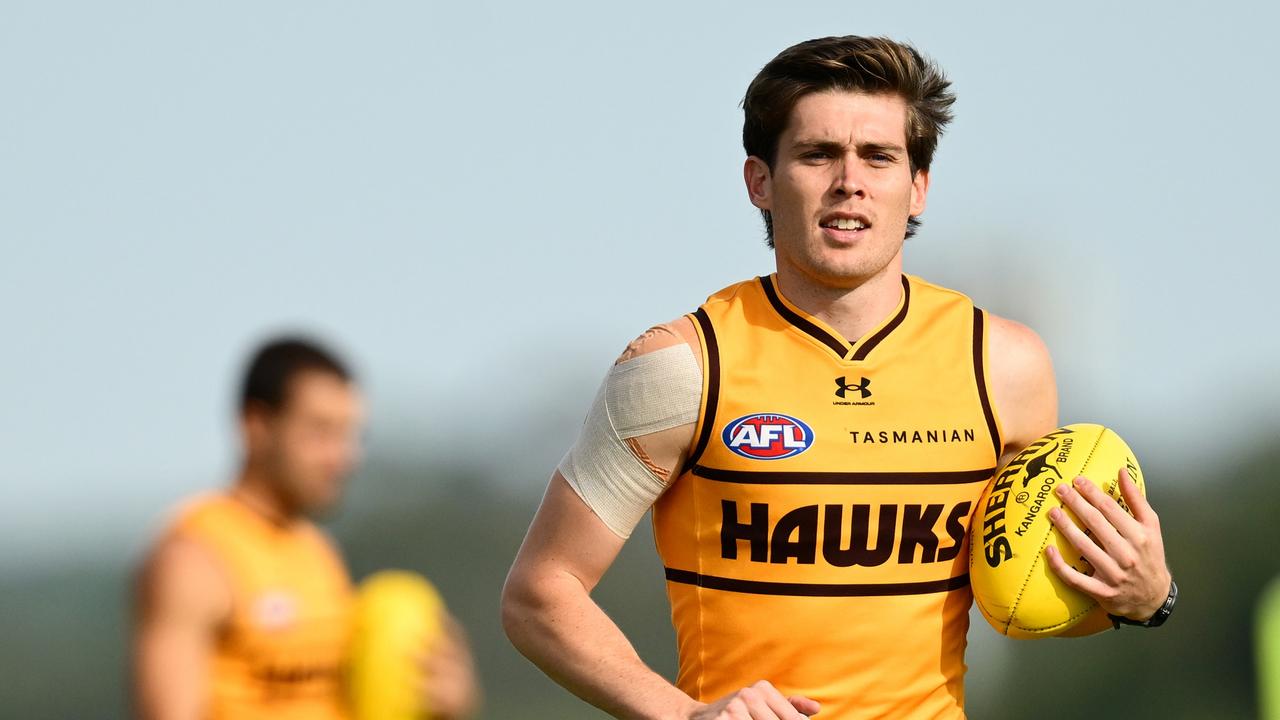
Hawthorn gun Will Day is striding towards a return – but there’s a catch
AFL side Hawthorn Football Club still holds a high-impact returning talent in promising young gun Will Day, but club leaders have made clear they will not cut corners on his recovery to rush him back to the top-tier lineup before he is fully ready. After a frustrating two-and-a-half years marked by repeated injury setbacks, Day is on track to make his comeback through the Victorian Football League (VFL) on restricted minutes, before earning a call-up to the senior AFL side.
Day’s career has been plagued by bad luck with injuries over recent seasons: the young talent has featured in just six senior AFL matches across the last two campaigns. His most recent setback, a shoulder injury sustained during pre-season training, has forced him to sit out the entirety of Hawthorn’s strong start to the 2024 season, where the club has notched four wins from its opening five matches. However, the club confirmed Day turned in an impressive, fully cleared training session on Thursday, and is projected to be available for senior selection within a five-week window.
Hawthorn head coach Sam Mitchell told reporters he is encouraged by Day’s steady recovery progress, but remains firm on sticking to a slow, conservative rehabilitation plan to avoid re-injury. “I think he’ll come back through the VFL. I think he’ll play reasonably limited game time in his first game back whenever that is, I couldn’t put an exact date on it,” Mitchell explained. “When he gets back, I suspect he will play at least one game with limited game time through the VFL and we’ll make assessments from there. He’s still a period away, even though, I must admit I watch him train and am thinking, ‘Are you sure it has to be that long?’ But you just trust the medical staff, they do a great job for us. I am looking forward to getting him back but it won’t be soon.”
During Thursday’s training session, Day completed controlled light tackling drills as his teammates prepared for this weekend’s match against Port Adelaide at Melbourne’s Marvel Stadium. When asked whether the club would ask Day to adjust his playing technique to reduce future injury risk, Mitchell pushed back on that idea, noting that the majority of Day’s past injuries have not been contact-related, and the current tackling drills are only part of gradual contact conditioning, not a technical overhaul.
“The majority of his injuries haven’t been impact, he’s obviously had the stuff with his feet which have been the majority of his stuff,” Mitchell said. “He’s only had the two physical hit injuries, one was from Jai Newcombe of all people, and then the one at training. So technique wise he’s quite good. I think as they build back the training, you obviously build them back physically with running, weights, but you also have to build back contact. They’ll build back his contact tolerance, he’ll do controlled tackling because the worst thing you can do is no tackling and then ‘OK, play footy.’ It’s not that we’re changing his technique too much, it’s just that we’re slowly getting him used to contact before he comes back.”
-
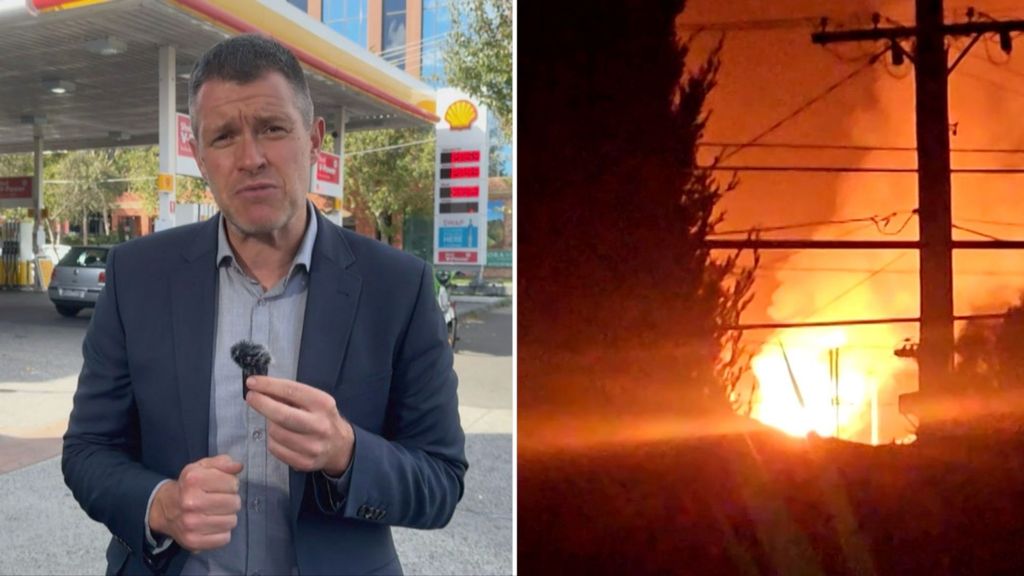
Refinery fire risks Australia’s oil supply amid Iran war fuel crisis
Already grappling with skyrocketing fuel prices spurred by the ongoing Iran war, Australian motorists are now facing fresh fears of further cost hikes after a destructive fire broke out at one of the nation’s only two operating oil refineries.
Emergency response teams were dispatched to Viva Energy’s Corio refinery, located in Geelong roughly 75 kilometers southwest of Melbourne, in the late hours of Wednesday. Calls came in just before midnight reporting multiple explosions followed by large flames breaking out at the site. Firefighters worked tirelessly through the night and into the next day, finally containing and extinguishing the blaze 13 hours after it first ignited.
According to local rescue authorities, the incident has been confirmed to stem from unexpected equipment failure at the facility. The Corio refinery plays an outsize role in Australia’s domestic fuel supply chain: it accounts for half of all fuel production for the state of Victoria, the country’s second-most populous state, and 10 percent of total national fuel output. While the site remains partially operational following the fire, federal and state officials have issued clear warnings that the incident will almost certainly disrupt domestic petrol production in the coming weeks.
Industry analysts note that the timing of this disruption could not be worse. Australian fuel prices have already climbed steeply in recent weeks following the escalation of conflict in Iran, which has roiled global crude oil markets and pushed up input costs for refiners. With domestic supply already strained by the market shocks from the war, the partial shutdown of a key refinery creates additional supply tightness that is likely to pass through to consumers at the gas pump. BBC correspondent Simon Atkinson reports from Melbourne that industry groups are already bracing for noticeable price increases in the short term, with Victorian motorists expected to see the most immediate impact.
-
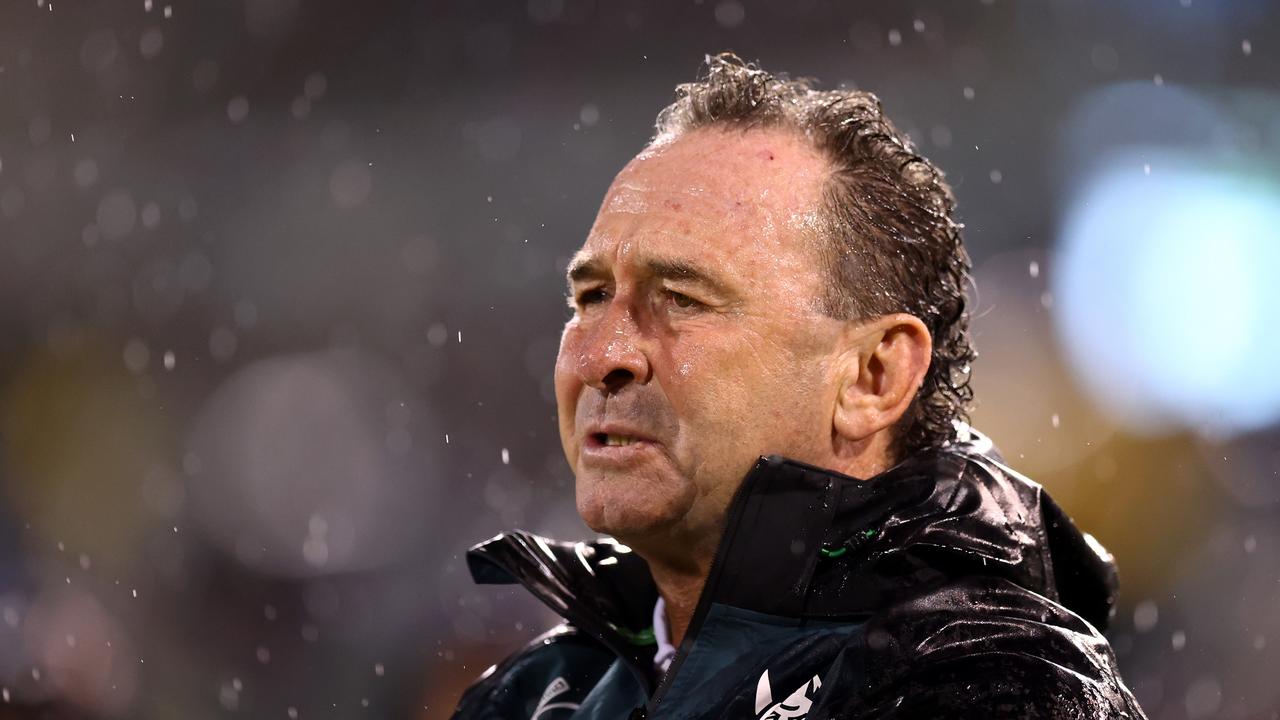
‘We’ve lost the fabric of the game’: Ricky Stuart hits out at new six again rule as Raiders coach insists Matt Timoko will be at the club next year
The National Rugby League is facing growing backlash over a controversial off-season rule overhaul, with one of the code’s most respected veteran coaches becoming the latest high-profile voice to condemn the change, arguing it has eroded the sport’s core identity.
Ricky Stuart, head coach of the Canberra Raiders, once supported the NRL’s updated ‘six again’ rule interpretation, which was introduced during the 2024 off-season. Under the new regulation, referees award attacking teams an immediate set restart instead of a traditional penalty for ruck infringements or offside offences committed outside the 20-metre line. The rule was framed as a way to cut down on match stoppages and speed up overall gameplay, but it has sparked fierce pushback from fans and insiders alike.
Stuart, who has led Canberra for more than a decade, said his initial optimism about the change has faded, as the rule has had unintended negative consequences that have hurt the quality of on-field product. Speaking ahead of the Raiders’ blockbuster Friday night home match against a Melbourne Storm side that has dropped four consecutive matches, Stuart said the league has lost the fundamental fabric of the sport that long-time fans love.
“I was a fan of the six again, but I think we’ve lost the fabric of the game,” Stuart told reporters, aligning himself with thousands of fans who have voiced criticism of the rule on social media. “Six agains are just given now willy-nilly. There’s a free six again wave of the arm because there’s no repercussion on the decision right at the time. For me, a six again is something that has got to be penalty worthy, but I don’t think it is at the moment which is why we’re getting so much criticism with the speed of the game. Making the game faster doesn’t necessarily make it more attractive. Just because the scoreline is 50-30, I don’t believe it’s more attractive.”
Proponents of the rule argue it has created more attacking opportunities and higher overall scores, which they claim makes matches more exciting for viewers. But critics, including Stuart, point out that the change has led to massively lopsided scorelines and forced defending teams to endure dozens of consecutive tackles, leading to excessive player fatigue late in matches that threatens both competitive balance and athlete welfare. While some top teams have adapted quickly and thrived under the new regulations, others have struggled to adjust to the relentless pace of play.
Beyond the rule debate, Stuart confirmed a series of reshuffles to his Raiders starting side for this week’s clash, highlighted by a young winger’s personal request to step back to reserve grade. Twenty-one-year-old Savelio Tamale, who is in just his second full season of first-grade NRL, asked to drop down a level to rebuild his confidence after an unusual moment in last week’s match against South Sydney Rabbitohs in Perth. Video footage showed Tamale appearing to slow to a stop just centimetres from the try line before eventually grounding the ball for a five-pointer, a moment that sparked widespread discussion online.
Stuart moved to shut down speculation around the incident, saying it is simply a matter of a young player working through a confidence slump, a challenge Tamale previously navigated last year following an injury spell. “He’s just down on confidence,” Stuart explained. “We don’t need to make it too big a story internally, because for us, we’ve just got to look after a young player who is lacking a bit of confidence. The same thing happened to him last year when he came back from injury. He’ll get through it. Outside of him being a talented footballer, he’s a really good bloke so he’ll get through it because he’s got good people around him and we’ll take care of him.”
Tamale’s move to reserve grade has opened up a spot in the starting line-up, forcing a positional reshuffle: Seb Kris will shift from centre to left wing, allowing Matt Timoko to return to the starting side at centre for the first time in 2024. Timoko lost his starting spot to Simi Sasagi earlier in the season after an injury-interrupted off-season kept him out of match practice, and his stint in reserve grade sparked widespread speculation that he could seek a move away from Canberra before his current contract expires.
Stuart was quick to dismiss those rumours, saying Timoko has acted with the utmost professionalism throughout his spell out of the starting side and remains a key part of the Raiders’ long-term plans. The coach added that Timoko, one of the NRL’s most talented attacking centres, only needed more time in reserve grade to work on his defensive fundamentals, and that he has no intention of leaving the club.
“Matty has been amazing how he’s sat back and just kept working hard because he knows how well Simi has been playing,” Stuart said. “Even Matty said to me two weeks ago when I sat down and had a chat with him, ‘Mate, it’s hard at the moment because we’ve got Simi playing so well’, and he was fine with it and totally got it. He went back and kept working hard on his football and now he’s back in the team. He’s a club person so I know he’s excited and he’s ready to play. He’s here next year. That happens at any club when a first-grader comes back from injury and isn’t playing first grade or is put back to Cup to fix his game. All of a sudden there’s innuendo about the player being disgruntled or wants out. Matty’s not disgruntled and he doesn’t want out, and he hasn’t come and seen me. I’ve had good conversations with his manager so everything is OK from our point of view.”
Friday’s match between the 2-win Raiders and 2-win Storm shapes as a critical turning point for both sides, who are desperate to reverse their poor early-season form and climb up the NRL ladder.
-
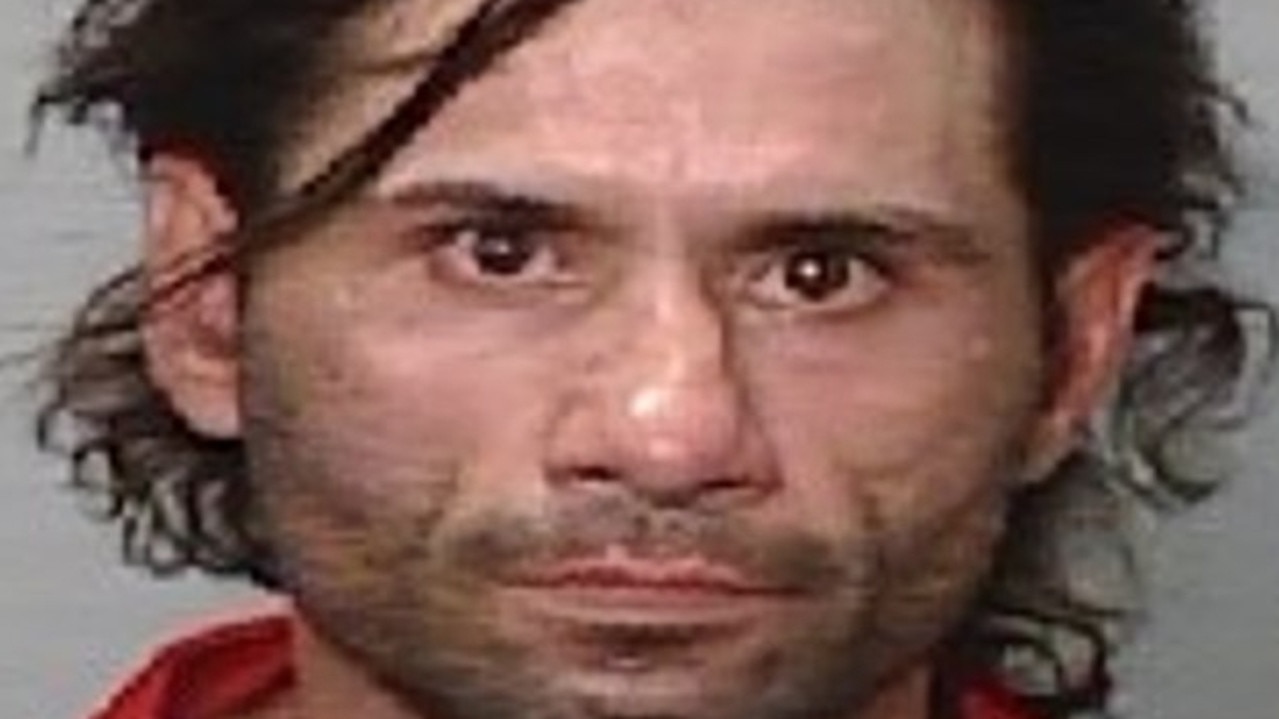
‘Embarrassing’: Inmate at NSW prison accidentally set free after administrative blunder, massive search ensues
A wide-scale search operation is currently active across New South Wales, Australia after a serious administrative mistake at a state prison led to a convicted inmate being set free by accident just hours after he was sentenced to jail.
Thirty-five-year-old Kyle Quayle, who was handed a 12-month prison sentence for convictions on assault and theft charges, was incorrectly released from Clarence Correctional Centre this Tuesday. The error occurred on the very same day that his sentence was handed down. Law enforcement officials say Quayle is believed to be currently operating within the Newcastle region, and have released a public description of the inmate to aid in tracking him: he stands 180 centimeters tall, has a medium build, black hair, brown eyes, and a typically unshaven face, with an Aboriginal/Torres Strait Islander appearance.
Senior state officials have publicly acknowledged the serious misstep, with New South Wales Premier Chris Minns labeling the incident deeply embarrassing for the state’s correctional system. In comments to reporters, Minns apologized for the error, noting that with modern biometric and identification technology available in 2026, such a mistake should never have occurred. “I’m sorry it happened, really – it is embarrassing,” Minns said. “In 2026, with the biometric and identification tools available, it shouldn’t happen. I want to make sure it doesn’t happen again.”
Local law enforcement has expanded the scope of the search beyond Newcastle to include the distant town of Taree, roughly two hours’ drive north of the initial search area. Newcastle District Police Superintendent Lisa Jones told local media that the investigation is relying on public support to locate Quayle quickly. “We just need the community to be our eyes and ears,” Jones told ABC Radio Newcastle. She issued a clear public warning: anyone who believes they have spotted Quayle should not approach him, and instead contact emergency service providers immediately.
Red-faced state correctional authorities have issued an official public appeal for tips on the inmate’s location, and have directed any member of the public with information to contact Crime Stoppers on the dedicated hotline 1800 333 000.
-
Fresh Russian barrage kills 14 in Ukraine
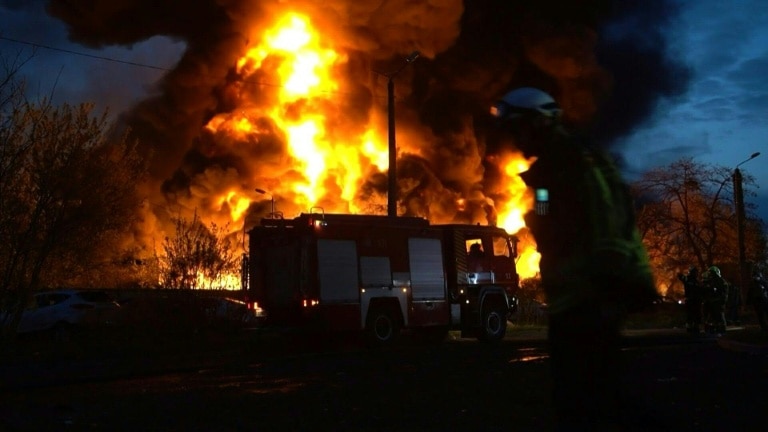
In a sharp escalation of hostilities following a widely violated 32-hour Orthodox Easter truce, overnight missile and drone barrages launched by Russia against multiple Ukrainian cities have killed at least 14 people — including a 12-year-old child — and left dozens more wounded, Ukrainian officials confirmed Thursday. Simultaneously, Ukrainian counter-strikes on Russian territory claimed the lives of two young children, according to Russian regional authorities, marking another bloody chapter in the four-year ongoing conflict.
The deadliest of Thursday’s reported attacks hit the southern Ukrainian Black Sea port city of Odesa, where seven people lost their lives in the barrage, regional military administration head Sergiy Lysak announced via his Telegram channel. In Ukraine’s capital Kyiv, the strikes left four people dead, including the 12-year-old boy, and injured at least 45 more — a group that includes several frontline medical workers, Kyiv Mayor Vitali Klitschko shared in a public update.
Images and damage assessments shared by Ukraine’s State Emergency Service paint a grim picture of the destruction across the capital: residential and commercial structures were set ablaze, vehicle parks were reduced to charred wrecks, building windows were shattered across multiple neighborhoods, and several prominent hotel buildings suffered significant external damage. In Kyiv’s Podilsky district, one attack leveled part of an 18-story residential apartment block after a drone struck the building directly; emergency responders managed to pull one surviving child from the rubble of the collapsed structure, Klitschko added.
Further casualties were recorded in central Ukraine’s Dnipropetrovsk region, where three people were killed in the strikes, regional administration head Oleksandr Ganzha confirmed. A separate attack on Kharkiv, Ukraine’s largest northeastern city, left two elderly residents wounded, regional military administration head Oleg Synegubov said.
The Russian strikes triggered a city-wide missile air raid alert across Kyiv, with capital military administration chief Tymur Tkachenko urging all residents to remain in secured shelter facilities until the threat was formally cleared.
On the Russian side of the border, two children — ages 5 and 14 — were killed in what regional governor Veniamin Kondratyev described as a terrorist drone attack on residential buildings in Tuapse, located in southern Russia’s Krasnodar Krai region. Kondratyev shared the news of the children’s deaths via his own Telegram channel Thursday morning.
The fresh wave of violence comes just days after the 32-hour unilateral Orthodox Easter truce, declared by Russia earlier in the week, ended amid mutual accusations of widespread violations from both Moscow and Kyiv. For months, Russia has launched near-daily drone and missile strikes across Ukrainian territory, while Ukrainian forces have regularly carried out retaliatory strikes on targets inside Russian borders, a tit-for-tat pattern that has continued to drive civilian casualties on both sides.