标签: Oceania

大洋洲

  • US-Iran tensions spark $45bn wipe-out on Australian sharemarket

    US-Iran tensions spark $45bn wipe-out on Australian sharemarket

    Just days after former US President Donald Trump declared that peace talks between Washington and Tehran were “largely negotiated,” a sudden escalation of hostilities between the two powers sent shockwaves through global financial markets on Thursday, triggering a $45 billion wipe-out of Australian equities and a sharp jump in international crude prices.

    The escalation began when the US launched targeted strikes near Iran’s Bandar Abbas port Wednesday, reportedly targeting the head of the Islamic Revolutionary Guard Corps Navy. The following day, the US confirmed it had shot down four Iranian drones over the strategic Strait of Hormuz and destroyed a Iranian drone control tower. In response, Iran claimed it had carried out a retaliatory strike against a US air base in Kuwait and issued a stark warning of more severe reprisals if US offensive operations continued.

    The sudden flare-up of geopolitical risk immediately roiled regional and global markets. For Australian investors, it was one of the toughest trading sessions in recent weeks: the benchmark ASX 200 plunged 124.80 points, or 1.43%, to close at 8592.90, while the broader All Ordinaries index dropped 125.60 points, or 1.40%, to settle at 8819.60. The Australian dollar also weakened against the US dollar, edging 0.16% lower to 71.22 US cents by market close.

    Nine out of the 11 tracked market sectors ended the day in negative territory, with only consumer-facing segments bucking the broader sell-off trend. The materials sector, which had enjoyed a five-day winning streak leading into Thursday’s session, led the market declines. Major mining stocks all posted heavy losses: BHP fell 1.19% to $60.55, Rio Tinto dropped 2.53% to $183.46, and Fortescue Metals declined 1.18% to $21.78. Gold mining stocks suffered even steeper falls, dragged down by a 1.83% drop in spot gold prices to US$4373 per ounce: Northern Star Resources sank 7.47% to $18.20, while Evolution Mining closed 7.76% lower at $11.65.
    Australia’s major banking group was also caught up in the broad sell-off, with the entire financial sector shedding 1.64% over the session. Commonwealth Bank of Australia led the declines among the big four banks, dropping 2.06% to $161.41, while ANZ fell 1.91% to $34.89, National Australia Bank declined 1.72% to $37.10, and Westpac ended the day down 1.29% at $35.92.

    Geopolitical uncertainty drove a sharp rally in global oil prices, as investors priced in greater risk of supply disruptions through the Strait of Hormuz, a critical chokepoint for 20% of the world’s daily oil shipments. Benchmark Brent crude jumped as much as 4.3% to hit US$98.20 per barrel, while US West Texas Intermediate crude rose 2.56% to US$91.70 per barrel. Tony Sycamore, a market analyst with IG, noted that while the US administration has signaled it remains committed to moving forward with peace talks, markets reacted instantly to the escalation. “This reignited inflation and fuel security fears, while also sending bond yields and the safe haven US dollar higher,” Sycamore explained.

    Against the broader market downturn, two sectors managed to post gains: consumer staples and consumer discretionary stocks. Australia’s two major supermarket chains led the consumer staples rally: Woolworths added 0.92% to close at $34.94, while Coles Group gained 0.75% to end the session at $21.52. Sycamore attributed this outperformance to a better-than-expected national inflation reading released Wednesday, which showed headline inflation rose just 4.2% – lower than market forecasts. “Capitalising on its defensive qualities and coupled with yesterday’s cooler-than-expected inflation reading — which likely gives the Reserve Bank of Australia cover to keep interest rates on hold at 4.35% next month — the Consumer Staples sector emerged as today’s best performer,” Sycamore said. Even with the market turmoil, Sycamore noted that the US is still widely expected to prioritize de-escalation and work toward ending the ongoing regional conflict, leaving the long-term market outlook for now uncertain.

  • ‘Principled’: AFP Commissioner Krissy Barrett defends Ben Roberts-Smith arrest

    ‘Principled’: AFP Commissioner Krissy Barrett defends Ben Roberts-Smith arrest

    Australia’s top federal law enforcement official has publicly outlined why authorities rejected a proposed voluntary surrender from former elite SAS soldier Ben Roberts-Smith, amid growing political scrutiny over the high-profile war crime arrest that has gripped national attention.

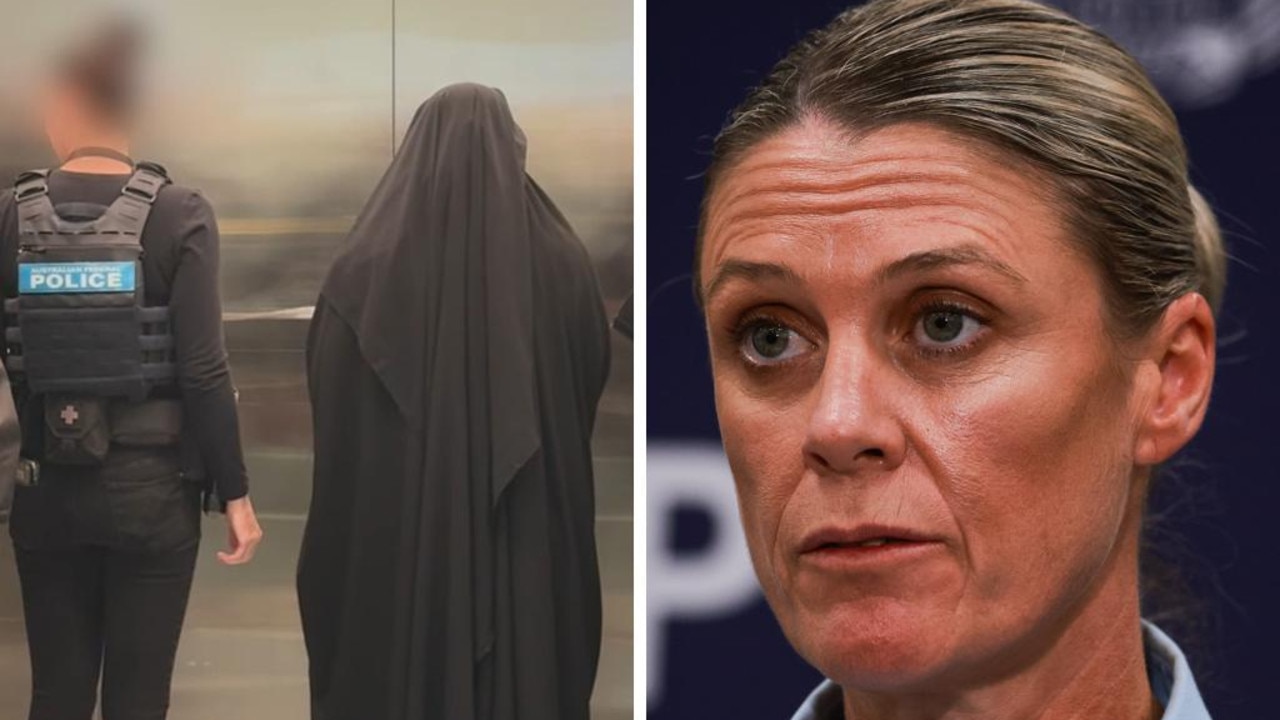
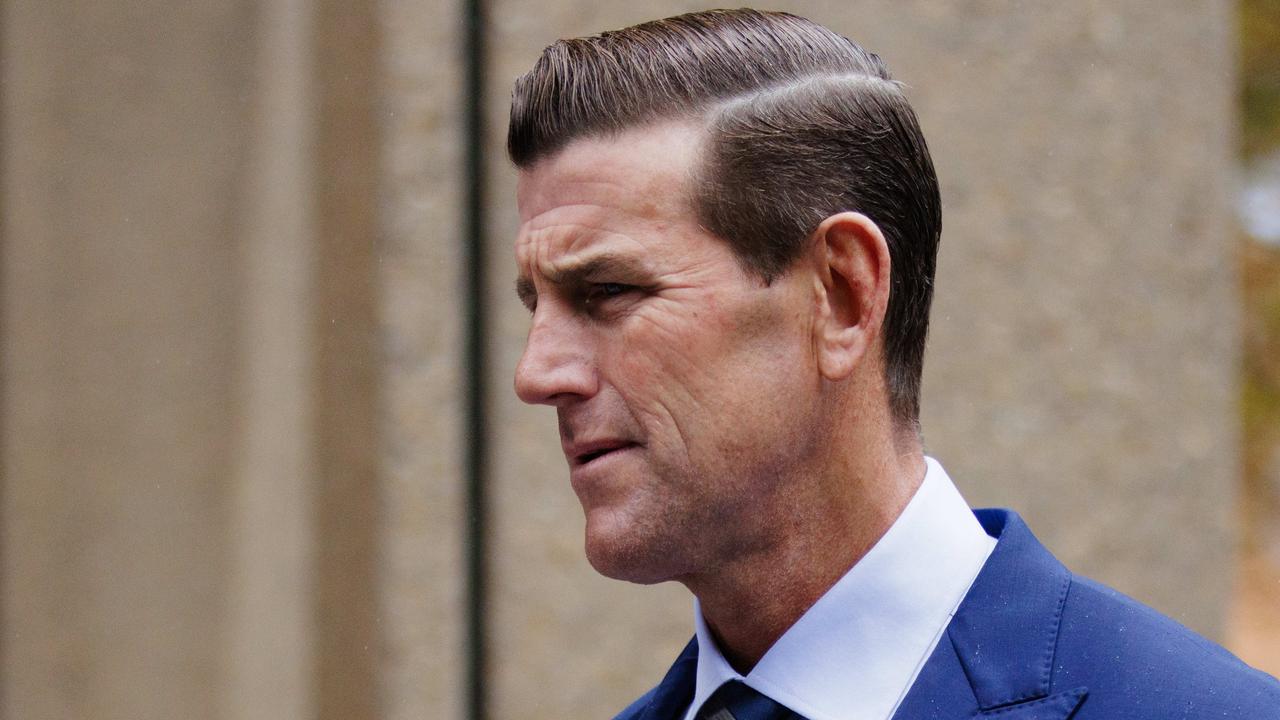
    In a defiant address during a Thursday Senate estimates hearing, Australian Federal Police (AFP) Commissioner Krissy Barrett defended the agency’s April decision to arrest Roberts-Smith at Sydney Domestic Airport, pushing back against widespread public and political backlash over the handling of the case.

    Barrett stressed that all investigative and procedural choices made by the AFP and the Office of the Special Investigator (OSI) were rooted in principle, aligned with federal legislation and governance frameworks, and guided solely by evidence – not the notoriety or public standing of any individual.

    “We take an oath that we will faithfully and diligently carry out our duties without fear or favour, without affection or ill will. This is an extremely important point the Australian public can know,” Barrett told the hearing. “The AFP will determine cases on the evidence in front of us, and not because of name, fame, or background of any individual.”

    The hearing comes after days of questioning from Liberal Senator Michaelia Cash, who has challenged law enforcement officials over their approach to the Roberts-Smith case. In her detailed opening remarks, Barrett broke down the operational logic behind arresting Roberts-Smith at the Sydney airport rather than allowing him to turn himself in, or arresting him in the state of Queensland.

    Barrett explained that airports are classified as “sterile environments” with mandatory passenger screening and contained perimeters, factors that make arrest operations far safer for both responding officers and members of the public. Investigators also confirmed they had intelligence that Roberts-Smith had no known permanent address and was actively planning to relocate overseas, eliminating the option of waiting for a voluntary surrender. The choice of Sydney over Brisbane was a collaborative operational decision reached with partner agencies, Barrett added, dismissing widespread media speculation about hidden motives for the location as entirely inaccurate. She also noted that OSI officers were deployed specifically to the airport to provide support for Roberts-Smith’s family members who were travelling with him at the time of arrest.

    Addressing reports that Roberts-Smith had offered to hand himself in voluntarily ahead of the airport operation, Barrett confirmed that law enforcement had ultimately ruled the proposal unworkable. Citing the gravity of the charges against the former soldier – five counts of war crime-related murder, each carrying a maximum sentence of life imprisonment – Barrett said the surrender option was never considered a viable path for the investigation.

    Barrett also addressed unconfirmed reports of sensitive investigative information being leaked to media outlets ahead of the arrest. While she stressed there is no concrete evidence the AFP leaked any details, she confirmed the matter has been referred to the National Anti-Corruption Commission as a precautionary measure. “If the date of the individual’s arrest or other sensitive information was disclosed to anyone in the media, this could be an unauthorised disclosure, and in my view, anyone who disclosed that information should face consequences,” she said.

    Roberts-Smith was granted strict conditional bail earlier this year following his arrest. He has consistently maintained his innocence on all charges, has not entered any formal pleas, and his court proceeding remains ongoing.

  • AFL 2026: Collingwood to try ‘something different’ with Darcy Moore’s soft-tissue rehab

    AFL 2026: Collingwood to try ‘something different’ with Darcy Moore’s soft-tissue rehab

    AFL side Collingwood is preparing to adopt an unconventional, progressive rehabilitation strategy for its captain Darcy Moore after yet another soft tissue injury sidelined the star skipper, extending what has already been a devastating run of injuries for the club’s leader. Moore sustained a new hamstring injury during last weekend’s match against the West Coast Eagles, an issue that is expected to keep him off the pitch for as long as eight weeks. This latest setback is just one in a long string of health problems for Moore in the 2024 campaign: he already dealt with a pre-season calf injury, hamstring tightness in Round 1, combined knee bursitis and hamstring trouble in Round 3, and a concussion in Round 9. Moore is no stranger to navigating repeated soft tissue setbacks; early in his professional career, he traveled across the globe to Europe to consult leading specialists in soft tissue recovery to address his recurring issues. Speaking to reporters this week, Collingwood head coach Craig McRae acknowledged that the club’s current recovery approach has not worked, and a new path forward is non-negotiable to get Moore back to elite playing condition. “It’s been a frustrating year for him to get on the paddock and then back out on the field,” McRae said. “Clearly we need to do something different because what we’re doing right now – given his body feedback – he’s not capable of doing it at the level which is required. We’ll be progressive around his rehab.” The coach added that this unorthodox approach could include a controlled, limited stint in the Victorian Football League (VFL), Collingwood’s reserve-grade competition, as Moore builds his fitness back up. “We might just weigh up what that means in terms of, ‘OK does he need to train for a bit longer to be fit and available? Does he need to play a VFL game?’” McRae explained. “I don’t know yet, (but) we’ve got to work all that out.” A restricted run in the reserves is not off the table as the club maps out Moore’s comeback, the coach confirmed. Unfortunately for Collingwood, Moore’s injury is not the only bad news the club received this week. The Magpies’ training and medical facility became a revolving door for scans this week, with multiple key players requiring assessment. Veteran forward Jamie Elliott has been ruled out for the remainder of the season after scans confirmed he suffered an anterior cruciate ligament (ACL) injury. Rising young star Nick Daicos also underwent assessment for a sore foot, but McRae delivered positive news on that front: Daicos has been cleared fit to line up against the Western Bulldogs in this weekend’s primetime match. Even McRae himself was caught up in the injury wave sweeping the club, revealing he also underwent scans on a sore shoulder this week. “I think everyone went in for scans this week, I popped in for a couple on my shoulder as well. That (clinic) was a revolving door,” McRae joked. Despite the season-ending injury, McRae added that Elliott remains in good spirits as he prepares for his recovery and reconstruction surgery.

  • Woman charged after ISIS bride return, new evidence, AFP Commissioner says

    Woman charged after ISIS bride return, new evidence, AFP Commissioner says

    Australia’s national top law enforcement official has publicly confirmed that counter-terrorism units are currently running eight independent investigations into women and children with known ties to ISIS fighters, a disclosure that comes amid a fresh wave of repatriations from Syrian detention camps and a high-profile recent terrorism charge.

    Australian Federal Police (AFP) Commissioner Krissy Barrett outlined the scope of ongoing investigations during a Thursday appearance before a Senate estimates hearing, noting that probes are not limited to people who have already returned to Australian territory — a number of subjects of interest still remain overseas.

    The confirmation of the eight active investigations follows the charging of 34-year-old Rayann El Houli earlier the same day. El Houli, who returned to Australia from Syria last year, faces two criminal allegations: entering and staying in a declared terrorist active zone, and formal membership of a proscribed terrorist organization. She made her first court appearance on the same day charges were filed.

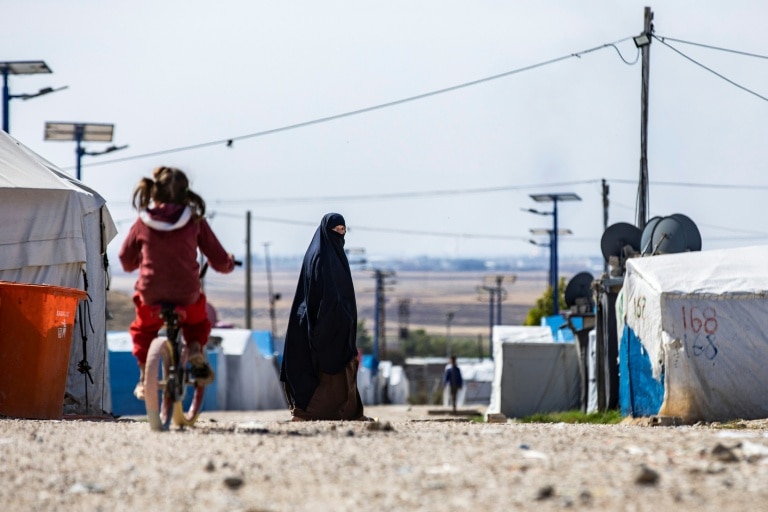
    One of the largest ongoing probes, codenamed Operation Howth, centers on three people — one man and two women — who are accused of traveling to Syria between 2013 and 2024 to join the Islamic State terror group. Commissioner Barrett told the hearing that two of the subjects, the women, returned to Australia with their children in September 2025 from the al-Hawl detention camp in northern Syria, a facility that has held thousands of family members of alleged ISIS fighters for years. The third subject, the man linked to the two women, remains imprisoned in a Middle Eastern prison, per police accounts.

    After the two women’s 2025 repatriation, the Commonwealth Director of Public Prosecutions initially concluded there was not enough admissible evidence to bring criminal charges against them. In line with that guidance, the Victorian Joint Counter Terrorism Team — a multi-agency unit made up of local Victoria Police, the AFP, and Australia’s national intelligence agency ASIO — chose to keep Operation Howth active while the women integrated into Australian communities.

    Barrett explained that over the course of the ongoing six-month domestic investigation, and following the repatriation of another four women and their children from Syria just three weeks ago, investigators have obtained significant new evidence that ties back to the original Operation Howth probe, renewing its momentum.

    Beyond Operation Howth, Barrett confirmed that a total of eight separate Joint Counter Terrorism Team investigations are active across the country, targeting family groups that either have returned from Syrian detention camps or still remain outside Australia. She pushed back against any assumptions that delays in filing criminal charges signal that investigations have been abandoned, pointing to El Houli’s charging as a clear example of how probes can take time to yield charges.

    “Any perceived delay in charges does not indicate investigations have ceased. Today’s arrest and charge is a case in point,” Barrett told the hearing.

    The commissioner outlined three core messages the AFP and its partner agencies want to communicate to the Australian public. First, the national force and its counter-terrorism partners remain fully committed to protecting community safety. Second, any alleged victims or witnesses with relevant information are still able to come forward to cooperate with investigations. Third, all individuals who have returned to Australia from conflict zones tied to ISIS remain subject to a broad range of active investigation strategies, regardless of whether charges have been filed yet.

    Since 2019, a total of ten Australian citizens have been charged with terrorism-related and foreign incursion offences linked to travel to conflict zones: seven men and three women. Three of those women were charged earlier this year immediately after their return from Syria, and are currently before the courts facing a series of serious charges, including crimes against humanity and the possession of an individual as a slave.

  • Police crackdown on protest could have put Australia on ‘different trajectory’, anti-Semitism envoy says

    Police crackdown on protest could have put Australia on ‘different trajectory’, anti-Semitism envoy says

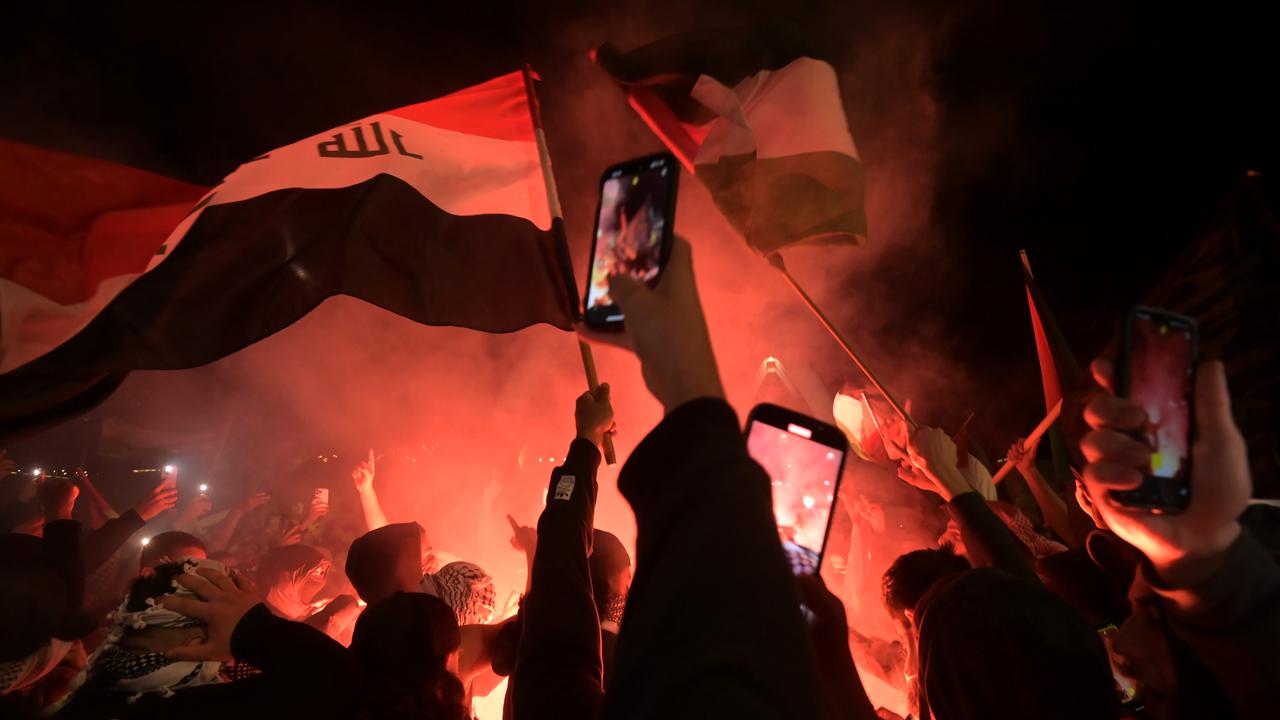
    In testimony before a Senate estimates hearing on Thursday, Australia’s Special Envoy on Antisemitism Jillian Segal has drawn a direct link between the police handling of a high-profile post-October 7 protest outside Sydney Opera House and the sharp rise of antisemitic sentiment across the country, arguing the nation could have avoided its current trajectory if the demonstration had been addressed differently. The protest, held on October 9 2023 just two days after Hamas’ surprise cross-border attack on Israel that killed more than 1,200 people, drew hundreds of demonstrators gathering near one of Australia’s most iconic cultural landmarks, in response to both the initial assault and Israel’s subsequent military retaliation in Gaza. According to Segal, multiple participants chanted deeply hateful rhetoric targeting Jewish people during the event, which included the burning of an Israeli flag. While Segal acknowledged ongoing public debate over unconfirmed claims that protesters chanted the phrase “gas the Jews”, she emphasized the demonstration marked an unambiguous turning point where blatant hatred toward Australia’s Jewish community was aired publicly. Segal told the hearing that if law enforcement had adopted a far firmer approach — rather than the protective posture officers took toward demonstrators — it would have sent a clear, uncompromising message that antisemitic speech has no place in Australian public life. “If it had been stopped and people had said ‘this is unacceptable’, and the police instead of protecting those protesters had indeed taken them, even if not arresting them, but asked them to move on … If there had been a completely different policing approach, I do think it would have sent a very different message and possibly a different trajectory,” Segal said. “As I say, you can’t look backwards, but I do see and I think the Jewish community generally, when I’ve spoken to them about it, they see that as a critical moment.” Segal added that the surge in antisemitic incidents across Australia following the October 7 attack caught the nation off guard, after decades of growing complacency built on widespread pride in the country’s multicultural values and commitment to open civic freedoms. “We were caught up in our enjoyment of the freedoms and the Australian values and multiculturalism, and perhaps we’re not as aware of the issue until it really became an issue for us,” she said, noting that her core mandate is to push antisemitism back to the margins of Australian society. The hearing also touched on ongoing tensions over the adoption of the International Holocaust Remembrance Alliance (IHRA) working definition of antisemitism, a widely-endorsed framework that Segal has pushed for nationwide adoption. Earlier this month, two of Australia’s leading public broadcasters, the ABC and SBS, announced they would not adopt the definition, a decision Segal said directly contradicts the policy guidance she has put forward to Australian institutions. “I’m hopeful that, with further discussion, we can talk to the ABC and SBS,” she said. “I have had various meetings with them, but so far I haven’t managed to convince them about it, about these issues. But, you know, I do think that it’s important that the ABC and SBS understand their important role in this country.” On the topic of public sector antisemitism literacy, Segal confirmed that targeted training is currently being trialed for the Australian Public Service (APS), with a focus on delivering tailored education for senior public servants first. She rejected a one-size-fits-all approach to the training, arguing that depth of antisemitism education should be scaled to the role and responsibilities of each public servant, while noting she expects a “significant” portion of APS staff will complete the program once it rolls out fully.

  • Unions push for major pay rise as cost-of-living pressures continue to bite

    Unions push for major pay rise as cost-of-living pressures continue to bite

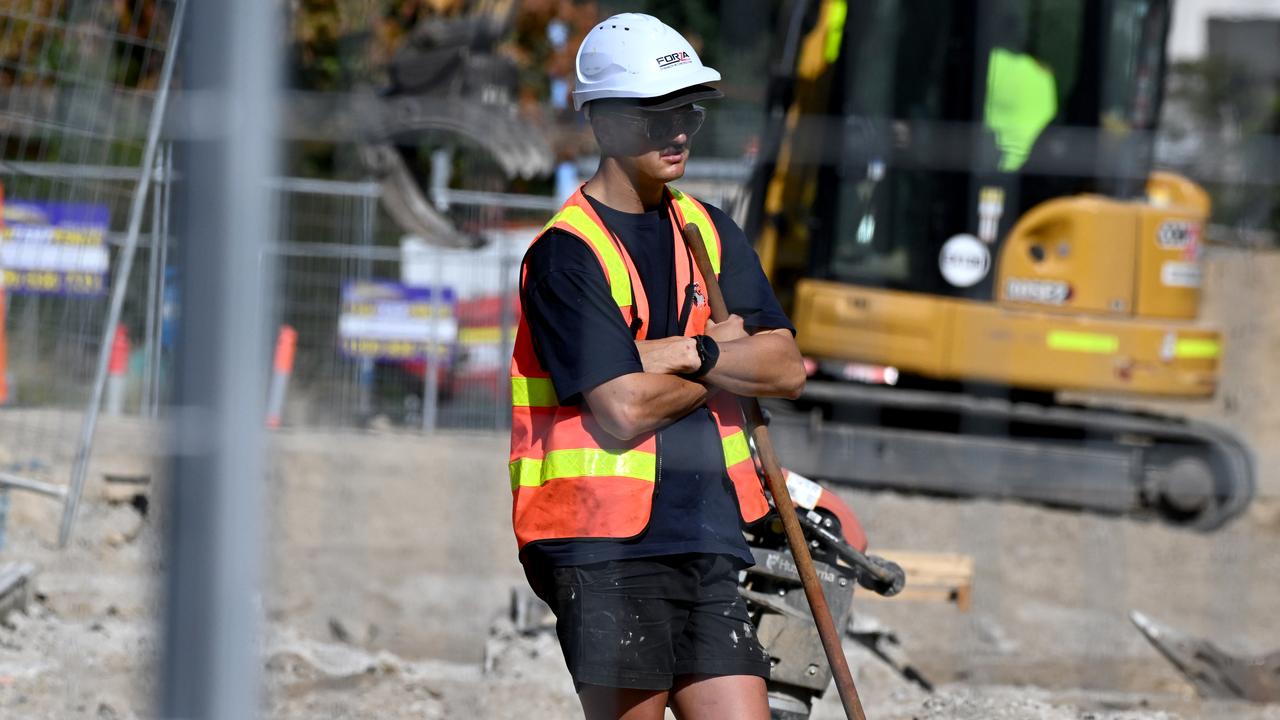
    As Australia’s Fair Work Commission prepares to deliver its annual minimum wage ruling this Tuesday, the country’s largest trade union body has amplified urgent calls for a substantial 6 percent pay hike for the nation’s 3 million lowest-income workers, framing the demand as a critical measure to prevent working households from cutting essential spending on food and healthcare.

    The Australian Council of Trade Unions (ACTU) anchored its argument in newly released inflation data from the Australian Bureau of Statistics, published Wednesday, which put annual headline inflation at 4.2 percent for the 12 months ending in April – down from 4.6 percent in March, but still well above the Reserve Bank of Australia’s (RBA) target 2 to 3 percent inflation band. Crucially, the RBA closely monitored trimmed mean inflation, which excludes volatile price swings for food and energy to reveal underlying economic pressures, climbed to 3.4 percent over the same period, confirming persistent upward pressure on everyday costs.

    ACTU Secretary Sally McManus emphasized that for one in four Australian workers, the annual minimum wage review is the only opportunity to secure a pay rise that matches rising living costs. “Workers have already fallen 4.5 percent behind on real wages since March 2021, as persistent cost-of-living pressures have outpaced incremental wage gains year after year,” McManus said. “When rent, mortgage repayments and utility bills are fixed non-negotiable costs, any pay increase that falls short of inflation leaves workers with no option but to cut back on basics – cutting back on groceries, skipping necessary doctor’s appointments just to make ends meet. A 6 percent increase is the very least needed to help low-paid workers get ahead of the growing pressure.”

    Currently, Australia’s national minimum wage sits at $24.95 per hour, or $948 per week. If the ACTU’s demand is adopted, the rate would rise to $26.45 per hour and $1004.88 per week, with most award-reliant workers earning additional penalty rates and allowances on top of this base pay.

    But the proposal has faced pushback from peak business groups, who argue that a steep wage hike would add unsustainable pressure to already struggling businesses and risk broader economic instability. The Australian Chamber of Commerce and Industry (ACCI) has instead called for a far more modest 3.5 percent minimum wage increase, warning that businesses are already grappling with a cascade of rising costs across the board.

    “Businesses are being squeezed from every direction,” ACCI Chief Executive Andrew McKellar explained. “Fuel prices are climbing, profit margins are already stretched thin, and business confidence continues to weaken. On top of existing pressures from rising inflation, interest rate hikes, soaring insurance and commercial rent costs, growing compliance burdens, and the recent elimination of card surcharges, a large wage increase would push many operations to the breaking point. The Fair Work Commission must account for the cumulative weight of these pressures. A measured, moderate outcome is essential to protect existing jobs, keep small and medium businesses viable, and safeguard the overall Australian economy.”

    The Fair Work Commission is scheduled to announce its final ruling on the new minimum wage this Tuesday, with the outcome set to shape household finances and economic trajectory across the country for the coming year.

  • Temperatures likely to remain at record levels in 2026-2030: UN

    Temperatures likely to remain at record levels in 2026-2030: UN

    In a stark new climate outlook released Thursday, the United Nations’ leading weather and climate authority has sounded a clear alarm: global average temperatures will almost certainly hold at or near record levels between 2026 and 2030, with a high probability that the critical 1.5°C warming threshold set by the Paris Agreement will be breached on a five-year average basis.

    Every one of the 11 warmest years recorded in human history has occurred since 2015, and the World Meteorological Organization (WMO) confirmed this long-standing warming trend is on track to continue, with a new all-time hottest year very likely to be logged before 2031. According to the WMO’s official five-year outlook, there is a 75% probability that the average global temperature across 2026 to 2030 will exceed 1.5°C above the pre-industrial baseline of 1850–1900, the ambitious upper limit for safe warming set out in the 2015 Paris climate accords. The forecast puts the chance of at least one single year between 2026 and 2030 temporarily surpassing 1.5°C at 91%, and an 86% chance that one of those years will knock 2024 off its current spot as the warmest year on record.

    Leon Hermanson, lead author of the WMO’s *Global Annual-to-Decadal Update*, pointed to a predicted El Niño event at the end of 2026 as a key factor that could push 2027 into record-breaking territory. El Niño is a natural recurring climate pattern marked by warmed surface waters in the central and eastern equatorial Pacific, which reshapes global wind, pressure and rainfall patterns to drive higher global average temperatures. The most recent El Niño cycle already pushed 2023 to become the second-warmest year on record, and lifted 2024 to a new all-time high of roughly 1.55°C above pre-industrial levels. El Niño typically occurs every two to seven years and lasts between nine and 12 months.

    The WMO outlook projects that annual global mean near-surface temperatures between 2026 and 2030 will fall in a range of 1.3°C to 1.9°C above the 1850–1900 baseline. While the chance of any single year exceeding 2°C — the less ambitious upper warming limit set in the Paris Agreement — over the next five years is less than 1%, the organization warns that temporary breaches of the 1.5°C threshold will become more common in coming years. It is important to note that the Paris Agreement’s warming limits refer to long-term sustained warming, typically measured over 20 years, so short-term temporary exceedances do not permanently rule out meeting the long-term goal.

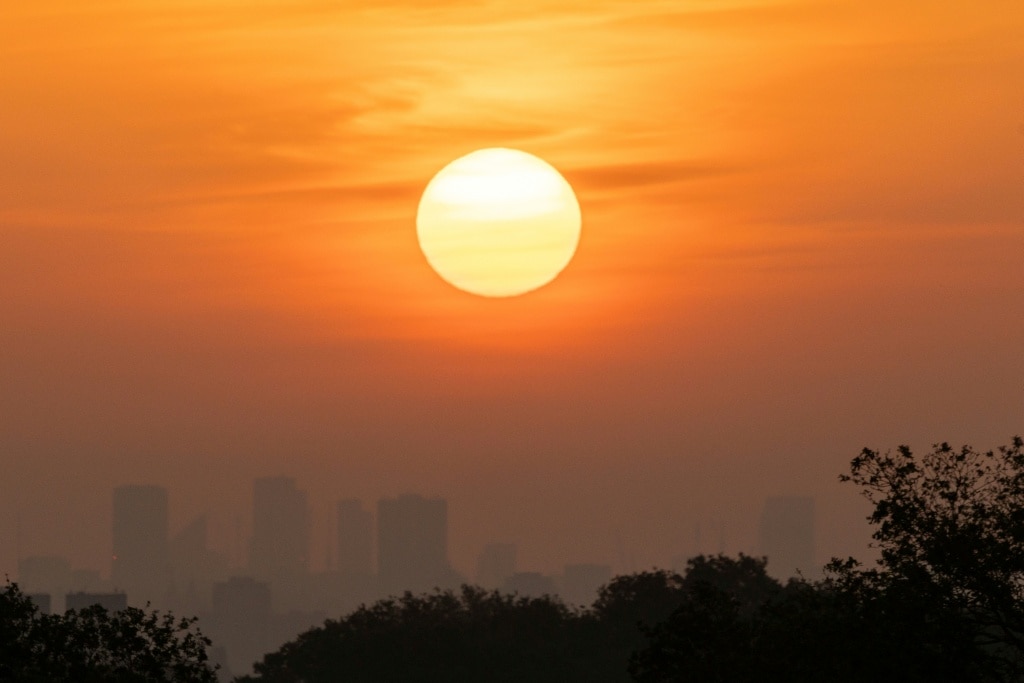
    The new forecast arrives as western Europe is already grappling with an early extreme heat event, with a stationary warm air “heat dome” pushing May temperatures past all-time records in both the United Kingdom and France. Beyond global averages, the report highlights disproportionate warming in the Arctic, where average temperatures across the next five Northern Hemisphere winters (November to March) are projected to be 2.8°C warmer than the 1991–2020 baseline — more than three times the global average temperature anomaly for the same period. For precipitation patterns between May and September 2026–2030, the forecast predicts wetter-than-average conditions across the Sahel, northern Europe, Alaska and Siberia, while the Amazon basin is expected to see drier-than-average conditions.

    Compiled by the UK’s Met Office at the WMO’s leading center for interannual to decadal climate prediction, the report draws together forecast data from 13 leading climate research institutes across the globe to build its consensus projections.

  • Group of Victorian men charged after allegedly possessing ISIS-inspired propaganda

    Group of Victorian men charged after allegedly possessing ISIS-inspired propaganda

    An 18-month long counter-terrorism investigation by Australian law enforcement has culminated in charges against five Victorian men accused of holding a cache of violent extremist content, including ISIS propaganda and footage of past terror attacks. The investigation traces its origins back to late November 2024, when a man returning to Australia from Turkey was found to have suspicious material stored on his personal mobile device. A deep dive into that device uncovered a coordinated pattern: the group had been sharing prohibited extremist content among themselves via online channels, including promotional material from the banned terrorist organization ISIS and visual records of violent terror attacks.

    In early May, Australian Federal Police (AFP) launched coordinated raids on four residential properties across Melbourne, where four of the accused — 21-year-old Mohammad Ahmadzai, 20-year-old Azan Syed, 29-year-old Sulaiman Sarwari and 19-year-old Adian Sarwari — were taken into custody and charged with possession of violent extremist material. A fifth suspect, a 25-year-old man, was taken into custody weeks later on May 16, when he arrived at Melbourne International Airport on a flight returning from Malaysia, and faces the same criminal charge.

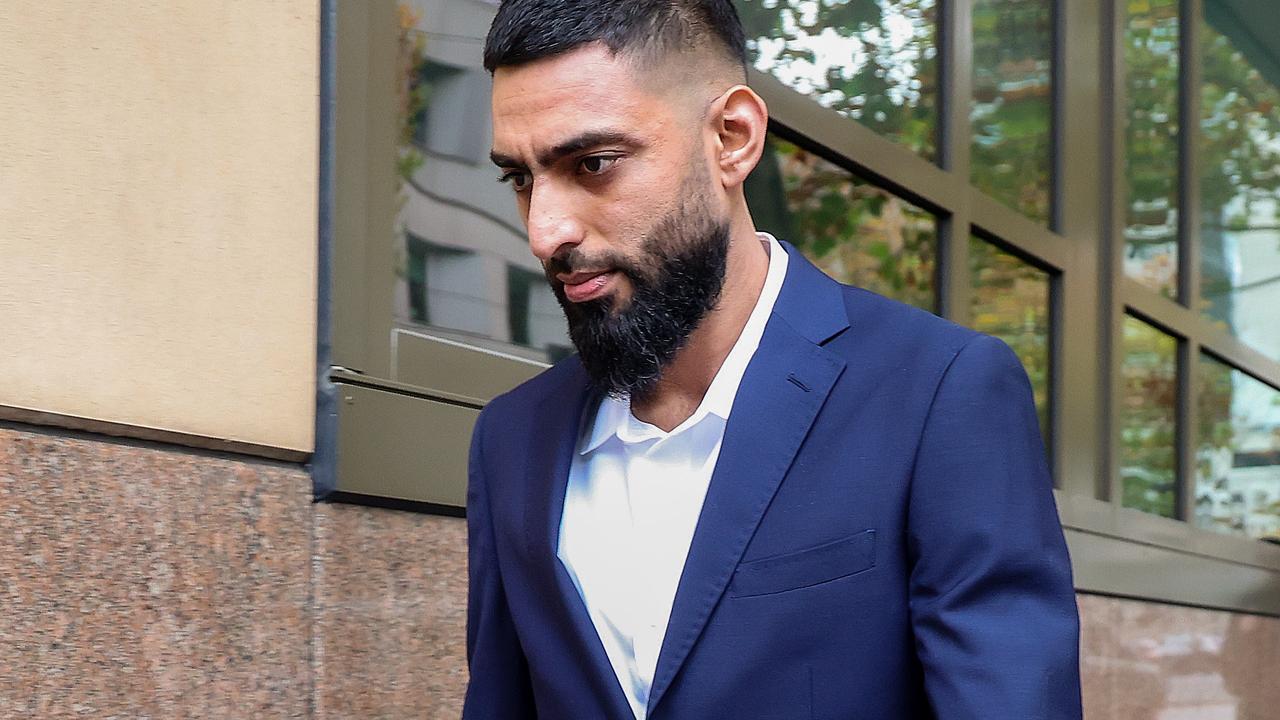
    During a hearing at Melbourne Magistrates Court on Thursday, Sulaiman Sarwari appeared alongside his legal team, with his barrister Siobhan Stary requesting modifications to two existing bail conditions, including the mandatory requirement for in-person court attendance to review bail compliance. With no opposition raised by the prosecution, Magistrate Donna Bakos granted the request, relaxing the bail conditions for the accused. The image of the post-hearing proceeding was captured by NewsWire photographer Ian Currie.

    AFP Counter Terrorism Commander Paula Hudson publicly announced the laid charges on May 8, emphasizing the critical role of early intervention in counter-terrorism policing. “Early intervention allows us to disrupt individuals before they progress to more severe forms of offending,” Hudson explained. “We allege these men were actively sharing material inspired by ISIS, a terrorist organisation responsible for mass atrocities and violent religious persecution around the world.” All five accused are scheduled to reappear in court between late July and early August, with the legal process set to move forward in the coming months.

  • Australia charges woman with terrorism over IS links

    Australia charges woman with terrorism over IS links

    In a major counter-terrorism development unfolding in Australia, federal law enforcement has levied formal terrorism charges against a 34-year-old woman accused of ties to the Islamic State (IS) extremist group, marking the latest high-profile case in a string of recent actions against IS-linked returnees from conflict zones in the Middle East. On Thursday, Australian authorities announced the woman faces two serious charges: membership in a proscribed terrorist organization and unlawful entry into a recognized active conflict zone, offenses that each carry a maximum prison sentence of 10 years if she is convicted.

    Counter-terrorism investigators allege the accused woman traveled to war-torn Syria between 2013 and 2014 alongside a male companion to join the then-expanding IS network. The man who accompanied her is currently confirmed to be in custody in the Middle East, police confirmed. Following the territorial defeat of IS in 2019 at the hands of Kurdish-led ground forces backed by a U.S.-led international coalition, the woman was captured by Kurdish security personnel and detained for years in the al-Hawl Internally Displaced Persons camp, a facility that holds thousands of relatives of suspected IS fighters in northeastern Syria. She was finally repatriated to Australia in September 2023, and was scheduled to make her first court appearance on the same day charges were announced.

    This latest arrest comes amid a wave of repatriations of Australians with IS connections that have unfolded over the past month. Shortly after this month’s first group of returnees arrived in the country, two women – a mother and daughter – were taken into custody immediately upon landing in Melbourne. Australian police have leveled serious allegations against the pair, claiming they traveled to Syria in 2014 to pledge support to IS and held another woman as an enslaved person during their time in the conflict zone. A third woman was arrested on arrival in Sydney, where she faces matching charges of entering a restricted conflict zone and joining a banned terrorist organization.

    Earlier this week, another cohort of 13 IS-linked Australians – four adult women and their nine minor children – completed repatriation flights from Syria to return to Australia. As of the announcement of Thursday’s new charges, none of the 13 returnees from this most recent group have been formally charged with any criminal offenses. However, senior Australian counter-terrorism officials have made clear that the absence of immediate charges does not mean the cases are closed. “It is important to note that a period of time without charges being laid is not an indicator that investigations have ceased,” Hilda Sirec, Deputy Commissioner for National Security Investigations at the Australian Federal Police, said in an official statement Thursday. “Investigations are continuing into all the recent adult female returnees from Syrian camps,” she added.

    The cases of these female IS-linked returnees, widely labeled in public discourse as “ISIS brides”, have ignited fierce and divisive public debate across Australia over the past several years. Human rights groups and government bodies including the Australian Human Rights Commission have pushed for compassionate policy, urging the federal government in March 2024 to prioritize repatriation for all remaining Australians held in Syrian displacement camps, citing the poor humanitarian conditions and uncertain legal status facing detainees. On the opposite side of the debate, many critics argue the women voluntarily severed ties with Australia to join a terrorist movement, and argue they should be forced to face the consequences of their choices outside of the country’s borders.

  • Woman, 50, to appear in court charged with snatching tip jars from Gold Coast cafes

    Woman, 50, to appear in court charged with snatching tip jars from Gold Coast cafes

    A sweeping investigation into a series of petty thefts targeting small hospitality businesses on Australia’s Gold Coast has concluded with the arrest of a 50-year-old Greenslopes woman, who is set to appear before Southport Magistrates Court Thursday to answer multiple criminal charges.

    Queensland Police confirm the woman was taken into custody during a targeted operation at a Surfers Paradise hotel Wednesday evening, though authorities have not yet clarified if she was staying at the accommodation as a guest. The charges laid against her include six counts of stealing, one count of common assault, and one count of unlawful possession of a knife in a public space.

    The alleged crimes unfolded between April and May 2024, according to police accounts. Investigators allege the woman targeted five separate cafes spread across five Gold Coast and South East Queensland locations: Surfers Paradise, Biggera Waters, Coolangatta, Brisbane’s central business district, and Inala. In each incident, she is accused of stealing cash-filled tip jars and charity donation boxes from the businesses.

    Security camera footage from multiple venues, which was circulated widely across local media and social platforms prior to the arrest, appears to show the suspect waiting for cafe staff to be distracted before slipping the tip jars into her handbag and exiting the premises undiscovered. In the weeks leading up to the arrest, small business owners across additional Gold Coast suburbs including Broadbeach, Miami and Kirra also filed similar reports of stolen tip jars, though it is not yet clear if the accused will be linked to those additional incidents.

    The case has drawn local attention because of the disproportionate impact tip jar thefts have on small, independent cafes, where the extra cash often goes directly to frontline hospitality workers who rely on tips to supplement their incomes.