标签: Oceania

大洋洲

  • Zverev heads up final four in men’s French Open semis

    Zverev heads up final four in men’s French Open semis

    The landscape of the 2025 French Open men’s singles draw has been turned upside down following stunning early exits of the tournament’s top title contenders, leaving Germany’s Alexander Zverev as the undisputed favorite to claim his first career Grand Slam trophy when the semi-finals kick off on Friday. Even as the 29-year-old second seed brushes off questions about favorite status, the weight of expectation sits firmly on his shoulders heading into his clash against 26th seed Jakub Mensik of the Czech Republic. The winner of that match will go on to face either Italy’s Flavio Cobolli or Matteo Arnaldi in Sunday’s Roland Garros final, completing an unexpected final four bracket.

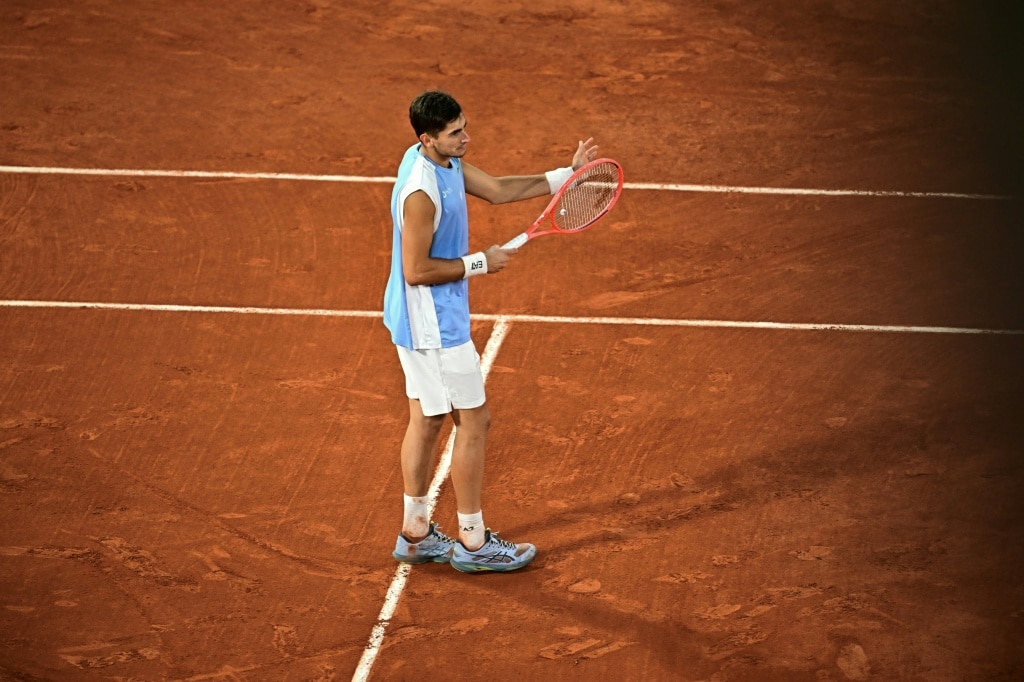
    After world No. 1 Jannik Sinner and 24-time Grand Slam champion Novak Djokovic both departed the tournament far earlier than predicted, Zverev has emerged as the clear pick to end his run as one of tennis’s most high-profile nearly-men. The 2020 Olympic gold medalist has been in imperious form through the first two weeks of the clay-court major, dropping just one set across five matches to secure his place in the final four. His most recent victory, a straight-sets quarter-final win over rising Spanish teenager Rafael Jodar, took less than two and a half hours and served as further proof of his sharpness entering the semi-finals.

    Despite being the highest-ranked, most experienced and most decorated player remaining in the draw, Zverev says he is blocking out all noise about a potential first title and focusing solely on his upcoming opponent. “As I said before, I don’t particularly care about being the favourite,” Zverev told reporters after his quarter-final win. “I focus on next match, and I focus on the opponent as they cross the net, and that’s the only thing that I can control.”

    Standing between Zverev and a fourth Grand Slam final is 20-year-old Mensik, who is into the final four of a major for the first time in his young career. The 196cm serving powerhouse has already notched a career-defining title, upsetting Djokovic to win the 2024 Miami Open, and has fought through a tough draw to reach this stage at Roland Garros. His straight-sets quarter-final victory over Brazilian breakout star Joao Fonseca cemented his status as one of the most exciting young prospects on the ATP Tour, and he is not intimidated by the challenge of facing the tournament favorite. The pair have met once before this season, with Zverev claiming a tight three-set win on the clay of Madrid. “The match with Sascha in Madrid, of course, it was a close one. It was best-of-three,” Mensik noted. “Right now it’s a different situation… I would say bigger match, best-of-five. I’m excited for the challenge.”

    The second semi-final will make Grand Slam history, as it pits two Italian players against each other in the men’s draw for the first time ever. Pre-tournament predictions expected Italy’s top star Sinner to be in this position, but instead it is 10th seed Flavio Cobolli and unseeded Matteo Arnaldi who will contest an all-Italian semi-final for a spot in the final.

    Cobolli, ranked 10th in the world, booked his first ever Grand Slam semi-final spot with a tight victory over Canada’s fourth seed Felix Auger-Aliassime on Court Philippe Chatrier, and described the moment as a once-in-a-lifetime opportunity. “I felt like this is the chance of my life,” Cobolli said after the win. His opponent Arnaldi advanced to the semi-finals without hitting a shot in his quarter-final, as compatriot Matteo Berrettini was forced to withdraw due to injury. Currently ranked 104th in the world, Arnaldi is enjoying his best ever Grand Slam performance after returning from a recent injury layoff, and has spent more time on court than any other semi-finalist this fortnight. Despite the heavy workload, he says he has plenty of energy left for the match. “I have been playing a lot, but at the same time, I’m happy to be on court and to spend time on court, because I missed playing,” Arnaldi said. “I for sure have some energy left for the next matches.”

    The pair share a 1-1 head-to-head record, and their meeting on Friday will be a rematch of the 2024 French Open second round, where Cobolli claimed a four-set win. Cobolli says the historic semi-final is a win for Italian tennis regardless of who comes out on top. “For sure it will be another derby, but I think we have to be happy for Italian tennis,” Cobolli said. “Another Italian, apart from Sinner and Lorenzo (Musetti), are in the final this week. So we have to be happy, and we have to enjoy that match.”
  • Iran leader says dealt enemies ‘decisive blow’ in Mideast war

    Iran leader says dealt enemies ‘decisive blow’ in Mideast war

    As weeks of high-stakes negotiations to end the ongoing Middle East conflict and reopen the strategically critical Strait of Hormuz end in deadlock, Iran’s Supreme Leader Ayatollah Mojtaba Khamenei has declared that the United States and Israel have suffered a “decisive blow” at the hands of Tehran, marking a sharp rebuke to ongoing diplomatic overtures from Washington.

    Khamenei’s public message, delivered via a prayer leader at the annual commemoration of the death of the Islamic Republic’s founder Ayatollah Ruhollah Khomeini, came just one day after the U.S. House of Representatives passed a historic resolution calling for an immediate end to American military involvement in the conflict. It was the first formal public statement from Khamenei since he was wounded in the February 28 opening U.S.-Israeli bombing campaign that killed his father and predecessor, Ali Khamenei. This year’s commemoration saw an empty chair bearing his predecessor’s portrait displayed at Khomeini’s mausoleum, a stark visual reminder of the upheaval the conflict has wrought on Iran’s leadership.

    In his address, Khamenei argued that Iran’s adversaries, after their battlefield setbacks, are now enduring “a deeply meaningful and profound humiliation.” He further accused the U.S. and Israel of seeking to sow division, sowing “the seeds of doubt, despair, fear, mistrust and division” among the Iranian public, and called on domestic political factions to unify to neutralize what he framed as a “sinister plot” against the country.

    The current standoff comes after weeks of on-again off-again talks marred by repeated threats of violence and intermittent clashes that have failed to produce any path toward a permanent ceasefire. While Tehran has laid out strict non-negotiable conditions for any deal, U.S. President Donald Trump has maintained a public posture of optimism, telling reporters this week that a final agreement “could happen… over the weekend.”

    The conflict has put intense domestic political pressure on Trump ahead of looming U.S. midterm elections, with the war roiling global energy markets and proving deeply unpopular among American voters. The House resolution, which passed by a narrow 215-208 margin Wednesday, saw four Republican lawmakers join Democrats to support the order to withdraw U.S. troops from the conflict. Democrats framed the vote as an unambiguous mandate from the American public, writing on social platform X that “it’s time to end his deeply unpopular and illegal war of choice in Iran.” Despite the historic vote, the resolution remains largely symbolic: it would need Senate approval, and Trump has the power to veto any such measure if it reaches his desk.

    At a recent congressional hearing, U.S. Secretary of State Marco Rubio confirmed that Iran’s stockpiles of highly enriched uranium remain the core sticking point in negotiations. Washington’s demands are clear: Tehran must surrender all of its near-weapons-grade enriched uranium, agree to permanent curbs on its nuclear program, and reopen the Strait of Hormuz, which handles roughly 20% of global oil flows and its closure has sent shockwaves through energy markets since the war began. Iran has repeatedly defended its right to peaceful nuclear enrichment, and has made ending Israel’s military campaign in Lebanon a non-negotiable precondition for any deal. On Wednesday, Iranian Foreign Minister Abbas Araghchi warned that any Israeli strike on the Lebanese capital Beirut would trigger an immediate “full-scale resumption” of the wider regional war.

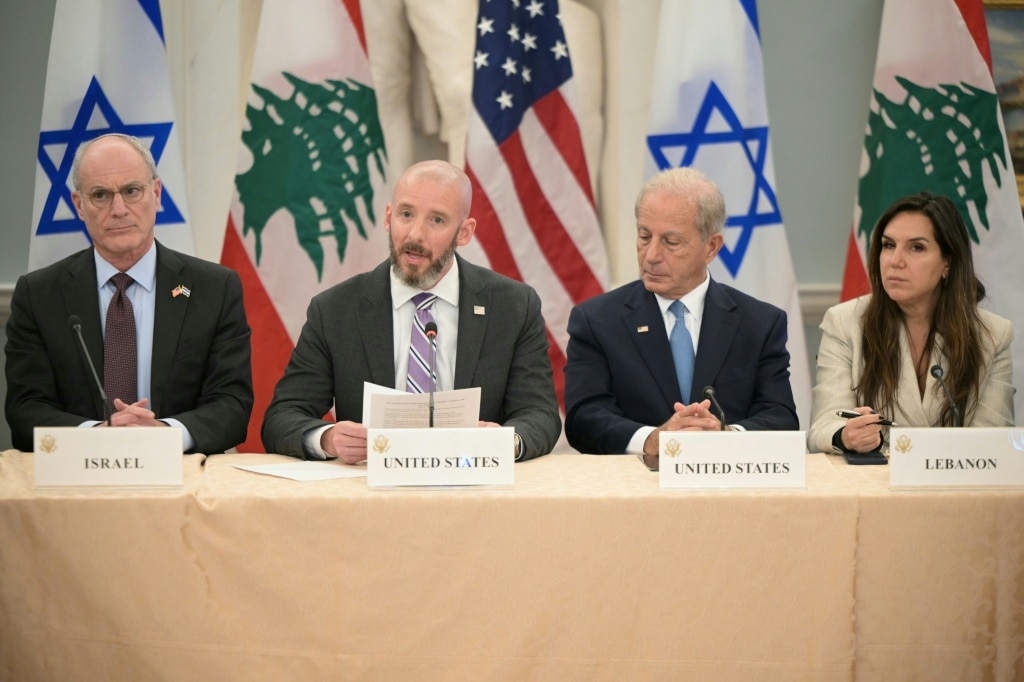
    The parallel conflict in Lebanon remains one of the most intractable parts of the broader crisis. On Wednesday, Israel and Lebanese negotiators announced a new ceasefire agreement after two days of direct talks in Washington. The deal requires Hezbollah to implement a complete cessation of hostilities, and establishes pilot border zones where the official Lebanese Armed Forces will take exclusive control, barring all non-state armed groups from the area. Follow-up negotiations are scheduled to begin the week of June 22, with the goal of reaching a comprehensive long-term agreement to end the conflict.

    The new deal replaces a failed April 17 truce that was never fully implemented, with violence escalating steadily across the border in the weeks since. Even hours after the new ceasefire was announced, both sides reported fresh clashes: Israeli authorities triggered air raid sirens after reporting what they called a “hostile aircraft infiltration” in northern Israel, while Lebanese state media documented new Israeli drone strikes in southern Lebanon. Israeli Defense Minister Israel Katz framed the agreement as a win for Israel, saying it grants Israeli forces “freedom of action, with American backing, to strike in Beirut in response to fire on Israeli communities.” Israel is currently conducting its deepest ground offensive into Lebanese territory in 20 years, and Katz confirmed that Israeli troops will remain in their current positions while continuing to “dismantle terrorist infrastructure” linked to Hezbollah, which has long been backed by Iran. Just days before the new ceasefire announcement, an Israeli strike in southern Lebanon killed a man, his son, and his daughter, whose funeral was held Saturday in the Christian border village of Qlayaa, a stark reminder of the human cost of the ongoing violence.

  • Israel strikes Lebanon after truce announcement

    Israel strikes Lebanon after truce announcement

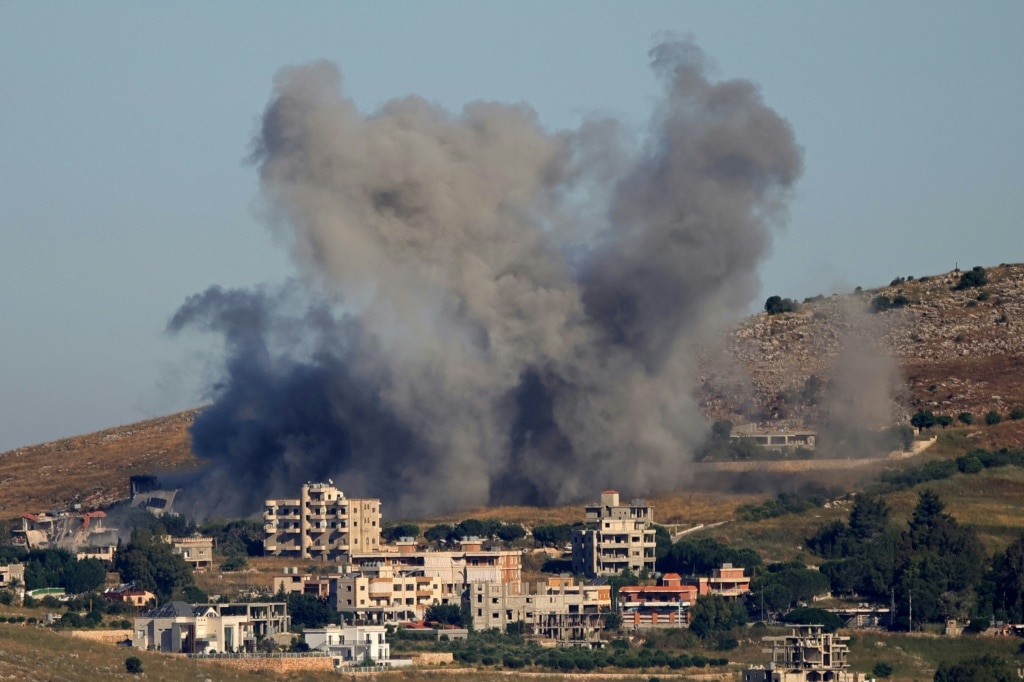
    Fresh Israeli airstrikes hit multiple locations across southern Lebanon on Thursday, just hours after diplomats from Israel and Lebanon announced a tentative conditional ceasefire agreement following four rounds of negotiations mediated in Washington. The deal, reached during the fourth round of talks between the two countries’ envoys on Wednesday, hinges on the Iran-aligned militant group Hezbollah halting all cross-border attacks against Israeli targets. But the agreement has already been thrown into doubt, as Hezbollah — which rejects direct bilateral negotiations with Israel — has issued no official response to the announcement, and top Israeli defense officials have made clear that military operations will not pause.

  • Four men fined for offensive behaviour after booing at Anzac Day Dawn Service in Melbourne

    Four men fined for offensive behaviour after booing at Anzac Day Dawn Service in Melbourne

    One year after a disruptive act of protest marred one of Australia’s most solemn national commemorations, a Melbourne court has delivered guilty verdicts and substantial fines to four men who interrupted an Indigenous Welcome to Country address during the 2023 Anzac Day Dawn Service.

    The disturbance unfolded shortly before 5:40 a.m. on April 25, as Indigenous Elder Mark Brown stepped forward to deliver his opening welcome to a crowd of thousands gathered at Melbourne’s Shrine of Remembrance. The group—three known members of the now-banned far-right white supremacist organization National Socialist Network, plus a fourth man affiliated with the movement—launched into coordinated booing that cut through the quiet of the dawn service. The heckling was picked up by live broadcast microphones, airing the disruption to television audiences across the nation.

    On Thursday, Magistrate James FitzGerald found all four men—Jacob Hersant, 27, Nathan Bull, 24, Michael Nelson, 22, and Ian Lomax, 35—guilty of offensive behaviour. In his ruling, FitzGerald emphasized that the Dawn Service, a ceremony dedicated to honoring Australian and New Zealand soldiers who died in conflict, is not a platform for political grandstanding. While he acknowledged that Welcome to Country ceremonies remain a topic of public debate in some circles, he rejected the group’s claim that their views justified ruining the solemn occasion for thousands of attendees.

    Three of the offenders—Hersant, Bull and Nelson—are prominent adherents of the neo-Nazi ideology propagated by the National Socialist Network, which was formally designated a prohibited hate group and disbanded earlier this year. All three are currently unemployed. The fourth man, Lomax, a dentist from Ballarat, has already had his medical practice license suspended by the Australian Health Practitioners Regulation Agency over his ties to the extremist group, and he now works as a farmhand.

    Court documents detail that the men split into pairs to spread their disruption across the crowd: Hersant and Bull stood in one section, while Nelson and Lomax positioned themselves elsewhere. After the initial interruption, crowd members removed Nelson and Lomax from the service, but Hersant and Bull continued their heckling through subsequent portions of the ceremony. Hersant was captured on camera shouting vitriolic slogans including, “What about the Anzacs?” and “We don’t need to be welcomed to our own country”. Nelson, meanwhile, was recorded arguing with other attendees and claiming “The Anzacs fought for white Australians” and “The first heads of the RSL were pro-White Australia”.

    In their defense, the three younger men did not deny booing during the address, instead framing their actions as protected political activism. Lomax’s legal team argued that prosecutors had failed to produce sufficient evidence to prove their client participated in the booing. FitzGerald ruled that even though Nelson was removed from the service quickly, his offense was aggravated by deliberate goading of other attendees, noting “In other words you set out to be offensive and you succeeded in being highly offensive.”

    In sentencing, the judge handed down a AU$1,500 fine to Lomax, an AU$1,800 fine to Bull, and AU$3,000 fines to both Hersant and Nelson, with formal convictions recorded against the latter two. Prosecutor Ryan Mallia had previously pushed for a jail sentence for Hersant, citing his extensive prior criminal history tied to far-right extremist activity. Mallia stressed the severity of the offense, noting “It was heard by many people, likely most if not all that were in attendance … On the most sacred day for the Australian public to commemorate fallen soldiers.”

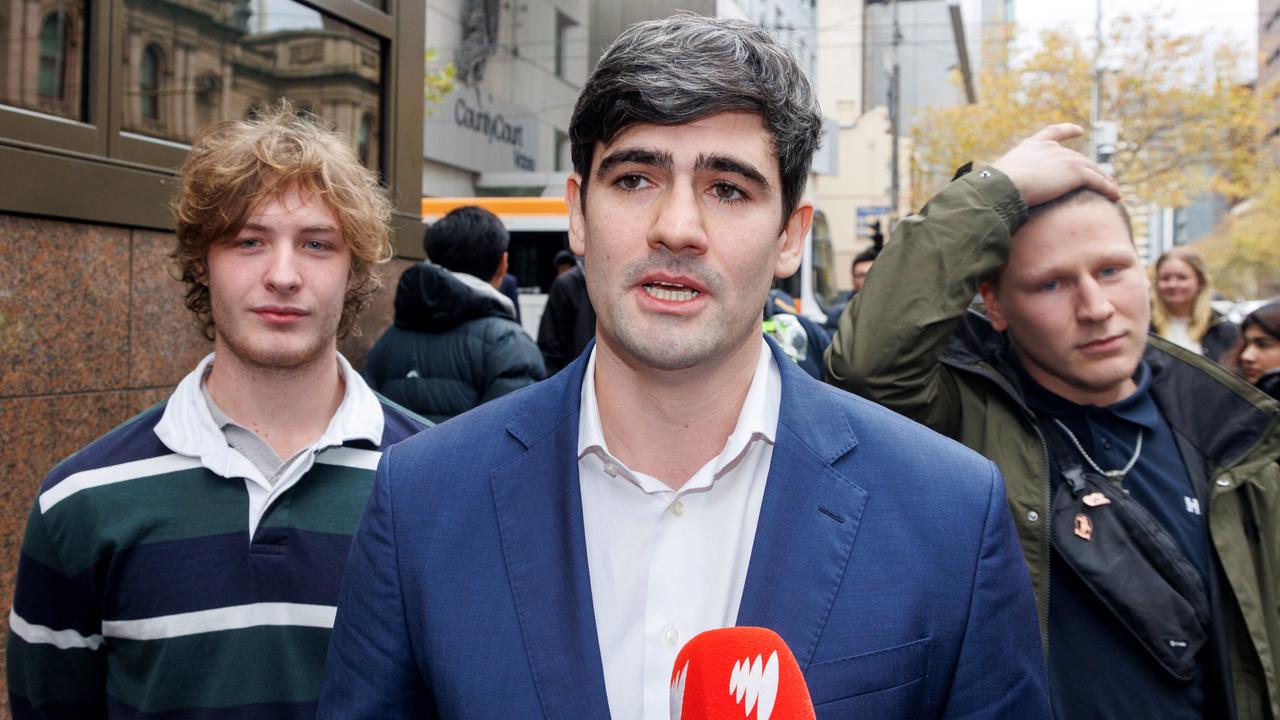
    Outside the courtroom following the verdict, Hersant, Nelson and Bull engaged in a verbal altercation with a female member of the public before police stepped in to separate the parties and de-escalate the conflict.

  • ASX tumbles as Middle East fallout spooks Australian investors

    ASX tumbles as Middle East fallout spooks Australian investors

    Just 24 hours after Australia’s benchmark share index notched an all-time record high, a wave of volatility spurred by developments in the Middle East and a sector-wide pullback for mining stocks erased all recent gains, leaving the country’s major markets in negative territory on Thursday trading.

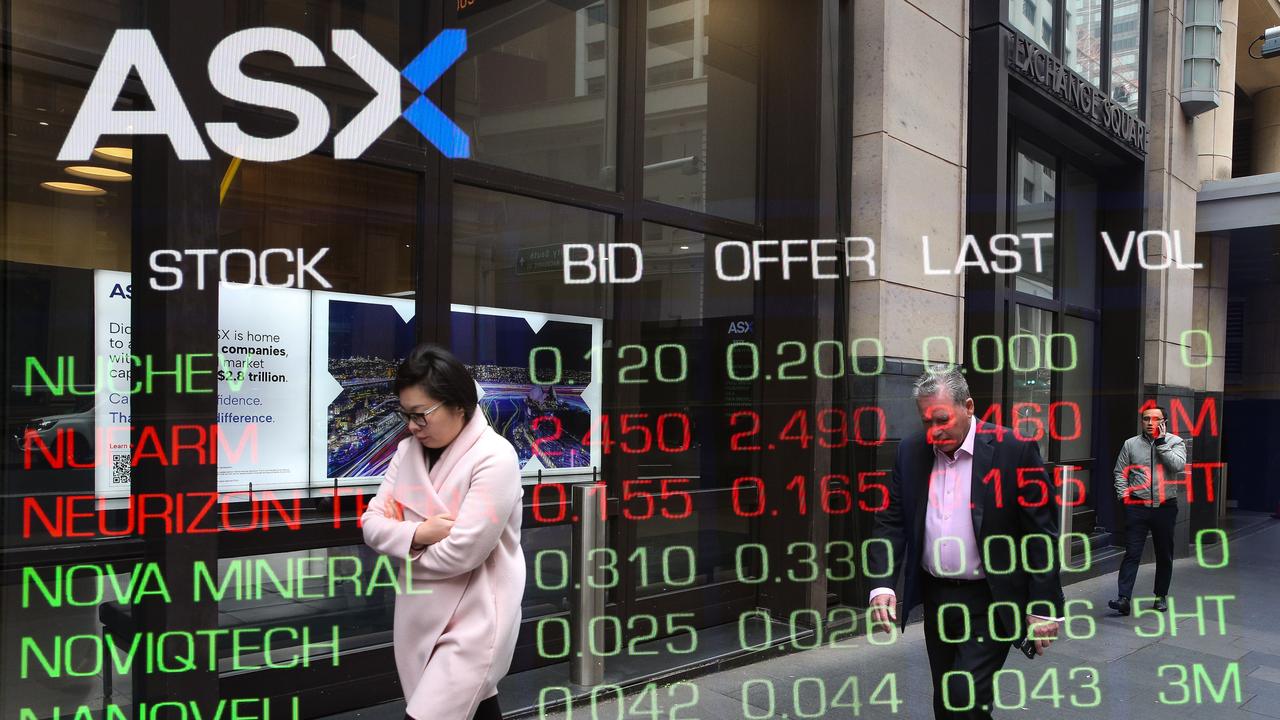
    The benchmark S&P/ASX 200 finished the session down 99.60 points, a 1.13% drop that closed the index at 8686.10. The broader All Ordinaries index followed a similar trajectory, falling 100.30 points or 1.11% to end at 8916.90. The Australian dollar also weakened slightly against its U.S. counterpart, slipping 0.12% to settle at 71.25 U.S. cents. Of the 11 market sectors tracked by the ASX, six closed in negative territory, with the steepest losses concentrated in mining, telecommunications and technology stocks.

    Among the hardest hit were Australia’s two largest mining giants, BHP and Rio Tinto, which fell more than 3% each to close at $62.80 and $188.08 respectively. The drop came just one day after the firms’ stocks hit record highs. Fortescue Metals extended recent losses to fall a further 4.11% to $21.02, while gold miners Northern Star Resources and Evolution Mining dropped 6.08% and 3.04% to close at $20.39 and $12.10 respectively.

    Cameron Curko, chief investment officer at wealth management firm Pitcher Partners, noted that shifting iron ore supply dynamics also weighed heavily on investor sentiment for the sector. Expanded production at the large Simandou iron ore deposit in the Republic of Guinea is accelerating, he explained, sparking fears of an oversupplied global iron ore market in the near term. “It also follows a period of extreme exuberance for the sector, so some pullback is not surprising,” Curko added.

    Outside of mining, major listed companies also posted steep losses: Telecommunications leader Telstra fell 2.93% to $4.97, while top technology firms including accounting software provider Xero dropped 4.19% to $80.40, logistics software firm WiseTech Global fell 2.93% to $40.14, and health technology firm Life360 tumbled 4.03% to $21.66.

    Much of the day’s market movement was driven by breaking news from the Middle East. Earlier in the day, an Iranian missile attack damaged Kuwait’s international airport, and U.S. military forces carried out targeted strikes near the Strait of Hormuz—one of the world’s busiest and most critical global oil chokepoints—raising fears of disrupted energy supplies that initially sent oil prices surging. That upward momentum faded quickly after Israel and Hezbollah announced a ceasefire along the Israel-Lebanon border, and Brent Crude Oil futures ultimately fell 1.1% to settle at $US96.78 per barrel by market close.

    Justin Lin, an investment strategist for Global X ETFs, explained that repeated false starts for peace negotiations in the Middle East have left markets cautious of reacting to headline news, prompting a broad flight to safe assets during Thursday’s session. “The distinct mood across markets today was a retreat to safety, with consumer staples and utilities leading the way while materials and information technology lagged,” Lin said. “This came despite oil prices moving lower on news of a ceasefire between Israel and Lebanon, a development that has historically supported the Australian market and more risk sensitive exposures.”

    Not all stocks closed in negative territory on Thursday. Treasury Wine Estates was a standout gainer, soaring 13.11% to close at $4.66 after the winemaker reaffirmed its full-year projected earnings guidance of between $480 million and $490 million alongside plans to cut up to a dozen low-performing wine brands from its portfolio. On the other hand, medical imaging technology firm Pro Medicus slipped just 0.25% to $159.23 after announcing a new five-year, $16 million contract with Ohio State University Wexner Medical Center.

  • Nepali climber alive after six days missing on Everest

    Nepali climber alive after six days missing on Everest

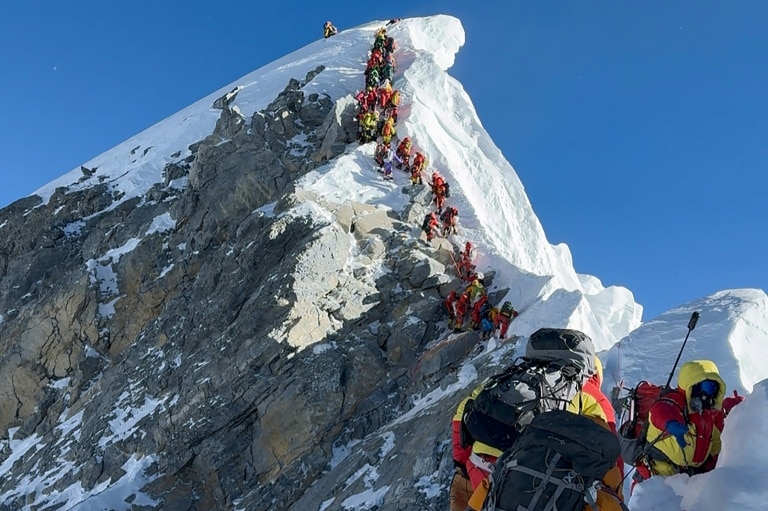
    In an extraordinary story of survival that has stunned the global mountaineering community, a Nepali climbing guide declared lost and presumed dead after six days stranded on Mount Everest has been rescued alive, having crawled nearly the entire distance to Base Camp unaided, officials confirmed to AFP Thursday.

    Fifty-something Dawa Sherpa, a veteran guide widely known by the nickname “Hillary” in honor of legendary Everest pioneer Edmund Hillary, disappeared from the upper slopes of the world’s highest peak amid brutal weather conditions in the early hours of May 30. He was located Thursday morning near Base Camp by personnel from the Sagarmatha Pollution Control Committee (SPCC), a Nepali organization tasked with maintaining climbing routes and removing discarded waste from the mountain.

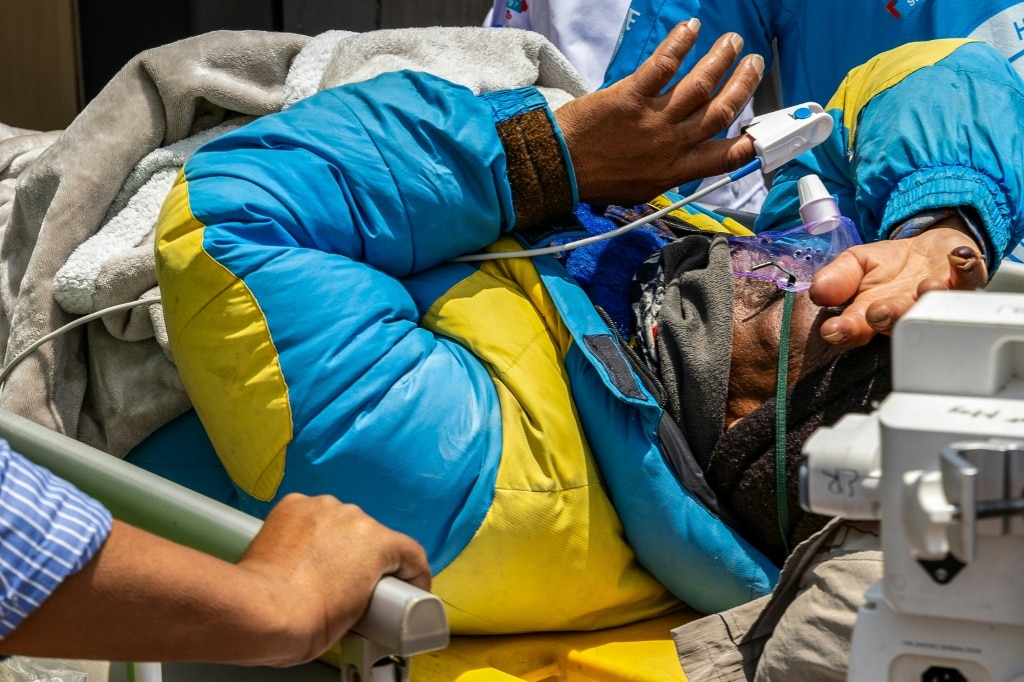
    “He was found by an SPCC team this morning close to base camp — he was crawling down,” Pemba Sherpa, a representative from 8K Expeditions, the company that coordinated the search and rescue operation, told reporters. A rescue helicopter airlifted the climber directly to Kathmandu, where an AFP on-site team observed him being carried from the aircraft on a stretcher and transferred to HAMS Hospital for treatment.

    Pemba Sherpa added that after consulting with attending physicians, the guide is conscious and only suffering from minor frostbite, with no other life-threatening injuries. His wife, Damu Sherpa, spoke from the hospital Thursday, describing her family’s overwhelming shock and joy at the miracle outcome. “We had given up all hope, we even began traditional death puja prayers for his soul yesterday,” she shared. “Hearing he was alive was more happiness than we ever dared to imagine.”

    The events that led to Dawa Sherpa being stranded began on the evening of May 29, when he guided former British Royal Marine and climber Chris Thrall to a successful summit of the 8,849-meter peak by approximately 5:00 pm. Before Dawa Sherpa went missing, Thrall had posted an Instagram tribute Wednesday mourning what he believed was his guide’s passing, calling him an “absolute gentle giant of a man and a true ‘tiger of the mountains’”.

    Thrall recounted that the pair began their descent from Camp Four, which sits roughly 7,950 meters above sea level just below the oxygen-starved “death zone,” on May 30. As they climbed down, Dawa Sherpa paused to rest, telling Thrall to continue ahead without him — a common occurrence between guides and clients on large expeditions. As Thrall moved down, he encountered a Polish climber in critical condition: the mountaineer had exhausted his supplementary oxygen, already developed frostbite, and was at high risk of deadly hypothermia.

    This season’s summit conditions were unusually harsh, Thrall explained: what is typically a five-day round trip to the summit stretched to 11 days for his team. Faced with an impossible choice, Thrall opted to assist the imperiled Polish climber, sharing his own oxygen supply as the pair descended. The trip that normally takes just two hours to Camp Three took 11 hours due to severe conditions, leaving Thrall unable to return for Dawa Sherpa.

    Search teams launched efforts to locate the missing guide immediately, but harsh weather and the timing of the expedition — one of the final permitted climbs of the spring season, when few other climbers remain on the mountain — left no trace of him until Thursday’s unexpected discovery. Five other climbers, two Indian mountaineers and three Nepali guides, have already lost their lives on Everest during the 2026 spring climbing season. Initial counts from Nepali authorities show that more than 1,000 climbers have summited the peak this season, making it the busiest climbing season in Everest’s history.

  • SA budget axes 1000 public sector jobs in major recruitment freeze

    SA budget axes 1000 public sector jobs in major recruitment freeze

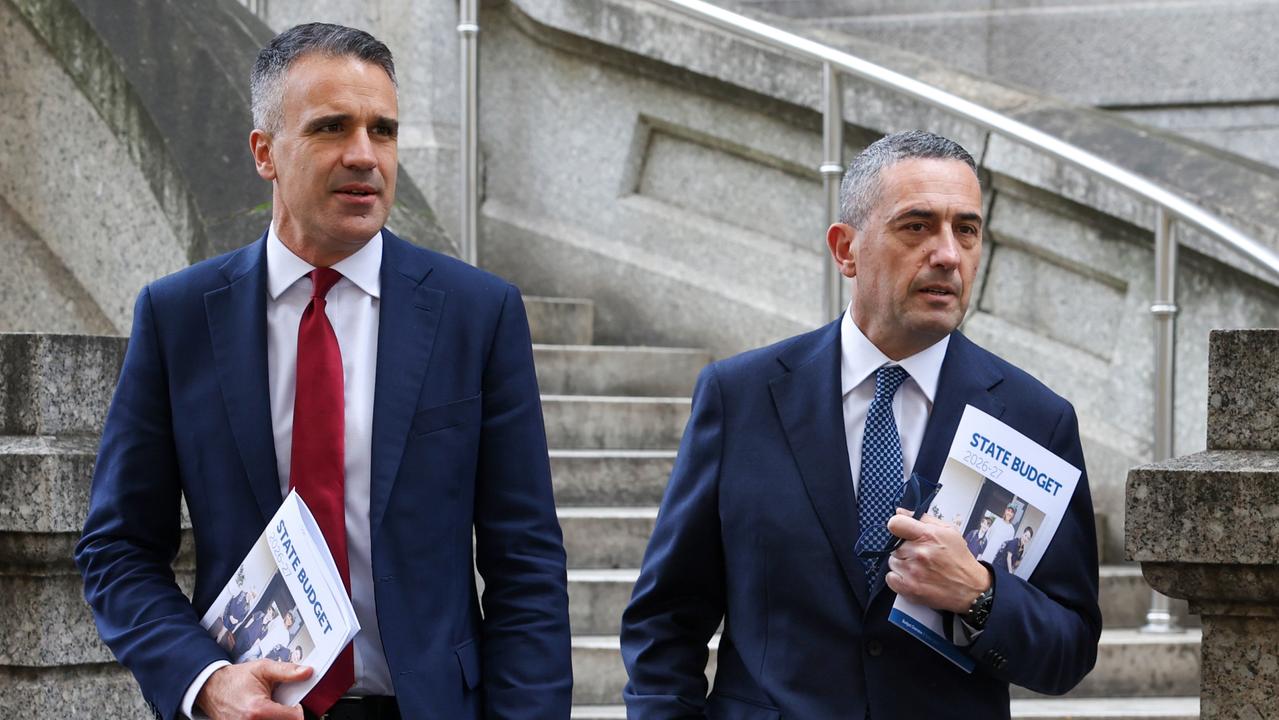
    South Australia’s newly elected Malinauskas Labor government has tabled its first state budget, introducing a public sector hiring freeze that will eliminate approximately 1,000 non-frontline public service roles over the coming 12 months. The cost-cutting measure is projected to generate annual savings of $120 million, introduced as the state prepares for public debt to surge to a projected $50 billion. Delivered to state parliament on Thursday by Treasurer Tom Koutsantonis, the 2026-27 budget balances austerity measures with a broad suite of policy commitments aimed at addressing pressing community needs across housing, education, healthcare, and Indigenous affairs.

    Alongside the public sector hiring restrictions, the budget includes a series of targeted investments and relief measures designed to deliver on election promises. To boost the state’s struggling housing market, the government has committed $50 million to develop a 400-unit housing estate in Munno Para, north of Adelaide, exclusively for first-time home buyers. It has also expanded stamp duty relief, extending exemptions to domestic abuse survivors and homeowners over the age of 60 downsizing to properties valued up to $2 million.

    Major education investments feature prominently in the budget. Over the next four years, $174 million will be allocated to eliminate all fees for public school attendance, while $210 million across six years will fund the redevelopment and upgrades of 37 public school campuses. The government is also expanding access to early childhood education, funding new long daycare spots to enable universal access for three-year-olds to attend preschool. Seniors will also see expanded support, with the seniors card scheme opening to all residents aged 60 and over, and to Aboriginal and Torres Strait Islander residents aged 50 and over.

    In healthcare, the government has pledged $250 million in loan funding to cut persistent ambulance ramping at public hospitals and create 650 new aged care beds, alongside a $28 million investment in a new dedicated mental health assessment unit at the Royal Adelaide Hospital. In a historic step for Indigenous reconciliation, the budget allocates $8.5 million over four years to establish a new treaty commission led entirely by Aboriginal leaders, tasked with advancing improvements to health, education, and economic outcomes for Aboriginal and Torres Strait Islander communities across the state.

    Treasurer Koutsantonis framed the budget as fiscally responsible, emphasizing that the document “lives within its means” with genuine surpluses and lower debt-to-revenue ratios than previously projected. He noted that the framework delivers certainty for businesses and entrepreneurs while delivering on election commitments for core public services and cost-of-living relief.

    Premier Peter Malinauskas echoed this framing, describing the budget as restrained and modest, pointing out that the government has fulfilled its pledge not to introduce any new taxes to fund expenditure, thanks to disciplined spending limits. “We are honouring our commitment to not create new taxes to justify expenditure because we’ve been restrained in our expenditure,” he said.

    However, the budget has drawn sharp criticism from opposition figures. Cory Bernardi, leader of One Nation’s South Australian branch, dismissed the package as a “bread and circuses” distraction from the state’s growing debt crisis. He argued that the targeted handouts and spending initiatives come at the expense of future generations, noting that the budget adds $4 billion in new debt annually and called for an end to what he labeled reckless government spending.

  • Reserve Bank governor warns cost-of-living pain to last two more years.

    Reserve Bank governor warns cost-of-living pain to last two more years.

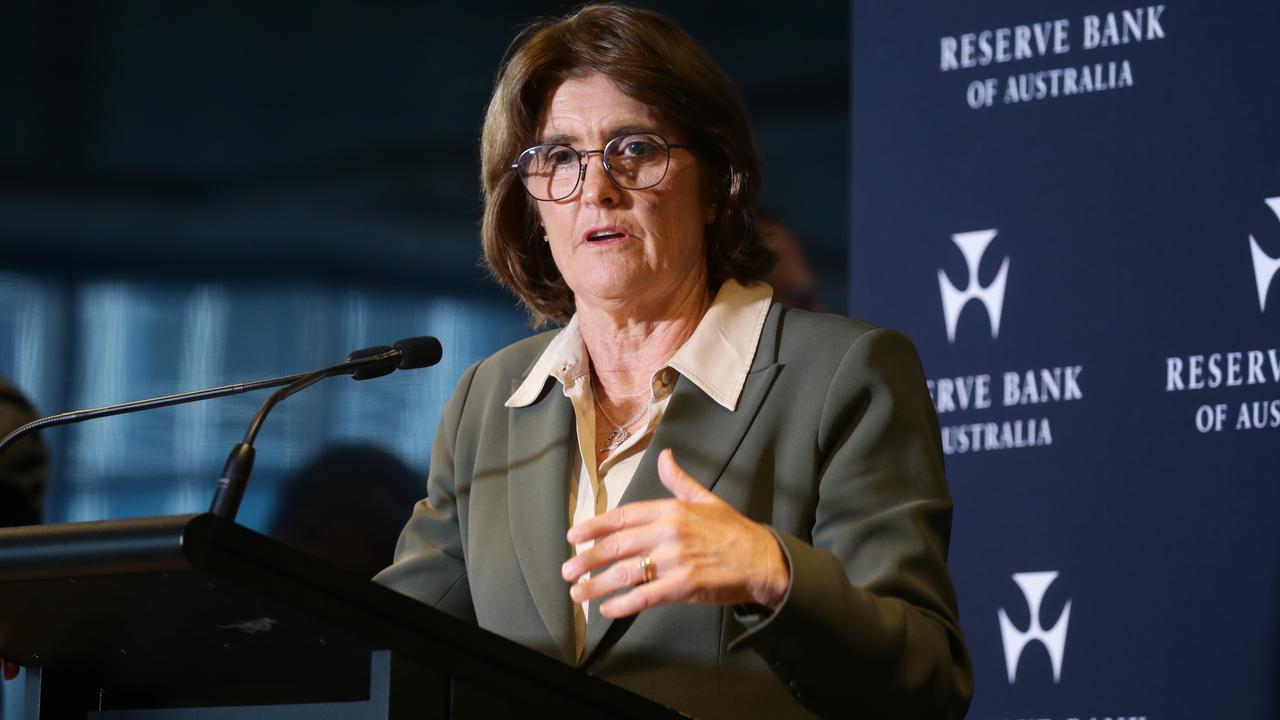
    Australia’s battle against persistent inflation has entered a critical phase, with Reserve Bank of Australia (RBA) Governor Michele Bullock confirming that while aggressive interest rate increases are starting to deliver results, financially stretched households will have to weather nearly two more years of elevated cost-of-living strain. Speaking at a senate budget estimates committee hearing on Thursday, alongside RBA assistant governors Christopher Kent and Sarah Hunter, Bullock laid out the central bank’s policy trajectory, acknowledging the widespread hardship rate hikes have imposed even as she defended the measures as necessary to bring runaway prices under control.

    So far in 2024, the RBA’s monetary policy board has lifted the benchmark cash rate by a cumulative 75 basis points, with a 25-basis-point increase at each of its three consecutive policy meetings this year. These consecutive hikes are designed to tighten domestic financial conditions and cool aggregate demand across the Australian economy, the core mechanism through which central banks combat sustained inflation. Bullock emphasized that early indicators already point to these adjustments having an effect, but warned the full impact of monetary policy changes always operates with a significant lag. “It will take one to two years for the full effects to flow through the economy,” she told the committee.

    The policy moves are targeted at reining in domestic inflationary momentum and offsetting secondary spillover effects from global commodity and oil price shocks, Bullock explained. She admitted that the current period is deeply challenging for Australian households already grappling with steep price increases for essential goods and services, but stressed that taming inflation remains the RBA’s non-negotiable priority. “High inflation hurts everyone, it reduces the purchasing power of all Australians and it disproportionately affects vulnerable people in the community,” she said, framing continued interest rate adjustments as the “least worst option” to avoid longer-term, more widespread economic harm from entrenched high inflation.

    Bullock reaffirmed the RBA board’s commitment to taking all necessary action to resolve the country’s inflation challenge, noting that after three consecutive hikes this year, monetary policy is well positioned to adapt to evolving economic conditions. “Inflation is too high and the board will do what it considers necessary to achieve our mandate of price stability and full employment,” she said. She also added a critical caveat: RBA policy cannot neutralize the impact of global inflationary drivers, including the recent run-up in global fuel prices driven by escalating geopolitical tensions between the U.S., Israel and Iran.

    Recent official inflation data from the Australian Bureau of Statistics (ABS) paints a mixed picture of the current price environment. Yearly headline inflation edged down from 4.6 percent in March to 4.2 percent in April, a decline partially driven by temporary government policy interventions: a temporary cut to the national fuel excise and a GST rebate that have both helped ease near-term inflationary pressure. However, the RBA’s closely watched trimmed mean inflation rate – a measure that strips out volatile, price swings to track underlying domestic price pressures – rose to 3.4 percent for the 12 months ending in April. Both headline and core inflation remain above the RBA’s official 2 to 3 percent target range for sustainable price stability. In its most recent economic forecasts, the RBA projects inflation will not return to this target range until mid-2027.

  • Australians paying almost as much for passports as government’s gas revenue, David Pocock says

    Australians paying almost as much for passports as government’s gas revenue, David Pocock says

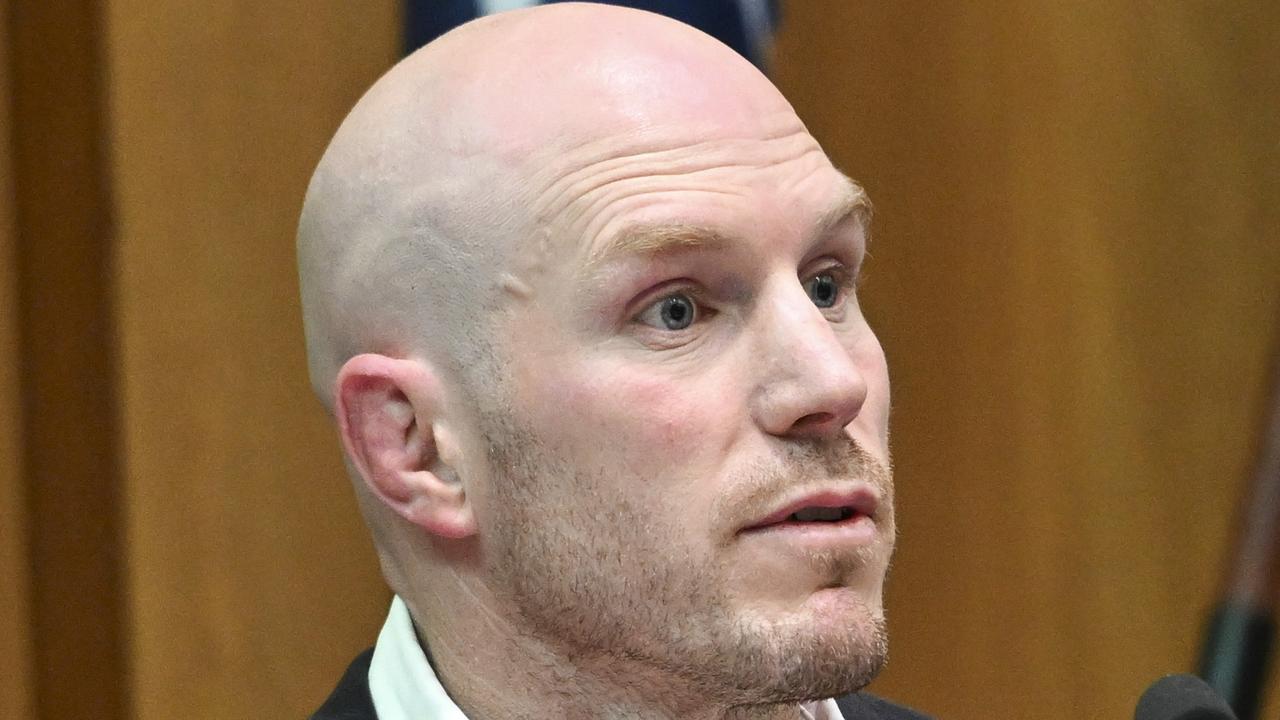
    A fiery new exchange at a recent Australian Senate hearing has reignited debate over the federal government’s tax and public service pricing policies, with independent Senator David Pocock doubling down on criticism of the imbalance between petroleum tax revenue and sky-high passport fees.

    At Thursday’s hearing, Pocock highlighted a striking comparison that underscores what he calls the government’s lopsided policy framework: by the end of the current decade, total annual revenue collected from Australian passport fees will only be a few hundred million dollars lower than the total annual take from the Petroleum Resources Rent Tax (PRRT)—the levy designed to deliver public returns from the country’s massive offshore liquefied natural gas (LNG) exports.

    As one of the world’s top LNG exporters, Australia’s PRRT system has faced sustained scrutiny from Pocock, who has repeatedly called out the low revenue it generates for public coffers. The latest data he cited shows that by the 2029-30 financial year, annual revenue from passport services is projected to hit as much as AUD 1.2 billion, up from more than AUD 1 billion forecast for the 2024-25 financial year. By comparison, the PRRT is on track to bring in just a few hundred million more than that figure annually by the end of the decade.

    When it comes to passport pricing, Australia already holds the unenviable title of having some of the most expensive passport fees in the developed world. Starting in 2026, an adult renewing a 10-year passport will pay AUD 422, while seniors and children will pay AUD 213 for a five-year document. Volume projections from government officials show the government is expected to issue up to 2.2 million passports in the current financial year, rising to 2.5 million annually by next financial year.

    Pocock argued that the gap between these two revenue streams is indefensible. “As one of the biggest gas exporters in the world, those two things just don’t seem to square … that’s an absurd comparison,” he told the committee. He also noted that Australian passport costs far outpace prices in comparable nations: a Canadian 10-year passport costs roughly AUD 170, a British equivalent is AUD 195, a New Zealand passport comes in at AUD 225, and a U.S. passport is AUD 250—all less than 60% of the cost of an Australian adult passport. In some cases, Australians pay nearly double what citizens of other wealthy nations pay for the same official document.

    Foreign Affairs Minister Penny Wong defended the federal Labor government’s policies on both fronts, pushing back against Pocock’s criticism. Wong acknowledged understanding Pocock’s perspective but argued the government has crafted a balanced approach that serves the national interest when it comes to gas policy.

    On the topic of passports, Wong noted that the current government has invested heavily in upgrading the Australian passport system, producing a high-security, advanced travel document that grants Australian citizens visa-free access to more than 120 countries around the world—a key benefit that justifies current pricing. She added that the government has no plans to adjust passport pricing outside of pre-approved inflation indexation, which is already baked into the projected revenue increases.

    When asked why other high-income nations charge far less for passports, Wong responded that she could not speak to the pricing policies of other governments, as she is not responsible for their operations.

    This latest exchange is part of a long-running campaign by Pocock to overhaul the PRRT system, which he argues fails to deliver adequate public returns from Australia’s non-renewable natural resources. In an earlier Senate hearing, Pocock drew similar criticism by pointing out that mid-year financial projections for 2025-26 showed the PRRT would generate only around AUD 1.5 billion in annual revenue—less than the AUD 2.7 billion the government collects annually in beer taxes. “How do we live in a country that exports — one of the biggest gas exporters in the world — and we’re getting more tax from beer than PRRT,” he asked at the time.

    In response to ongoing criticism, the government has defended the PRRT and broader national gas arrangements as part of a balanced policy framework. Since the outbreak of conflict in the Middle East, officials have emphasized that Australia has a responsibility to act as a reliable global energy partner, and the current tax structure accounts for both public revenue needs and broader energy security commitments, alongside additional corporate tax contributions from gas producers.

  • Nepali climber alive after six days missing on Everest

    Nepali climber alive after six days missing on Everest

    In a remarkable story of survival against the harshest conditions on Earth, an experienced Nepali climbing guide who went missing for six days on Mount Everest and was widely presumed dead has crawled back to Base Camp alive, expedition officials confirmed to AFP in an interview on Thursday.

    Hillary Dawa Sherpa, a seasoned high-altitude climber familiar with Everest’s most dangerous terrain, disappeared in the upper reaches of the 8,849-meter world’s highest peak in the early hours of May 30. His unexpected return ended days of fruitless search efforts, when teams had already begun to prepare for the worst outcome.

    Workers from the Sagarmatha Pollution Control Committee (SPCC), a local Nepali organization responsible for maintaining climbing routes and clearing accumulated waste from the mountain, made the surprise discovery of Sherpa on Thursday morning just a short distance from Base Camp. “He was crawling down when we found him,” explained Pemba Sherpa of 8K Expeditions, the firm that coordinated the official search and rescue operation for the missing guide. A rescue helicopter has already been deployed to airlift Sherpa to a specialized hospital in Nepal’s capital Kathmandu for urgent medical evaluation.

    British climber Chris Thrall, a former Royal Marine who summited Everest with Sherpa around 5 p.m. on May 29, had shared a heartfelt tribute to the guide on Instagram just one day before his rescue, writing in a post mourning what he believed was Sherpa’s passing. He described Sherpa as an “absolute gentle giant of a man and a true ‘tiger of the mountains’”, echoing the widespread high regard Sherpa holds among the global climbing community.

    Thrall recounted the sequence of events that led to Sherpa going missing as the two climbers began their descent from Camp Four, which sits at roughly 7,950 meters, just below the oxygen-starved zone known to climbers as the “death zone” where the human body cannot sustain itself for long periods. As the pair descended, Sherpa stopped to catch his breath. “He sat down for a rest with his backpack — these guides carry huge loads up and down the mountain,” Thrall recalled. “I turned and I said, ‘Hillary, are you okay, brother?’ He said, ‘Yes, yes, fine Chris, please go, go!’ This is nothing new on the mountain; sometimes climbers pull ahead at their own pace.”

    As Thrall continued downward, he encountered a Polish climber in critical condition: the mountaineer had exhausted his supply of supplementary oxygen, suffered severe frostbite, and was at immediate risk of hypothermia. Thrall faced an agonizing choice, one familiar to climbers who navigate life-or-death decisions high on Everest. The 11-day summit push had already stretched far longer than the typical five-day itinerary, a sign of just how brutal conditions were this season. “Do I go back for Sherpa, who’s probably going to rock up and be fine, as he has done hundreds of times before? Or do I help my fellow climber, who’s got no oxygen, frostbite in his fingers, and obviously you’re never far off hypothermia up there?” he said.

    Thrall chose to stay with the Polish climber, sharing his own oxygen supply as the pair descended slowly to Camp Three. What would normally take just two hours to cover took 11 exhausting hours, a testament to the severe conditions and the strain of the rescue. By the time they reached safety, Thrall knew they had escaped a catastrophic outcome.

    Despite multiple search teams launching missions to locate Sherpa in the days after he disappeared, no trace of him was found until Thursday morning, when he emerged after days of slow, solitary descent down the mountain. This climb was one of the final expeditions of the 2026 spring climbing season, which meant very few other climbers were still on the peak to offer assistance.

    This year’s Everest season has already been marked by tragedy: at least five people — two Indian climbers and three Nepali climbing staff involved in pre-season preparations — have died on the mountain. At the same time, initial counts from Nepali tourism officials show that more than 1,000 climbers have successfully reached the summit this season, making 2026 the busiest climbing season in Everest’s recorded history.