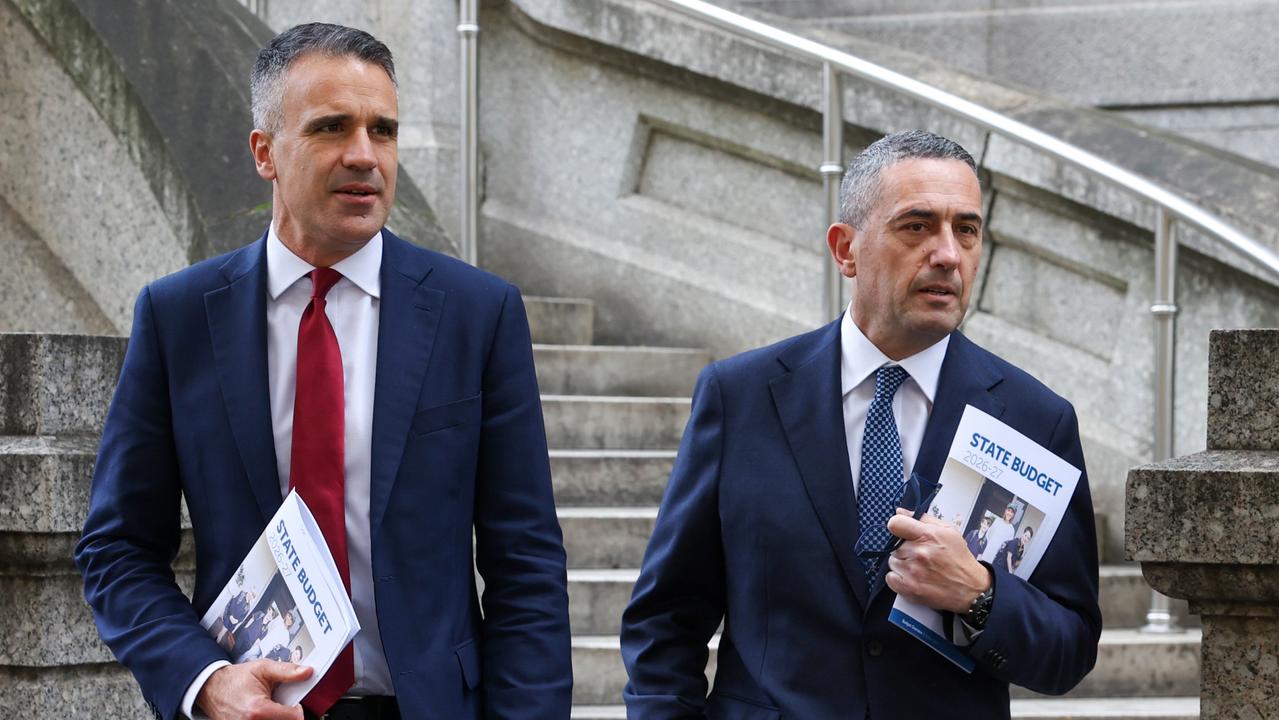
South Australia’s newly elected Malinauskas Labor government has tabled its first state budget, introducing a public sector hiring freeze that will eliminate approximately 1,000 non-frontline public service roles over the coming 12 months. The cost-cutting measure is projected to generate annual savings of $120 million, introduced as the state prepares for public debt to surge to a projected $50 billion. Delivered to state parliament on Thursday by Treasurer Tom Koutsantonis, the 2026-27 budget balances austerity measures with a broad suite of policy commitments aimed at addressing pressing community needs across housing, education, healthcare, and Indigenous affairs.
Alongside the public sector hiring restrictions, the budget includes a series of targeted investments and relief measures designed to deliver on election promises. To boost the state’s struggling housing market, the government has committed $50 million to develop a 400-unit housing estate in Munno Para, north of Adelaide, exclusively for first-time home buyers. It has also expanded stamp duty relief, extending exemptions to domestic abuse survivors and homeowners over the age of 60 downsizing to properties valued up to $2 million.
Major education investments feature prominently in the budget. Over the next four years, $174 million will be allocated to eliminate all fees for public school attendance, while $210 million across six years will fund the redevelopment and upgrades of 37 public school campuses. The government is also expanding access to early childhood education, funding new long daycare spots to enable universal access for three-year-olds to attend preschool. Seniors will also see expanded support, with the seniors card scheme opening to all residents aged 60 and over, and to Aboriginal and Torres Strait Islander residents aged 50 and over.
In healthcare, the government has pledged $250 million in loan funding to cut persistent ambulance ramping at public hospitals and create 650 new aged care beds, alongside a $28 million investment in a new dedicated mental health assessment unit at the Royal Adelaide Hospital. In a historic step for Indigenous reconciliation, the budget allocates $8.5 million over four years to establish a new treaty commission led entirely by Aboriginal leaders, tasked with advancing improvements to health, education, and economic outcomes for Aboriginal and Torres Strait Islander communities across the state.
Treasurer Koutsantonis framed the budget as fiscally responsible, emphasizing that the document “lives within its means” with genuine surpluses and lower debt-to-revenue ratios than previously projected. He noted that the framework delivers certainty for businesses and entrepreneurs while delivering on election commitments for core public services and cost-of-living relief.
Premier Peter Malinauskas echoed this framing, describing the budget as restrained and modest, pointing out that the government has fulfilled its pledge not to introduce any new taxes to fund expenditure, thanks to disciplined spending limits. “We are honouring our commitment to not create new taxes to justify expenditure because we’ve been restrained in our expenditure,” he said.
However, the budget has drawn sharp criticism from opposition figures. Cory Bernardi, leader of One Nation’s South Australian branch, dismissed the package as a “bread and circuses” distraction from the state’s growing debt crisis. He argued that the targeted handouts and spending initiatives come at the expense of future generations, noting that the budget adds $4 billion in new debt annually and called for an end to what he labeled reckless government spending.