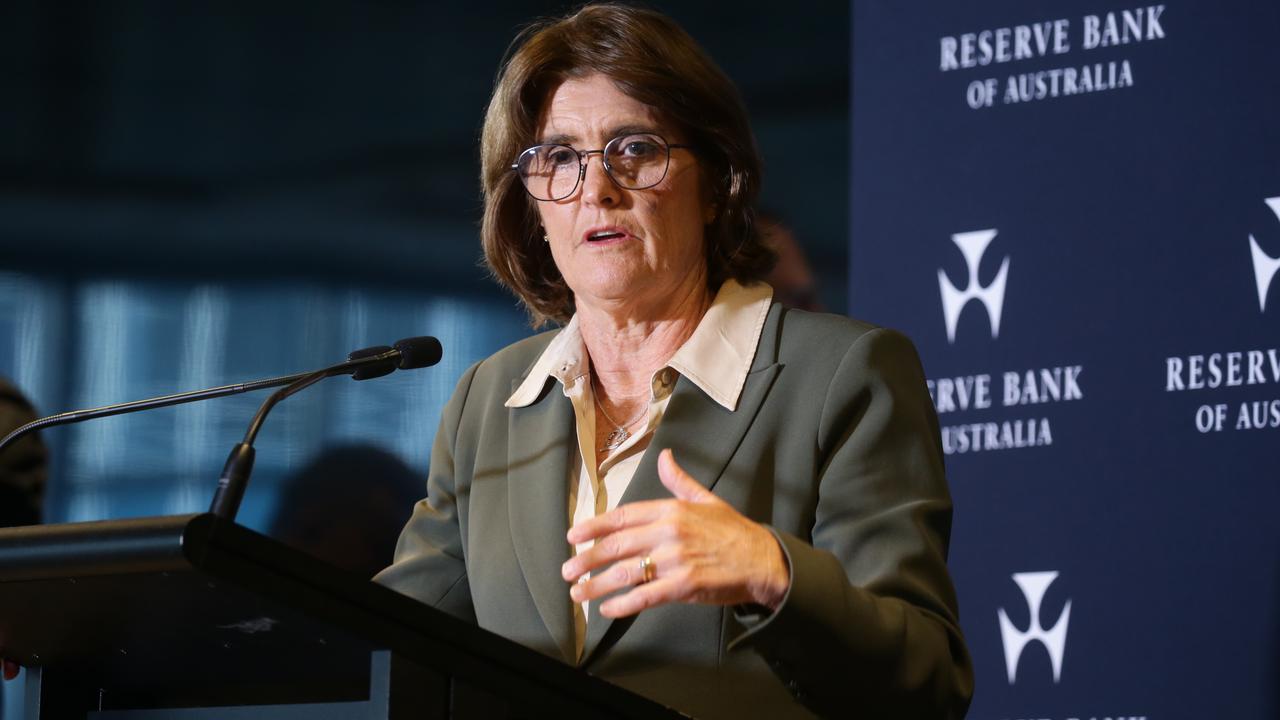
Australia’s battle against persistent inflation has entered a critical phase, with Reserve Bank of Australia (RBA) Governor Michele Bullock confirming that while aggressive interest rate increases are starting to deliver results, financially stretched households will have to weather nearly two more years of elevated cost-of-living strain. Speaking at a senate budget estimates committee hearing on Thursday, alongside RBA assistant governors Christopher Kent and Sarah Hunter, Bullock laid out the central bank’s policy trajectory, acknowledging the widespread hardship rate hikes have imposed even as she defended the measures as necessary to bring runaway prices under control.
So far in 2024, the RBA’s monetary policy board has lifted the benchmark cash rate by a cumulative 75 basis points, with a 25-basis-point increase at each of its three consecutive policy meetings this year. These consecutive hikes are designed to tighten domestic financial conditions and cool aggregate demand across the Australian economy, the core mechanism through which central banks combat sustained inflation. Bullock emphasized that early indicators already point to these adjustments having an effect, but warned the full impact of monetary policy changes always operates with a significant lag. “It will take one to two years for the full effects to flow through the economy,” she told the committee.
The policy moves are targeted at reining in domestic inflationary momentum and offsetting secondary spillover effects from global commodity and oil price shocks, Bullock explained. She admitted that the current period is deeply challenging for Australian households already grappling with steep price increases for essential goods and services, but stressed that taming inflation remains the RBA’s non-negotiable priority. “High inflation hurts everyone, it reduces the purchasing power of all Australians and it disproportionately affects vulnerable people in the community,” she said, framing continued interest rate adjustments as the “least worst option” to avoid longer-term, more widespread economic harm from entrenched high inflation.
Bullock reaffirmed the RBA board’s commitment to taking all necessary action to resolve the country’s inflation challenge, noting that after three consecutive hikes this year, monetary policy is well positioned to adapt to evolving economic conditions. “Inflation is too high and the board will do what it considers necessary to achieve our mandate of price stability and full employment,” she said. She also added a critical caveat: RBA policy cannot neutralize the impact of global inflationary drivers, including the recent run-up in global fuel prices driven by escalating geopolitical tensions between the U.S., Israel and Iran.
Recent official inflation data from the Australian Bureau of Statistics (ABS) paints a mixed picture of the current price environment. Yearly headline inflation edged down from 4.6 percent in March to 4.2 percent in April, a decline partially driven by temporary government policy interventions: a temporary cut to the national fuel excise and a GST rebate that have both helped ease near-term inflationary pressure. However, the RBA’s closely watched trimmed mean inflation rate – a measure that strips out volatile, price swings to track underlying domestic price pressures – rose to 3.4 percent for the 12 months ending in April. Both headline and core inflation remain above the RBA’s official 2 to 3 percent target range for sustainable price stability. In its most recent economic forecasts, the RBA projects inflation will not return to this target range until mid-2027.