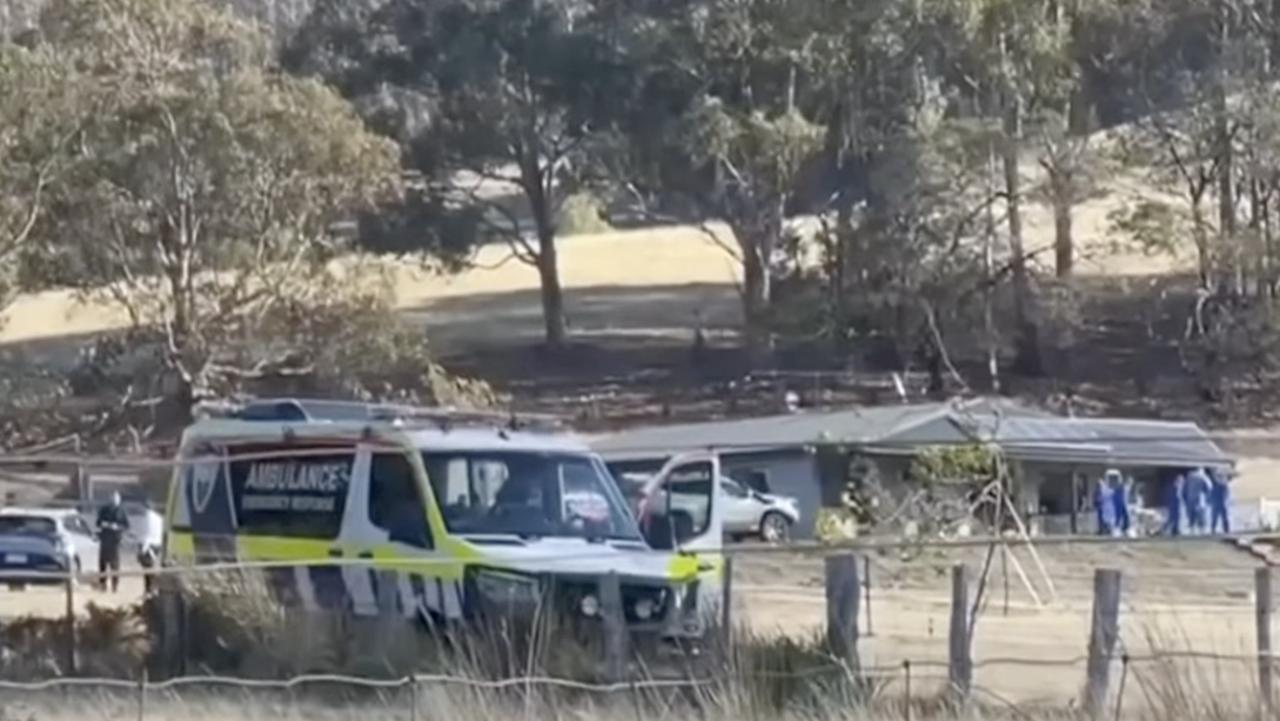
In the dry, remote outback of Australia’s Northern Territory, a growing pile of flowers, handwritten sympathy notes, and soft cuddly toys has accumulated on the chain-link fence marking the entrance to Old Timers town camp, known locally as Ilyperenye. This impromptu memorial honors 5-year-old Kumanjayi Little Baby, a Warlpiri Indigenous girl who disappeared from her community in April and was found dead five days later. An Aboriginal man has since been charged with her murder, and the tragedy has rippled across the nation, sparking collective grief, widespread public outrage, and urgent demands to address long-buried systemic inequalities facing Indigenous Australian communities.
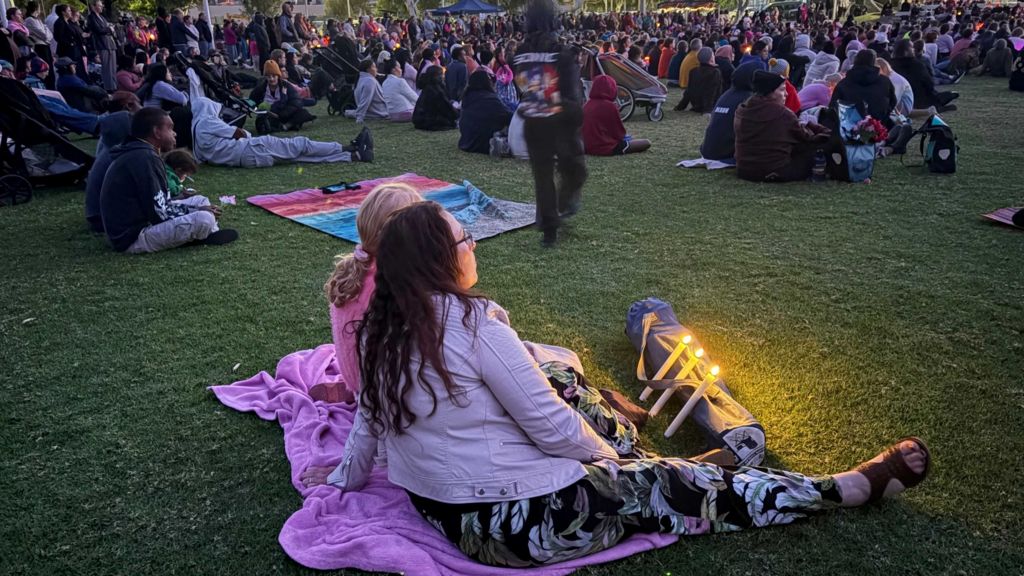
Residents of Alice Springs, the small nearby town with a population of less than 30,000, describe a community frozen in grief. Many local residents joined the frantic search for Kumanjayi in the days after her disappearance. “The whole community is numb,” one mourner shared, a sentiment echoed across the region. Alice Springs Mayor Asta Hill notes that even in the depths of this tragedy, the crisis has drawn the tight-knit region closer: “In some ways you could say we’ve actually seen some of the best of the community in the absolute worst of times.” What began as a local loss has quickly become a national moment of reckoning: condolence motions have passed through federal parliament, Prime Minister Anthony Albanese has publicly acknowledged the heartbreak of the tragedy, saying “it breaks your heart,” and vigils have been held from Alice Springs to capital cities across the country.
In a statement shared at an Alice Springs vigil, Kumanjayi’s mother described her young daughter as a beloved “princess.” The 5-year-old loved cartoons and computer games, adored spending time with her older brother, and was eagerly looking forward to starting primary school. “My heart is broken into a million pieces,” she wrote. “I want you to know that I am having trouble knowing how I can repair it and how I can live without my little baby.”
Kumanjayi disappeared from Old Timers town camp, one of 16 informal Indigenous settlements scattered around Alice Springs. The story of these camps stretches back to the 1880s, when European colonisers displaced Aboriginal people from their traditional lands, forcing them to settle on the outskirts of the growing town. For decades until the 1960s, Aboriginal people were even barred from entering the majority-white town centre. The camps were only formalised as social housing in the 1970s, after residents pushed for basic access to electricity, clean running water, and permanent shelter. Today, the camps remain chronically underfunded: overcrowding is widespread, there are no local grocery stores, frequent power outages disrupt daily life in the desert heat, public transport is limited, internet access is scarce, and unpaved, poorly maintained roads lack basic street lighting. Public health researchers warn that this entrenched poverty fuels higher rates of alcohol misuse and domestic violence in the camps, creating constant pressure for resident families.
Nina Lansbury, an associate professor at the University of Queensland who researches public health and housing in the Northern Territory, attended a local vigil for Kumanjayi and says the conditions that put the young girl at risk are nothing new. “I have a report from 1978 that I use in my research that’s from the Northern Territory that was citing all these same things – coming up to 50 years. It’s a big issue, it’s 2026 and this is still happening. Let’s hope this is a turning point,” she said, noting that Kumanjayi was never raised in a home environment that supported her family’s health and safety.
Since Kumanjayi’s death, her community has entered “sorry business,” a traditional period of cultural mourning for Aboriginal and Torres Strait Islander peoples that can last for days, weeks, or even months, involving cultural ceremonies and practices. Her family has requested that her death be treated with respect and not exploited for political gain, but the tragedy has nonetheless forced a national reckoning with decades of policy failure that have left Indigenous children disproportionately vulnerable.
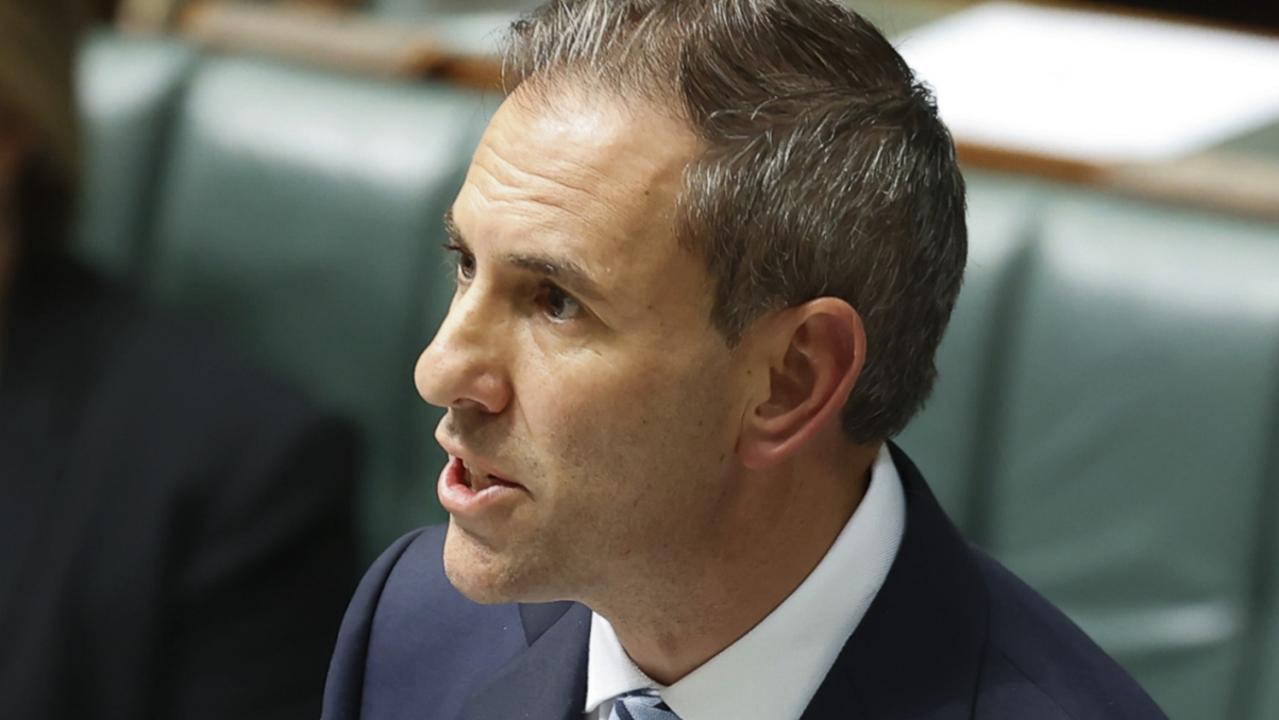
Indigenous Australians currently experience stark systemic inequities: they are three times more likely to face unemployment than non-Indigenous Australians, have a significantly lower life expectancy, make up 37% of the national prison population despite accounting for just 3% of the total population, and face higher rates of both experiencing and perpetrating family violence. Prime Minister Albanese acknowledged this legacy of failure in parliament, admitting: “The simple truth is that all governments of all persuasions over generations have not done enough to deal with what are generational challenges.”
This legacy stretches back more than a century, through policies that targeted Indigenous families and children. The most infamous is the Stolen Generation, which lasted until the 1970s: tens of thousands of Indigenous children were forcibly removed from their families as part of a brutal assimilation policy, with many placed in institutions or foster care where they suffered abuse and neglect. The 1997 landmark Bringing Them Home report estimated that as many as one in three Indigenous children were taken from their families during this period. More recently, the 2007 Northern Territory Intervention, launched to address child sexual abuse in remote communities, was scrapped after 15 years and widely deemed a failure. Catherine Liddle, CEO of SNAICC – the national peak body representing Aboriginal and Torres Strait Islander children and their families – says the Intervention left lasting intergenerational trauma: “Men stopped bathing babies, they stopped helping out because what they heard was if you do those things, you’re a paedophile and you’re going to get locked up and your children are going to get taken away. There was fear of even going to authorities for innocent reasons because you’re scared that you’re going to be told that you’ve done something wrong.”
In response to public outcry after Kumanjayi’s death, Northern Territory Child Protection Minister Robyn Cahill has announced a full review of the territory’s child protection system, alongside planned reforms. “I will not be a minister who abandons yet another generation of Territory kids,” Cahill said. “The reality is we have kids in really difficult situations and for a long time people have been paralysed by the fear that they will be accused of [creating another Stolen Generation]. Children deserve to be safe – every single child in our community has a right to expect that.”
However, peak Indigenous organisations have harshly criticised the proposed review and reforms, warning they risk deepening the existing crisis. In a joint statement, Aboriginal Peak Organisations Northern Territory (APONT) and SNAICC argued the changes threaten to weaken the Aboriginal Child Placement Principle, a critical framework designed to keep Indigenous children connected to their family, culture, and community. They warn that weakening this principle would amount to “a race-based attempt to blame Aboriginal families for conditions created by government failure.”
Indigenous leaders are calling for a holistic, community-led approach to address the deep-rooted social inequalities that put children like Kumanjayi at risk. Liddle points to the overlapping failures of multiple systems: “When you look at the prison system in the Northern Territory, it is nearly always 100% Aboriginal children and nearly every single one of those children came out of the child protection system.” She notes that the Northern Territory lowered the age of criminal responsibility to 10 years old in 2024, a move justified by the government as a child protection measure, despite widespread pushback from doctors, human rights groups, and Indigenous organisations. “It’s like paving a road – it’s like putting down pavers and saying here you are this is going to be your journey and by the way we’re going to lock you up at the age of 10 when something goes wrong,” Liddle said.
Liddle argues that any meaningful reform must be led by Indigenous communities themselves, not parliaments. “Difficult conversations need to be had – but these should also encompass failures in social policy, housing, the prison system and the justice system,” she said. “Those conversations needed to be led from community because the answers to this sit with community, they don’t sit in parliament. You have to find out what’s actually going on and that will change depending on which community you’re sitting in, what state you’re sitting in. You also need to ensure that you’re investing in the services that we need and investing in the services that were designed by us for us.”
For many local residents, the tragedy also highlights the need to reframe how Indigenous communities are discussed and supported. Jonathan Hermawan, a vigil attendee, notes that while Kumanjayi was a beloved child who lived in poverty and vulnerability, there is a risk of homogenising and unfairly stereotyping diverse Indigenous communities. “Every system has its failures when you homogenise a group that’s very diverse,” he said. “The notion of Aboriginality is like comparing a white person and saying every white person is affected. We are far more diverse than that, we are far more complex than that.” Across the country, many hope that this national moment of grief will finally translate to lasting, meaningful change that addresses generations of inequity and keeps Indigenous children safe.