标签: Oceania

大洋洲

  • 10-day Israel-Lebanon truce begins as Lebanese army warns of ‘violations’

    10-day Israel-Lebanon truce begins as Lebanese army warns of ‘violations’

    A 10-day bilateral ceasefire between Lebanon and Israel officially entered into force at midnight local time Friday, creating a fragile window for diplomatic progress even as the Lebanese military immediately reported multiple breaches of the truce by Israeli forces. The agreement, which comes more than two months after full-scale fighting erupted between the two sides, has drawn thousands of displaced Lebanese residents to rush back toward their southern homes despite official warnings to delay their return.

    The truce, which took effect at 2100 GMT, triggered an immediate exodus of civilians who had fled southern Lebanon after Israel issued mass evacuation orders earlier in the conflict. While the Lebanese Armed Forces urged residents to hold off on heading back, citing ongoing Israeli aggressive acts in the border zone, visual evidence from Agence France-Presse shows convoys of packed cars traveling south along Lebanon’s coastal highway before dawn, with some crossing the damaged remains of a bridge that was destroyed by Israeli airstrikes during the fighting. By sunrise, traffic stretched for kilometers at the only crossing connecting the coastal region south of the Litani River to the rest of the country, with residents waiting hours for their chance to return to properties they were forced to abandon.

    Alaa Damash, one of the thousands of displaced residents, told reporters that despite official calls to wait out the initial days of the truce, attachment to one’s homeland and home overrides fears of ongoing risk. “The people’s love for their lands and houses, and their attachment to them, pushed them to go back there despite the fire threats,” she explained. In Beirut, unconfirmed reports and footage show celebratory gunfire in the southern suburbs, the Hezbollah stronghold, as residents marked the announcement of the truce. Sixty-one-year-old Beirut housewife Jamal Shehab echoed that widespread sentiment, saying, “We are very happy that a ceasefire has been reached in Lebanon because we are tired of war and we want safety and peace.”

    The ceasefire marks a critical milestone in U.S.-led diplomatic efforts to broker a broader peace deal between Washington and Tehran, with Iran having long insisted that any bilateral agreement must include a halt to hostilities between Israel and Lebanon-based Hezbollah. Pakistan has led international mediation efforts to restart face-to-face negotiations between the United States and Iran, with former U.S. President Donald Trump noting he is willing to travel to Pakistan to sign a final deal, adding that the two sides are “very close” to reaching a comprehensive agreement.

    Fighting first erupted in Lebanon on March 2, when Iran-backed Hezbollah launched rocket attacks against Israel just days after the start of the broader regional Middle East war, in retaliation for the death of Iranian Supreme Leader Ali Khamenei in the opening wave of U.S.-Israeli strikes. Ahead of the ceasefire taking effect, lethal violence continued: Lebanon’s health ministry confirmed at least seven civilians were killed and more than 30 wounded in an Israeli airstrike on the southern town of Ghazieh on Thursday, while an Israeli hospital spokesperson reported three Israelis were injured in cross-border attacks the same day.

    Following the truce’s entry into force, the Israel Defense Forces confirmed it had struck more than 380 Hezbollah targets across southern Lebanon in the lead-up to the ceasefire, and said it remains on high alert to resume offensive operations if the truce is broken. Trump confirmed he spoke to both Israeli Prime Minister Benjamin Netanyahu and Lebanese President Joseph Aoun ahead of the deal’s announcement, saying both leaders agreed to the truce “in order to achieve PEACE between their Countries.” The U.S. president also said he expects both leaders to visit the White House within the next four to five days to discuss next steps, a development that would mark a watershed moment for regional diplomacy if it proceeds.

    Netanyahu framed the truce as an opportunity to reach a “historic peace agreement” with Beirut, but reaffirmed that any long-term deal requires the full disarmament of Hezbollah, the Iran-aligned militant group that holds significant political and military power in Lebanon. While Trump confirmed Hezbollah is bound by the ceasefire, the U.S. State Department says the truce requires the Lebanese government itself to fully dismantle the militant organization. Lebanese Prime Minister Nawaf Salam welcomed the ceasefire, calling it a “key Lebanese demand that we have pursued since the very first day of the war.” However, an anonymous official source confirmed Lebanese President Aoun has rejected Trump’s request for a direct call with Netanyahu, creating an early point of tension in post-ceasefire diplomacy.

    A senior Hezbollah lawmaker told AFP the group would “cautiously adhere” to the truce as long as Israel halts all offensive operations. Ibrahim al-Moussawi thanked Iran for its diplomatic and political pressure on Lebanon’s behalf, noting that “the ceasefire would not have happened without Iran considering the ceasefire as equal to closing the Strait of Hormuz,” a reference to Iranian leverage over global oil shipping lanes. Netanyahu confirmed Israel will maintain a 10-kilometer security zone along the entire Lebanon-Israel border for the duration of the truce, a measure already criticized by Lebanese officials as a violation of its territorial sovereignty.

  • Russia trains teenage influencers to churn out pro-war content

    Russia trains teenage influencers to churn out pro-war content

    Since launching its full-scale invasion of Ukraine in 2022, the Russian Kremlin has expanded its efforts to shape domestic public opinion from traditional offline spaces into the digital realm, with a new, targeted focus on cultivating a new generation of pro-war content creators. Through specialized youth camps and national competitions, teenage influencers are receiving formal training to spread the Kremlin’s hardline anti-Western narrative and build broader support for its military offensive across younger Russian demographics.

    This ideological campaign is no grassroots initiative — it is directed from the very highest levels of the Russian government. In a 2023 televised press conference, Russian President Vladimir Putin publicly framed youth education as a core pillar of Russia’s national strategy, quoting 19th-century Prussian statesman Otto von Bismarck to emphasize his priorities: “Wars are not won by generals, but by schoolteachers and parish priests.” He went on to stress that “educating young people in the spirit of patriotism is crucial” — a statement that laid out the clear mission of the nationwide youth outreach effort.

    To carry out this mission, the Kremlin has revived and expanded Soviet-style state-aligned youth organizations, including the Young Army (known as Yunarmiya in Russian) and the Movement of the First. The Movement of the First alone claims 14 million online members and more than 1,100 regional projects across the country, giving the state extensive reach into teenage communities. At a Young Army content creation camp held in Moscow this past April, more than 120 teenagers dressed in matching green sweaters and red berets gathered for days of instruction from sitting soldiers and veteran state media journalists. Trainees learned core technical skills: how to shoot engaging short-form videos, leverage artificial intelligence for content production, and grow social media audiences to maximize their reach.

    Vladislav Golovin, a former soldier who serves as chief of the Young Army’s general staff, framed the initiative as a values-building project. “We have created a huge team of kids, who understand how to broadcast government values and our organisation’s values,” he said in an official statement from the movement. Promotional footage from the camp shows teenagers cheering on a speed competition, where a cadet and Golovin raced to reload a sniper rifle — blending digital content training with explicit military-themed ideological engagement. Parallel to the Young Army camps, the Movement of the First runs national competitions that award prizes to teenagers who produce the top pro-Kremlin blogs and build the largest online followings for their content.

    Independent analysts who study Russian disinformation and ideological strategy warn that this targeted campaign carries significant long-term risks. Keir Giles, director of the UK-based Conflict Studies Research Centre, describes the initiative as a “concentrated campaign to restore the prestige of the Russian military.” He notes that teenagers aged 14 to 16 currently growing up in Russia have never experienced any political system outside of Putin’s governance, making them particularly receptive to the state’s messaging. “This is their reality, and so we should not be surprised if these new efforts to spread information reflect that reality,” Giles explained to AFP.

    Veronika Solopova, an artificial intelligence and disinformation researcher at the Technological University of Berlin, points out that social media platforms are uniquely suited to the Kremlin’s outreach goals. Platform algorithms are designed to deliver tailored content that sparks emotional engagement, creating an ideal environment for the state to push its narrative to young users. “Young people are famously easy to radicalise, easy to jump to conclusions on the nature of injustices, which, for Russia, is then all conveniently converted into army enrolments,” Solopova added.

    Data from independent Russian pollster Levada Centre backs up the focus on social media: a March 2024 poll found that more than half of Russians between the ages of 18 and 24 rely on social media as their primary source of daily news. Giorgi Revishvili, a former Senior Advisor to the National Security Council of Georgia, argues that the format of short-form digital content is inherently well-suited to shaping youth opinion. Young people’s “shorter attention spans, combined with the effortless shareability of clips and reels, make digital content an exceptionally powerful tool,” Revishvili noted.

    Dietmar Pichler, a disinformation and propaganda analyst at the European research network INVED, added that the content produced by these young influencers does not always take an overtly pro-war tone. Some content is “direct and radical,” while other pieces are “very subtle, aimed not at generating support for Russia, but at decreasing solidarity with Ukraine” among global audiences, he explained.

    For the teenagers participating in the program, the training has already shaped their understanding of their own role in spreading the Kremlin’s message. In one promotional clip published by camp organizers, a female teenage trainee summed up the core of what she had learned: “When you are the one behind the camera filming the entire process, making audiences happy, you realise … you are the one who has aroused these emotions in people. The truth lies in a frame, and we are operating the camera.”

  • Millions to shiver through coldest nights of 2026 as cold snap hits southeastern Australia, temperatures plunge

    Millions to shiver through coldest nights of 2026 as cold snap hits southeastern Australia, temperatures plunge

    As Australia enters the deep chill of its southern winter, a sweeping, intense cold front is advancing across large swathes of the country, pushing millions of residents toward what forecasters confirm will be some of the coldest overnight temperatures recorded this year. The sharp temperature drop is primarily focused on the nation’s southeastern corner this weekend, with sub-zero and near-freezing conditions projected for multiple populated and regional areas, leading weather service Weatherzone has confirmed.

    Meteorologist Anthony Sharwood notes that the alpine ski resort town of Thredbo is on track to log the country’s lowest temperature, with a forecast low of -5 degrees Celsius set for Saturday morning. Neighboring Victoria’s alpine region will also see overnight minimums drop well below the freezing mark. For Australia’s second-largest city, Melbourne, Saturday will open with a crisp, brisk 5-degree Celsius morning, while the South Australian southeast and national capital Canberra are both projected to drop to 0 degrees Celsius, bringing heavy frost across exposed areas.

    Unlike the frozen southeast, Australia’s tropical northern regions and parts of the inland are facing an entirely different set of weather hazards, as a separate band of unstable weather brings heavy rain, thunderstorms, and elevated flood risk. Formal flood warnings are currently active for the far western Queensland towns of Birdsville, Roseberth Station, and Glengyle. Heavy downpours and thunderstorm activity are forecast across the Eyre Creek and upper catchment areas of the Diamantina River, the primary water systems in this remote part of the state.

    Across Western Australia, unstable conditions are bringing mixed weather across the length of the state’s western coast. Gale-force winds are scheduled to impact the southern WA coast around Leeuwin and Albany on Friday, with the strong wind band moving north to reach Perth by overnight. Overnight rain is expected in Perth, but Bureau of Meteorology (BOM) forecasters project that showers will clear by Saturday morning, with the rain band shifting further north to reach Geraldton by Saturday afternoon.

    BOM meteorologist Angus Hines explained that ongoing wet season patterns, which have fluctuated through this week, remain active across the northern half of the country. “From Darwin all the way through the northern east coast and south as far as Tennant Creek, we’re seeing continued unstable conditions,” Hines said. “There is a small chance of light rain across parts of the northern Kimberley, but most other areas outside the northern flood zone will stay dry, with clear, sunny conditions across most of the country this weekend.”

  • Pope visits Cameroon city hit by post-vote protest deaths

    Pope visits Cameroon city hit by post-vote protest deaths

    On a high-stakes 11-day tour of Africa that has already captured global attention, Pope Leo XIV is set to hold a massive open-air mass Friday in Douala, Cameroon’s bustling economic capital and one of Central Africa’s busiest deep-water ports. The event is expected to draw more than one million worshippers, marking the largest gathering of the pontiff’s trip, which has been defined by bold calls for global peace and an unprecedented public clash with former U.S. President Donald Trump.

    Six months prior to the visit, Douala was the site of a brutal government crackdown on protests following the disputed re-election of 93-year-old incumbent President Paul Biya, the world’s oldest sitting head of state who has held authoritarian control over Cameroon since 1982. Witnesses confirm security forces opened fire on unarmed demonstrators, with authorities admitting dozens of deaths amid widespread unrest, though an exact casualty count has never been released. By Thursday evening, thousands of devoted Catholic pilgrims were already streaming into the city to claim viewing spots on the esplanade outside the 50,000-seat Japoma Stadium, where the mass will take place. After the service, the Pope is scheduled to visit Saint Paul’s Catholic Hospital in the city.

    This landmark African tour has marked a clear shift for Pope Leo, who has set aside prior diplomatic restraint to deliver impassioned, unflinching remarks on conflict, inequality, and political corruption. The high-profile dispute with Trump erupted after the Pope called for an immediate end to the ongoing war in the Middle East, drawing a sharp rebuke from the former American president. During a solemn address Thursday at Saint Joseph’s Cathedral in Bamenda, the heart of a nearly 10-year separatist insurgency that has killed thousands of Cameroonians, Pope Leo declared, “The world is being ravaged by a handful of tyrants.”

    Trump responded hours later, stating the Pope was free to share his views but needed to grasp the realities of what he called a “nasty world.” Despite the transatlantic political drama, the pontiff has been met with jubilant, singing crowds across every stop of his Cameroon itinerary, with locals turning out in massive numbers to welcome the leader of the world’s 1.4 billion Catholics.

    Even ahead of the visit, the trip sparked quiet controversy among some Cameroonian Catholics, who raised concerns that a high-profile papal visit could inadvertently help Biya rebrand his authoritarian rule on the global stage. Pope Leo has not shied away from sharp critique, however, avoiding direct naming of Biya or Trump but delivering pointed remarks that hit at both domestic and global issues. He pushed back against calls from U.S. Vice President JD Vance, a Catholic, to limit his public remarks to purely moral issues, instead using his platform to condemn exploitation and corruption.

    “Woe to those who manipulate religion and the very name of God for their own military, economic and political gain, dragging that which is sacred into darkness and filth,” the Pope told crowds in Bamenda. During a Thursday mass, he also targeted foreign and elite exploitation of the continent, saying: “those who, in the name of profit, continue to lay their hands on the African continent to exploit and plunder it.” Cameroon boasts abundant natural resources, including oil, timber, cocoa, coffee, and rare minerals, which have drawn foreign investment and been exploited by local and global elites for decades.

    Shortly after arriving in Cameroon’s capital Yaoundé Wednesday, the Pope delivered his critique directly to Biya and other top government officials, urging leaders to root out systemic corruption and human rights abuses committed in the name of national security. “Security is a priority, but it must always be exercised with respect for human rights,” he said, speaking within earshot of the long-ruling president.

    Samuel Kleda, Archbishop of Douala and one of the most prominent clerical critics of Biya’s government, shared cautious optimism ahead of the mass, saying he hopes the papal visit will catalyze progress toward resolving the country’s multiple ongoing crises. “Our country has gone through many crises; some crises are still ongoing. The fruit we must draw from this visit is to commit ourselves as architects of peace,” Kleda said. Catholicism holds a major social and cultural role in Cameroon, where more than one-third of the country’s 30 million residents identify as Catholic.

    The African tour began in Algeria, a majority-Muslim nation, where the visit was marred by two deadly suicide bombings. After leaving Cameroon Saturday, Pope Leo will travel to Angola, before concluding the 18,000-kilometer tour in Equatorial Guinea.

  • ‘Pretty unfair’: Shane Flanagan hits back at criticism of how he’s handled Loko Pasifiki Tonga as he urges Dragons fans to remain loyal

    ‘Pretty unfair’: Shane Flanagan hits back at criticism of how he’s handled Loko Pasifiki Tonga as he urges Dragons fans to remain loyal

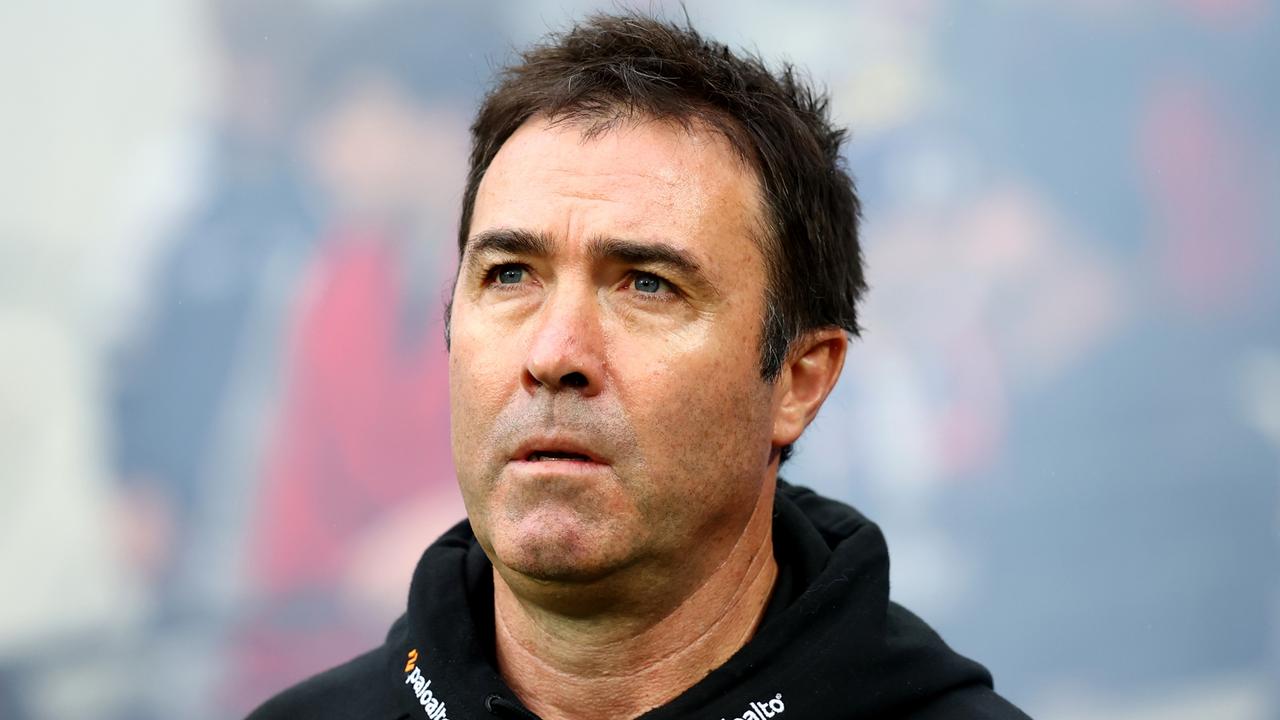
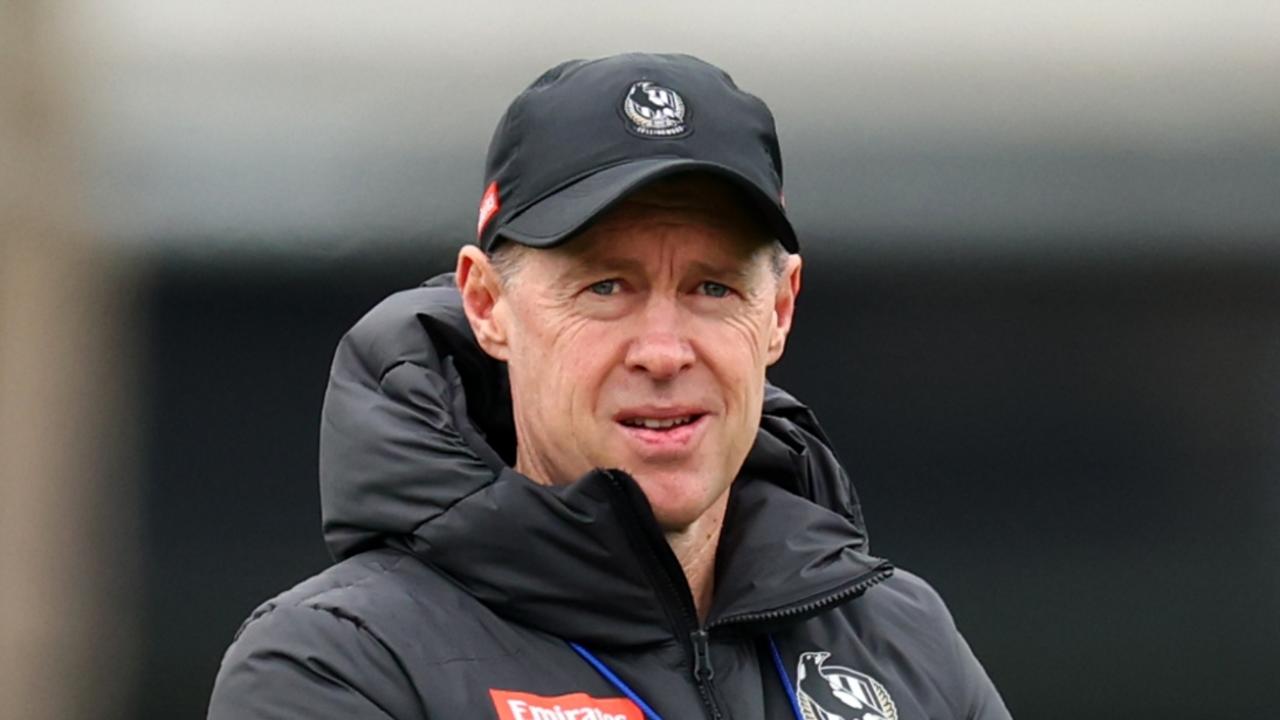
    Six consecutive opening-season losses and a recent 10-match losing skid have pushed St George Illawarra Dragons head coach Shane Flanagan into the spotlight, with his job security and the future of young talent Loko Pasifiki Tonga dominating headlines this week. As the club prepares to face South Sydney Rabbitohs this Saturday, Flanagan has made a public appeal to the club’s passionate fanbase to stand by the team through its rough patch.

    St George Illawarra’s poor form, which has seen the side struggle for consistent attacking spark throughout the losing run, was compounded by recent confirmation that star edge forward Jaydn Su’A will depart the club by 2027. Disgruntled supporters have taken to social media in droves to criticize the club’s direction, with online circulations of petitions demanding sweeping changes that include removing both Flanagan and the club’s board from their positions.

    A premiership-winning coach with the Dragons back in 2016, Flanagan acknowledged the widespread frustration among fans, saying no one at the club is satisfied with the current results. “Nobody’s happy with what’s happened. We are not trying to cover over it. I know how passionate the Dragons fans are,” he told reporters. “We’ve just got to fight our way out of it. Hopefully the Dragons fans can see that. Time will tell, but all I ask is that they stay solid. This club is a great club. We’re trying to fight our way out of a hole at the moment and we need them behind us.”

    Flanagan’s situation is the latest high-profile example of the intense coaching pressure that has defined the early stages of this NRL season. Just weeks into the year, Manly Sea Eagles cut ties with head coach Anthony Seibold after three opening losses, a decision that has sparked an immediate turnaround for the club: interim coach Kieran Foran has led the side to an unbeaten run since taking over.

    Veteran South Sydney Rabbitohs head coach Wayne Bennett, who will go head-to-head with Flanagan this weekend, shared his perspective on the relentless scrutiny that comes with elite rugby league coaching. “I feel for all coaches,” he said. “I feel the day they sign their contracts is the day they sign their dismissal as well, so that’s the business we’re in. We apply for the jobs, we want the opportunities, and you’ve got to take the good with the bad, so it’s just the job we’re in. I’ve been coaching a long time, they were trying to sack me back in 1977, so nothing’s changed really.”

    Alongside addressing questions about his own future, Flanagan also pushed back on recent public speculation surrounding 20-year-old forward Loko Pasifiki Tonga, who requested an early release from the club that was ultimately denied by St George Illawarra’s management. The young front-rower has impressed in reserve grade, notching one try and a massive 252 running metres in his most recent NSW Cup outing, but has grown frustrated after failing to add to his 10 NRL appearances so far this season.

    Flanagan explained the club’s decision to keep Pasifiki Tonga in reserve grade was a deliberate plan to build his match fitness, noting the timeline was disrupted by a bye week and a scary on-training incident that saw the youngster rushed to hospital in an ambulance after a neck injury scare. “I signed and re-signed Loko and have a high opinion of him,” Flanagan said. “Some of the commentary around it was pretty unfair on the club because at the club we value him because he’s a 20-year-old front-rower who we’re looking after.”

    Despite the overwhelming outside noise surrounding the club this week, Flanagan said the playing group has remained focused, and understands the only way to silence critics is to secure a win this weekend. “There’s so much outside noise at the moment, but the playing group have been really good. They’ve been solid, they understand what’s going on and understand to stop the noise, you need to go and win a football game. We’ve knuckled down and trained hard, and that’s all I can ask for.”

  • Wrexham’s Hollywood takeover fuels economic boom

    Wrexham’s Hollywood takeover fuels economic boom

    Five years ago, the small northern Welsh city of Wrexham was best known for a struggling football club mired in the fifth tier of English football, with a stagnant local economy and little global recognition. That all changed in 2020, when Hollywood A-listers Rob McElhenney and Ryan Reynolds completed their takeover of Wrexham AFC — and set in motion a transformation that has reshaped the club, the city, and even the wider region.

    What began as an unconventional celebrity investment has turned into a modern fairytale, with success stretching far beyond the white lines of the pitch. On the field, Wrexham has secured three consecutive promotions, climbing from the depths of non-league football to the Championship, England’s second tier. With just four matches left in the current season, the side sits just one spot outside the playoff places, narrowly vying for a historic fourth promotion and a spot in the Premier League. Even in defeat, the club has captured global attention: earlier this season, they pushed top-flight Chelsea to the brink of an upset in the FA Cup, earning widespread praise for their grit and underdog spirit.

    Off the pitch, the impact has been even more dramatic. The hit Disney+ documentary series *Welcome to Wrexham*, which chronicles the club’s rebuild and the new owners’ journey into lower-league football, has ignited a surge of interest across North America, drawing tens of thousands of international visitors to the city each year. Tourism data confirms the boom: annual tourism income in the area has doubled to £200 million ($271 million), and local industry leaders say that figure may be a conservative estimate.

    Sam Regan, owner of Wrexham’s popular Lemon Tree hotel and restaurant and chair of local tourism board This is Wrecsam, says international visitors now make up a core part of local business. “Year round now about 20 percent of my accommodation is filled with American and Canadian guests, but when the home games are on, pretty much 80 percent is international visitors,” Regan explained. On match days, iconic local spots like The Turf pub, located steps from Wrexham’s Racecourse Ground, fill with fans drawn from across the Atlantic — from Virginia to Vancouver — all eager to experience the club’s magic in person.

    Unlike some rapid tourist booms that spark local resentment, the “Rob and Ryan effect” has been widely embraced by long-time Wrexham residents and lifelong fans. James Townshend, a 30-year-old sales trainer and lifelong Wrexham supporter, says the entire local community has benefited from the renewed energy. “Every business around here now feels the buzz of Wrexham,” Townshend said. “Wrexham wouldn’t be where they are now without them, so we have to embrace and appreciate what these fans are bringing to the area.”

    That affection for the city is shared even by new international fans, many of whom had never heard of Wrexham before watching the documentary. Becki Hendricks, a 51-year-old programme analyst from Virginia, has now visited Wrexham seven times since first watching the show — and she and her husband are even considering relocating permanently to the city. “We started with the documentary, yes. My life-long friends are here now,” Hendricks said. “Wrexham is a part of our hearts and part of our souls now.”

    While a fourth consecutive promotion may prove out of reach this season, the club is already investing heavily for long-term growth, in anticipation of eventually reaching the Premier League. A new 7,500-seat state-of-the-art stand is currently under construction at the Racecourse Ground, set to open next year and bring the stadium’s total capacity to 18,000. The expanded facility will also allow Wrexham to once again host Wales international matches, bringing more visitors and revenue to the region.

    Club CEO Michael Williamson told AFP the transformation runs far deeper than commercial growth. “This has had an impact that goes beyond just football. It has had an impact on the entire community,” Williamson said. “It has helped create jobs and opportunities within the community, but it’s also more importantly just inspired people and reestablished hope.”

    For long-time observers who lived through 15 years of the club languishing in the fifth tier, the most visible change is a new wave of local civic pride. Richard Williams, a journalist who has covered the club for 20 years, notes the shift in how the city sees itself. “Just the fact that you go around the town and it used to be little kids in Manchester United, Liverpool, Arsenal shirts. Now it’s Wrexham, Wrexham, Wrexham everywhere,” Williams said. “So, the vibe, the feel-good factor around the town, it’s just absolutely phenomenal.”

    The success of Reynolds and McElhenney’s experiment has also sparked a wider trend, with other American celebrities jumping to invest in lower-tier English football. Rapper Snoop Dogg now holds a minority stake in Swansea City, while NFL legend Tom Brady is an investor in Birmingham City — who even defeated Wrexham in an exhibition match last weekend.

    Local councillor Nigel Williams says the Wrexham model has set a new benchmark for celebrity overseas investment, proving that it can deliver broad, shared benefits rather than just personal branding. As tourism board leader Regan puts it, the city’s reputation has been completely remade: “Before people knew Wrexham for problems like anti-social behaviour,” Regan added. “Now we are known worldwide and people are proud to be from here.”

  • One Nation MP survives missing votes scare to win marginal SA seat

    One Nation MP survives missing votes scare to win marginal SA seat

    Nearly a month after South Australia held its state election, a surprising development upended the final result of the state’s tightest electoral contest: more than 80 previously uncounted ballots were uncovered in the Narungga district, triggering a last-minute re-count that threatened to unseat a newly elected One Nation candidate. The district had already cemented its place as the most marginal seat in the state after the initial count gave One Nation’s Chantelle Thomas a razor-thin 58-vote lead over her closest competitor, a margin so narrow that political observers widely expected a potential reversal when the missing votes were added. Contrary to widespread speculation, however, the final full count only strengthened Thomas’s hold on the seat. After all ballots were tallied, her winning margin expanded slightly to 73 votes, allowing the first-term One Nation MP to hold onto her seat and avoid what would have been one of the most dramatic post-election upsets in recent South Australian political history. The discovery of the misplaced votes has drawn quiet attention to electoral administration protocols in the state, though no official calls for a broader inquiry have emerged as of yet. Further updates on the post-election process are expected to be released in the coming days.

  • ‘It’s a tricky one’: Michael Maguire backs Grant Anderson to thrive in NZ as Broncos coach confirms young gun will make his NRL debut

    ‘It’s a tricky one’: Michael Maguire backs Grant Anderson to thrive in NZ as Broncos coach confirms young gun will make his NRL debut

    The Brisbane Broncos have been hit by an unprecedented injury crisis at the hooker position that has forced a major shake-up ahead of this weekend’s clash with the Wests Tigers, and the unprecedented shortage has opened the door for promising young prospect Cameron Bukowski to make his long-awaited National Rugby League (NRL) debut. Head coach Michael Maguire has thrown full support behind the 20-something rookie, insisting Bukowski is more than prepared to handle the intensity of top-flight rugby league after cutting his teeth against the Broncos’ biggest stars in daily training sessions.

    The injury crisis began last weekend during Brisbane’s high-scoring loss to the North Queensland Cowboys, when starting hooker Cory Paix sustained a head knock that was initially classified as a category one concussion. While Broncos medical staff worked to clear Paix to feature against the Tigers, an independent specialist tasked with approving concussion-related returns declined to reverse the ruling, immediately ruling Paix out of Saturday’s road fixture in Sydney.

    Paix’s absence is just the latest blow for Brisbane at the dummy-half position: the defending NRL premiers are already without established hookers Billy Walters, Ben Hunt, and Blake Mozer, all sidelined by separate injury issues. The injury toll extends far beyond the hooker role, with key starting stars Reece Walsh and Patrick Carrigan also ruled out of the trip to face the Tigers, who enter the clash sitting high on the competition ladder on the back of a stunning five-game winning run under new head coach Benji Marshall.

    With all experienced hookers unavailable, Bukowski will get his shot off the bench this Saturday, with utility Josh Rogers tapped to start in the position. Maguire says the rookie, a former Queensland Under-19s State of Origin representative, has earned his opportunity after years of development through the Broncos’ academy system, located just across from the club’s main training facility. For two to three years, Bukowski has been tasked with tackling Brisbane’s powerhouse forwards Carrigan and Payne Haas in daily training drills – a trial by fire that Maguire says has him fully prepared for his first NRL outing.

    “Cam has been here the entire time I’ve been head coach, and even before I arrived,” Maguire told reporters this week. “He grew up in our academy program, worked his way through the ranks, and this opportunity is a real testament to the work both he and our development staff have put in. He’s been matching up against Patty and Payne every day in training for years – he’s more than ready to step out on Saturday.”

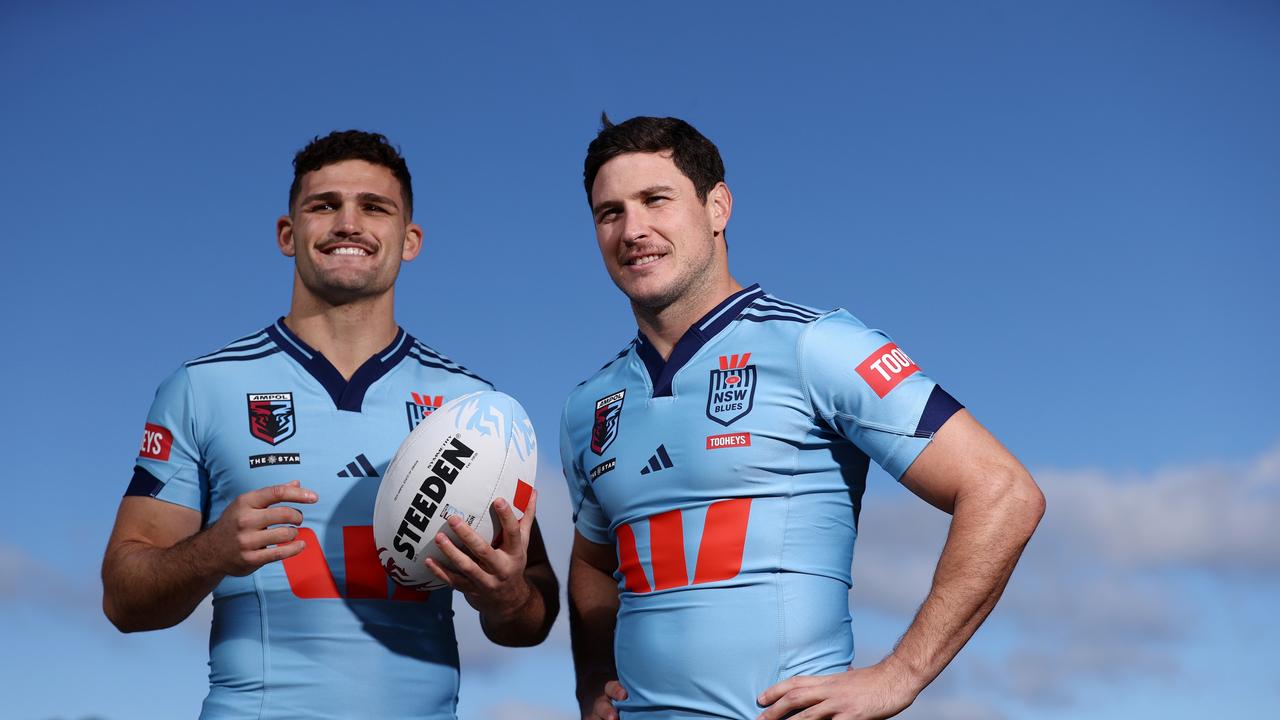
    Another Bronco on the injury list is winger Grant Anderson, who moved to Brisbane from the Melbourne Storm during this year’s off-season and is set to miss another two months with a serious knee injury. Anderson recently made headlines for signing a three-year contract to join the New Zealand Warriors starting in the 2027 NRL season, a deal that will see representative forward Mitch Barnett move to Brisbane in exchange.

    Maguire described the contract move as a transformative moment for Anderson, noting that long-term big-money deals at the NRL level are rare for fringe squad players, and the opportunity to secure a starting spot long-term at the Warriors was one the club was happy to let him pursue. “It’s a life-changing opportunity for him and his family,” Maguire said. “When you work as hard as he has to put yourself in this position, it’s great to see a player get rewarded with a contract like that – they don’t come around every day. Grant is a quality person, and he’s going to keep working hard for us while he’s here, even with this move locked in for down the line. Unfortunately, injuries happen, and this one came at a bad time for him.”

    Heading into the weekend clash, the severely depleted Broncos enter the game as clear underdogs, and they know they have major improvements to make after conceding 35 points in last week’s loss to the Cowboys. The Tigers, by contrast, have hit top form under Marshall, playing an expansive, free-flowing style of attacking football that has climbed them up the ladder. Their attack got even more dangerous this week with star five-eighth Jarome Luai cleared to return from his own injury layoff, adding another elite playmaker to an already dangerous forward and back line.

    Maguire acknowledged that his side faces a huge test on Saturday, but said the focus this week has been on tightening up defensive efficiency rather than simply adding more physical intensity to their game. “We just need to be better across the board,” he said. “It isn’t about being more aggressive, it’s about executing our game plan more effectively, and we’ve worked on that all week. We know what to expect from the Tigers – they play an open, attacking style, they move the ball around really well, and Saturday will be no different. We have to be ready for whatever they throw at us.”

  • Harry and Meghan meet Bondi shooting survivors

    Harry and Meghan meet Bondi shooting survivors

    Four days into their first private visit to Australia since stepping back as working British royals in 2020, Prince Harry and Meghan, the Duke and Duchess of Sussex, made a meaningful stop at Sydney’s iconic Bondi Beach to connect with those impacted by the December 2024 antisemitic shooting that left 15 people dead and dozens more injured.

    The couple’s first official engagement on Friday morning brought them to the Bondi Surf Bathers’ Life Saving Club, where they held private conversations with two survivors of the attack: Jessica Chapnik Khan and Elon Zizer, both of whom credited quick thinking and community support for saving their children’s lives during the mass shooting at an on-beach Hanukkah gathering.

    They also sat down with the club’s volunteer lifeguards, a group that has been widely celebrated as national heroes for their quick, brave actions to shield beachgoers and move civilians to safety during the chaotic attack. Representatives from the Sydney Jewish Museum, which is currently preparing a special commemorative exhibition honoring the victims and first responders of the tragedy, also joined the meeting. A spokesperson for the museum described the royal couple’s gesture of solidarity as “really special” for a community still processing the attack.

    After the heartfelt meeting at Bondi, the Duke and Duchess moved on to their next engagement, where they were greeted by crowds of cheering fans lining the steps of the Sydney Opera House. The couple boarded a private vessel for a sailing event hosted by Invictus Australia, the national affiliate of the Invictus Games — an international adaptive sporting competition Prince Harry founded in 2014 for wounded, injured, and sick military veterans and service personnel. It was during Harry and Meghan’s 2018 official royal tour that the pair first announced Australia would host a future iteration of the Invictus Games.

    This visit marks the couple’s first time back on Australian soil since that 2018 official tour, and they are undertaking the entire trip in a private, non-working capacity, separate from the formal duties of the British Royal Family. The stop at Bondi Beach, however, has drawn widespread praise from Australian community leaders for centering the needs of the affected community rather than formal ceremonial obligations.

  • Australian soldier accused of war crimes in Afghanistan granted bail

    Australian soldier accused of war crimes in Afghanistan granted bail

    In a high-profile development that has rocked Australia’s national security and military establishment, a once-revered former Australian special forces soldier, Ben Roberts-Smith, has been granted bail by a Sydney court more than a decade after his alleged unlawful killings of unarmed detainees in Afghanistan. Once one of Australia’s most decorated war heroes, Roberts-Smith has now gone from being celebrated as a national icon to standing as a defendant in one of the most consequential war crimes cases in the nation’s history.

    Roberts-Smith first became a household name across Australia in 2011, when he was awarded the Victoria Cross – the country’s highest honor for wartime gallantry, reserved only for acts of extraordinary courage in combat. In the years that followed, his fame extended far beyond military circles: he met Queen Elizabeth II, his portrait was hung in the Australian War Memorial, and he was even named Australia’s “Father of the Year” in 2013.

    But cracks in his public reputation began to emerge in 2018, when two major Australian publications, *The Age* and *The Sydney Morning Herald*, published a series of investigative reports linking Roberts-Smith to systemic war crimes in Afghanistan. The outlets alleged that between 2009 and 2012, during Australia’s deployment to the country as part of the US- and NATO-led counter-terrorism mission, Roberts-Smith participated in multiple unlawful killings of unarmed captives. The most shocking claims included that he kicked an unarmed Afghan civilian off a cliff before ordering his subordinates to shoot the man, and that he and other soldiers used the prosthetic leg of a man killed by machine gun fire as a drinking trophy.

    Roberts-Smith has consistently denied all allegations against him from the moment they were first made public. In response to the 2018 reports, he launched a multi-million dollar defamation suit against the two newspapers, seeking to clear his name. However, the legal backfired dramatically: in 2023, a judge ruled that the core claims made by the journalists were “substantially true”, in a civil ruling that severely undermined his public defense. That civil proceeding carried a lower standard of proof than the criminal charges Roberts-Smith now faces.

    The broader context for these charges stretches back to 2020, when a landmark independent public inquiry into Australian military conduct in Afghanistan – the Brereton Report – exposed a pattern of systemic abuse among elite special forces units deployed to the country. The report detailed grave accusations of torture, extrajudicial summary executions, and even “body count” competitions, where competing units sought to kill more unarmed detainees than one another. Over two decades of deployment, Australia sent 39,000 troops to Afghanistan to fight against the Taliban and other militant insurgent groups.

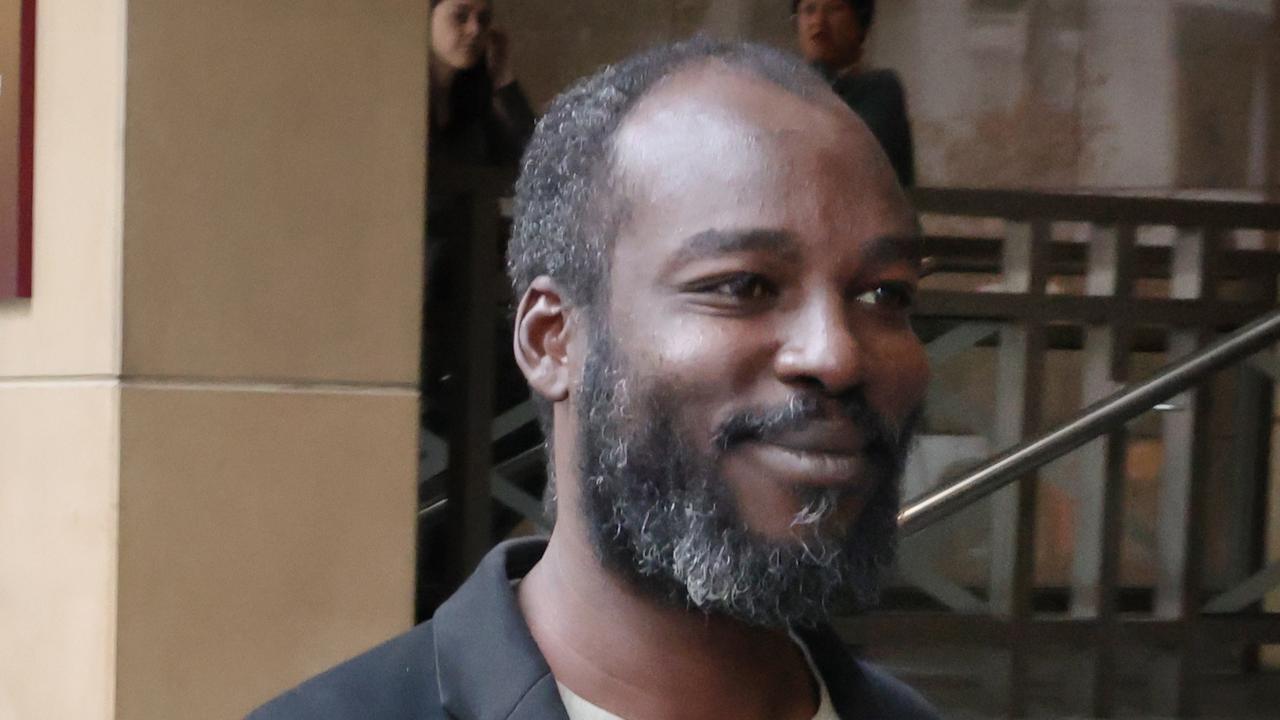
    Earlier this month, Australian prosecutors formally charged Roberts-Smith with five counts of war crime murder, alleging he was complicit in a string of unlawful killings between 2009 and 2012. After spending 10 days in pre-trial detention, the former soldier was granted bail on Friday, in a ruling delivered by Judge Greg Grogin. Grogin noted that the complex nature of the case means Roberts-Smith would face “years and years” of pre-trial detention before the case ever goes to a jury trial, a factor that weighed heavily in the court’s bail decision.

    Roberts-Smith appeared before the court via video link, dressed in a green prison tracksuit, and showed no visible reaction to the bail ruling. His defense lawyer, Slade Howell, had argued that detaining his client for years while the case wound through the overloaded court system was fundamentally unjust. “It will take many, many years and will have many twists and turns,” Howell told the court.

    Prosecutors had pushed back against the bail application, arguing that the extreme gravity of the alleged crimes required strict conditions for release. Prosecution lawyer Simon Buchen told the court: “The applicant is accused of either killing or directing his subordinates to kill unarmed detainees in the custody of Australian armed forces.”

    If he is ultimately convicted on all charges, Roberts-Smith faces the possibility of a life sentence in prison. The case has already forced a long-overdue national reckoning over Australia’s military conduct in Afghanistan, and the final criminal trial is expected to draw international attention as it unfolds over the coming years.