标签: Oceania

大洋洲

  • Arsenal sign Brazil midfielder Guimaraes from Newcastle

    Arsenal sign Brazil midfielder Guimaraes from Newcastle

    In a high-profile transfer move that shakes up the Premier League landscape, reigning English top-flight champions Arsenal have finalized the acquisition of Brazilian midfielder and Newcastle United captain Bruno Guimaraes, both clubs confirmed in official statements released on Saturday. Reports peg the transfer value at £75 million, equal to roughly $101.2 million.

    After four and a half seasons with the Magpies, the 28-year-old Brazil international has put pen to paper on a long-term deal with the Gunners, who ended a 20-year trophy drought to claim the Premier League title last season. Guimaraes marks Arsenal’s most high-profile incoming transfer of this summer transfer window, joining already completed signings goalkeeper Illan Meslier and winger Christos Tzolis at the Emirates Stadium.

    Arsenal sporting director Andrea Berta emphasized the transformative impact of Guimaraes’ arrival, noting that the addition further solidifies the club’s midfield core. “As we have all seen, Bruno can operate both as a holding midfielder and a dynamic box-to-box option. He blends technical quality with relentless work rate, and has contributed consistent goals and assists for his side every season across his career,” Berta explained. “Bruno will give Mikel [Arteta] greater flexibility to evolve our playing system, while also boosting healthy internal competition – a key factor if we want to maintain the high standards needed to compete for major honours.”

    While the full transfer fee remains officially undisclosed by both clubs, Newcastle confirmed that the deal ranks among the top 10 highest transfer fees ever received for a player aged 28 or older. This is not the first time Arsenal have been linked to Guimaraes: the club was in the running to sign him back in January 2022, before he ultimately left French side Lyon to join Newcastle.

    Across his tenure on Tyneside, Guimaraes made 195 appearances for Newcastle and found the back of the net 31 times. Playing under former manager Eddie Howe, he was a central figure in the club’s 2023 League Cup triumph, which ended a 54-year wait for a major silverware for the St James’ Park side.

    Reflecting on his departure, Guimaraes called the choice to leave one of the hardest decisions of his career. “When I first arrived at the club, we were in a really difficult position, and I am incredibly proud of everything we built and achieved together,” he said in Newcastle’s official statement. “I fell in love with this place, and I truly mean that.”

    Guimaraes’ departure comes just one week after Howe stepped down from his role as Newcastle manager, with the club already appointing German coach Matthias Jaissle as his replacement. The Brazilian, who represented his nation at the most recent FIFA World Cup, will now compete for a starting spot in Arsenal’s midfield alongside established names including Declan Rice, Martin Zubimendi, and Mikel Merino, as well as young prospect Myles Lewis-Skelly.

    The new Premier League season is fast approaching, with Arsenal set to kick off their campaign against last season’s second-place side Manchester City in the FA Community Shield next Sunday. Five days after that showpiece, they will get their title defense underway against newly promoted Coventry City. Newcastle, meanwhile, will open their 2025-26 campaign at home to Liverpool at St James’ Park on August 23.

  • Melbourne produce stunning late comeback to shatter Fremantle in MCG classic

    Melbourne produce stunning late comeback to shatter Fremantle in MCG classic

    In a high-scoring, edge-of-your-seat Australian Football League clash at the Melbourne Cricket Ground on Saturday, home side Melbourne pulled off a stunning late comeback to defeat ladder-leading Fremantle by four points, leaving major question marks hanging over the Dockers’ ability to claim a maiden premiership title in September. The match lived up to every bit of its pre-game hype, ending as a 34-goal shootout that kept a sellout crowd of more than 40,000 fans on their feet until the final siren.

    Fremantle entered the encounter as favorites, having only played one prior match at the MCG this season – a 43-point blowout of bottom-placed Essendon in Round 10. The Dockers got off to a blistering start, leading by 15 points as late as the middle of the final quarter, thanks to a dominant performance from their elite tall forward group. The trio of Jye Amiss, Josh Treacy and Patrick Voss combined for 11 goals on the day, with Voss notching four before halftime, including a candidate for goal of the year that came just before the main break. The star forward picked up possession 65 meters out from goal, spotted an open goalsquare, and slotted it home to swing all momentum firmly in Fremantle’s favor heading into the second half.

    However, the result would ultimately be shaped by a controversial pre-game call from Fremantle head coach Justin Longmuir, who opted to rest star captain and starting key defender Alex Pearce for the cross-country trip. It was Pearce’s third missed match of the season, with Longmuir justifying the decision by pointing to Pearce’s long history of injury issues, even as he conceded post-match that the absence likely cost the Dockers the win. With Pearce sidelined, Fremantle’s remaining backline defenders failed to contain Melbourne’s attacking pressure, conceding 65 first-half points – the most the Dockers had allowed in a single half all season. By the final siren, Melbourne notched 113 points, the highest score any side has put up against Fremantle in the entire 2024 campaign.

    Melbourne, who entered Saturday with 10 wins from 10 previous home games at the MCG this season (their only prior loss a 20-point defeat to Geelong in Round 20), found another gear in the final 15 minutes of play. Timely goals from Harrison Petty and Bailey Fritsch, followed by a crafty soccer-style finish from Harry Sharp, turned a 15-point deficit into a four-point victory that will go down as one of the most memorable wins of Melbourne’s season. Petty turned in one of his best performances of the year, finishing with three goals and nearly adding a fourth from point-blank range.

    The result has thrown renewed scrutiny on Fremantle’s ability to win high-stakes matches at the MCG, which would be required for the club to win its first ever premiership should it advance to the September decider. Longmuir acknowledged post-match that his side lacked the necessary composure in the tight final stretch, noting that the club had not faced a high-pressure away situation like this in 12 weeks. “We haven’t been in that situation much over the last 12 weeks so we’ll learn a lot out of that,” Longmuir told reporters. He added, “We’ve obviously been practicing those situations, but it’s different, you’re away from home, then the opposition crowd gets into it, the scoreboard is real.” Despite the loss, Fremantle remains almost mathematically guaranteed to claim the 2024 minor premiership, and will close out the home-and-away season with matches against top-10 sides Adelaide and Carlton before hosting their first home qualifying final since 2015.

    For Melbourne, the comeback win has injected massive belief into the club’s premiership push, with acting head coach Steven King jokingly coined the side’s late-game surge “demon time” – a playful nod to the club’s “Demons” nickname. King called the win the biggest of his coaching career so far, noting that the statement victory over the league’s top side was a critical step for his group. “We needed to signify to our opposition that ‘yeah we’re here’,” King said. “We’re not just shooting to play a final, we want to make it count and we’ve got as much right as every other team in the competition to have a crack at this. Not saying the players didn’t believe beforehand, but it just builds more belief the way the game was played, especially here where grand finals are played against Fremantle, they’re the best team in it, make no mistake about it.”

    The opening half of the match was so high-octane that former West Coast head coach Adam Simpson called it “the best half we’ve seen this year” during his commentary for SEN radio, with 21 of the match’s 34 total goals scored before halftime.

  • US Senate confirms Trump’s ex-lawyer as attorney general

    US Senate confirms Trump’s ex-lawyer as attorney general

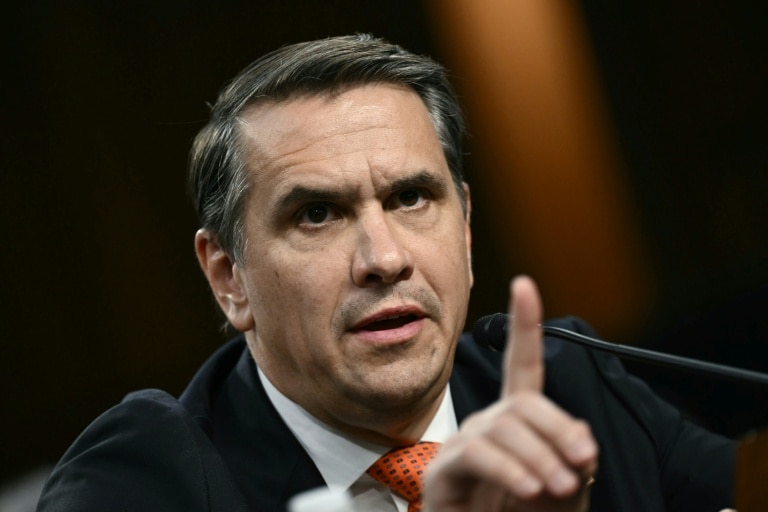
    In a closely watched and deeply partisan vote early Saturday, the United States Senate confirmed Todd Blanche, former personal lawyer to President Donald Trump, to serve as the nation’s top law enforcement official as permanent attorney general. The final vote tally ended at 50-49, split almost entirely along party lines, with only two moderate Republican senators — Susan Collins and Lisa Murkowski — breaking with their caucus to join all Democrats in opposing the nomination.

    Blanche, who has already led the Department of Justice (DOJ) in an acting capacity since April, when Trump fired former acting attorney general Pam Bondi, carries a long history of representing Trump in high-stakes criminal cases. Prior to his appointment to the acting role, Blanche stood as Trump’s private defense counsel in his 2024 New York hush money trial linked to payments to adult film star Stormy Daniels. He also served on the former president’s legal team in two federal indictments brought by special counsel Jack Smith: one over improper retention of classified documents after Trump left the White House, and a second for his efforts to overturn the results of the 2020 presidential election. Both cases were dismissed immediately following Trump’s victory in the 2024 general election.

    From the outset of the confirmation process, Senate Democrats uniformly opposed Blanche’s nomination, raising urgent alarms that Trump intended to transform the traditionally independent DOJ into a political weapon serving his personal interests rather than the American public. Senate Judiciary Committee ranking Democrat Dick Durbin argued that the role of attorney general demands the holder serve as “the people’s lawyer,” not personal counsel to the sitting president. “Mr Blanche continues to operate as the president’s personal lawyer, treating the Justice Department like a law firm serving one client — the president,” Durbin said ahead of the vote.

    The nomination faced a last-minute threat from within Republican ranks, after a handful of GOP senators raised objections to two controversial proposals tied to Blanche’s appointment. The first was a plan for a $1.8 billion fund to compensate what Trump labels “victims of politicized prosecutions” — a category widely expected to include hundreds of rioters who participated in the January 6, 2021 insurrection at the U.S. Capitol, a violent attempt to block the certification of Joe Biden’s 2020 election victory over Trump. The second was an unprecedented proposal to grant Trump, his two eldest sons, and the Trump Organization permanent immunity from future federal tax audits.

    To shore up support from wavering Republicans, Blanche released a written concession over the weekend that reversed both policies. The controversial “anti-weaponization fund” was scrapped entirely, while the tax immunity agreement was revised to apply only retroactively to past tax filings, with no protections for future returns. The compromise was enough to secure the narrow majority needed for confirmation.

    Following the vote, Blanche took to social platform X to express gratitude for the outcome. “I am deeply honored by the trust and confidence President Trump has placed in me to lead the Department of Justice,” he wrote. “I am grateful to the Senate for staying late to complete this process. To the dedicated public servants of the Department of Justice, thank you for your work each day to uphold the law and keep our country safe.”

    President Trump has praised Blanche as a “star” throughout the nomination process, framing his appointment as part of a broader effort to bring independent federal agencies under more direct White House control — a shift that has already upended longstanding U.S. political norms. Critics, however, warn that Blanche’s leadership aligns with what Democrats have labeled a Trump “retribution campaign” targeting the president’s political opponents. Blanche has also faced sustained criticism from survivors of convicted sex offender Jeffrey Epstein, who have condemned his oversight of the public release of investigative files tied to the case, given Epstein’s longstanding personal ties to Trump.

    The close final vote underscores the intense political sensitivity surrounding the nomination, which has renewed national debate over the separation of powers and the independence of the nation’s top law enforcement agency at the start of Trump’s second term.

  • Buddha and a road trip: Sussan Ley breaks silence on life after Liberal spill

    Buddha and a road trip: Sussan Ley breaks silence on life after Liberal spill

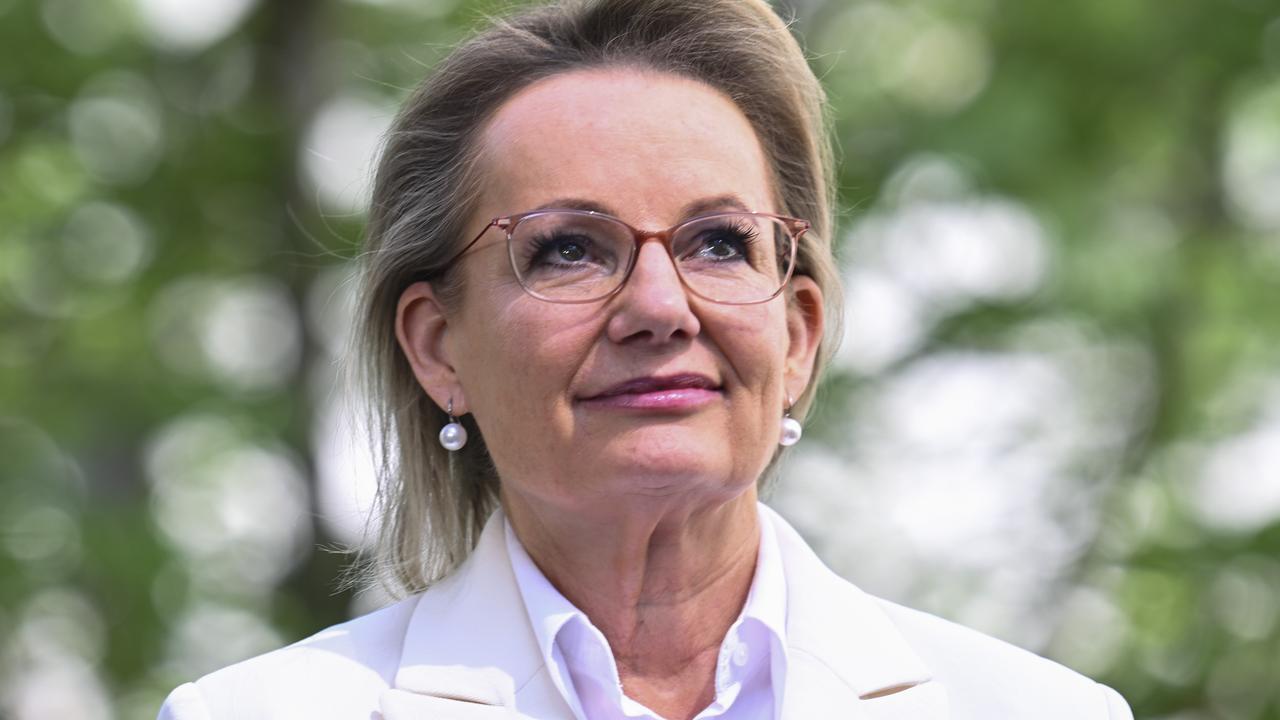
    Almost a year after her abrupt ousting as leader of Australia’s Liberal-National Coalition, former opposition leader Sussan Ley has opened up for the first time about the fallout of the February leadership spill that ended her top political role, and the unplanned cross-country American road trip that helped her rebuild her sense of purpose.

    The long-serving Member for Farrer stepped into the Liberal leadership role in 2023, but her tenure collapsed in just months amid two turbulent, public splits between the Liberal Party and its coalition partner, the Nationals. In a candid opinion piece published in *The Australian Financial Review* on Saturday, Ley described the leadership spill that removed her from office as the most catastrophic turning point of her life.

    In the immediate aftermath of the spill, Ley withdrew from public life entirely: she switched off her phone, retreated from the political sphere, and spent days in reflection. Drawing on two unexpected sources of guidance, she turned to Buddhist teachings — which reminded her that “you only lose what you cling to” — and the uncompromising ethos of The Clash’s frontman Joe Strummer, who long championed radical honesty in public life.

    Recalling the emotional toll of the moment, Ley compared her burnt-out state to a windscreen cracked by a falling rock: all the structural pieces remain in place, but the driver can no longer see clearly through the damage. “Recognising the symptoms of burnout does little to blunt their impact,” she wrote.

    Rather than lingering on the political defeat, Ley soon acted on a long-held dream of exploring Middle America. She booked a one-way plane ticket to Los Angeles, traveled north to North Dakota, and embarked on a rambling, unscripted journey by Greyhound bus all the way to the southern tip of Texas. Traveling light, she brought just one backpack, a single pair of sturdy boots, and a playlist packed with punk music.

    Along the route, she stayed in budget, modest hotels and rode alongside ordinary passengers she described as “people in transition and disarray”. Crossing through South Dakota, she noted the omnipresence of small-town convenience stores; as she moved further south into the border regions, Spanish became the primary language heard along highways, and the landscape took on the rough, unregulated energy of the historic Wild West. On her rides, she encountered people moving through the region carrying everything from cash to narcotics to undocumented migrants, she said.

    During her trip, Ley made a stop to search for the controversial border wall built under former U.S. President Donald Trump, and spoke with a U.S. Border Patrol officer who declined to have his photo taken. What struck Ley most about the country was not the deep political divisions that have long defined American public life — “America has always argued with itself,” she noted — but a widespread, underlying weariness that cut across all regions and groups. While it remains a cultural truism that hard work brings success, Ley observed that many ordinary Americans now feel that working hard is no longer enough to get ahead.

    By the end of her journey, Ley reached a stark conclusion about the current state of the U.S.: the country does not feel like a single unified nation, but rather a collection of separate societies that barely communicate with one another. Despite that sober observation, the trip left Ley with a renewed sense of connection to marginalized people, and she wrote that she felt “harmony with the downtrodden” while riding the public bus network across the country.

    Ley contracted influenza A during her travels and returned to Australia physically unwell, but the numb, defeated feeling that had lingered since the leadership spill had completely lifted. Following her departure, Angus Taylor was selected to replace her as Liberal leader. For Ley, the weeks of traveling alongside ordinary people carrying far heavier burdens than her own helped her accept the end of her career in national leadership, and restored a clear, balanced perspective on her place in the world.

  • Donald Trump splashes $560m on regional NSW mine for US ‘warfighters’

    Donald Trump splashes $560m on regional NSW mine for US ‘warfighters’

    In a major move aimed at strengthening U.S. national security and reducing reliance on adversarial nations for strategically vital materials, the Trump administration has greenlit a $560 million conditional loan to an Australian-listed minerals firm to develop a high-grade scandium project in the tiny outback town of Fifield, New South Wales. The funding, awarded through the Office of Strategic Capital (OSC) under the recently renamed U.S. Department of War (formerly the Department of Defense), will support Melbourne-based Sunrise Energy Metals Limited to build out its full domestic scandium value chain starting at the Syerston Scandium Project, located in NSW’s Central West region.

    Scandium, classified as a critical rare earth material, is a core input for high-priority sectors including aerospace, advanced defense manufacturing, and clean energy technology. It is an essential component for products ranging from fifth-generation F-35 fighter jets to electric vehicle components and advanced semiconductors. For decades, global scandium supply has been heavily concentrated in three countries: China, Russia, and Ukraine – a dynamic that has raised persistent national security concerns for U.S. policymakers.

    This transformation is set to reshape the local economy of Fifield, a former gold rush town with a total population of just 128. According to data from Sunrise Energy Metals’ official website, the Fifield deposit holds approximately 80% high-grade scandium ore, making it one of the most promising undeveloped scandium resources in the world. “Under the leadership of President Donald J. Trump, securing our critical minerals supply chain is a top national security priority,” said OSC Director David A. Lorch in an official statement.

    Lorch emphasized that the public-private partnership behind the project, which totals nearly $1 billion (equivalent to $1.4 billion Australian dollars) in combined capital, marks a defining milestone in building long-term supply chain resilience for a mineral that grows more important by the day. “This would help address foreign dependencies in scandium supply and facilitate scandium’s use in critical defence and commercial applications,” he added.

    As part of the financing agreement, the U.S. Department of War will receive a right of first offer on all output from the Sunrise project, ensuring U.S. defense and industrial manufacturers have priority access to the domestically aligned supply of scandium. OSC Senior Managing Director Peter B. Zuckerman noted that a U.S.-aligned scandium supply chain would eliminate U.S. warfighters and manufacturers’ reliance on geopolitical competitors, while also drawing significant private capital investment into the country’s frontline industrial base. The project has secured full backing from Secretary of War Pete Hegseth, per the department’s statement.

    This investment builds on existing bilateral cooperation between the U.S. and Australia on critical minerals. Back in October, President Trump and Australian Prime Minister Anthony Albanese announced a joint bilateral framework focused on critical and rare earths during a meeting at the White House. Australia holds extensive deposits of multiple minerals critical to U.S. defense and tech sectors, including semiconductor-grade gallium and nuclear-grade uranium, positioning the country as a key strategic partner for the U.S. in diversifying global mineral supply.

    As of the 2026–2027 financial year, the OSC reported it has already committed $11.8 billion in debt financing across critical infrastructure and industrial projects, and has mobilized more than $25.1 billion in total public and private capital to advance U.S. national security and industrial resilience goals.

  • Premier’s adviser, former minister to replace Senators Duniam, Asker on Tasmania ticket

    Premier’s adviser, former minister to replace Senators Duniam, Asker on Tasmania ticket

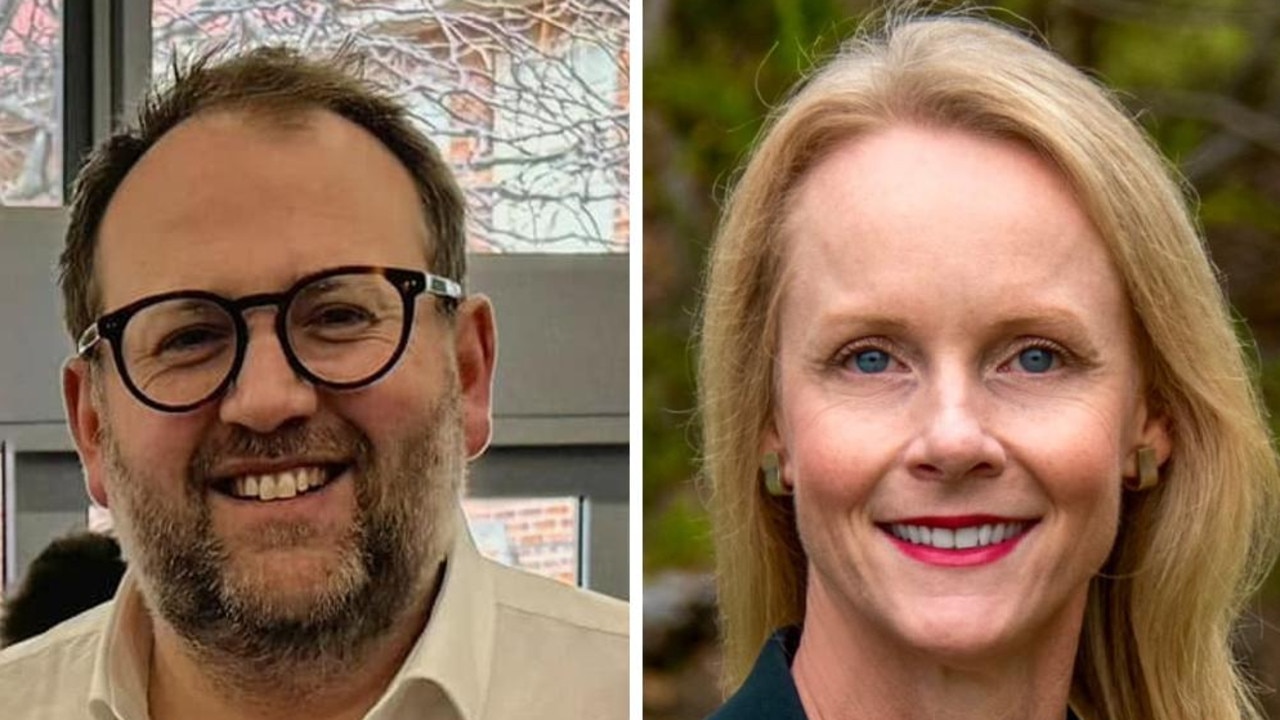
    The Tasmanian branch of the Liberal Party has finalised its Senate election ticket for the upcoming 2028 federal poll, announcing a new leadership line-up following the abrupt departures of sitting senators Jonno Duniam and Wendy Askew, who both chose to step away from politics earlier this year. At a meeting of party pre-selectors held on Saturday, members voted to install Chris Gatenby, a long-serving senior political adviser to current Tasmanian Premier Jeremy Rockliff, as the lead candidate on the party’s Senate ticket. Taking the second position on the ticket is Sarah Courtney, a former high-ranking Tasmanian state government minister, who will fill the vacancy left by Askew’s planned exit. Latrobe City Councillor Jacki Martin will complete the three-person ticket as the third candidate. Both Duniam and Askew announced their decisions to forgo re-election pre-selection earlier in 2025, citing personal family commitments as the core motivation for their departures from federal parliamentary politics. In a public statement released in June, Duniam reflected on his 25-year career in Australian politics, noting that he had dedicated the vast majority of his time and energy to his political responsibilities, often prioritising work over time with his loved ones. “Twenty-five years is a long time in any vocation, and when you take your role seriously, it always comes first. It is time I reversed my priorities and I can’t do that if I am to stay in politics,” Duniam said. The outgoing senator acknowledged that his retirement comes at a challenging period for the federal Liberal-National Coalition, but expressed confidence in the party’s current direction. “But, I am confident that my friends across both the Liberal Party and the National Party are firmly on the right path,” he added. Askew echoed Duniam’s reasoning, pointing to family considerations as the driving force behind her choice to step down. When she first entered the Senate in April 2019 following a casual vacancy, Askew noted that no politician can predict how long their tenure in office will last, a observation she repeated when announcing her retirement. Gatenby, the new lead Senate candidate, has been a senior adviser to Premier Rockliff since August 2025, bringing with him decades of experience across federal and state political spheres. Before his role in Rockliff’s office, he held a series of senior political positions including electorate adviser, senior adviser, and chief of staff for former federal Sports Minister Richard Colbeck. A father of two, Gatenby previously contested the lower house seat of Bass at the 2025 federal election, ultimately falling short of victory against Labor candidate Jess Teesdale. For her part, Courtney brings extensive experience in Tasmanian state governance to the ticket. She held a seat in the Tasmanian House of Assembly from 2014 through 2022, when she resigned from parliament after contracting COVID-19 while on an overseas holiday in France. During her time in state cabinet, Courtney served as Tasmania’s Minister for Health, where she led the state government’s initial public health response to the outbreak of the COVID-19 pandemic in 2020, cementing her reputation as a senior and capable leader within the state Liberal Party.

  • Major H5 bird flu blow as NSW confirms first native case

    Major H5 bird flu blow as NSW confirms first native case

    Australia’s ongoing outbreak of highly pathogenic H5 avian influenza has crossed a worrying new threshold, with state authorities confirming the first documented cases of the deadly virus in a native Australian wild bird species within New South Wales (NSW).

    Two greater crested terns, found hundreds of kilometers apart in geographically distinct regions of the state, have tested positive for the virus. One carcass was recovered near the coastal town of Narooma on NSW’s far south coast, while the second was discovered close to Wentworth, a remote community in the state’s far west. Both samples were processed and confirmed positive at the Commonwealth Scientific and Industrial Research Organisation (CSIRO)’s Australian Centre for Disease Preparedness, the nation’s leading high-containment infectious disease research facility.

    While native bird species have already fallen victim to H5 across other Australian jurisdictions, this marks the first detection of the strain in native wildlife within NSW. As of the latest update, the national total of confirmed H5 detections across the country has climbed to 215, with the outbreak continuing to expand its geographic reach.

    South Australia remains the epicenter of the national outbreak, accounting for roughly two-thirds of all confirmed cases nationwide. The state has recorded 80 new detections in recent days alone, prompting major event organizers to take drastic preventive action. The Royal Adelaide Show, one of the most iconic and long-running annual agricultural events on Australia’s national calendar, has canceled all scheduled poultry exhibits for next month’s gathering.

    Will Rayner, chief executive of the Royal Adelaide Show, told reporters Friday the call to scrap poultry displays was made “out of an abundance of caution.” After reviewing detailed risk-mitigation guidance from state and federal health authorities, event organizers concluded they could not fully implement all required safety protocols to eliminate transmission risk. “We made the decision now to give stakeholders and exhibitors ample time to adjust, rather than forcing a last-minute cancellation when the show is already underway and crowds are arriving,” Rayner explained.

    Back in NSW, state officials have moved to reassure the public that authorities are well prepared to manage the expanding outbreak. “These positive cases are not unexpected,” said Penny Sharpe, NSW’s Minister for the Environment. “We remain well equipped to respond to and manage further impacts. We are using the best available data and tools to target protective actions for our most at-risk wildlife species and important natural ecosystems.”

    NSW Agriculture Minister Tara Moriarty added that the state government is collaborating closely with the commercial poultry industry to ramp up biosecurity protocols across all production facilities. To date, no cases of H5 have been detected in commercial or backyard poultry flocks within NSW. “The industry has been preparing for this scenario for some time, and all stakeholders are fully aware of current risks and required preventive actions,” Moriarty noted.

  • Men aged 50-69 to test every two years for prostate cancer in massive reform

    Men aged 50-69 to test every two years for prostate cancer in massive reform

    Australia has introduced landmark, world-first updates to its national clinical guidelines for prostate cancer early detection, marking the first major overhaul of the framework in 10 years. Unveiled by the Albanese government this Thursday, the revised 2026 Clinical Guidelines for the Early Detection of Prostate Cancer expand access to routine Prostate-Specific Antigen (PSA) testing, with the dual goal of catching aggressive cases earlier and cutting harm from unnecessary overdiagnosis and overtreatment.

    Developed in partnership between the Prostate Cancer Foundation of Australia and Cancer Council Australia, the new testing framework expands eligibility to multiple at-risk groups. Under the reforms, all Australian men between 50 and 69 years old will now qualify for biennial PSA screening. Men aged 45 to 49 will be able to complete an initial baseline test, while high-risk groups — including those with a first-degree family history of prostate cancer, carriers of a BRCA2 gene mutation, and men of sub-Saharan African ancestry — can access biennial testing starting as early as age 45.

    Jeff Dunn AO, head of research at the Prostate Cancer Foundation Australia, described the updated guidelines as a watershed moment for Australia’s approach to managing the disease, noting the country is among the first in the world to adopt this modern, evidence-based structure. “These guidelines represent the culmination of years of scientific work, national collaboration, and rigorous evaluation of the evidence,” Dunn explained. “Much has changed over the past decade. The evidence has matured, diagnostic technologies have advanced, and clinical practice has evolved substantially. For the first time, Australia now has a contemporary national framework that better balances the benefits of detecting aggressive prostate cancer early with the need to minimise unnecessary harms.”

    Australian Health Minister Mark Butler emphasized that the policy reform is designed to ensure that at-risk men and their families can access targeted support at the earliest possible stage. Dan Repacholi, Labor Member of Parliament and the federal government’s special envoy for men’s health, who has long been a leading advocate for improved prostate cancer care, reaffirmed the government’s commitment to advancing detection and treatment outcomes.

    “As the most commonly diagnosed cancer in Australia, prostate cancer has significant impacts on men, their families and the wider community,” Repacholi said, urging men aged 45 and over to consult their general practitioner about their individual risk and whether screening is appropriate for them.

    Prostate cancer currently holds the title of Australia’s most frequently diagnosed cancer, with roughly 28,000 new cases recorded each year and approximately 4,000 annual deaths from the disease. To support rollout of the new guidelines, the federal government has allocated $320,000 in funding to the Royal Australian College of General Practitioners, which will develop and deliver targeted education and awareness training for frontline primary care providers. Since GPs serve as the first point of contact for most men seeking cancer screening, the training program is expected to smooth implementation and improve guideline adherence across the country.

  • Queensland farmstay which hosted fatal rave announces closure

    Queensland farmstay which hosted fatal rave announces closure

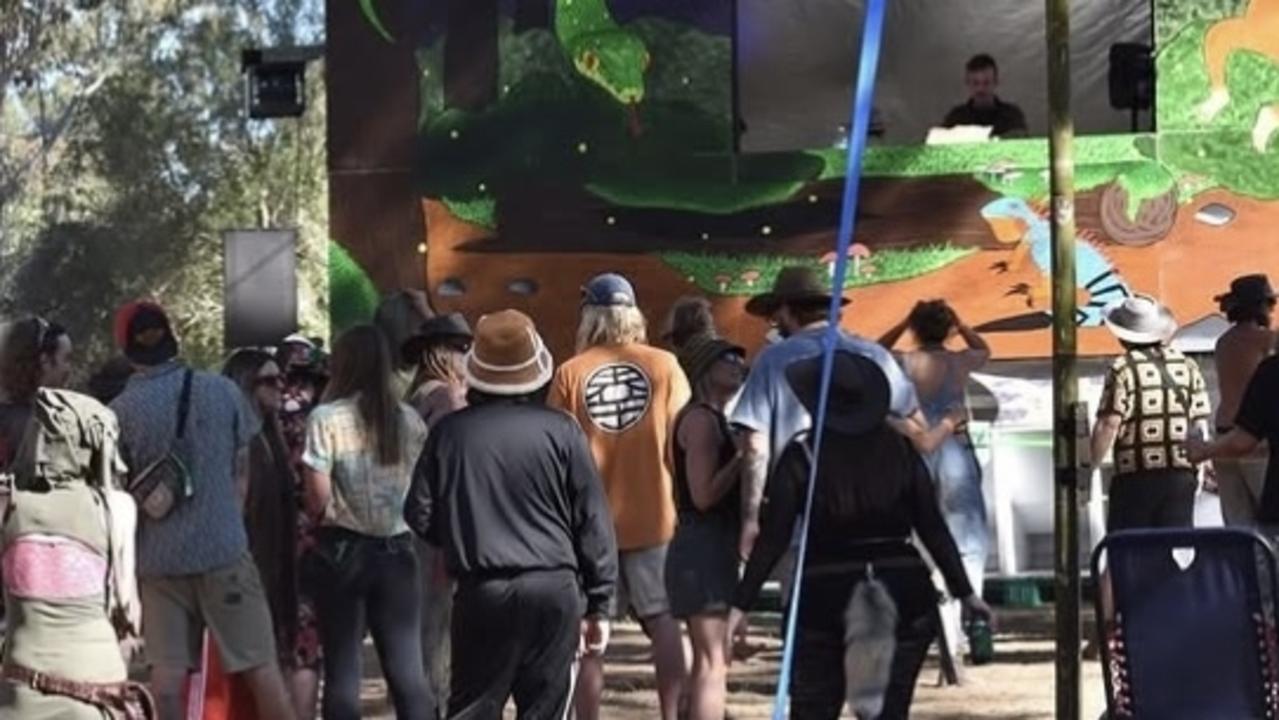
    Two weeks after a 40-year-old New Zealand father of two died following a fall at an unlicensed rave held on its grounds, Hidden Camp – an off-grid farmstay and camping venue nestled in bushland between Queensland’s Maryborough and Gympie – has announced an immediate temporary shutdown that will last at least several months. The venue’s owners confirmed the decision in a public statement posted to Facebook on Friday, noting that the closure is tied to ongoing planning and development approval processes that have come to the forefront following the fatal incident. All existing and future bookings will be fully canceled and refunded to guests via the camping booking platform HipCamp, per the announcement. For the family that runs Hidden Camp, the shutdown is far more than a business interruption: the property is not only their commercial operation but their family home and primary livelihood, the statement explained. “It is our home, our livelihood, and something we’ve poured our hearts, savings and countless hours into,” the statement read. “Unfortunately, this means Hidden Camp could remain closed for several months while this process runs its course. We know this is incredibly disappointing for everyone who had plans to visit, and it is devastating for our family.” The sudden closure comes in the wake of a tragic accident that shocked the local Glenwood community two weeks prior. During the unauthorised “Rhythm of the Wild” secret rave held on the property, Trenton Ehrhorn, a 40-year-old New Zealand national and father of two, fell from the event stage and suffered fatal injuries. Immediately after the incident, the venue’s owners released an initial statement expressing profound sorrow over the loss of life, extending condolences to Ehrhorn’s family and friends, and acknowledging the negative impact of the tragedy on nearby residents and the wider Glenwood community. Following the accident, Queensland Police took a 33-year-old man from Burpengary into custody for questioning. As of earlier this week, however, law enforcement officials confirmed no charges have been filed against any person connected to the incident, and the official investigation remains active and ongoing. The venue owners said they look forward to reopening Hidden Camp once all required planning and development processes are finalized, though no specific timeline for a potential reopening has been set.

  • ‘Unfair’ court system lets wealthy offenders hide behind secrecy orders

    ‘Unfair’ court system lets wealthy offenders hide behind secrecy orders

    Two high-profile convicted rapists in Australia have drawn renewed scrutiny of a controversial legal loophole that allowed their identities to remain hidden from the public for years, leading legal experts to warn that the current system undermines open justice, erodes public trust, and perpetuates harmful stereotypes about sexual assault survivors.

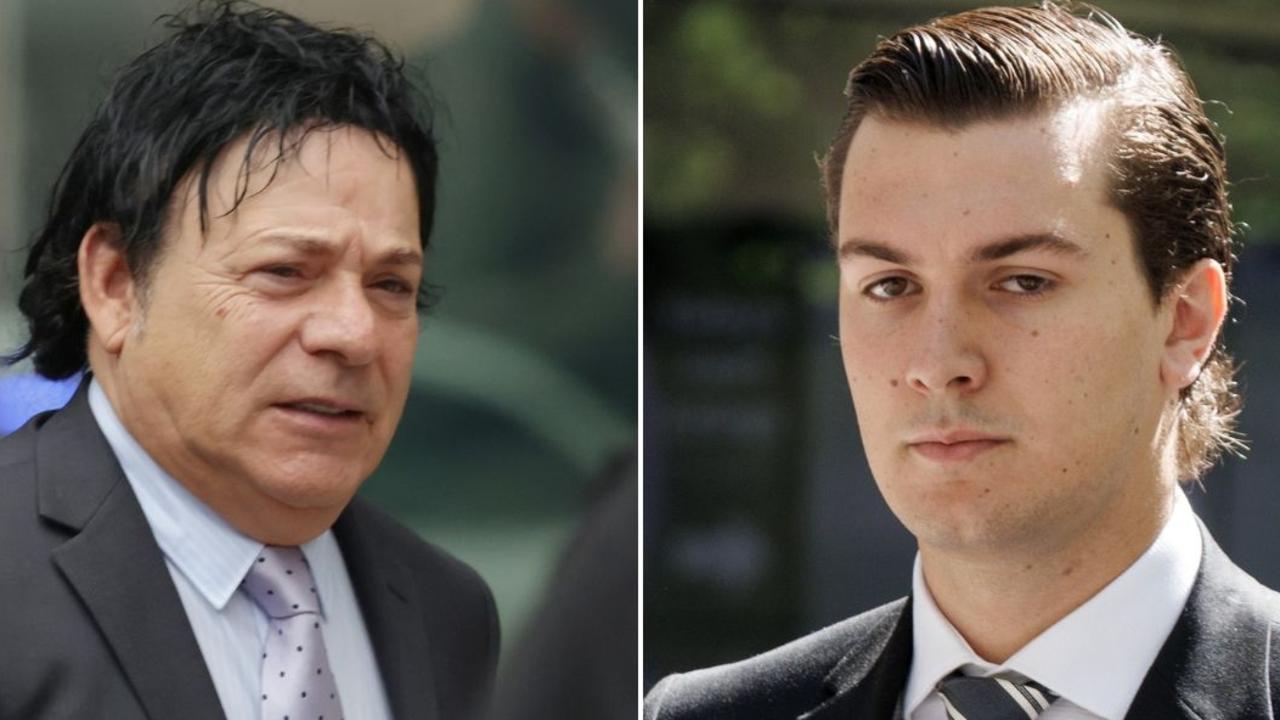
    Tom Silvagni, son of Australian Football League legend Stephen Silvagni, and Ralph Carr, a prominent sports and entertainment manager, both secured court-issued suppression orders during their separate rape trials, preventing public disclosure of their names until guilty verdicts were returned. Carr’s identity remained sealed for three years, with the order only lifted after his conviction this week. For Silvagni, who was found guilty of raping a friend’s girlfriend on two occasions, the defendant went to extraordinary lengths to maintain his anonymity: he hired a full additional legal team exclusively to argue for continued secrecy, successfully keeping his name out of public view for 18 months throughout his trial.

    Legal analysts say the cases highlight deep structural flaws in Australia’s suppression regime, particularly in the state of Victoria, which has gained a reputation as the nation’s “suppression order capital.” Associate Professor Jason Bosland, a legal scholar at Melbourne Law School, argues that prolonged secrecy around high-profile sexual assault cases does profound damage to survivors and the integrity of the justice system. These extended orders, he explains, reinforce harmful cultural narratives that question the credibility of female complainants, while also creating the public perception that wealthy, connected offenders receive preferential treatment in the courts. This uneven application of justice, Bosland says, severely undermines public confidence in how justice is administered. He warns that open justice in Australia, and particularly in Victoria, is at a crisis point, with orders frequently remaining in force for months or even years after they are first granted – one case he reviewed only had its suppression order revoked after six years.

    Current laws around the public disclosure of criminal defendants in sexual assault cases vary widely across Australian jurisdictions. In Queensland, new legislation only passed in 2023 to allow public identification of adult defendants charged with rape and other severe sexual offenses before they go to trial. In the Northern Territory, media outlets are still barred from naming defendants in sexual assault cases until they are formally committed for trial or sentencing.

    Justin Quill, a partner at law firm Thomsons who represented media organizations in both the Silvagni and Carr trials, says the current system is fundamentally unfair. He notes that most ordinary Australians cannot afford to hire even one King’s Counsel, let alone two separate legal teams focused entirely on keeping a defendant’s name out of the press. Quill says the outcome of these two cases has justifiably left the Australian public angry and disappointed.

    Under Australian law, judges grant suppression orders on a limited set of grounds: to protect the fairness of an upcoming trial, to prevent distress to victims, children or witnesses, to protect the personal safety of any individual, or for national security purposes. In both the Silvagni and Carr cases, defense teams centered their arguments for secrecy on mental health grounds, framing public identification as a threat to the defendants’ mental safety. Silvagni’s legal team secured an order citing risks of psychiatric harm and suicide, while Carr’s team argued his history of prior suicide attempts put him at risk of self-harm if his name was made public.

    Quill argues that this interpretation of the “safety” provision of the 2013 Open Courts Act directly misrepresents the legislation’s original intent. When the law was drafted, he explains, the safety exception was intended to protect informers who faced deadly violence after providing evidence during the aftermath of Melbourne’s gangland wars – legislative drafters never contemplated that it would be used to shield criminal defendants from public scrutiny by claiming mental harm. Critics add that the process itself is stacked against transparency: defendants submit untested psychiatric evidence to support their claims, and neither media outlets nor prosecution teams are given the opportunity to cross-examine or challenge that evidence before the order is granted. To Quill, this amounts to defendants gaming the system, stretching the law far beyond its intended purpose.

    To address these flaws, legal experts are calling for urgent reform. First, Quill says, legislators must close the loophole that allows the safety ground to be used for claims of mental health risk from public identification. Beyond legislative change, he argues, there must be a broad cultural shift among barristers and judges. While many legal professionals pay lip service to the principle of open courts, few are willing to uphold that principle consistently in high-profile, politically charged cases. Bosland is currently set to host a roundtable to discuss targeted reforms to the Open Courts Act that would limit the misuse of suppression orders in sexual assault cases, as the legal community pushes for change to restore public faith in open justice.