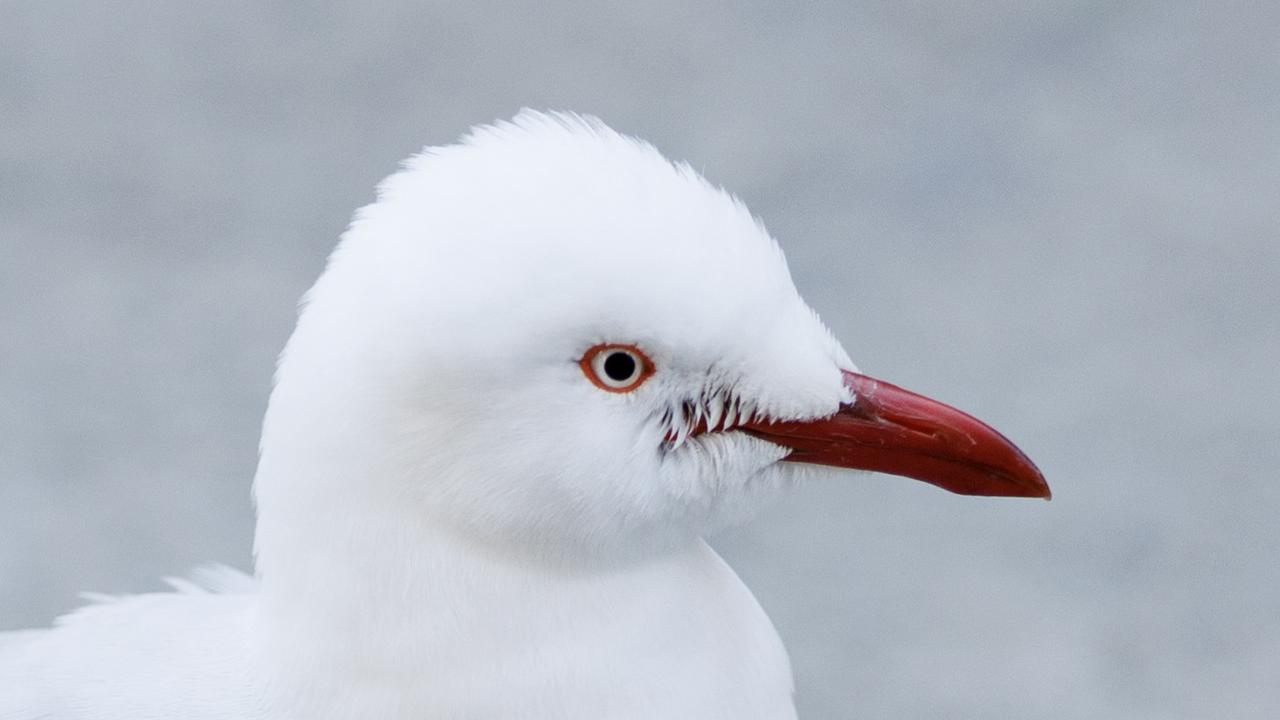
Australia’s ongoing outbreak of highly pathogenic H5 avian influenza has crossed a worrying new threshold, with state authorities confirming the first documented cases of the deadly virus in a native Australian wild bird species within New South Wales (NSW).
Two greater crested terns, found hundreds of kilometers apart in geographically distinct regions of the state, have tested positive for the virus. One carcass was recovered near the coastal town of Narooma on NSW’s far south coast, while the second was discovered close to Wentworth, a remote community in the state’s far west. Both samples were processed and confirmed positive at the Commonwealth Scientific and Industrial Research Organisation (CSIRO)’s Australian Centre for Disease Preparedness, the nation’s leading high-containment infectious disease research facility.
While native bird species have already fallen victim to H5 across other Australian jurisdictions, this marks the first detection of the strain in native wildlife within NSW. As of the latest update, the national total of confirmed H5 detections across the country has climbed to 215, with the outbreak continuing to expand its geographic reach.
South Australia remains the epicenter of the national outbreak, accounting for roughly two-thirds of all confirmed cases nationwide. The state has recorded 80 new detections in recent days alone, prompting major event organizers to take drastic preventive action. The Royal Adelaide Show, one of the most iconic and long-running annual agricultural events on Australia’s national calendar, has canceled all scheduled poultry exhibits for next month’s gathering.
Will Rayner, chief executive of the Royal Adelaide Show, told reporters Friday the call to scrap poultry displays was made “out of an abundance of caution.” After reviewing detailed risk-mitigation guidance from state and federal health authorities, event organizers concluded they could not fully implement all required safety protocols to eliminate transmission risk. “We made the decision now to give stakeholders and exhibitors ample time to adjust, rather than forcing a last-minute cancellation when the show is already underway and crowds are arriving,” Rayner explained.
Back in NSW, state officials have moved to reassure the public that authorities are well prepared to manage the expanding outbreak. “These positive cases are not unexpected,” said Penny Sharpe, NSW’s Minister for the Environment. “We remain well equipped to respond to and manage further impacts. We are using the best available data and tools to target protective actions for our most at-risk wildlife species and important natural ecosystems.”
NSW Agriculture Minister Tara Moriarty added that the state government is collaborating closely with the commercial poultry industry to ramp up biosecurity protocols across all production facilities. To date, no cases of H5 have been detected in commercial or backyard poultry flocks within NSW. “The industry has been preparing for this scenario for some time, and all stakeholders are fully aware of current risks and required preventive actions,” Moriarty noted.