标签: Oceania

大洋洲

  • Stars set for Met Gala, fashion’s biggest night

    Stars set for Met Gala, fashion’s biggest night

    One of the most anticipated annual events in global fashion and culture is set to open its red carpet doors on Monday, as the Met Gala – widely hailed as the biggest night in fashion – prepares to welcome hundreds of A-list celebrities from across entertainment, sports, and design to Manhattan for its 2025 iteration. This year’s gathering centers the theme “Fashion is Art”, a conceptual framing crafted to align with the Metropolitan Museum of Art Costume Institute’s latest flagship exhibition, simply titled “Costume Art”, which will open to the public at the iconic Manhattan venue on May 10. The exhibition will trace centuries of artistic representation of the dressed human form, drawing direct connections between sartorial craft and fine art practice.

    Organized annually as a major fundraising drive for the Costume Institute, the invite-only event has evolved far beyond its origins as a small high society function since it was first launched in 1948. When Vogue’s global editorial director Anna Wintour, who has now led the event for 30 years, took over stewardship in the 1990s, she reimagined the gala as a high-profile global spectacle that blends celebrity influence, high fashion, and cultural philanthropy – turning it into a social media juggernaut where attendees compete to deliver viral, over-the-top red carpet looks that dominate headlines for days.

    This year’s co-chair lineup has already generated massive excitement among fans, headlined by Beyoncé, the global music superstar who is set to make her first Met Gala appearance in 10 years. She will share co-chair duties with tennis icon Venus Williams and Academy Award-winning actor Nicole Kidman. Organizers have also named a star-studded host committee led by Saint Laurent creative director Anthony Vaccarello and actor Zoe Kravitz, which includes pop stars Sabrina Carpenter and Doja Cat, retired legendary ballet dancer Misty Copeland, and WNBA champion A’ja Wilson. Last year’s event broke new ground by centering the subversive cultural aesthetic of Black dandyism, marking one of the first times the gala devoted its theme to elevating men’s fashion.

    However, the 2025 event has not been without public pushback. After Amazon founder Jeff Bezos and his wife Lauren Sanchez Bezos were announced as the gala’s lead sponsors and honorary co-chairs, a grassroots opposition campaign has sprung up across New York City’s streets and subway systems, with some critics calling for a boycott of what they frame as an vulgar celebration of extreme wealth inequality. The campaign is organized by “Everyone Hates Elon”, a UK-founded activist group whose spokesperson clarified that the organization targets ultra-wealthy billionaires beyond just Tesla CEO Elon Musk, the world’s richest person.

    For attendees and fashion fans worldwide, Monday’s event will still deliver the unrivaled star power and spectacle that has become its hallmark, with fashion industry observers already anticipating a night of boundary-pushing design and memorable red carpet moments that will shape fashion discourse for months to come.

  • Oil prices jump as Iran attacks UAE, US warships enter Hormuz

    Oil prices jump as Iran attacks UAE, US warships enter Hormuz

    A fresh escalation of geopolitical friction in the Persian Gulf has sent global energy markets into a sharp upward swing, with oil prices jumping more than five percent at one point on Monday after Iran launched drone and missile attacks targeting the United Arab Emirates, just hours after U.S. Navy destroyers completed a passage through the strategically critical Strait of Hormuz.

    The confrontation unfolded in sequence: over the weekend, former U.S. President Donald Trump announced a new naval escort mission for commercial shipping transiting the strait, a chokepoint that carries roughly 20 percent of the world’s daily oil and gas trade. On Monday morning, the UAE’s defense ministry confirmed that Iranian-origin drones and missiles had struck targets in the emirate of Fujairah, home to a major oil storage and export terminal. The attack sparked a visible fire at an onshore energy facility, authorities confirmed. Iran’s state media reported that the Iranian navy fired a cruise missile as a “warning shot” in response to the U.S. naval movement, while prior reports indicated Tehran had also targeted an Emirati oil tanker with unmanned aerial vehicles.

    Tehran’s forces have effectively blocked access to the strait since early March, a retaliatory move against the joint U.S.-Israeli military campaign launched on February 28. This action comes amid a sustained U.S. economic blockade on Iranian ports, and while Trump has extended an initial two-week ceasefire indefinitely, the core conflict and its far-reaching economic disruptions remain unresolved. The latest escalation immediately rippled through energy markets: by 1530 GMT, the July Brent crude contract, the global benchmark for oil, had climbed 5.5 percent to settle at $114.14 a barrel, while the U.S. domestic benchmark West Texas Intermediate for June delivery rose 3.4 percent to hit $105.44 per barrel.

    While the Middle East crisis roiled energy markets, global equity performance diverged sharply on Monday, driven by a resurgent rally in artificial intelligence stocks fueled by stronger-than-expected corporate earnings. Across Asian exchanges, the euphoria around AI pushed benchmark indices in Seoul and Taipei to all-time record closes, with Seoul’s Kospi surging more than five percent and Taipei’s weighted index jumping more than four percent. The gains were led by top semiconductor firms that power global AI infrastructure: South Korea’s SK Hynix climbed 12.5 percent, rival Samsung added more than five percent, and Taiwan’s leading contract chipmaker TSMC gained 6.6 percent.

    This rally was sparked by blowout first-quarter earnings reports last week from tech giants including Apple, Google, Microsoft and Samsung. The results rekindled investor appetite for AI stocks after a period of market volatility triggered by the February U.S.-Israeli strikes on Iran. Ipek Ozkardeskaya, a senior analyst at Swissquote, noted that investors are clinging to “optimism that AI continues to mask the pain elsewhere” across geopolitical hotspots. Data from financial analytics firm FactSet shows S&P 500 companies are on track to post overall first-quarter earnings growth of 27.1 percent, the fastest pace recorded in more than four years. More tech earnings are on tap this week, with reports expected from Palantir Technologies on Monday, followed by Advanced Micro Devices and Arm Holdings later in the week.

    However, the rally lost steam on U.S. exchanges after the oil price surge. The tech-heavy Nasdaq composite, which opened at a new record high following its Friday close, fell into negative territory to end the day down 3.4 percent at 25,041.69. The Dow Jones Industrial Average dropped 0.8 percent to 49,117.04, while the S&P 500 dipped 0.4 percent to 7,203.95. Major European benchmarks also closed in the red: Germany’s DAX 40 fell 1.2 percent and France’s CAC 40 dropped 1.7 percent. Markets in Tokyo, Shanghai and London were closed for public holidays.

    Patrick O’Hare, an analyst at Briefing.com, pointed out that despite the downward move, many investors who missed the earlier AI rally are waiting for market pullbacks to enter positions. “That is perhaps why the indices just aren’t selling off to any large degree,” he explained. Hong Kong’s Hang Seng Index bucked the global downward trend to close 1.2 percent higher. In currency markets, the Japanese yen saw volatile trading, spiking higher against the U.S. dollar early Monday amid fresh speculation that Japanese authorities had intervened again to support the battered currency. Media reports estimate Tokyo spent as much as $31 billion on a currency intervention last Friday, which also pushed the yen sharply higher. By Monday’s close, the dollar traded at 157.15 yen, up slightly from 157.06 yen on Friday.

  • Passengers isolating on cruise after Cape Verde ban over suspected virus deaths

    Passengers isolating on cruise after Cape Verde ban over suspected virus deaths

    A polar expedition cruise ship, the MV Hondius, remains anchored off the coast of Cape Verde’s capital Praia this week, after the West African island nation barred the vessel from docking over a suspected hantavirus outbreak that has already claimed three lives. All 149 passengers and crew, representing 23 nationalities including citizens of Spain, the United Kingdom and the United States, are now under strict isolation aboard the ship as public health authorities across the globe coordinate a response.

    The outbreak unfolded as the vessel completed a journey from Ushuaia, Argentina, bound for Cape Verde. Operator Oceanwide Expeditions confirmed in a statement Monday that two fatalities occurred on board the ship, while a third death was recorded after a passenger disembarked prior to the vessel reaching Cape Verde’s waters. One confirmed hantavirus case is currently receiving intensive care in Johannesburg, South Africa, and two additional people on the MV Hondius remain in need of urgent medical attention.

    Hantavirus, a rare pathogen most often transmitted to humans from exposure to rodent excrement, has been formally confirmed in the patient treated in Johannesburg. However, Oceanwide Expeditions emphasized that investigators have not yet formally linked the three deaths to the virus, and no confirmation of hantavirus has been returned for the two symptomatic people still aboard the ship. “The exact cause and any possible connection are under investigation,” the company added.

    Cape Verdean public health officials defended the decision to bar the ship from entering port, framing the move as a critical measure to protect the local population. Maria da Luz Lima, president of the country’s National Institute of Public Health, told public broadcaster RTC Sunday that the vessel would remain anchored offshore with no contact between passengers and the Cape Verdean public.

    Despite the outbreak and fatalities, the World Health Organization (WHO) has moved to reassure the global public that the broader population risk remains low. “There is no need for panic or travel restrictions,” WHO Europe director Hans Kluge said in a public statement, noting that hantavirus infections are uncommon and almost always tied to contact with infected rodents. The agency added that while rare, person-to-person transmission is possible, and infections can lead to severe respiratory illness that requires close monitoring.

    The UN health agency says it is acting with urgency to support the response effort, collaborating with all involved governments to coordinate medical care, evacuations, on-board investigations and public health risk assessments.

    International authorities are now working to identify a new port of disembarkation to allow for full medical screening and care. The Canary Islands, a Spanish territory off the coast of Northwest Africa, is currently the leading candidate for the disembarkation. Dutch authorities have agreed to lead a coordinated effort to repatriate two symptomatic passengers to the Netherlands for treatment, though the operation is still pending approval from Cape Verdean local officials.

    Dutch Foreign Ministry confirmed to AFP that it is actively exploring options for medical evacuation of the affected passengers, and will coordinate the full operation if it receives approval. Local doctors have already boarded the vessel to assess the health of the two symptomatic crew members, but Cape Verde has not granted permission to evacuate them to onshore medical facilities.

  • War in the Middle East: latest developments

    War in the Middle East: latest developments

    Tensions across the Middle East have surged once again this week, with a series of interconnected incidents in the strategic Strait of Hormuz and shifting diplomatic moves reshaping the two-month-old regional conflict. The latest wave of developments brings new risks to global energy supplies and fragile peace negotiations between the United States and Iran.

    The United Arab Emirates (UAE) officially confirmed that two drones launched from Iranian territory targeted a tanker operated by ADNOC, the country’s state-owned oil giant, in the Strait of Hormuz. In a strongly worded statement, the UAE foreign ministry labeled the assault an act of piracy carried out by Iran’s Revolutionary Guard Corps, noting the attack was an attempt to use the critical waterway — a linchpin for global fossil fuel and food fertilizer trade — as a tool for economic coercion and blackmail. No crew members were injured in the strike, the ministry added.

    Parallel to this claim, Iranian state-affiliated media outlet Fars News Agency reported that two missiles were fired at a U.S. Navy frigate that had violated navigation rules near Iran’s Jask Port, after the vessel ignored multiple verbal warnings from the Iranian navy. The report came shortly after former President Donald Trump announced U.S. forces would begin escorted transits for commercial ships through the strait, which Iran has blockaded since the outbreak of the current conflict. The U.S. military has flatly denied any of its vessels were struck, contradicting the Iranian media account.

    Diplomatic efforts to end the conflict remain deadlocked nearly a month after a ceasefire took effect on April 8. So far, only one round of direct talks between U.S. and Iranian negotiators has been held, with no visible progress toward a permanent resolution. Iranian foreign ministry spokesperson Esmaeil Baqaei emphasized in a televised briefing that Tehran’s top priority is an immediate end to hostilities, and called on Washington to roll back its maximalist positions. “The other side must commit to a reasonable approach and abandon its excessive demands regarding Iran,” Baqaei stated.

    Trump, for his part, struck a more optimistic tone in a Truth Social post Sunday, claiming “very positive discussions” are ongoing with Iranian officials to resolve the conflict. He announced the launch of what he calls “Project Freedom”, a U.S. military mission to escort trapped commercial ships out of the blockaded strait, framing the operation as a “humanitarian gesture” after reports that dozens of marooned vessels were facing critical food shortages for their crews. U.S. Central Command later outlined the scale of the mission, confirming it will deploy guided-missile destroyers, more than 100 land and sea-based aircraft, a array of multi-domain unmanned systems, and 15,000 active service members to support the escort operation.

    The escalating tensions have already taken a visible economic toll on Gulf states. Dubai’s media office confirmed Monday that passenger traffic through the emirate’s major international airport plummeted to just 2.5 million travelers in March, a 67% drop compared to the same period last year. The decline is directly tied to Iranian attacks on UAE infrastructure and shipping amid the ongoing conflict, which has deterred commercial and leisure travel to the region.

    In a separate development off the UAE coast, the United Kingdom Maritime Trade Operations (UKMTO) reported that an unidentified tanker was hit by unspecified projectiles approximately 78 nautical miles north of the UAE’s Fujairah Port Monday. The agency confirmed all crew members on board the vessel escaped unharmed, and did not assign blame for the attack.

    On the diplomatic front, Pakistan announced Monday it had facilitated the transfer of 22 Iranian crew members who had been held on a vessel seized by U.S. authorities. The Pakistani government described the handover as a “confidence-building measure” designed to support the fragile behind-the-scenes contacts between Washington and Tehran.

    Across the Atlantic, the ongoing conflict has sparked friction between the U.S. and Germany, after Trump announced that the U.S. would cut its troop deployment in Germany by more than 5,000 service members, a move widely tied to disagreements over policy toward the Iran war. Despite the public spat, German Chancellor Friedrich Merz told public broadcaster ARD Sunday that he remains committed to preserving transatlantic cooperation. “I am not giving up on working on the transatlantic relationship,” Merz said. “Nor am I giving up on working with Donald Trump.”

  • Newborn baby dies at rough sleeper campsite along Murrumbidgee River in NSW’s south

    Newborn baby dies at rough sleeper campsite along Murrumbidgee River in NSW’s south

    A devastating tragedy has unfolded at an informal homeless encampment along the Murrumbidgee River near Wagga Beach in southern New South Wales, where a newborn infant has died following an unassisted birth on site, while a second newborn remains hospitalized. The incident has prompted urgent calls for accountability, with local leaders pointing to long-unaddressed gaps in housing and support services for Australia’s unhoused population as the root cause of the preventable loss.

    New South Wales Police confirmed that first responders from the Riverina Police District were dispatched to the riverside campsite after reports of the emergency. Upon arrival, officers located the 37-year-old mother and her two newly born infants, one of whom was already deceased. “The woman and the surviving infant were treated by NSW Ambulance paramedics before being taken to Wagga Wagga Base Hospital,” a police spokeswoman confirmed in an official briefing.

    Local public broadcaster ABC reports that both babies were delivered at the unregulated encampment, which has long been a makeshift shelter for a community of people experiencing chronic homelessness in the Wagga Wagga area. No foul play is suspected in connection with the newborn’s death, police confirmed, adding that a full incident report will be prepared and submitted to the state coroner for formal review.

    NSW Minister for Homelessness Rose Jackson described the news of the infant’s death as “heartbreaking” in a public statement. In response to the tragedy, Jackson announced she had ordered Homes NSW, the state government’s housing authority, to launch a full investigation into the specific circumstances of the family and their access to support services before the incident.

    The tragedy has sent shockwaves through the tight-knit Wagga Wagga local community, with many leaders and residents expressing grief and anger over the preventable loss. Wagga Wagga City Councillor Richard Foley, who has long advocated for improved housing and support for the city’s unhoused population, said he was “devastated” by the reports of the newborn’s death. In a message posted to his official Facebook page, Foley extended his deepest condolences to the grieving mother and her loved ones, and shared prayers for the recovery of the surviving infant.

    Foley did not shy away from placing blame for the tragedy, saying the newborn’s death was a “direct and predictable” outcome of years of systemic failure by both state and federal governments to address the worsening housing affordability and homelessness crisis across New South Wales and the Wagga Wagga region. “I have been raising the alarm in council chambers, in public, and to anyone who would listen that the situation on our riverbanks was going to end in tragedy if left unaddressed,” Foley said. He went on to note that local officials have long been aware that vulnerable people, including pregnant women of childbearing age, have been sleeping rough along the city’s riverfront. “This has been documented. This has been reported. This has been raised at council. And nothing adequate in my opinion has yet been done,” he said. “This crisis has been duck-shoved between bureaucracies for too long. State agencies, federal departments, and yes at times this very council have passed responsibility around while vulnerable people sleep rough on our riverbanks.”

  • A2 Milk baby formula pulled from US shelves after potent toxin discovered in product

    A2 Milk baby formula pulled from US shelves after potent toxin discovered in product

    New Zealand-based dairy giant The A2 Milk Company, owner of one of Australia’s most beloved milk brands, has initiated a voluntary recall of three specific batches of its A2 Platinum infant formula from the United States market after testing confirmed the presence of cereulide, a powerful bacterial toxin.

    The recalled products were distributed exclusively to U.S. consumers through three sales channels: the company’s official website, major e-commerce platform Amazon, and regional retail chain Meijer. In total, approximately 16,428 units of the affected formula were sold to customers across the country.

    Cereulide, the toxin identified in the recalled batches, triggers acute gastrointestinal symptoms that typically onset between 30 minutes and six hours after consumption. The most common reactions include nausea and repeated vomiting. While most healthy adults experience mild, self-resolving symptoms within a short period, infants face elevated risks due to their underdeveloped immune systems. The toxin can lead to dangerous rapid dehydration in young children, so healthcare providers urge caregivers to seek immediate medical attention if an infant displays any adverse symptoms after consuming the affected product.

    The company confirmed that, as of the recall announcement, it has not received any reports of illness, injury, or adverse health events linked to the affected batches. A2 Milk managing director and chief executive officer David Bortolussi moved quickly to reassure consumers that the recall is an isolated incident limited solely to the U.S. market. Bortolussi emphasized that all A2 Milk products sold in other regions, including the company’s key Australian domestic market, remain completely unaffected and safe for consumption.

    Full details of the recalled batches are as follows: batch number 2210269454 with a use-by date of July 15, 2026; batch number 2210324609 with a use-by date of January 21, 2027; and batch number 2210321712 with a use-by date of January 15, 2027. The company is advising all customers who have purchased any of these batches to immediately stop using the product, dispose of it safely, or return it to the original point of purchase for a refund.

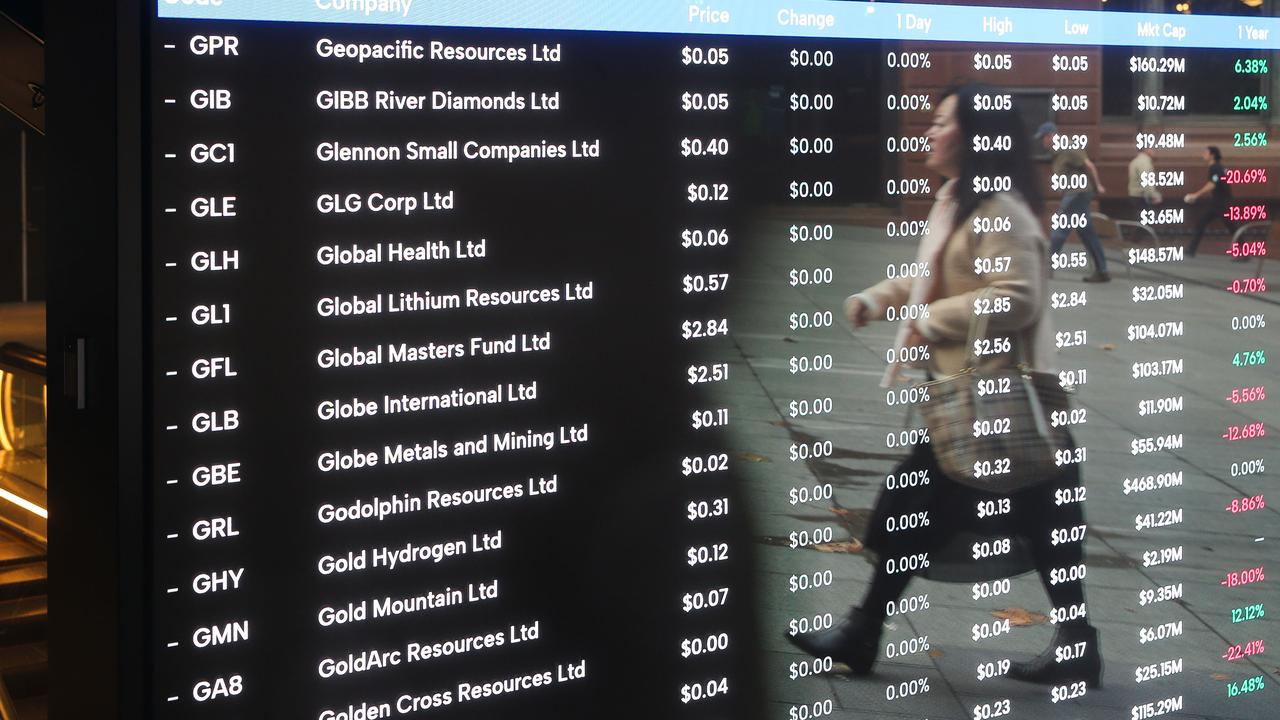
    Shortly after the recall was made public, the company’s shares dropped sharply on the Australian Securities Exchange. The Auckland-based firm’s stock closed down 12% from its opening price, falling from AU$7.27 to AU$6.49 in the wake of the announcement, reflecting investor concern over potential reputational and financial impacts from the incident.

  • ‘Low’ risk to public of hantavirus after cruise ship deaths, WHO says

    ‘Low’ risk to public of hantavirus after cruise ship deaths, WHO says

    Three deaths linked to a suspected hantavirus outbreak aboard an expedition cruise ship have triggered an international public health response, with the World Health Organization’s European branch moving quickly to calm public fears on Monday, confirming the broader population faces only minimal risk of transmission. The incident has also spurred Dutch authorities to launch coordinated planning for the medical repatriation of two currently ill passengers still aboard the vessel.\n\nHans Kluge, WHO Europe’s regional director, emphasized in an official statement that there is no justification for widespread panic or the imposition of travel bans related to the event. He noted that hantavirus infections are rare in human populations, and most cases stem from direct exposure to excrement, urine, or saliva of virus-carrying rodents, rather than widespread community spread.\n\nThis is the first public confirmation from the ship’s operator, Netherlands-based Oceanwide Expeditions, regarding the three fatalities aboard the MV Hondius, which was sailing on an itinerary from Ushuaia, Argentina, to a stopover in Cape Verde, an island nation off West Africa’s Atlantic coast. Of the three people who died, two passed away while the vessel was still underway, and the third died shortly after disembarking. Currently, one passenger is receiving intensive care for the virus in a Johannesburg hospital, while two other passengers on board remain in need of urgent medical attention.\n\nOceanwide Expeditions confirmed that Dutch authorities have taken the lead on a multinational effort to repatriate the two symptomatic passengers from Cape Verde to the Netherlands for treatment. The evacuation is still pending, however, as it requires formal approval from Cape Verdean local health and government officials, a process that remains ongoing as of Monday.\n\nAn Agence France-Presse photographer on the ground in Cape Verde confirmed the MV Hondius remained anchored in the port of Praia, the nation’s capital, as of Monday morning. A spokesperson for the Dutch foreign ministry told AFP that the government is actively evaluating all options to medically evacuate the small group of ill passengers from the vessel, and will take over full coordination of the operation once it is approved.\n\nLocal medical teams have already boarded the ship to assess the condition of the two symptomatic passengers, but Cape Verdean officials have not yet granted permission to move the patients to onshore medical facilities. In a statement, Oceanwide Expeditions noted that full disembarkation and universal medical screening for all passengers and crew require close alignment with local public health protocols, and the operator remains in constant communication with Cape Verdean authorities to advance the process.\n\nThe WHO said it has prioritized support for the response to the hantavirus incident, calling the three deaths a tragic loss of life. “WHO Europe is working closely with all affected countries to provide support for patient care, evacuation coordination, on-the-ground epidemiological investigation, and ongoing public health risk assessment,” the agency said.\n\nTo date, hantavirus has only been officially confirmed in the passenger receiving treatment in Johannesburg. Operator officials stressed that it has not yet been definitively proven that the virus caused the three deaths, nor has the virus been confirmed in the two symptomatic passengers still aboard the MV Hondius. “The exact cause of the fatalities and any potential connection to the suspected outbreak are still under active investigation,” the company said.\n\nAs of Sunday, WHO officials confirmed one laboratory-confirmed hantavirus case and five additional suspected cases linked to the voyage. While human-to-human transmission of hantavirus is rare, the UN health agency noted that it is possible, and the virus can cause life-threatening respiratory illness that requires constant close monitoring and urgent supportive care.

  • Man rushed to hospital with serious injuries after alleged horror attack on busy Melbourne CBD street

    Man rushed to hospital with serious injuries after alleged horror attack on busy Melbourne CBD street

    A violent midday incident on one of Melbourne’s most crowded commercial thoroughfares has left a local man hospitalized with life-threatening upper body trauma, prompting an active police investigation into the circumstances of the attack. Emergency response teams were dispatched to the intersection of Collins Street and Elizabeth Street, a bustling hub in Melbourne’s central business district, shortly after 2:10 p.m. on Wednesday following reports of an injured individual at the scene. The victim, identified only as a 37-year-old resident of the Melbourne suburb of Mill Park, was urgently transported to the Royal Melbourne Hospital after first responders assessed his condition. As of Wednesday afternoon, the victim remains in serious but stable condition, according to initial updates from emergency services. A spokesperson for Victoria Police confirmed Wednesday that investigators have not yet established how the man sustained his injuries, noting that the case remains open and active. Police have not yet released any information about potential suspects or motives for the incident, and additional details are expected to be released as the investigation progresses. Local witnesses reported a heavy emergency services presence at the downtown intersection in the minutes after the incident, though traffic and pedestrian activity in the area had returned to near-normal levels by late Wednesday afternoon.

  • Cruise ship operator says Dutch to repatriate two ill passengers

    Cruise ship operator says Dutch to repatriate two ill passengers

    A serious public health incident is unfolding on a cruise ship anchored off the coast of Cape Verde, where three people have already died amid a suspected hantavirus outbreak, and Dutch authorities are set to lead a coordinated mission to repatriate two acutely ill passengers still on board, the vessel’s operator has confirmed.

    In its first official public statement addressing the crisis, Netherlands-based Oceanwide Expeditions, which operates the expedition cruise ship MV Hondius, acknowledged the unfolding “serious medical situation” on the vessel. The ship was mid-voyage, traveling north from Ushuaia, Argentina toward Cape Verde when the outbreak began.

    The operator has verified three fatalities connected to the incident: two deaths occurred on board the ship, while a third victim died after disembarking earlier for emergency care. One passenger is already receiving intensive care treatment in a Johannesburg hospital, where hantavirus has been confirmed in their case. Two remaining symptomatic passengers on the MV Hondius now require urgent, advanced medical intervention that cannot be adequately provided on the vessel.

    Oceanwide Expeditions confirmed that Dutch authorities have committed to leading a joint international effort to medically evacuate and repatriate the two symptomatic people from the ship’s current position off Cape Verde to medical facilities in the Netherlands. The evacuation and repatriation effort remains contingent on multiple key approvals, most notably formal authorization from local Cape Verdean authorities, which has not yet been granted. While local medical practitioners have already boarded the vessel to evaluate the health status of the two passengers, permission to move them to onshore medical facilities in Cape Verde is still pending.

    A spokesperson for the Dutch Ministry of Foreign Affairs confirmed to Agence France-Presse that the department is actively assessing all logistical and regulatory options to carry out the medical evacuation of the affected passengers. “If this can take place, the ministry of foreign affairs will coordinate it,” the spokesperson said.

    Oceanwide Expeditions added that it remains in constant close communication with Cape Verdean health authorities to coordinate plans for full disembarkation and universal medical screening of all passengers and crew once local approval is secured.

    Though hantavirus has been confirmed in the Johannesburg patient, operators emphasize that it has not yet been definitively linked to the three recorded deaths, and neither has hantavirus been confirmed in the two symptomatic patients still on the ship. “The exact cause and any possible connection are under investigation,” the company said.

    The World Health Organization released an update on the incident Sunday, confirming one laboratory-positive case of hantavirus and five additional suspected cases. The U.N. health agency noted that while hantavirus infections in humans are rare, human-to-human transmission is possible, and the pathogen can cause life-threatening severe respiratory illness that requires constant specialized monitoring and supportive care.

    Hantavirus is most commonly transmitted to humans from contact with rodent excreta, according to global public health data.

  • Iran warns will attack US forces in Hormuz after Trump announces escort plan

    Iran warns will attack US forces in Hormuz after Trump announces escort plan

    Tensions between the United States and Iran have spiked dramatically in the strategic Strait of Hormuz, after former U.S. President Donald Trump announced a new U.S. military escort mission for commercial shipping through the waterway, prompting Tehran to issue an explicit threat to attack any American forces that enter the strait.

    The current standoff stems from a months-long conflict that has deadlocked diplomatic negotiations since a ceasefire between the U.S.-Israeli coalition and Iran went into effect on April 8. At the heart of the dispute is Iran’s decision to block access to the Strait of Hormuz, a critical global chokepoint that carries a third of the world’s seaborne oil and natural gas exports, along with key supplies of agricultural fertilizer. Iran’s blockade has choked off global energy and commodity flows, while the U.S. has retaliated with its own counter-blockade of Iranian ports.

    On Sunday, Trump took to his social platform Truth Social to unveil the new maritime escort operation, which he branded “Project Freedom”. He framed the mission as a humanitarian intervention, designed to assist hundreds of commercial ships and crews trapped in the Gulf region, many of which are facing dwindling supplies of food and essential provisions. “We will use best efforts to get their Ships and Crews safely out of the Strait. In all cases, they said they will not be returning until the area becomes safe for navigation,” Trump wrote, confirming the operation would get underway on Monday.

    The U.S. leader also noted that his diplomatic representatives were holding constructive talks with Iranian officials, adding that ongoing discussions could yield a mutually beneficial agreement for both sides. Notably, however, he made no public reference to the 14-point peace proposal that Tehran says it submitted last week to end the conflict, which includes a one-month deadline for negotiations to reopen the strait, lift the U.S. blockade, and formally end hostilities, according to U.S. news outlet Axios, which cited two anonymous sources briefed on the Iranian plan.

    Within hours of Trump’s announcement, Iran’s military central command issued a firm rebuke. In a statement carried by Iranian state broadcaster IRIB, Major General Ali Abdollahi emphasized that all safe passage through the Strait of Hormuz must be coordinated with Iranian forces under any circumstances. “We warn that any foreign armed force — especially the aggressive US military — if they intend to approach or enter the Strait of Hormuz, will be targeted and attacked,” Abdollahi said. The Iranian Revolutionary Guards doubled down on the warning Sunday, framing Trump’s choice as a binary one: “an impossible operation or a bad deal with the Islamic Republic of Iran.”

    U.S. Central Command has assembled a large-scale force for the Hormuz mission, including guided-missile destroyers, more than 100 land and sea-based aircraft, advanced multi-domain unmanned surveillance and strike platforms, and 15,000 active-duty service members. As of April 29, maritime intelligence firm AXSMarine recorded more than 900 commercial vessels stuck in the Gulf region amid the ongoing blockade.

    The escalating standoff has sparked deep concern among U.S. European allies, who face major economic damage from prolonged closure of the strait. German Foreign Minister Johann Wadephul publicly called for the immediate reopening of the waterway, and in a call with Iranian Foreign Minister Abbas Araghchi, Wadephul stressed that Germany supported a negotiated settlement, but insisted “Iran must completely and verifiably renounce nuclear weapons and immediately open the Strait of Hormuz.”

    French President Emmanuel Macron, who has led efforts to organize an international coalition to secure the strait alongside Britain and other partners, said the only viable path forward is “a coordinated reopening by the United States and Iran.”

    Global energy markets have already been roiled by the blockade: current oil prices sit roughly 50 percent higher than pre-conflict levels, driven almost entirely by supply chain disruptions through the strait.

    Trump, who spent the weekend at his Mar-a-Lago resort in Florida, declined to specify what actions would prompt new U.S. military strikes against Iran, but warned that any interference with the humanitarian escort mission would be met with force. “If in any way, this Humanitarian (ship-guiding) process is interfered with, that interference will, unfortunately, have to be dealt with forcefully,” he wrote.

    U.S. Treasury Secretary Scott Bessent doubled down on Washington’s pressure campaign, telling Fox News that the U.S. naval blockade is part of a sweeping economic embargo designed to cripple the Iranian government. “We are suffocating the regime, and they are not able to pay their soldiers,” Bessent said. “This is a real economic blockade, and it is in all parts of government.”