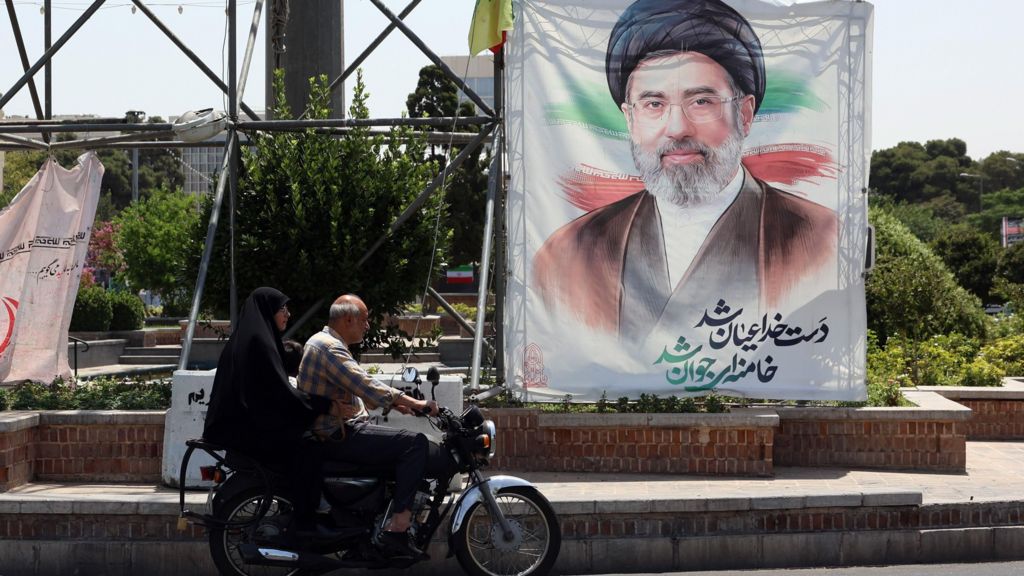
Almost five months after a US-Israeli air strike killed long-serving Iranian Supreme Leader Ayatollah Ali Khamenei on the first day of open conflict, his son and successor Mojtaba Khamenei has issued his first public address, pledging unwavering revenge for his father’s death and the deaths of other Iranians killed in the ongoing war. The hardline declaration comes as a fragile two-month ceasefire between Washington and Tehran has collapsed, pushing the Middle East back to the brink of full-scale regional conflict.
标签: North America
北美洲
-
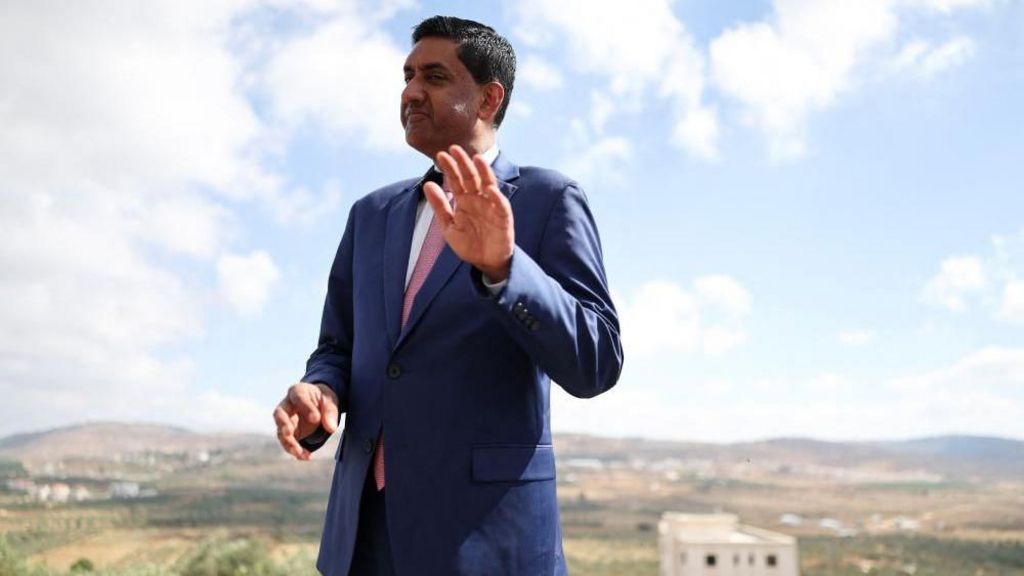
US Democrat Ro Khanna says he was detained by armed Israeli settlers
A high-profile Democratic U.S. lawmaker has brought new international attention to escalating tensions in the occupied West Bank after revealing he was held for an hour and a half by armed Israeli settlers during an official visit last week. Ro Khanna, a 49-year-old California congressman who is openly considering a 2028 bid for the U.S. presidency, told reporters the incident unfolded Wednesday as he and his travel team traveled through the territory to assess the human impact of Israeli occupation.
Khanna and his staff were riding in a private van en route to the destroyed Palestinian community of Khirbet Zanuta when a group of settlers carrying semi-automatic M4 rifles surrounded the vehicle and blocked their path, cutting off any route forward. In a public post shared to the social platform X shortly after the incident, Khanna said that even after the Israel Defense Forces (IDF) arrived at the scene, military personnel aligned with the settlers and continued the unplanned detention of his delegation.
“We were at a village that Israeli settlers had destroyed – they had ruined the school, they had wiped out the entire community, and we were simply documenting what we saw,” Khanna explained to reporters in an interview. “These extremists came in with machine guns, American-made M4s, blocked the road, and detained us. When they called the IDF, the IDF took their side, not the side of a visiting American congressional delegation.”
A spokesperson for the IDF pushed back against Khanna’s account in an official statement issued after the incident. The military said troops and local police were dispatched to the area after receiving an initial report that settlers had blocked civilian vehicle traffic. “Upon their arrival, the troops dispersed the Israeli civilians and allowed the vehicles to continue on their way,” the statement read. The BBC also confirmed it had requested additional comment from the IDF, with no further response provided as of press time.
One of Khanna’s aides, who was present during the detention, confirmed that the delegation reached out to the U.S. Embassy in Jerusalem to request assistance while they were blocked. The group was ultimately released after a contingent of Israeli police intervened to end the standoff.
The incident comes amid long-running global controversy over Israeli settlements in the West Bank, territory Israel has occupied since the 1967 Arab-Israeli War. Since 1967, Israel has constructed more than 160 formal settlements across the West Bank and East Jerusalem that are home to roughly 700,000 Israeli Jewish citizens. These settlements are universally recognized as illegal under international law, a position the Israeli government has rejected repeatedly. Today, an estimated 3.3 million Palestinian residents live in the occupied West Bank alongside the settlements, with growing frequency of violent clashes between settlers and local Palestinian communities that the IDF has failed to curb in many cases.
-
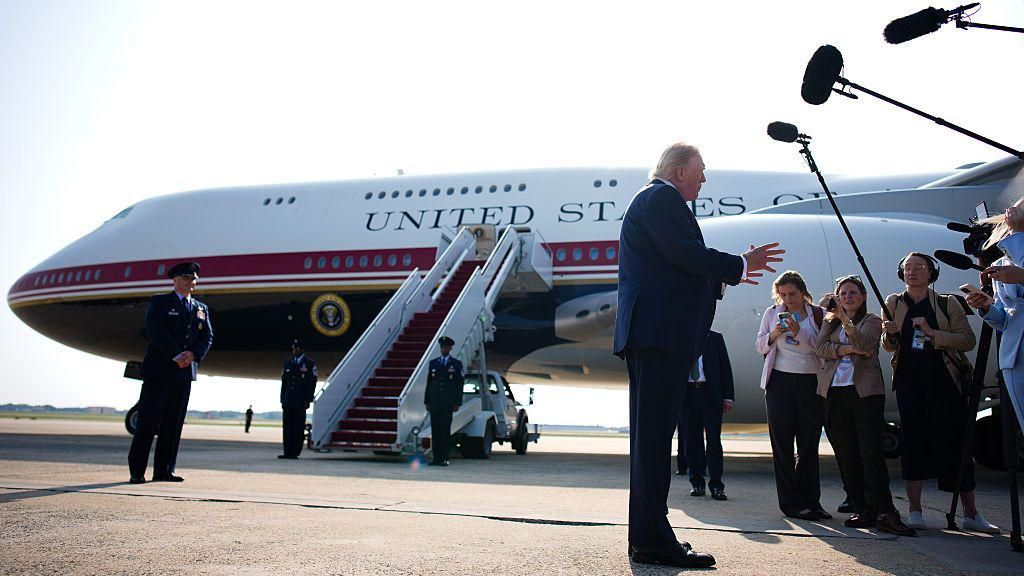
Trump administration subpoenas New York Times journalists over Air Force One reporting
A dramatic collision between press freedom and federal law enforcement has erupted in the United States after The New York Times confirmed multiple of its reporters have been subpoenaed to give sworn testimony before a federal grand jury, stemming from the outlet’s reporting on alleged national security flaws linked to former President Donald Trump’s newly gifted Qatari Air Force One plane.
Federal agents personally delivered the court orders to the reporters’ private residences, requiring their appearance before the panel in Manhattan this coming Wednesday. The investigation, launched by the Department of Justice (DOJ), centers on alleged illegal leaks of classified national security information connected to the reporting. The subpoenas make clear that testimony is sought to probe a suspected violation of federal criminal law, the Times confirmed.
The controversy traces back to last year, when the Qatari government gifted the U.S. a pre-owned Boeing 747-8 jumbo jet, valued at roughly $400 million, as an unconditional donation to join the Air Force One fleet. Trump formally unveiled the aircraft in a public event last month, with the U.S. Air Force asserting at the time that the luxury jet had already undergone modifications to meet presidential transport requirements, including upgrades to security systems, mission communications, logistics infrastructure and advanced technology. The service also added that any potential security risks carried over from the jet’s previous use had been fully neutralized.
But in July 2026, amid rising tensions with Iran that included ongoing U.S. military strikes, the Times published a pair of explosive reports citing anonymous government sources. The outlet claimed that during Trump’s return trip from a NATO summit held in Turkey, U.S. Secret Service officials pressured Trump to abandon the new Qatari-gifted jet and switch to an older, proven Air Force One aircraft due to unaddressed security gaps. Reporters later elaborated that security officials warned the newer aircraft lacked critical defensive features, including advanced anti-missile capabilities needed to protect the sitting president. Multiple other major U.S. news outlets, including CBS News—partner outlet of the BBC in the U.S.—published matching reporting, with a former senior U.S. government official telling CBS that there had not been sufficient time or funding to retrofit the jet to meet all mandatory Air Force One security standards.
When asked about the security concerns during a press appearance this week, Trump downplayed the risks, telling reporters: ‘I have a threat all the time. I’m No. 1 on their list.’
The DOJ has defended its investigation in an official statement to the BBC, acknowledging the vital constitutional role of a free press in American democracy but arguing the department has a core responsibility to enforce rules governing classified information. ‘We value and appreciate the important role that the press plays in this country, but DOJ also plays an important role to make sure that the people entrusted with our nation’s secrets do what they’re supposed to do with that information, which means not sharing classified information,’ the statement read.
For its part, The New York Time’s chief newsroom legal counsel David McCraw has decried the subpoenas as an unprecedented attack on press freedom. In sharp remarks, McCraw called the move a ‘brazen act’ that amounts to nothing less than a deliberate attempt to chill investigative journalism, saying it is designed to intimidate reporters and block the American public from learning information that is clearly in the public interest. ‘Our journalists report the facts and advance the American public’s right to know how their government is operating and their taxpayer dollars are being used,’ McCraw added.
Under U.S. law, the unauthorized disclosure of classified information by government insiders is classified as a federal criminal offense. At the same time, the First Amendment to the U.S. Constitution provides strong protections for press freedom, shielding journalists who publish information that serves the public good from prosecution in most cases. Grand juries, which are composed of ordinary citizens convened by the federal government, are tasked with reviewing evidence collected by prosecutors to determine whether there is sufficient probable cause to bring criminal charges against a suspect or suspects.
-
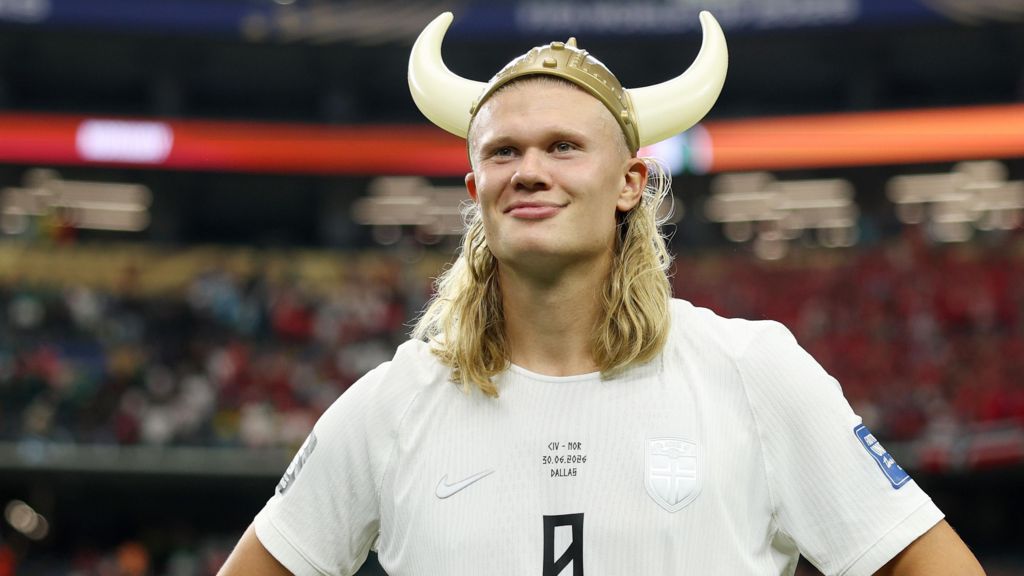
If you ask Americans, Norway’s Erling Haaland is already a winner
The 2026 FIFA World Cup has turned a surprise name into a household sensation across the United States, and that name is Erling Haaland. While the Norwegian striker has been a global soccer star for years, competing for the Golden Boot alongside legends like Lionel Messi and Kylian Mbappé, and already boasting a Premier League top scorer title and one of the highest salary caps in global sports, it is not his on-pitch talent alone that has won over American audiences. It is his unapologetically goofy, unfiltered persona that has cemented his place in U.S. popular culture.
Before the tournament kicked off, most casual American sports fans only knew Haaland as a prolific goalscorer, or as the face of viral memes joking about a 6-foot-5 Viking charging at full speed. Today, he is a social media phenomenon, racking up millions of new followers and turning everyday moments into viral content. His Snapchat stories, unscripted interviews, and candid travel vlogs have broken through the polished barrier that separates most A-list athletes from everyday fans. Fans have gone wild for posts like his Shrek-filter selfie captioned “selfie with my twin,” his deadpan apology for misspelling Orlando as “Ornaldo” to all the “perfect brothers and sisters” who caught the error, and his off-the-cuff interactions with followers.
After Norway’s victory over Brazil, Haaland led his team in a viral Viking-style “Ro!” chant that spread across TikTok and Instagram, bringing a flood of new fans to his pages. Juliana Hofmann, a resident of Millington, New Jersey, told reporters she had never heard of Haaland before the Brazil match, but now her social media feeds are entirely dedicated to content about the striker. “The way he carries himself is amazing, because despite being one of the biggest stars in the world of football, he’s so humble,” Hofmann explained.
The numbers tell the story of Haaland’s American breakthrough: his Instagram follower count has jumped from 40 million to 60 million over the course of the tournament alone. His vlogs documenting his travels across the United States have racked up millions of views on YouTube, with one popular segment showing him browsing Dallas’ iconic Wild Bill’s Western Store for a new cowboy hat and boots. Draped in a T-shirt that reads “Y’all can kiss my Dallas,” Haaland joked he couldn’t wait to wear his new gear out on the town. Local fans were quick to embrace the moment, with one Instagram comment reading “I think we should keep him!” and another adding “Texas looks good on you!”
Across the country, casual American sports fans who rarely follow international soccer are declaring their support for Haaland and Norway. At a Norwegian fan celebration in Miami, Florida, American attendee Marie told BBC Mundo: “We’re all rooting for Erling Haaland. We’ve all fallen in love with him. He’s goofy and he’s a beast.” Miami local Robert echoed that enthusiasm, saying “I’m entranced by Mr Haaland. He’s a machine, that guy. Terminator, move over.” Inspired by viral clips of the Norwegian team’s pre-match chants, Robert even organized a Norwegian-style “Ro!” gathering with 10 of his pickleball friends on Miami Beach. “For us Americans who don’t know a lot about soccer… it’s wonderful, he’s amazing,” Robert added.
The affection between Haaland and American fans is entirely mutual. In one of his travel vlogs, Haaland shared his positive impression of the United States, saying “People are so nice here. They’re so positive. I don’t know what it is, they’re just enjoying life. I’m definitely coming back here.” At a recent press conference, he doubled down on his fondness for his new American fanbase, joking “I like the Americans, I think they are kind of hilarious as well. They are funny, I like the way they are.”
Haaland’s willingness to engage directly with fans on social media has only deepened his popularity. When an Instagram user posted a clip of a green spring onion joking that it looked just like the striker, Haaland replied with a viral gif of a dog raising its eyebrows as a car window rolls up — a response that has earned nearly 1.5 million likes and spawned a whole new internet trend. Even U.S. Congresswoman Anna Paulina Luna got in on the joke, posting the spring onion clip to X ahead of Norway’s quarter-final match against England, writing “Just so everyone knows where I stand” alongside a Norwegian flag emoji.
All of this sets the stage for Saturday’s highly anticipated quarter-final match in Miami, where Haaland will face off against his close friend and former Borussia Dortmund teammate Jude Bellingham, now a star with England. The pair played together at Dortmund from 2020 to 2022, and their playful, warm friendship has become another viral social media sensation, with fan-edited montages of their hugs, giggles, and off-pitch antics racking up millions of views. Even after Haaland moved to Manchester City and Bellingham signed with Real Madrid, the pair have remained close, with a pre-corner moment during a Champions League match where Bellingham rested his head on Haaland’s shoulder sending social media into a frenzy. Saturday’s match will mark the first time the two friends have faced off against each other in a World Cup, with a semi-final spot on the line.
No matter the outcome of Saturday’s match, American fans have already made one thing clear: to them, Erling Haaland is already a winner.
-
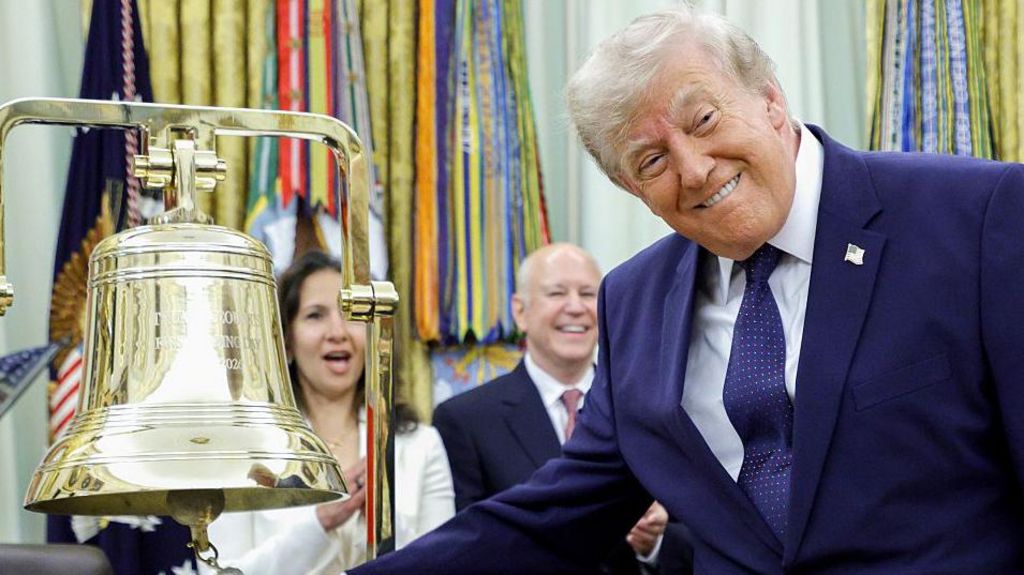
Will Trump Accounts deliver for American children?
A new national children’s savings initiative, dubbed Trump Accounts, officially launched this week with a historic ceremony that rang the iconic Wall Street opening bell directly from the Oval Office, marking one of the most high-profile domestic policy rollouts of the current administration ahead of November’s midterm elections.
Designed to cultivate long-term investing habits and give younger generations a foothold in the U.S. financial system, the program is open to all American children under the age of 18 with a valid Social Security number. Infants born between 2025 and 2028 qualify for an automatic $1,000 government seed contribution to kickstart their savings, and parents can open an account through a simple mobile app download. Third parties, including family members, friends, and employers, are permitted to contribute up to $5,000 per child annually, and account holders gain full access to their funds once they turn 18.
By legislative requirement, all funds must be held in low-cost index funds structured for long-term growth. While account balances grow tax-free, withdrawals made before the account holder turns 59.5 incur income taxes and a potential 10% penalty unless the funds are used for approved expenses: higher education costs, the purchase or construction of a first home, or qualifying personal emergencies. The program adds a new option to the existing landscape of U.S. tax-advantaged savings tools, complementing existing products such as individual retirement accounts (IRAs) for retirement planning and 529 plans for education savings. A congressional analysis classifies Trump Accounts as a modified iteration of traditional IRAs, with distinct eligibility and withdrawal rules unique to the program.
The White House has framed the initiative as a solution to the longstanding uneven distribution of stock ownership across the U.S., arguing that millions of younger and lower-income households currently hold little to no exposure to financial markets. “This program gives every child in America a stake in our country’s economic future,” a senior administration official said in comments ahead of the launch.
But reaction across policy and financial circles has been deeply split, with critics arguing the program’s complexity will leave low-income families behind and fail to live up to administration hype amid ongoing widespread concerns over rising cost of living. Will McBride, chief economist at nonpartisan think tank the Tax Foundation, argues the onboarding process is unnecessarily convoluted, meaning only a small minority of eligible families will actually benefit. “The households that will actually take advantage of this are those that are already well-informed, well-off, and organized about their finances,” McBride explained.
Other analysts have acknowledged the program’s core goal of expanding investment access is worthwhile, but warn it falls short of solving structural barriers to savings for low-income groups. Adam Michel, director of tax policy studies at the Cato Institute, noted that the $1,000 starting subsidy is the program’s biggest benefit, but most families would be better served by existing tax-advantaged savings products. Michel also pointed to the early withdrawal penalty as a critical unaddressed flaw: lower-income young adults who turn 18 may be forced to withdraw funds to cover immediate living costs, leaving them stuck paying the 10% penalty that the program does nothing to eliminate. “Trump Accounts do not fix that problem,” Michel emphasized.
Supporters, however, argue the initiative removes a key barrier to entry for new savers. Andy Blocker, head of policy, regulatory and government relations at major financial services firm Edward Jones, said the $1,000 automatic contribution for eligible infants eliminates the most common barrier for new families: “not having anything to start with.” “If by the end of the year, more American families have a clear pathway to start building financial security for their children, that counts as a success,” Blocker said.
Preliminary uptake data shows that around six million families opened accounts ahead of the program’s July 4 launch, a figure that represents only a small fraction of the tens of millions of children eligible nationwide. As of Monday, the White House confirmed that the $1,000 starting subsidy has already been deposited into more than 500,000 accounts for newborns, aligned with provisional U.S. birth data that recorded roughly 3.6 million births in 2025. By the end of the first week post-launch, total contributions across all Trump Accounts from private sources had reached nearly $125 million, per administration figures.
Program projections based on historical average returns from the S&P 500 estimate that the $1,000 starting seed could grow to as much as $6,000 by the time a child turns 18 even with no additional contributions, though projections note actual returns are not guaranteed. If families contribute an average of $250 per year, the balance could reach roughly $19,000 by age 18; with the maximum annual $5,000 contribution from family or employers, that balance could climb to as high as $271,000 by the time the child reaches adulthood.
The initiative has secured backing from major players in the U.S. corporate and financial sectors. Global investment giant BlackRock has publicly supported the program, noting that nearly 40% of all Americans hold no investments in financial markets. Major U.S. firms including payment processing leader Visa and technology conglomerate Dell have also pledged formal support for the rollout.
-
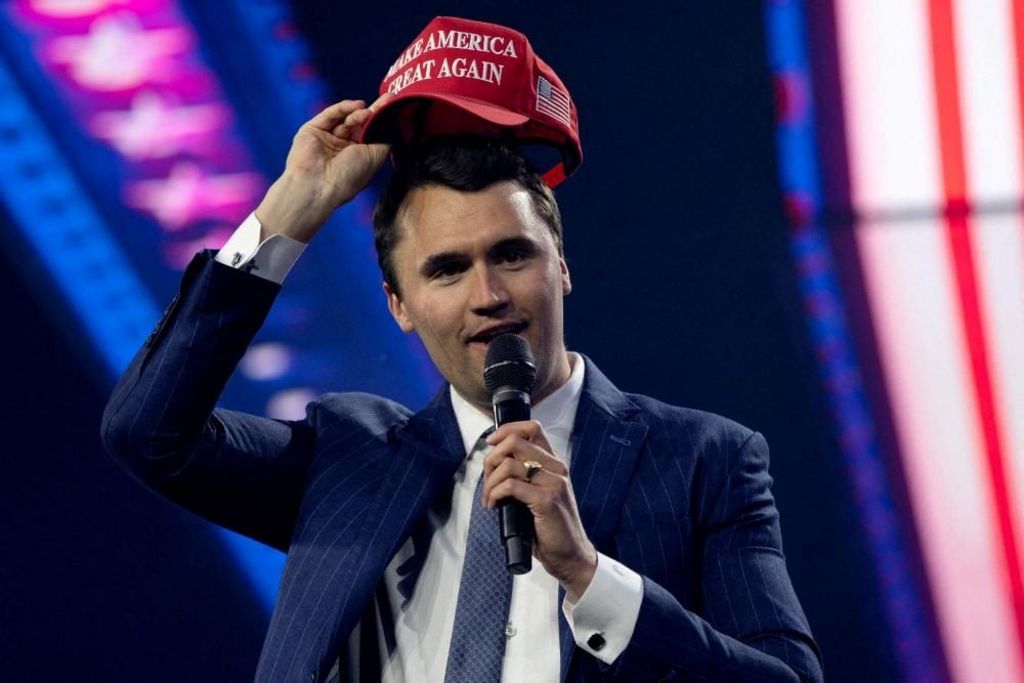
‘Devastating’ evidence against Charlie Kirk murder suspect laid out in court
Five days of high-stakes preliminary hearings for the 2024 assassination of prominent conservative political figure Charlie Kirk have wrapped up in Utah, with prosecutors presenting what they call overwhelming, devastating evidence linking 23-year-old trainee electrician Tyler Robinson to the killing, while the defense has worked relentlessly to undermine the case’s credibility.
-
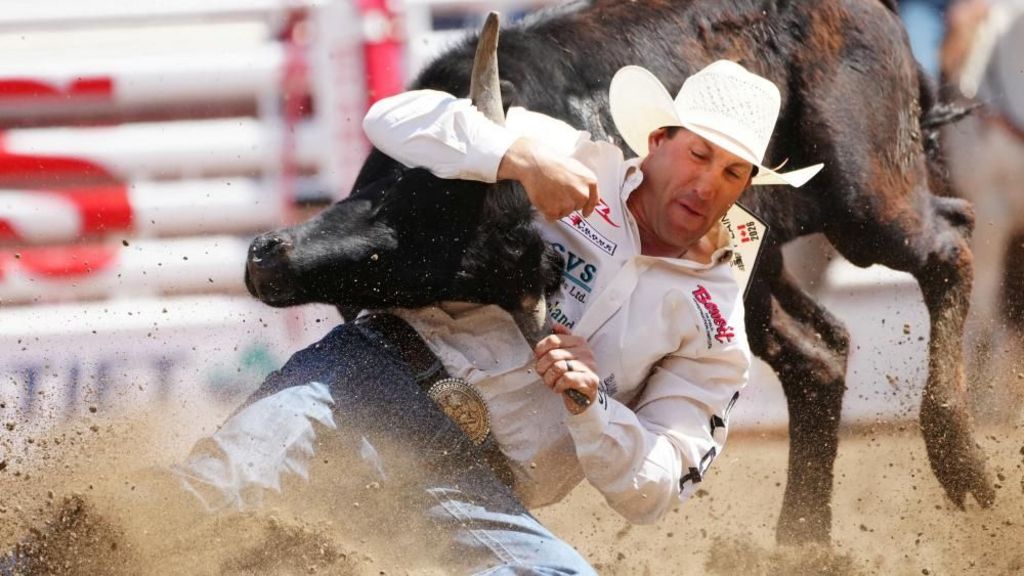
At Canada’s biggest rodeo, the starting gun is fired in the fight over Alberta separation
Every summer, more than 1.4 million visitors from across Canada and around the world flood into Calgary for the Calgary Stampede, billed as the ‘Greatest Outdoor Show on Earth.’ This iconic western Canadian celebration draws crowds to witness heart-pounding chuckwagon races, lightning-fast First Nations horse relays, and all the rustic charm of cowboy culture, while also doubling as a test of political skill—leaders are expected to nail a pancake flip at community breakfasts and pull off a convincing cowboy look to win over voters.
This year, however, the carnival music and festive energy of the Stampede grounds are overshadowed by a looming political battle: an upcoming October non-binding referendum that will ask Albertans whether they support holding a later binding vote on full independence from Canada. For both pro-unity and pro-separation advocates, the 2026 Stampede has become the first major public stage to make their case to voters, kicking off what all sides agree will be a hard-fought, divisive campaign for the province’s future.
‘You can feel it everywhere—this referendum is the cloud over everything we do,’ Corey Hogan, a Liberal Member of Parliament from Calgary, told reporters during the event. Hogan invited dozens of federal Liberal colleagues from across the country to the Stampede this year to rally for national unity, and in a public speech, he framed separatism as ‘a poison’ that has split families and communities across Alberta. ‘It underpins every other conversation we might want to have about healthcare, the economy, or climate action,’ he added. Prime Minister Mark Carney is scheduled to visit Calgary this weekend to deliver his own pro-unity message, joining a long list of federal leaders who see the October vote as a critical moment for Canadian national cohesion.
While public polling currently projects that the pro-unity side will win the October referendum by a comfortable margin, many unity advocates say they are taking nothing for granted, haunted by the 2016 Brexit referendum, when a complacent pro-Remain camp ultimately lost to the leave campaign. ‘The shadow of Brexit hangs over every step of this campaign,’ said Andrew Kemle, a University of Calgary graduate student who attended Hogan’s Stampede unity breakfast. ‘We saw an entire country sleepwalk into an economic disaster we’re still dealing with. We can’t let that happen here.’
The push for Alberta independence has its roots in decades of frustration among many Albertans who feel the oil-rich, landlocked province has been systematically overlooked and disrespected by federal decision-makers in Ottawa. Separatist organizers say that frustration grew during the COVID-19 pandemic, and reached a turning point during the 2021 Freedom Convoy protests, when then-Prime Minister Justin Trudeau invoked the never-before-used Emergencies Act to clear blockades in downtown Ottawa.
Chris Scott, a pro-independence organizer from the small rural town of Mirror who took part in the 2021 convoy, said the federal government’s response to the protest completely reshaped his view of Canadian national identity. ‘I was raised believing this was a free country,’ Scott told the BBC from his rural cafe and truck stop, which is decorated with Alberta’s blue provincial flag and art commemorating the Freedom Convoy. ‘Trudeau’s actions that week showed me we don’t have a voice in Ottawa. When you’re not respected by the national government, it’s hard to respect that government back.’ For Scott, even Prime Minister Carney’s recent push to approve a long-sought west coast oil pipeline—one of Alberta’s top policy priorities for decades—is too little too late. ‘Ottawa is only reaching out now when they’re scared of losing us. It’s too late. We need to set our own rules,’ he said.
Justin Perkins, a rural Albertan who shared his views with the BBC while refueling his car, echoed that sense of alienation. ‘I would say I’m 100% Canadian, but every year that feels less true,’ Perkins said. ‘People across the country write us off as hated rednecks, just for being born here. We didn’t do anything wrong, but we’re treated like the ugly cousin of Canada. What choice do we have but to go it alone?’
Pro-unity advocates warn that separation would bring catastrophic political, economic, and social harm to Alberta, and they have launched a full-court press to convince voters ahead of October. Former Progressive Conservative Alberta legislator Thomas Lukaszuk, who leads the pro-unity group Forever Canadian, recently opened the organization’s campaign headquarters in Calgary, and has spent the past two months crisscrossing the province in a refurbished 1997 camper van covered in maple leaf decals, dubbed the ‘Unity Bus.’ He hands out pro-Canada pins and lawn signs, and speaks to small groups of voters in towns and cities across the province to lay out the risks of separation.
Lukaszuk says the referendum debate has already torn communities apart. ‘You have neighbors not trusting neighbors, people checking which flag is flying on which porch,’ he said. ‘If it’s an Alberta flag, they automatically assume you’re a separatist. This is an incredibly divisive fight, and it has to end.’ Scott, meanwhile, says his community in rural Mirror is overwhelmingly pro-independence, a divide that highlights the deep urban-rural split on the issue across the province: while most major urban centers lean heavily pro-unity, rural areas are far more sympathetic to separation. Polls currently show only around 20% of all Albertans support full independence, but Scott says that number is growing fast, and he’s bought his own campaign van to rival Lukaszuk’s Unity Bus. No matter what happens in October, he says, independence is ‘inevitable.’
A key barrier to an immediate binding separation vote has been the successful legal challenge brought by Alberta’s First Nations groups, who argued that separatist leaders never consulted them on a plan for independence, which would put their constitutionally protected treaty rights at severe risk. The courts ruled in favor of First Nations, delaying a binding referendum until the legal process is resolved. Chief Samuel Crowfoot of the Siksika First Nation, whose territory lies just east of Calgary near the 1877 signing site of Treaty 7, said his community’s future is far more secure within Canada.
‘These numbered treaties form the entire basis of our relationship with the Crown, and those treaties will be honored far more fully if we stay within Canada,’ Chief Crowfoot told the BBC. ‘Separatist leaders have not reached out to us, they haven’t talked to us about what an independent Alberta would look like for First Nations, and there is no guarantee our rights would be protected.’ Chief Troy Knowlton of the Piikani First Nation put it more bluntly: he would rather stick with ‘the devil that we know today’ than risk the uncertainty of independence. Chief Crowfoot added that without First Nations’ legal challenge, a binding separation referendum would already be moving forward, making Indigenous Albertans the most effective force holding Canada together so far.
Alberta Premier Danielle Smith, who has navigated a separatist-leaning political base while remaining personally pro-unity, has defended the October vote, saying it is an important opportunity to give Albertans a direct voice on the issue. For pro-unity leaders like Hogan, even the non-binding ‘referendum on a referendum’ poses major risks. If the pro-exploration side wins, Hogan says, Alberta politics could be consumed by the separation fight forever. ‘Loss is not an option for us,’ Lukaszuk said. ‘We will do everything we possibly can to win this in October.’
As the 10-day Calgary Stampede draws to a close this weekend, with cowboys heading back to their ranches and the fairground rides going quiet, both sides agree: this is only the opening round of a battle that will shape the future of Alberta and Canada for generations to come.
-
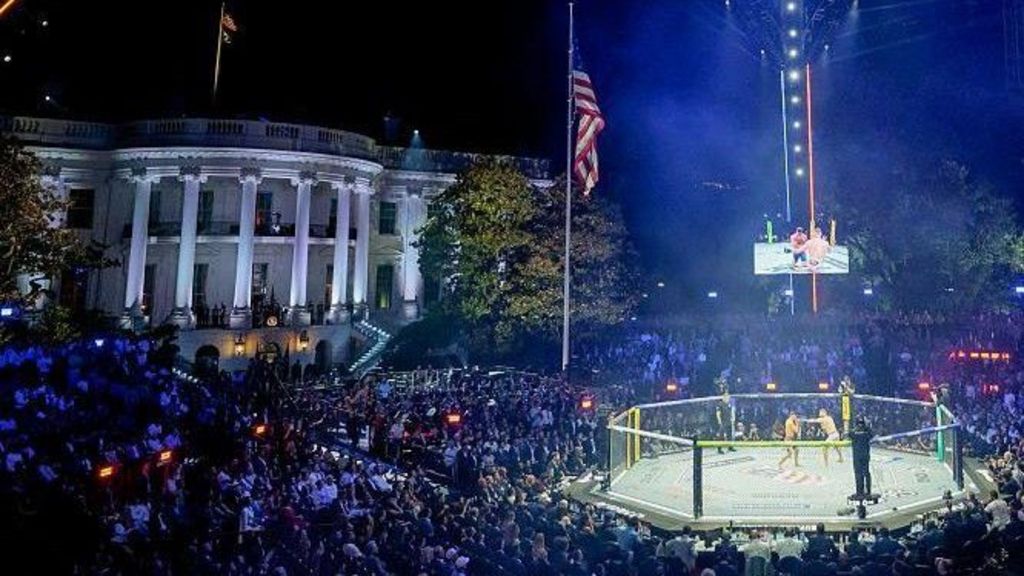
Eight charged over alleged conspiracy to attack White House UFC event
A coordinated terror plot targeting former President Donald Trump and other high-profile public figures at a June White House mixed martial arts event has led to terrorism charges against eight men across the United States, federal law enforcement officials have confirmed. The alleged conspiracy, which prosecutors say aimed to spark a national revolution by attacking the invite-only gathering, was foiled only after a concerned mother tipped off authorities weeks before the event was set to take place.
The June 14 UFC Freedom 250 event, held on the White House South Lawn to mark the 250th anniversary of U.S. independence, drew roughly 4,300 attendees. Among those present were President Trump, Vice President JD Vance, senior White House cabinet officials, and sitting members of Congress. The gathering also fell on Trump’s 80th birthday, marking it as a high-profile national event.
According to federal court documents and statements from prosecutors, the conspiracy was uncovered on June 10, four days before the event, when the mother of 20-year-old suspect Tycen J Proper contacted local law enforcement. She raised alarm over her son’s recent large purchases of firearms and his communications with an online group calling itself a network of former military service members aligned with Christian values. Prosecutors note the group shared extensive grievances over a range of political issues, including alleged government corruption, the federal government’s handling of the Jeffrey Epstein case, and the impact of data centers on local water supplies.
The FBI says Proper admitted the group’s core goal was to “jumpstart a revolution in the United States” by launching a coordinated attack on the UFC event. Prosecutors outline a multi-phase plot: first, explosive-laden drones would strike adjacent buildings to trigger mass panic, driving fleeing attendees toward an positioned sniper team waiting to open fire on “high value targets.” A second wave of attackers would then storm the main gate of the White House to continue the assault.
Court filings linked to co-defendant Abraham Hermosillo Alvarez confirm the group compiled a target list that included Trump, Vance, Israeli Prime Minister Benjamin Netanyahu, business leader Elon Musk, and multiple sitting elected officials. Though not all targets ultimately attended the June 14 event, law enforcement notes the attack plan remained in motion.
The eight co-conspirators, ranging in age from 19 to 32, face three core charges: conspiracy to provide material support to terrorists, conspiracy to commit murder on federal government property, and conspiracy to murder a federal official. The final suspect, Chandler D Scaggs, was taken into custody earlier this week in West Virginia, wrapping up the arrest of all eight alleged plotters. If convicted on the murder conspiracy charges, each defendant faces a possible life prison sentence, while the terrorism offense carries a maximum penalty of 15 years behind bars.
Law enforcement records show the defendants were based across the country, with residences stretching from California to Missouri and Nebraska. Proper told investigators the group first began organizing in March, with most new members recruited through the social media platform TikTok. The group planned the attack using a range of encrypted and mainstream communication platforms, including Signal, Instagram, and Discord, according to officials. Investigators have not yet confirmed any formal affiliation between the group and larger established domestic or international extremist organizations.
A ninth individual, Alexander Iniguez Mercado, was arrested last week on a separate charge of obstruction of justice. Prosecutors allege Mercado deleted the Signal messaging app from his phone after being contacted by an FBI agent, intentionally wiping potential evidence linking him to the plot. He has pleaded not guilty to the obstruction charge.
The foiled plot marks the third high-profile security incident near the president in less than three months. In April, a shooting occurred at the White House Correspondents Dinner that Trump attended, and in May a man was shot and killed by Secret Service agents after opening fire at a White House security checkpoint.
-
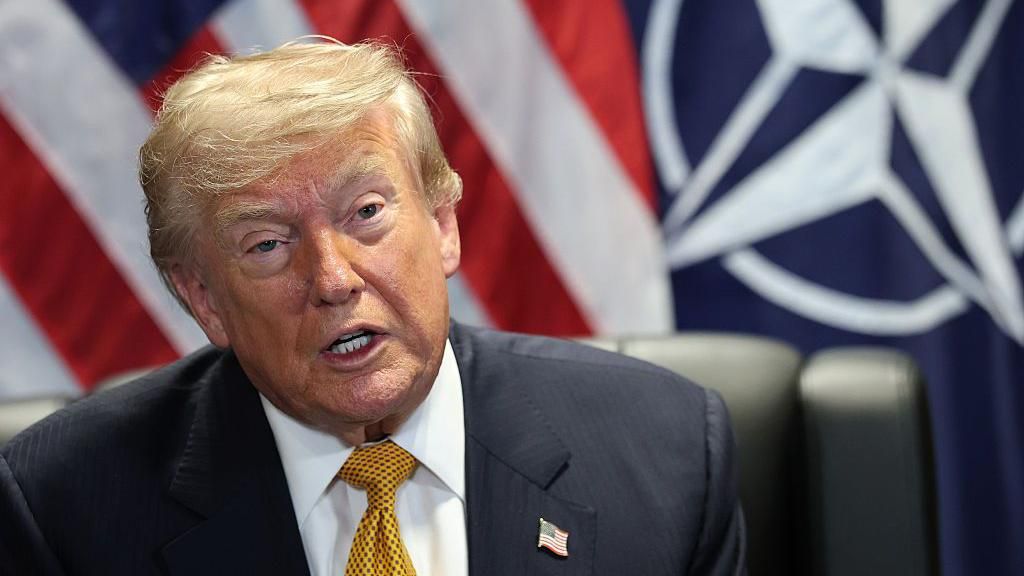
Trump says he will not sign landmark housing bill in protest
A political standoff has erupted in Washington D.C. after former president and current 2024 Republican presidential nominee Donald Trump announced he will refuse to sign a landmark bipartisan housing reform bill, in a strategic protest against the U.S. Senate’s failure to advance strict voter identification legislation he has prioritized ahead of November’s general election.
The 21st Century Road to Housing Act, approved by both chambers of Congress in June in a rare show of cross-party cooperation, is scheduled to automatically become law at midnight Friday if Trump declines to issue a veto. Legislative rules state that any bill delivered to the president’s desk becomes law after 10 days if no action is taken, but Trump has made clear he is actively rejecting the legislation over his voter ID demands.
Widely hailed by policy experts as the most ambitious federal effort to ease skyrocketing housing costs for American renters and prospective homebuyers in the 21st century, the legislation includes more than 40 targeted provisions. It streamlines permitting to speed up construction of new housing units and places new limits on bulk purchases of single-family homes by large institutional investors, addressing two key drivers of the current national housing affordability crisis.
The push for reform comes at a moment of widespread public frustration over housing costs: industry data from the National Association of Realtors shows the median price of existing U.S. homes hit an all-time high of $440,660 in June, a 1.8% year-over-year increase. Calculations from real estate firm Redfin find a household needs an annual income of roughly $117,000 to afford an average-priced home, a figure nearly $30,000 higher than the median annual income for most U.S. households, per U.S. Census Bureau data. Compounding the crisis, persistent high inflation and elevated mortgage interest rates have pushed homeownership entirely out of reach for millions of working- and middle-class Americans.
Trump’s protest centers on the Safeguard American Voter Eligibility Act, commonly called the SAVE Act or Save America Act, which would require all voters to show government-issued photo identification and proof of U.S. citizenship to cast a ballot. Trump, who has spent years spreading unsubstantiated false claims of widespread voter fraud in past federal elections, has made the legislation a top priority for his party, demanding Senate Republicans prioritize it ahead of the November election.
Despite Republicans holding majority control of both the House and Senate, party leaders have acknowledged they do not have enough votes to pass the stricter voting law. Democrats have universally opposed the measure, arguing it would disenfranchise millions of eligible low-income, minority, and elderly voters who face barriers to obtaining required identification.
Trump first canceled a public signing ceremony for the housing bill shortly after it reached his desk, conditioning his signature on the Senate passing the voter ID bill. In an extensive post to his Truth Social platform on Friday, he doubled down on this demand.
“I will not sign the Housing Bill, which has been fully approved by Congress and sent to the White House, in protest over the fact that the United States Senate is not capable of passing the Save America Act,” Trump wrote. “THE SAVE AMERICA ACT’S non-passage is CRAZY, and a serious threat to any politician who votes against it!”
Democratic leaders have quickly condemned Trump’s move, framing it as a deliberate choice to put partisan political priorities over the economic well-being of American households. House Minority Leader Hakeem Jeffries wrote on X, the social platform formerly known as Twitter, that Republicans “would rather make it harder to vote than easier to afford a home.”
-
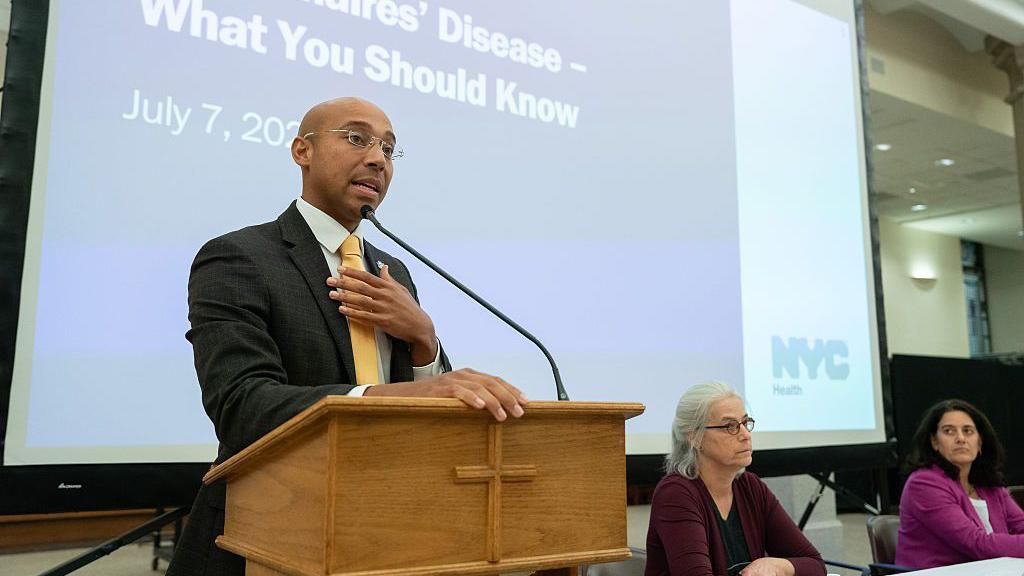
‘Concern in the community’ over New York City Legionnaires’ outbreak
A growing outbreak of Legionnaires’ disease, a severe bacterial pneumonia, has put residents of New York City’s Manhattan Upper East Side on high alert, prompting city health officials to roll out an aggressive containment response while drawing criticism from local political leaders over the pace of action. As of this week, 46 confirmed cases of the infection have been recorded, with the city tracing the source of the outbreak to contaminated water cooling towers on large buildings across the neighborhood.
For many local residents like Justine Kirby, the outbreak has already changed daily routines. Kirby now wears a fitted N95 protective mask for every outdoor walk through the normally quiet neighborhood and keeps all apartment windows closed to reduce exposure risk. “I know the overall risk for most people is low, but until all contaminated sites are cleaned and disinfected, there’s no real downside to taking these extra precautions,” Kirby explained in an interview.
Health department data shows 22 of the 46 infected patients have required hospital admission, with a portion of those patients admitted to intensive care units for severe respiratory symptoms. Legionnaires’ disease is caused by Legionella bacteria, which thrive in warm water environments. When bacteria are carried through the mist emitted by cooling towers, people can inhale the pathogens and develop pneumonia. For immunocompromised individuals and untreated cases, the infection can be fatal.
Dr. Wafaa El-Sadr, an epidemiology professor at Columbia University Mailman School of Public Health, noted that cooling towers on large commercial and residential buildings are the perfect breeding ground for the bacteria, explaining how the current outbreak has spread through the dense urban neighborhood. “Warming temperatures driven by climate change are expected to make these kinds of outbreaks more frequent and severe over time, even though Legionnaires’ has been a documented public health risk in New York and other major global cities for decades,” Dr. El-Sadr added.
City health officials have launched what they call an aggressive response to the cluster of cases. New York City Health Commissioner Alister Martin told a packed community town hall held at a local Upper East Side church this week that early detection of the outbreak was a critical advantage for containment teams. “We have identified 160 cooling towers across the affected region that need testing, and we are not waiting to take action,” Martin said, per remarks obtained by ABC News. The current policy requires any building with a positive Legionella test to immediately complete full cleaning and disinfection of its cooling tower, rather than delaying action for additional confirmatory testing. As of this week, multiple building owners have already finished the disinfection process, with more work ongoing.
Not all local leaders are satisfied with the city’s response, however. New York City Council Speaker Julie Menin raised sharp concerns at the town hall and in a formal letter to Commissioner Martin, saying she is “deeply concerned that the Department of Health and Mental Hygiene has still failed to require building owners to proactively disinfect all cooling towers in the area under investigation.”
While Kirby said she feels reassured by the city’s widespread testing efforts, she added that many residents who attended the town hall still have unanswered questions about how to best protect themselves from exposure. City guidance currently advises residents to monitor for flu-like symptoms associated with the disease and seek immediate medical care if symptoms develop, but the health department has not issued a formal recommendation for or against outdoor masking for local residents. When contacted by the BBC for comment on masking guidance, the department did not respond. Dr. El-Sadr, however, said that well-fitted masking and closed windows are sensible protective steps for residents living in the core of the outbreak zone, a point Kirby says the city could have communicated more clearly.
This outbreak is the latest in a series of Legionnaires’ events impacting major North American cities in recent years. In 2025, an outbreak in London, Ontario, recorded 105 cases and five deaths. Last August, a Legionnaires’ cluster in Harlem, upper Manhattan, infected 114 people and killed seven, with investigators tracing the source to cooling towers at Harlem Hospital and a nearby city public health laboratory site. Notably, the Upper East Side currently holds more than three times the number of cooling towers that were tested during the 2025 Harlem outbreak, according to city health department data.