标签: North America

北美洲

  • Trump backs ban on institutional investor home purchases

    Trump backs ban on institutional investor home purchases

    In a significant policy shift, former US President Donald Trump has pledged to prohibit major corporate investors from acquiring single-family homes, aiming to improve housing accessibility for American families. The announcement, made through social media platforms on Wednesday, represents a direct response to growing concerns over Wall Street’s expanding influence in residential real estate markets across the nation.

    Trump declared his intention to seek congressional approval to formally enact the prohibition, with plans to elaborate on the proposal during the upcoming World Economic Forum in Davos. The initiative aligns with increasing political attention toward corporate ownership of residential properties, an issue that has gained momentum among housing advocates and legislators from both major parties.

    The policy statement triggered immediate market reactions, with shares of prominent private equity firm Blackstone declining over 5% following the announcement. Several housing-related stocks experienced similar downturns, including Invitation Homes, which specializes in single-family rentals and saw a 6% drop, and building supplier Builders FirstSource, which fell more than 5%.

    Trump framed the proposal as essential to preserving the American Dream, asserting that ‘People live in homes, not corporations’ and highlighting the particular challenges facing younger prospective homeowners. The announcement coincides with mounting public dissatisfaction regarding economic management and escalating living expenses, with housing affordability ranking among top concerns for voters.

    While housing advocacy groups welcomed the proposal, analysts expressed skepticism about its potential impact on market prices. Laurie Goodman of the Urban Institute noted that institutional investors, strictly defined as entities holding at least 1,000 units across multiple locations, control approximately 4% of the single-family market—a proportion that has remained stable in recent years amid elevated interest rates and property values.

    The policy faces practical implementation challenges, including defining threshold criteria for ‘large’ investors and determining treatment of existing corporate-owned properties. Some experts, including Redfin’s Chief Economist Daryl Fairweather, caution that any vacuum created by restricting major investors might simply be filled by medium or smaller-scale investors rather than first-time homebuyers.

    Political dimensions further complicate the proposal’s prospects. Senate Democrats previously attempted similar legislation without success, while Ohio Republican Senator Bernie Moreno has announced plans to introduce supporting legislation. The initiative emerges as a rare issue attracting bipartisan concern, though previous legislative efforts have struggled to gain traction despite widespread scrutiny of corporate housing investments.
  • US military seizes Russian-flagged oil tanker M/T Sophia in North Atlantic

    US military seizes Russian-flagged oil tanker M/T Sophia in North Atlantic

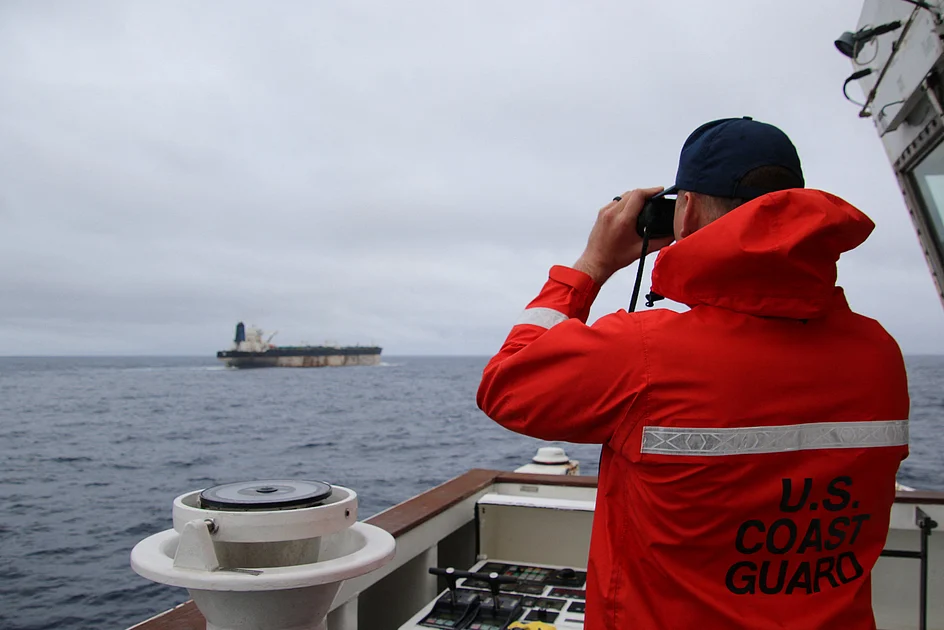
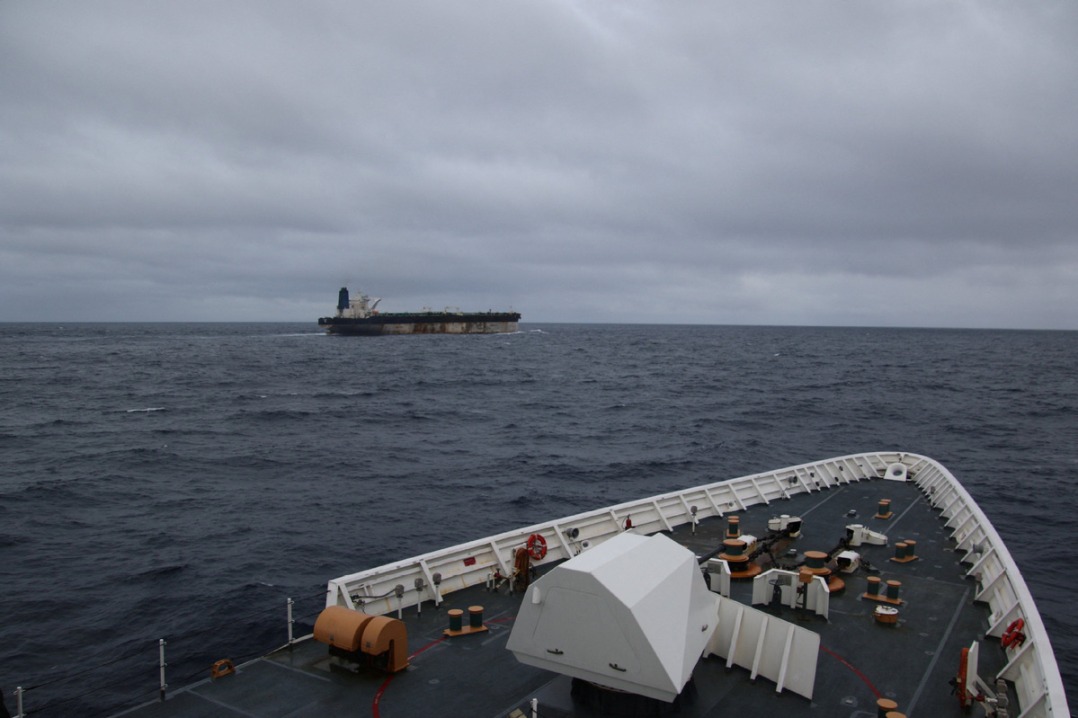
    In a significant escalation of maritime enforcement operations, the United States military has confirmed the seizure of the Russian-flagged oil tanker M/T Sophia in the North Atlantic Ocean. The vessel was apprehended on Wednesday following an extensive multi-week pursuit by American forces for alleged violations of international sanctions.

    The operation was conducted as a collaborative effort between the Department of Homeland Security and U.S. military personnel, according to an official statement from U.S. European Command posted on social media platform X. The tanker had previously evaded boarding attempts near Venezuelan waters before its eventual capture in international waters.

    This seizure occurs within the context of heightened geopolitical tensions following the deposition of Venezuelan leader Nicolas Maduro. Washington has implemented a comprehensive blockade strategy targeting sanctioned vessels operating near the South American OPEC member nation. The U.S. Coast Guard and military forces had been pursuing this particular tanker since last month when it refused compliance with boarding procedures while sailing under the Russian flag.

    The interception operation carried substantial diplomatic risks as Russian submarine and naval vessels were operating in proximity to the pursuit area after the two-week Atlantic chase. Moscow, which has consistently condemned U.S. actions regarding Venezuela and maintains existing tensions with Western nations over the Ukraine conflict, has characterized the seizure as provocative.

    In a related development, U.S. authorities have simultaneously intercepted another fully-loaded tanker with connections to Venezuela near the northeastern coast of South America. This marks at least the fourth such enforcement action in recent weeks, signaling an intensified campaign to enforce sanctions through maritime interdiction operations.

  • US military says it seizes oil tanker linked with Russia, Venezuela in North Atlantic

    US military says it seizes oil tanker linked with Russia, Venezuela in North Atlantic

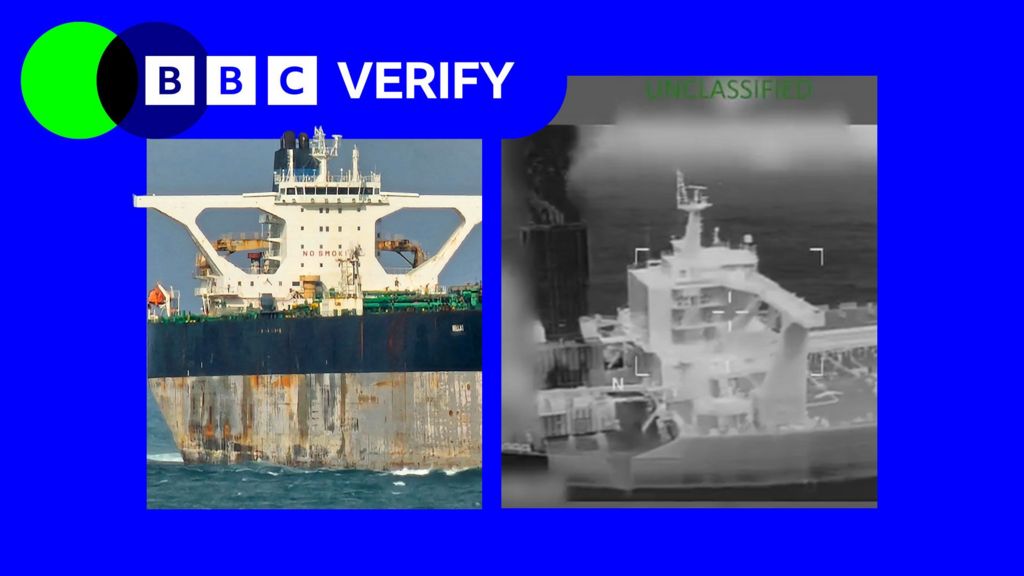
    In a significant maritime enforcement operation, United States military forces have intercepted and seized a Russian-registered oil tanker with connections to Venezuela in the North Atlantic. The vessel, identified as the M/V Bella 1 (now renamed Marinera), was captured pursuant to a federal court warrant for violations of US sanctions regimes.

    The operation, coordinated between the US Department of Justice, Department of Homeland Security, and Department of Defense, culminated after an extensive pursuit that began in late December. According to US European Command, the USCGC Munro—a Legend-class National Security Cutter capable of long-range missions—tracked and ultimately seized the vessel after it attempted to evade capture.

    Media reports indicate Russian military vessels were present in the area during the interception, adding geopolitical complexity to the operation. The tanker had been under US sanctions targeting Iran before its ownership changes and attempted voyage to Venezuela.

    The vessel’s crew had recently attempted to establish Russian affiliation by painting a Russian flag on the ship’s hull and registering with the Russian Maritime Register of Shipping under the new name Marinera on December 31. This development occurred after the tanker aborted its Caribbean course toward Venezuela approximately two-and-a-half weeks prior when pursued by US Coast Guard assets.

    This seizure represents the third such interception of oil tankers by US forces near Venezuelan waters, reflecting intensified enforcement of President Donald Trump’s recent order implementing a “full and total blockade” against sanctioned vessels attempting to enter or leave Venezuelan ports.

  • Tracking the oil tankers seized by the US

    Tracking the oil tankers seized by the US

    In a significant maritime enforcement operation, United States authorities have formally announced the interdiction and seizure of two oil tankers across strategic international waters. The operation targeted vessels suspected of violating international sanctions or engaging in illicit activities.

    The first vessel, identified as the Marinera (previously registered under the name Bella 1), was intercepted and taken into custody while navigating the North Atlantic Ocean. Concurrently, a second tanker, the Sophia, was successfully seized in international waters proximate to the Caribbean Sea. These coordinated actions underscore a continued escalation in U.S. efforts to enforce compliance with global maritime law and economic sanctions regimes.

    While the specific legal justifications for these seizures were not fully elaborated in the initial announcement, such operations are typically conducted under authority granted by national statutes or through rulings from U.S. courts. Historical precedents suggest these tankers may be linked to sanctions evasion, particularly related to oil shipments from embargoed nations like Iran or Venezuela.

    The strategic locations of these seizures—major transit routes for international shipping—highlight the global reach of U.S. maritime enforcement capabilities. These actions will likely have immediate operational repercussions for global shipping logistics and energy markets, potentially causing heightened due diligence among vessel operators and maritime insurers. The incidents also carry substantial diplomatic weight, potentially triggering formal protests or escalating tensions with the flagged states of the seized vessels.

  • New US dietary guidelines call for more protein, less processed food

    New US dietary guidelines call for more protein, less processed food

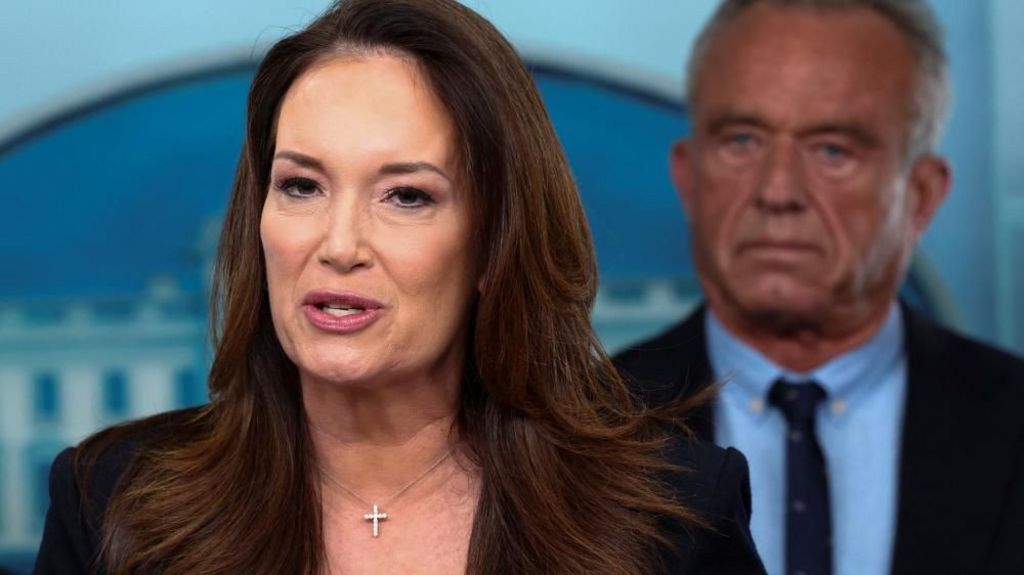
    The U.S. Department of Health and Human Services has introduced transformative dietary recommendations that fundamentally reshape national nutrition policy. Secretary Robert F. Kennedy Jr. presented the updated guidelines during a White House briefing, championing a “real food” philosophy that encourages increased protein consumption while dramatically reducing processed foods and added sugars.

    The comprehensive guidelines, revised quinquennially through collaboration between the Agriculture Department and Health and Human Services, now endorse three daily servings of full-fat dairy products and significantly modify alcohol consumption recommendations. These nutritional standards form the cornerstone of federal nutrition initiatives, including the National School Lunch Program and other feeding assistance programs.

    Notable shifts include the abandonment of previous low-fat dairy recommendations in favor of full-fat alternatives, representing a substantial departure from decades of nutritional guidance. The updated framework promotes olive oil as a primary cooking fat while surprisingly suggesting beef tallow—a Kennedy preference—as an acceptable alternative despite its high saturated fat content.

    Alcohol guidelines have undergone the most radical transformation, eliminating specific daily drink limits (previously one drink for women and two for men) in favor of a generalized recommendation to consume “less alcohol for better overall health.” The guidelines maintain specific prohibitions for pregnant women, those recovering from alcohol use disorder, and individuals taking incompatible medications.

    The medical community has responded with divided perspectives. The American Medical Association praised the emphasis on reducing processed foods and sugar-sweetened beverages, with President Bobby Mukkamala declaring that “the guidelines affirm that food is medicine.” However, prominent nutrition experts like former NYU professor Marion Nestle criticized the protein recommendations as unnecessary given existing consumption patterns, warning that the guidelines resemble 1950s eating patterns associated with rampant heart disease.

    The American Heart Association expressed concern that recommendations regarding salt seasoning and red meat consumption might lead consumers to exceed established limits for sodium and saturated fats—primary contributors to cardiovascular disease. These guidelines represent Kennedy’s continued focus on combating obesity and chronic illness, following his previous initiatives regarding artificial food dyes and controversial changes to vaccine policies.

  • US will control Venezuela oil sales ‘indefinitely’, official says

    US will control Venezuela oil sales ‘indefinitely’, official says

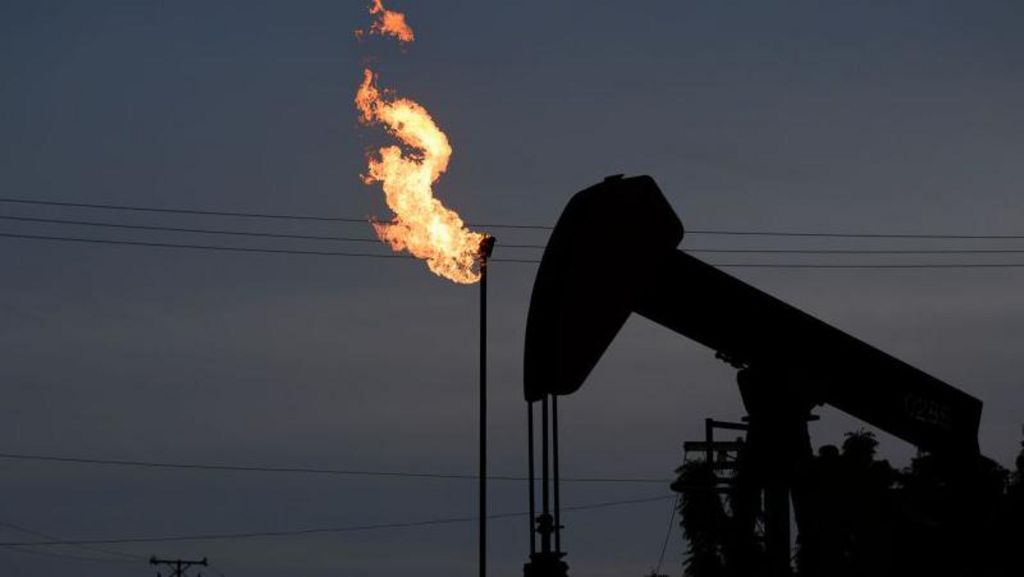
    The United States government has announced it will indefinitely maintain control over sales of previously sanctioned Venezuelan oil, marking a significant strategic pivot in its foreign policy approach. This decision comes as the administration prepares to reintroduce Venezuelan crude into global markets under a novel revenue control mechanism.

    White House officials confirmed the policy implementation, revealing that initial sales will involve 30 to 50 million barrels of oil. The generated revenue—estimated by analysts at approximately $2.8 billion—will be administered exclusively by U.S. authorities to preserve diplomatic leverage over the Venezuelan government. Energy Secretary Chris Wright articulated the strategy at an energy conference in Miami, stating, “We’re going to let the oil flow,” while emphasizing that financial control remains essential to “drive the changes that simply must happen in Venezuela.”

    The operational framework, initiated through coordination with major banking institutions and commodity trading firms, follows President Donald Trump’s social media announcement regarding Venezuela’s transfer of up to 50 million barrels to U.S. control. The administration asserts that proceeds will be deposited into U.S.-managed accounts, with President Trump personally overseeing distribution to benefit both Venezuelan citizens and American interests.

    Secretary of State Marco Rubio clarified the objective: ensuring funds reach “the Venezuelan people—not corruption, not the regime.” This approach aims to stabilize Venezuela’s crippled economy while maintaining pressure on Nicolás Maduro’s government.

    Despite possessing the world’s largest proven oil reserves, Venezuela’s production has collapsed to approximately 1 million barrels daily (less than 1% of global output) due to chronic disinvestment, mismanagement, and sustained sanctions. Recent production had primarily supplied China until U.S. naval blockades disrupted these shipments.

    China has condemned the U.S. seizure of Venezuelan assets, with Beijing’s foreign minister criticizing American control over Venezuela’s oil resources. Meanwhile, industry analysts note that U.S. refiners—particularly Chevron—equipped to process Venezuela’s heavy crude stand to benefit immediately. This development may pressure Canadian and Mexican producers who currently dominate heavy crude supply to U.S. refineries.

    Oil markets have already responded to the prospect of increased Venezuelan access, with prices declining further amid already subdued demand expectations. However, analysts caution that meaningful production recovery requires years of investment and billions of dollars—investment that may prove challenging given more attractive opportunities in stable regions like the U.S. and Guyana.

  • How could Donald Trump ‘take’ Greenland?

    How could Donald Trump ‘take’ Greenland?

    The White House has confirmed that all strategic options remain under consideration regarding Greenland, including potential military action, as articulated by former President Donald Trump. This revelation has triggered profound concerns within the NATO alliance, given the prospect of one member state initiating aggression against another—Denmark, which maintains sovereignty over the vast Arctic territory.

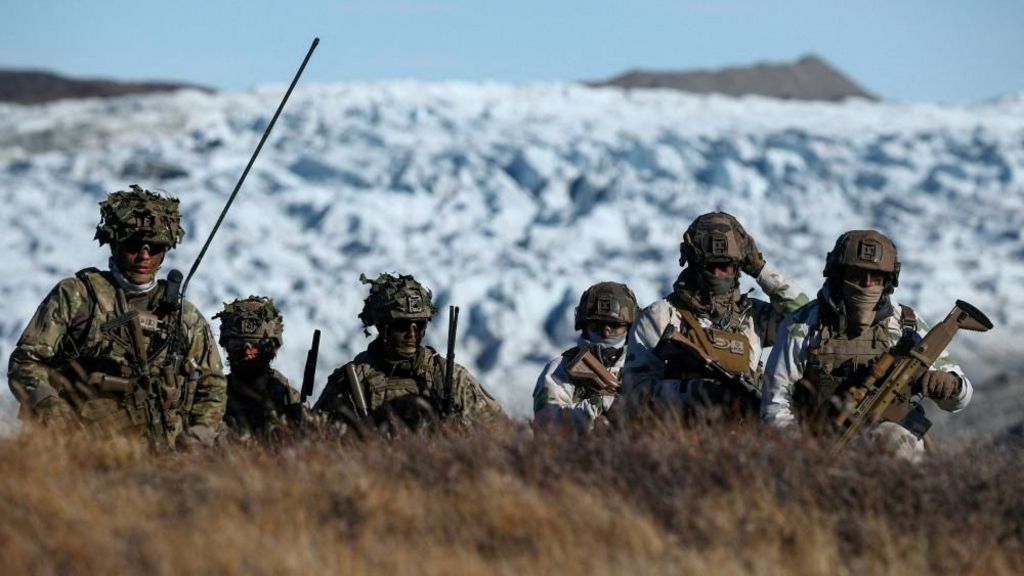
    Trump has consistently framed Greenland as critically important to U.S. national security, alleging without substantiation that its waters are ‘covered with Russian and Chinese ships.’ Defense specialists analyzing the scenario acknowledge that a rapid military takeover would be operationally feasible due to Greenland’s minimal population of approximately 58,000 and virtually nonexistent military defenses. The territory relies on Denmark for protection, which maintains limited air and naval resources across the massive island, with certain remote areas patrolled only by the specialized Sirius Patrol unit using dog sleds.

    Analysts like Hans Tito Hansen of Risk Intelligence and Justin Crump of Sibylline Ltd. suggest that the U.S. 11th Airborne Division, supported by air and naval assets, could execute an invasion with overwhelming force, potentially encountering little resistance. However, such an operation would blatantly violate international law and risk catastrophic diplomatic fallout, potentially fracturing NATO.

    Despite the theoretical ease of invasion, numerous former U.S. officials and security experts deem military action highly improbable. Mick Mulroy, former Deputy Assistant Secretary of Defense, emphasized that any move toward military engagement would likely confront staunch Congressional opposition, invoking the War Powers Act to prevent unauthorized conflict.

    Acquisition via purchase, reportedly the administration’s preferred method, presents another complex avenue. However, both the Greenlandic and Danish governments have firmly stated the territory is not for sale. Any potential treaty would require a two-thirds Senate majority and European Union approval—hurdles experts consider insurmountable. Furthermore, such expenditure could alienate Trump’s political base, which prioritizes domestic spending.

    Alternatively, the U.S. might pursue a soft-power strategy, encouraging Greenland’s independence movement—polls indicate strong local desire for autonomy from Denmark, though not for assimilation into the U.S.—and subsequently establishing a defense partnership akin to agreements with Pacific nations like Palau. However, this approach would not grant the U.S. ownership of Greenland’s extensive mineral resources, likely a key motivator for the administration.

    Ultimately, analysts concur that without support from the Greenlandic people, any non-military strategy to incorporate the territory will fail. As one expert noted, the current U.S. administration has a limited timeframe, while Greenlanders are considering their future over the next millennium.

  • US says it will discuss Greenland ownership with Denmark next week

    US says it will discuss Greenland ownership with Denmark next week

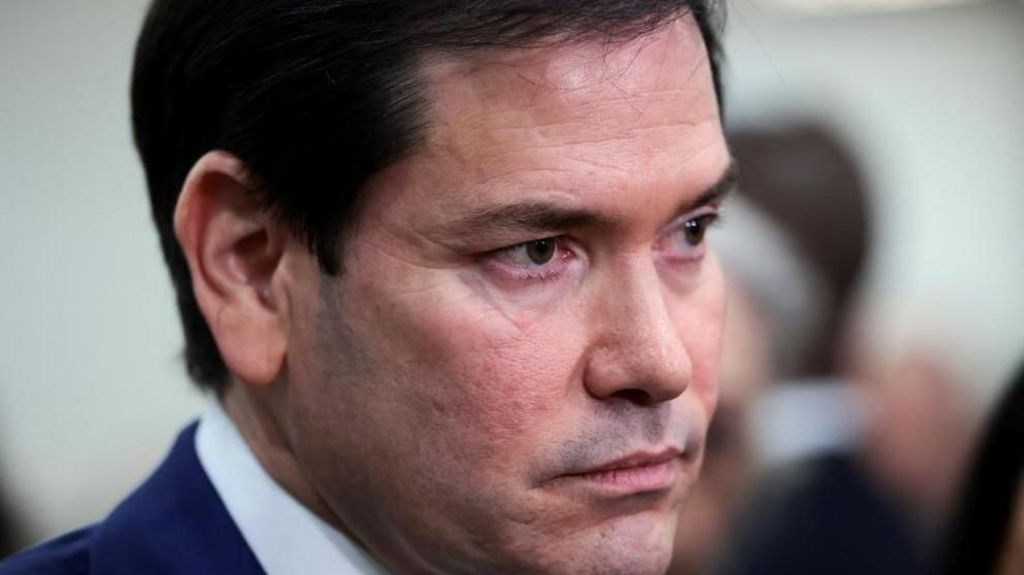
    U.S. Secretary of State Marco Rubio has confirmed upcoming diplomatic negotiations with Denmark following controversial statements from the White House regarding potential acquisition of Greenland. The announcement comes amidst heightened international tensions after President Donald Trump’s administration openly discussed military options for obtaining the strategically significant Danish territory.

    Rubio addressed journalists Wednesday following a classified Senate briefing, emphasizing that while military action remains a constitutional presidential option for national security threats, diplomatic resolution remains the preferred approach. “As a diplomat, which is what I am now, we always prefer to settle it in different ways,” Rubio stated, referencing the recent military intervention in Venezuela that saw American forces seize President Nicolás Maduro.

    The Trump administration maintains that Greenland’s geographic position makes it vital to U.S. security interests. However, Denmark has responded unequivocally that any aggressive action would effectively terminate NATO’s military alliance framework.

    European powers have rallied behind Denmark, with French Foreign Minister Jean-Noël Barrot announcing that Rubio had explicitly “ruled out the possibility of an invasion” during their telephone consultation. Barrot is scheduled to convene with German and Polish counterparts to discuss the Arctic territory’s strategic implications.

    In a powerful show of solidarity, seven European nations—France, the United Kingdom, Germany, Italy, Poland, Spain, and Denmark—issued a joint declaration affirming that “Greenland belongs to its people, and only Denmark and Greenland can decide on matters concerning their relations.” The statement emphasized collective security through NATO mechanisms while invoking UN Charter principles of sovereignty and territorial integrity.

    The situation escalated when Katie Miller, spouse of senior presidential advisor Stephen Miller, shared a social media post depicting Greenland adorned with American flag colors captioned “SOON.” Her husband subsequently declared Greenland’s incorporation into the United States as “the formal position of the US government.”

    Local Greenlandic residents expressed alarm, with 27-year-old Inuit Morgan Angaju from Ilulissat describing the experience as “terrifying to listen to the leader of the free world laughing at Denmark and Greenland and just talking about us like we’re something to claim.”

  • Watch: ‘I want a president who’s involved’- Michiganders weigh in on Maduro’s seizure

    Watch: ‘I want a president who’s involved’- Michiganders weigh in on Maduro’s seizure

    Residents of Michigan’s Detroit metropolitan area have expressed diverse viewpoints regarding U.S. foreign policy toward Venezuela, particularly the American government’s stance on removing President Nicolás Maduro from power. The BBC conducted street interviews capturing the spectrum of public opinion in this critical Midwestern state. Several interviewees emphasized their desire for presidential engagement in international matters, with one citizen stating, ‘I want a president who’s involved,’ highlighting the expectation of active American leadership in global affairs. The interviews reveal divided perspectives on the appropriate approach to Venezuela’s political crisis, with some supporting interventionist policies while others advocate for diplomatic solutions. These responses come amid ongoing tensions between the U.S. and Venezuela, where Maduro’s government faces recognition challenges from Western nations. The vox populi format provides ground-level insights into how American citizens perceive their government’s role in mediating international power struggles and administering foreign policy decisions that carry significant geopolitical implications.

  • Canada PM Mark Carney to visit China next week for trade talks

    Canada PM Mark Carney to visit China next week for trade talks

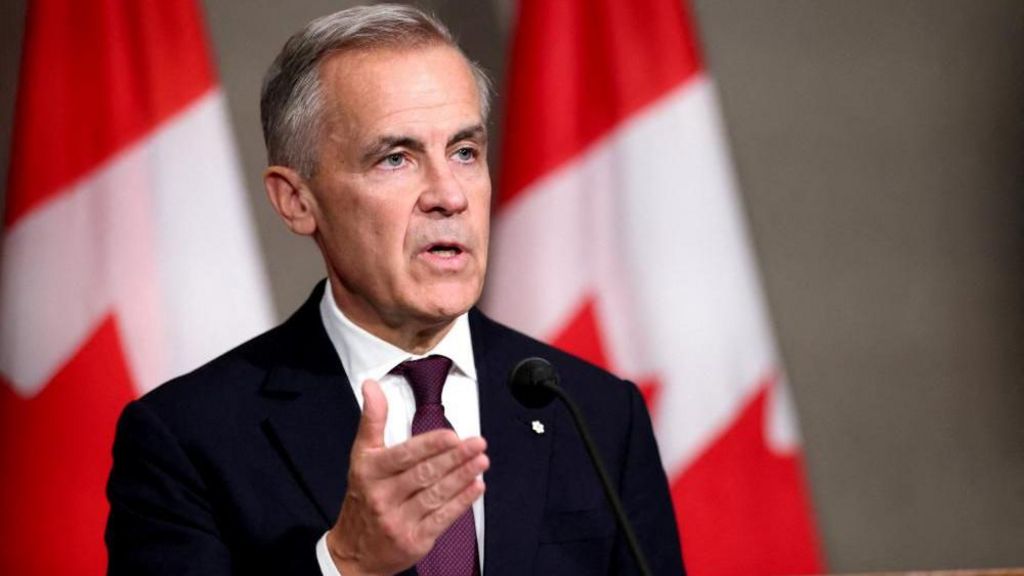
    Canadian Prime Minister Mark Carney is set to embark on a landmark diplomatic mission to Beijing from January 13-17, marking the first official visit by a Canadian leader to China in nearly a decade. The highly anticipated trip signals a potential thaw in bilateral relations following years of trade tensions between the two nations.

    The Prime Minister’s office confirmed that high-level discussions will encompass critical areas including trade expansion, energy cooperation, agricultural exchanges, and international security matters. This diplomatic outreach occurs as Canada strategically diversifies its economic partnerships beyond the United States, its traditional primary export market, amid ongoing trade uncertainties under the Trump administration.

    The invitation for this historic visit emerged from Prime Minister Carney’s October meeting with President Xi Jinping during the Asia-Pacific summit in South Korea. During their sidelines discussion, both leaders acknowledged a pivotal ‘turning point’ in bilateral relations that could generate substantial economic benefits for Canada.

    This diplomatic reset follows a period of significant trade friction that began in October 2024 when Canada imposed 100% tariffs on Chinese electric vehicles, mirroring similar U.S. trade measures. Subsequent tariffs of 25% on Chinese steel and aluminum triggered retaliatory actions from Beijing in March 2025, including substantial levies of 76% on Canadian canola seed imports and 100% tariffs on canola oil, meal, and peas.

    These trade measures particularly impacted agricultural producers in western Canada, where China represents the largest export market for canola products. Prime Minister Carney has articulated a clear vision to double Canada’s non-U.S. exports within the next decade, making the China relationship particularly strategic given current challenges facing Canada’s steel, aluminum, and automotive industries due to U.S. tariffs.

    While trilateral trade discussions between Canada, the U.S., and Mexico continue under the formal review process of their free trade agreement, the Beijing visit represents Canada’s proactive pursuit of diversified economic partnerships. As Prime Minister Carney stated after his October meeting with President Xi, ‘Distance is not the way to solve problems, not the way to serve our people,’ indicating a renewed commitment to constructive engagement between the two nations.