标签: North America

北美洲

  • Michigan to decide bitter Senate Democratic primary in test for divided party

    Michigan to decide bitter Senate Democratic primary in test for divided party

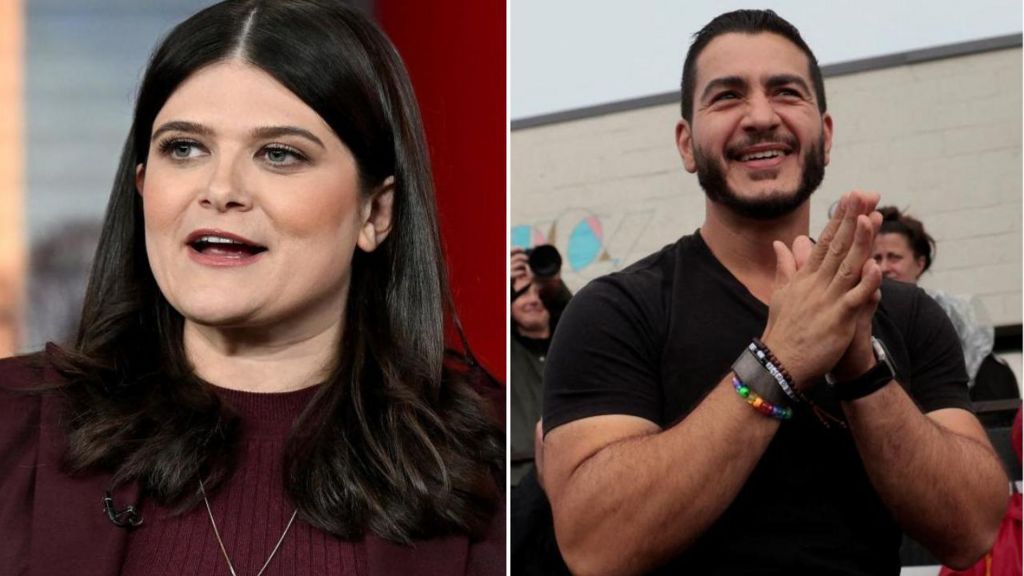
    As voters head to the polls on Tuesday in Michigan, one of the most closely watched and fractious Democratic Senate primaries in recent memory will finally deliver a verdict on a battle that lays bare the deep ideological rift splitting the Democratic Party ahead of November’s critical midterm elections. The fight for the open, retiring Democrat-held Senate seat pits establishment-backed four-term moderate congresswoman Haley Stevens against progressive former public health official Abdul El-Sayed, a left-leaning challenger who has channeled widespread grassroots anger at the status quo in Washington.

    This race carries national stakes far beyond Michigan’s borders: as a pivotal Midwestern swing state that backed Joe Biden in 2020 before flipping to Donald Trump in 2024, holding the open seat is non-negotiable for Democrats if they hope to retain Senate control, build legislative gains, and block Trump’s policy agenda. The winner of Tuesday’s primary will face off against former Trump ally Mike Rogers in the general election on November 3, with polling locations opening at 7 a.m. EDT and closing at 8 p.m. EDT.

    For more than a year, the two candidates have campaigned on sharply contrasting visions for the state and the nation. El-Sayed, 41, the son of Egyptian immigrants, would make history as the first Muslim U.S. senator if he claims the seat. Endorsed by high-profile progressive leaders including Vermont Senator Bernie Sanders and New York Representative Alexandria Ocasio-Cortez, El-Sayed has centered his platform on progressive priorities: Medicare for All, a wealth tax on billionaires, and the elimination of U.S. Immigration and Customs Enforcement. He has rejected the socialist label, despite aligning with many left-wing policy goals, and drawn strategic inspiration from New York Mayor Zohran Mamdani’s successful 2025 campaign, which leveraged social media and a laser focus on cost-of-living issues to win over voters.

    For working-class voters like longstanding Democrat Les Lukacs, who remains uninsured amid soaring prices for groceries, gas and housing, El-Sayed’s focus on household affordability is the reason for his support. Lukacs has even said he will sit out the general election if El-Sayed loses the primary, arguing that the Democratic Party has failed to prioritize the needs of everyday Americans, a sentiment El-Sayed echoes on the campaign trail.

    The race has also become a flashpoint for national tensions over U.S. foreign policy in the Middle East. Michigan is home to the second-largest Arab-American population in the U.S., and growing voter frustration with U.S. support for Israel in the Gaza conflict has boosted El-Sayed, who has called Israel’s military actions in Gaza a genocide – a claim Israel denies – and called for an end to unconditional U.S. military aid to Israel. He has repeatedly highlighted Stevens’ ties to the American Israel Public Affairs Committee (AIPAC), which has spent nearly $30 million to support his opponent. Stevens, a moderate who identifies as staunchly pro-Israel but has publicly criticized Israeli Prime Minister Benjamin Netanyahu, drawing a rebuke from him in a CNN interview, has stood by her support for continued U.S. aid to Israel. The split over the issue has put Michigan Democrats in a classic bind: the party has historically relied on support from both Jewish and Arab-American voters to win elections, according to University of Virginia Center for Politics director Larry Sabato, who notes that “both sides are trying to make it as painful as possible” for the party to choose a stance.

    For Stevens, the 43-year-old incumbent congresswoman has positioned herself as the pragmatic, electable alternative to El-Sayed’s far-left platform. Endorsed by popular Michigan Governor Gretchen Whitmer and outgoing Senator Gary Peters, Stevens has centered her campaign on protecting Michigan’s core manufacturing jobs and argued that El-Sayed’s progressive stances will make him too weak a candidate to beat Mike Rogers in the general election. Her campaign says Stevens will “fight for all Michiganders from every zip code to lower costs, protect manufacturing jobs, and take on Donald Trump’s corruption and abuses of power.” She has also turned viral online mockery of her distinct Midwestern accent into a campaign talking point, dismissing commentators who dissect her voice as “coastal elites” who look down on Michigan voters. For undecided and centrist voters like 74-year-old Ferndale resident Colleen Houlihan, who plans to vote for Stevens, the priority in a volatile election year is putting forward a candidate who can win, even if it means putting off more radical change: “I want radical change in the country, but we’ve got to start with this administration and it’s got to be an electable candidate to get power back in sane hands.”

    While progressive candidates have notched a wave of primary victories across the country this summer, including in Colorado, it remains an open question whether the left wing of the party can successfully win back disillusioned working-class voters who shifted to Trump in the 2024 election. Tuesday’s result will send a clear signal about which direction the Democratic Party will lean ahead of November, with consequences that will reverberate through U.S. politics for years to come.
  • UFC loses $30m on Freedom 250 event at White House

    UFC loses $30m on Freedom 250 event at White House

    One of the most high-profile and unconventional events in mixed martial arts history, the UFC’s Freedom 250 held at the White House in June 2026, left parent company TKO Group Holdings with a $30 million pre-tax loss, company executives confirmed this week. But despite the steep one-off hit to the organization’s bottom line, TKO reports that UFC still delivered strong double-digit revenue growth for the second quarter of the year, defying early projections that the costly event would drag down full quarterly results.

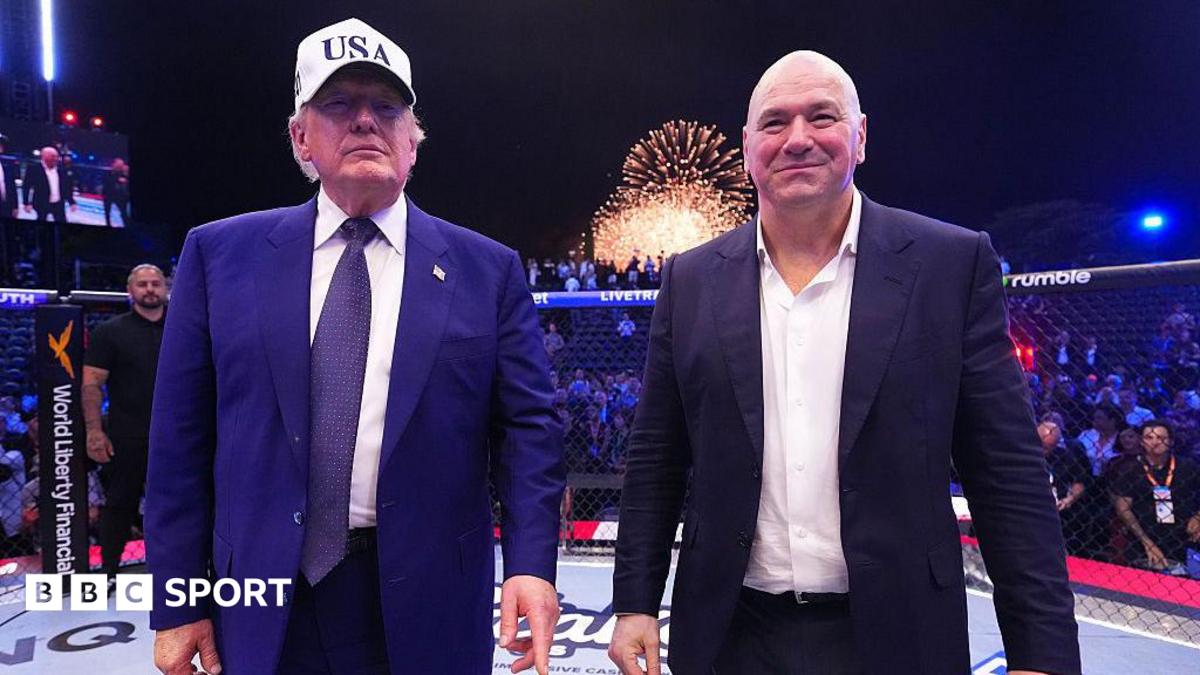
    Invited to the exclusive outdoor event on the White House’s South Lawn were former U.S. President Donald Trump, Vice President JD Vance, and roughly 4,300 invited guests, with no open tickets sold to the general public. As a centerpiece of national celebrations marking the 250th anniversary of American independence, the event also aligned with Trump’s 80th birthday, capping off a decades-long friendship between the former president and UFC chief Dana White, who joined Trump for a pre-event meeting in the Oval Office. To accommodate public interest, organizers opened a free public viewing event at nearby Ellipse Park for spectators who could not secure invitations.

    Early cost projections for the custom event had pegged total expenses at more than $60 million, a figure far higher than any standard UFC fight night. To offset these costs, TKO and UFC secured a full slate of sold-out global sponsorship partnerships, media deals, and brand collaborations that cut the final net loss to $30 million. While industry reports in May suggested high-net-worth guests were charged $1.5 million for premium access packages, UFC spokespersons confirmed the existence of these exclusive ticket tiers but did not verify their exact pricing to BBC Sport.

    Despite the anticipated loss, the event delivered unprecedented viewership that positioned UFC for long-term revenue gains, company leaders say. The exclusive fight card, which was the first major UFC broadcast under the organization’s new 2026 media deal with Paramount, drew an average global audience of 34 million viewers, ranking it among the most-watched mixed martial arts events in history. Broadcast exclusively on Paramount’s subscription streaming platform Paramount+, the event served as a high-profile launch for the new seven-year, $7.7 billion media rights deal that went into effect this year.

    In an investor call Monday, TKO Group Chief Financial Officer Andrew Schleimer noted that the outsize costs of Freedom 250 “partially offset” the gains from new sponsorship and media revenue. “Given the event’s profile, which as anticipated, resulted in an approximate $30m loss, our margins at UFC as well as on a consolidated basis were meaningfully impacted,” Schleimer told investors. Even with this hit, TKO’s quarterly financial results show UFC’s second-quarter 2026 revenue hit $535.7 million, a 29% jump compared to the same period last year. Nearly $64.7 million of that growth comes directly from new media revenue tied to the Paramount deal, underscoring the long-term financial upside of the high-risk White House event beyond the one-time quarter loss. Eight individuals were previously charged in July with conspiracy to carry out an attack on the White House during the event, though the plot was disrupted before any violence occurred.

  • US states sue to block Trump tariffs impacting dozens of countries

    US states sue to block Trump tariffs impacting dozens of countries

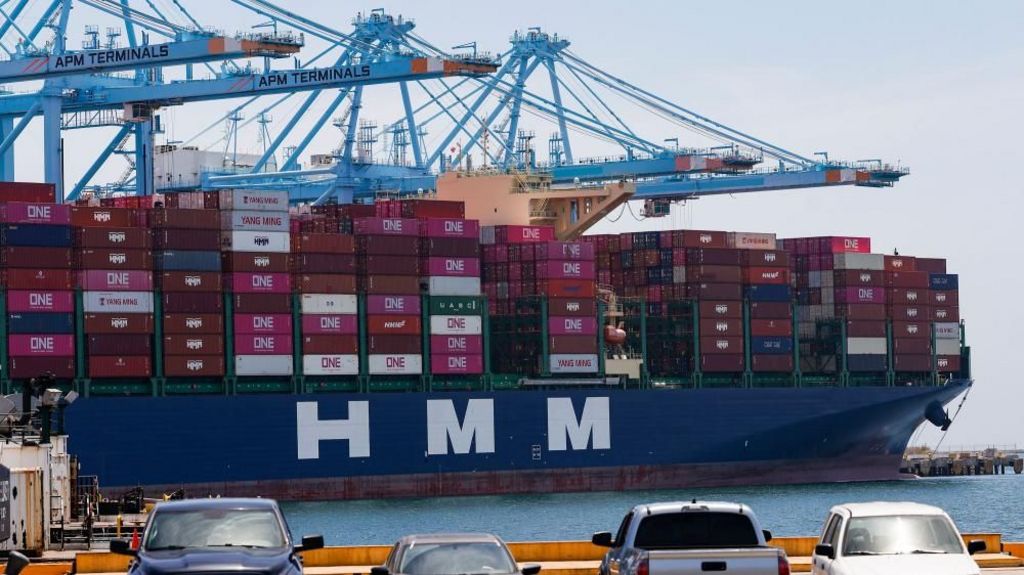
    In a direct legal challenge to the Trump White House’s latest trade agenda, a coalition of 25 Democratic-led U.S. states filed a lawsuit Monday against the administration over sweeping new tariffs imposed on trading partners across the globe. The levies, which set rates between 10% and 12.5%, went into effect last month, and the White House has defended the measures as a necessary response to the failure of major economies including the European Union, the United Kingdom, and China to crack down on forced labor in global supply chains.

    The legal filing, reviewed by the BBC, argues that the Trump administration’s tariff decision is “arbitrary, capricious, and contrary to law.” The coalition goes further, accusing the White House of using forced labor concerns as a pretext to advance an illegal tariff scheme that exceeds the scope of existing U.S. trade legislation. According to the complaint, the breadth of the tariffs — which cover 99.4% of all U.S. imports, per data from the Office of the U.S. Trade Representative — directly undermines the stated goal of targeting forced labor and renders the underlying 1974 Trade Act Section 301 authority the administration invoked meaningless.

    New York Governor Kathy Hochul, one of the lead voices behind the lawsuit, framed the measures as an unlawful tax that falls squarely on everyday American households. Oregon Attorney General Dan Rayfield echoed that criticism, noting that both working families and domestic Oregon businesses are bearing the cost of the administration’s trade chaos, rather than the foreign governments the tariffs are meant to pressure.

    In an official response, White House spokesman Kush Desai defended the policy, emphasizing that the U.S. is acting within its lawful authority to address unfair trade practices that harm American businesses. Desai added that allowing goods produced with forced labor to enter U.S. markets is unreasonable, and the administration is right to take action to curb the practice.

    The legal challenge comes amid growing international pushback against the new tariffs. Governments of Brazil and Japan have each labeled the measures unjustified, while China’s foreign ministry spokesperson Mao Ning dismissed the forced labor framing as an excuse for political manipulation. The new tariffs come amid a long-running tit-for-tat trade war between Washington and Beijing that has been paused for months.

    Industry and trade analysts have also raised critical questions about the policy. Alex Capri, a business lecturer at the National University of Singapore, told the BBC the lawsuit poses a formidable challenge to the administration’s levies. Capri also noted that there is a lack of credible evidence supporting the administration’s claims that trading partners have harmed U.S. firms by failing to enforce forced labor regulations, and he expects the scope of the tariffs will gradually be narrowed through exemptions and rollbacks that reduce their economic impact.

    This latest legal fight is the continuation of a pattern of trade policy clashes that have followed Trump’s return to the Oval Office in January 2025. Earlier this year, the U.S. Supreme Court struck down the broad “Liberation Day” tariffs Trump rolled out in April 2025, a decision that required the government to issue tens of billions of dollars in refunds to U.S. companies that had paid the levies. After those tariffs were struck down, the administration replaced them with a temporary 10% levy on all global imports that expired in July, clearing the way for the current round of tariffs now facing legal challenge.

    Trump has consistently argued that tariffs are a critical tool to protect American workers and strengthen the U.S. economy. Looking ahead, more trade friction may be on the horizon: the administration is currently conducting investigations into 16 countries over allegations of manufacturing overcapacity, which could pave the way for additional tariffs in the coming months.

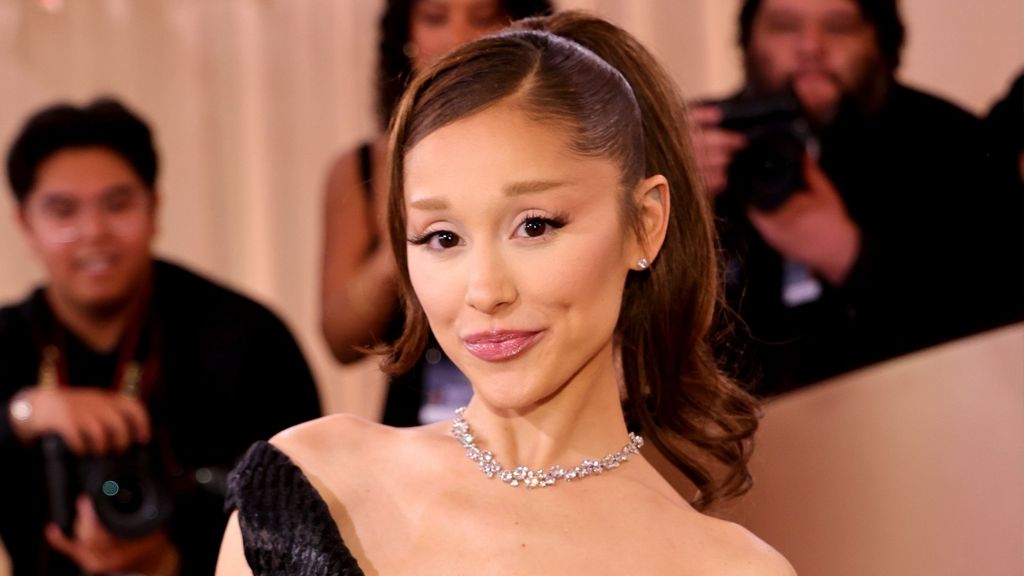
  • Ariana Grande says decision to step back ‘was not reactive or impulsive’

    Ariana Grande says decision to step back ‘was not reactive or impulsive’

    Global pop superstar Ariana Grande has broken her silence after her team confirmed over the weekend that she will step away from the public eye once her *Eternal Sunshine Tour* wraps up next month, addressing anxious fans directly during a recent Chicago performance and clearing up speculation around her planned break.

    Returning to the stage Monday night for the first of three back-to-back shows at Chicago’s United Center, Grande opened up to the packed crowd about the decision to step back, pushing back against rumors that her choice was triggered by recent negative press or public criticism. She told the audience that the plan to take a break after wrapping her tour had been in the works for a long time, developed quietly and intentionally rather than being a last-minute reaction to outside pressure.

    Acknowledging that fans had grown worried that uninvited public negativity had pushed her to step away, Grande emphasized that this assumption could not be further from the truth. “Boundaries need to be set, human beings do need a break sometimes,” she told the crowd, reading from pre-written notes to avoid forgetting her message out of nervousness. She stressed that her decision to take time off came from a place of intentional, empowered self-reflection, not distress.

    Grande also pushed back against distorted secondhand narratives around her break, noting that off-the-record announcements from third parties are often blown out of proportion in public discourse. Reaffirming her connection to supporters, she told the audience that no outside noise could ever overshadow the love she shares with fans, adding that outside criticism and speculation is not something she carries with her.

    In a statement to *People* magazine earlier this week, a representative for the star expanded on the break, confirming that the time off is well-earned, coming after years of endless, ongoing public scrutiny of the singer-actress. Grande has faced persistent uninvited speculation about her physical appearance and personal health in recent years, a pattern that has drawn widespread criticism from celebrity wellness advocates.

    The *Eternal Sunshine Tour* is set to conclude on September 1, following a 10-show residency at London’s O2 Arena starting August 15, which Grande described as one of the most healing, beautiful, correct and special experiences of her entire career. Following the weekend’s announcement of her upcoming break, fans flooded social media with messages of support and concern for the star, with the hashtag #weloveyouariana trending globally across platforms.

    The planned time off will also force Grande to step back from a previously announced high-profile theater role: she was set to star opposite her *Wicked* co-star Jonathan Bailey in a new production of Stephen Sondheim’s *Sunday in the Park with George* at London’s Barbican Centre next year. A spokesperson for the Barbican confirmed the news Monday, saying the venue sincerely hopes to welcome Grande when the timing is right for her, and that new casting updates will be shared with the public in the near future.

  • Did Iran hack water systems in seven US states?

    Did Iran hack water systems in seven US states?

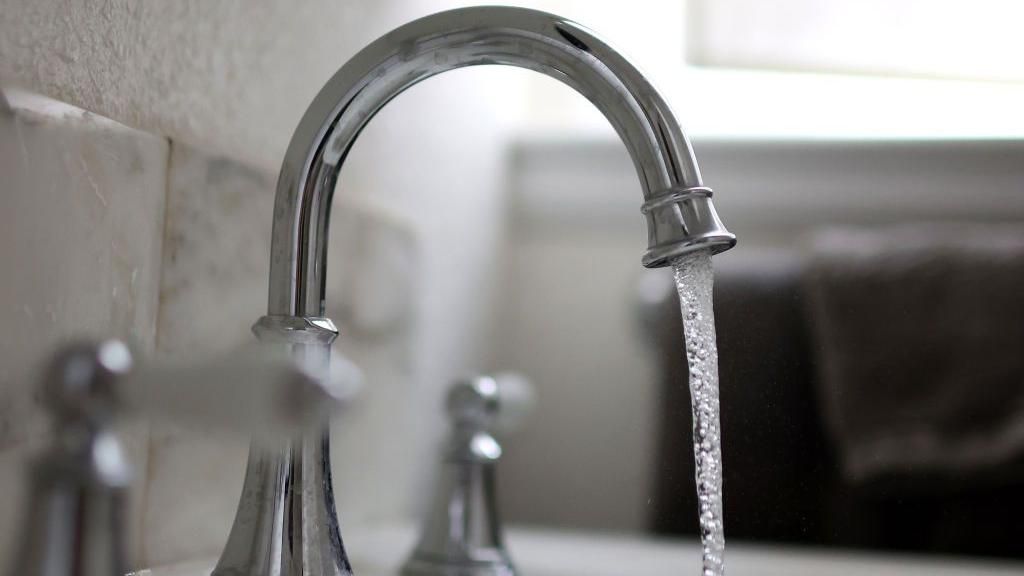
    Last week, a sudden coordinated cyberattack targeting more than 30 public water systems in the U.S. state of Minnesota sent shockwaves across national cybersecurity circles, catching many officials and analysts by surprise. Within days, the Federal Bureau of Investigation confirmed that similar malicious cyber activity had been detected across seven U.S. states, with some of these intrusions successfully disrupting core water treatment and distribution operations.

    According to anonymous U.S. media sources, the Cybersecurity and Infrastructure Security Agency (CISA) has launched an investigation into a potential link between the Minnesota breaches and Iranian actors, though CISA has declined to issue any public comment on the ongoing probe. While former President Donald Trump has not publicly placed blame on Iran for the attacks, multiple cybersecurity experts interviewed by the BBC have assessed that Tehran is the most likely sponsor of the operation.

    Morgan Wright, a former U.S. State Department counterterrorism advisor, told the BBC that cyber intrusions of this nature targeting U.S. critical infrastructure are most commonly traced to either North Korean or Iranian actors. “Given our current ongoing geopolitical conflict with Iran, they immediately rise to the top of the list: they have both the capability to carry out this attack and a clear motive to do so,” Wright explained.

    However, the BBC’s U.S. partner CBS has noted that investigators are also exploring an alternative theory: that hackers may have intentionally masked their origins to appear Iranian, a deliberate ruse designed to exacerbate existing geopolitical tensions between the U.S. and Iran amid the ongoing conflict. Jake Braun, former acting White House Deputy National Cyber Director, pointed out that the Trump administration has been waging its own information campaign amid heightened tensions, meaning it may be unwilling to publicly confirm Iranian involvement even if evidence of such a link is solidified.

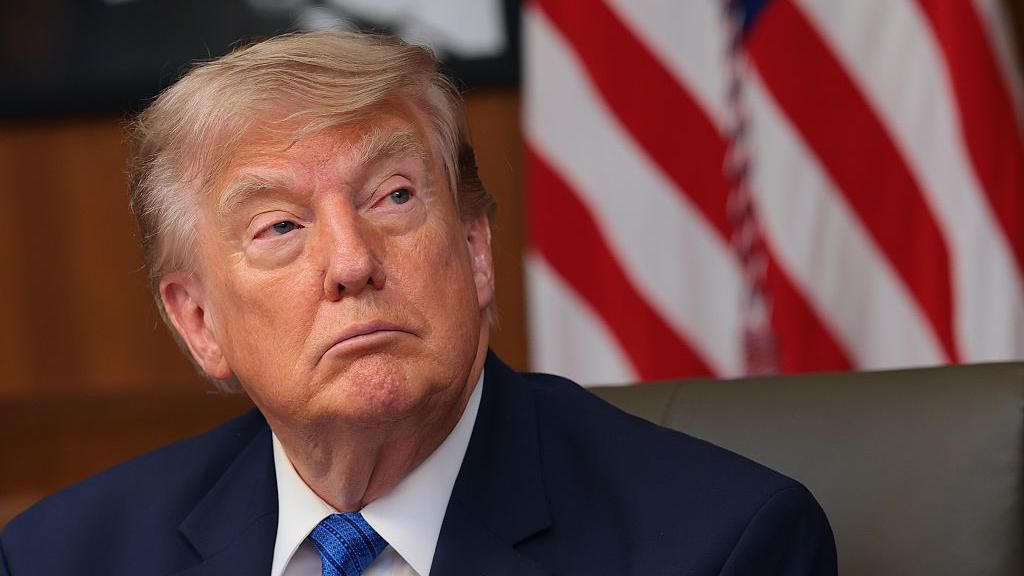
    The breach has already sparked heated partisan friction in the U.S. Speaking at a cabinet meeting last Friday, Trump, a Republican, blamed the attack on what he called “grossly incompetent” Minnesota state leadership, including Democratic Governor Tim Walz. Walz pushed back swiftly, saying “Trump knows full well who is responsible for this attack, and he is aware that multiple other states across the country have also been targeted.”

    To date, Iran has not issued any formal response to the recent allegations, a pattern consistent with its past stance on similar accusations. Tehran has repeatedly denied involvement in a string of cyberattacks targeting U.S. entities over the past decade, ranging from previous water system intrusions and presidential campaign hacks to breaches at U.S. hospitals and a 2014 attack on a Las Vegas casino corporation. After 2016 accusations that Iran targeted a New York-area dam and multiple U.S. banks, then-foreign ministry spokesman Hossein Jaberi Ansari told state TV that “Iran has never included any malicious cyber activities on its agenda, nor does it support such actions,” and called on the U.S. to provide concrete proof for its claims.

    Cybersecurity experts confirm that Iran has a well-documented history of conducting cyber operations against Western targets, and note that many attacks linked to Tehran are carried out by Iran-aligned groups based outside the country, a tactic that creates plausible deniability for the Iranian government. “This makes attribution far more difficult, because even if all the infrastructure and actors trace back to Iran, the regime can always deny any official connection,” Wright explained. “They structure operations this way specifically to avoid leaving direct fingerprints on the activity.”

    BBC Verify’s analysis has found that the majority of Iranian-linked cyberattacks targeting the U.S. and Israel this year have been carried out by a hacking collective called Handala. The U.S. Department of Justice has formally tied Handala to Iran’s Ministry of Intelligence and Security (MOIS), confirming the group operates on behalf of the Islamic Republic. In the early days of the U.S.-Iran conflict, FBI Director Kash Patel publicly accused Handala of stealing personal information and accessing private emails from U.S. targets. The most recent publicly claimed breach by Handala occurred in mid-June, when the group said it hacked a California water facility in retaliation for a U.S. military strike on Iranian water infrastructure.

    Handala has been linked to a string of high-profile breaches in recent years: just this year, the Department of Justice disrupted a Handala operation that targeted a U.S. medical technology firm and leaked sensitive personal data belonging to Israeli government and military officials. In 2024, Iran was accused of hacking U.S. presidential campaign networks to stoke political division, undermine public trust in the U.S. electoral system, and steal sensitive information on government officials. Both 2023 and 2024 saw Cisa confirm that Iranian Revolutionary Guard Corps (IRGC)-affiliated hackers targeted U.S. water and wastewater systems, forcing temporary shutdowns of water pressure regulation equipment in two Pennsylvania towns. In 2020, two Iranian nationals were indicted for attempting to interfere in the U.S. presidential election by stealing confidential voter data and sending threatening messages designed to coerce voters into supporting Trump. As early as 2017, Iranian-based hackers were linked to a multi-year ransomware campaign targeting local governments, K-12 schools, healthcare providers, and financial institutions, though Cisa noted at the time that the group’s activities were likely not officially sanctioned by the Iranian government.

    Cybersecurity experts emphasize that the most immediate harm from the recent water system breaches is not physical disruption to drinking water supplies, but the erosion of public trust in the government’s ability to secure critical basic services at a time of deep national division over the ongoing Iran conflict. “They are attacking our confidence in public institutions,” Braun explained. That said, experts warn that the risk of future attacks that do endanger public water safety cannot be ignored: malicious actors could manipulate chemical dosages to create harmful drinking water, shut off water service entirely to entire communities, or cause permanent damage to treatment infrastructure, Wright noted.

    Cisa and the U.S. Environmental Protection Agency have repeatedly warned that cyber intrusions represent a serious and growing threat to the nation’s water utilities. The U.S. is home to more than 152,000 public drinking water systems and over 16,000 wastewater treatment facilities, making the attack surface extremely broad. “If you want to cripple a nation, you target two core systems: power and water,” Wright said. He added that a large share of the equipment used in water and wastewater operations remains vulnerable to intrusion, due to decades-old legacy infrastructure and outdated technology that lacks modern security protections.

    Unlike most other U.S. critical infrastructure, the vast majority of the nation’s water utilities are publicly operated, meaning securing these systems falls to federal, state, and local governments. Experts warn that without systematic upgrades to cybersecurity defenses across the sector, the U.S. will continue to face this persistent national security threat. Cisa has already issued a series of recommended security upgrades to state and local governments across the country to reduce risk: as an immediate mitigation step, the agency has advised water systems to take public-facing control devices offline as quickly as possible and reset all default or compromised passwords.

  • Why is Trump Media selling early access to Trump’s Truth Social posts?

    Why is Trump Media selling early access to Trump’s Truth Social posts?

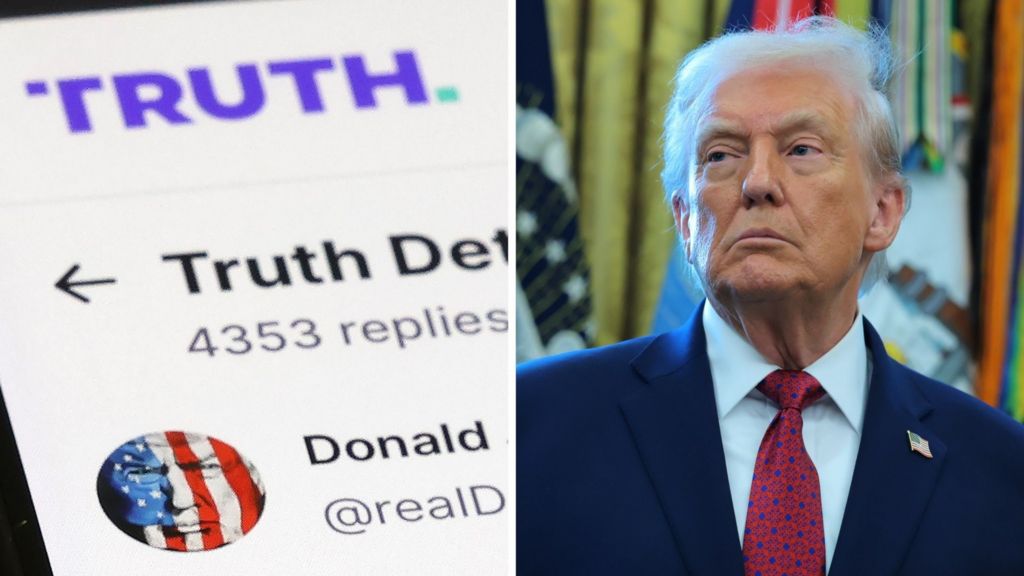
    In a surprising business move that has sparked widespread discussion across digital and political circles, Trump Media & Technology Group, the parent company of former U.S. President Donald Trump’s social platform Truth Social, has introduced a high-cost premium service that grants elite subscribers early access to posts from high-profile accounts on the network.

    According to industry reports, the exclusive offering can cost eligible participants as much as $100,000 (equivalent to roughly £74,170) per calendar month for the privilege. The core perk of this premium tier is a significant time advantage: paying subscribers receive the content from influential Truth Social accounts milliseconds before those posts are made visible to the general public on the platform.

    For context, Truth Social was launched in 2022 as an alternative social media platform after Donald Trump was banned from major mainstream platforms including Twitter (now X) and Facebook following the 2021 Capitol riot. Since its launch, the platform has worked to build a loyal user base and generate consistent revenue to support its operations and growth goals. The launch of this high-priced early access program marks one of the most unconventional monetization strategies adopted by a major social media platform in recent years, drawing attention both to the company’s revenue priorities and the potential implications of pay-to-play early access for social media information dynamics.

  • Analysis: Trump fumes as top allies back down on his personal battles

    Analysis: Trump fumes as top allies back down on his personal battles

    Just months into the final stretch of his second presidential term, U.S. President Donald Trump is navigating a cascade of overlapping political and legal setbacks, with challenges emerging even from circles that have long remained unflinchingly loyal to his leadership. As the nation prepares for pivotal midterm congressional elections in three months, these recent hurdles have laid bare growing strains on his authority, and shifted the conversation around his political standing heading into the critical vote.

  • Ariana Grande has had enough of body comments, but ‘scrutiny’ will linger

    Ariana Grande has had enough of body comments, but ‘scrutiny’ will linger

    Global pop superstar and Oscar-nominated actress Ariana Grande has announced she will step away from all public-facing work and appearances following the conclusion of her current *Eternal Sunshine* Tour, after decades of relentless public scrutiny of her body and health that has intensified in recent weeks amid her new album rollout. The decision also includes canceling her previously announced lead role in a highly anticipated 2027 London stage production of Stephen Sondheim’s *Sunday in the Park with George*, where she was set to star opposite her *Wicked* co-star Jonathan Bailey.

    This latest chapter of public debate over Grande’s physique is not a new development. Three years ago, the star took to TikTok to directly address unsolicited comments about her weight and figure, urging the public to recognize that “many different ways to look healthy and beautiful.” Despite that plea, invasive speculation about her body and well-being has continued to spread across social media, reaching a fever pitch this month following the release of her eighth studio album *Eternal Sunshine* (titled *Petal* for its lead single) and its accompanying music video.

    The video for *Petal* directly confronts the toxic pressures of fame, with Grande portraying an aspiring starlet who cycles through multiple pop star personas to please a panel of male talent scouts. The judges ultimately tell her it “couldn’t hurt” to lose weight and say they miss “the way you used to be,” prompting a violent symbolic climax where the protagonist eliminates the panel with a chainsaw. In discussing the album, Grande explained it was written from a place of “unfiltered rage” — a raw departure from her usual creative perspective.

    Since the video’s release, social media has been flooded with commentary about Grande’s current appearance. While many commenters frame their scrutiny as rooted in genuine concern for her health, with top YouTube comments and posts on X noting she has become unusually thin, the star’s most loyal supporters have pushed back against the invasive discourse. The hashtag #Weloveyouariana trended globally over the weekend, with many users emphasizing that no one has the right to pass judgment on another person’s body or personal health journey.

    Music journalist Sophie Williams told BBC Radio 5 Live that the intensity of public commentary has spiked dramatically during Grande’s current press cycle for new music, and that this unrelenting scrutiny directly led to the star’s decision to step back. “The constant commentary around her has really, really elevated over the weekend as she’s been promoting new music,” Williams said. “So we’re led to think in part that that [commentary] has brought us to this decision.”

    Grande will wrap up her *Eternal Sunshine* Tour with a stop in Chicago this week, followed by 10 sold-out shows at London’s O2 Arena that conclude on September 1. Once the tour ends, she will begin an extended, well-deserved break from all public work and appearances.

    For Grande, this kind of invasive public attention is not a new experience: she has lived in the global spotlight for more than 15 years, half of her lifetime. During the 2024 press tour for the first *Wicked* film, for which she earned a 2025 Oscar nomination for her portrayal of Glinda, she reflected on the constant criticism she has faced since entering the industry as a teenager.

    “I’ve been doing this in front of the public and been a specimen in a petri dish since I was 16 or 17, so I have heard it all,” she said. “I’ve heard every version of it, of what’s wrong with me. And then you fix it, and then it’s wrong for different reasons. But that’s everything from – even just the simplest thing – your appearance, you know? It’s hard to protect yourself from that noise.”

    Grande first rose to fame as a teenage actress on Nickelodeon’s hit sitcom *Victorious* and its spin-off *Sam & Cat*, after beginning her singing career at age 8. Since releasing her debut single in 2011, she has earned 10 number-one singles on the U.S. Billboard charts, 20 Grammy Award nominations, and three Grammy wins, alongside a critically acclaimed transition to film that netted her an Oscar nomination last year.

    But alongside her unprecedented professional success, Grande has navigated severe public trauma and mental health challenges that have played out entirely in the public eye. In 2017, a suicide bomb attack outside her Manchester Arena concert killed 22 concertgoers, leaving Grande with post-traumatic stress disorder that she opened up about the following year. She has also spoken publicly about crippling grief following the 2018 death of her ex-boyfriend Mac Miller, as well as her ongoing experiences with depression and obsessive-compulsive disorder. Her high-profile romantic relationships and breakups have also remained a constant target of tabloid attention for decades. In a new track from her latest album, titled *Oh Well*, she directs a blunt message to former partners, singing that they can “all go to hell.”

    Long an advocate for mental health support for young performers, Grande has repeatedly called for mandatory therapy access for all child stars. This summer, she launched the Brighter Days Ahead Foundation, a mental health initiative that provides support to tour crew and performers working in the entertainment industry.

    Williams, the music journalist, noted that Grande’s decades of public life and public trauma make the current scrutiny particularly unfair. “A lot of people perhaps forget that she’s been famous for nearly 15 years, and she has a unique story in that she sadly lived out a lot of trauma in the public eye,” Williams told BBC News. “As fans and those working in music, all that we can do is wish her well.”

    Grande first pushed back against body commentary three years ago, emphasizing that even well-intentioned comments about a person’s appearance can cause harm. She pointed out that the period when the public widely praised her as looking her healthiest actually coincided with the unhealthiest period of her life, when she was on antidepressants and struggling with disordered eating and alcohol use.

    “I think we should be gentler and less comfortable commenting on people’s bodies, no matter what,” she said in her 2023 TikTok appeal. “Healthy can look different. You never know what someone is going through, so even if you are coming from a loving place and a caring place, that person probably is working on it or has a support system that they are working on it with.”

  • Charred homes, burned out cars – before and after images show Spokane wildfire destruction

    Charred homes, burned out cars – before and after images show Spokane wildfire destruction

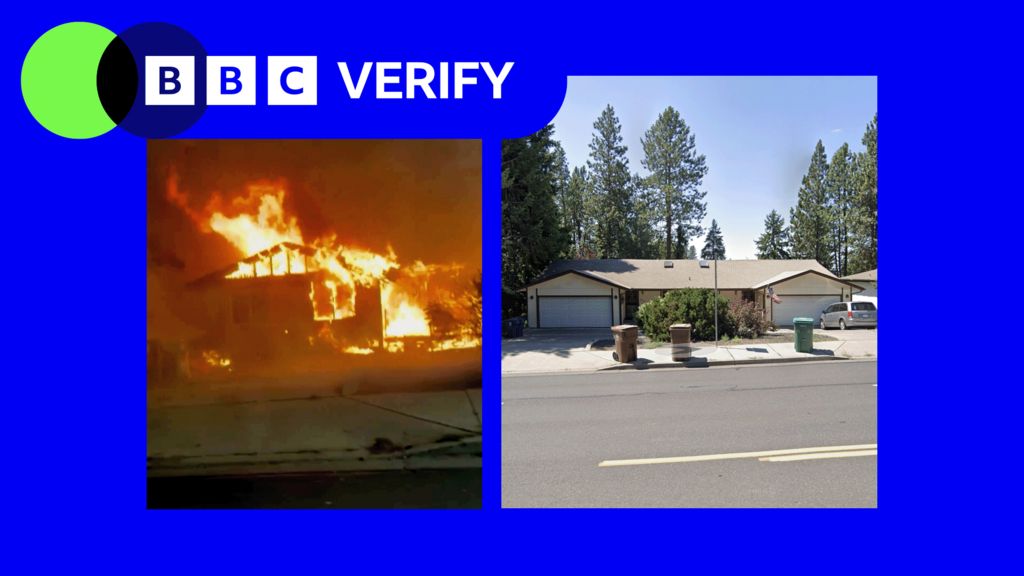
    When wildfires swept through parts of Spokane, Washington state in recent days, the scale of the destruction they left behind has been laid bare in stark side-by-side imagery. The verification team at BBC has conducted a detailed comparative analysis, cross-referencing user-posted videos captured in the immediate aftermath of the blaze with archived street-level photographs taken of the same neighborhoods before the fire reached the area.

    The resulting comparison leaves no room for doubt about the ferocity of the wildfire. What once stood as occupied family homes are now nothing more than blackened, charred foundations, their structures completely reduced to ash. Private vehicles parked along residential streets have been turned into melted, burned-out hulks, their metal frames warped by the extreme heat of the advancing flames. Every frame of the comparison highlights how entire blocks of the community have been fundamentally altered by the disaster, with little left intact in the most severely affected areas.

    This visual verification work comes as local emergency management teams continue to work through the process of counting damaged and destroyed structures, and accounting for displaced residents. By matching geolocated post-fire footage to pre-fire street imagery, the BBC Verify team has been able to independently confirm the scope of the damage that has already been reported by local officials, giving the public a clearer understanding of just how much the Spokane area has lost to the ongoing wildfire event.

  • US reports first two deaths linked to  ‘explosive diarrhoea’ outbreak

    US reports first two deaths linked to ‘explosive diarrhoea’ outbreak

    A nationwide parasitic outbreak that has sickened thousands of people across the United States has claimed its first confirmed lives, Michigan state health officials announced this week. Two people in Michigan, the state at the center of the ongoing cyclospora outbreak, have died from complications tied to the infection, marking the first reported fatalities in this widespread public health incident.

    State health authorities shared that both deceased individuals lived with significant pre-existing chronic health conditions, which may have been severely exacerbated by cyclosporiasis infection and subsequent dehydration. No further personal or demographic details about the victims have been released to the public at this time.

    Data from the U.S. Centers for Disease Control and Prevention (CDC) shows the foodborne outbreak has already reached 45 U.S. states, with close to 7,000 cases formally confirmed through laboratory testing. In Michigan alone, state records track more than 11,000 suspected cases and 193 hospitalizations, though a large share of those cases have not received laboratory confirmation. Despite the large number of infections across the country, CDC officials emphasize that cyclospora-related deaths are extremely rare. The parasite is not typically classified as a life-threatening threat for most otherwise healthy people.

    Cyclospora cayetanensis, the heat-loving parasite responsible for the outbreak, infects the human intestinal tract and spreads through fecal contamination of food or water supplies. Historically, most outbreaks have been traced back to fresh fruits and vegetables that were irrigated with water contaminated with fecal matter.

    Public health investigators have officially linked this year’s widespread outbreak to leaf lettuce imported from a Taylor Farms processing facility in central Mexico, a major supplier that distributes produce to countless food service operations and restaurants across the U.S. In response to the outbreak connection, major U.S. fast-food chain Taco Bell moved quickly to remove all lettuce sourced from this Mexican facility from its menus nationwide. Taylor Farms has also implemented a voluntary recall of all lettuce harvested from its central Mexico growing operations.

    The outbreak has drawn international attention as well: UK health authorities have issued a public warning to travelers returning from the U.S. after documenting a small number of cases among recent visitors who fell ill after their trip.

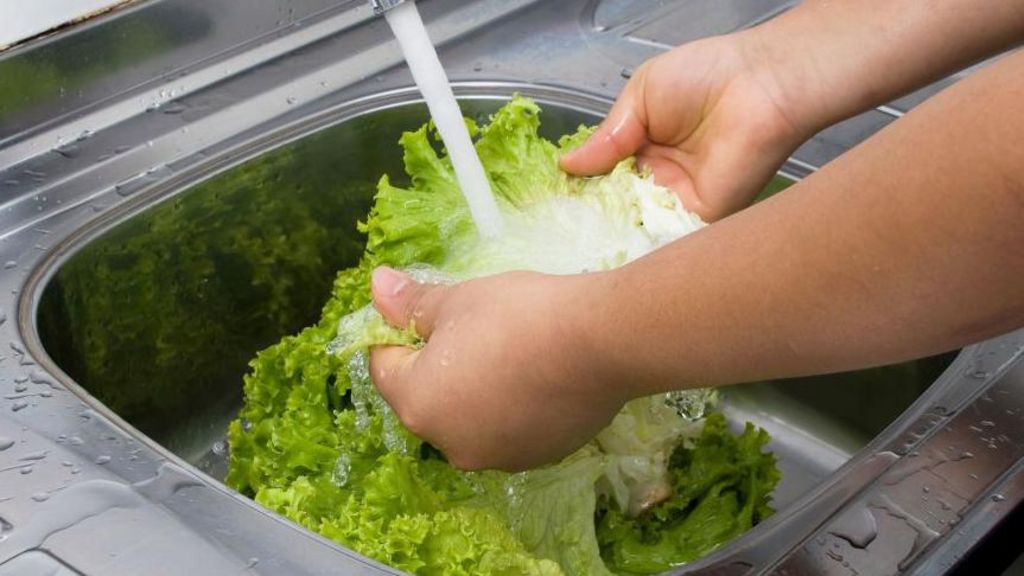
    To reduce public risk of infection, the CDC is urging consumers to wash all fresh produce under running tap water, even products that are marketed and labeled as pre-washed. The agency notes, however, that standard washing practices may not fully eliminate the parasite from contaminated produce. For full decontamination, the CDC recommends cooking all fresh produce to an internal temperature of at least 70°C (158°F), a step that reliably kills the cyclospora parasite.